This post may contains affiliate links. Read our full disclosure here.
If you’ve ever stood in the wine aisle trying to figure out what to grab for tonight’s spaghetti and just given up and grabbed whatever was closest — this one’s for you. Wine with pasta is genuinely one of the most satisfying pairings in all of food and wine, but the rules people try to teach you (“drink white with white sauce, red with red sauce”) are oversimplified to the point of being almost useless. The real answer has more nuance than that, and once you understand the underlying logic, picking the right wine with pasta becomes second nature — no sommelier certification required.
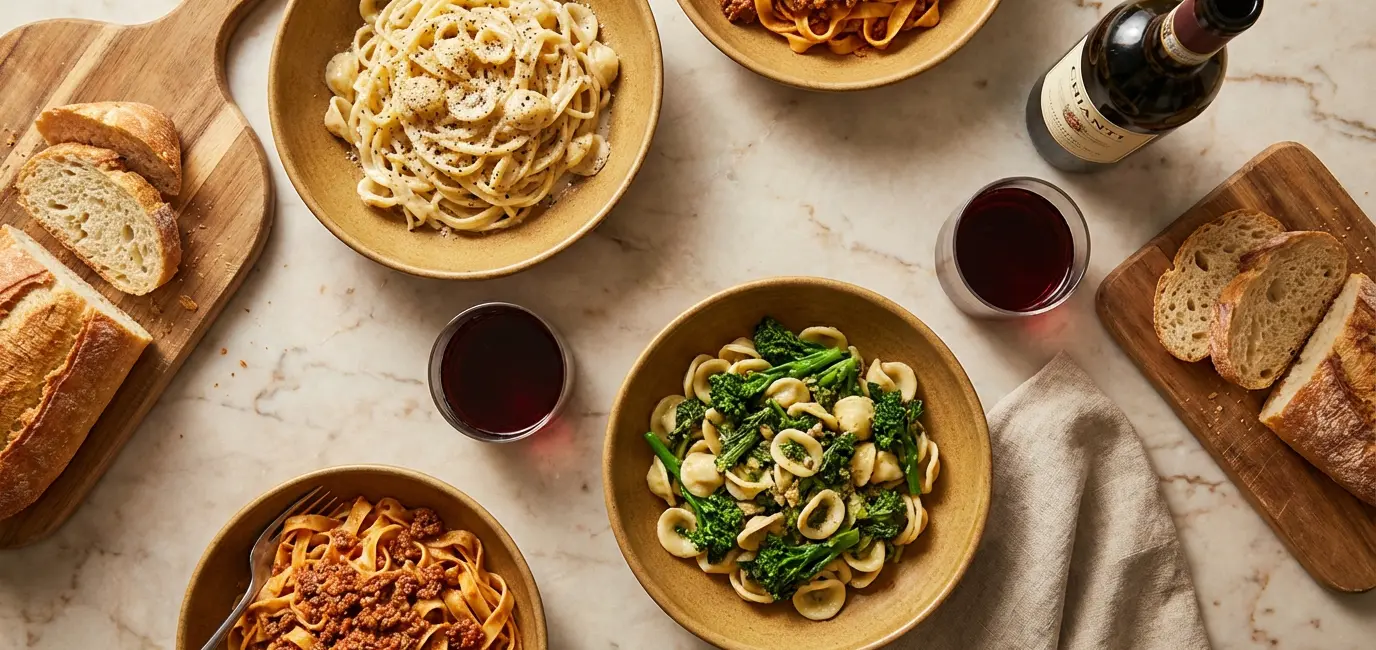
The One Principle That Makes Wine With Pasta Easy
Before we get into specific pairings, I want to explain the one idea that unlocks wine with pasta for most home cooks: pair the wine to the sauce, not the pasta shape. The pasta itself — the noodle, the shape, whether it’s egg-based or semolina — almost never changes the pairing equation. What matters is the sauce: its weight, its acidity, its fat content, and whether the dominant flavor is tomato, cream, seafood, or meat.
“The pasta is the backdrop. The sauce is the story. Match your wine to what’s happening in the sauce, and you’ll almost always get it right.”
The second principle is acid mirrors acid. Tomato-based sauces are naturally high in acidity, which means you need a wine with enough acidity of its own to match — not cut — the tartness of the tomato. Low-acid wines taste flat and flabby against a marinara. High-acid wines like Chianti, Barbera, or Sangiovese-based bottles feel alive next to the same sauce. This is why Italian wines are so reliably good wine with pasta choices — they were literally developed over centuries alongside this food.
The third principle is fat versus tannin. Creamy sauces need wines with body and some richness, but not heavy tannins (which will clash with the fat in the cream). Bold, tannic reds like Cabernet Sauvignon and Syrah are generally not your best move for creamy pasta — they’re better suited to the grilled steak on the side. For creamy dishes, look for wines with weight but softer structure: full-bodied whites, light oak Chardonnay, Pinot Noir, or Garnacha.
Keep these three principles in your head — sauce first, acid mirrors acid, fat hates tannin — and navigating wine with pasta at any restaurant or wine shop becomes a much simpler exercise. Everything below is just these principles applied to specific sauces.
Red Sauce Pastas: The Wines That Actually Hold Up
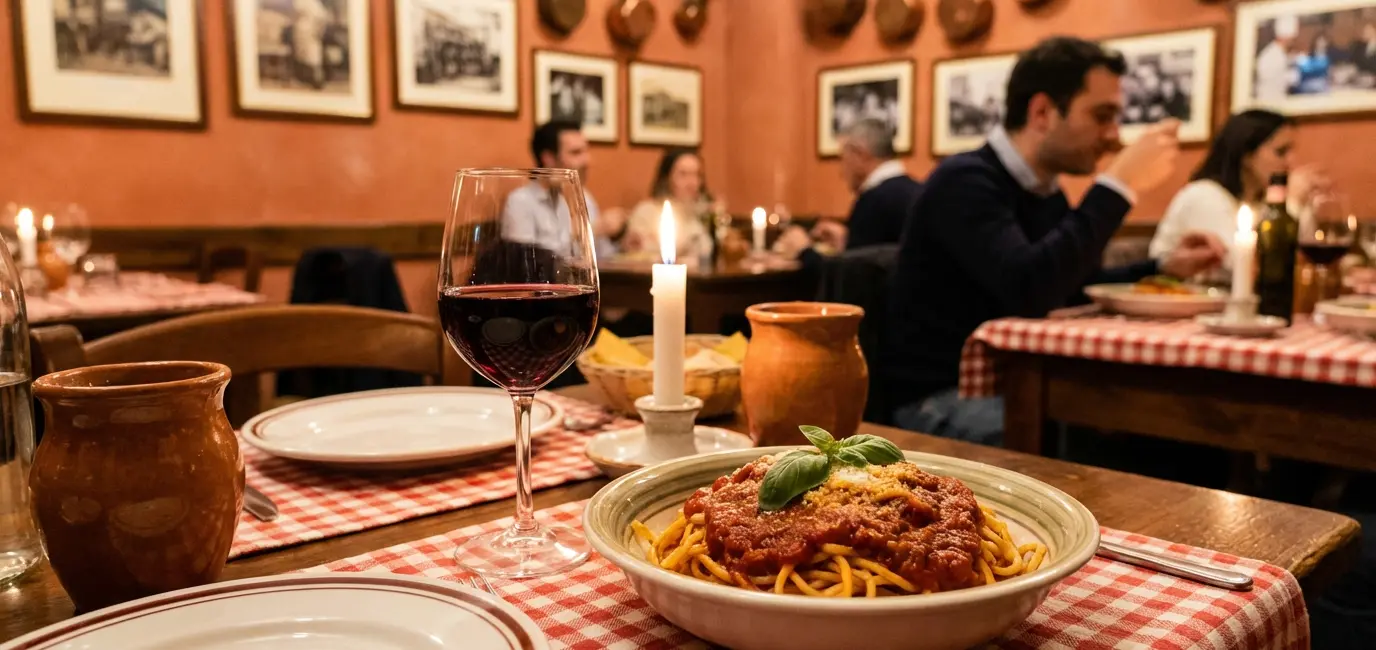
Red sauce pasta is where most people start thinking about wine with pasta, and for good reason — it’s the most common combination at home and in restaurants. Tomato-based sauces (marinara, arrabbiata, amatriciana, puttanesca, vodka sauce) share a bright acidity that rewards high-acid red wines. Here’s what actually works.
Chianti Classico is the gold standard for a reason. Made from Sangiovese in Tuscany, it has the natural acidity and cherry fruit that plays against tomato beautifully. It’s not the most glamorous bottle at the table, but it’s the one that makes the food taste better — which is the entire point of wine with pasta. A DOCG Chianti Classico in the $18–$30 range is a legitimate weeknight upgrade.
Barbera d’Asti or d’Alba from Piedmont is another excellent move. Barbera has some of the highest natural acidity of any red grape, with bright red fruit and almost no tannin. It’s a workhorse pairing grape — less serious than Barolo, friendlier to the everyday pasta dinner. Try it with arrabbiata or a spicy pomodoro.
Montepulciano d’Abruzzo is worth knowing if you want value. It’s a deeply colored, juicy, medium-to-full-bodied red from central Italy with natural earthy depth that makes it ideal wine with pasta for heartier tomato preparations like Sunday gravy or pasta al forno. You can usually find excellent bottles under $15.
What doesn’t work: Oaky, high-tannin reds. A heavy New World Cabernet or a brooding Syrah will feel like it’s fighting the tomato rather than supporting it. Save those bottles for steak night. Browse Italian red wines at Wine.com — they have strong curation for exactly these food-pairing categories.
Cream and White Sauce Pastas: Go Richer Than You’d Think
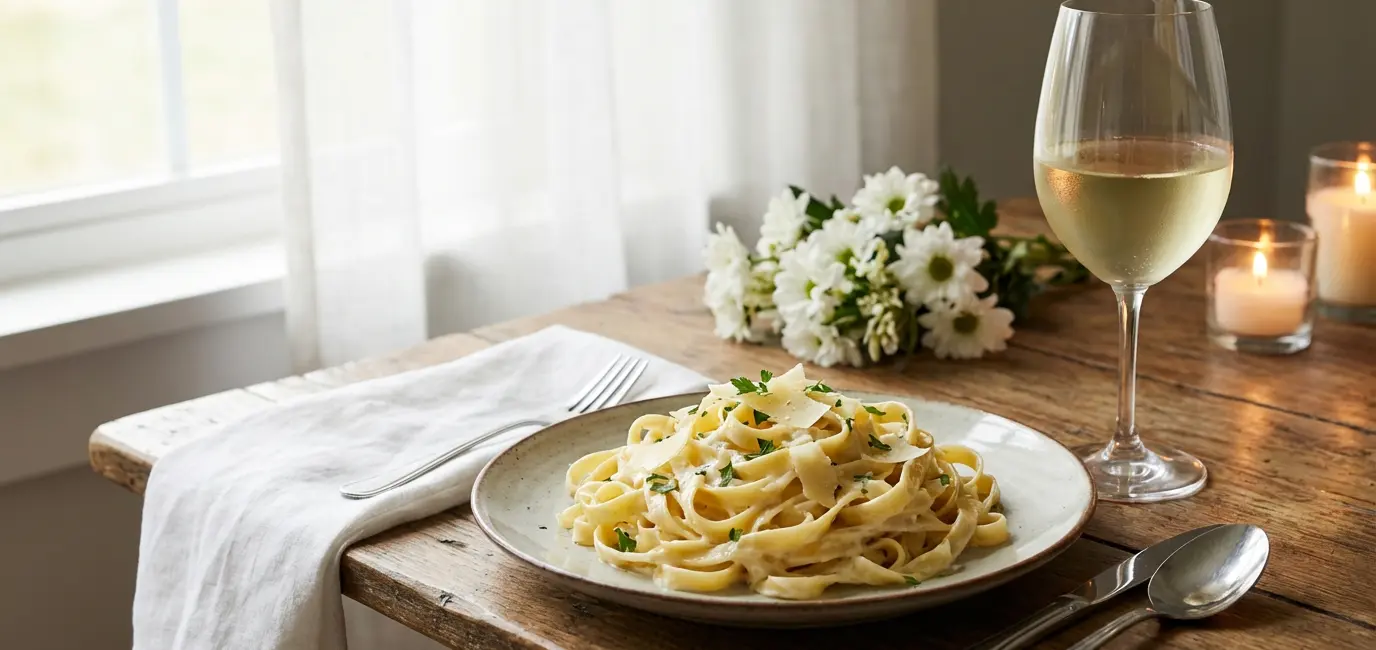
Cream sauce pastas — Alfredo, carbonara, cacio e pepe, pasta primavera in cream, truffle cream sauce — are where people most often undershoot on the wine with pasta pairing. The instinct is to grab a light, crisp white, but cream sauce is rich and fatty, and a too-light wine will disappear against it. You want body and texture — not heavy tannin, but weight and some richness.
Chardonnay is the classic answer, and it earns that reputation. A lightly oaked or unoaked Chardonnay from Burgundy, California, or Australia has the weight and creamy texture to stand alongside Alfredo without being overwhelmed. The key is “lightly oaked” — a heavily buttered, oaky California Chardonnay can actually tip the pairing into being too heavy. Look for bottles that describe themselves as mineral or bright to balance the richness of the cream. Shop white wines at Wine.com and filter by food pairing for solid Chardonnay options at every price point.
Pinot Gris from Alsace is one of the best-kept secrets for wine with pasta in creamy preparations. Alsatian Pinot Gris has real weight and body — almost a richer, more textured style than the light Pinot Grigio from northern Italy — with a slightly spicy, honeyed character that works beautifully with cream sauce and truffle dishes.
Pinot Noir for the red wine lovers: yes, you can serve a light Pinot Noir with cream pasta and it works, particularly with carbonara (which has an egg-based richness rather than cream per se) or a pasta with mushrooms and cream. A Burgundy-style Pinot Noir or a cool-climate Oregon or New Zealand Pinot has soft tannins and red fruit that complements without competing. Explore Pinot Noir selections at Wine.com — the regional filters make it easy to find the lighter, more elegant styles.
For carbonara specifically: The egg yolk and pecorino base creates a savory, salty richness that does well with a glass of Frascati or other central Italian white, or a mineral-driven Vermentino. Lighter than Alfredo in texture, the dish rewards a slightly lighter white wine than full-cream sauces.
Seafood Pasta and Light Oil Dishes: Keep It Bright
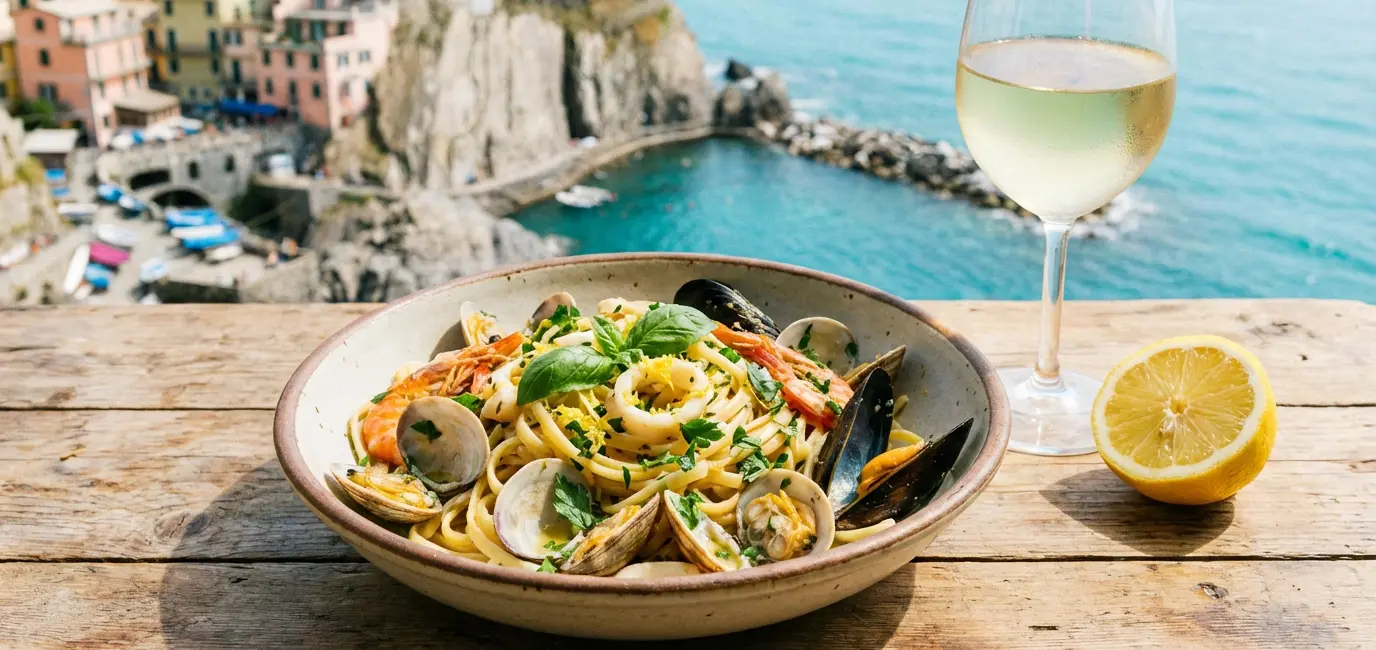
Seafood pasta — linguine alle vongole, spaghetti alle cozze, shrimp scampi pasta, squid ink pasta — and light oil-based dishes like aglio e olio or a simple garlic and herb pasta are where crisp, bright whites absolutely shine as wine with pasta pairings. This is the category where the “white with light” rule actually holds, though the specific variety matters more than the rule itself.
Vermentino is my personal go-to for clam pasta, shrimp pasta, or anything with a light briny base. It has a characteristic saline, almost sea-spray quality — particularly Sardinian and Corsican expressions — that mirrors the minerality of shellfish and reinforces the freshness of the dish. Not always easy to find, but worth seeking out when you’re making linguine alle vongole at home.
Pinot Grigio from Friuli or Trentino-Alto Adige — not the inexpensive, neutral style that most people know, but the more textured, mineral expressions from northeastern Italy — is genuinely wonderful wine with pasta for seafood dishes. Look for bottles labeled Friuli Colli Orientali or Trentino DOC rather than a generic Italian Pinot Grigio.
Sauvignon Blanc works well, especially for shrimp scampi pasta or anything with a garlic-and-white-wine sauce base. Loire Valley Sauvignon (Sancerre, Pouilly-Fumé) or New Zealand Marlborough all bring the citrus and herbal brightness that pairs naturally with seafood and garlic-forward preparations.
For aglio e olio or a simple olive oil and garlic pasta: this dish is deceptively hard to pair with wine because the garlic is so pungent and the dish is so lean. A dry, high-acid, low-fruit white works best — Greco di Tufo from Campania, Verdicchio from Marche, or a basic Soave Classico. The neutrality and acidity keep the wine from clashing with the garlic without disappearing alongside the food.
If you want to explore some really beautiful organic and biodynamic options for seafood pasta pairings — where the terroir-driven wines tend to have exactly the minerality and brightness these dishes call for — Organic Wine Exchange has a curated selection of natural Italian whites and coastal varietals worth exploring.
Meaty Pasta Sauces: When You Need a Serious Red
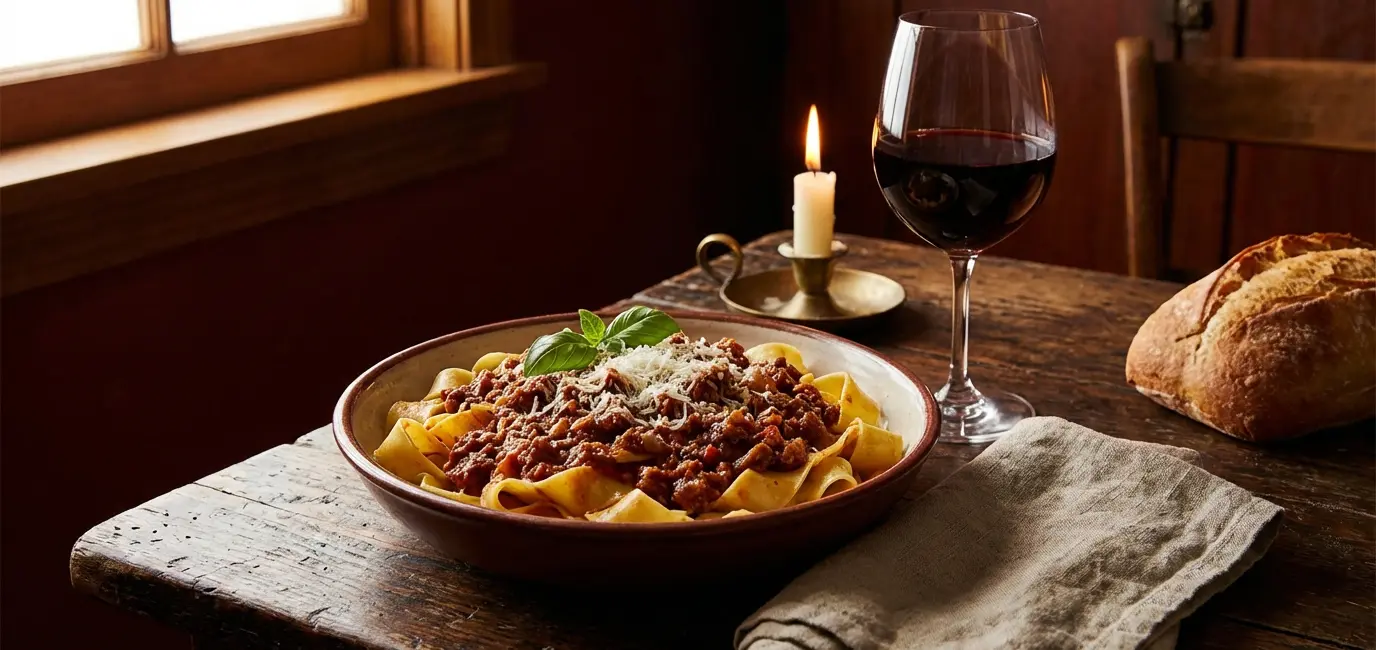
Meaty pasta sauces — Bolognese, short rib ragù, lamb ragù, oxtail pasta, salsiccia pasta — are the category where you finally get to open the big reds. These are rich, long-cooked preparations with deep umami and fat from the meat, and they reward wine with pasta pairings that have real structure, tannin, and body.
Barolo or Barbaresco are the Piedmontese powerhouses for Bolognese. Nebbiolo, the grape of both wines, has high tannin, high acid, and a distinctive garnet, rose-and-tar perfume that works extraordinarily well with slow-cooked beef or veal ragù. Barolo in particular is sometimes called “the wine of kings” — not because it’s pretentious, but because it genuinely elevates the food next to it. A simple homemade Bolognese with a good Barolo is one of the great simple pleasures in eating.
Aglianico from Campania or Basilicata (look for Taurasi DOCG or Aglianico del Vulture) is a southern Italian red that most people outside of Italy still underestimate. Dark, tannic, with volcanic mineral depth and earthy dark fruit, it’s a natural with lamb ragù, wild boar pasta, or any pasta with a deep, gamey meat sauce. It’s also usually significantly less expensive than Barolo for the same structural profile.
Amarone della Valpolicella is the richest, most intense wine with pasta pairing in the meaty sauce category. Made from partially dried Corvina grapes in Veneto, Amarone is dense, almost port-like in concentration, with flavors of dried cherry, chocolate, and leather. It deserves a ragù that can stand up to it — a rich short rib pasta or a very slow-cooked oxtail sauce. Don’t open it for a simple weeknight Bolognese; save it for the occasion when the sauce has been simmering for four hours.
Practical weeknight option: For an everyday Bolognese, you don’t need Barolo. A solid Morellino di Scansano, a Primitivo from Puglia, or even a good Montepulciano (different from the wine above — Vino Nobile di Montepulciano is Tuscan and more structured than the Abruzzese version) all deliver the right depth and structure for meaty pasta at a fraction of the price. Browse full-bodied Italian reds at Wine.com for current selections across all these regions. If you’re curious about having the right glassware to serve these wines properly, a set of large-bowl red wine glasses actually makes a noticeable difference with structured reds — the wider bowl allows more aeration.
More Wine Pairing Guides
If these wine with pasta principles have you thinking about other pairing combinations, here are the guides I’d read next. How to pair wine and cheese covers a lot of the same underlying logic — acid, fat, and texture — applied to the cheese board. Best wines for Mexican food is a fun one: it applies pairing principles to a cuisine most people would never think to match with wine. Easter brunch wine pairings and Cinco de Mayo wine cocktails are both worth bookmarking for spring entertaining. And if you want to turn a pasta night into a proper occasion, spring dinner party menu ideas has a full host’s guide including wine service that pairs beautifully with the pairing logic above. For building out your wine collection more broadly, how to set up a home wine bar and how to host a wine tasting at home are both good next reads — having a few reliable bottles of the Italian varietals above always on hand makes wine with pasta night a spontaneous pleasure rather than a last-minute errand.
FAQ
What is the best wine with pasta in red sauce?
High-acid Italian reds are the gold standard for wine with pasta in tomato-based sauces. Chianti Classico, Barbera d’Asti, and Montepulciano d’Abruzzo are all excellent choices. The key is matching the acidity of the wine to the natural acidity of the tomato — low-acid reds taste flat and dull against a marinara, while high-acid Italian reds come alive.
What wine goes with pasta Alfredo or carbonara?
Cream sauce pastas need wines with body and texture rather than light, crisp whites. A lightly oaked Chardonnay is the classic answer for Alfredo. Alsatian Pinot Gris works beautifully for creamy truffle pastas. For carbonara, a mineral Italian white like Frascati or Verdicchio handles the egg-and-pecorino richness without overpowering the dish. Light Pinot Noir also works surprisingly well with carbonara.
What wine goes with seafood pasta?
Crisp, mineral whites are the best wine with pasta for seafood dishes. Vermentino, high-quality Pinot Grigio from Friuli, and Sauvignon Blanc all work well. For aglio e olio or simple oil-based dishes, look for neutral, high-acid whites like Soave, Verdicchio, or Greco di Tufo — the acidity keeps the wine from clashing with garlic.
Can I drink red wine with pasta?
Absolutely. Wine with pasta doesn’t mean white wine is always right — it depends entirely on the sauce. Red sauce pastas genuinely want red wine. Meaty ragù sauces deserve serious reds like Barolo or Aglianico. Even creamy pastas can work with a light Pinot Noir. The rule ‘white with white sauce, red with red sauce’ is a starting framework, not a law — follow the sauce, not the color of the noodle.
What Italian wine is best for pasta?
Italy is exceptional for wine with pasta because the country’s wine culture evolved alongside its food culture over centuries. Chianti Classico (Sangiovese from Tuscany) is the most versatile — it works with tomato, light meat, and even some vegetable-based sauces. Barbera is a fantastic everyday red for tomato pastas. Barolo and Barbaresco are the prestige choices for Bolognese and ragù. For whites, Vermentino, Verdicchio, and Friuli Pinot Grigio are the best seafood pasta pairings.
What wine should I avoid with pasta?
Very high-tannin, oaky reds — full Cabernet Sauvignon, heavy Shiraz, or big-structured Bordeaux — generally fight against most pasta sauces rather than supporting them. They’re better suited to red meat without a sauce. Very sweet wines are also a poor match for savory pasta dishes. Beyond that, almost any wine can work with pasta as long as the weight and acidity are in the right range for the sauce.
The best thing about wine with pasta as a category is how forgiving it is once you understand the underlying logic. Unlike some high-precision pairings that require an exact match, pasta sauces are inherently flexible — the tomato-acid-reds principle alone gives you dozens of great options at every price point. Start with an Italian grape and the sauce’s dominant flavor profile, and you’ll almost always land somewhere enjoyable. For more on broadening your wine knowledge in ways that translate directly to better dinners, the best rosé wines for spring is a good read for the season — rosé, incidentally, is a sleeper pairing for pesto pasta and lighter spring vegetable preparations that we didn’t get to cover here.