This post may contains affiliate links. Read our full disclosure here.
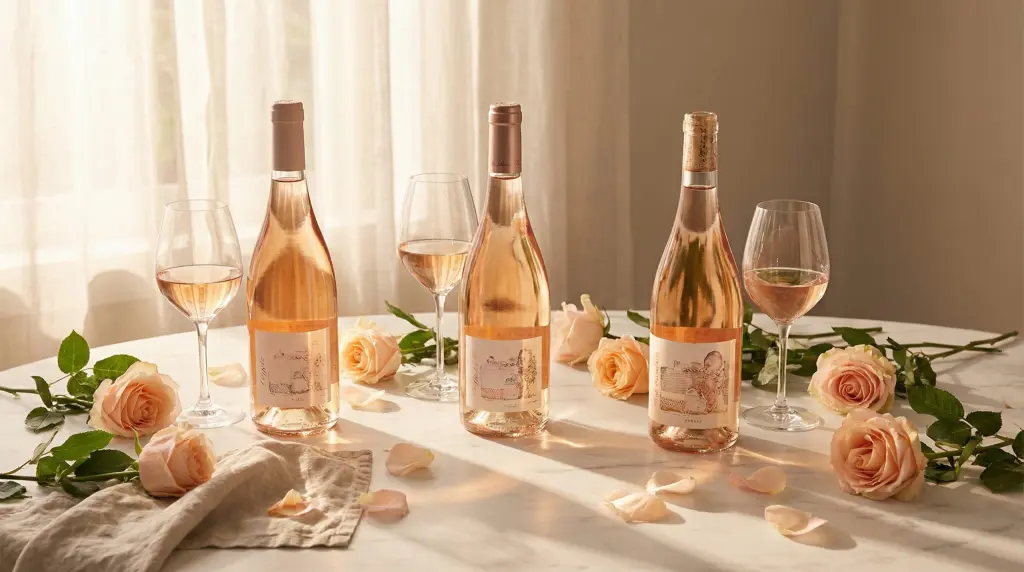
Spring doesn’t officially start for me until there’s a glass of chilled rosé in my hand. Every year I look forward to revisiting my favorites, trying new bottles, and building a little mental list of the best rosé wines for spring 2026. This year, the range is incredible — from pale Provençal classics to bold Spanish rosados to some surprisingly excellent bottles under $20. Whether you’re stocking up for a spring dinner party, a backyard gathering, or just the kind of Tuesday that deserves something pretty in a glass, this guide covers everything you need to know about the best rosé wines for spring 2026.
What Makes a Great Spring Rosé?
Before we get into specific bottles, it helps to understand what separates a truly great spring rosé wine from a forgettable one. Rosé is one of the most misunderstood wine styles — a lot of people still associate it with sweetness or simplicity, but the best rosé wines are just as nuanced, structured, and complex as a great white or red.
Dry vs. Sweet Rosé
The most important thing to know when shopping for the best rosé wines for spring 2026 is where they fall on the sweetness spectrum. Most European rosé — especially from Provence, Spain, and Italy — is bone dry. Most domestic American rosé ranges from off-dry to medium-sweet (think: White Zinfandel territory). Neither is wrong, but if you want the kind of structured, food-friendly rosé that pairs beautifully with a spring spread, dry is almost always the way to go. If you’re not sure where to start, I wrote a deep dive on what dry wine actually means that covers this whole spectrum.
Color Isn’t Everything, But It Tells You Something
The color of a rosé wine tells you roughly what to expect in the glass. Pale salmon and onion-skin pink (like Provence) generally signal delicate, dry, and mineral. Deeper coral and hot pink (like many Spanish rosados and some California bottles) often signal more body, more fruit, and sometimes a touch of residual sugar. This isn’t a rule — winemaking style matters as much as color — but it’s a useful quick read when you’re browsing.
What to Look for in a Spring Rosé
- Freshness: Spring rosé should be the most recent vintage available. Rosé is not a wine that improves with age — the 2024 or 2025 vintage is almost always better than the 2022.
- Balance: The best rosé wines have a balance between fruit, acidity, and either minerality or body — nothing should dominate.
- Versatility: A great spring rosé should work as an aperitif and pair well with food. If it’s too sweet or too heavy, it loses that versatility.
- Price: Unlike red wine, price and quality correlate less tightly in rosé. Some of the best rosé wines are under $20. But the $25–$40 range does open up significantly better options.
You can find an excellent selection of spring rosé wines at Wine.com’s rosé collection, which is well-curated and ships to most states — helpful if your local store’s rosé selection is still in “winter mode.”
The Best Rosé Wines from Provence
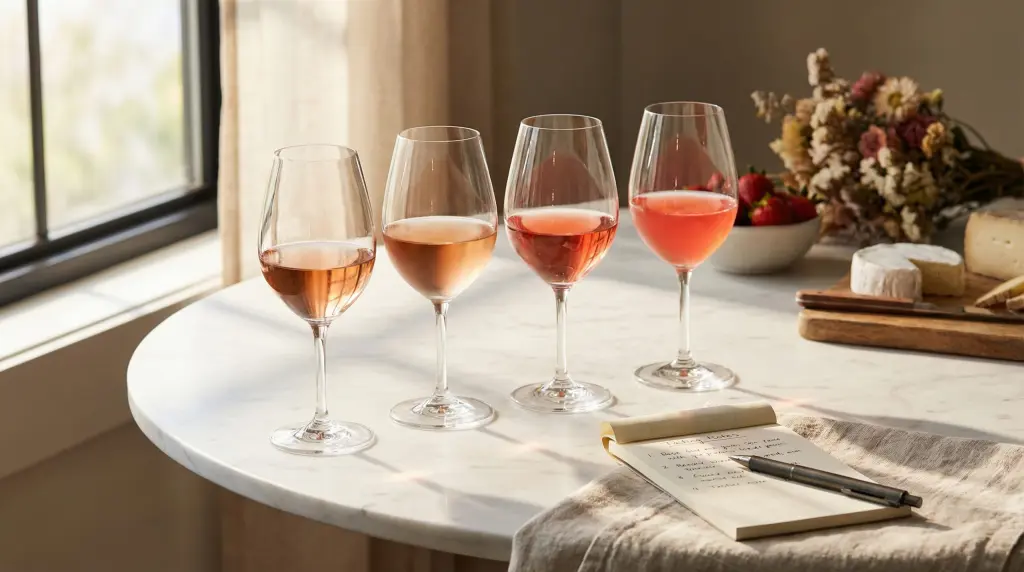
Provence is the undisputed spiritual home of dry rosé, and it produces some of the most food-friendly, elegant spring rosé wines in the world. The signature Provençal style — pale onion-skin color, delicate strawberry and peach aromatics, bright acidity, and a mineral, almost saline finish — is what a lot of people picture when they think of the perfect spring glass. Here are the bottles worth knowing for 2026.
Whispering Angel (Château d’Espérance)
No list of best rosé wines for spring would be complete without Whispering Angel. It’s become something of a cultural shorthand for elegant Provençal rosé, and the 2024 vintage doesn’t disappoint. Expect pale salmon in the glass, aromas of fresh strawberry and white peach with a hint of cream, and a crisp, dry palate with excellent length. It’s approachable enough for a casual afternoon on the patio but polished enough for a proper dinner party. Around $25–$28 a bottle.
Miraval Rosé (Brad Pitt and Marc Perrin)
Miraval has quietly become one of the most consistent quality-to-value rosé wines from Provence. Made in collaboration between Château Miraval and the Perrin family (of Château Beaucastel fame), the 2024 vintage is precise and elegant — pale pink, with notes of white flowers, citrus zest, and a mineral backbone that keeps the finish clean and long. Around $22–$25, it’s one of the better deals in Provence rosé.
Caves d’Esclans Rock Angel
If you’re ready to step up from Whispering Angel to something more structured and complex, Rock Angel is the next tier from the same estate. It’s fuller-bodied with more texture — a tiny portion sees oak, which adds a creamy, round quality to the bright fruit and minerality. If you’re serving the best rosé for a dinner rather than just an aperitif, Rock Angel is the choice. Around $45–$50.
AIX Rosé (Aix-en-Provence)
AIX is one of the most beautiful bottles in any wine section — the tall, art-deco inspired bottle is reason enough to put it on a table. The wine inside holds up: pale, delicate, with fresh red fruit and a chalky mineral finish that screams southern Provence. The 2024 vintage is especially good. Around $20–$24, it’s an excellent value for the quality and presentation.
The best Provençal rosé doesn’t announce itself — it just makes everything around it feel more elegant. That’s the whole point.
Top Dry Rosé Wines from Spain and Italy
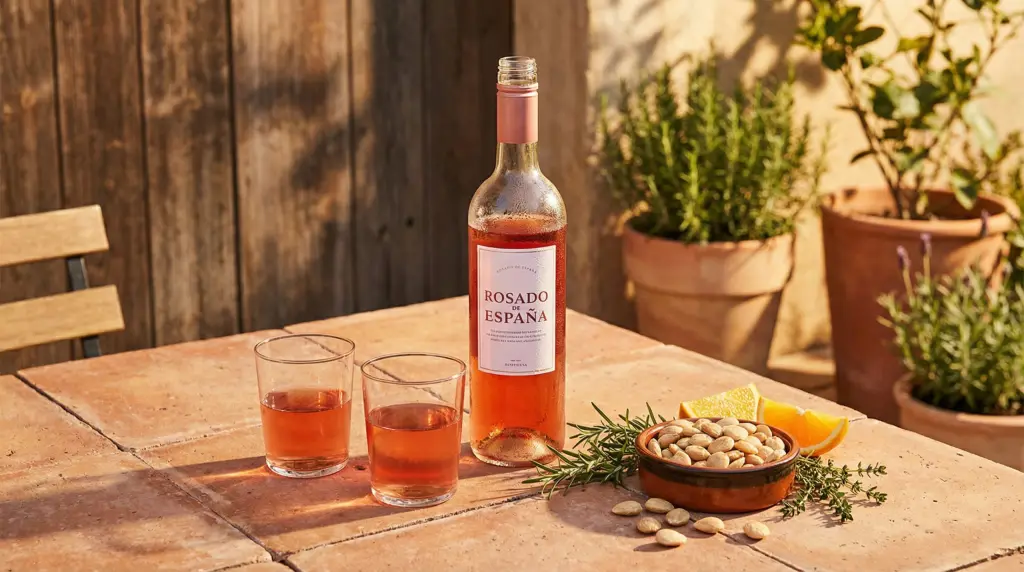
Provence gets the headlines, but some of the most exciting and best-value rosé wines for spring 2026 are coming from Spain and Italy. Spanish rosados are made from grapes like Garnacha, Tempranillo, and Bobal — which deliver more color, more body, and more fruit intensity than Provence. Italian rosatos span from delicate Pinot Grigio-based pinks in the north to rich, structured Nero d’Avola rosés from Sicily.
Muga Rosé (Rioja, Spain)
Muga is one of Rioja’s most respected producers, and their rosé is a masterclass in the Spanish rosado style. Made from Garnacha and Viura, it has a deeper salmon-coral color than Provençal rosé, with aromas of ripe strawberry, cherry, and a savory herbal note that makes it incredibly food-friendly. The palate is dry, structured, and satisfying — this is a rosé wine you can drink through a full dinner rather than just as an aperitif. Around $16–$19, it’s one of the best values in spring rosé.
Bodegas Juan Gil Rosé (Jumilla, Spain)
Jumilla is a Spanish wine region that doesn’t get nearly enough attention, and Juan Gil’s rosé is proof of why it should. Made from 100% Monastrell, this rosé has a vivid hot-pink color, intense dark berry aromatics, and a surprisingly fresh, dry palate with lively acidity. It’s bold enough to stand up to grilled proteins but refreshing enough to sip on its own. Around $12–$15, it’s a steal.
Planeta Rosé (Sicily, Italy)
Planeta is one of Sicily’s benchmark producers, and their rosé — made from Syrah — is a beautiful expression of the Italian rosato style. It’s a deeper, more structured pink with notes of wild strawberry, pepper, and a hint of floral violet. The finish is long and dry with good mineral tension. If you’re hosting a spring dinner and want a rosé that works across multiple courses, Planeta is an excellent choice. Around $18–$22.
Cantele Rosé (Puglia, Italy)
Made from Negroamaro, Cantele’s rosé is a serious wine dressed in a beautiful pale salmon package. Puglia knows how to coax great rosé from indigenous grapes, and this bottle delivers — bright cherry and pomegranate on the nose, dry and textured on the palate, with a savory, almost earthy finish. Outstanding value at around $14–$18. I’ve recommended this at more than one spring dinner party and it always earns compliments.
Best Rosé Wines for Food Pairings
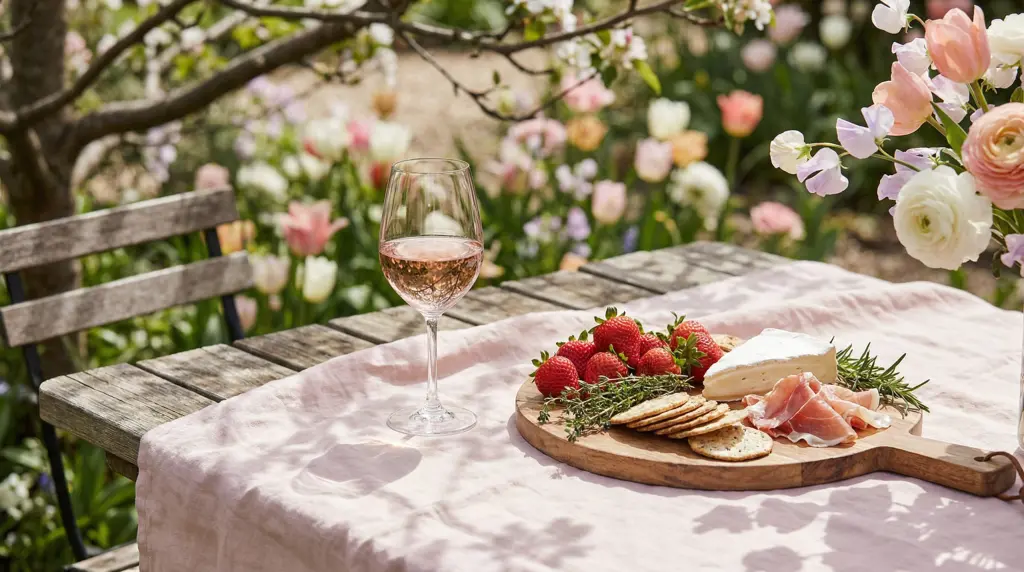
One of the things I love most about the best rosé wines is how genuinely food-friendly they are. A good dry rosé can do things most white wines can’t — it handles richer proteins, earthy ingredients, and bold flavors that would overwhelm a delicate Sauvignon Blanc — while staying lighter and fresher than a red. Here’s how to match the right spring rosé wine to your spring table. (For even more pairing ideas, my guide to wine and cheese pairing has a whole section on rosé pairing principles that goes deeper on the cheese angle.)
Provence Rosé: The Universal Spring Wine
Dry Provençal rosé is my go-to for anything that might be tricky to pair. Its combination of bright acidity, delicate fruit, and mineral backbone makes it incredibly versatile. It works beautifully with: herb-crusted roasted chicken, spring vegetable risotto, a simple green salad with goat cheese, fresh salmon, sushi and sashimi, and almost any charcuterie board. The one place it can feel thin is with heavily spiced or very rich dishes — in that case, step up to a Spanish rosado or an Italian rosato with more body.
Spanish Rosado: The Bold Spring Table Wine
If your spring menu runs toward grilled meats, lamb, or anything with a bit of char, a full-bodied Spanish rosado is the better call than a delicate Provençal. The additional body and fruit intensity handle those flavors without being overwhelmed. Think: grilled lamb chops with mint sauce, paella, lamb burgers, or a hearty grain salad. Muga Rosé and Juan Gil are both excellent here.
Italian Rosato: The Food-Forward Choice
Italian rosatos — especially from Puglia and Sicily — have a savory, earthy quality that makes them especially good with food. They pair particularly well with cured meats and antipasto, eggplant dishes, pizza, pasta with tomato-based sauces, and anything with olives or capers. The Cantele and Planeta rosés are both excellent choices at a spring gathering where the food is the star.
For glassware, a standard white wine glass works perfectly for rosé — you don’t need a special rosé glass. A set of crystal wine glasses with a tulip bowl shape shows off the color and concentrates the aromatics beautifully.
Best Budget Rosé Wines Under $20
One of the great things about shopping for the best rosé wines for spring 2026 is that the value-to-quality ratio at the under-$20 price point is genuinely excellent. You don’t need to spend $30+ to get a beautiful spring glass. These are my picks for the best budget rosé wines this spring.
Chateau Ste. Michelle Rosé (Washington State) — ~$12
Chateau Ste. Michelle produces some of the best value wines in the US, and their rosé is no exception. Made from a blend that varies by vintage but typically includes Grenache and Syrah, it’s a clean, fresh, slightly off-dry rosé with strawberry and watermelon notes and an easy, approachable style. Not the most complex bottle on this list, but reliably enjoyable and incredibly affordable. Great for large gatherings.
Bota Box Rosé (California) — ~$20 for 3L
If you’re hosting a crowd and need a lot of rosé without breaking the bank, Bota Box is genuinely one of the better boxed wine options available. The rosé is light, fresh, and inoffensive — not complex, but clean and correctly balanced with good bright fruit. At roughly $20 for the equivalent of four bottles, it’s the smartest spend when you need volume.
Dark Horse Rosé (California) — ~$10–13
Dark Horse consistently over-delivers at its price point. Their rosé has a beautiful coral color, notes of strawberry, peach, and watermelon, and a slightly off-dry finish that leans approachable. Not the most sophisticated bottle, but genuinely enjoyable and extremely easy to find at most grocery stores.
Kim Crawford Rosé (New Zealand) — ~$16–18
Kim Crawford made its name on Sauvignon Blanc, and their rosé brings a similar vibrant, crisp character. Made from a blend including Merlot and Syrah, it’s a medium-intensity rosé with notes of strawberry, citrus, and a refreshing finish. Slightly fuller than a Provençal but not as bold as a Spanish rosado — a nice middle ground. Widely available and consistently good.
For a wider selection of rosé wines at every price point, including some natural and organic options, Organic Wine Exchange carries a great curated range of biodynamic and natural rosés that are worth exploring if you prefer lower-sulfite options.
If you’re building a spring wine tasting at home, I covered everything you need in my guide to how to host a wine tasting at home — including how to set up the tasting flight and what to tell your guests.
FAQ
What is the best rosé wine for spring 2026?
The best rosé wines for spring 2026 include Whispering Angel and Miraval from Provence for elegant, dry styles, Muga Rosé from Rioja for a food-forward Spanish option, and AIX Rosé for excellent value. The “best” depends on your taste and the occasion — if you want versatility, go Provençal; if you want bold fruit and body, go Spanish rosado.
What’s the difference between rosé and rosado?
Rosé is the French term; rosado is the Spanish term. Both refer to pink wines made by limited skin contact with red grapes or by blending red and white wines. The style differences are significant, though — Provençal rosé tends to be pale, delicate, and mineral, while Spanish rosado is typically deeper in color, fuller-bodied, and more fruit-forward.
Is rosé wine sweet?
Not necessarily. Most European rosé — especially from Provence, Spain, and Italy — is completely dry. The pink color comes from brief skin contact with red grapes, not from added sugar. Some American rosé styles, including White Zinfandel, are medium to sweet. When in doubt, look for the word “dry” on the label or check for European origin.
What food pairs best with rosé wine?
Dry rosé is one of the most food-versatile wines you can pour. It pairs beautifully with charcuterie and cheese boards, fresh seafood and sushi, herb-crusted chicken, spring salads with goat cheese, and almost any light spring meal. Bolder Spanish rosados handle grilled meats, lamb, and paella. Avoid pairing delicate Provençal rosé with very spicy or heavily smoked dishes.
When should I drink rosé wine?
Rosé wine is best consumed young — always buy the most recent vintage available. Unlike many reds, rosé does not improve with age; the freshness, fruit, and brightness that make it appealing fade over time. Most rosé is at its best within 1–2 years of vintage. The exception is some high-end, structured rosés from Provence (like Rock Angel) which can develop interestingly with 3–5 years of cellaring.
What’s the best budget rosé wine?
At under $20, Muga Rosé from Rioja (~$17), Kim Crawford Rosé (~$17), and AIX Rosé (~$22) offer the best quality. For true budget options under $15, Juan Gil Rosé from Jumilla (~$13) and Cantele Rosé from Puglia (~$15) are both excellent. Dark Horse and Chateau Ste. Michelle are reliable everyday options in the $10–$13 range.
The best rosé wines for spring 2026 cover every style, every budget, and every occasion — from a $12 bottle for a Tuesday evening to a $45 Rock Angel for a proper dinner party. The only rule that really matters is freshness: always buy the most recent vintage, always serve it cold, and always drink it with people you like in a place you love. Spring is short. Drink the good rosé now. And if you’re looking for the right spot to enjoy a glass in person, my guide to the best wine bars in Pasadena has plenty of options for sipping in style.