This post may contains affiliate links. Read our full disclosure here.
Natural wine is wine made with minimal intervention: grapes grown without synthetic pesticides or herbicides, fermented with wild ambient yeasts rather than laboratory-selected commercial strains, and bottled with little or no added sulfites. If you have walked into a wine shop recently and noticed bottles with hand-drawn labels, cloudy contents, and names like “Pet-Nat” or “Skin Contact,” you have been looking at natural wine. This guide covers everything you need to understand about natural wine as a beginner — what it actually is, how it tastes, why it matters, which styles to start with, and where to find bottles worth opening on a Tuesday night.
What Is Natural Wine, Exactly?
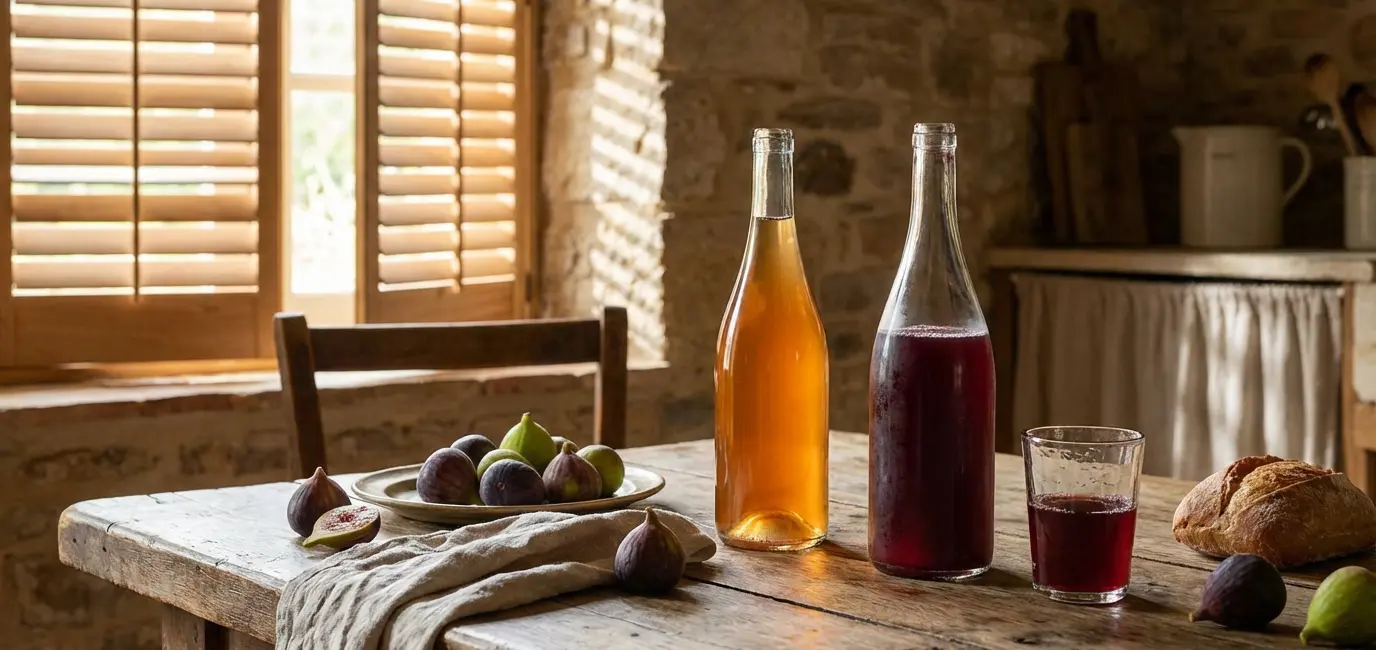
The phrase “natural wine” has no legal definition anywhere in the world — which is simultaneously its greatest strength and the source of most of the confusion around it. Unlike “organic” (a regulated term in most countries) or “biodynamic” (a certified method with strict requirements), natural wine is a philosophical category, not a certification. There is no official body that grants a producer the right to call their wine natural, and there is no standardized rulebook that every natural winemaker follows.
What most people in the industry agree on is this: natural wine sits at the most hands-off end of the winemaking spectrum. The general consensus for what makes a wine qualify as natural includes:
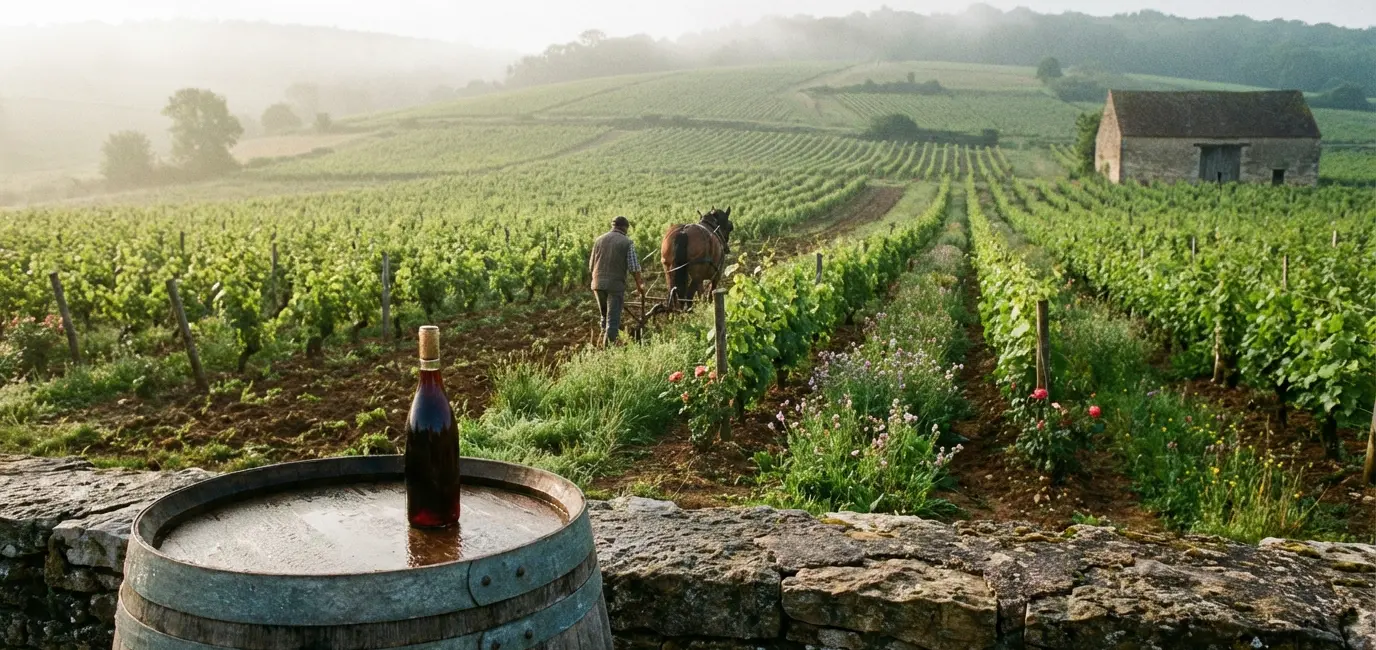
- Organic or biodynamic farming: No synthetic pesticides, herbicides, or fertilizers in the vineyard. The vine and the soil are treated as a living ecosystem rather than a production input
- Hand harvesting: Grapes picked by hand rather than machine — because machine harvesting crushes some grapes before they reach the winery, which begins oxidation and fermentation outside of the winemaker’s control
- Wild yeast fermentation: The juice ferments using naturally occurring ambient yeasts (from the grape skins, the winery environment, the air) rather than commercial yeast strains added by the winemaker. This is the element that gives natural wine its most distinctive and unpredictable flavor character
- No or minimal sulfite additions: Sulfur dioxide (SO2) is the most common additive in conventional winemaking — it prevents oxidation and microbial spoilage. Natural wine uses little or none, which means the wine is more alive and more vulnerable — and more likely to evolve (or change) in the bottle and glass
- No other additives: Conventional wine can legally contain up to 60+ permitted additives (acidification agents, fining agents like egg white or bentonite clay, sugar additions, color adjusters). Natural wine uses none of these — the only ingredients are grapes and ambient yeast
“Natural wine is not a trend. It is a return to the way wine was made for most of human history — before the industrialization of the 20th century turned winemaking into food manufacturing. The cloudiness, the funk, the unexpected flavors: those are not flaws. That is the wine being honest about what it is.”
The practical result of these choices is a wine that is more expressive, more variable, and occasionally more challenging than conventional wine. A bottle of natural wine from the same producer can taste noticeably different from one vintage to the next — because wild yeast and minimal intervention means the wine reflects the specific conditions of that harvest, that season, that year. This is considered a feature, not a bug, by natural wine enthusiasts. It is the opposite of the consistent, predictable profile that large commercial producers work hard to maintain.
Natural Wine vs Organic vs Biodynamic: What’s the Difference?
One of the most common points of confusion in the natural wine world is the relationship between natural, organic, and biodynamic — three terms that overlap but mean distinctly different things.
Organic wine
Organic wine is legally defined and regulated. In the US, the USDA National Organic Program sets the rules: organic wine must be made from certified organic grapes (no synthetic pesticides or fertilizers in the vineyard) and cannot have added sulfites. In the EU and many other markets, “organic wine” means organic farming AND limits on winery practices (including sulfite limits at harvest). Organic wine is a significant subset of the natural wine world, but not all organic wine is natural — an organic producer can still use commercial yeasts and additives that a natural winemaker would avoid. Wine.com’s organic wine collection gives a good overview of certified organic options across every style.
Biodynamic wine
Biodynamic farming is organic farming taken further — it treats the vineyard as a self-sustaining organism governed by natural cycles (lunar calendar, seasonal rhythms, interrelationships between soil, plant, and cosmic forces). The Demeter certification is the main biodynamic credential. Biodynamic winemakers are often — but not always — natural winemakers in the cellar as well as the vineyard. Many of the most celebrated natural wine producers farm biodynamically. Browse biodynamic wines on Wine.com for certified options that bridge the gap between biodynamic farming and minimal-intervention winemaking.
Natural wine (where it sits)
Natural wine is the broadest and most radical category: it encompasses organic and biodynamic farming AND extends those principles into the winery itself (wild yeast, no additives, minimal sulfites). All natural wine should be farmed organically or better. Not all organic wine is natural. Biodynamic farming is the most common agricultural practice among serious natural wine producers, but a biodynamically farmed wine can still be made with conventional winery techniques. The distinction that defines natural wine is the absence of intervention in the winery, not just the vineyard.
What Does Natural Wine Actually Taste Like?
This is the question I get most often from friends who are curious about natural wine but nervous about what they are getting into. The honest answer: natural wine tastes like a very wide range of things, because the category is defined by what is NOT done to the wine rather than a specific flavor profile. But there are some characteristic tendencies that new drinkers should know about.
The funk factor
Many natural wines have what enthusiasts call “funk” — earthy, barnyard, slightly sour, or fermented notes that do not exist in conventional wine. These come from wild yeast strains and from naturally occurring bacteria that are present in any minimally controlled fermentation environment. A small amount of funk is considered desirable by natural wine lovers: it signals authenticity, terroir expression, and the character of place. An excessive amount indicates a wine fault. The line between “pleasantly funky” and “actually flawed” is genuinely subjective, and it is one of the things that makes natural wine polarizing for people who are used to the cleaner, more fruit-forward profiles of conventional wine.
The texture difference
Natural wines often have a textural quality that conventional wines lack: a slight graininess, a subtle fizz (especially in pet-nats), or a fuller, rounder mouthfeel that comes from extended skin contact or unfined production. This is not a defect — it is the result of leaving the wine closer to its natural state. Many drinkers who try natural wine find this texture deeply satisfying in a way that polished conventional wine is not.
The flavor range
At their best, natural wines deliver flavor complexity that is hard to find in conventional wine at any price point: layers of wild fermentation notes alongside fruit, mineral precision that reflects the specific soil of the vineyard, and a liveliness on the palate that comes from naturally occurring carbonation and acidity. Expect: dried fruit, wild herbs, forest floor, citrus pith, sourdough, stones, brine, and a distinctive savory quality that makes natural wine particularly excellent with food.
For context, I wrote a full primer on the wine category most closely associated with the natural wine movement — see my guide to orange wine explained, which is arguably the most approachable entry point into natural wine for curious beginners. And if you want to understand how to interpret what you are tasting before you open a natural wine, how to read a wine label will help you decode the producer and region information that matters most in the natural wine world.
The Main Styles of Natural Wine You Need to Know

The natural wine category encompasses several distinct styles, each with its own flavor profile and production method. As a beginner, knowing the main styles helps you navigate a natural wine shop or list without feeling lost.
Pétillant Naturel (Pét-Nat)
Pét-nat is the oldest method of making sparkling wine — the wine is bottled before primary fermentation is complete, so the remaining fermentation happens in the bottle, creating natural carbonation and leaving a small amount of yeast sediment inside. The result is a slightly fizzy, cloudy, fresh, and often lower-alcohol wine that has become the gateway drug of the natural wine world. Pét-nats are typically the most accessible, food-friendly, and unpretentious entry point into natural wine. Start here. Organic Wine Exchange’s sparkling collection has excellent pét-nat options from producers who nail this style.
Skin-contact wine (orange wine)
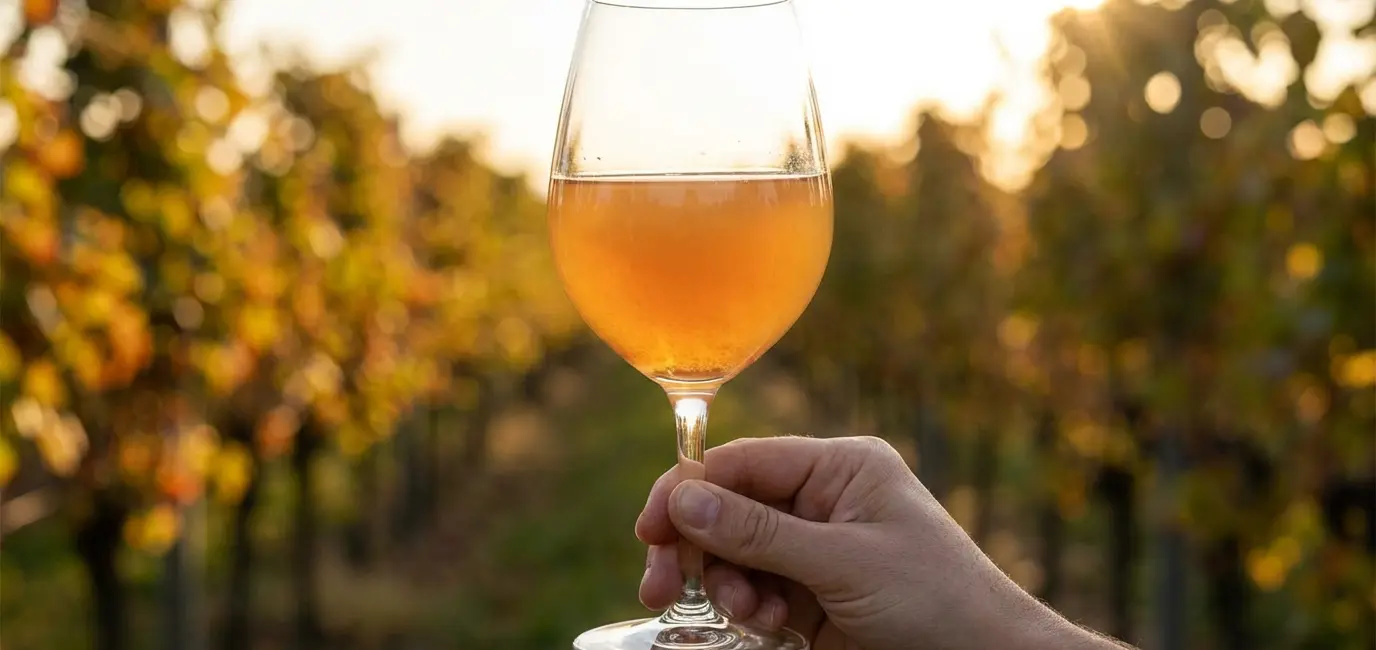
Orange wine — or skin-contact white wine — is made by leaving white grape juice in contact with the grape skins during fermentation (just as red wine is made). The result is a wine with the color of amber or orange tea, grippy tannins from the skin contact, and a flavor profile that sits somewhere between white and red wine in terms of structure. Skin-contact wines are a defining category of the natural wine movement, and some of the world’s most interesting and complex natural wines are orange wines. Organic Wine Exchange’s orange wine selection is an excellent source of thoughtfully curated skin-contact bottles. My full guide to orange wine covers the category in detail if you want to go deeper.
Natural reds
Natural red wine covers the widest stylistic range of any natural wine category — from light, chillable Gamay and Poulsard to structured, age-worthy Cabernet Franc and Grenache. The unifying characteristic of natural reds is their freshness and transparency: without heavy oak, commercial yeast manipulation, or concentration techniques, natural red wines tend to be lighter on their feet and more food-friendly than their conventional counterparts. Gamay from the Loire or Beaujolais is the most approachable entry into natural red wine — light, juicy, and ideal slightly chilled. Organic Wine Exchange’s natural red wine collection is the best single source for discovery bottles in this category.
Natural whites
Natural white wine is perhaps the most misunderstood style for new natural wine drinkers, because the lack of filtration and minimal sulfites can make them look and taste noticeably different from the crisp, clear whites most people are familiar with. Expect slight cloudiness, a more textured mouthfeel, and flavor notes that lean toward nectarine, dried herbs, and mineral saltiness rather than the citrus-and-grass profile of a typical commercial Sauvignon Blanc. Chenin Blanc from the Loire, Grüner Veltliner from Austria, and Verdicchio from Italy are among the most rewarding natural wine expressions in white. Browse Organic Wine Exchange’s white wine collection for a well-curated starting point.
Where to Buy Natural Wine (And What to Look For)
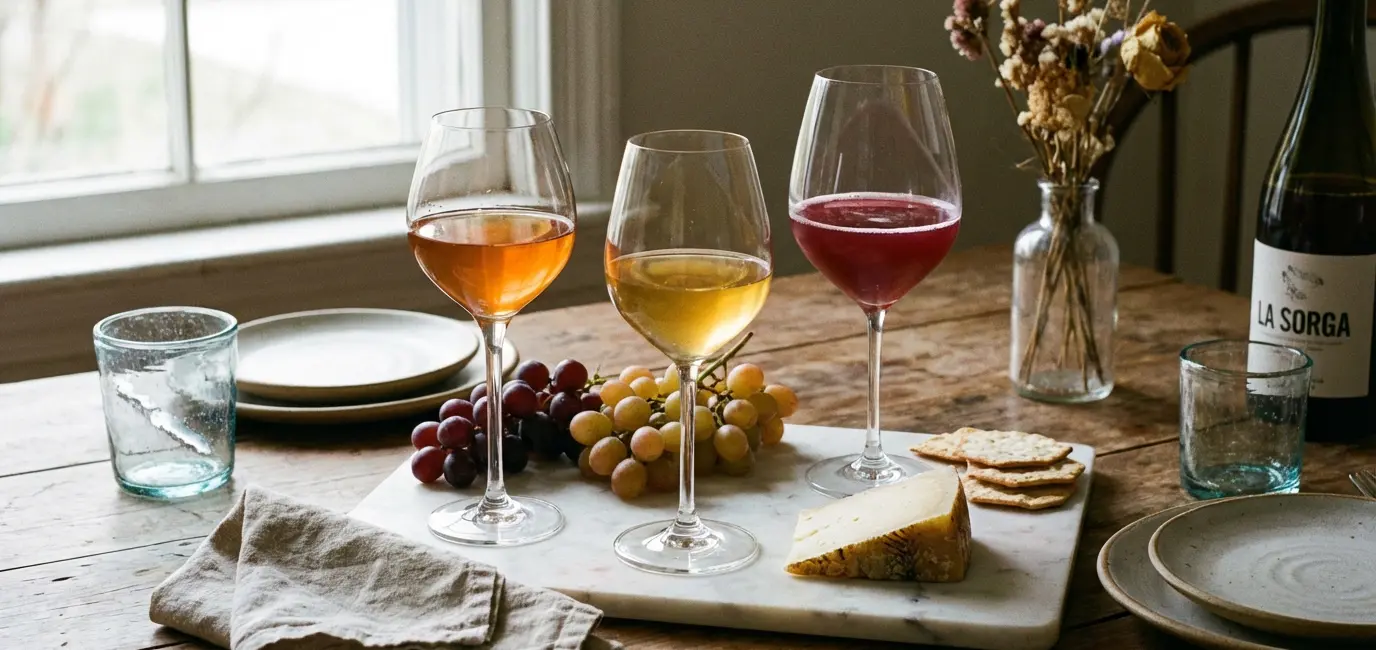
Finding good natural wine is more of a challenge than finding good conventional wine — not because it is rare, but because most mainstream retail channels do not carry it. The big grocery store wine section is almost entirely conventional. Natural wine lives in specific places, and knowing where to look changes everything.
Online: the best starting point
For beginners, online is the easiest way to explore natural wine with confidence, because you have access to detailed producer notes, tasting descriptions, and curation from specialists who have done the selection work for you. Organic Wine Exchange is my first recommendation for anyone starting their natural wine journey online: the curation is excellent, the selection is genuinely natural (not just organic-washed commercial bottles), and the range covers every style from easy pet-nats to serious skin-contact whites. For a broader selection that includes both natural and conventional options with good filtering tools, Wine.com’s biodynamic collection is a solid complement.
Your local natural wine shop
If you have a dedicated natural wine shop in your city, it will be your single best resource — better than anything online for discovery, because the staff at a good natural wine shop taste everything they carry and can tell you exactly what you are getting into with any bottle. Natural wine shops tend to be small, independent, and staffed by people who are passionate to the point of being evangelical. Let them guide you. Tell them your budget, tell them whether you want something approachable or challenging, and let them pick. This is how I have found the best bottles I have ever opened.
What to look for on the label
Since natural wine is not a certified category, the label clues are indirect. Look for: the words “biodynamic,” “organic,” or “certified organic” on the label; “no added sulfites” or “unfined/unfiltered”; hand-drawn or deliberately minimal label design (a strong aesthetic signal in the natural wine world); and small, independent producer names from well-known natural wine regions (Loire Valley, Beaujolais, Languedoc, Jura, Emilia-Romagna, Galicia, Georgia). My full guide to how to read a wine label covers exactly how to decode the producer and origin information that signals quality in this part of the wine world.
Restaurants with natural wine programs
Restaurants with dedicated natural wine programs are one of the best places to discover natural wine without committing to a full bottle. Ask your server specifically for natural wine recommendations — in any restaurant that takes their list seriously, this question will be welcomed. Order by the glass, try two or three different styles in one evening, and note the ones that click. Most natural wines on restaurant lists are approachable enough to make a beginner feel immediately at home, because the best natural wine producers understand that deliciousness is not in conflict with minimal intervention.
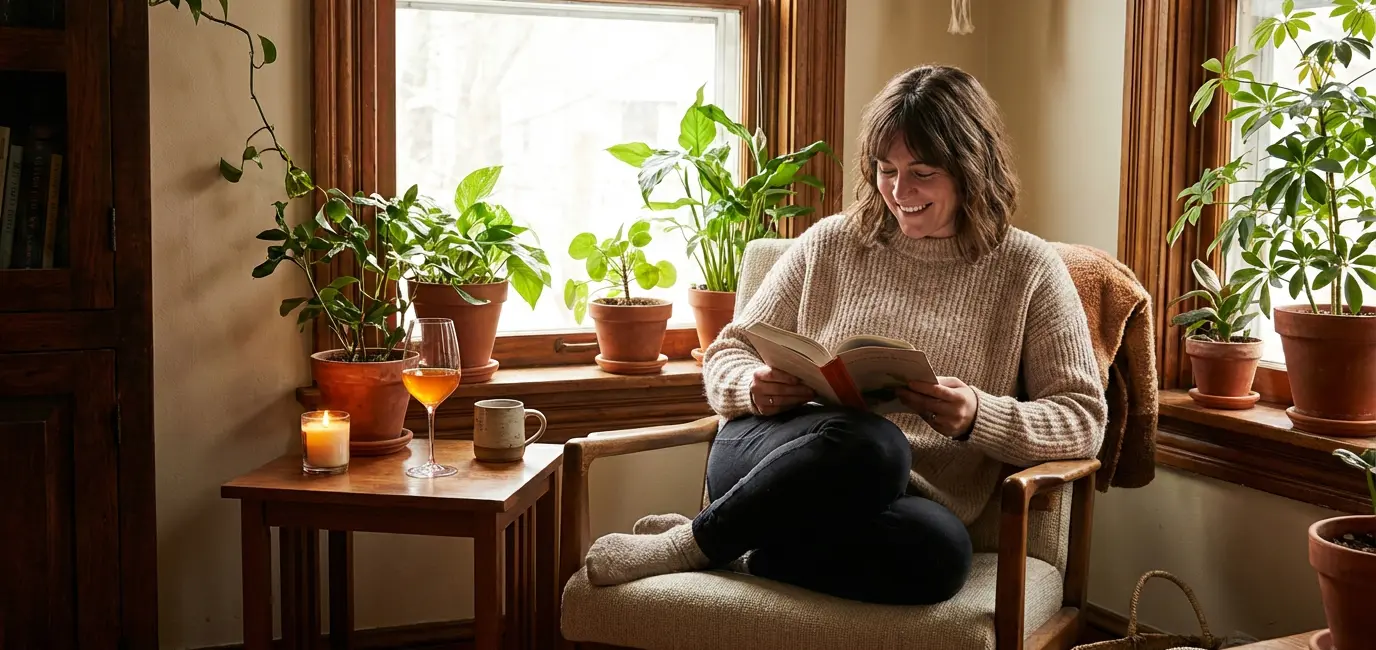
Once you start drinking natural wine regularly, you will want to build a small collection of reliable producers and styles — which is a genuinely pleasurable project. My guide to how to build a wine collection on a budget has the full framework for doing this intentionally rather than randomly. And when you are ready to share what you have found with people you love, how to host a wine tasting at home gives you the complete format for an evening built around natural wine discovery. For a more structured exploration of how natural wine compares across the main categories, white wine vs red wine gives you the foundational context, and my guide to wines for game day shows how natural wine fits into even the most casual occasions. The bottles themselves are the best argument for the category — open one, and the explanation takes care of itself.
FAQ
Is natural wine actually better for you?
Natural wine contains fewer additives and typically lower sulfite levels than conventional wine — which some people find easier to digest and less likely to trigger sulfite sensitivity or headaches. However, there is limited scientific evidence establishing that natural wine is meaningfully healthier overall. The most honest answer is: it is less processed, which is generally considered a positive attribute in food and drink, but moderate consumption advice applies the same way to natural wine as to any other wine.
Why is natural wine sometimes cloudy?
The cloudiness in natural wine is typically suspended yeast particles or grape solids that would normally be removed by fining and filtration in conventional winemaking. Natural winemakers skip these processes deliberately — fining agents (egg white, bentonite clay, gelatin) can strip flavor and aroma along with the solids, and filtration under pressure can flatten a wine’s texture. The cloudiness is harmless and in many cases a signal that the wine has more texture and character than a filtered bottle. In pét-nats, the cloudiness is yeast sediment from in-bottle fermentation — entirely normal and expected.
Does natural wine taste different every time you open it?
Yes — and this is one of the things that divides people about natural wine. Without sulfites to stabilize the wine, natural wine is genuinely alive in the bottle and continues to evolve after opening. The same bottle opened on two different evenings can taste noticeably different — more or less open, more or less funky, depending on temperature, how long it has been open, and its own internal development. For natural wine enthusiasts, this variability is part of the pleasure. Drink it with attention, drink it with food, and enjoy the conversation it invites.
How should I store natural wine?
The same rules apply to natural wine as any wine: store horizontally, cool (54-58°F ideal, 65°F maximum), away from light and vibration. Because natural wine has fewer preservatives, it is generally less stable over the long term than a heavily sulfited conventional wine — most natural wines are made to be drunk within 1-3 years of release, not cellared for decades. There are exceptions (well-made natural reds with real tannic structure can age beautifully for 10+ years), but as a default, treat natural wine as something to enjoy in the near term rather than hold. For full storage guidance, my wine collection guide covers storage options at every budget.
What is the best natural wine for beginners?
The best entry-level natural wines for beginners are: a pét-nat (start here — light, slightly fizzy, low-stakes, universally approachable), an orange wine from Friuli or Georgia (the skin-contact character is interesting without being challenging), or a light natural red — Gamay from Beaujolais or the Loire (juicy, fresh, ideally chilled slightly). All three are available from Organic Wine Exchange, which I would make your first stop for natural wine shopping as a beginner.