This post may contains affiliate links. Read our full disclosure here.
Building a wine collection sounds like it requires a cellar, a climate control system, and a budget reserved for people who summer in Burgundy. It does not. A meaningful, genuinely enjoyable wine collection can be built on $30-50 a month — less than most streaming subscriptions combined — if you know what to buy, where to buy it, and how to store it without investing in dedicated infrastructure. I built my own wine collection from scratch over about two years on exactly that kind of budget, and I can tell you that the process itself — discovering new regions, tracking what you love, opening a bottle you bought six months ago — is as pleasurable as any individual glass. This is the complete guide to starting and growing a wine collection without spending more than you planned.
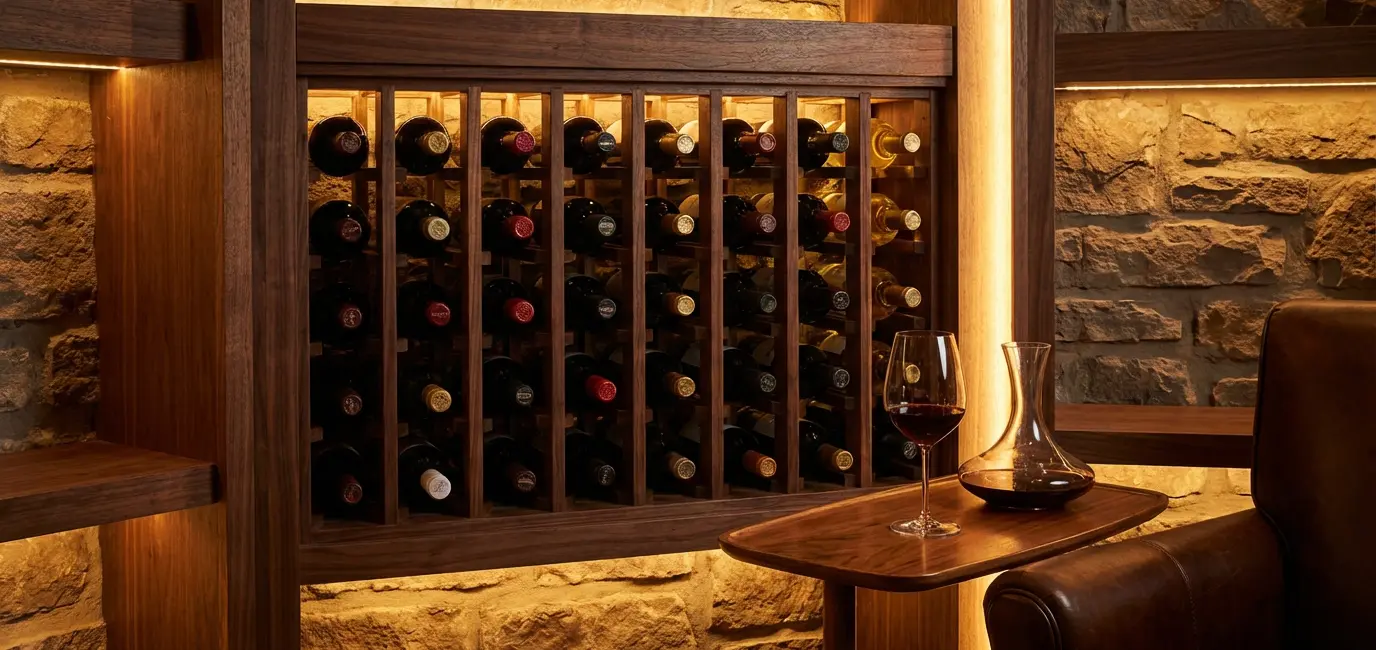
Why Building a Wine Collection on a Budget Is Completely Achievable
The first thing to release when you start a wine collection is the idea that it needs to be impressive to anyone other than you. The most expensive bottles in the world are almost entirely consumed by the same small group of people who can afford to buy them at auction — and they are not necessarily drinking better wine than you can have for $25. The wine collection sweet spot for quality-to-price ratio is roughly $18-40 per bottle — a range that covers some of the most interesting, age-worthy wines available from producers across every major region. Above $40, you start paying for reputation, scarcity, and demand more than for what is actually in the bottle. Below $15, quality becomes inconsistent. The $18-40 window is where smart wine collection building happens.
What ‘building a collection’ actually means
A wine collection does not have to be large to be meaningful. Even 24 bottles represents a real collection if they are thoughtfully chosen: a dozen reds for different occasions and moods, six whites, three sparkling, three wild cards (an orange wine, a sweet wine, something from a region you want to explore). A collection of that size costs $500-800 at the price points I described — spread over a few months of intentional buying, that is entirely manageable. The goal of a wine collection is not volume. It is having the right bottle for whatever the moment calls for.
“A wine collection does not have to fill a cellar to be worth having. Twelve thoughtfully chosen bottles beats a hundred randomly accumulated ones every time. Start small, start intentionally.”
The mindset shift that makes it work
The most practical shift when building a budget wine collection is thinking in cases rather than individual bottles. When you find a wine you genuinely love at $20, buy six. Most retailers offer a 10-15% case discount, and you have something to actually drink and share rather than one bottle you finish in an evening and spend months trying to track down again. Building a wine collection through occasional six-bottle buys rather than constant single-bottle purchases is both more economical and more satisfying.
How to Build a Wine Collection: The Core Strategy
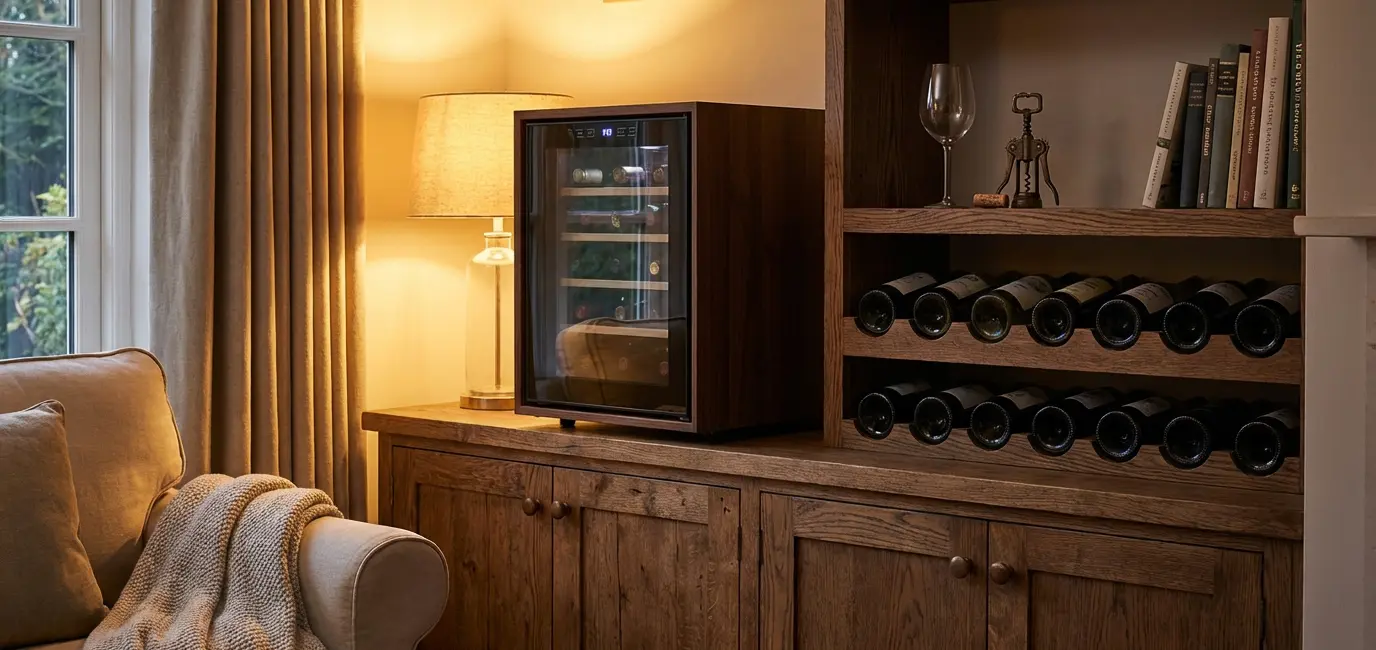
Every successful wine collection starts with a framework. Without one, you end up with a pile of bottles that all taste roughly similar and no clear sense of what to reach for. With a framework, your wine collection grows with intention and gives you genuine variety.
The three-category foundation
The simplest framework for a budget wine collection uses three categories:
- Everyday drinkers ($15-22): These are your Tuesday-night bottles — reliable, delicious, no ceremony required. Look for Spanish Garnacha, Portuguese Alentejo reds, Chilean Carménère, Italian Montepulciano d’Abruzzo, and Argentinian Malbec in this range. Keep 8-10 of these in your wine collection at all times and replenish regularly
- Weekend/occasion bottles ($22-40): Wines you open when the setting calls for something a little more considered — a Friday night dinner, a small gathering, a gift to yourself. French Burgundy villages, Northern Rhône, Oregon Pinot Noir, quality California Chardonnay, aged Rioja Reserva — these are the heart of a serious wine collection. Aim for 8-12 bottles in this tier
- Cellar candidates ($30-60): Wines with genuine aging potential that you buy and leave alone. Barolo, Brunello, quality Bordeaux from lesser châteaux, California Cabernet from strong vintages, aged Ribera del Duero. Even 4-6 bottles of wines you will not open for 2-3 years gives your wine collection a sense of forward motion and anticipation
The variety principle
A well-rounded wine collection should cover at minimum: one French red, one Italian red, one New World red, one Spanish red, one white (your go-to varietal), one alternative white (something outside your comfort zone), and one sparkling. That is seven bottles — a meaningful foundation even at the smallest scale. As your wine collection grows, add a sweet wine, a rosé (or two — rosé is deeply underrated as a collection category), and at least one “experiment” bottle from a region you have never tried. For wines that are ready to drink now across every major style, Wine.com’s red wine selection and white wine collection both have excellent filter options to find bottles by region, varietal, and price — genuinely useful for wine collection building at any budget.
Thinking about aging
Not every bottle in your wine collection needs to age — in fact, the majority of wine sold today is made to drink within 1-3 years of the vintage. The wines that reward patience are tannic reds (Barolo, Brunello, structured Cabernet) and certain whites (White Burgundy, Sémillon, quality Riesling). For a budget wine collection, the practical approach to aging is simple: buy two bottles of anything you think might be interesting in 3-5 years. Open one now to understand what it tastes like young. Leave the other alone. When you open the second bottle years later, you have a before-and-after comparison built into your own wine collection.
The Best Regions for Building a Budget Wine Collection
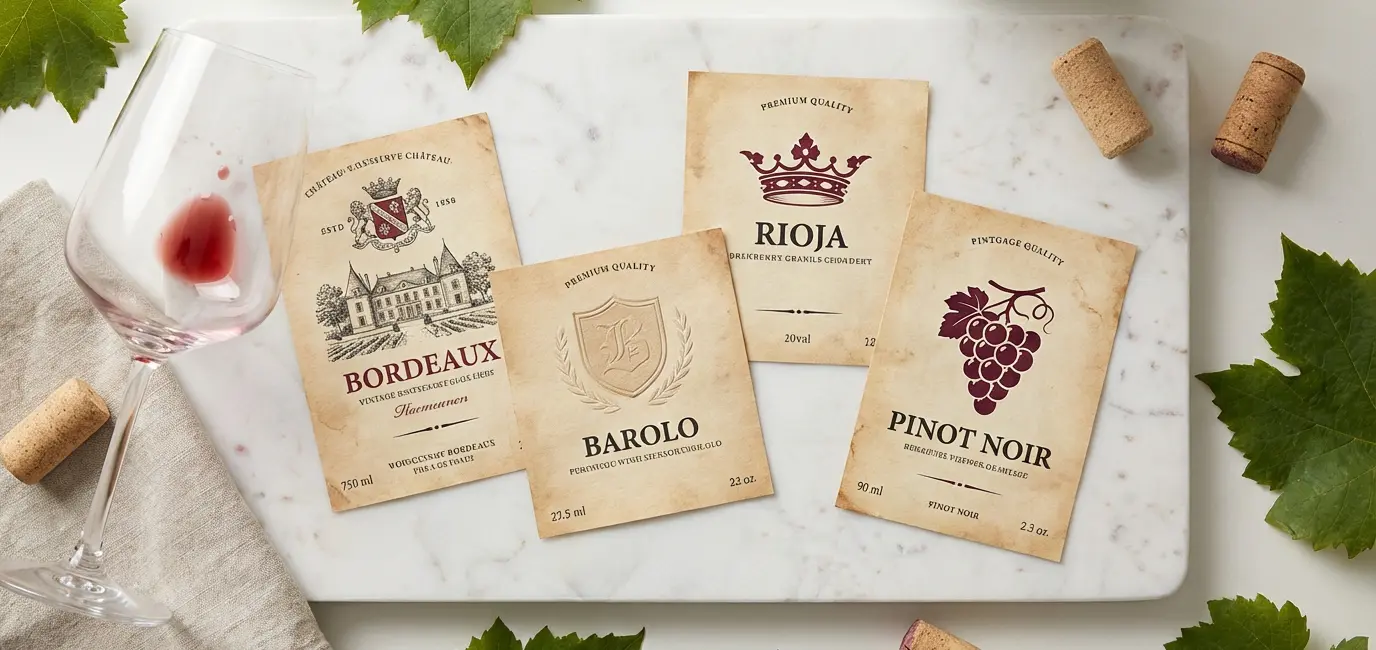
Region selection is where a budget wine collection either thrives or gets expensive. Some of the world’s greatest wine regions are also its most expensive — but every major region has a value-tier entry point that over-delivers on quality. Here is where to focus your wine collection attention.
For red wine
- Languedoc-Roussillon, France: The most under-appreciated region for budget wine collection building in the Old World. You get classic French winemaking sensibility — Grenache, Syrah, Mourvèdre blends — at $15-25 rather than the $40+ you pay for the Rhône equivalents. Look for Minervois, Faugères, Corbières, and Saint-Chinian appellations
- Rioja, Spain (Crianza and Reserva): Aged Tempranillo at extraordinary value — a Rioja Reserva (minimum 3 years’ aging, including 1 in oak) for $20-30 will outperform most New World reds at twice the price. Essential for any serious budget wine collection
- Douro Valley, Portugal: The table wine versions of Port-region grapes (Touriga Nacional, Touriga Franca, Tinta Roriz) are deeply complex, age-worthy, and almost always under $25. One of the most compelling value areas in the entire wine world for wine collection building
- Mendoza, Argentina (beyond Malbec): Everyone knows Argentine Malbec, but the Cabernet Franc, Bonarda, and Cabernet Sauvignon from Mendoza offer similar quality at similar prices — and add variety to a wine collection that might otherwise become Malbec-heavy
- Willamette Valley, Oregon: The best entry for American Pinot Noir in a budget wine collection — look for second labels from established producers and younger producers whose prices have not yet caught up to their quality. $25-40 will get you genuinely impressive bottles. Browse Wine.com’s Pinot Noir selection filtered by Oregon for a good overview
For white wine
- Galicia, Spain (Albariño): Fresh, saline, peach-and-citrus Albariño from Rías Baixas is one of the most dependably enjoyable whites in a wine collection — and rarely costs more than $22
- Alsace, France: Riesling, Pinot Gris, and Gewürztraminer from Alsace are dramatically underpriced relative to quality. A $20 Alsatian Riesling will be among the most interesting bottles in your wine collection
- Burgundy villages-level Chardonnay: Skip “Bourgogne Blanc” (too simple) and Meursault (too expensive). The sweet spot for Chardonnay in a budget wine collection is Mâcon-Villages and Saint-Véran — proper Burgundian Chardonnay in the $18-28 range. Browse the Wine.com Chardonnay collection and filter by Burgundy
- Natural and organic whites: This is a growing area where independent producers offer tremendous quality at indie-label prices. Organic Wine Exchange curates exactly this kind of discovery wine — their selection is excellent for finding wine collection-worthy bottles that you will not find at a chain retailer
For sparkling
Do not overlook sparkling wine in your wine collection. Spanish Cava (traditional method, Penedès, $12-20) and French Crémant (made the same way as Champagne but outside the Champagne appellation, $18-28) both deliver proper sparkling wine complexity at a fraction of Champagne prices. Having 3-4 sparkling bottles in your wine collection means you are always ready for an impromptu celebration. The Wine.com sparkling selection has strong Cava and Crémant options alongside every Champagne price point.
Where to Buy Wine for Your Collection (Without Overpaying)
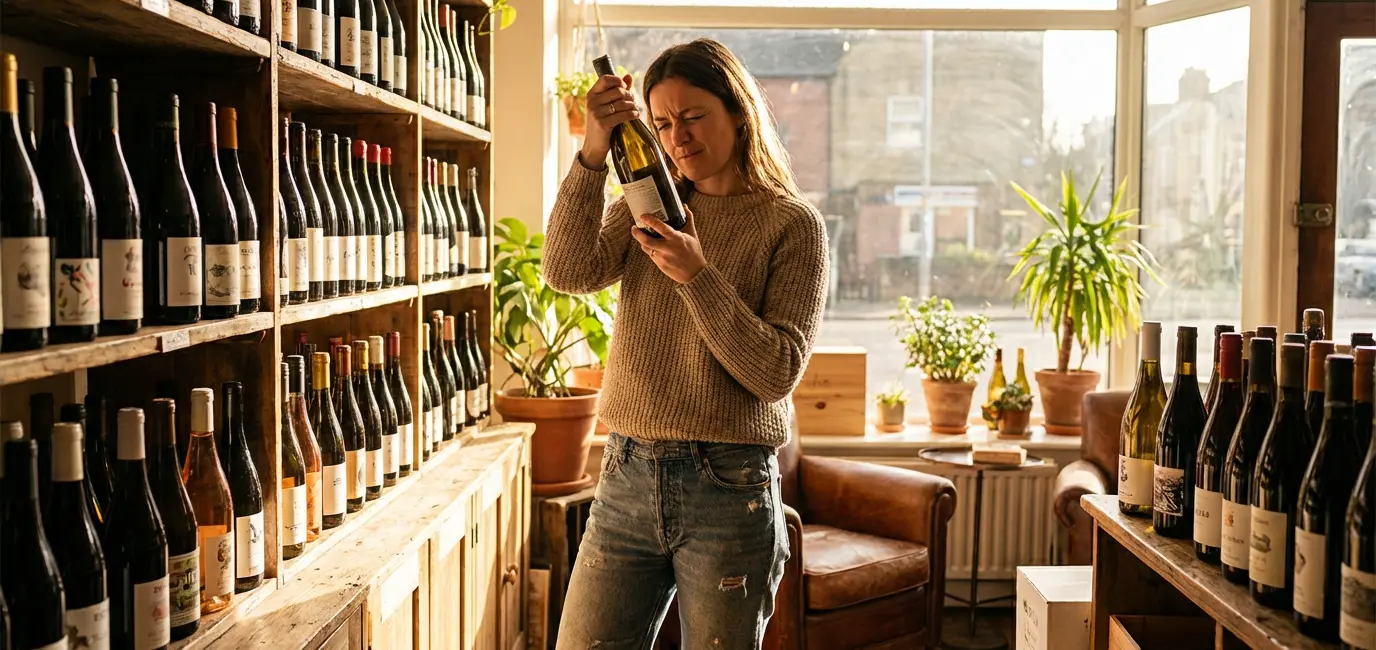
Where you buy wine matters enormously for a budget wine collection. The same bottle can vary $8-15 in price depending on the retailer, and the discovery tools available at different retailers dramatically affect your ability to find interesting wines you would not have found on your own.
Online wine retailers
Online is almost always better value than brick-and-mortar retail for wine collection building. You can compare prices, read detailed tasting notes, access wines unavailable in your state, and benefit from case discounts without having to physically carry bottles. Wine.com is the most comprehensive single source for wine collection building in the US — the selection is enormous, the tasting notes are reliable, the delivery is fast, and the case discount (typically 10-15%) makes bulk buying straightforward. For natural, biodynamic, and organic wines, Organic Wine Exchange is the specialist source — their curation is excellent and the wines are genuinely different from what you find at mainstream retailers, which adds real interest to a wine collection.
Your local independent wine shop
Every serious wine collection builder should have a relationship with a good independent wine shop. Not a chain liquor store — an actual independent wine shop with a knowledgeable staff and a buyer who travels to wine regions and sources directly. These shops carry wines you cannot find online, they know their producers personally, and a good wine shop employee who understands what you are trying to build becomes one of the most valuable resources in developing your wine collection. Tell them your budget, what you have enjoyed recently, and what you want to explore — and then actually follow their recommendations at least some of the time.
Wine clubs and subscriptions
Wine clubs are a genuinely efficient way to build a wine collection passively — you pay a subscription, bottles arrive, and your collection grows without requiring active decisions every month. The key is finding a club whose curation matches your taste direction. For a natural and organic wine collection angle, Organic Wine Exchange’s red wine selection functions effectively as a curated discovery pipeline. For a mainstream approach with wide variety, Wine.com’s club options cover every style and budget tier.
Restaurant list arbitrage
One underused strategy for wine collection building: take photos of wine lists at good restaurants and buy retail versions of bottles you enjoyed. Restaurant markup is typically 300-400% — a $60 restaurant bottle is a $15-20 retail bottle. When you have a transcendent glass of something at a restaurant, ask the name and vintage, look it up on Wine.com that evening, and add it to your wine collection. This is how I have found some of my most treasured bottles.
How to Store and Track Your Wine Collection at Home
Wine storage is where many people assume a wine collection becomes expensive. It does not have to be. The three enemies of wine are heat, light, and vibration — and a cool, dark, stable corner of a closet handles all three for a wine collection of up to 50 bottles without any dedicated infrastructure whatsoever.
The no-fuss storage approach
For a wine collection under 50 bottles where you plan to drink everything within 3-5 years, the simplest storage solution is: a wooden or metal countertop wine rack in the coolest, darkest spot in your home (a lower kitchen cabinet, a closet, a basement corner), bottles stored horizontally (keeps corks moist), and an absolute embargo on storing wine above the fridge or near a window. Countertop wine racks on Amazon start under $30 and hold 12-20 bottles beautifully — more than enough for an active budget wine collection.
When to invest in a wine fridge
Once your wine collection exceeds 24 bottles, or if you are storing any bottles you plan to age for 5+ years, a dedicated countertop wine fridge becomes worth the investment. Entry-level 12-bottle thermoelectric wine coolers run $80-120 and maintain a consistent 54-58°F (the sweet spot for a mixed wine collection of reds and whites). A 24-bottle dual-zone wine fridge ($150-250) lets you store reds and whites at different temperatures simultaneously — genuinely useful once your wine collection grows. Countertop wine coolers on Amazon have strong options across every size and price point.
Tracking your collection
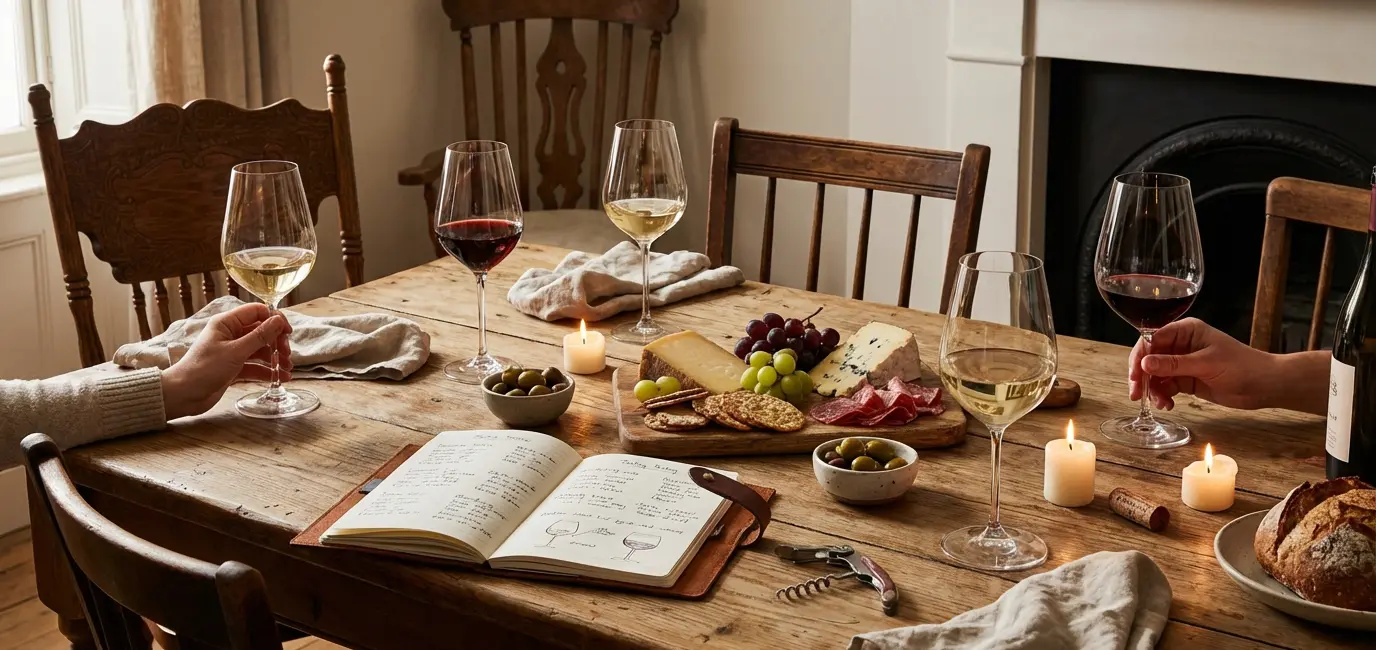
A wine collection without a record system becomes a pile of bottles you half-remember buying. Tracking does not need to be complicated: a simple spreadsheet (wine name, vintage, region, where bought, price, when to drink, notes when opened) covers everything you need. Apps like Vivino and CellarTracker make this even easier — scan a label, add it to your cellar, set a drink window. For the analog approach, a dedicated wine tasting journal is both functional and one of the most pleasurable parts of maintaining a wine collection — flipping back through tasting notes from bottles you opened a year ago is genuinely satisfying.
The tasting habit
The most enjoyable way to develop your wine collection is to taste deliberately rather than just drink casually. This does not mean spit buckets and scorecards — it means pausing before your first sip to notice color, taking a moment to register what you smell before you drink, and writing two or three words about what you thought afterward. This habit accelerates your wine education faster than any class or book, because it anchors your sensory experience to specific wines and producers that you can then find again in your wine collection. For a more structured approach to tasting, my guide to how to host a wine tasting at home gives you the full framework — and if you want to deepen your label-reading ability as you build your wine collection, how to read a wine label is the place to start.
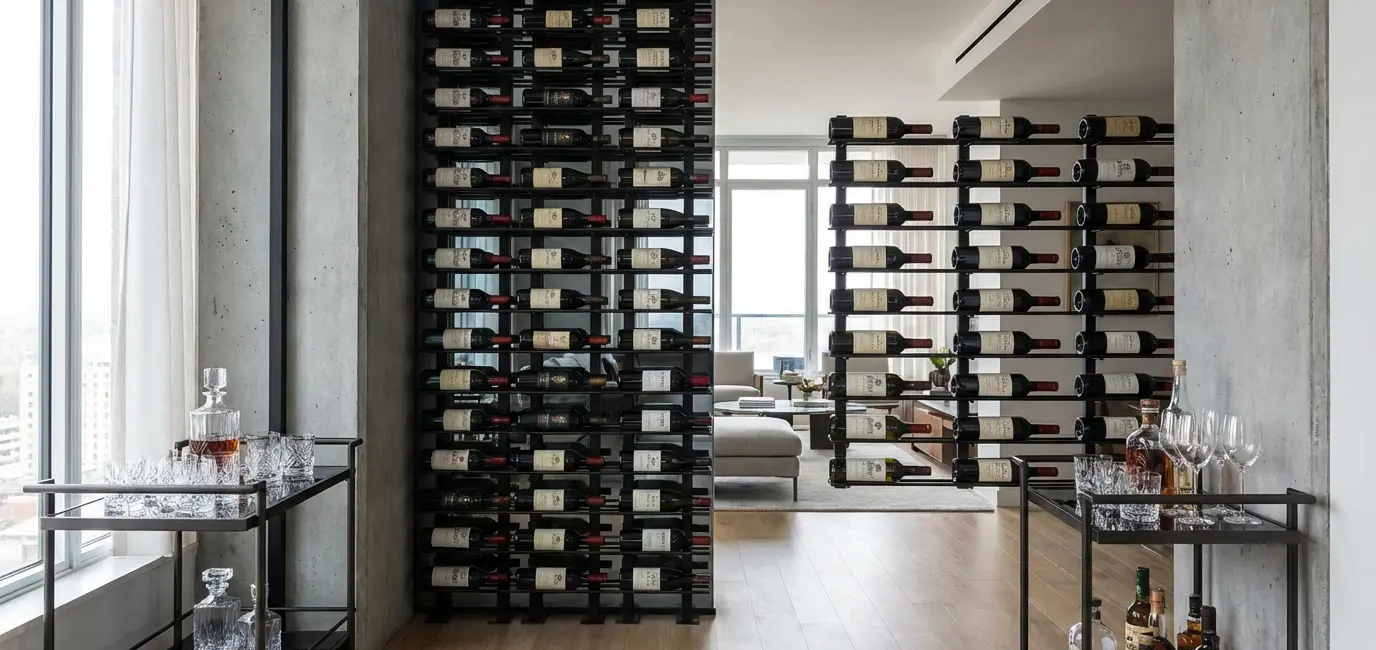
As your wine collection develops, you will naturally start wanting to share it — which is one of the greatest pleasures of having one. My guide to hosting a blind wine tasting party gives you the format for turning your wine collection into an evening your friends will talk about for months. And when you are ready to go beyond collecting and into displaying — a bar cart or home wine bar setup turns your wine collection into a visual statement in the room. See my guides to how to style a bar cart and how to set up a home wine bar for the full approach. For exploring specific styles that belong in every serious wine collection, white wine vs red wine gives you the foundational comparison, and orange wine explained covers the category that adds the most interesting wildcard to any wine collection.
FAQ
How much does it cost to start a wine collection?
A meaningful starter wine collection of 12 thoughtfully chosen bottles costs $200-350 at the $18-30 per bottle sweet spot. You can start even smaller — six bottles covering reds, whites, and sparkling can be assembled for $100-150. The goal is intentionality, not volume: a $200 wine collection built with purpose beats a $1,000 random assortment every time.
What wines should I start collecting?
For a beginner wine collection, start with one dependable everyday red (Spanish Rioja Crianza or Argentine Malbec), one occasion-worthy red (Oregon Pinot Noir or Côtes du Rhône), one white (Albariño or Alsatian Riesling), one sparkling (Cava or Crémant), and one wildcard (a natural wine, an orange wine, or something from a region you have never tried). That five-bottle foundation covers every situation and gives your wine collection genuine variety from day one.
How do I store a wine collection without a cellar?
Store bottles horizontally in the coolest, darkest, most vibration-free spot in your home — a lower closet shelf, a basement corner, or a dedicated wine rack away from heat sources and windows. For a wine collection up to 24 bottles you plan to drink within 3-5 years, a good countertop rack in a cool location is entirely adequate. For aging beyond 5 years or collections over 24 bottles, invest in a countertop wine fridge ($80-250).
What is the best budget wine for a collection?
The best budget wines for a wine collection are: Rioja Reserva ($20-30, aged Tempranillo with serious structure), Douro Valley reds from Portugal ($15-25, complex and age-worthy), Languedoc-Roussillon reds from France ($18-25, Old World character at New World prices), Albariño from Galicia ($16-22, one of the world’s most food-friendly whites), and Spanish Cava ($12-20, traditional-method sparkling at a fraction of Champagne prices).
How many bottles should a wine collection have?
There is no minimum or maximum — a wine collection is defined by intentionality, not quantity. Twelve thoughtfully chosen bottles is a real wine collection. The practical sweet spot for an active home wine collection is 24-48 bottles: enough variety for every occasion and mood, enough quantity to age some bottles while drinking others, but not so large that management becomes complicated.
Is collecting wine worth it?
Collecting wine for financial return requires significant capital, specialist knowledge, and proper storage infrastructure — and is beyond the scope of most personal wine collection projects. Collecting wine for pleasure, discovery, and the ongoing enjoyment of having the right bottle available at any moment is absolutely worth it — and it gets more rewarding the longer you do it. The bottles you open from a wine collection you built yourself taste better than bottles you bought the same day. That is not sentimentality — it is the genuine pleasure of anticipation fulfilled.