This post may contains affiliate links. Read our full disclosure here.
The poetcore aesthetic is one of 2026’s most quietly compelling Pinterest trends — a visual and lifestyle philosophy built around the romance of literature, the beauty of slow living, and a deep, almost nostalgic love for the written word. If you’ve ever felt more at home in a candlelit library than a trendy bar, if your idea of a perfect afternoon involves a worn leather journal, a cup of tea, and a window seat, the poetcore aesthetic was made for you.
Pinterest named poetcore as one of its top predicted trends for 2026, alongside neo deco and quiet luxury — but unlike those more architectural styles, poetcore is intensely personal. It’s not about grand gestures or investment pieces. It’s about cultivating an environment and a wardrobe that feel as though they belong to someone who reads, thinks, feels deeply, and isn’t in any rush.
I first noticed the poetcore aesthetic creeping into my own life before I had a name for it: the dried flower press I started keeping on my desk, the preference for linen over synthetic fabrics, the way I started reaching for a candle and a journal at the end of a long day instead of my phone. This guide covers how to build the look across your wardrobe, your home, your daily rituals — and why it’s resonating so deeply right now.

What Is the Poetcore Aesthetic?
The poetcore aesthetic is a Pinterest-led visual style rooted in Romantic-era literary culture — think Emily Dickinson’s spare New England interiors, Virginia Woolf’s cottage garden, and the kind of life that makes room for long afternoon walks, marginalia-covered paperbacks, and letters written with a real pen. It emerged from the broader “dark academia” movement but stripped away the gothic heaviness, softening it into something warmer, more feminine, and more livable.
Where dark academia leans into gothic architecture, candlelit libraries, and an aesthetic of intellectual melancholy, poetcore is gentler and more pastoral. It favors natural light over dramatic shadow, dried flowers over skulls, linen and cotton over heavy wool and leather. The color palette is softer too: cream, ecru, dusty rose, sage, muted gold, faded burgundy. It feels like a poem rather than a thriller.
“The poetcore aesthetic isn’t a trend you buy into — it’s a sensibility you grow into. It asks not what you own, but how you move through the world: slowly, intentionally, with your attention on the beautiful and the meaningful.”
Key hallmarks of the poetcore aesthetic include: handwritten notes and journals, pressed botanical specimens, antique or vintage-feeling objects, natural fabrics, dried flowers and herbs, soft candlelight, overstuffed bookshelves, old-fashioned stationery, and clothing that suggests you might step outside to read poetry in the garden at any moment.
It shares DNA with the old money aesthetic in its preference for heritage over hype — if you loved that look, poetcore is its literary, more sentimental sibling. My guide to the old money aesthetic covers the overlap in style sensibility if you want to explore both.
The Poetcore Aesthetic Wardrobe: How to Dress the Part

Dressing for the poetcore aesthetic is less about buying specific items and more about developing a sensibility: soft, natural fabrics; loose, romantic silhouettes; colors pulled from a faded watercolor palette. Here’s how to build the look:
The Core Poetcore Color Palette
Cream, ivory, and ecru are the foundational neutrals. Layer in dusty rose, sage green, soft lavender, warm taupe, and muted burgundy — the colors of dried flowers, old paper, and botanical illustrations. Avoid anything neon, heavily saturated, or synthetic-looking. The goal is a wardrobe that looks like it could have been found in a beautiful old trunk in a French farmhouse.
Key Poetcore Wardrobe Pieces
- Flowing linen dresses — midi or maxi length, ideally in cream or sage. Natural wrinkles are a feature, not a flaw. Search vintage linen dresses on Amazon for excellent options at every budget.
- Oversized knit cardigans — in cream, oatmeal, or dusty rose. Worn over dresses or with high-waisted trousers.
- Vintage-inspired blouses — ruffled collars, pintucks, poet sleeves (the name is fitting). Look for cotton, silk, or linen.
- High-waisted wide-leg trousers — in neutral linen or tailored cotton. Paired with a tucked-in blouse and a vintage brooch.
- Mary Janes or loafers — worn, leather-soled, and slightly worn-in looking. Chunky leather boots for autumn.
- Vintage brooches and hair accessories — cameos, enamel flowers, tortoiseshell clips. The details are everything.
- A great coat — wool or cashmere, in camel, cream, or dusty green. Long, structured, worn over everything.
Where to Shop the Poetcore Aesthetic
Thrift stores and vintage shops are the most aligned sources for genuine poetcore pieces, but for new options, look for brands with a romantic, literary sensibility. For special occasion dressing in the poetcore spirit, Mac Duggal carries flowing, romantic silhouettes that translate beautifully. For luxurious at-home poetcore dressing — silk robes, soft loungewear, the kind of clothes you wear while writing in your journal — Lunya does this better than almost anyone.
For a deeper look at building a wardrobe that feels intentional and timeless rather than trend-driven, my guide to building a capsule wardrobe of basics applies perfectly to the poetcore sensibility.
Poetcore Home Decor: Building a Space That Feels Like a Poem

The poetcore aesthetic translates into home decor as a space that feels layered, literary, and quietly beautiful — as though the person who lives there has been collecting meaningful objects over many years rather than decorating from a single shopping cart.
Books as Decor
Books are the single most important element of a poetcore interior. Not just books on shelves — books stacked on side tables, books used as risers for other objects, books open to a beautiful page on a windowsill. Paperbacks with cracked spines are as welcome as leather-bound editions. The point is that literature is actively lived with, not just displayed.
Dried Flowers and Botanicals
Fresh flowers are beautiful, but dried florals have a poetcore quality that fresh can’t match — they speak of time passing, of something preserved, of beauty that outlasts the moment. Bundles of dried lavender, pampas grass in a ceramic vase, pressed botanicals framed on the wall, a flower press on the desk. Dried flower arrangements on Amazon offer excellent options, or press your own over a few weeks for something completely personal.
Candlelight Over Electric
Candles are non-negotiable in a poetcore space. Not scented container candles in glass jars (that’s a different aesthetic) — but tapered beeswax candles in mismatched antique candlesticks, pillar candles on a windowsill, tea lights in small clay holders. Beeswax taper candles have a warm, honey-colored flame that electric light simply cannot replicate.
A Reading Corner or Writing Desk
Every poetcore home needs at least one dedicated space for sitting and thinking: a velvet armchair with a reading lamp, a writing desk near a window, a window seat with a cushion and stacked books. This doesn’t require a separate room — a corner of your bedroom or living room, styled intentionally, does the job entirely. My guide to quiet luxury home decor covers how to create this kind of atmosphere without spending a fortune.
Textiles: Linen, Velvet, Cotton
Poetcore textiles are natural and slightly worn-looking: linen curtains that pool slightly on the floor, a velvet cushion in dusty rose, a cotton throw in cream draped over an armchair. Avoid synthetics entirely if you can. For tablecloths, cushion covers, and textile accents with a botanical or romantic print, the winefulliving Spoonflower shop has handmade botanical and floral fabric designs that fit this aesthetic perfectly.
The Poetcore Lifestyle: Rituals, Routines, and Daily Habits

The poetcore aesthetic is as much a way of living as it is a visual style. It’s about creating space in your days for the things that genuinely nourish you: reading, writing, walking, observing, being present.
Keep a Journal
Journaling is the most poetcore practice there is. Not a bullet journal — a real one. Stream-of-consciousness writing, observations about your day, lines you loved in a book, small sketches of things you noticed. A beautiful leather-bound journal makes the practice feel like a ritual rather than a task. You don’t need to be a writer. You just need to show up on the page.
Read Widely and Slowly
Poetcore is not about performing your reading list — it’s about actually reading. The classics, contemporary literary fiction, poetry collections, essays, natural history. Keep a book in every room. Read before bed instead of scrolling. Dog-ear pages. Write in the margins. Let books show their use.
A Slow Morning Ritual
The poetcore morning is intentional and unhurried: tea rather than coffee (or both), a few minutes of journal writing, perhaps reading a poem or a few pages before the day begins in earnest. My complete morning routine guide for women covers how to build a morning that actually supports this kind of intentional start — the principles apply beautifully to a poetcore lifestyle.
Slow Beauty and Self-Care
Poetcore beauty is minimal and natural — skincare over makeup, scented oils rather than synthetic sprays, herbal bath rituals. The goal is feeling like yourself, beautifully. This overlaps neatly with an at-home spa practice: my spa day at home guide covers exactly this kind of slow, sensory self-care.
How to Build Your Poetcore Aesthetic From Scratch

The most important thing to know about building the poetcore aesthetic is that it cannot be bought wholesale. A single shopping haul will not produce it. It’s assembled slowly, object by object, habit by habit. Here’s a practical starting framework:
Start With What You Already Own
Before buying anything, audit your space and wardrobe for existing poetcore elements: natural fabrics, vintage or sentimental objects, books, candles, plants. Many people already have the bones — they just need curation. Remove anything synthetic, cluttered, or without personal meaning. What remains is your starting point.
Add One Anchor Object
Choose one object that will anchor the aesthetic in a room: a velvet armchair, an antique writing desk, a large botanical print framed on the wall, a set of mismatched vintage candlesticks. This anchor gives the room its character and every subsequent addition should harmonize with it rather than compete.
Build the Ritual Layer
Aesthetics that live only on the surface feel hollow. The poetcore aesthetic deepens when it’s inhabited: the journal that actually gets written in, the candle lit every evening, the book that’s always within reach. Identify two or three daily rituals that feel authentically poetcore to you and build the physical space to support them.
Shop Slowly and Intentionally
When you do add new pieces, choose for longevity and authenticity. Thrift stores and estate sales are perfect for this. Online, look for independent makers, vintage sellers, and natural materials. Ask of every potential purchase: does this feel like it belongs to the version of me I’m trying to become? If the answer is uncertain, wait.
Poetcore Aesthetic for Entertaining and Hosting
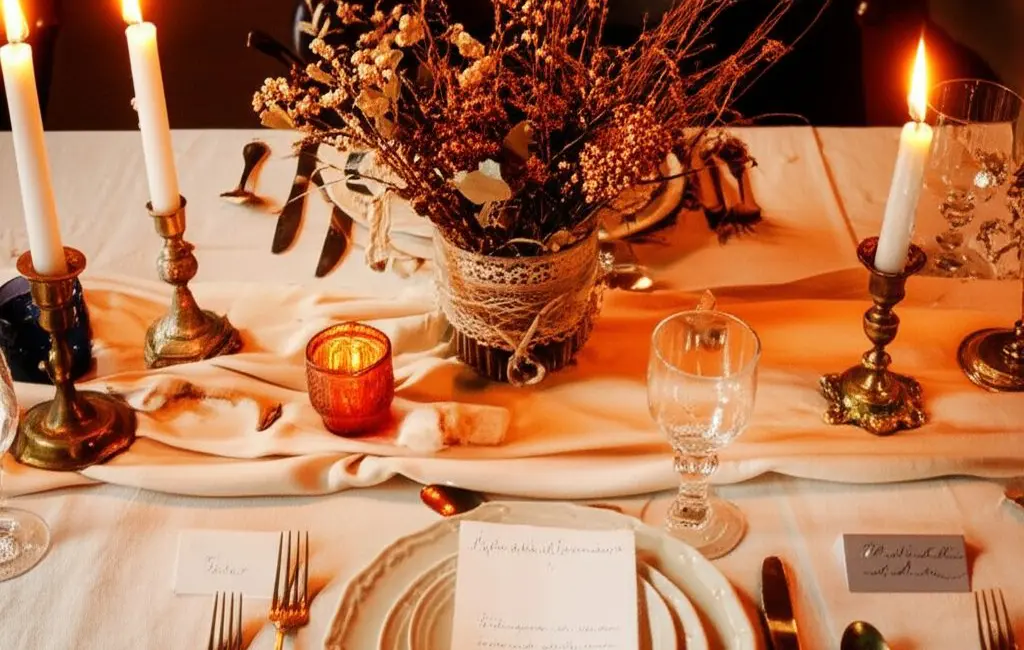
The poetcore aesthetic translates beautifully into entertaining — it’s a style that makes guests feel as though they’ve stepped into someone’s deeply personal, cared-for world. A poetcore dinner party feels intimate, candlelit, and quietly abundant.
The Poetcore Table Setting
Use natural linen tablecloths, mismatched vintage china, mismatched silver cutlery, and real taper candles in assorted candlesticks. Place a small dried botanical or pressed flower at each setting instead of a printed menu card. Write names in calligraphy on plain cream card stock. The effect is romantic, handmade, and deeply personal.
The Menu: Simple and Beautiful
Poetcore entertaining favors food that’s seasonal, unhurried, and beautiful in its simplicity — a roasted chicken with herbs, a salad of fresh and dried things, good bread and excellent butter, a cheese course. The wine matters. A good Burgundy or a natural orange wine fits the poetcore aesthetic better than a commercial blockbuster. It’s the kind of dinner where conversation flows and no one checks their phone.
After Dinner: Books, Not Screens
A truly poetcore gathering ends with books: a collection of poetry passed around and read aloud, a discussion of something everyone’s currently reading, perhaps a journal prompt written on a small card at each place setting for guests to answer during dinner. It sounds ambitious but it’s actually very simple — and it’s the kind of detail that guests remember for years.
More on living beautifully and intentionally: my guide to the old money aesthetic for a similar sensibility with a different visual vocabulary; the morning routine guide for women for building your poetcore morning ritual; the spa day at home guide for slow beauty and self-care; and quiet luxury home decor ideas for building a space that feels considered and calm.
Frequently Asked Questions
What is the poetcore aesthetic?
The poetcore aesthetic is a visual and lifestyle style rooted in Romantic-era literary culture — inspired by poets, writers, and the slow, sensory pleasures of reading, writing, and living with beautiful, meaningful objects. It features natural fabrics, dried botanicals, candlelight, vintage-feeling pieces, and an overall atmosphere of quiet intellectualism and romanticism.
What colors are in the poetcore aesthetic?
The core palette is cream, ecru, ivory, dusty rose, sage green, soft lavender, warm taupe, muted gold, and faded burgundy. It’s the palette of dried flowers, old paper, and botanical illustrations — nothing neon or highly saturated.
What’s the difference between poetcore and dark academia?
Dark academia is heavier, more gothic, and more heavily influenced by elite academic institutions — think ivy-covered stone buildings, Latin texts, heavy wool, and dramatic candlelit libraries. Poetcore is softer, more pastoral, and more feminine. It’s about the garden poet rather than the scholar, natural light rather than shadow, linen rather than tweed.
Is poetcore the same as cottagecore?
They overlap but differ. Cottagecore is about the rural idyll — baking bread, tending gardens, preserving fruit. Poetcore is more literary and intellectual. A cottagecore person is in the garden; a poetcore person is in the window seat reading about the garden. Both love dried flowers and linen, but poetcore has more books.
How do I start the poetcore aesthetic on a budget?
Start with what you already own, then add selectively: a journal and good pen, a set of taper candles and simple candlesticks, one dried flower arrangement, a velvet or linen cushion. Thrift stores and estate sales are ideal for vintage-feeling pieces. The poetcore aesthetic is genuinely easier to build from secondhand sources than most styles — the slightly worn and loved quality is a feature, not a compromise.