This post may contains affiliate links. Read our full disclosure here.
The best organic wine brands are the ones that combine honest farming practices with genuinely delicious wine — and in 2026, there are more great options than ever before. Organic wine means the grapes were grown without synthetic pesticides, herbicides, or fertilizers, though what that means for your glass varies depending on certification, country of origin, and how the winemaker handles sulfites. Whether you’re new to organic wine or building a collection, this guide covers the brands I keep coming back to, what sets them apart, and exactly where to find them.
“The best bottle of wine is the one that was grown with intention — where the farmer knew every vine by name and the winemaker let the land speak for itself.”
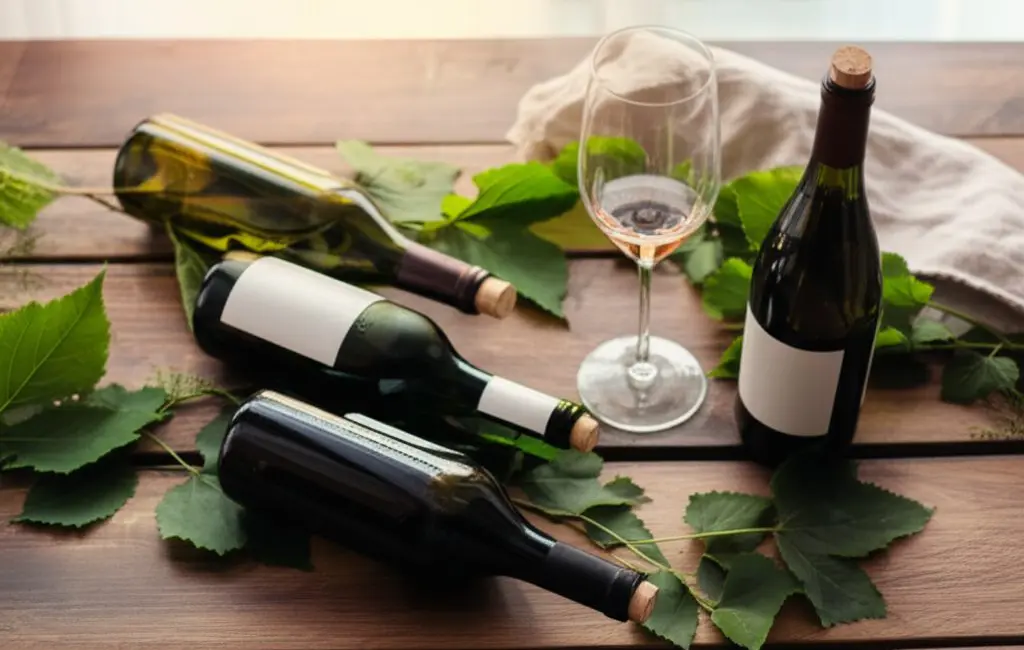
What Makes a Wine Truly Organic?
I’ll be honest: when I first started exploring organic wine, the terminology was confusing. “Organic,” “biodynamic,” “natural” — these words get used interchangeably on wine lists and shop shelves, but they actually mean very different things. Once I understood the distinctions, shopping for organic wine became so much easier.
In the United States, a wine labeled “certified organic” by the USDA means the grapes were grown without synthetic pesticides, herbicides, fungicides, or fertilizers — and it also means no added sulfites (sulfur dioxide) during winemaking. This last point is controversial, because sulfites are a natural byproduct of fermentation and also a traditional preservative. Many winemakers who farm organically still add a small amount of sulfites to stabilize their wine, which means they can’t use the USDA “certified organic” label but can say “made from organically grown grapes.”
In Europe, the rules are slightly different. Since 2012, the EU has allowed “certified organic wine” labels with limited added sulfites — so a French or Italian wine labeled “vin biologique” or “vino biologico” can contain small amounts of sulfites and still carry full organic certification. This is worth knowing when you’re comparing bottles.
- USDA Certified Organic: No synthetic inputs AND no added sulfites. The strictest US standard.
- Made from Organically Grown Grapes: Organic farming, but small amounts of sulfites may be added. Very common in quality organic wine.
- Biodynamic (Demeter Certified): Goes beyond organic — farming follows lunar and astrological calendars, with a closed-loop farm ecosystem. See section 4 for more.
- Natural Wine: An informal term with no legal definition. Usually means minimal intervention: organic or biodynamic farming + spontaneous fermentation + no additives. See my full natural wine guide for beginners.
- Sustainable / Practicing Organic: Farms that follow organic methods but aren’t certified (certification is expensive and time-consuming). Many small producers fall here.
The label I personally find most useful when shopping is “made from organically grown grapes” with a named certification body — whether that’s CCOF, Oregon Tilth, or Ecocert. For European bottles, look for the EU green leaf logo. For everything else, Organic Wine Exchange does the vetting for you, which is exactly why I shop there when I want to explore without decoding every back label.
Best Organic Red Wine Brands Worth Trying
These are the best organic wine brands in the red category that I’ve personally opened and genuinely loved — or that have consistently earned strong reviews from sommeliers and natural wine writers I trust.
Frey Vineyards (California)
Frey is the OG of American organic wine. Founded in 1980 in Mendocino County by the Frey family, it was the first certified organic winery in the US and remains one of the most principled. Their wines are USDA certified organic AND biodynamic, with no added sulfites. The Organic Cabernet Sauvignon is earthy and dark-fruited with a rusticity that wine snobs might sniff at but that I find deeply charming. The price — usually around $12 – $14 at retail — makes it the most giftable organic wine brand I know. You can find Frey through Organic Wine Exchange alongside tasting notes.
Bonterra Organic Vineyards (California)
Bonterra has been making certified organic wine in Mendocino County since 1987, and they’ve gotten remarkably good at making accessible organic wine that actually tastes polished. Their Cabernet Sauvignon is consistently one of the best value bottles in the organic category — plummy, structured, and smooth enough to serve to guests who might not identify as “organic wine people.” The Bonterra Equinox Red Blend is my personal recommendation for dinner parties: it’s generous and crowd-pleasing without being boring.
Stellar Organics (South Africa)
If you’re open to exploring beyond California and France, Stellar Organics from the Olifants River region is a revelation. They’re Fairtrade AND certified organic, producing wines at a price point (often $10 – $16) that shouldn’t produce this much complexity. Their Pinotage is meaty and spiced; the Shiraz is peppery and aromatic. I discovered Stellar through Organic Wine Exchange and it’s been a regular in my rotation ever since.
Domaine Bousquet (Argentina)
Argentina’s Tupungato Valley — a high-altitude plateau in Mendoza — produces some of the most interesting organic wine in the world, and Domaine Bousquet is the best known name. Their certified organic Malbec is lush, violet-scented, and deeply satisfying. At around $15 – $18, it competes with Malbecs twice its price. The Bousquet Preméo Red Blend is equally good if you want something a little more structured and age-worthy.
La Rioja Alta (Spain) — Organic Range
For a splurge bottle, La Rioja Alta’s organic range offers what you’d expect from one of Rioja’s historic estates: beautifully structured Tempranillo with that signature balance of oak, cherry, and earthiness. The Vina Ardanza Reserva is a personal favorite when I’m celebrating something worth celebrating.
Best Organic White and Rosé Wine Brands
The white and rosé categories are where I find the most exciting organic wine brands right now — partly because the clean, precise flavors that organic farming tends to produce translate beautifully into white wines.
Mas des Mas (France, Languedoc)
A certified organic producer in the south of France making crisp, mineral Vermentino and rosé at really honest prices. This is my go-to warm-weather pour when I want something that feels French without spending $30. The rosé is pale, dry, and Provence-adjacent — perfect for outdoor dining. You can find their bottles through Organic Wine Exchange’s rosé collection.
Sokol Blosser (Oregon)
Oregon’s Willamette Valley is one of the most organic-friendly wine regions in America, and Sokol Blosser has been certified organic since 2003. Their Evolution White — a blend of nine different white varieties — is one of the most unique white wines I’ve ever opened: floral, honeyed, and entirely addictive. If you’re trying to convert a friend who “doesn’t like white wine,” this is your bottle.
Bieler Père et Fils (Provence, France)
Certified organic and producing one of the most reliably beautiful Provence rosés at the $18 – $22 range. The Charles Bieler Rosé is pale salmon, dry, and minerally — everything you want from Provence. I keep a few bottles of this in my rotation all spring and summer, and I always bring one to dinner parties when I know the host appreciates wine. Browse Organic Wine Exchange’s rosé section for similar Provençal-style picks.
Gruet Winery (New Mexico) — Biodynamic Sparkling
For occasions that call for bubbles, Gruet’s biodynamic sparkling wine is the most interesting American sparkling I’ve found in the organic category. Made in the traditional méthode champenoise from New Mexico grapes, it’s yeasty, crisp, and genuinely celebratory without the Champagne price tag. Perfect for hosting a wine tasting at home when you want to impress without overspending.
Emiliana Orgánico (Chile)
Emiliana in Chile’s Colchagua Valley makes certified organic and biodynamic wine at some of the most accessible prices in this category. Their Sauvignon Blanc is bright and citrusy; the Chardonnay is richer and oak-kissed. For organic white wine under $20 with genuine character, Emiliana is hard to beat.

Biodynamic vs. Organic: What’s the Real Difference?
This question comes up every time I talk about organic wine brands with friends, so let me settle it once and for all.
Organic farming focuses on what you don’t do: no synthetic pesticides, herbicides, fertilizers, or GMOs. The goal is to grow grapes without chemical intervention, letting the soil and vines find their natural balance.
Biodynamic farming goes further. Developed by Rudolf Steiner in the 1920s and codified for wine by the Demeter certification body, biodynamics treats the farm as a self-sustaining living organism. Biodynamic farmers use preparations made from herbs, minerals, and composted manure applied in specific ways at specific lunar phases. They time pruning, harvesting, and bottling according to a biodynamic calendar that distinguishes “fruit days,” “root days,” “flower days,” and “leaf days.” Most sommeliers I know recommend opening biodynamic wine on a “fruit day” for the best expression.
Does any of this affect taste? Honestly, the evidence is mixed and the science is contested. What I can say from personal experience is that the best biodynamic wines I’ve opened — Frey, Sokol Blosser, Emiliana’s Coyam — have a vividness and site specificity that I find hard to explain by farming alone but that keeps drawing me back. If you’re curious about biodynamic wines specifically, my natural wine guide covers the philosophy in more depth.
“Biodynamic wine is organic wine with a philosophy attached — and sometimes, that philosophy produces bottles that taste like the land itself is speaking.”
For practical shopping purposes: all biodynamic wines are effectively organic, but not all organic wines are biodynamic. Both are worth seeking out. The best organic wine brands I’ve listed in this guide include both certified organic and biodynamic producers, so you’re covered either way.

How to Find and Buy Organic Wine
Here’s the honest truth about finding great organic wine brands at retail: it’s still harder than it should be. Most grocery stores stock one or two token organic bottles, and the selection at even well-stocked wine shops is inconsistent. The brands that actually care about organic farming often lack the marketing budgets to get wide distribution.
My three go-to sources:
- Organic Wine Exchange: This is my favorite online source for organic wine brands. They curate exclusively organic, biodynamic, and natural wines — every bottle has been vetted for genuine farming practices, not just a label. The selection spans France, Italy, Spain, the US, and beyond, with detailed tasting notes and food pairing suggestions. I use them for everything from everyday bottles to special occasion splurges.
- Your local natural wine shop: Independent wine shops that specialize in natural and organic wine are becoming more common in most cities. These shops usually have knowledgeable staff who can point you toward producers you’ve never heard of — which is half the fun.
- Wine.com: For reliable access to more mainstream organic brands like Bonterra, Frey, and Domaine Bousquet, Wine.com has good selection and fast shipping. Filter by “organic” in their search and you’ll find a solid starting list.
When shopping in a physical store, look for the USDA organic seal, the EU green leaf logo, or the Demeter biodynamic certification mark on the label. The back label usually has more information — look for phrases like “made from organically grown grapes,” “certified biodynamic,” or the certification body’s name (CCOF, Ecocert, Oregon Tilth, etc.). If you’re building a collection and want guidance on what to stock, my guide to building a wine collection on a budget has a framework that works perfectly for organic wines too.
One thing I’ve learned: once you find an organic wine brand you love, go back to them. The winemakers who farm this way are usually deeply consistent because they’re working with the same land year after year. Bonterra from a good vintage is usually better than Bonterra from a difficult one — but it’s never bad. That reliability is part of what I love about building a relationship with specific organic producers.

Pairing Organic Wines for Every Occasion
One thing people don’t talk about enough when it comes to organic wine brands is that the food pairing principles are exactly the same as conventional wine — with one interesting caveat. Because many organic wines are made with minimal intervention and lower sulfite levels, they can be slightly more fragile and more expressive of their primary fruit flavors. This actually makes them easier to pair: they tend to have a brightness and freshness that plays well across a wide range of foods.
For spring and summer entertaining: A cold glass of Provence-style organic rosé (Bieler Père et Fils, Mas des Mas) is almost universally flattering alongside a spread of charcuterie, salads with fresh herbs, or light grilled fish. This is my hosting default from April through September — it makes the table feel intentional without requiring anyone to think too hard.
For weeknight dinners: The Bonterra Cabernet or Domaine Bousquet Malbec are exactly what I reach for when I’m cooking a weeknight pasta, roasted chicken, or a simple charcuterie board. These are the organic wine brands that have genuinely replaced the conventional $15 bottle in my regular rotation.
For special occasions: A Sokol Blosser Evolution White for a surprise dinner party opener, a Gruet biodynamic sparkling for toasting, a La Rioja Alta organic Tempranillo for a milestone dinner. These bottles hit the note of “I thought about this” without requiring a $50 spend.
If you want to go deeper on wine pairings for specific meals, my post on how to host a wine tasting at home covers the pairing format I love for evenings with friends. And if you’re curious about other low-intervention styles, orange wine is worth exploring — many of the best orange wines are also organically farmed. For the full toolkit on reading labels and decoding what you’re actually buying, check my guide to reading a wine label.
The short version: organic wine brands pair the same way conventional wines do. The difference is that when you open one, you’re tasting a bottle made by a farmer who was paying close attention. That doesn’t always guarantee it tastes better — but in my experience, it usually does.
Frequently Asked Questions About Organic Wine
Is organic wine actually better for you?
Organic wine contains fewer pesticide residues than conventionally farmed wine — that’s been documented. Whether that translates to a meaningful health difference is harder to quantify. Some people find that low-sulfite organic wines cause fewer headaches, though the science on sulfites as a headache trigger is mixed (histamines and tannins are more likely culprits). What I can say: for those with sensitivities to chemicals or additives, certified organic and natural wines are worth trying.
Does organic wine taste different from conventional wine?
Not always — and when it does, it’s usually a matter of subtlety rather than a dramatic difference. The best organic wine brands I’ve tried tend to have a clarity of fruit flavor and a sense of place that feels distinct. This is partly a farming effect and partly a selection effect: winemakers who go to the trouble of organic certification are usually the kind of winemakers paying close attention to every step of production.
What is the difference between organic wine and natural wine?
“Organic” is a legal certification with specific standards. “Natural” is an informal term with no official definition. Most natural wines are made from organically or biodynamically farmed grapes, but the term also implies minimal cellar intervention: no added yeast, no additives, minimal sulfites. You can read more in my natural wine guide for beginners.
Where is the best place to buy organic wine online?
My first recommendation is always Organic Wine Exchange for its curated selection and transparent sourcing information. For a broader mainstream selection that includes major organic brands like Bonterra and Frey, Wine.com ships quickly and has solid inventory. If you’re also building out your home wine setup, my guide to setting up a home wine bar is a good companion read.
Whether you’re just dipping your toes into organic wine or you’re ready to overhaul your cellar with clean-farmed bottles, the best organic wine brands make it genuinely easy to make a choice that feels good in both your glass and your conscience. Start with Bonterra or Frey for everyday drinking, explore Domaine Bousquet for a treat, and browse Organic Wine Exchange whenever you’re ready to go deeper. The organic wine world rewards curiosity — and there has never been a better time to start exploring. For more wine guides like this, check out my roundup of gifts for wine lovers and my post on building a wine collection on a budget.