This post may contains affiliate links. Read our full disclosure here.
American Wine Regions Throughout History tell a fascinating tale of resilience and transformation. From the unexpected birthplace in Ohio to California’s global domination, the journey of American wine has been anything but predictable. What began on the Eastern seaboard in humble vineyards spread westward through waves of immigration, political upheaval, and cultural shifts that reshaped our national relationship with the grape.
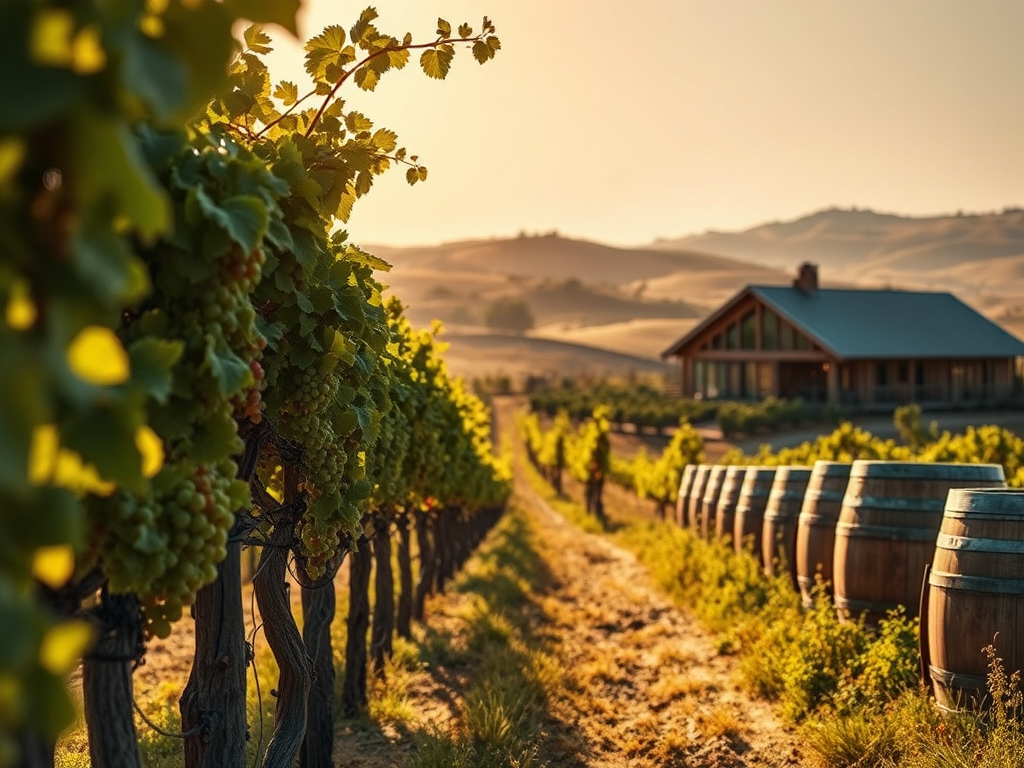
My fascination with this rich tapestry began during a vineyard tour in the Finger Lakes, where the guide revealed that long before Napa Valley became synonymous with American wine excellence, these Eastern regions were producing award-winning bottles. This revelation sparked my curiosity about the forgotten chapters of American Wine Regions Throughout History and the dramatic rises and falls that have defined our viticultural landscape.
The Forgotten Pioneers of East Coast Winemaking
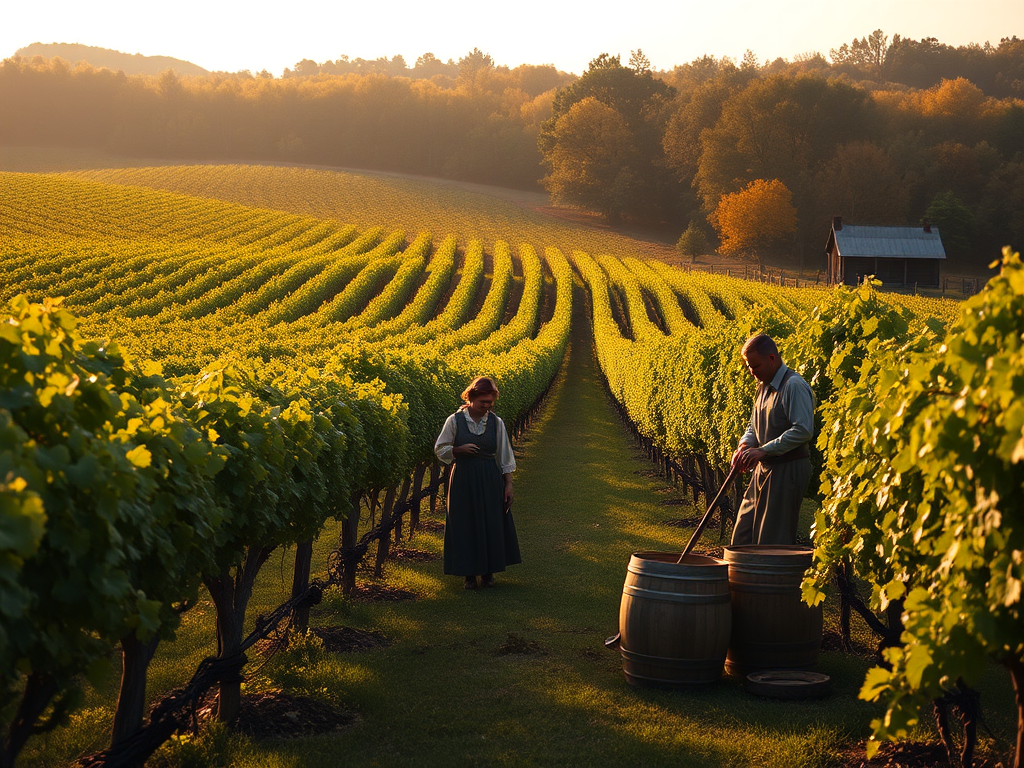
Before California claimed its throne, American Wine Regions Throughout History began with surprising success in the East. During the 19th century, the original American wine country stretched from New York’s Finger Lakes through Pennsylvania and down to the Ohio River Valley. These regions pioneered American viticulture with native grapes that could withstand harsh Eastern winters.
The Ohio River Valley became the unexpected first powerhouse of American winemaking. By 1860, Cincinnati was nicknamed “Wine City” with more than 3,000 acres of vineyards blanketing the surrounding hills. My friend’s grandmother still tells stories of her great-grandfather’s small vineyard operation there – one of hundreds that once dotted the landscape before being forgotten by modern wine enthusiasts.


What made these early Eastern wine regions special was their practical approach to viticulture:
- They embraced native varieties like Catawba and Concord rather than forcing European grapes into unsuitable climates
- Sparkling wine production flourished in New York’s Finger Lakes, with Pleasant Valley Wine Company (established 1860) becoming America’s first bonded winery
- Hybrid grapes developed during this era still form the backbone of cold-climate viticulture today
- The Ohio River Valley’s limestone soil created ideal conditions for growing grapes
“Ohio was once the Napa Valley of America.” — Dr. Thomas Pinney, wine historian
The decline of these Eastern wine regions came from a perfect storm of challenges. The devastating grape phylloxera epidemic destroyed countless vineyards in the 1870s. Meanwhile, the Civil War disrupted both production and distribution networks, leaving many operations financially broken. Finally, westward expansion lured vintners to California’s seemingly endless potential.
Missouri: America’s First Recognized Wine Country
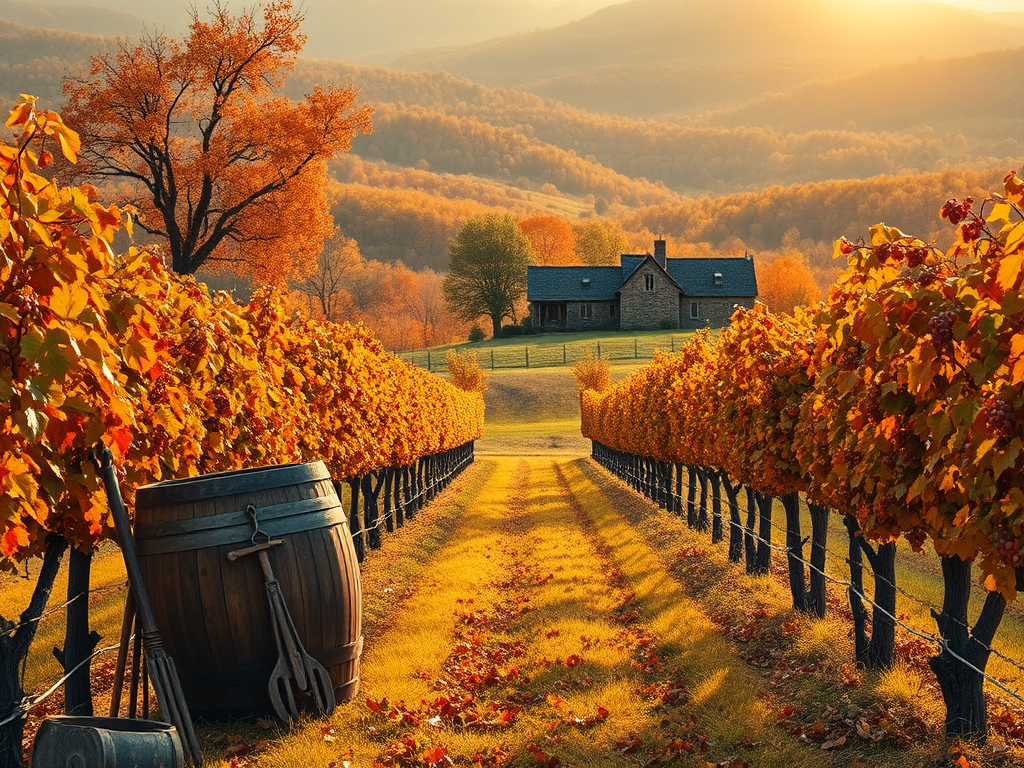
In American Wine Regions Throughout History, Missouri holds a special distinction. German immigrants who settled in the Missouri River Valley in the 1830s and 1840s recognized the limestone-rich soil and favorable topography as remarkably similar to premier European growing regions. Towns like Hermann and Augusta quickly became centers of serious winemaking with European traditions.
These resourceful German-Americans built elaborate stone cellars into the hillsides, reproducing Old World wine-making techniques while adapting to local conditions. By 1855, Missouri wines were winning international recognition, with Augusta wines claiming medals at Vienna’s World Fair. Walking through the historic stone cellars in Hermann today feels like stepping into a forgotten chapter of American wine history.
Missouri’s early wine achievements included:
- Establishing the first American viticultural research program at the State Fruit Experiment Station
- Creating award-winning wines from native Norton grapes
- Building a network of underground wine cellars that rivaled those in Europe
- Producing nearly 2 million gallons of wine annually by 1900
| Year | Milestone |
|---|---|
| 1855 | Augusta wines win international medals |
| 1920 | Prohibition decimates Missouri wine production |
| 1980 | Augusta becomes America’s first designated AVA |
The crowning achievement in Missouri’s wine legacy came in 1980 when Augusta became America’s first designated American Viticultural Area (AVA), actually beating Napa Valley by eight months. This historical footnote surprises most wine enthusiasts who assume California always led American wine development. The immigration patterns that brought wine traditions to Missouri created a foundation that would later influence all American winemaking.
California’s Ascent and the Birth of Napa Valley
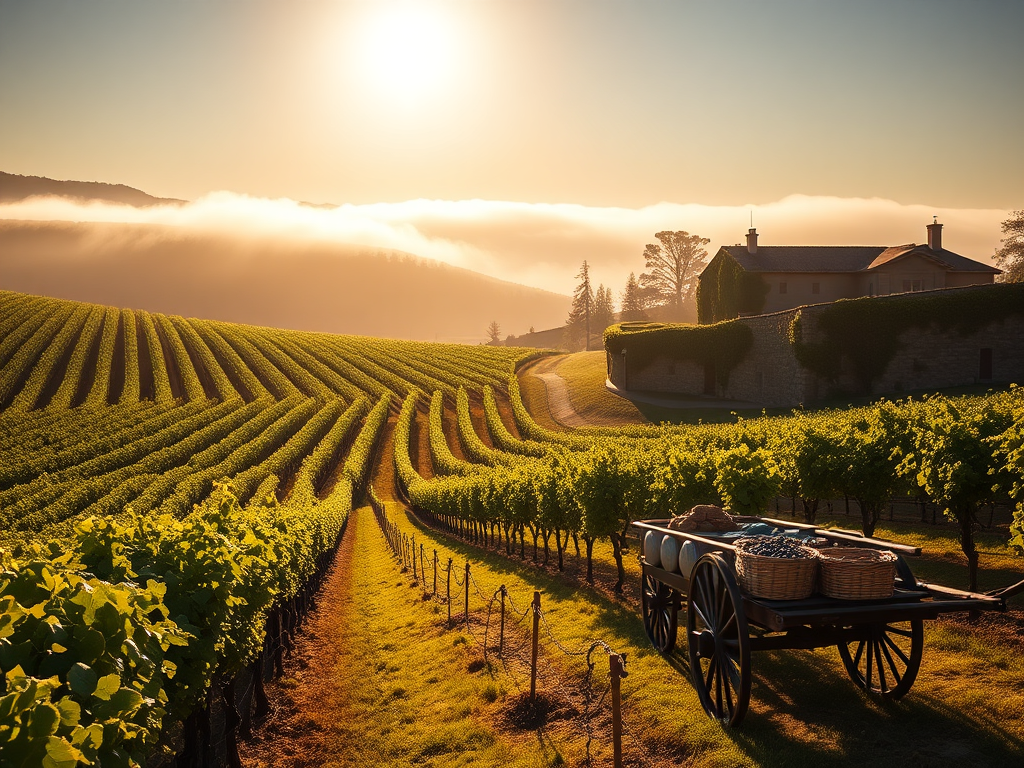
California’s dominance in American Wine Regions Throughout History wasn’t immediate. While Spanish missionaries planted the first California vines in the 1700s, the real boom began with the Gold Rush. Sudden population growth created demand while European immigrants brought centuries of winemaking knowledge. My Italian great-grandfather was among those who arrived in California with viticulture expertise, joining thousands who saw opportunity in the Mediterranean-like climate.
The Napa and Sonoma Valleys slowly developed their reputation through the late 19th century, but faced serious setbacks from phylloxera and then Prohibition. What truly transformed California wine was the combination of scientific research and entrepreneurial spirit that flourished after World War II.
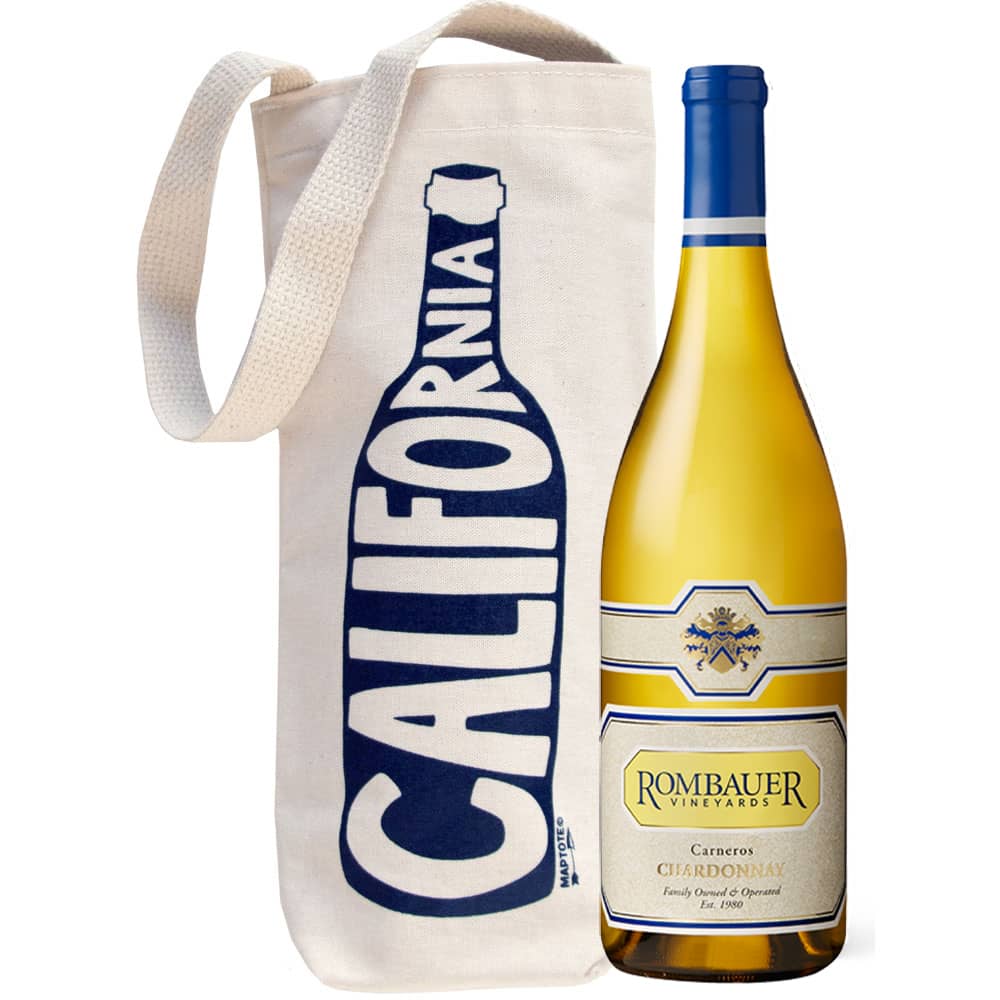
Key factors in California’s wine ascendancy included:
- Italian and French immigrants who brought Old World techniques and labor
- Perfect Mediterranean climate conditions ideal for European vinifera varieties
- The University of California at Davis becoming the premier wine research institution
- The 1976 “Judgment of Paris” blind tasting that shocked the wine world
“Before 1976, American wine wasn’t taken seriously. Afterward, everything changed.” — Steven Spurrier
The 1976 Paris tasting marked the watershed moment when California wines defeated French competitors in a blind tasting judged by French experts. Suddenly, American wines weren’t just good “for American wines” – they could compete with the world’s most prestigious labels. This victory transformed California’s place in the global wine market virtually overnight and cemented its leadership in American Wine Regions Throughout History.
Today’s wine tourism top destinations in California owe their popularity to this pivotal moment when American wine finally earned international respect. The explosion of interest that followed created the modern California wine industry we know today.
The Collapse of Regional Wine During Prohibition
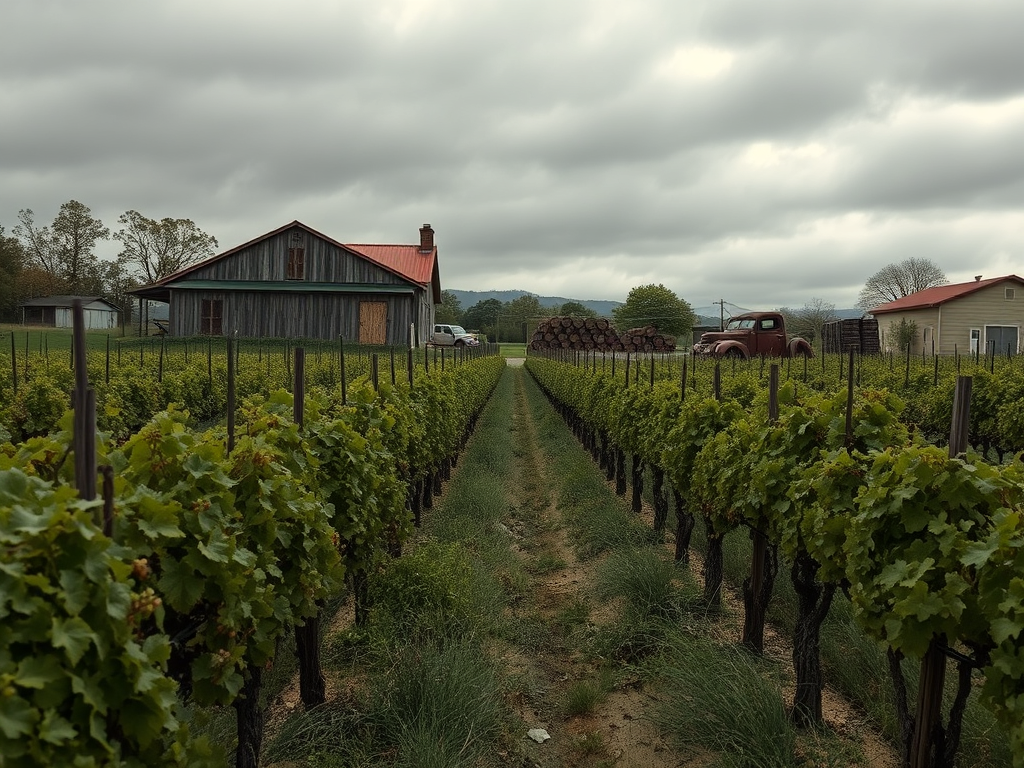
No single event devastated American Wine Regions Throughout History more completely than Prohibition. When the 18th Amendment took effect in 1920, it effectively destroyed generations of winemaking progress. My boyfriend’s grandmother still tells the story of her grandfather being forced to tear out six generations of family vineyards in Pennsylvania – a common tragedy repeated across the country.
The nationwide ban on alcohol production created an extinction-level event for American wine. Missouri’s thriving industry collapsed almost overnight, with vineyards abandoned or converted to table grape production. Ohio’s once-proud wine heritage virtually disappeared, with knowledge and traditions lost forever.
Prohibition’s devastating effects on American wine included:
- Nearly 1,000 commercial wineries closed permanently
- Countless vineyard acres were replanted with other crops or abandoned
- Generational knowledge and regional winemaking traditions were lost
- Consumer palates shifted toward sweet, crude homemade wines
A few clever wineries managed to survive through legal loopholes. Some produced sacramental wine for religious purposes, while others made medicinal “wine tonics” or sold grape concentrate with warning labels that, humorously, provided precise instructions on “how not to let it ferment into wine.” These creative survival strategies kept a tiny flame of American winemaking alive during the dark years.
When Prohibition ended in 1933, the damage was done. The history of wine in America had been fundamentally altered, with many regions never recovering their former glory. This 13-year interruption explains why American wine regions developed so unevenly and why certain traditional winemaking areas faded into obscurity.
Post-WWII Boom and the California Renaissance
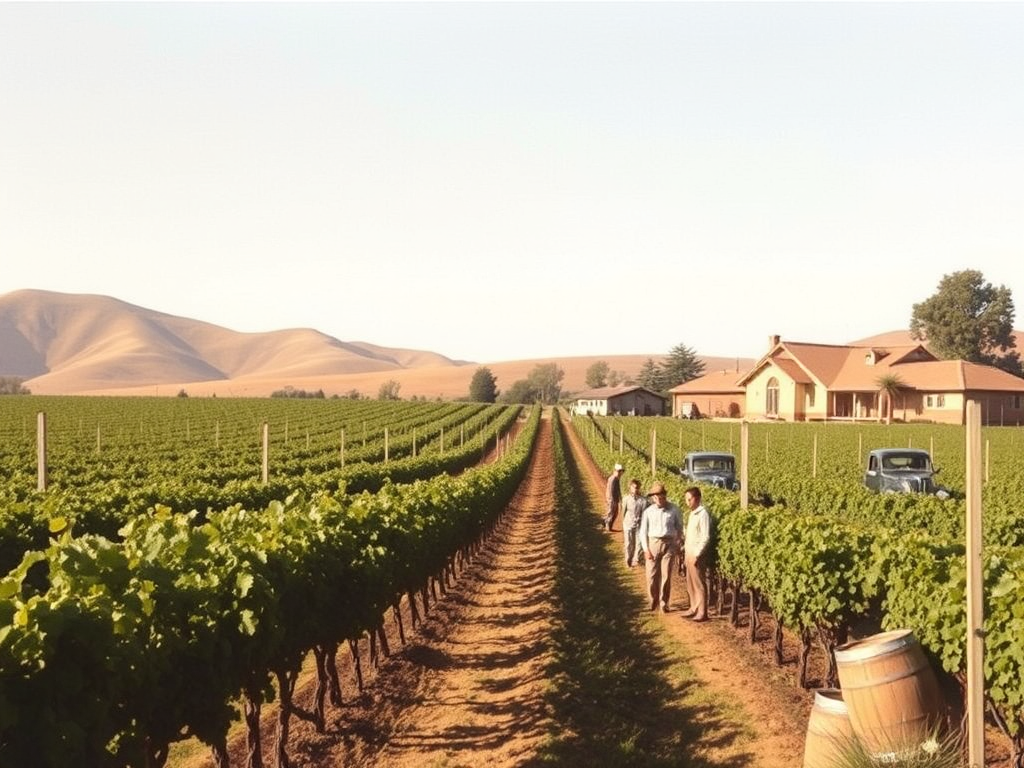
The revival of American Wine Regions Throughout History gained momentum after World War II. Veterans returning from Europe brought newfound appreciation for wine culture and many used GI Bill benefits to study viticulture. California became the center of this renaissance, with scientific innovation driving quality improvements. My wine club recently tasted a vertical flight of Napa Cabernets from the 1960s through today, vividly illustrating this remarkable quality evolution.
The University of California at Davis emerged as the epicenter of wine science research. Pioneering professors like Maynard Amerine and Albert Winkler developed the concept of matching grape varieties to suitable climate regions, revolutionizing vineyard planning. This scientific approach gave California a significant advantage over regions relying on tradition alone.

Critical factors in California’s post-war wine boom included:
- GI Bill-educated veterans investing in vineyard land and technology
- UC Davis research on fermentation, viticulture, and wine chemistry
- Improved wine marketing reaching a growing middle-class audience
- The development of temperature-controlled fermentation techniques
By the 1970s, California wine quality had improved dramatically. Robert Mondavi led a movement toward premium wine production, believing California could produce world-class wines. The famous 1976 “Judgment of Paris” blind tasting, where California wines defeated French classics, validated this belief. Suddenly, American wine commanded international respect and prestige.
The California wine boom created a model that other American wine regions would later follow. This period represents both California’s definitive triumph in American Wine Regions Throughout History and the blueprint for future regional wine developments across the country.
The Finger Lakes and Virginia: Reinvention Through Resilience
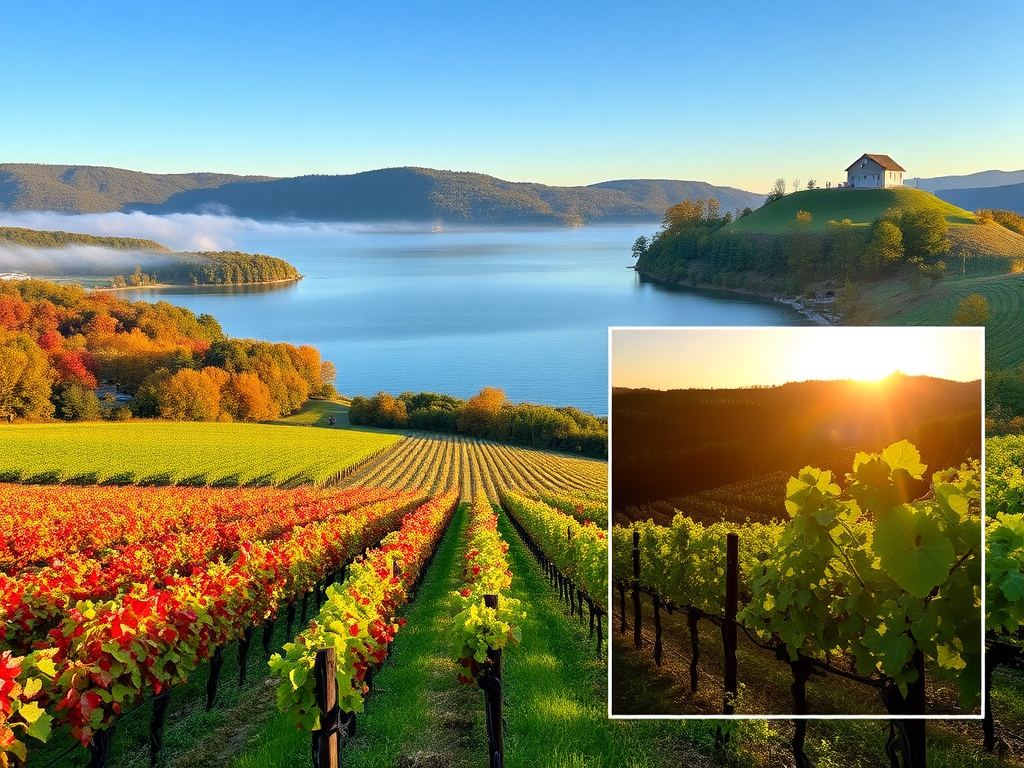
Two compelling comeback stories in American Wine Regions Throughout History belong to New York’s Finger Lakes and Virginia. Both regions have overcome significant challenges to create distinctive wine identities. During a recent East Coast wine tour, I was stunned by the world-class Rieslings from the Finger Lakes and elegant Cabernet Francs from Virginia – wines with genuine terroir expression that couldn’t be replicated elsewhere.

The Finger Lakes region found its modern identity by embracing what works naturally in its cool climate. After decades of focusing on native varieties, pioneering winemakers like Dr. Konstantin Frank demonstrated that European vinifera grapes could thrive with proper vineyard management. Today, the region produces Rieslings that rival Germany’s best, with distinctive mineral characteristics from ancient glacial soils.
What makes the Finger Lakes wine region special:
- Deep lakes moderate temperatures, protecting vines from extreme cold
- Riesling thrives in the cool climate, producing wines with perfect acid balance
- Successful hybrid varieties like Vidal Blanc create excellent ice wines
- A collaborative community of winemakers shares knowledge and resources
Virginia’s wine renaissance began with a vision from Thomas Jefferson, who tried unsuccessfully to establish European vines at Monticello. Modern Virginia winemakers finally succeeded where Jefferson failed, creating a distinctive regional style that blends Old World elegance with New World fruit expression. The state’s humid conditions once seemed impossible for quality viticulture, but determined producers found solutions.
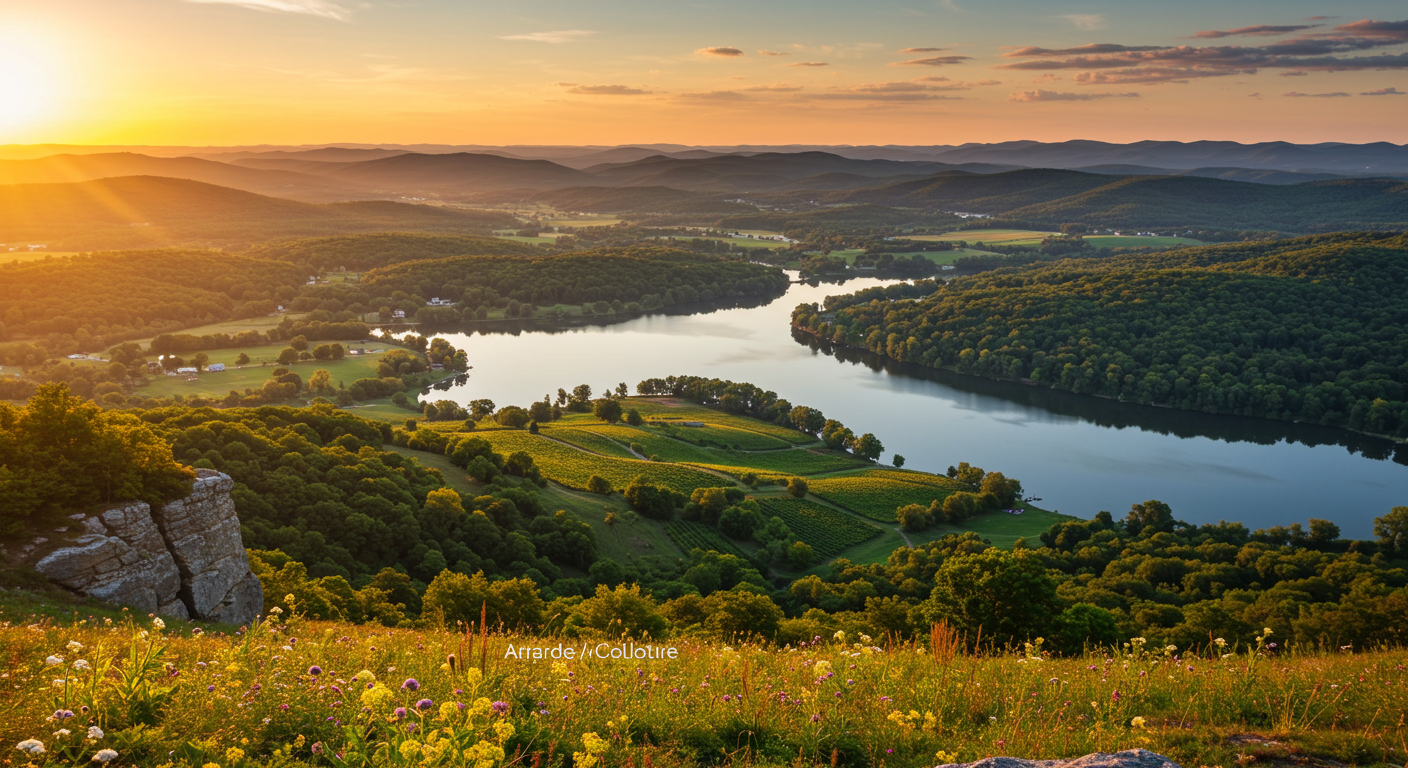
Virginia’s wine success factors include:
- State investment in viticultural research and tourism promotion
- Focus on varieties that perform well in Virginia’s climate (Viognier, Cabernet Franc)
- Historic destinations that blend wine tourism with American heritage sites
- A commitment to wines that express Virginia’s unique terroir
Both regions demonstrate how American Wine Regions Throughout History have evolved through adaptation rather than imitation. Instead of copying California, they’ve developed authentic regional expressions based on their unique growing conditions. Understanding why these wine varieties reign supreme in specific regions reveals the intelligent adaptation that defines modern American wine.
Texas and the Southwest: Rising Stars in the New Wine Frontier
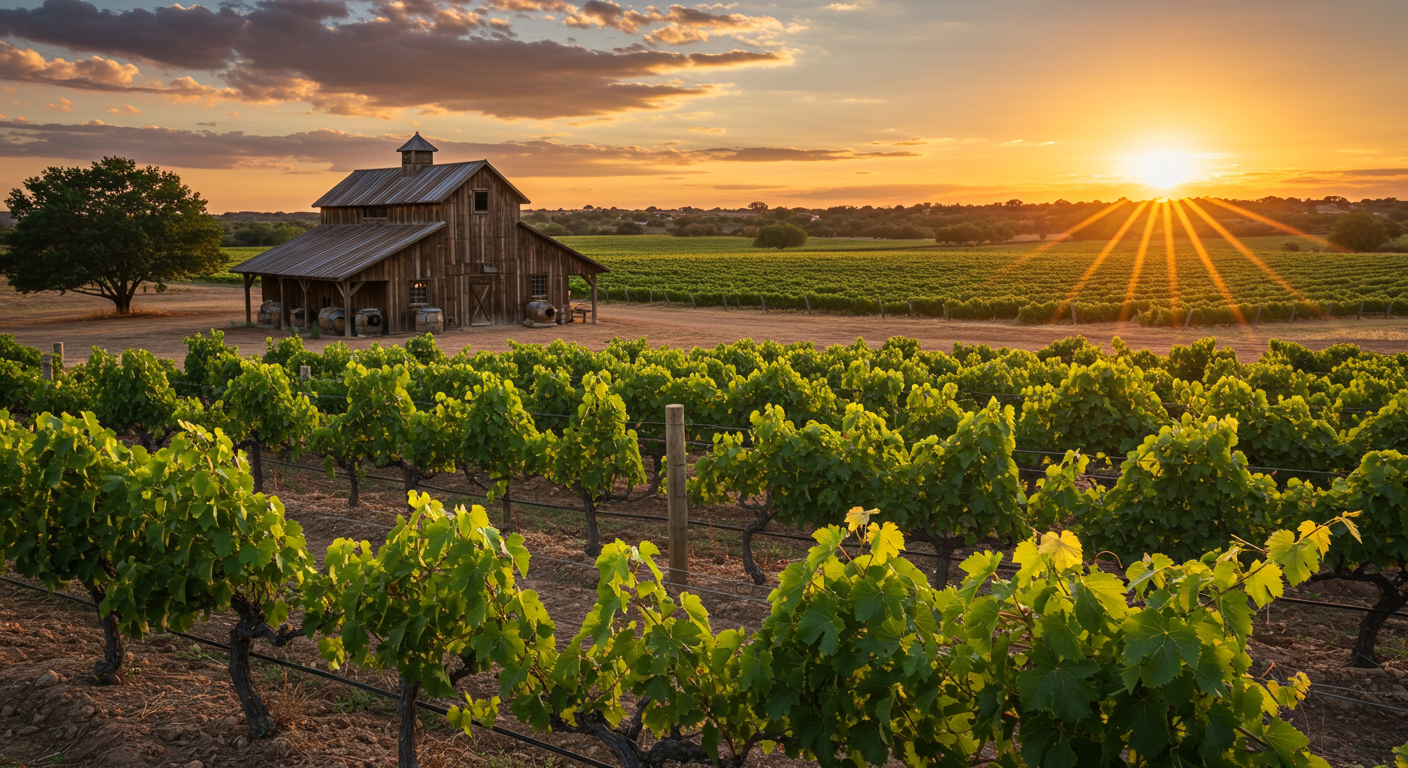
The newest chapter in American Wine Regions Throughout History is being written in unlikely places like Texas, New Mexico, and Arizona. What fascinates me about these emerging regions is how they’re reviving some of America’s oldest viticultural traditions. Spanish missionaries planted the first vineyards in Texas and New Mexico in the 1600s, long before California’s wine industry existed.
Texas has become particularly significant, rising to become the country’s fifth-largest wine producer. The combination of high elevation, arid conditions, and limestone-rich soils creates ideal conditions for Spanish and Mediterranean varieties. My sister recently returned from a Hill Country wine tour raving about Texas Tempranillos that captured the same earthy intensity as their Spanish counterparts.

What makes Texas and Southwest wines distinctive:
- High elevation vineyards (some above 4,000 feet) with dramatic diurnal temperature shifts
- Focus on drought-resistant varieties like Tempranillo, Mourvèdre, and Viognier
- Rocky, mineral-rich soils that impart distinctive terroir characteristics
- A pioneering spirit that embraces experimentation and innovation
New Mexico’s wine scene has equally deep historical roots, with some of the country’s oldest continuous wine production. Santa Fe-area wineries are producing exceptional sparkling wines from high-altitude vineyards where the intense sunlight and cool nights create perfect conditions for maintaining acidity while developing complex flavors.
Arizona’s Verde Valley and Willcox regions have emerged as serious wine destinations, with Rhône-style varieties thriving in the desert conditions. The state’s wine industry has grown from just a handful of producers to over 100 wineries in the past two decades. This remarkable growth represents a new frontier in American Wine Regions Throughout History.
Climate Change: A New Era of Shifting Wine Maps
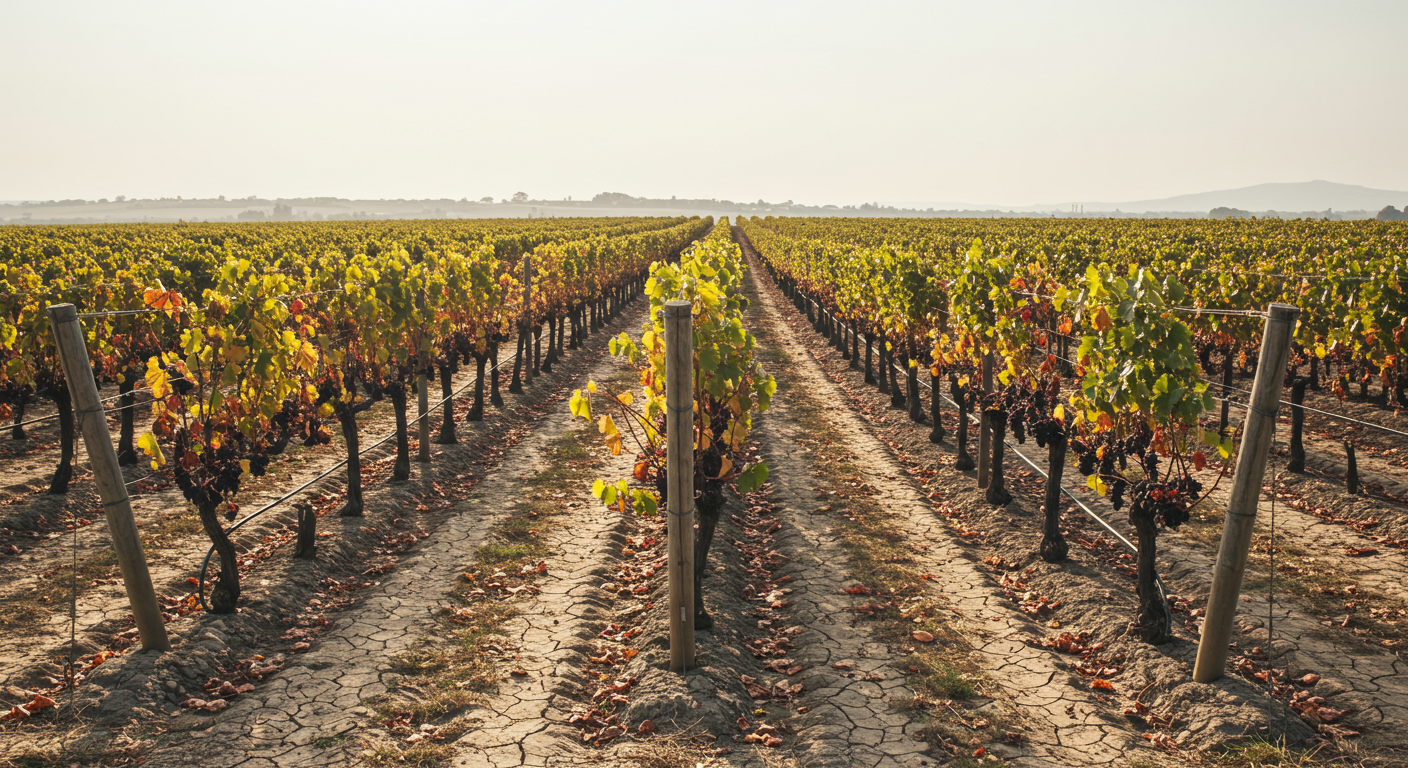
The next chapter of American Wine Regions Throughout History is being dramatically reshaped by climate change. Traditional growing regions face existential challenges while new opportunities emerge in unexpected places. During a recent vineyard visit in Michigan, I was surprised to taste elegant Pinot Noir from areas once considered too cold for vinifera grapes – a direct result of warming temperatures.
California’s wine industry faces serious threats from climate disruption. Napa and Sonoma have experienced devastating wildfires in multiple recent vintages, with smoke taint ruining entire harvests. Rising temperatures are pushing harvest dates earlier and altering the balanced ripening that made California wines famous. Water scarcity presents another critical challenge in a state where irrigation is essential.

Climate challenges and opportunities across American wine regions:
- California faces increased wildfire risk, water shortages, and heat spikes
- Pacific Northwest regions must adapt to more variable weather patterns
- The Midwest and Northeast are seeing longer growing seasons beneficial for ripening
- New hybrid varieties bred for climate resilience are expanding growing possibilities
“We’re planting for a climate 30 years from now, not for today.” — Midwest vineyard owner, USDA study
The most exciting development might be the emergence of new wine regions that were previously unsuitable for quality viticulture. States like Michigan, Vermont, and Minnesota are now producing serious wines thanks to both climate shifts and innovative hybrid varieties. Grapes like Marquette and La Crescent, developed specifically for cold climates, are yielding wines with complexity previously impossible in these regions.
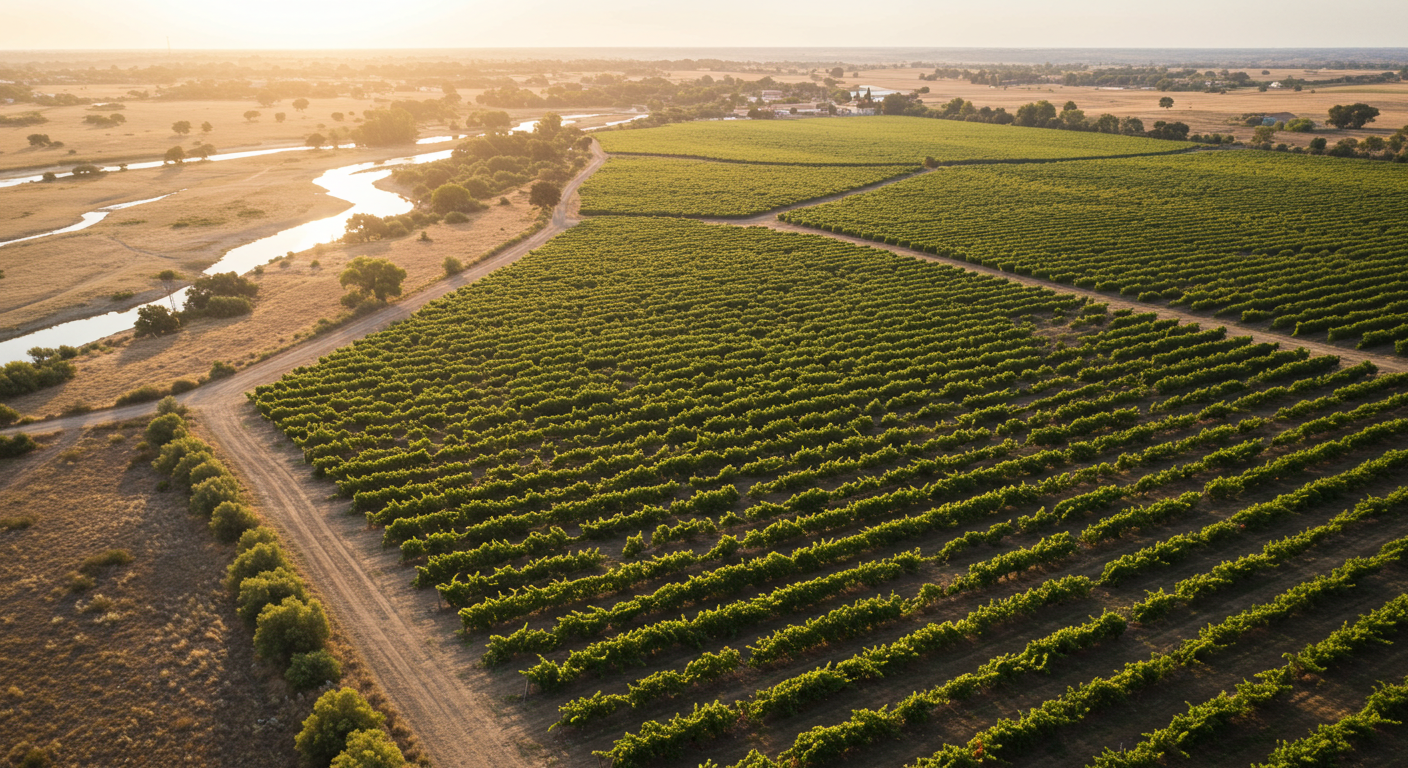
This climate-driven redistribution represents perhaps the most significant transformation in American Wine Regions Throughout History since Prohibition. Like the pioneers who adapted to challenges throughout our viticultural past, today’s winemakers are finding creative solutions to preserve regional identity while adapting to changing conditions.
Wine Regions Reborn: Lessons in Resilience
The story of American Wine Regions Throughout History ultimately reveals a cycle of adaptation and renewal. Every major wine region has experienced devastating setbacks, from phylloxera to Prohibition to climate challenges. What sets the successful regions apart is their ability to reinvent their approach without losing their authentic character.
My favorite aspect of exploring regional American wines is discovering how each area’s unique challenges shaped their wine identity. Ohio’s early wine industry may have faded, but its legacy lives on in Missouri’s Norton grapes and the hybrid varieties that now thrive across the Northeast. California’s global success was built on the scientific approach that helped it recover from Prohibition’s devastation.
Key lessons from American wine history include:
- The most successful regions adapt to their natural conditions rather than fighting them
- Scientific innovation combined with traditional knowledge creates resilient wine cultures
- Regional identity emerges from both terroir and human response to challenges
- Wine regions must balance tradition with adaptation to remain viable
The future of American wine regions will likely continue this pattern of change and adaptation. Climate shifts will create both winners and losers, just as political and cultural changes have throughout our history. New hybrid varieties and technological innovations will help regions maintain their identity while adapting to new conditions.
From the forgotten vineyards of Ohio to the innovative wineries of the Southwest, American Wine Regions Throughout History reflect our national character – resourceful, adaptable, and optimistic. Each glass of American wine contains not just the expression of a place, but the story of people who faced challenges, adapted, and persevered. That resilient spirit remains the true legacy of American wine history and the promise of its future.