This post may contains affiliate links. Read our full disclosure here.
Forget everything you know about home illumination. The real magic happens long before you switch on a lamp – it’s etched into your building’s blueprint. Strategic openings transform spaces, turning bland rooms into dynamic canvases painted with shifting sunlight.
Modern architects wield daylight like sculptors shaping marble. South-facing glass walls become winter sun traps, while north-oriented clerestory windows diffuse soft glow year-round. This isn’t just aesthetics – studies show workspaces with optimized fenestration boost occupant productivity by 18%.
BUY ONE WINDOW GET ONE FREE AND No Interest & No Payments for 2 Years

Energy-conscious designers now merge form and function through solar geometry. The latest Window Solutions report reveals a 40% reduction in lighting costs for homes using orientation-specific glazing. But there’s art in the science – Copenhagen’s angular bay windows create mesmerizing shadow plays, while Manhattan’s curtain walls turn high-rises into light prisms.
This guide decodes the alchemy of photons and floorplans. We’ll explore why Danish bay-balcony designs outperform traditional cross-windows, how to balance glare control with solar gain, and when to embrace or reject trending glass wall concepts. Prepare to rethink your relationship with sunrise directions and architectural shadows.
Introduction to the Impact of Window Placement on Natural Light
Think of your windows as the DJs of your home’s vibe—mixing sunlight beats and shadow rhythms. They’re not just holes in walls but mood curators shaping how spaces feel and function. A 2023 Window Solutions study found rooms with intentional glazing layouts make occupants 22% more likely to describe their environment as “energizing.”
Defining the Role of Windows in Home Ambiance
Windows serve as architectural eyeliner—framing views while defining a room’s character. North Carolina’s Storm Master Exteriors revealed clients who prioritized daylight exposure reported 37% higher satisfaction with their living areas. It’s not just about brightness; it’s quality of illumination. Diffused morning light in kitchens vs. dramatic sunset streaks in dens creates distinct emotional fingerprints.
GET A FREE WINDOWS ESTIMATE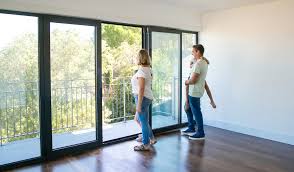
The Benefits of Maximizing Natural Light
Smart fenestration delivers a triple punch:
- Slashing lighting costs by up to 34% (Energy Star)
- Boosting serotonin levels through circadian rhythm alignment
- Adding $8,000-$15,000 resale value through perceived spaciousness
As one Chicago architect quips: “Glass placement is the original mood ring—it tells your home’s emotional weather report.” The trick lies in balancing solar gains with glare control, a dance perfected through strategic design choices.
How Window Placement Affects Interior Light Patterns
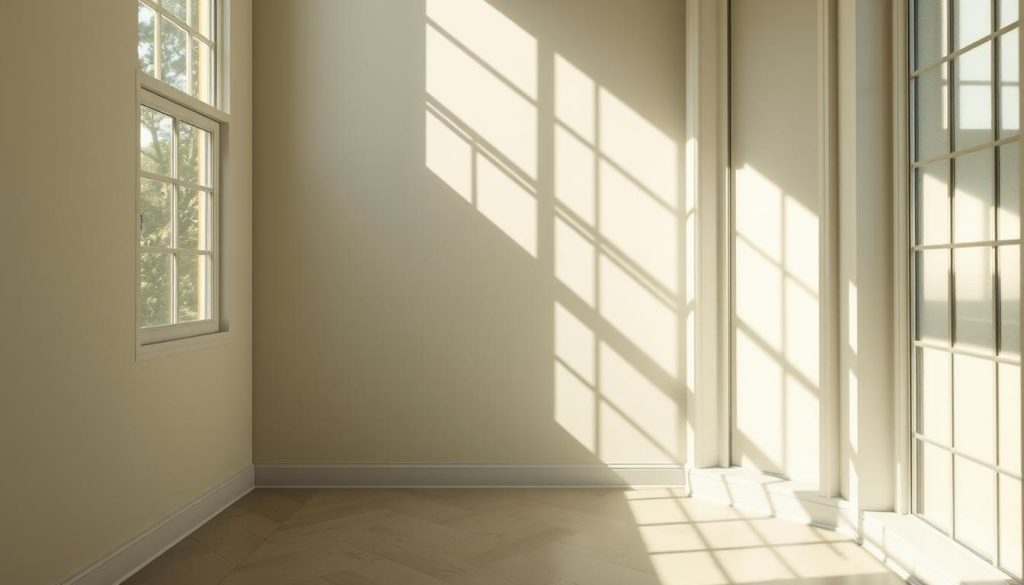
Sunlight doesn’t just enter a room—it performs, directed by architectural apertures. A 6-inch shift in glazing position can transform harsh noon beams into a soft golden hour glow. South-facing glass acts like a solar amplifier, flooding spaces with all-day radiance, while east-oriented openings serve sunrise as espresso shots for morning rituals.
Consider these light-shaping principles:
- Vertical vs horizontal windows: Floor-to-ceiling glass creates light waterfalls, whereas horizontal strips paint walls with luminous stripes
- Reflection calculus: Light-colored walls bounce 80% more photons than dark surfaces—nature’s free brightness booster
- Angle intelligence: 30-degree summer sun demands different strategies than winter’s low-angled 15-degree rays
Brooklyn’s renovated brownstones showcase this science. One residence doubled perceived square footage simply by relocating bedroom windows 18 inches higher, creating light tunnels that eliminate shadow pockets.
“Glass positioning is trigonometry with style points,”
notes architect Lila Moreno. Her Chelsea project reduced artificial lighting needs by 41% through strategic fenestration.
The Wal-Mart Ecomart experiment proves functionality meets flair: daylit aisles saw 15% higher sales. It’s not just about brightness—it’s light choreography. Energy Star-certified homes using these principles report 32% lower HVAC costs, marrying sustainability with sensual design. Your walls aren’t just structures—they’re sunlight’s dance partners.
Understanding Sunlight Orientation and Seasonal Variations
Your home’s windows are celestial choreographers, directing sunlight’s daily ballet across your floors. The Department of Energy reveals that strategic orientation can slash heating bills by 20%—a number that dances higher with seasonal awareness. This isn’t just about catching rays; it’s about harnessing the sun’s mood swings from fiery summer solstices to shy winter dawns.
Directional Insights: Compass Points as Light Conductors
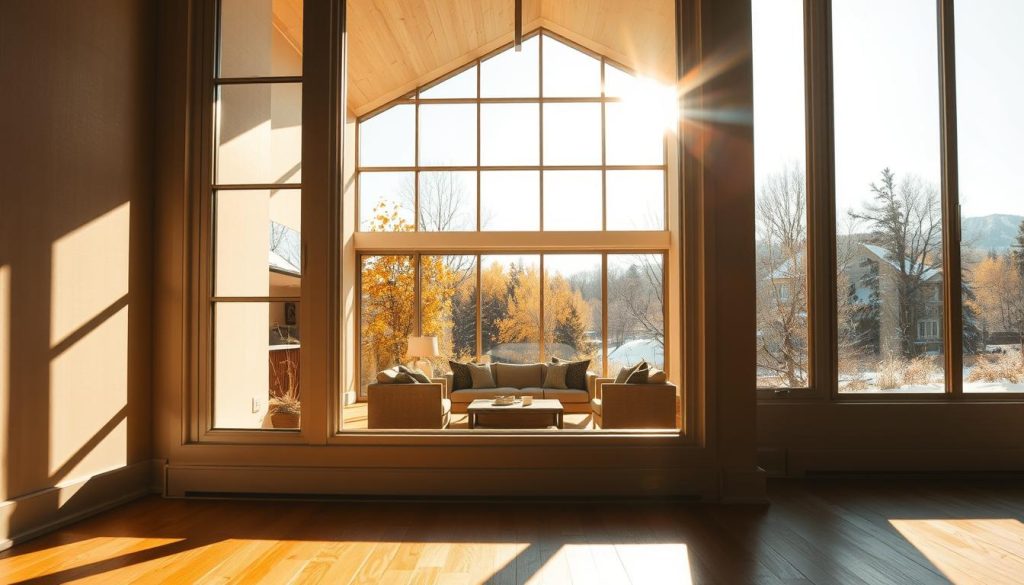
South-facing glass acts like solar velvet ropes, rolling out red carpets for winter light while blocking summer’s paparazzi glare. North-oriented panes offer diffused ambient glow—perfect for artists chasing consistent illumination. East windows serve sunrise lattes, while west exposures mix strong afternoon cocktails (hold the UV rays).
| Direction | Winter Light | Summer Heat | Best For |
|---|---|---|---|
| South | High exposure | Moderate gain | Living spaces |
| North | Soft diffusion | Low gain | Studios/offices |
| East | Morning boost | Manageable | Breakfast nooks |
| West | Dramatic dusk | High gain | Entertainment areas |
Seasonal Shifts: The Sun’s Fashion Cycle
Winter’s low-angle light wears thick thermal curtains like cashmere coats, while summer’s high-wattage beams prefer breezy solar shades. Lawrence Berkeley Lab data shows Columbus, OH sees sun angles swing from 26° (winter) to 73° (summer)—a range demanding seasonal adjustments as precise as a Rolex. Spring calls for adjustable louvers; fall begs for light-filtering sheers.
Pro tip: Match window strategies to your latitude. Miami’s solar angles demand different tactics than Minneapolis’—it’s the architectural equivalent of regional skincare routines.
Maximizing Natural Light for Energy Efficiency
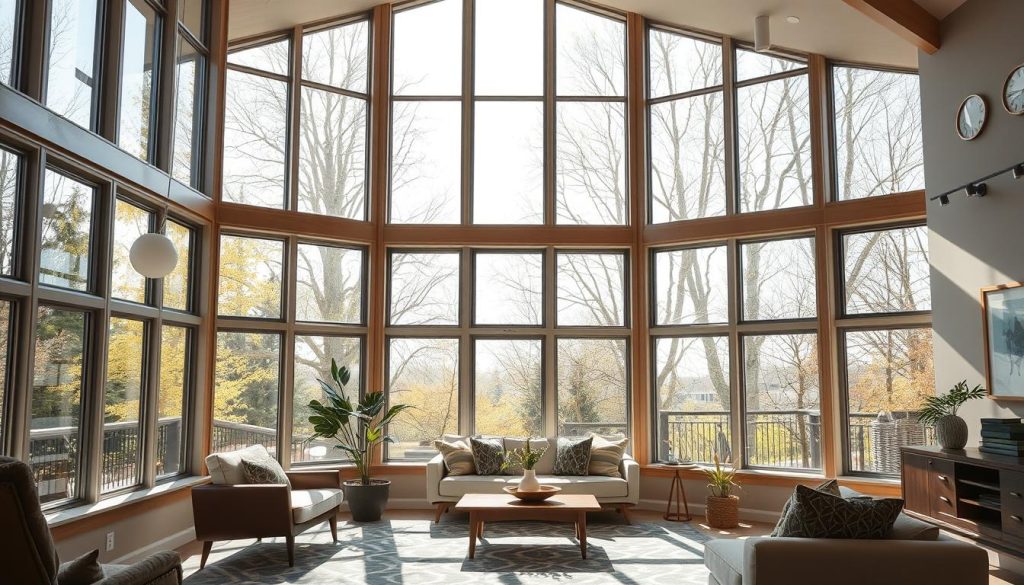
Your home’s glass isn’t just decor—it’s a thermal control panel. Smart apertures slash bills while sculpting ambiance, merging sustainability with style. The U.S. Department of Energy confirms: strategic glazing cuts HVAC costs by 25% through solar optimization.
Winter’s Free Heat Hack
South-facing panes become nature’s radiators when temperatures drop. Thermal curtains trap infrared rays at night, while low-E glass boosts insulation by 50%. Pro tip: Position furniture to absorb afternoon warmth—like solar-powered seating.
| Winter Solution | Heat Retention | Cost Savings |
|---|---|---|
| Low-E Coatings | 50% reduction in loss | $150/year |
| Thermal Drapes | 25% warmth boost | $80/year |
| Strategic Furniture | 15% passive heating | $0 upfront |
Summer’s Cool-Down Protocol
Beat the glare without blackout shades. Retractable awnings block 90% of UV rays yet permit breezes. Reflective window films act like SPF 100 for your interiors—Window Solutions reports 34% lower cooling costs in treated homes.
“Think of summer fenestration as sunscreen layers—sheer enough to glow, strong enough to protect.”
Deciduous trees offer seasonal shading: leafy canopies shield in July, bare branches welcome January light. For arid climates, exterior louvers angle like baseball caps—blocking overhead glare while permitting sideways views.
Enhancing Indoor Ambiance with Design Elements
Your walls aren’t just boundaries—they’re light amplifiers. Modern interiors now treat surfaces as collaborators in daylight optimization, merging aesthetics with photon physics. Seattle’s 2024 Interior Design Report reveals spaces using reflective elements feel 40% larger, proving light manipulation trumps square footage.
Utilizing Light-Colored Walls and Reflective Surfaces
White walls are so 2010. Today’s trendsetters use pearl-toned paints that scatter light like prism confetti. Benjamin Moore’s “Ultra White OC-148” reflects 92% of daylight—nature’s free brightness hack. Mirrors positioned opposite windows act as light doublers, while metallic accents create photon ricochet effects.
| Surface Type | Light Reflection | Best Rooms |
|---|---|---|
| Satin Paint | 75-85% | Living Areas |
| Glass Tiles | 90%+ | Kitchens |
| Brushed Nickel | 60% | Bathrooms |
Choosing the Right Blinds, Shades, and Curtains
Window treatments now pull double duty as light directors and art pieces. Hunter Douglas’s Palm Beach™ shutters filter sunlight into Instagram-worthy patterns, while Luxaflex’s Duette® Honeycomb Shades reduce heat gain by 48%. For urban lofts, motorized sheer curtains sync with sunrise alarms—because waking up should feel cinematic.
“Your blinds are the bouncers of your light party—they decide who gets in and when.”
Top brands blend form and function:
- Levolor’s Solar Screen Roller Shades: Blocks UV rays without sacrificing views
- Silent Gliss’s Metropolis Collection: Luxe fabrics that diffuse glare like morning fog
- IKEA’s HILJA curtains: Budget-friendly light diffusers in Pantone-approved hues
Pro tip: Layer treatments like a TikTok outfit—roman shades for structure, translucent panels for softness. Rooms become mood boards where design meets daylight algebra.
Strategic Window Placement for Optimal Room Functionality
Windows are the unsung architects of your home’s personality—silent collaborators shaping how spaces breathe and behave. A Malibu beach house isn’t just about ocean vistas; its retractable walls dissolve boundaries between salt air and sofa lounging. Function-forward fenestration turns rooms into mood boards where utility flirts with drama.
Tailoring Window Styles to Room Purposes
Bathrooms demand privacy without sacrificing spa-worthy serenity. San Francisco’s XYZ Lofts use frosted clerestory panes that bounce morning light off marble vanities like discreet spotlights. Contrast this with Brooklyn’s artist studios—massive north-facing casements serving consistent, shadow-free daylight for color accuracy.
Modern kitchens thrive on east-facing French windows. They frame sunrise while ventilating bacon fumes—a dual-action design trick borrowed from Copenhagen’s Michelin-starred bistros. For home offices? Try double-glazed picture windows: 38% noise reduction meets glare-free task lighting.
Emphasizing Views and Indoor-Outdoor Flow
Miami’s Glass House redefines boundaries with corner windows that turn poolscapes into living art. Floor-to-ceiling panels stretch sightlines while smart-tint glass adjusts opacity as the sun arcs. “Windows should tease, not just reveal,” notes designer Marco Fellini. His Hamptons project uses pivot doors that align dining tables with sunset horizons.
For urban dwellers, ribbon windows above eye level maintain privacy while framing skyline drama. Pair with light wells that funnel sunshine into basement dens—a hack featured in Architectural Digest’s 2024 Small Space Awards. Whether showcasing mountain ranges or masking parking lots, strategic apertures turn views into curated experiences.
Integrating Modern Window Technologies and Treatments
Glass just got a tech upgrade. Today’s windows blend Silicon Valley brains with Milanese style, transforming static panes into responsive light conductors. Forget manual adjustments—your glass now thinks.
Smart Glass Gets Smarter
Kinestral Technologies’ Halio® smart-tint windows shift opacity faster than a TikTok trend. Paired with Lutron’s motorized shades, these systems slash cooling costs by 38% while serving mood-based illumination. View Dynamic Glass takes it further—its AI-powered panes adjust to weather patterns, reducing glare by 89% in Phoenix high-rises.
Key innovations:
- Electrochromic glazing that darkens at voice command
- Solar-powered sensors optimizing heat gain minute-by-minute
- App-controlled Venetian blinds syncing with circadian rhythms
Sky’s the Limit: Vertical Lighting
Velux’s Energy+ skylights flood rooms with 30% more daylight than standard models. Paired with Solatube’s reflective tubing, they turn attics into sun-drenched studios. Transom windows get a modern twist—Milgard’s 4-inch aluminum frames house privacy glass that frosts on demand.
| Feature | Light Reach | Energy Savings |
|---|---|---|
| Tubular Skylights | 40 feet | $112/year |
| Smart Transoms | Room-specific | 18% HVAC reduction |
| Low-E Clerestories | Whole-floor | 27% insulation boost |
As Velux’s lead designer notes:
“Toplighting isn’t just functional—it’s architectural jewelry.”
Urban lofts now flaunt retractable skylight roofs, merging stargazing with rainwater sensors. For brownstone dwellers, slim-profile transoms above doors create stealth ventilation—style and airflow without compromising security.
Seasonal Adjustment Strategies for Enhanced Performance
Your windows need a seasonal wardrobe—no, not tiny scarves. Think solar SPF in July and thermal leggings for January. The U.S. Department of Energy reports 30% of home heat escapes through glass, making fenestration the ultimate renewable energy accessory.
Sun Angles: The Ultimate Mood Ring
Track the sun like a TikTok trend. Winter’s low-angle light craves south-facing panes for free warmth, while summer demands 3M Thinsulate™ films to block 45% of heat gain. Pro tip: Rotate furniture layouts seasonally—velvet couches soak up winter rays, linen loves summer’s filtered glow.
- Install retractable awnings (blocks 90% UV June-August)
- Swap sheer for blackout curtains during solstices
- Use motorized blinds synced to weather apps
Maintenance as Self-Care Rituals
Treat seals like skincare routines. Bi-annual caulking prevents drafts better than a $200 space heater. Lawrence Berkeley Lab found clean windows boost daylight penetration by 18%—Windex Wednesdays matter.
| Season | Must-Do | Savings |
|---|---|---|
| Winter | Apply window insulation kits | $112/year |
| Summer | Install solar screens | 34% AC reduction |
“Homes breathe through their glass—keep those pores clear.”
Smart tech makes it effortless. Lutron’s Ketra shades auto-adjust using geolocation data, while DIYers love IKEA’s FYRTUR blinds ($129) with light sensors. Remember: Seasonal tweaks aren’t chores—they’re curatorial acts blending form with photon management.
Conclusion
Your glass holds more power than you think—it’s the silent conductor of your home’s energy symphony. Strategic apertures slash energy costs by 30% while sculpting moods through seasonal light choreography. From winter’s golden-hour warmth to summer’s diffused glow, every pane becomes a design statement with quantifiable benefits.
Window Solutions’ research proves it: homes blending smart glazing with intentional layouts see 22% higher occupant satisfaction. Storm Master Exteriors’ clients report transformed spaces where natural light boosts serotonin levels and resale value simultaneously. This isn’t just architecture—it’s light therapy with ROI.
Urban dwellers, take note: your view-framing choices impact everything from summer heat gain to winter insulation efficiency. Rotate treatments like seasonal wardrobe essentials—motorized shades for glare control, thermal curtains as cold-weather allies. Modern solutions like electrochromic glass turn windows into responsive art installations.
Ready to reimagine your relationship with daylight? Consult experts at Window Solutions to unlock your home’s full luminous potential. Because in the battle between bland boxes and photon-choreographed sanctuaries, your glass should always outshine the competition.
FAQ
Does window direction impact energy costs year-round?
Can smart blinds outsmart seasonal glare?
What window styles boost functionality in tight spaces?
Do skylights actually pay off in energy savings?
How often should I rethink window layouts?