This post may contains affiliate links. Read our full disclosure here.
Ever wondered why that perfect bottle turns lackluster overnight? Think of it like slicing an apple: leave it out, and it browns. Open a bottle, and oxygen rushes in—a frenemy that can elevate flavors or ruin them faster than a spoiler for the latest binge-worthy show.
This isn’t just about recorking and praying. It’s a dance between chemistry and craftsmanship. Ancient cellars knew it. Modern sommeliers swear by it. Controlled exposure to air can transform a drink, deepening its complexity like a vinyl record gaining richness with each play.
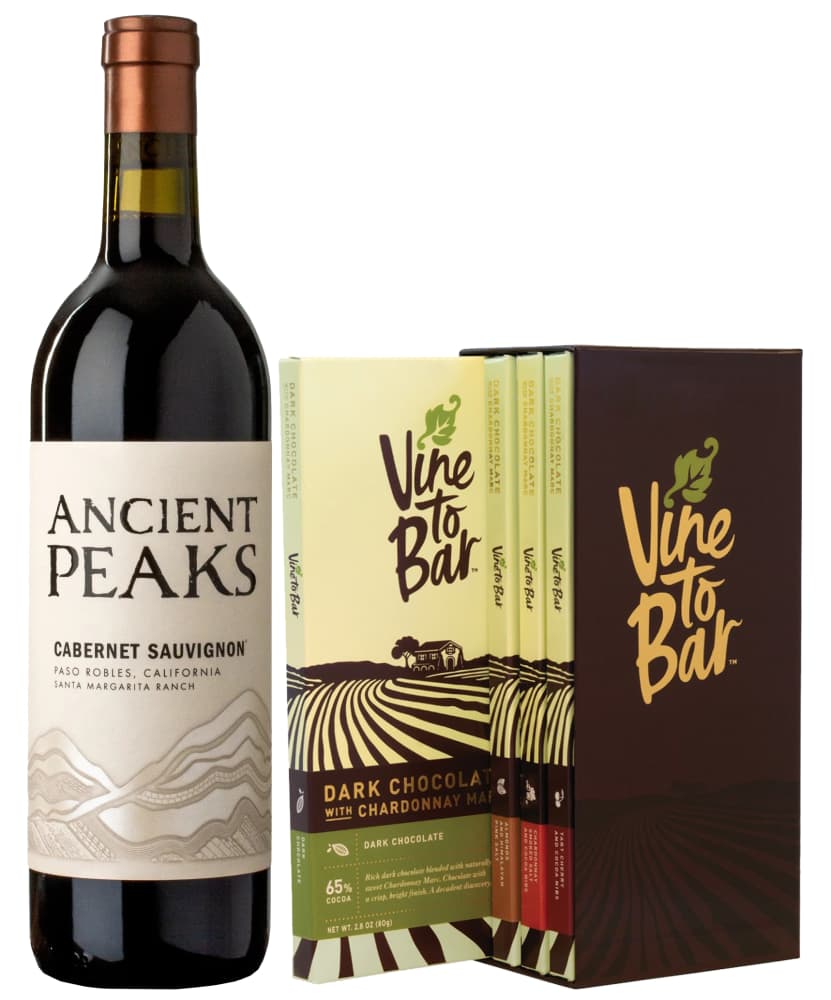

Storage matters, too. Imagine your favorite red aging like a vintage leather jacket—gracefully, subtly—while whites demand the crisp precision of a TikTok trend. Temperature swings? They’re the plot twists no one asked for.
Here’s the kicker: preservation isn’t just saving what’s left. It’s unlocking hidden notes, turning a Tuesday night into a mic-drop moment. Ready to geek out on gas blankets, vacuum hacks, and why your fridge isn’t just for takeout?
Exploring the Fundamentals of Wine Preservation
Uncork a bottle, and you’re racing against an invisible clock. Preservation isn’t about hoarding—it’s curating liquid art. Imagine your favorite vinyl record: play it too much, and it scratches. Leave it untouched, and it gathers dust. The sweet spot? Controlled care.
What Is Preservation in Plain English?
Think of it like your smartphone battery: use it carelessly, and it drains fast. Manage it right, and you’ll squeeze out every drop of goodness. Preservation means balancing oxygen’s double-edged sword—enough to let a red breathe like a yoga session, not so much it turns into vinegar overnight.
Why This Matters More Than You Think
After popping the cork, oxygen starts a chemical tango—enhancing flavors briefly before tipping into spoilage. Research shows this shift can happen in under six hours. That’s why pros obsess over airtight closures and stable environments. Want to level up? Check out these cellar management strategies used by top sommeliers.
Storage isn’t just about shoving bottles in a fridge—it’s curating an environment where flavors evolve like a perfectly aged TikTok trend (yes, those exist). From humidity-controlled cellars to gas systems that act like force fields, every choice impacts whether your pour becomes a mic-drop moment or a flatlined disaster.
The Role of Oxygen, Oxidation, and Temperature in Wine Evolution
Picture oxygen as a frenemy at a party—it brings energy but can overstay its welcome. This invisible player shapes flavors like a DJ remixing tracks: subtle tweaks create magic, but too much ruins the vibe. The chemistry here? It’s less lab coat, more Breaking Bad meets The Bear.
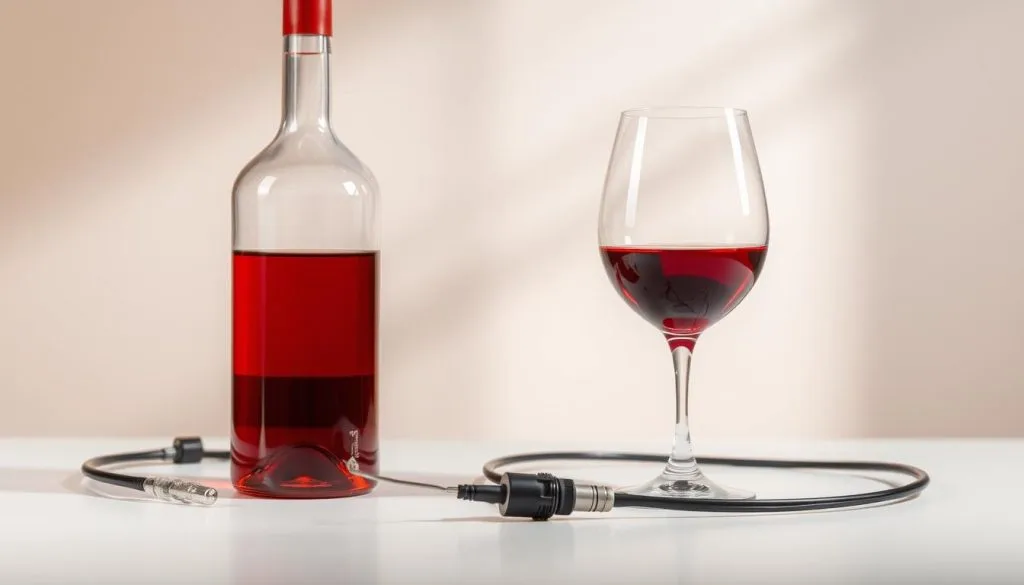
Understanding Oxidation and Its Effects
When air meets liquid, molecules tango. Controlled exposure—like barrel aging—unlocks layered aromas, turning simple sips into symphonies. But leave a bottle open too long? It’s like binge-watching a show until the plot collapses. Studies show argon gas acts as a bouncer, blocking oxygen’s VIP access to maintain freshness for weeks.
Managing Temperature and Humidity
Roman cellars weren’t just moody aesthetics—they nailed the 55°F sweet spot. Modern systems replicate this wisdom, because heat waves ruin vino faster than spoilers ruin finales. Humidity matters too: 60-68% keeps corks supple, like skincare for your collection. Stray outside these ranges, and flavors flatten faster than a TikTok trend’s lifespan.
Traditional Preservation Methods for Wine
Some classics never fade—like vinyl records or perfectly preserved vino. Before tech gadgets entered the scene, simple solutions ruled. Think of these as the OG hacks your great-great-grandsommelier would approve.
Seal It Like You Mean It
That cork isn’t just décor—it’s a time machine. Slamming it back in haphazardly? That’s like leaving your front door ajar for raccoons. Pro move: Wipe the rim, tilt the stopper slightly, and press firmly. Ancient winemakers used oak barrels with porous corks to let oxygen flirt with the liquid—just enough to deepen flavors without wrecking the party.
Cold Truths About Fridge Life
Your fridge isn’t just for leftovers. Stashing bottles at 45-50°F hits pause on oxidation like a Netflix binge intermission. Whites thrive here, staying crisp longer than a fresh TikTok dance trend. Reds? They’ll last 3-5 days if you treat them like that VIP invite you’re saving for Friday.
Fun fact: Roman cellars mimicked modern refrigeration—cool, dark, and steady. Today’s take? Transfer leftovers to smaller bottles to limit air contact. It’s like downsizing from a concert hall to an intimate acoustic set—every note (or sip) stays sharp.
Modern Preservation Technologies and Systems
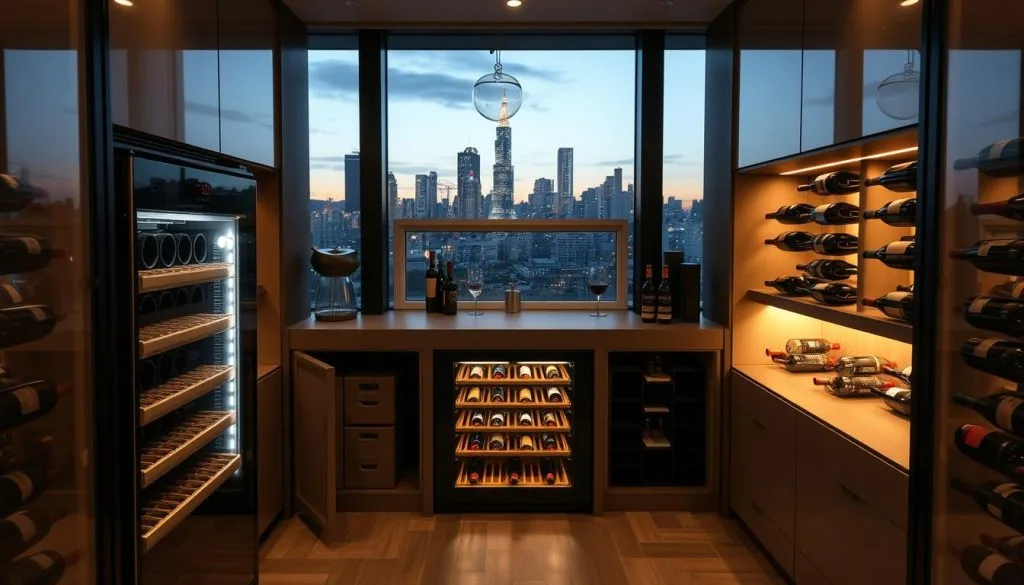
Tech meets terroir in today’s preservation game. Forget duct-tape solutions—these innovations work like a sommelier’s Swiss Army knife. Vacuum pumps and gas blankets now dominate urban cellars, blending lab-grade precision with Instagram-worthy sleekness.
Vacuum Systems and Their Limitations
These devices suck air out like a Netflix binge drains your weekend. By removing oxygen, they buy you 72 hours of decent flavor—perfect for that half-finished Malbec. But here’s the catch: vacuum systems can’t eliminate every oxygen molecule. Residual air still mingles with your pour, subtly flattening aromas over time.
“Vacuum tech works best for short-term saves—think Tuesday tacos, not anniversary reserves.”
Innovative Gas Blanket Methods and Coravin
Enter argon and nitrogen—the VIP bouncers of oxidation. These heavier-than-air gases form an invisible shield over your liquid gold. Coravin takes it further with a James Bond-worthy needle that pierces corks, letting you pour without breaking the seal. One study showed it preserves bottles for six months with zero flavor loss.
| Method | Lifespan | Best For |
|---|---|---|
| Vacuum Pump | 3 days | Casual drinkers |
| Gas Blanket | 1 week | White wines |
| Coravin | 6+ months | Collectors |
While these systems outshine recorking, they demand investment. A $15 vacuum pump can’t compete with Coravin’s $200 elegance. But for urban pros craving both convenience and quality? It’s like upgrading from flip phones to foldables—once you taste the difference, there’s no going back.
Wine Preservation Techniques: The Science Behind Them
Imagine your favorite playlist losing its bassline—that’s what happens when oxidation hijacks your pour. At its core, preservation hinges on molecular chess matches. Every opened bottle becomes a lab where compounds like phenols and esters either harmonize or clash under oxygen’s influence.
Scientific Principles Underlying Preservation
Oxidation isn’t just “going bad”—it’s a calculated transformation. Controlled exposure during aging acts like a Spotify algorithm, curating flavor layers. For example, barrel-aging introduces 1-5 mg/L of oxygen annually—a slow-drip IV that builds complexity. But post-opening, levels spike to 8 mg/L per day, turning nuanced notes into muddled background noise.
Studies show argon gas—28% denser than air—creates an airtight force field. Its atomic weight (39.948 g/mol) lets it blanket liquid like storm clouds over a festival crowd. Result? Aromas stay crisp for weeks, not hours.
Controlling Oxygen Levels for Optimal Flavor
Modern systems treat O₂ like a TikTok algorithm: feed it just enough to engage, not overwhelm. Gas-preservation methods maintain 0.5-2% oxygen contact—the sweet spot where flavors bloom without wilting. Compare that to recorked bottles, which allow 5-10% exposure within 24 hours.
“Precision matters more than luck. A 1°C temperature shift can accelerate oxidation by 10%.”
Cellar experiments reveal humidity’s unsung role. At 65% RH, corks stay supple, sealing like VIP velvet ropes. Too dry? They shrink, letting air sneak in like party crashers. It’s why top collectors treat storage like skincare routines—consistent, measured, and unapologetically meticulous.
Tailoring Preservation Strategies for Different Wine Varietals
Not all denim fades the same—some age like vintage Levi’s, others crumble like fast fashion. Similarly, robust reds and crisp white wines demand distinct care routines. The secret? Treat each bottle like a VIP guest with backstage demands.
Preservation Needs for Reds vs. Whites
Cabernet Sauvignon thrives on controlled oxygen exposure—think of it as a DJ slowly blending tracks. Its tannic structure acts like built-in armor against oxidation. Store these bottles at 60-65°F with 65% humidity, mimicking ancient cellars where flavors deepen like plot twists.
Contrast this with white wines, which oxidize faster than a TikTok dance tutorial. Sauvignon Blanc needs fridge-cold temps (45°F) and minimal air contact. Pro tip: Use gas systems to create an argon blanket over leftovers—it’s like hitting snooze on flavor decay.
Special Considerations for Delicate Wines
Ever seen a silk dress survive a mud run? That’s the challenge with delicate pours like Pinot Grigio. Their low tannin levels make them oxygen-sensitive—one bad recorking job flattens citrus notes into sad elevator music.
Studies show these varieties lose freshness 30% faster than bold reds under identical storage conditions. Solution: Transfer leftovers to smaller bottles, reducing air space like downsizing from stadium to speakeasy. Pair with humidity-controlled coolers to maintain their crisp personality between pours.
Practical Tips to Enhance Wine Preservation at Home
Your favorite pour deserves better than fridge limbo. Urban pros know: smart storage isn’t about chugging leftovers—it’s curating liquid luxury. Here’s how to hack your space like a Napa Valley cellar director with a Spotify-curated playlist.
Effective Storage Practices and Tools
Rule one: Downsize the drama. Transferring leftovers to smaller bottles cuts oxygen contact by 70%, per sommelier studies. Think of it as downsizing from a concert hall to an acoustic set—every note stays crisp.
Temperature matters more than your ex’s texts. Aim for 55°F (13°C)—the Goldilocks zone where flavor molecules chill without freezing into blandness. Too cold? Aromas flatline. Too warm? Oxidation accelerates like autoplay spoilers.
“Treat your bottle like a VIP backstage—controlled access equals longer encores.”
Humidity’s the unsung hero. Keep levels at 60-68% using a $15 hygrometer. Dry air shrinks corks faster than skinny jeans in a dryer cycle, letting air sneak in like uninvited plus-ones.
| Tool | Lifespan Boost | Best For |
|---|---|---|
| Rabbit Stopper | 3 days | Weeknight rosé |
| Argon Gas Kit | 2 weeks | Showstopper chardonnay |
| Coravin | 6+ months | Investment pours |
Serve smart: Pour, reseal immediately, and refrigerate. Whites thrive at 45°F; reds prefer 60°F—like choosing between rooftop cocktails or speakeasy vibes. Your move, Tuesday night.
You Might Also Enjoy
Conclusion
Every great track needs a flawless fade-out—your favorite pour deserves the same encore. From Roman cellars to smart gas systems, managing oxygen’s dance with liquid has always been a blend of instinct and innovation. Oxidation starts its stealthy work within hours, but today’s mix of old-school wisdom (hello, 55°F sweet spots) and tech like argon shields lets you control the tempo.
Tailoring methods matters. Bold reds thrive under cellar conditions that mimic their origin story, while crisp whites demand fridge-cold precision. Get it right, and you’re not just saving leftovers—you’re curating flavor symphonies that elevate takeout into Michelin-worthy pairings.
Modern tools democratize what sommeliers once guarded: the ability to pause time. Whether using vacuum pumps for weeknight vibes or Coravin for collector gems, the goal remains—protect those aromas like they’re VIP backstage passes. Research confirms oxygen contact directly impacts quality, making every storage choice critical.
Master this craft, and you’ll transform sips into experiences. Because preserving isn’t just science—it’s the art of keeping magic bottled.
FAQ
How does oxygen ruin an open bottle?
Can a vacuum pump really keep wine fresh?
Why do pros swear by argon gas systems?
Does fridge storage work for all wines?
How long can you stretch an opened bottle’s life?
Why do collectors obsess over humidity levels?
Can UV light really “cook” a bottle?
Do preservation needs differ for natural wines?