This post may contains affiliate links. Read our full disclosure here.
Have you ever wondered why a Chardonnay from California tastes completely different than one from France, despite being made from the same grape? That’s where terroir comes in. What Is Terroir in Wine? It’s like the wine’s fingerprint—the unique environmental factors that shape its character and make it distinctly tied to a specific place. When I first started exploring wine beyond just “red or white,” understanding terroir opened up a whole new dimension to my tasting experiences. It’s not just about the grape variety anymore—it’s about where those grapes were grown and how that place influenced their flavor.
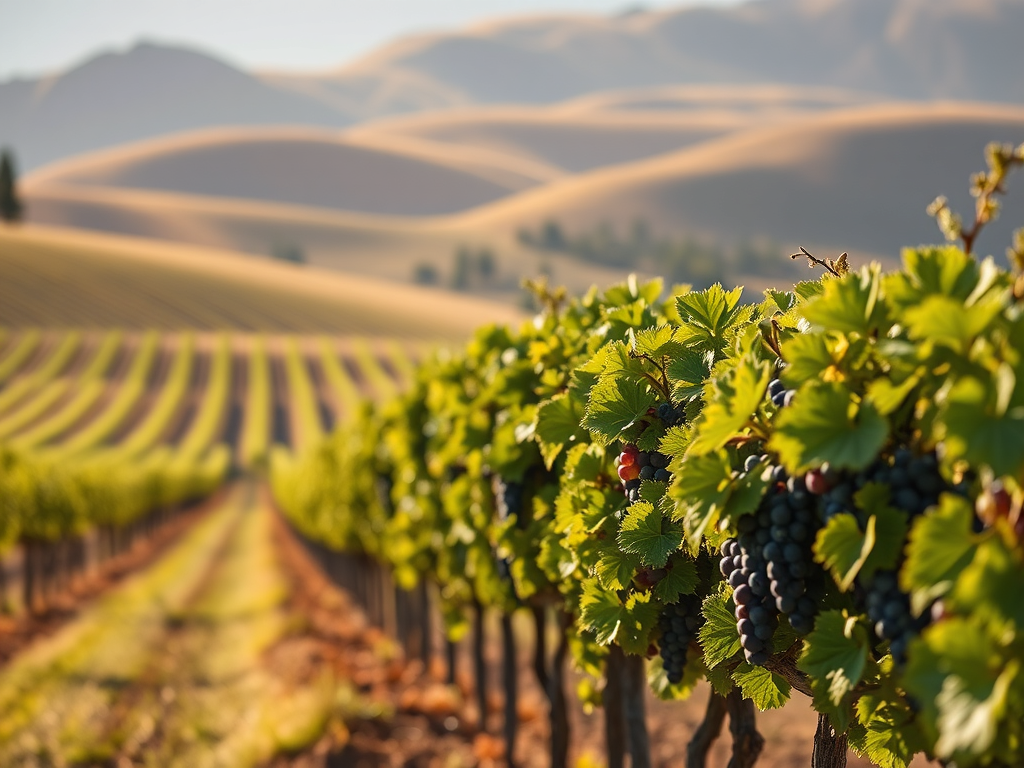
Terroir (pronounced “teh-WAHR”) comes from the French word “terre,” meaning land or earth. But What Is Terroir in Wine encompasses so much more than just soil. It’s the complete set of environmental factors that affect a crop’s qualities, including climate, altitude, topography, and even the microorganisms in the soil. When you taste a wine that truly expresses its terroir, you’re tasting a specific place on Earth, captured in liquid form.
What Is Terroir in Wine? The Complete Definition
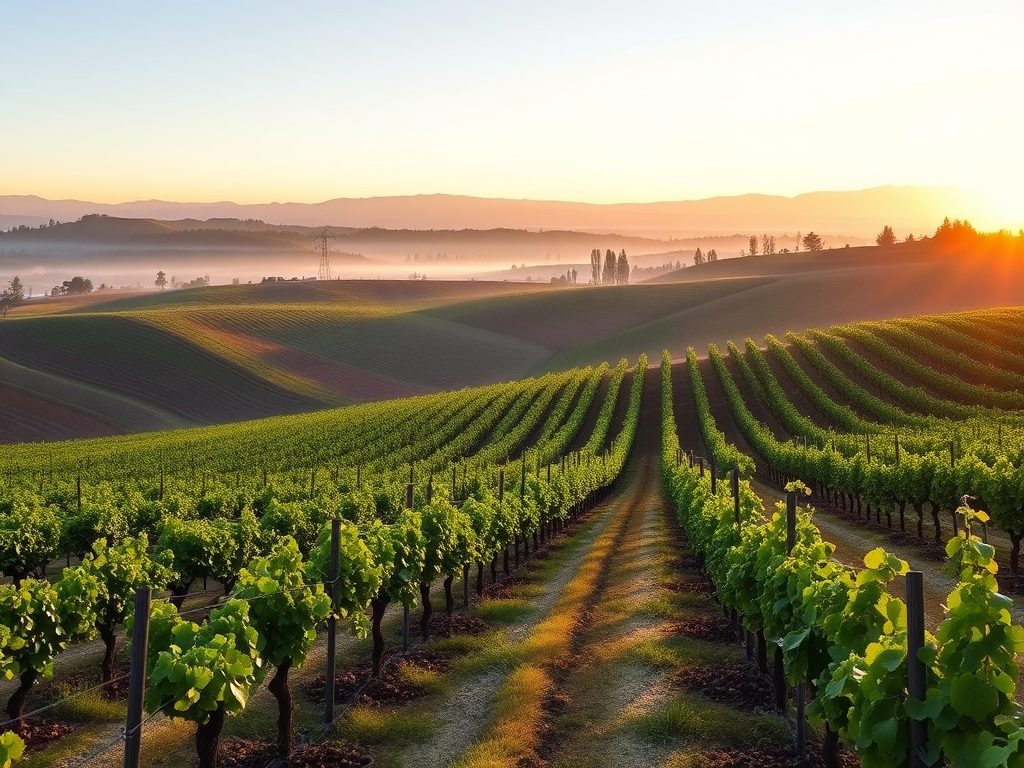
- Terroir combines soil composition, climate, altitude, and human traditions
- It explains why the same grape tastes different depending on where it’s grown
- Terroir creates a unique “sense of place” in every bottle
At its essence, terroir is everything that makes a wine uniquely connected to its place of origin. What Is Terroir in Wine if not the reason why a Pinot Noir from Oregon tastes noticeably different than one from Burgundy? These natural elements work together to influence how grapes develop and ultimately determine a wine’s aroma, flavor profile, structure, and aging potential.

Think of terroir as a recipe with ingredients that can’t be replicated exactly anywhere else. When I visited wine country in Sonoma, our guide explained that even vineyards located just a mile apart can produce dramatically different wines because of subtle variations in their terroir. That’s why wine classification systems around the world often center around specific geographic areas rather than just grape varieties.
“A great wine doesn’t just taste good—it honestly tells you where it’s from.”
The concept of terroir has been around for centuries, particularly in France where winemakers have long recognized that certain plots of land consistently produce distinctive wines. Today, What Is Terroir in Wine has become a fundamental concept that wine lovers everywhere use to understand and appreciate the unique character of wines from different regions.
Soil and Wine Taste: The Foundation of Terroir
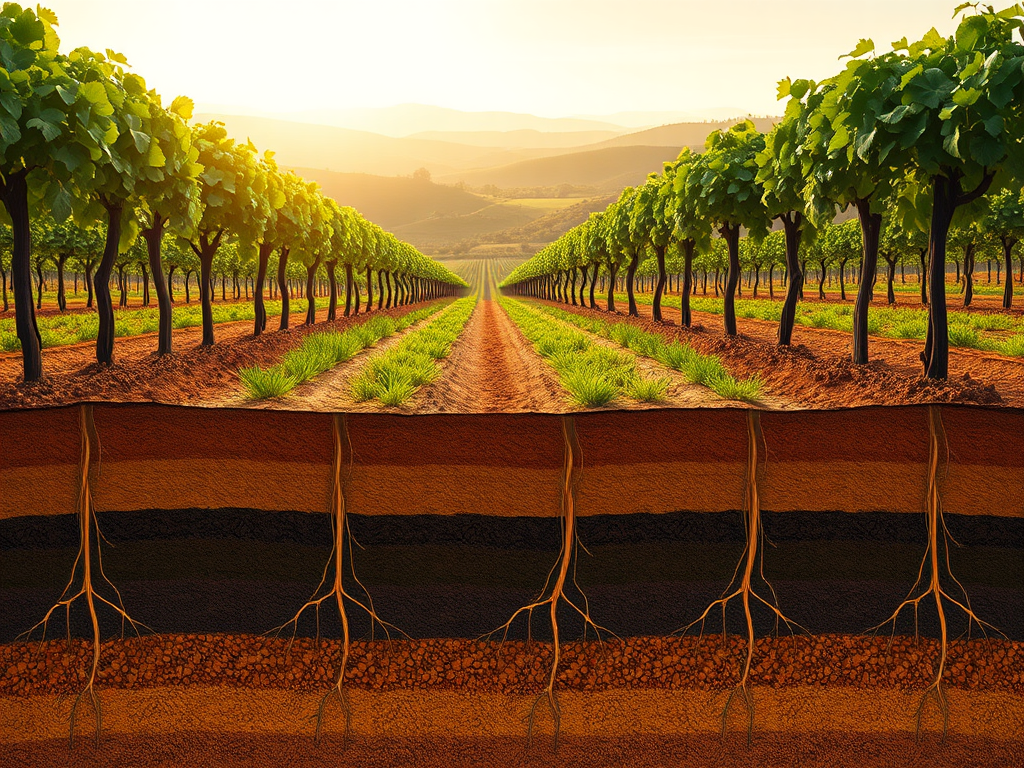
- Soil affects drainage, water retention, and nutrient availability
- Different soil types create distinct flavor characteristics in wine
- Vine stress from soil conditions often leads to more concentrated flavors
If you’re wondering how does soil affect wine flavor, think of soil as the foundation of a wine’s character. The composition underfoot dramatically influences how grapevines grow and develop. After attending a soil seminar at a wine festival last year, I gained a new appreciation for how understanding soil types in viticulture can help predict a wine’s style even before tasting it.
Limestone soils, like those found in Burgundy and Champagne, typically produce wines with vibrant acidity and mineral notes. Clay soils retain water and nutrients, often resulting in fuller-bodied wines with rich textures. Sandy soils drain quickly and tend to produce lighter, more aromatic wines with softer tannins.
| Soil Type | Wine Characteristics | Famous Regions |
|---|---|---|
| Limestone | High acidity, mineral notes | Chablis, Champagne |
| Clay | Full-bodied, structured | Pomerol, Barossa |
| Sand | Light, aromatic, soft tannins | Beaujolais, Swartland |
| Volcanic | Savory, earthy complexity | Sicily, Santorini |
| Slate | Crisp acidity, pronounced mineral character | Mosel, Priorat |
What Is Terroir in Wine without considering the soil and wine taste connection? My friend who makes wine in Oregon once explained that grapevines aren’t like other crops—they actually produce more interesting fruit when they struggle a bit. Soils that force the vine to work harder for water and nutrients often result in grapes with more concentrated flavors and complexity.
Altitude and Wine Flavor: The Effect of Elevation
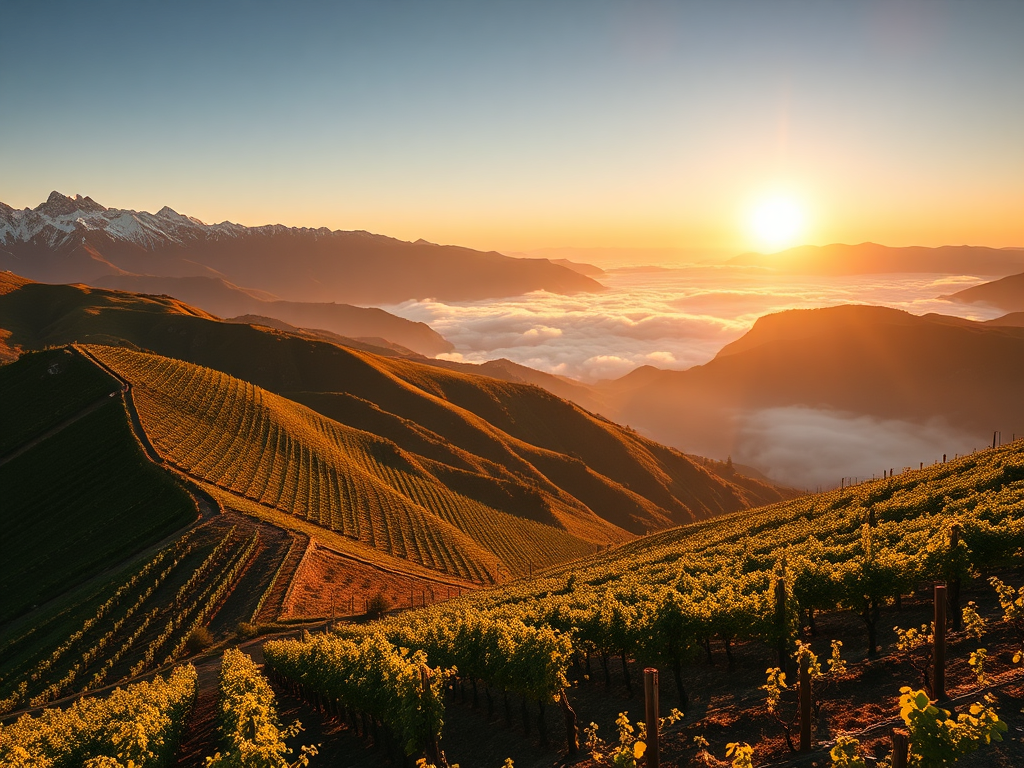
- Higher elevations create cooler temperatures with more temperature fluctuation
- Intense UV exposure at altitude thickens grape skins, affecting tannin structure
- Mountain-grown wines often show bright acidity and intense aromatics
Altitude plays a surprisingly significant role in What Is Terroir in Wine. When considering altitude and wine flavor, the basic rule is that temperatures decrease by about 3.5°F for every 1,000 feet of elevation gain. This cooling effect dramatically changes how grapes ripen and develop flavor compounds.
During a tasting of high-altitude Malbecs from Argentina, I noticed how different they were from lower-elevation examples—more vibrant, with fresher fruit flavors and better natural acidity. The how elevation affects grape growth and wine question becomes clear when you taste these differences side by side.

High-altitude vineyards, like those found in Argentina’s Mendoza region (some over 5,000 feet above sea level), receive more intense ultraviolet radiation, which causes grapes to develop thicker skins as protection. These thicker skins contain more tannins and color compounds, leading to more structured wines with deeper color and potentially longer aging potential.
Another fascinating aspect of altitude is the greater day-to-night temperature swing (diurnal variation). Warm days help ripen fruit and develop sugars, while cool nights preserve acidity and aromatic compounds. This natural balance helps create wines with both ripeness and freshness—a desirable combination that can be hard to achieve in uniformly warm regions.
Climate Impact on Wine: The Weather Factor
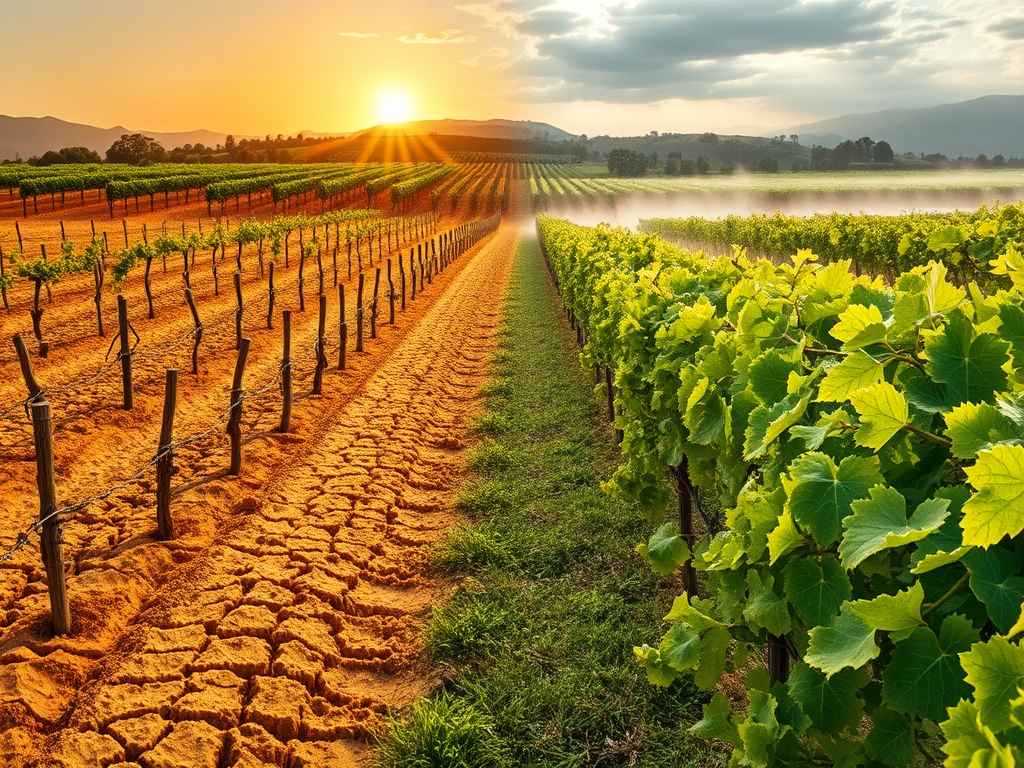
- Climate determines ripening patterns and sugar development
- Warm climates typically produce fuller-bodied, higher-alcohol wines
- Cool climates generally yield lighter, higher-acid wines with lower alcohol
When exploring What Is Terroir in Wine, climate might be the most influential factor of all. The climate impact on wine begins with the basic distinction between warm and cool growing regions. In warm climates like Barossa Valley in Australia or Paso Robles in California, grapes ripen more quickly and fully, developing higher sugar levels that translate to higher alcohol content and riper fruit flavors.
Cool climate regions like Germany’s Mosel Valley or New Zealand’s Marlborough produce wines with brighter acidity, lower alcohol, and often more delicate, nuanced flavors. The climate essentially determines whether a wine will be bold and powerful or elegant and restrained.
Beyond just temperature, other climate factors like rainfall, fog, and wind patterns all contribute to how terroir affects wine. During a particularly rainy wine vintage, growers face completely different challenges than in dry years, which is why vintage variation can be so pronounced in some regions.
My wine club recently did a vertical tasting of the same wine across five different vintages, and the differences were remarkable—all because of yearly climate variations. This reinforced for me that when we ask “What Is Terroir in Wine?” weather is a major part of the answer, influencing not just the growing season but also the final character in your glass.
Terroir in Action: Regional Wine Expressions
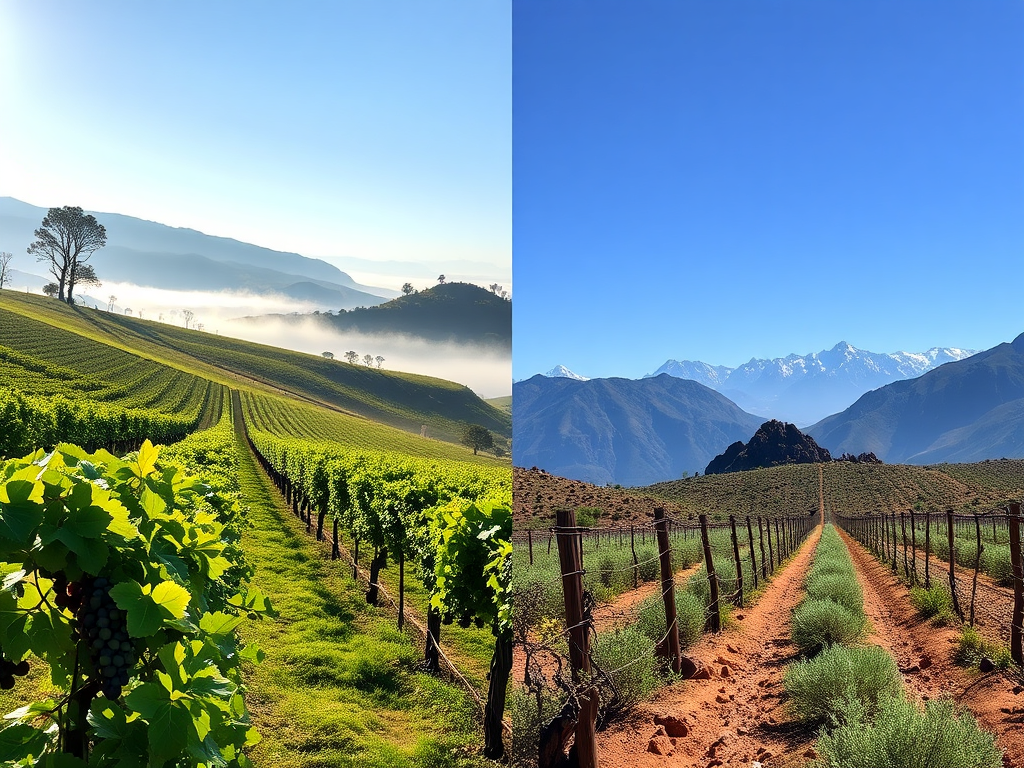
- Identical grape varieties produce drastically different wines in different regions
- Each wine region has signature terroir characteristics that create recognizable styles
- Experienced tasters can often identify a wine’s origin through blind tasting
To truly understand What Is Terroir in Wine, there’s nothing like comparing the same grape variety grown in different regions. Take Chardonnay, for example. In cool-climate Chablis, with its ancient limestone seabed soils, Chardonnay produces laser-focused wines with pronounced mineral notes and citrus flavors. Move to California’s warmer climate and different soils, and the same grape creates richer, fuller-bodied wines with tropical fruit characteristics.
Riesling provides another perfect example of terroir and wine expression. In Germany’s Mosel region, slate soils and cool climate produce delicate, ethereal Rieslings with electric acidity and distinctive petrol notes. The same grape grown in Australia’s Clare Valley, with its warmer days and mineral-rich soils, produces more robust Rieslings with pronounced lime and floral notes.
During a wine tour in Sonoma, I was fascinated by how Pinot Noir changed character depending on proximity to the Pacific Ocean. Vineyards just a few miles inland showed noticeably different flavor profiles than their coastal counterparts—all because of subtle terroir differences affecting how the grapes ripened.
This regional expression is why What Is Terroir in Wine matters so much to enthusiasts. It’s not just academic—these differences create the wonderful diversity we enjoy in the wine world. When you understand that terroir is the reason behind these variations, wine shopping becomes less about finding “good wine” and more about finding wines that express the character of places you enjoy.
How Winemakers Work With Terroir
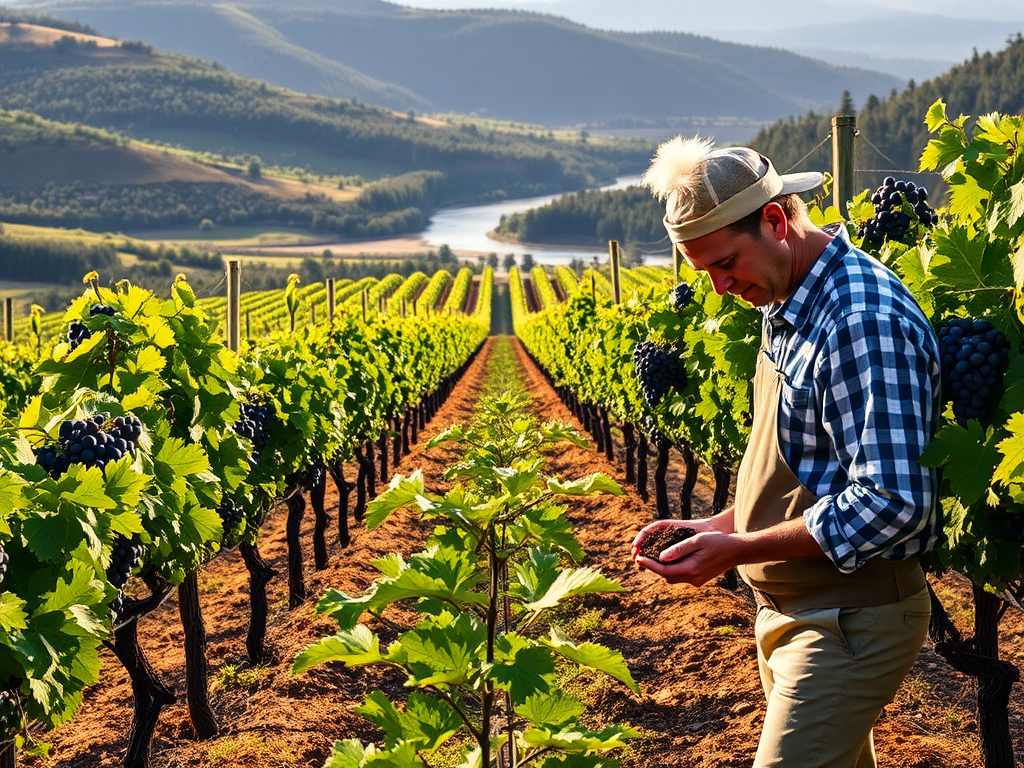
- Some winemakers minimize intervention to showcase natural terroir
- Others use winemaking techniques to balance or highlight terroir elements
- Vineyard management decisions are often based on specific terroir challenges
What Is Terroir in Wine if not the winemaker’s canvas? The relationship between winemaker and terroir is fascinating—some see themselves as caretakers whose job is to interfere as little as possible, letting the terroir meaning shine through naturally. Others view their role more actively, using their skills to shape or complement what nature provides.
Minimal-intervention winemaking (sometimes called “natural wine”) aims to express terroir with little manipulation—using native yeasts, avoiding additives, and minimizing filtration. On the other end of the spectrum, some winemakers use techniques like oak aging, malolactic fermentation, or blending to balance or highlight certain terroir characteristics.
During a winery visit in Washington State, the vintner explained how they adjust wine aging times based on the specific character that the terroir gives each vintage. In cooler years with higher acidity, they might use longer barrel aging to soften the wine, while warmer years might see less oak influence to preserve freshness.
“You can’t create terroir—you can only respect it or mask it.”
The fascinating thing about What Is Terroir in Wine from a winemaker’s perspective is that it presents both opportunities and challenges. In challenging years, skilled winemakers work with what the terroir has given them, making decisions that highlight strengths and minimize weaknesses. In exceptional years, they might step back and let the natural qualities of the place speak more clearly.
Finding Your Terroir Preference
- Understanding terroir helps you identify which regions produce wines you love
- Tasting flights of the same grape from different regions highlights terroir differences
- Learning about terroir transforms casual drinking into deeper appreciation
Once you grasp What Is Terroir in Wine, you can use this knowledge to discover more wines you’ll enjoy. If you love the crisp minerality of Sancerre, you might appreciate other cool-climate Sauvignon Blancs. If you’re drawn to the powerful, sun-baked richness of Barossa Shiraz, you might enjoy other warm-climate Syrahs from around the world.

One of the most enlightening wine experiences is tasting the same grape variety from different terroirs side by side. Try comparing a German Riesling with one from Australia, or a California Pinot Noir with one from Burgundy. The differences you’ll notice are largely attributable to terroir—and these comparisons help train your palate to recognize how terroir affects wine.
Wine shop staff and sommeliers can be incredible resources for exploring terroir. Instead of just asking for a “good Cabernet,” try describing the style you enjoy—perhaps you like them powerful and jammy (likely warm climate) or more structured with herbal notes (possibly cooler climate). This gives them terroir clues to guide better recommendations.
My appreciation for wine deepened significantly once I started thinking about What Is Terroir in Wine while tasting. Suddenly, I wasn’t just drinking a beverage—I was experiencing a place, a climate, a landscape. That sense of connection transforms wine from simply a pleasant drink into something much more meaningful.
Putting Terroir Knowledge Into Practice
Understanding What Is Terroir in Wine does more than just satisfy curiosity—it makes you a more confident wine consumer. When browsing wine lists or shop shelves, knowing that you generally prefer the bright acidity of cool-climate wines or the generous fruit of warm-climate wines helps narrow your choices. This knowledge is particularly useful when trying unfamiliar varieties or regions.
Pay attention to terroir descriptors on wine labels and in reviews. Words like “high-altitude,” “coastal influence,” “limestone soil,” or “old volcanic soils” offer clues about what to expect in the glass. These details help you connect what does terroir mean in wine to your actual drinking experience.
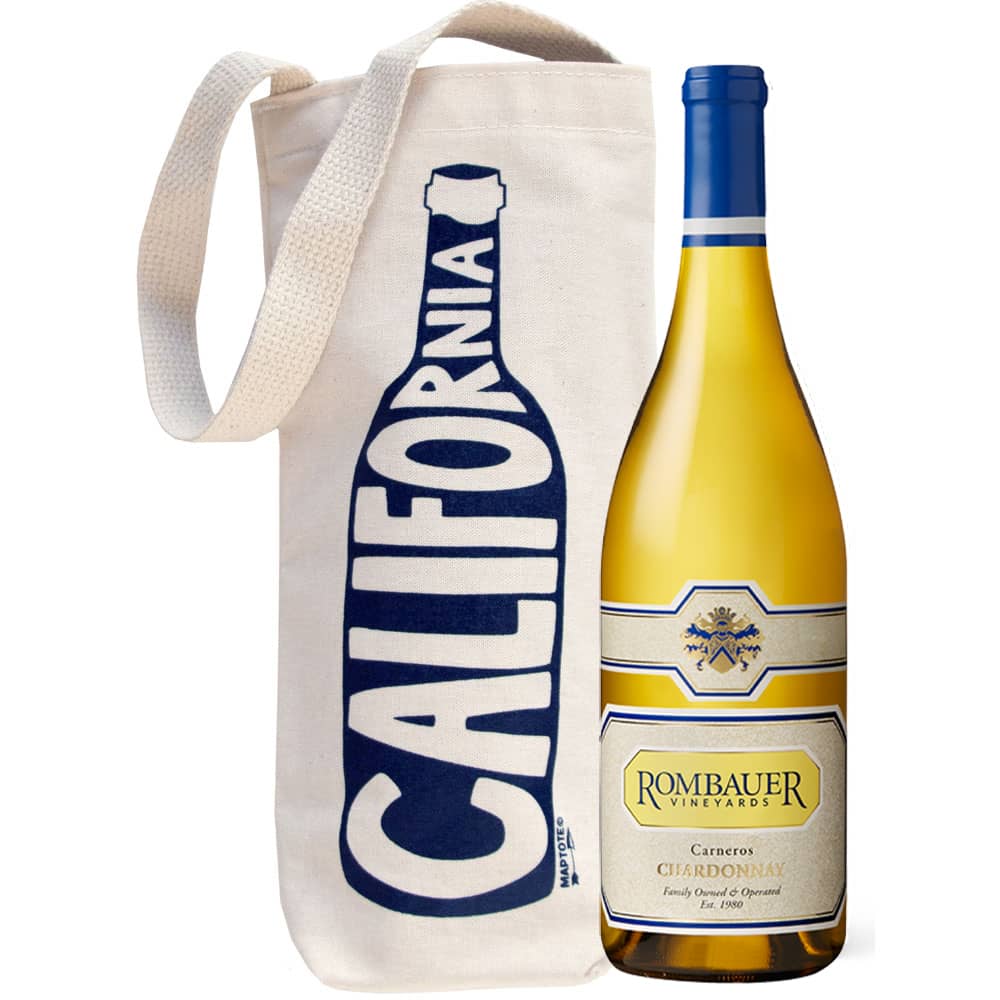
Don’t forget that vintage variation is part of terroir too. Each growing season brings unique weather conditions that affect how terroir expresses itself. Some vintages might highlight certain aspects of a region’s terroir more prominently than others.
The world of wine is vast and can seem overwhelming, but understanding terroir provides a framework that makes it more approachable. Rather than trying to memorize thousands of producers or regions, you can start to recognize patterns based on terroir factors like soil, climate, and altitude—making wine exploration more intuitive and enjoyable.
What Is Terroir in Wine? It’s the story behind every sip you take—a story of sun and soil, of altitude and air currents, of ancient geology and seasonal weather patterns. When you understand these elements, you’re not just tasting wine—you’re tasting a place on Earth, captured in time. And that connection between what’s in your glass and where it came from is what makes wine so endlessly fascinating.