This post may contains affiliate links. Read our full disclosure here.
Imagine a story where scrappy immigrants, gold rush rebels, and California dreamers turned fermented grapes into a billion-dollar empire. That’s the saga of how wine evolved from a rare luxury to a cultural icon in the United States—a journey as bold as a Napa Cabernet.
Early settlers struggled with native grapes like Muscadine, which tasted… let’s say “rustic.” European vines kept dying until innovators cracked the code: graft them onto hardy American roots. By the 1800s, vineyards sprouted from New York to Ohio. But the real game-changer? The Gold Rush. Thirsty miners demanded better drinks, sparking a boom in wineries and techniques still used today.

Prohibition nearly killed the party, but the 1970s brought redemption. When California bottles outshone French classics at the 1976 Judgment of Paris, the world finally took notice. Today, over 10,000 wineries operate nationwide, with the United States ranking fourth globally in production.
This isn’t just about fermented juice. It’s about reinvention—how wine became a symbol of ambition, resilience, and yes, a little glamour. From dusty missions to Instagrammable tastings, every sip carries a legacy.
Early Beginnings and Initial Challenges
Picture European settlers clutching their prized Vitis vinifera cuttings like sacred relics. These colonists weren’t just planting grapes—they were trying to recreate Versailles in Virginia. But America’s soil had other plans.
Grapeface: Old World vs New World
Native grapes like Scuppernong laughed at European interlopers. Settlers called their wine “fox-flavored swill” but kept trying for 200 years. Thomas Jefferson’s vineyard became a cemetery for French vines—his 1782 journal reads like a horror novel: “Black rot took the Chasselas… mildew destroyed the Malbec.”
Nature’s Revenge Tour
““From scrappy immigrants to gold rush rebels, the story of American wine is a bold blend of determination, innovation, and a little bit of glamour.””
Humid summers turned vineyards into fungal raves. Then came phylloxera—tiny root-eating bugs that made settlers’ crops vanish faster than Prohibition-era liquor. By 1854, 90% of New York vineyards were ghost towns.
| Native Warriors | European Imports | Survival Rate |
|---|---|---|
| Muscadine | Cabernet | 0% |
| Catawba | Merlot | 12% |
| Norton | Pinot Noir | 3% |
This botanical bloodbath sparked genius. German immigrant George Husmann started grafting European vines onto zombie-proof American roots—a hack that later saved France’s wine industry. Sometimes failure tastes better than success.
Evolution of American Winemaking Techniques
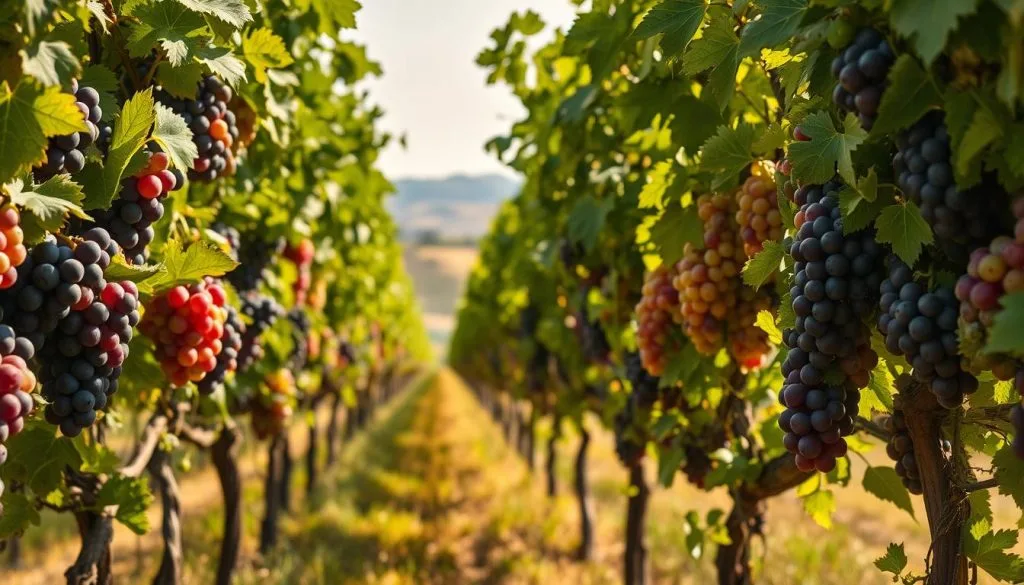
The quest for resilience sparked a grape revolution on American soil. While European Vitis vinifera faltered, hybrid varieties like Catawba and Isabella became climate warriors. These Franken-grapes blended Old World elegance with New World grit, thriving where purebreds perished.
Development of Hybrid Varieties
Alexander grapes—America’s first successful hybrid—proved local vines could birth premium wines. As this vinepair.com article notes, hybrids transformed marginal growing areas into viable vineyards. Ohio’s Catawba wines outsold European imports by 1850, their floral notes masking a sip of rebellion.
Technological Innovations in Viticulture
Stainless steel tanks and cold fermentation arrived like rockstars in the 1960s. Pioneers like Stag’s Leap Wine Cellars used these tools to craft Cabernets rivaling Bordeaux. “We stopped guessing and started controlling,” one vintner boasted—a mantra that elevated consistency across wineries.
The marriage of science and terroir birthed new production standards. By mastering canopy management and soil mapping, winemaking became less gamble and more precision art. This alchemy turned hybrid grape wines from rustic curiosities into national treasures.
The History of Wine in America
Visionaries and lawmakers turned America’s rocky relationship with wine into a power couple story. While Thomas Jefferson’s Vitis vinifera experiments failed spectacularly, his obsession lit a fuse. “Good wine is necessity of life for me,” he wrote—a mantra later adopted by immigrant vintners rewriting the rules.
Immigrant Alchemists
German settlers in Missouri proved hybrids could dazzle. Italian families like the Seghesios transformed California’s vineyards into liquid real estate. Their secret? Blending Old World craft with New World hustle. By 1900, these immigrants operated 40% of Sonoma’s wineries—their cellars smelling of ambition and crushed grapes.
Laws That Uncorked Growth
Congress played fairy godmother in 1862, funding agricultural societies to boost grape cultivation. States like Ohio mandated vines on public land—a botanical stimulus package. Tax breaks for small wineries post-Prohibition sparked a 1940s boom, turning family operations into regional powerhouses.
| Game-Changer | Year | Impact |
|---|---|---|
| Jefferson’s European imports | 1787 | First serious quality push |
| Missouri Wine Act | 1839 | Tax-funded vineyards |
| California Winery Rebates | 1941 | 45% production surge |
Today’s $35 billion industry owes its sparkle to these mashups—of tradition and policy, soil and statute books. Every supermarket Chardonnay carries the DNA of dreamers who turned stubborn land into liquid legacy.
Prohibition and Its Impact on Wine Culture
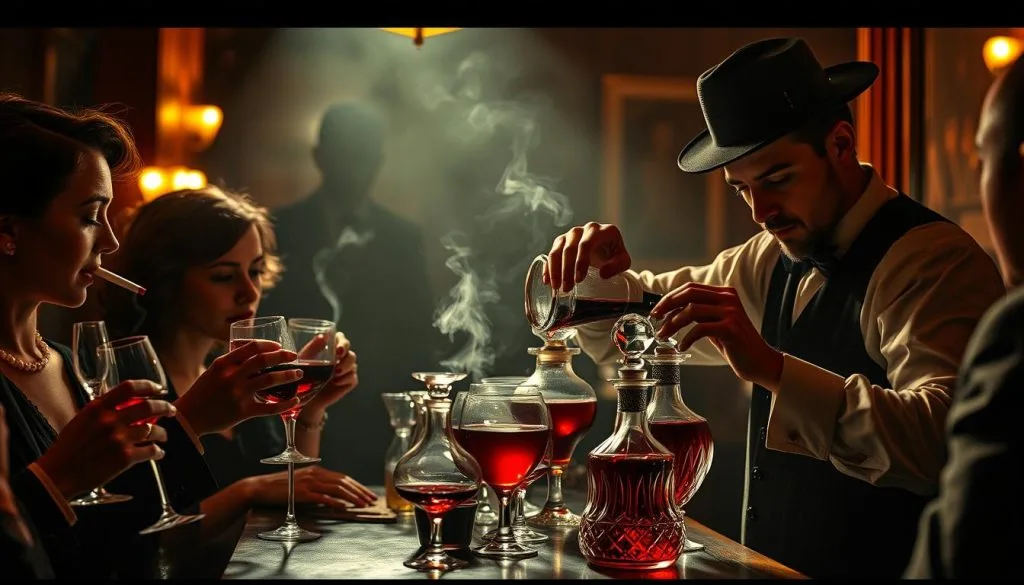
Prohibition swung like a sledgehammer in 1920—yet American wine culture didn’t die. It went underground. While commercial wineries shuttered, home kitchens bubbled with DIY fermentations. This era birthed a paradox: grape demand skyrocketed as bootleggers and housewives became unlikely vintners.
The Rise of Home Winemaking During Prohibition
Hustle met holy water. The Volstead Act’s loophole allowed 200 gallons per household annually—enough for sacramental wine and covert operations. Immigrant families like the Mondavis turned basements into micro-wineries, while east coast grocers sold “grape bricks” with instructions: “Don’t add yeast or this will ferment.”
Market Shifts and Grape Production Changes
Vineyards pivoted to survival mode. Thick-skinned varieties like Alicante Bouschet dominated—their armor-like skins surviving cross-country rail trips. Prices for California grapes jumped 400% between 1919-1924. As one grower quipped, “We sold liquid contraband disguised as jam.”
| Pre-Prohibition | 1920s Shift | Modern Echo |
|---|---|---|
| Delicate Vinifera | Bombproof hybrids | Shipping laws |
| Commercial focus | Home production boom | Urban wineries |
This chaos left fingerprints. Today’s direct-shipping battles trace back to 1920s railcars hauling “jelly grapes.” What began as crisis management became baked into the industry’s DNA—proof that survival sometimes tastes sweeter than success.
Modern Milestones and Global Recognition
A French wine competition became America’s mic-drop moment in 1976. California bottles stunned critics at the Judgment of Paris, rewriting the world’s perception of U.S. winemaking. This plot twist marked the start of a new era—one where American vintners became trendsetters, not underdogs.
Judgment of Paris and International Breakthroughs
When Napa Valley’s Stag’s Leap Cabernet outscored Bordeaux elites in a blind tasting, French judges demanded a recount. “This changes everything,” muttered sommelier Steven Spurrier. The victory wasn’t luck—it showcased decades of refining grape cultivation and fermentation tech. Suddenly, California’s wineries became pilgrimage sites for oenophiles.

Trends in Consumption and Wine Exports
The 1990s saw reds go mainstream. Media dubbed it the “Sideways effect”—after the film boosted Pinot Noir sales by 170%. By 2000, U.S. drinkers consumed 800 million gallons annually, with exports doubling every year.
Today, America ships over $1.5 billion worth of wine globally. California alone produces 90% of domestic production, rivaling France in volume. Innovations like drone-monitored vineyards and carbon-neutral wineries keep the industry ahead of trends.
| Era | Game-Changer | Impact |
|---|---|---|
| 1976 | Judgment of Paris | Global credibility |
| 1990s | Red wine boom | +62% consumption |
| 2020s | Premium exports | #4 global producer |
From Parisian shockwaves to TikTok sommeliers, American wine proves reinvention never goes out of style.
Conclusion
Every glass of American wine holds three centuries of hustle. Failed Vitis vinifera plantings taught early vintners to innovate, while immigrants rewrote rulebooks with hybrid grapes and basement fermentations. Prohibition’s chaos? Just a plot twist—bootleggers kept the industry alive until Napa’s 1976 Paris upset made the world gasp.
Modern production thrives on that rebellious DNA. From drone-monitored vines to carbon-neutral wineries, today’s pioneers blend tech with terroir. Sustainability now drives growth, mirroring past battles against pests and prejudice.
This isn’t just fermented juice—it’s liquid legacy. Each sip carries Thomas Jefferson’s obsession, Gold Rush grit, and the Mondavi family’s kitchen experiments. American wine proves that resilience tastes better than tradition. Here’s to the next vintage—and the dreamers still crushing it.
FAQ
Why did early settlers struggle to grow European grape varieties?
How did Prohibition accidentally boost California’s wine industry?
What role did immigrants play in shaping American wine culture?
Why was the 1976 Judgment of Paris a game-changer?
How did Thomas Jefferson’s wine obsession backfire?
What’s driving the East Coast wine renaissance today?
Are American wines actually sustainable?