This post may contains affiliate links. Read our full disclosure here.
When we talk about organization and mental health, the connection is deeper than aesthetics. The way our spaces feel can either ground us—or unravel us. Comparing clutter vs flow reveals how the chaos we live in may be shaping our emotional landscape. Your environment doesn’t just reflect your mood; it directs it.
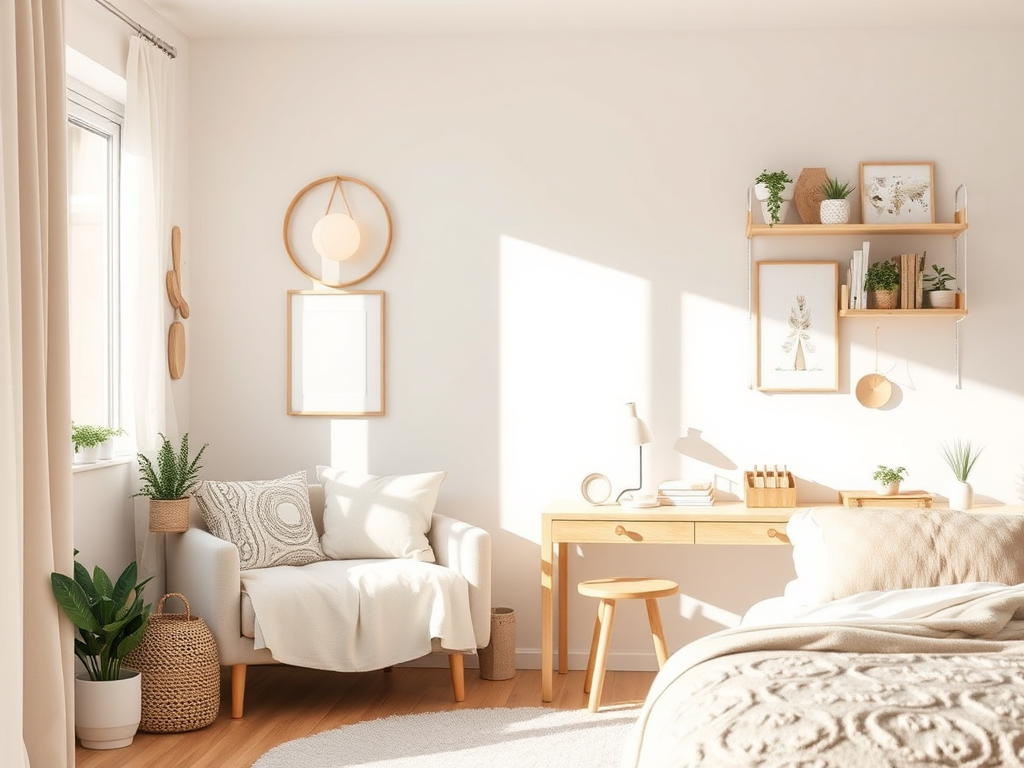
Have you ever noticed how walking into a messy room can instantly change your mood? That’s not coincidence—it’s your brain responding to visual information. The relationship between organization and mental health isn’t just about tidiness; it’s about creating spaces that support your psychological wellbeing rather than drain it. This invisible but powerful connection affects us daily, whether we recognize it or not.
Why Your Home Affects How You Feel
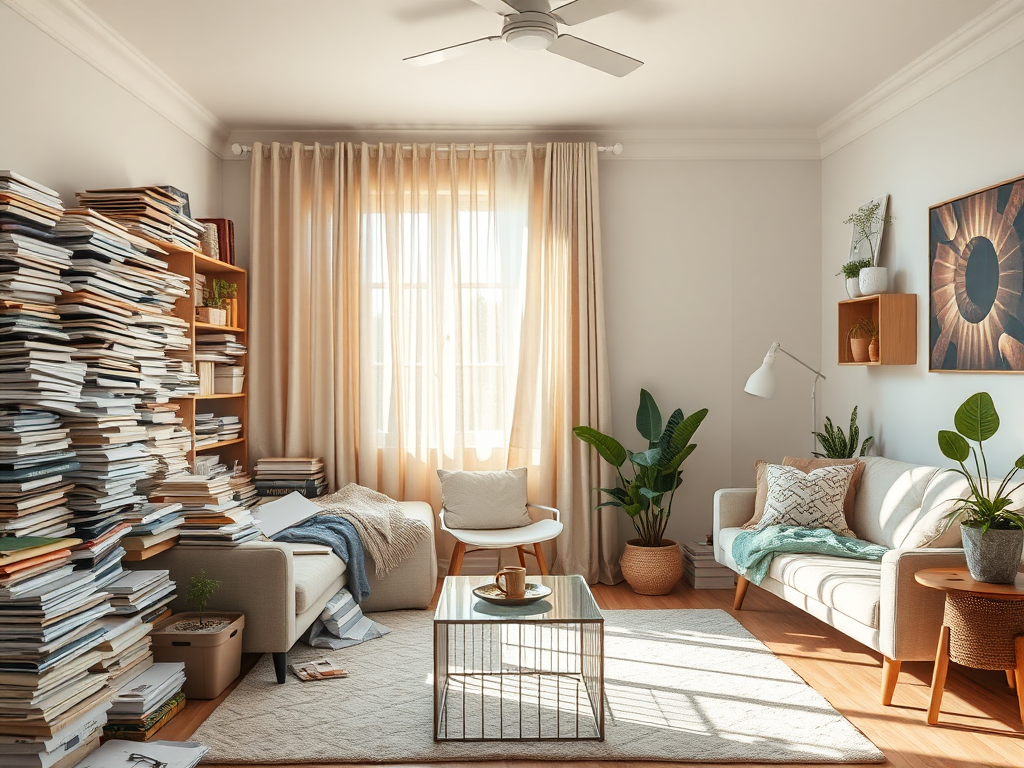
My friend Sarah always wondered why she felt exhausted after spending time in her home office. The answer became clear when we realized her desk faced a wall of unsorted papers and random supplies. Messy spaces increase stress levels and drain energy without us even realizing it.
According to a study on www.ncbi.nlm.nih.gov, living in a tidy space reduces cortisol, our main stress hormone. Our brains are constantly processing visual information, and clutter forces them to work overtime. When your surroundings send signals of disorder, your nervous system stays on alert.


Clean, organized areas literally cue your body to relax. That’s why walking into a well-ordered room can feel like taking a deep breath. Physical spaces mirror emotional states, which is why changing your environment can shift your mood dramatically.
- Clutter signals to your brain that work is unfinished
- Visual chaos competes for your attention
- Organized spaces promote focus and calm
- Your environment can either drain or restore mental energy
Understanding Clutter vs Flow
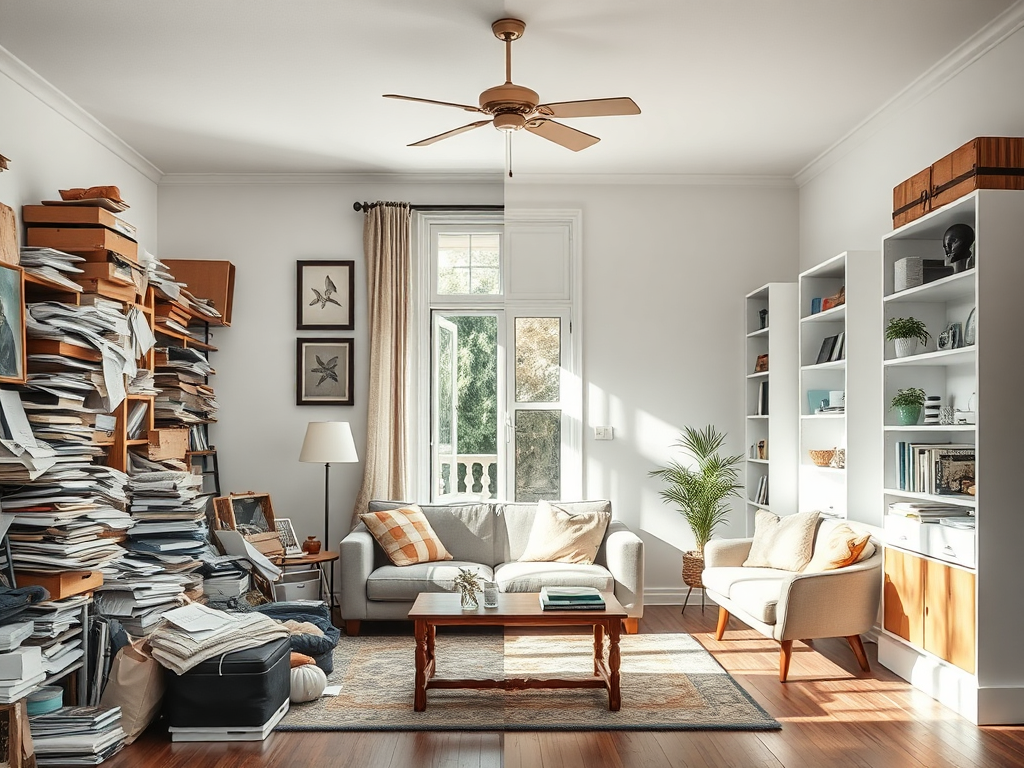
Clutter isn’t just physical stuff—it’s visual and mental noise. Those piles of mail, random items without homes, and projects half-finished create a background hum of unresolved decisions. This is what makes clutter so mentally draining.
Flow, on the other hand, is about intentional arrangement. When items have proper homes and spaces serve clear purposes, your mind can relax. Feng shui principles have recognized this for centuries—energy needs pathways to move through spaces effectively.
Moving from clutter vs flow shifts your internal dialogue dramatically. Instead of “I should organize that someday” playing on repeat, your environment supports rather than criticizes you. This psychological difference is huge for your everyday mental health.

“Clutter is not just the stuff on your floor – it’s anything that stands between you and the life you want,” says author Peter Walsh.
- Clutter creates decision fatigue from constant visual reminders
- Flow establishes systems that make daily choices easier
- Organization creates mental bandwidth for things that matter
- Even small organized areas can create psychological relief
How Organization Supports Mental Health
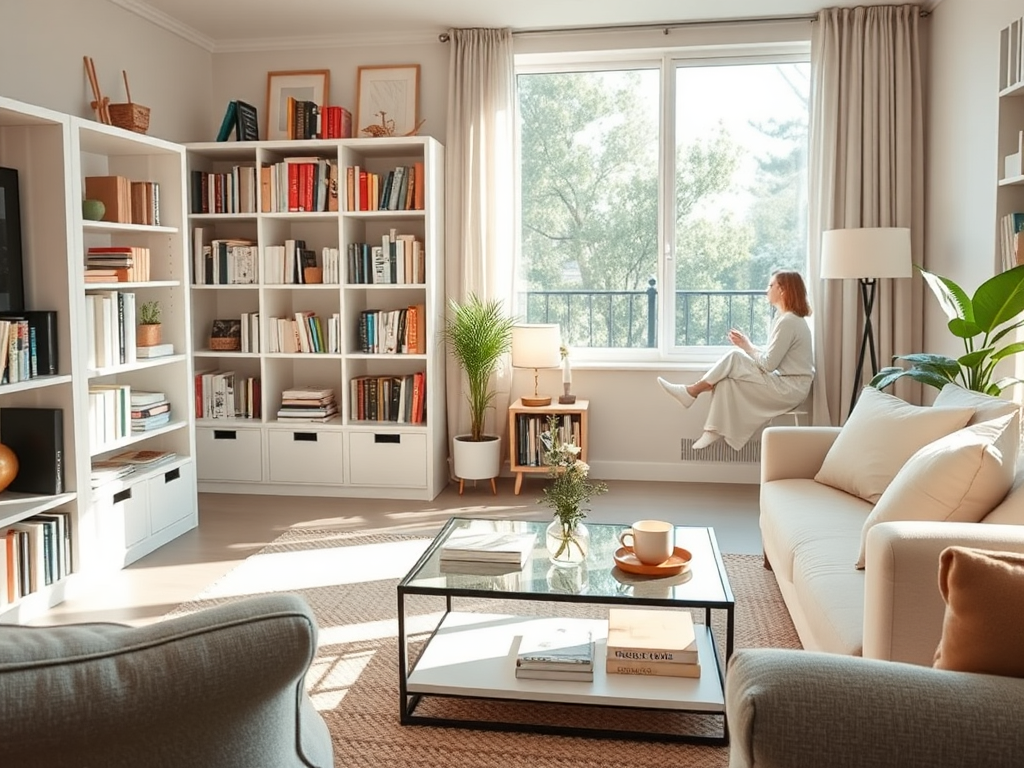
The connection between organization and mental health goes beyond feeling good. Decluttered environments physically reduce anxiety by lowering your body’s stress response. When my roommate and I finally tackled our chaotic kitchen last year, we both noticed how much more peaceful our evenings became.
Systems create predictability, which builds a sense of safety for your brain. Knowing where things belong and having routines around organization actually helps your nervous system regulate. The American Psychological Association (www.apa.org) confirms that clutter increases anxiety by disrupting focus and overwhelming the brain.
Organization isn’t about perfection—it’s about creating breathing room for your mind. Even simple systems like having a specific spot for keys or maintaining a clear bedside table can significantly reduce daily frustration. These small habits build mental clarity through organization.
Creating minimalist home organization techniques doesn’t mean bare spaces—just thoughtful ones. The goal isn’t Instagram-worthy perfection but spaces that support rather than deplete you.
- Organized spaces reduce decision fatigue
- Systems free mental energy for creativity and relaxation
- Even small organized areas create psychological relief
- Organization builds a foundation for other positive habits
Emotional Signs You’re Living in Clutter

Sometimes we don’t realize clutter is affecting our organization and mental health until we notice our behavior changing. Do you avoid certain rooms in your home? That avoidance is often your brain protecting you from the stress of disorganized spaces.
The persistent feeling of guilt or shame about how your space looks is another red flag. That nagging “I should clean this” thought that replays daily isn’t just about tidiness—it’s your mind recognizing a disconnect between your ideal environment and reality.
Many of my friends report feeling oddly stuck or low-energy without understanding why. When we traced these feelings back, the common denominator was often living among visual chaos. Our spaces shape our mindset more than we typically acknowledge.
The emotional impact of clutter extends beyond mere annoyance. It creates a persistent background stress that affects your mood throughout the day, just like color psychology does. Addressing clutter often resolves seemingly unrelated emotional issues.
- Feeling embarrassed to have visitors over
- Constant low-level anxiety about your space
- Procrastinating on home-based activities
- Feeling overwhelmed when thinking about organizing
The Psychology Behind Clutter and Flow
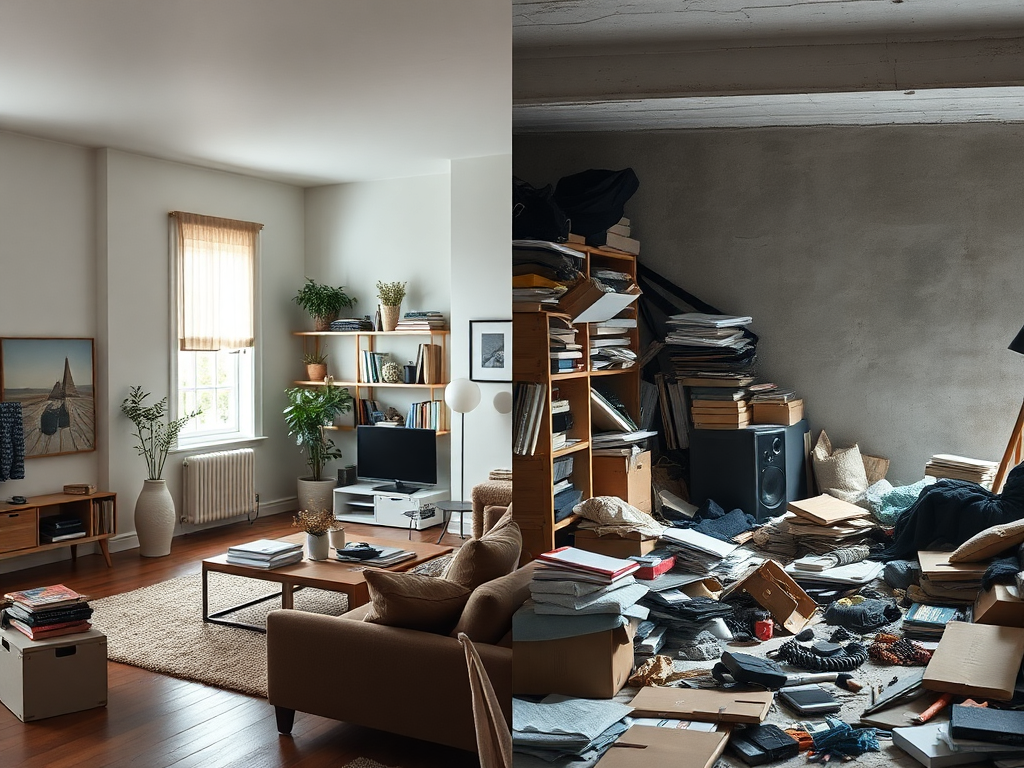
Clutter often comes from deeper places than laziness. For many people I’ve talked with, holding onto items stems from fear of future scarcity or anxiety about making wrong decisions. My cousin kept boxes of college textbooks for years, not because she used them, but because letting go felt like admitting a chapter of life was truly over.
Letting go can feel surprisingly risky—like parting with pieces of yourself or memories that matter. Home organization psychology teaches us that our spaces often reflect our internal states. When we struggle to release physical items, we’re usually holding something emotional too.
Flow offers inner permission to fully live in the present. By creating thoughtful systems and displaying meaningful items like travel souvenirs while releasing what no longer serves us, we make both physical and psychological space for what matters now.
The paradox of decluttering is that emotional freedom often comes from physically clearing space. As we sort through belongings, we’re also sorting through feelings, beliefs, and outdated versions of ourselves.
- Clutter often represents delayed decisions
- Attachment to objects can be symbolic of emotional attachments
- Organization creates mental clarity through physical action
- Flow spaces encourage present-moment awareness
A Table Look at Clutter vs Flow
| Environment | Feeling | Mental Pattern |
|---|---|---|
| Cluttered | Anxious, scattered | Decision fatigue, overwhelm |
| Neutral | Numb, low motivation | Stagnation, lack of purpose |
| Flow-Based | Calm, hopeful | Focused, energized, clear |
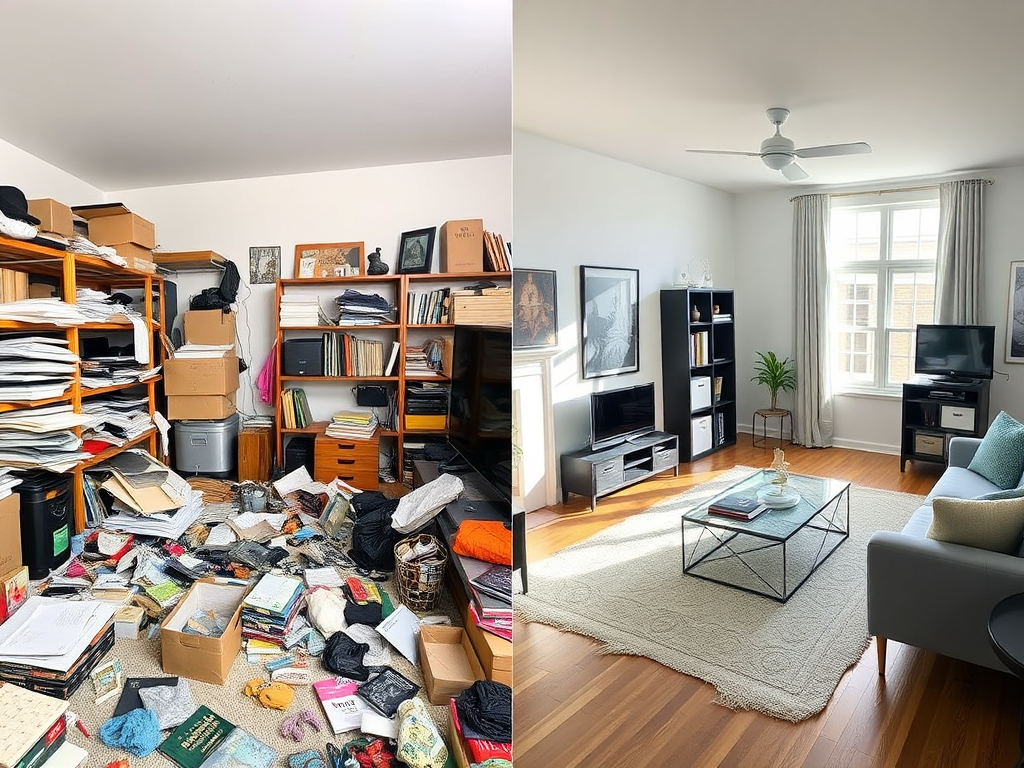
This comparison shows how deeply clutter vs flow affects our psychological state. The difference isn’t just visual—it changes how we think and function daily. Organization and mental health are linked at a neurological level, affecting everything from sleep quality to decision-making ability.
A flow-based environment doesn’t just look better—it fundamentally supports brain function. When my boyfriend and I reorganized our shared home office, we both noticed improved concentration and less end-of-day fatigue.
The middle “neutral” state is where many people get stuck. It’s not chaotic enough to trigger immediate action but not organized enough to support wellbeing. This limbo state can actually drain more energy than obvious clutter because it feels “almost good enough” while still quietly depleting mental resources.
Creating Flow in Your Own Home
Starting small is the secret to successful organization without overwhelm. Choose one specific area that bothers you daily—like your nightstand or entryway table. My friend transformed her mornings just by organizing her bathroom counter, proving that targeted changes create outsized benefits.

When making decisions about items, ask yourself: “Does this support who I want to be?” This question cuts through sentimentality and focuses on your present and future needs. It’s more effective than asking if something “sparks joy” because it connects to your identity and goals.
Using clear containers, baskets, and trays creates visual organization that reduces mental load. Labels add another layer of clarity that makes maintaining systems easier. Even creating custom picture frames for special photos rather than letting them pile up can transform a chaotic area into an intentional display.
The best organization systems aren’t necessarily the most beautiful or expensive—they’re the ones you’ll actually maintain. Focus on practical solutions that match your natural habits rather than fighting against them.
- Start with high-traffic areas that affect your daily routine
- Create “homes” for items you use frequently
- Use vertical space and wall storage to free surfaces
- Implement the “one in, one out” rule for new purchases
When to Ask for Help
Sometimes the link between organization and mental health needs professional support. If you’ve tried repeatedly to get organized but always feel stuck, this might indicate deeper emotional blocks or possibly ADHD, anxiety, or depression affecting your executive function.

When clutter is seriously impacting your sleep, relationships, or daily functions, it’s moved beyond a simple organization issue. Professional organizers can provide systems tailored to your specific challenges, while therapists can help address underlying emotional patterns.
My college roommate struggled for years with overwhelming clutter until working with both a therapist and organizer. The combination helped her understand her attachment to objects while creating practical systems she could actually maintain.
Remember that seeking help isn’t failing—it’s a smart strategy when clutter vs flow feels like an impossible gap to bridge alone. Some situations benefit from professional insight, especially when emotional roots run deep.
- You feel paralyzed when trying to start organizing
- Organization attempts create extreme anxiety
- Clutter has caused conflict in relationships
- You’ve organized repeatedly but can’t maintain systems
From Chaos to Clarity: Creating Your Path Forward
The connection between organization and mental health reveals itself in countless small moments throughout our days. Your environment isn’t just something you exist in—it’s an extension of your mind that either supports or hinders your wellbeing.
Creating flow doesn’t happen overnight. It’s built through consistent small choices that prioritize mental clarity over temporary convenience. Each decision to put something in its proper place or let go of what no longer serves you is an act of self-care.
Remember that perfection isn’t the goal—progress is. Even professional organizers have junk drawers! The difference is creating intentional systems that work with your life rather than against it.
Think of one area in your home that consistently drains your energy. Set a 5-minute timer right now and clear just that space. Feel the immediate shift in your mood. That simple action is your first step from clutter toward flow—from mental fog toward clarity and peace.
Your space affects your mind, and your mind deserves a supportive environment. The journey from clutter to flow isn’t just about tidiness—it’s about creating room for the life you truly want to live.