This post may contains affiliate links. Read our full disclosure here.
Every time I scroll through my Instagram feed lately, I see more and more modern Tudor style homes popping up. That distinctive half-timbering and those steep gables that once seemed so old-fashioned are suddenly everywhere again. But these aren’t your grandma’s Tudors—they’re sleek, updated versions that blend historic character with contemporary design. The revival of modern Tudor style homes in 2025 feels both surprising and inevitable—they offer something uniquely charming that cookie-cutter new builds just can’t match.
What’s fascinating about this comeback is how designers are maintaining the soul of Tudor architecture while adapting it for modern living. The homes feel simultaneously rooted in history and perfectly suited for today’s lifestyles. As someone who’s always been drawn to homes with character, I’ve been watching this trend with growing interest, noticing how the Tudor revival movement balances nostalgic appeal with practical updates that make these homes livable for contemporary families.
What Defines a Tudor Style Home?
Tudor architecture originated in 16th-century England during the Tudor dynasty (hence the name), but what we typically call Tudor style in America actually refers to Tudor Revival architecture that became popular in the early 20th century. These homes have always been instantly recognizable thanks to their distinctive features that stand apart from other architectural styles.
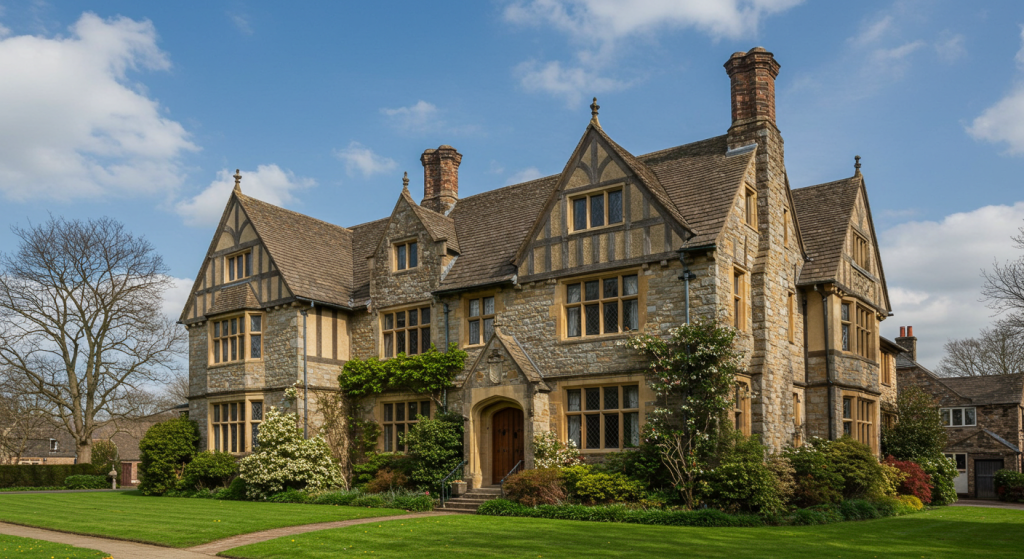
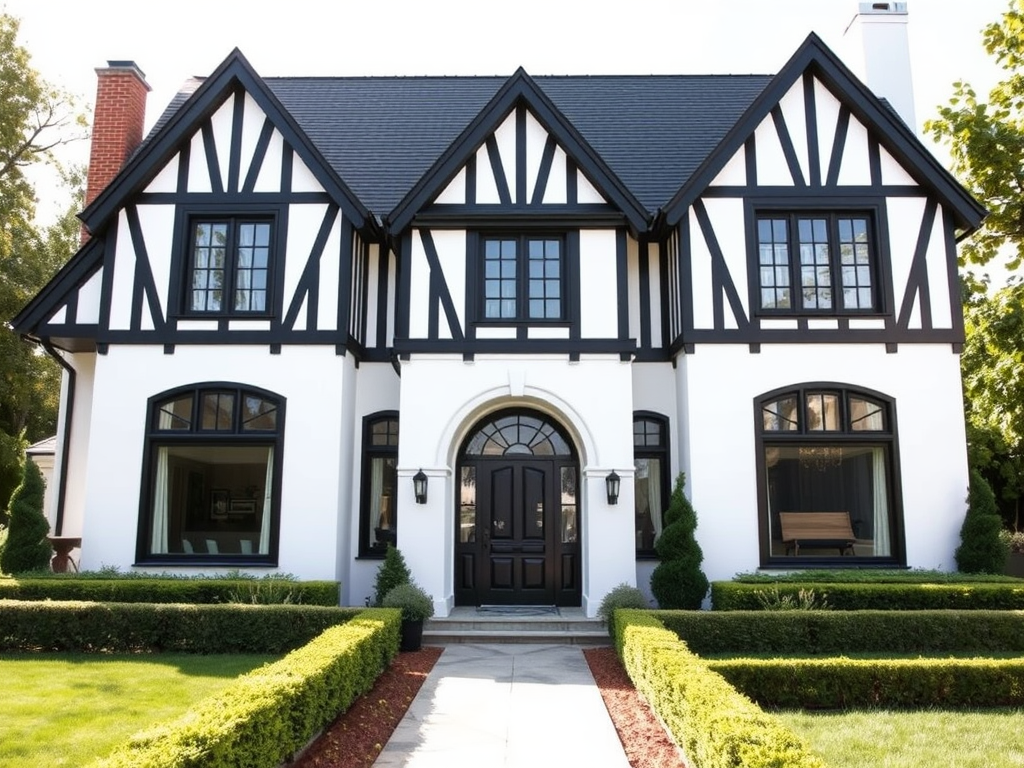
The most iconic element is undoubtedly the decorative half-timbering—those exposed wood beams set against stucco or brick that create that classic Tudor pattern. Alongside this, you’ll find steeply pitched gabled roofs that often dominate the facade and create dramatic silhouettes. Tudor homes typically feature asymmetrical layouts that give them a storybook quality, unlike the perfect symmetry of Colonial or Georgian designs.

Other hallmarks include arched doorways (often with rounded tops), leaded glass windows with diamond or rectangular panes, and substantial chimneys that anchor the home. These houses were built to make a statement, showcasing craftsmanship and materials that stood out from simpler architectural styles. Traditional Tudors also tend to have a weighty, substantial feel—they’re not trying to be light or minimalist by any stretch.
How Modern Tudor Style Homes Break from Tradition
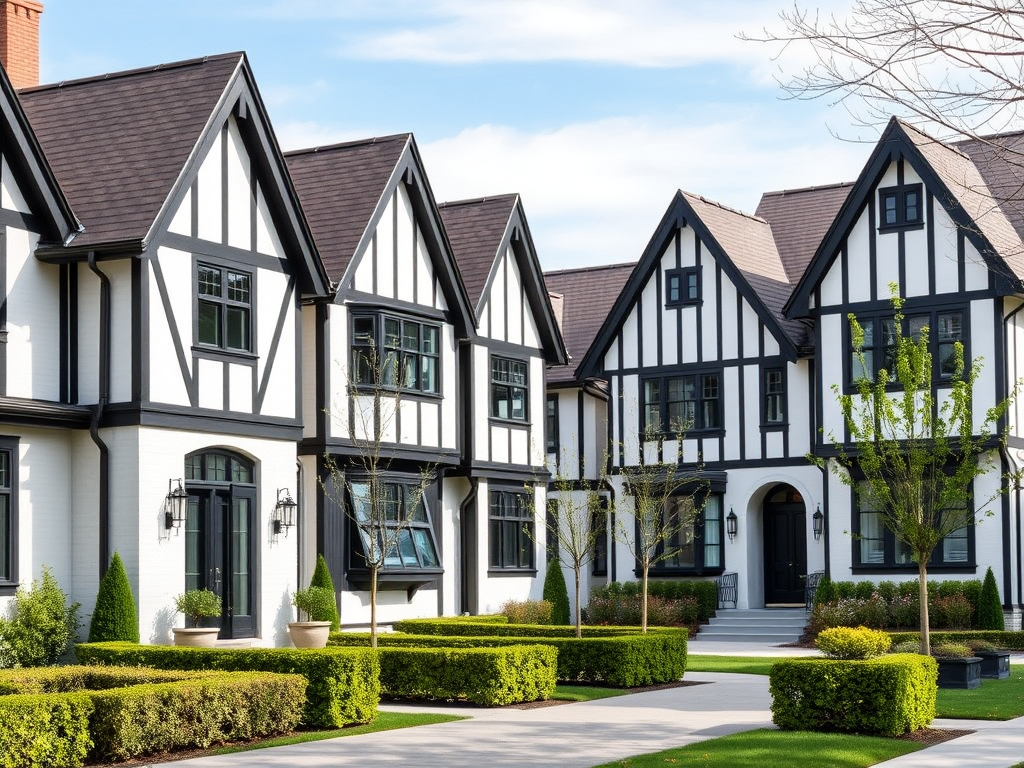
What makes today’s modern Tudor style homes so appealing is how they maintain the character of traditional Tudors while eliminating the heaviness that sometimes made the originals feel dark or oppressive. Designers are taking the most beloved elements and giving them a contemporary refresh that works for today’s aesthetics and lifestyles.
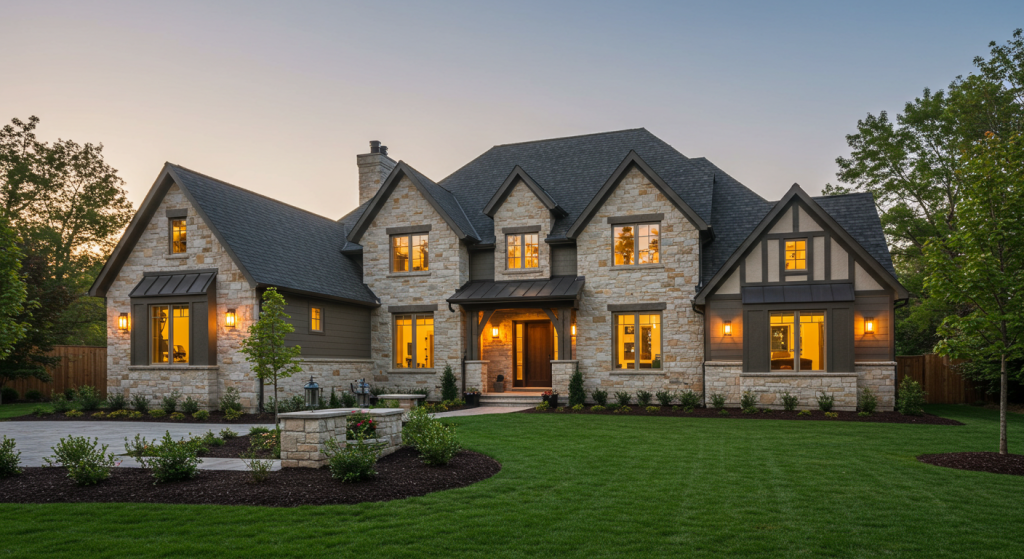
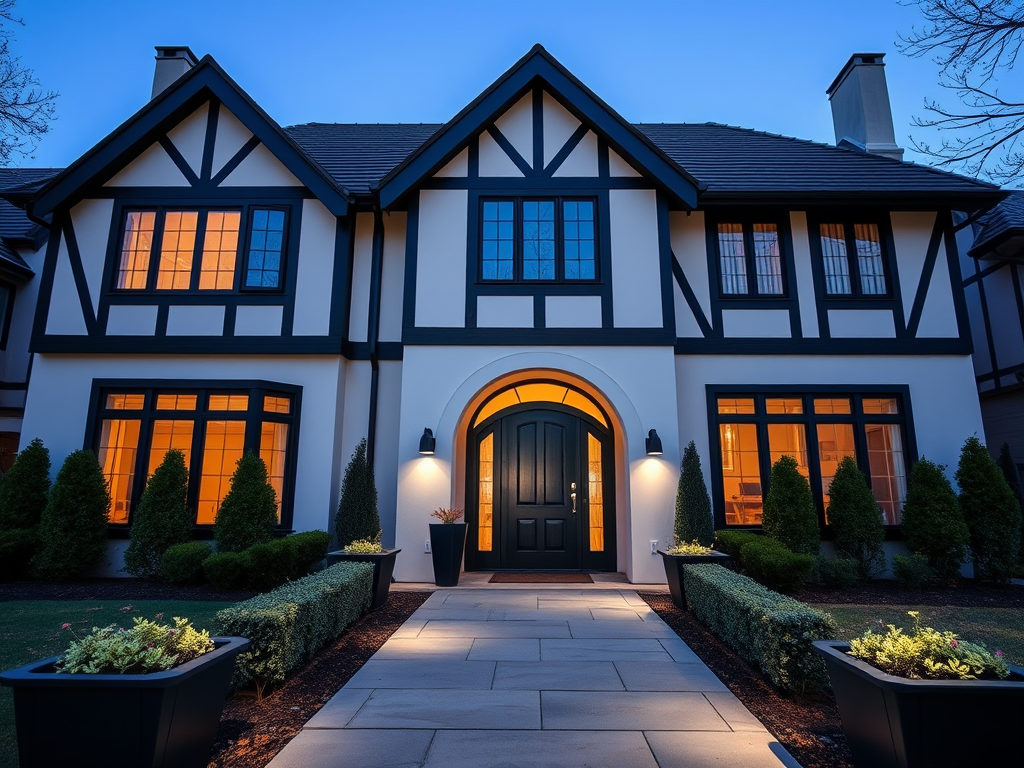
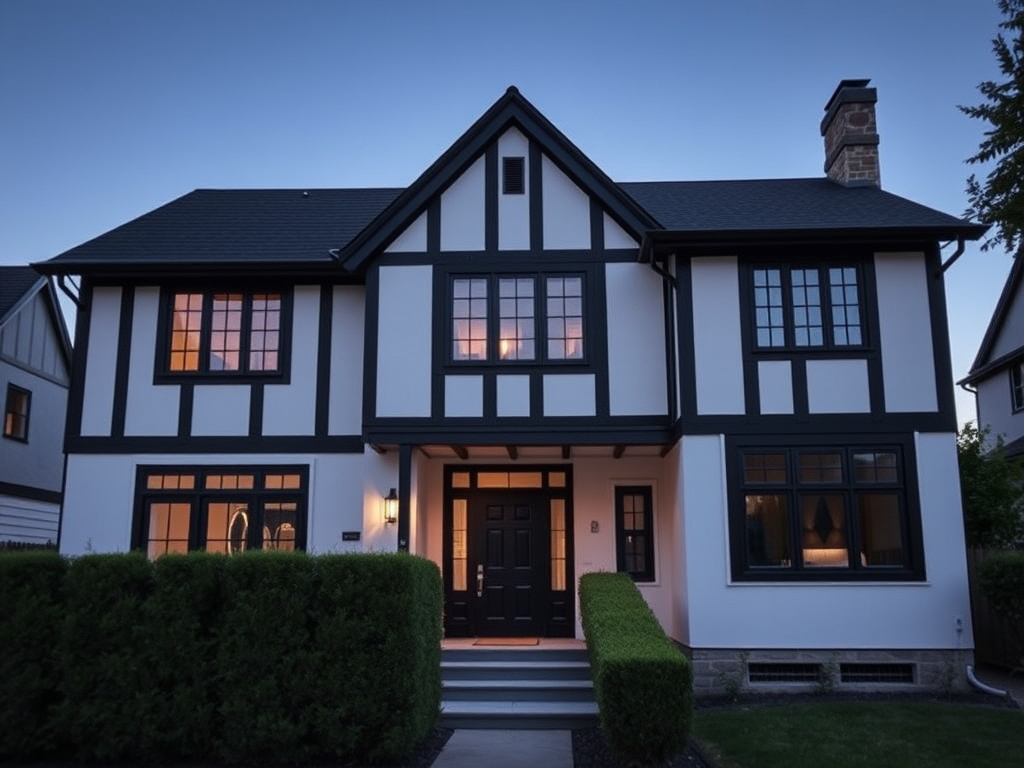
The rooflines of modern Tudors remain dramatic but are often simplified, with cleaner lines and less ornate detailing. The color palette has shifted dramatically—while traditional Tudors featured rich browns and reds, modern versions embrace high-contrast combinations like black timber against crisp white stucco, deep forest greens paired with warm creams, or sophisticated charcoal with soft taupe. These combinations preserve the Tudor look but with a fresh, current sensibility that feels deliberate rather than dated.
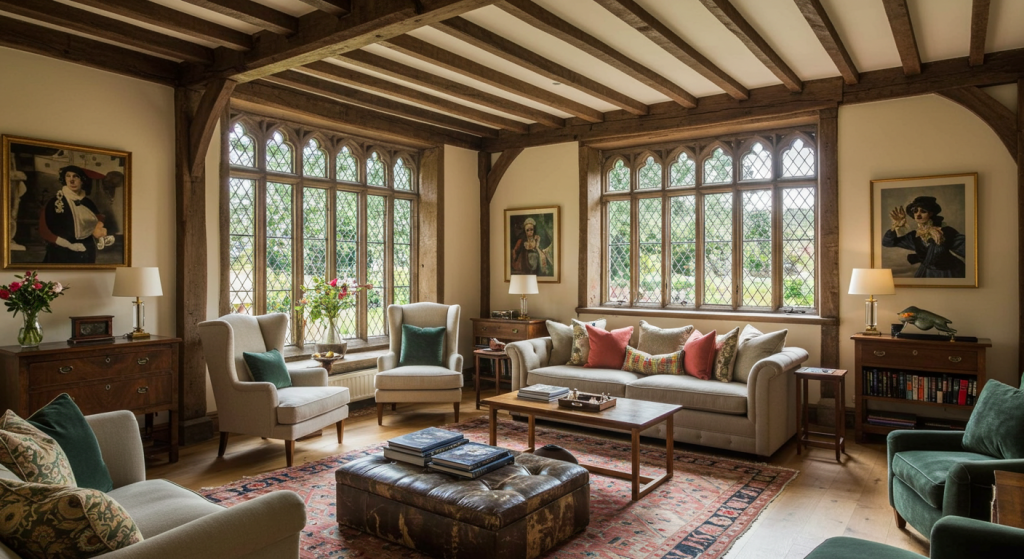
One of the biggest changes is in the windows. Traditional Tudor homes often had smaller, divided-light windows that limited natural light. Modern versions feature oversized windows—sometimes even floor-to-ceiling glass—that flood interiors with sunshine while maintaining that characteristic Tudor window shape. Inside, contemporary interior design principles have transformed these homes, replacing compartmentalized rooms with open floor plans that create airy, flowing spaces.
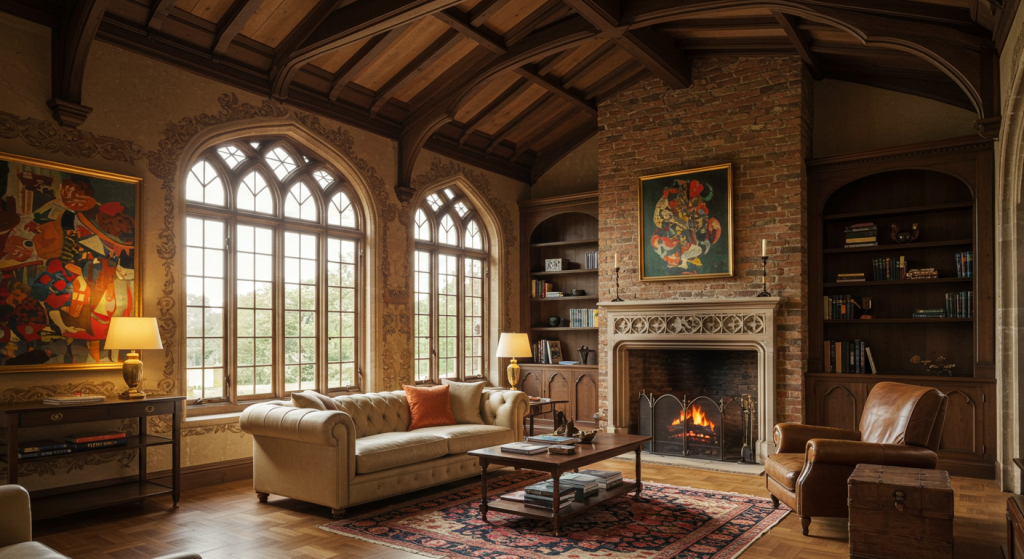
Materials have evolved too. While keeping the timber-and-stucco look, today’s finishes are smoother and more refined. You’ll see matte metals instead of wrought iron, sleek hardware in place of ornate latches, and cleaner transitions between materials. The result is a home that honors Tudor heritage but feels decidedly 2025 in its execution.
Why Tudor Homes Are Trending Again in 2025
The resurgence of modern Tudor style homes isn’t happening in a vacuum—it’s part of a larger shift in what homebuyers and renovators are looking for. After years of minimalist white boxes and farmhouse fever, people are craving homes with genuine character and architectural heritage. Tudor homes deliver this in spades, with their distinctive silhouettes and rich design language that sets them apart from standardized new construction.
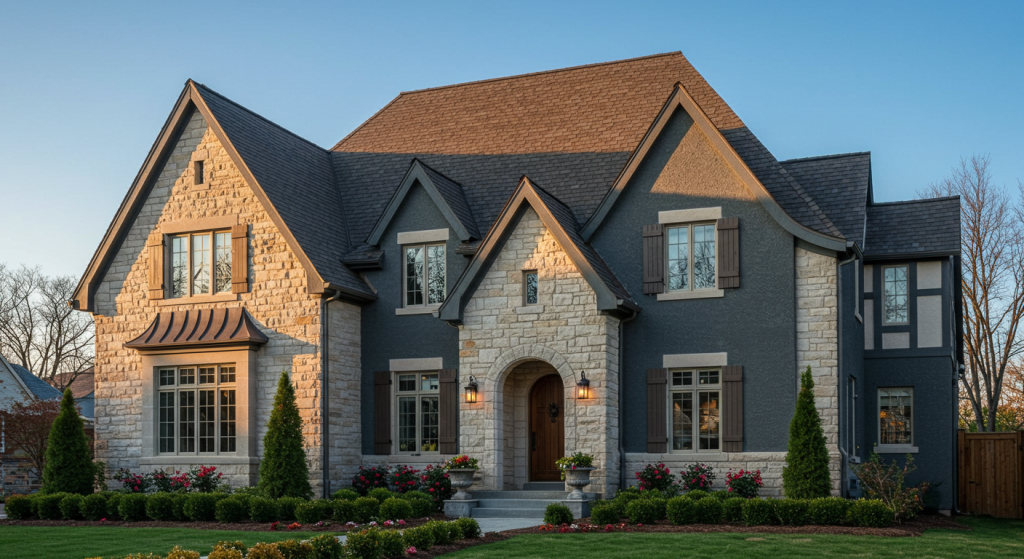
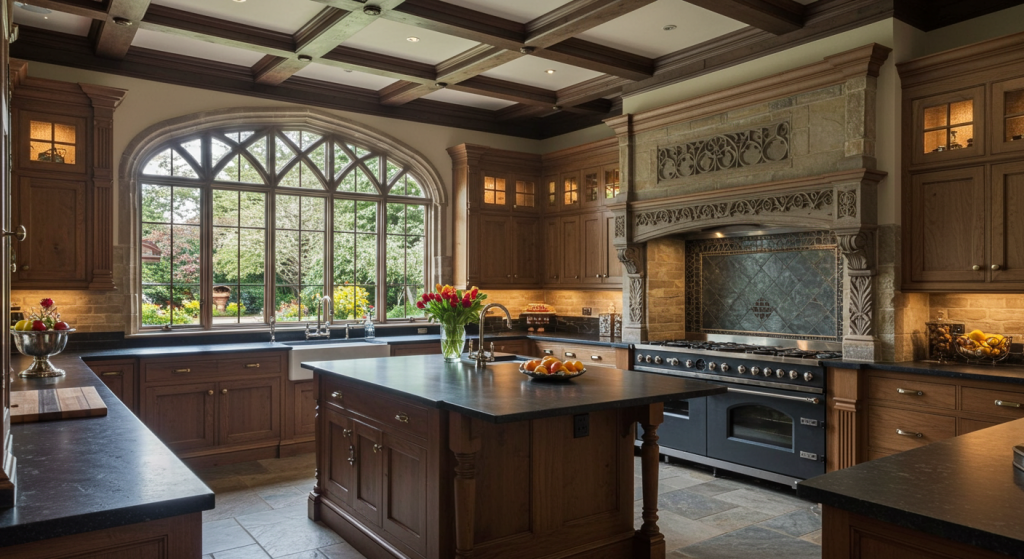
Another factor driving this trend is the remarkable flexibility of Tudor design. Despite their historic origins, these homes accommodate both interior design styles surprisingly well—from traditional to contemporary. I’ve seen amazing modern Tudor interiors that feature sleek furniture and abstract art alongside original timber beams, creating a captivating tension between old and new. This versatility makes them appealing to a wide range of homeowners who want architectural character without being locked into a period-specific interior.
Location plays a role too. Many original Tudor homes are situated in established, desirable neighborhoods with mature trees and proximity to city centers. As interest in walkable communities grows and suburban sprawl loses some appeal, these historic neighborhood locations become increasingly valuable. People are rediscovering the charm of older neighborhoods and the uniqueness of their housing stock.
Social media and design platforms have accelerated the Tudor comeback as well. Pinterest and Instagram can’t get enough of the dramatic before-and-after transformations these homes offer. Designers and homeowners share their Tudor renovations, showing how dramatic black window frames or updated landscaping can completely transform these homes while maintaining their essential character. The 2025 Dallas Total Home and Gift Market even featured several exhibits dedicated to the modern Tudor aesthetic, signaling its growing commercial importance.
Creating a Modern Tudor Interior That Works
Updating a Tudor home’s interior presents a delightful design challenge: how to honor the home’s architectural heritage while creating spaces that feel current and livable. The key lies in balancing historic elements with contemporary comfort. Rather than trying to erase all traces of age, successful modern Tudor interiors celebrate select period features while modernizing others.
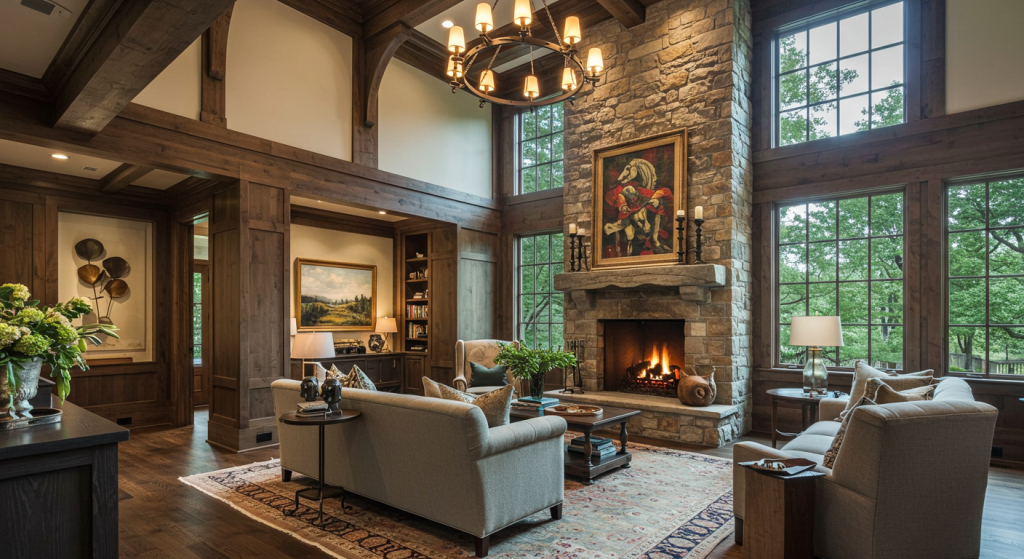
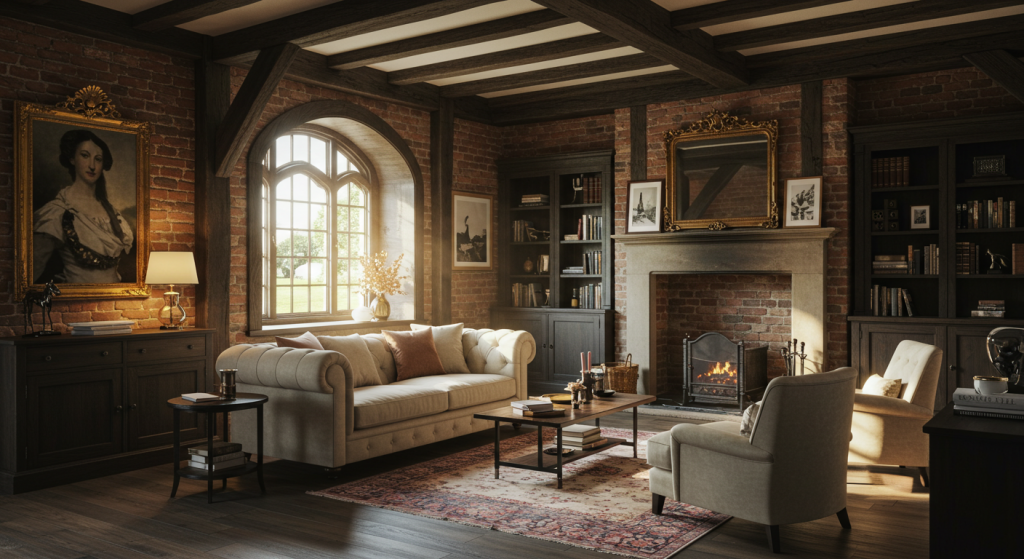
Start with the bones of the space. If you’re lucky enough to have original ceiling beams, a stone fireplace, or arched doorways, make these your focal points. Then introduce clean-lined, minimalist aesthetic furniture to create contrast. This juxtaposition—rustic beams above a sleek sectional sofa, for instance—creates visual interest and prevents the space from feeling like a museum or, conversely, too devoid of character.
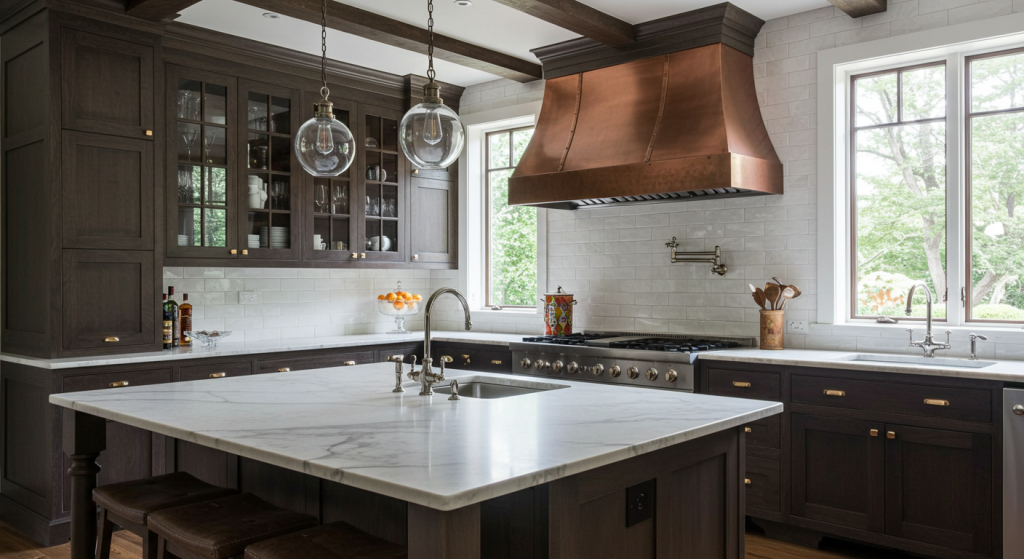
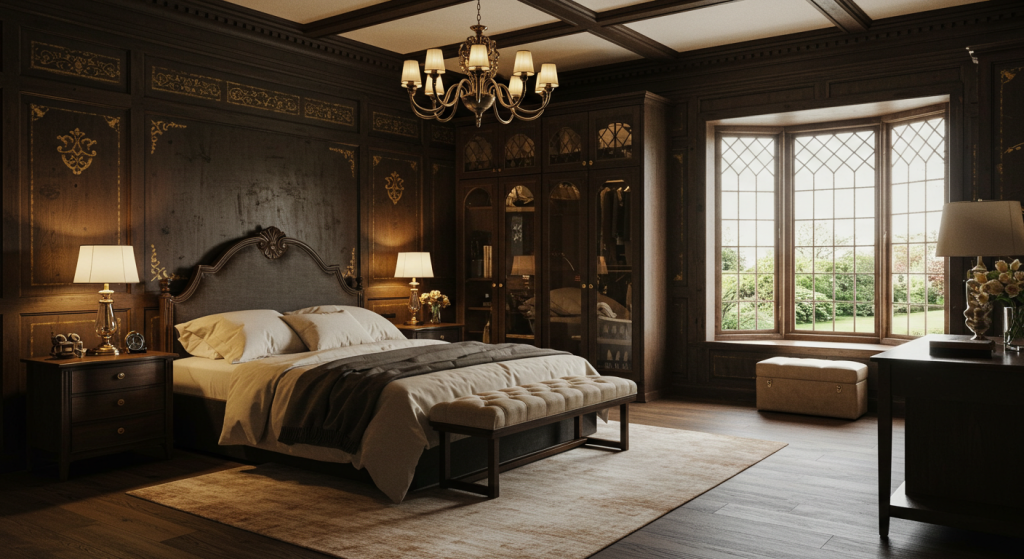
Materials play a crucial role in modern Tudor interiors. Incorporate warm woods and black matte finishes that reference traditional Tudor elements without copying them exactly. Oak flooring (either natural or in a modern white wash), matte black hardware, and vintage-inspired lighting with contemporary lines all help strike this balance. For walls, consider modern interpretations of traditional techniques—limewash paints or subtle plaster finishes add texture while feeling current.
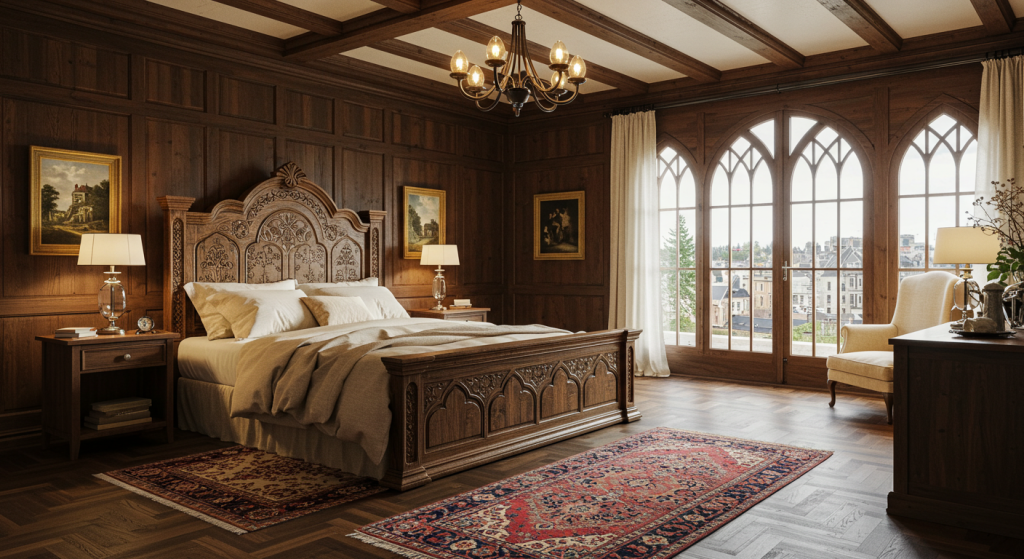
The color palette deserves special attention. While original Tudor interiors were often dark and heavy, today’s versions maintain depth but add brightness. Deep forest greens, rich navy blues, and charcoal grays work beautifully as accent colors, especially when balanced with plenty of light neutrals, natural textures, and enough white space to keep things from feeling oppressive. This approach creates rooms with character and coziness without the gloominess that sometimes plagued traditional Tudor interiors.
Modern Tudor Exterior Updates That Preserve Character
Renovating a Tudor home’s exterior requires a thoughtful approach—you want to refresh without erasing the very characteristics that make it special. The most successful modern Tudor renovations identify which elements define the home’s character and then find ways to update them sympathetically. This approach creates exteriors that honor heritage while feeling intentionally designed for today.
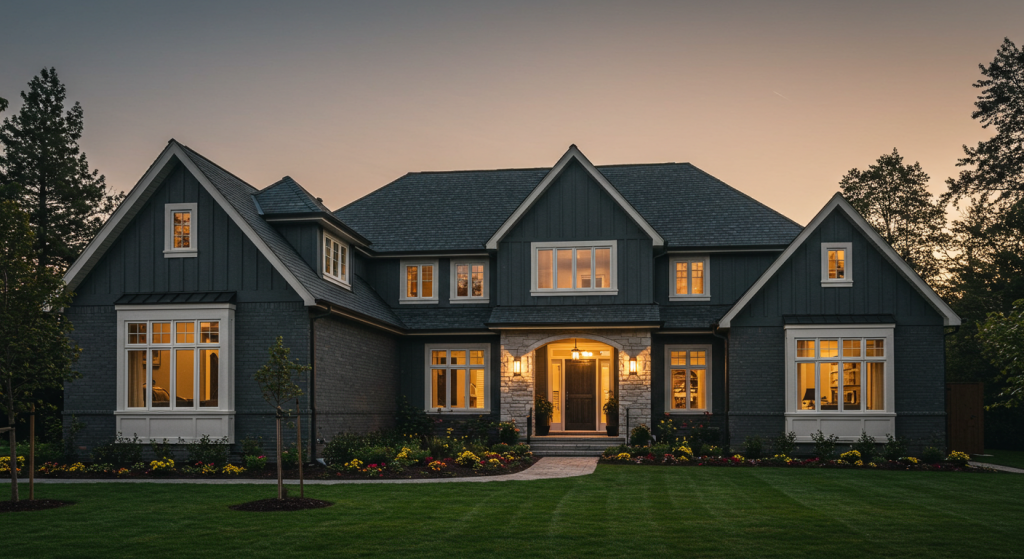
Paint is perhaps the most transformative and accessible update for Tudor exteriors. The trend toward high-contrast color schemes has revolutionized these homes, with black-and-white combinations leading the way. Painting the half-timbering in deep black against bright white stucco makes these architectural features pop dramatically. For a more subtle approach, charcoal gray timbers against soft cream or taupe creates sophisticated contrast that isn’t quite as stark.
Windows get special consideration in modern Tudor homes. Replacing outdated windows with energy-efficient versions featuring black frames preserves the Tudor look while improving function. Many homeowners are opting for fewer muntins (the dividers that create divided-light patterns) for a cleaner look that still references traditional styles. Larger window openings can sometimes be incorporated thoughtfully, especially on rear facades where historical authenticity may be less critical.
Landscaping completes the transformation of a modern design style Tudor home. Structured, geometric plantings like boxwood hedges and topiary complement Tudor architecture particularly well, providing year-round structure that echoes the home’s strong lines. Adding contemporary planters, updated pathway materials, and strategic lighting draws attention to the home’s best features and creates curb appeal that feels carefully considered rather than stuck in time.
Many homeowners are also rethinking Tudor entries, replacing heavy wooden doors with versions that maintain arched shapes but incorporate glass panels for increased light. Simplified hardware in matte black finishes updates the look while honoring the traditional aesthetic. These thoughtful exterior renovations create modern Tudor style homes that catch the eye for all the right reasons.
The Future of Tudor Style
What makes the revival of modern Tudor style homes particularly interesting is how it reflects broader shifts in our relationship with architecture and history. After decades of either slavishly copying historical styles or rejecting them entirely, we’ve entered a more nuanced phase where designers and homeowners thoughtfully adapt traditional forms for contemporary living. Tudor homes, with their distinctive character and romantic appeal, provide the perfect canvas for this approach.
Looking ahead, I expect we’ll see continued innovation in how Tudor elements are reinterpreted and combined with other influences. Already, some designers are creating fusion styles that incorporate Tudor half-timbering with minimalist Japanese aesthetics or Scandinavian simplicity. These creative combinations keep Tudor style feeling fresh rather than formulaic.
The environmental advantages of renovating existing homes rather than building new ones also aligns perfectly with growing ecological awareness. Many Tudor homes have survived for decades or even a century, proving their durability and adaptability. By updating these structures with improved insulation, energy-efficient systems, and sustainable materials, homeowners can create residences that honor heritage while reducing environmental impact.
Modern Tudor homes remind us that good design transcends time—that architectural elements can be reinterpreted rather than discarded. Whether you’re lucky enough to live in an original Tudor or simply appreciate their unique character from afar, there’s something undeniably appealing about these homes that merge historic charm with modern function. The question isn’t really whether you’d live in a Tudor-style home, but rather which elements you’d keep classic and which you’d make modern. For my part, I’d preserve those dramatic roof lines and half-timbered details while opening up the interior for contemporary living—the perfect blend of character and comfort that makes these homes so irresistible today.