This post may contains affiliate links. Read our full disclosure here.
After spending years in a small apartment crammed with decorative “essentials,” I finally discovered the life-changing magic of minimalist home decor. Gone are the days of excessive trinkets and overwhelming design choices. In 2025, minimalist home decor has evolved into something truly beautiful—a perfect balance of simplicity, function, and style that creates spaces where you can actually breathe.

What I love most about minimalism is that it’s not about having an empty, sterile home. It’s about being intentional with what you bring into your space. As someone who used to impulse buy every cute home accessory I saw (hello, college apartment filled with random Target finds!), embracing minimalist home decor has not only transformed my living space but also my mindset about what makes a house feel like a home.
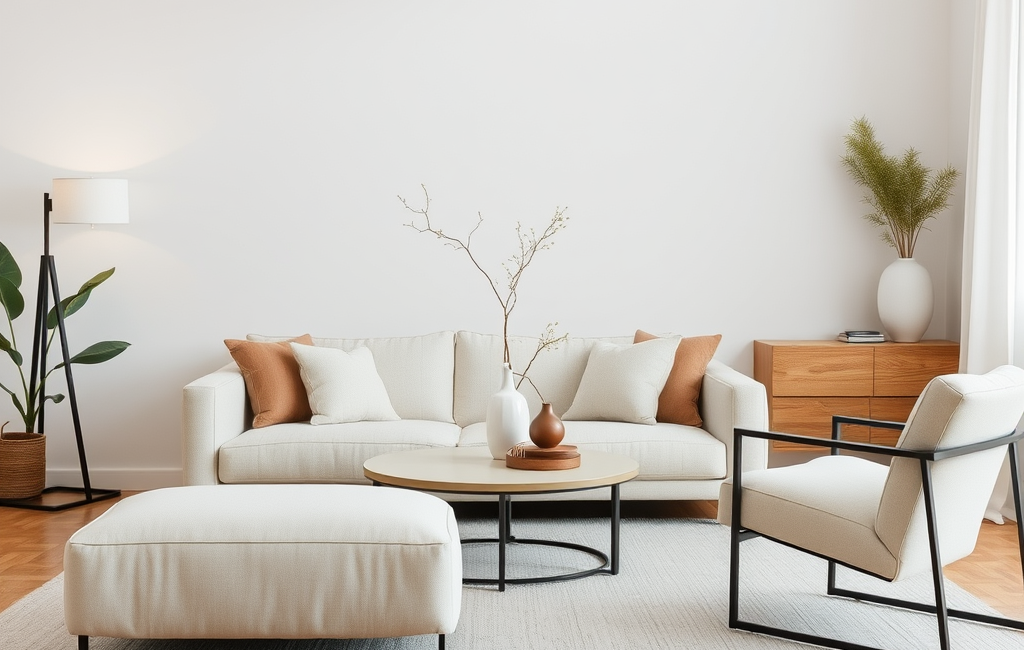
Why Minimalism Makes Perfect Sense in 2025
Let’s be honest—life feels complicated enough without our homes adding to the chaos. Minimalist home decor offers a sanctuary from the non-stop stimulation of everyday life. After adopting this approach in my own home, I’ve noticed three major benefits that make minimalism worth considering:
- Less visual noise equals less stress. When I walk into my clutter-free living room after a hectic day, my blood pressure literally drops. Research consistently shows that organized, minimal spaces can significantly reduce anxiety levels.
- Cleaning becomes SO much easier. Remember spending entire weekends just dusting knick-knacks? With minimalist design, my weekend cleaning routine now takes under an hour.
- Your style stays timeless. I’m no longer chasing seasonal trends that look dated six months later. My neutral, minimalist foundation allows for small, meaningful updates without major overhauls.
The beauty of minimalist home decor in 2025 is that it’s both practical and aesthetically pleasing. It creates a backdrop for life to happen without visual distraction. Plus, it’s surprisingly versatile—adapting beautifully to various architectural styles from modern apartments to traditional homes.
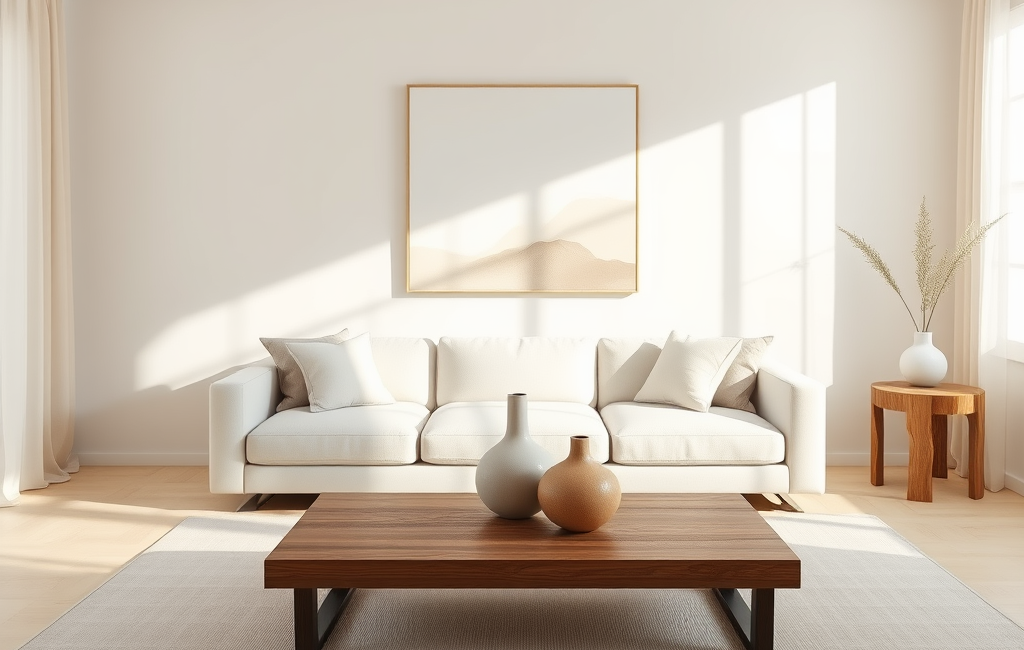
Creating Your Minimalist Color Palette
When I first embraced minimalist home decor, I assumed everything had to be stark white. What a mistake! Today’s minimalism embraces a much warmer approach to color schemes that feel inviting rather than clinical. The key is choosing a limited palette of complementary tones.
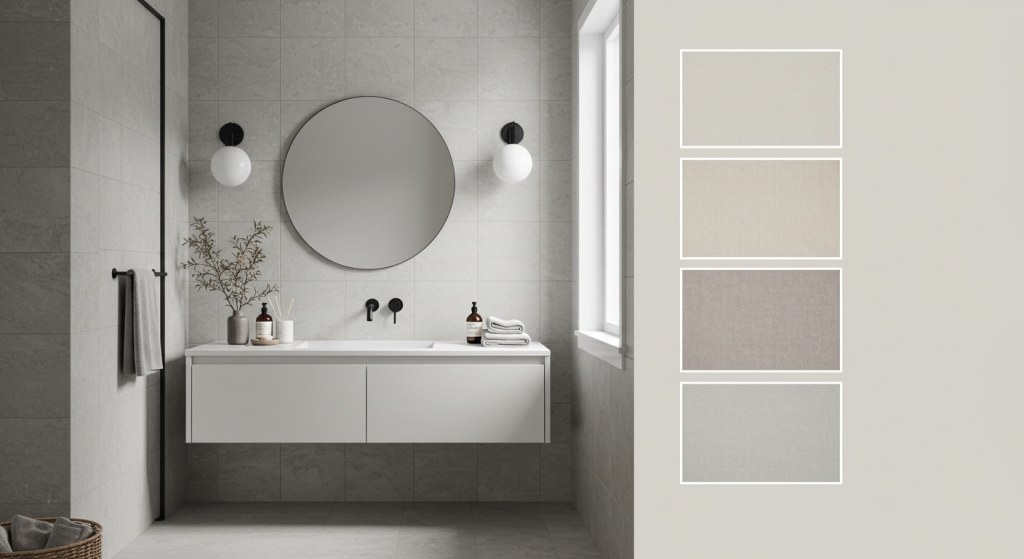
For my home, I’ve found success with a foundation of soft neutrals like oatmeal, warm white, and pale gray. These colors create a sense of calm while still feeling cozy. Different rooms benefit from slightly different palettes, even within a minimalist framework.
Here’s my go-to approach for minimalist color selection in 2025:
- Start with a base of 2-3 neutral tones (think ivory, greige, or soft taupe)
- Add subtle contrast with natural materials—the grain in pale wood or the texture of natural stone
- Introduce one or two accent colors very sparingly (I use muted sage green and terracotta)
- Keep 80% of your space in your neutral base colors
Remember Leonardo da Vinci’s wisdom: “Minimalism is the ultimate sophistication.” He understood that restraint often creates more impact than excess. In my living room, the single dusty blue accent chair draws more compliments than all my previous decorative elements combined.
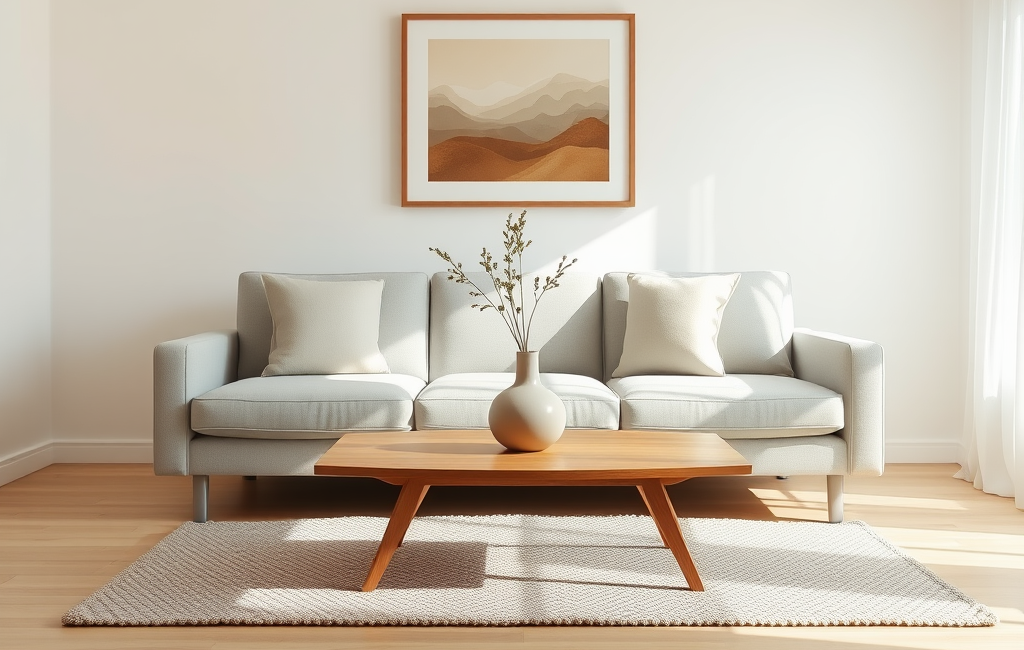
Functional Furniture: The Minimalist’s Secret Weapon
After years of squeezing too much furniture into too little space, I’ve learned that minimalist home decor requires being ruthlessly selective about furniture. Each piece should earn its place through both function and form. My boyfriend initially resisted when I suggested replacing our bulky entertainment center, but now admits the streamlined solution makes the room feel twice as large.

When shopping for minimalist furniture, I prioritize:
- Multi-functional pieces that serve multiple purposes (Our coffee table has hidden storage and converts to a workspace)
- Clean, simple lines without unnecessary ornamentation
- High-quality materials that age beautifully rather than needing frequent replacement
- Properly scaled furniture that doesn’t overwhelm the space
I’ve found nesting tables particularly useful for minimalist home decor. They tuck away when not needed but provide extra surface area for guests. Similarly, platform beds with built-in storage have eliminated the need for extra dressers in our bedroom.
Storage beds solve two problems at once—a place to sleep and hidden storage for seasonal items or extra linens. Multi-purpose drawer organizers have been game-changers for keeping the contents of furniture organized without visible clutter.

The Art of Decluttering: Less Really Is More
The biggest challenge for most people adopting minimalist home decor isn’t choosing furniture or paint colors—it’s letting go of stuff. As someone who used to have emotional attachments to everything from concert ticket stubs to gifted figurines I never really liked, I get it. The decluttering process takes time and sometimes feels uncomfortable.
What worked for me was implementing the “one-in, one-out” rule. For every new item I bring home, something else must leave. This simple boundary prevents accumulation and makes me more thoughtful about purchases. I also set up designated “homes” for everyday items, which naturally limits how much we can own.
Here’s my non-intimidating approach to decluttering for minimalist home decor:
- Start with categories that hold less emotional attachment (kitchen gadgets, office supplies)
- Ask yourself: “Would I buy this again today at full price?”
- Use attractive storage solutions like linen bins or minimalist organizing techniques for items you need but don’t want visible
- Keep surfaces 80% clear (coffee tables, countertops, dressers)
The best part about decluttering is that it creates physical and mental space. Each item in my home now feels intentionally chosen rather than accidentally accumulated. This shift brings a sense of peace that’s hard to describe until you experience it.
Bringing Warmth to Minimalist Spaces
The biggest misconception about minimalist home decor is that it feels cold and uninviting. The truth? Texture is your best friend in creating warm minimalist spaces. Instead of filling a room with decorative objects, I focus on incorporating different tactile elements that add depth without clutter.
In my living room, a chunky wool throw and linen curtains bring softness, while a small wooden side table adds natural warmth. The key is choosing textural elements in colors that blend with your neutral palette rather than contrast sharply. This creates visual interest without breaking the minimalist vibe.
My favorite textures for warming up minimalist home decor include:
- Natural wood with visible grain patterns
- Nubby linen or cotton in soft neutral tones
- Handcrafted ceramics with subtle variations
- Woven elements like jute rugs or bamboo light fixtures
- Matte versus glossy finishes to create depth
Natural light plays a crucial role in making minimalist spaces feel inviting rather than stark. I’ve swapped heavy curtains for sheer panels that filter sunlight beautifully throughout the day. The way window placement affects interior light patterns can dramatically impact how warm and welcoming a minimalist room feels.
Thoughtful Accents That Make All The Difference
When every item is visible and nothing hides in clutter, each piece carries more weight visually. That’s why I’m particularly selective about the few decorative elements in my minimalist home decor. Instead of many small items, I opt for one statement piece in key areas—like the oversized black and white photograph above our sofa or the sculptural floor lamp in the reading corner.
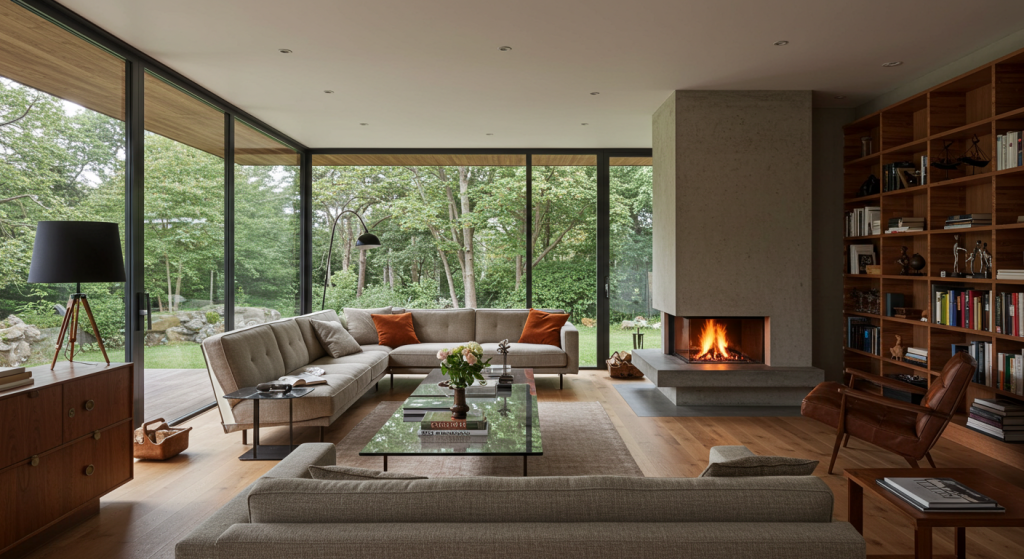
For 2025, minimalist accent pieces that make an impact while maintaining simplicity include:
- A single, large-scale artwork instead of gallery walls
- One exceptional vase with interesting proportions (even better when holding a few simple stems)
- A statement light fixture that doubles as functional art
- A carefully selected stack of design books on a coffee table
- A single plant in a simple, beautiful pot (nothing clutters minimalism faster than too many plant accessories)
What makes these accents work is their thoughtful placement. I give important pieces room to breathe—no crowding or competing elements. This approach actually makes each item look more expensive and intentional, regardless of its actual cost.
I’ve found that minimalist home decor allows for seasonal refreshes without major overhauls. Switching out a throw pillow or changing what’s in that single vase can subtly acknowledge the changing seasons while maintaining the clean aesthetic I love.
Answering Your Minimalism Questions
Whenever I share my minimalist home decor journey, I get the same questions. Here are honest answers to what people really want to know:
Can minimalist spaces feel cozy?
Absolutely! The key is incorporating soft textures, warm lighting, and natural materials. My minimalist bedroom feels more cozy now than when it was overstuffed with decorative pillows and knick-knacks. Thoughtful elements like a soft area rug and dimmable lighting create comfort without clutter.
Is minimalist decor more expensive?
Not necessarily. While quality pieces sometimes cost more upfront, you’re buying significantly fewer items overall. I actually saved money by focusing on fewer, better purchases rather than constantly buying affordable decorative objects that didn’t last. The “cost per use” of well-made minimalist furniture is typically lower over time.
What’s the biggest mistake people make with minimalist decor?
From my experience, it’s trying to implement minimalism overnight. Rushing leads to regrets and an unnatural feeling space. The more successful approach is gradual refinement—removing what doesn’t serve you and only adding items you truly love. Minimalism works best as an evolution, not a sudden transformation.
Will my home look like everyone else’s?
Despite sharing similar principles, thoughtful minimalist homes are surprisingly unique. Your personal touches, the art you choose, and how you incorporate meaningful objects will make your space distinctly yours. My minimalist home looks nothing like my friend’s equally minimalist apartment because our essentials and priorities differ.
Creating Your Own Minimalist Haven
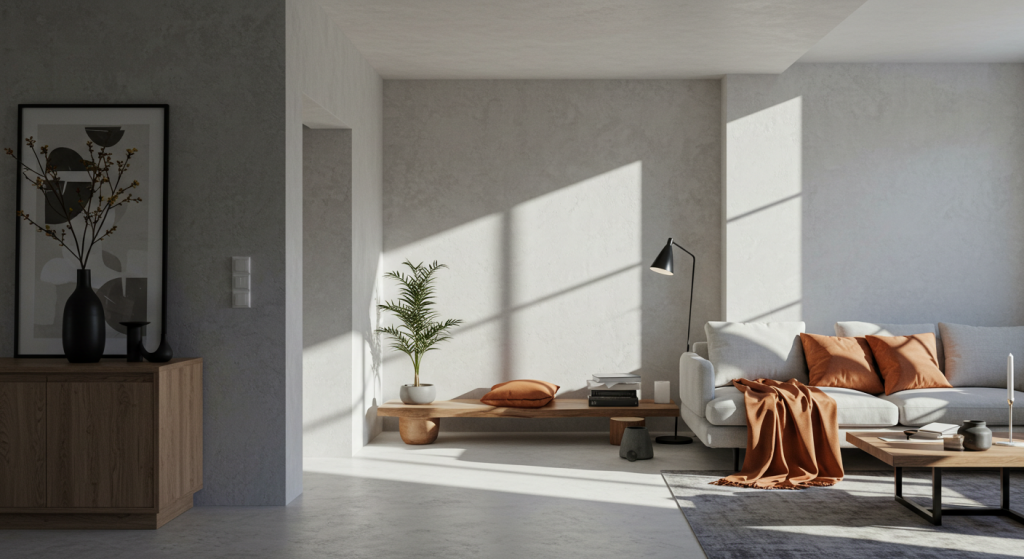
Minimalist home decor isn’t about following rigid rules—it’s about creating space for what matters most to you. My journey began with small changes: clearing off one countertop, then one shelf, then reimagining an entire room. The psychological benefits appeared almost immediately as visual noise decreased.
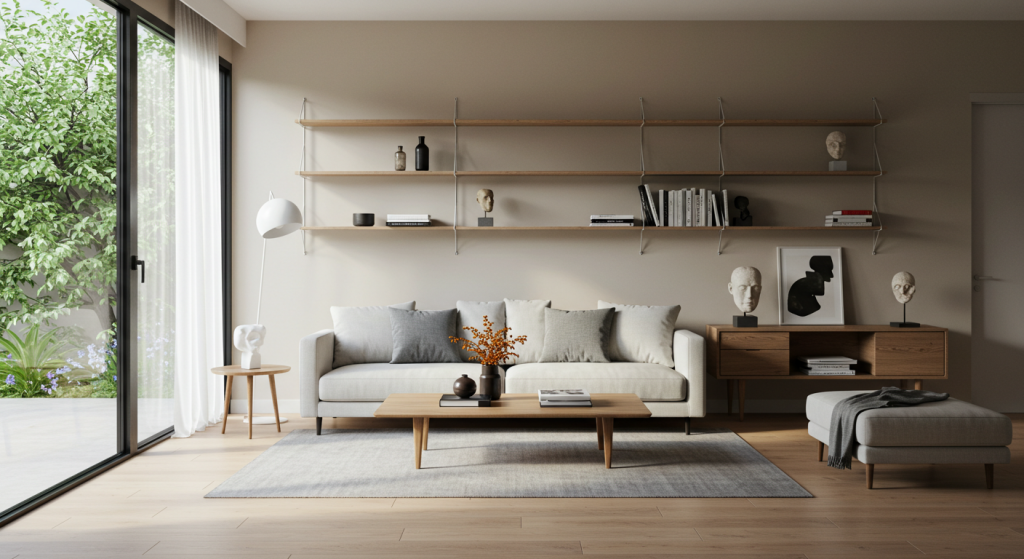
What I love most about minimalism in 2025 is how personal it can be. You decide what “enough” means for your life. Some areas of my home are more minimal than others because I’ve adapted the principles to suit how we actually live, not some idealized Instagram version of minimalism.
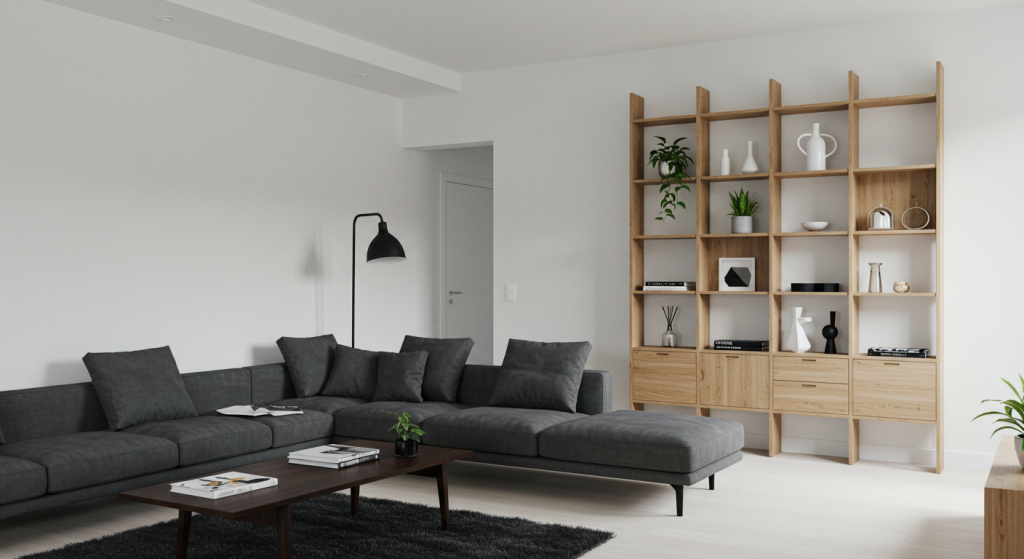
If you’re ready to explore minimalist home decor, start with a single space that bothers you most when cluttered. For many, that’s the entryway or kitchen counter. Create breathing room there, then notice how it feels to have that simpler, calmer space. Let that good feeling motivate your next step.
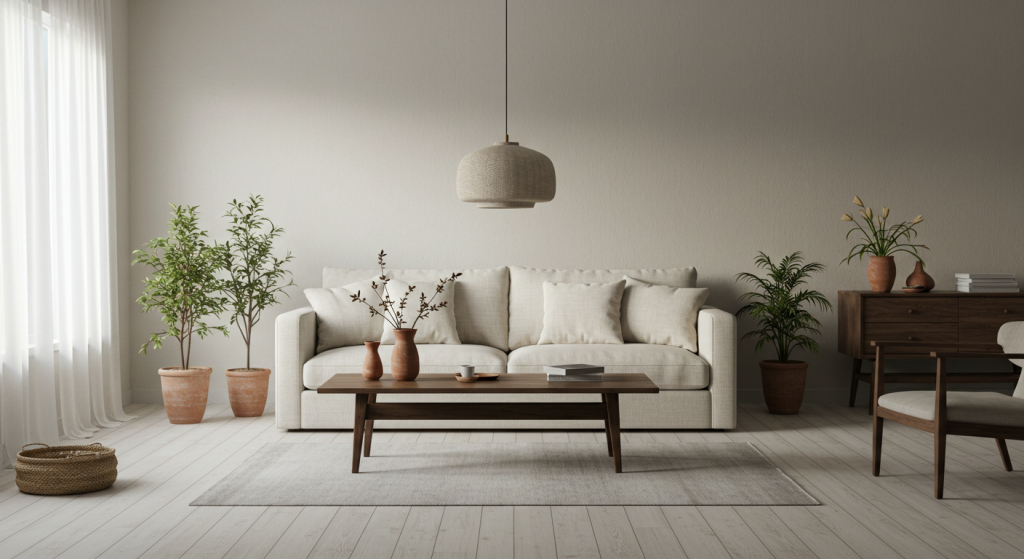
Remember that minimalism is a continuous practice, not a finished state. As my needs change, so does my interpretation of what’s essential. The beauty lies in this flexibility—it’s a living approach to creating a home that supports rather than demands from you.
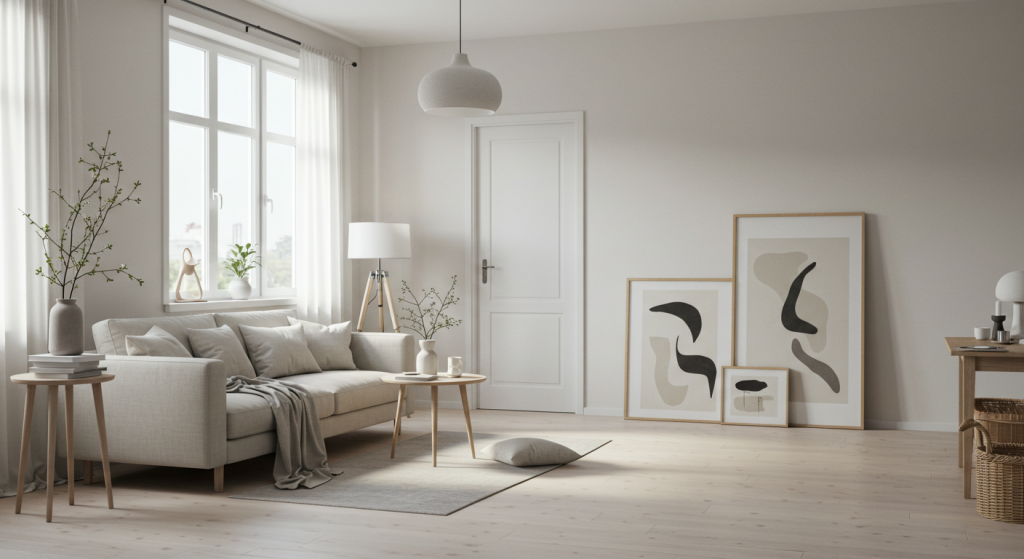
I hope these ideas inspire your own version of minimalist home decor in 2025. A thoughtfully designed, clutter-free space gives back far more than what you think you’re giving up. Your future self will thank you for the simplicity, functionality, and peace that come from surrounding yourself with only what you need and truly love.