This post may contains affiliate links. Read our full disclosure here.
Have you ever found yourself lying awake at 2 AM, anxiety spiraling, wishing you had someone to talk to? Or maybe you’ve been curious about therapy but hesitant about the cost or time commitment? In our increasingly digital world, mental health support is literally at our fingertips through smartphone apps—but with thousands of options available, finding ones that actually work can feel overwhelming.
I’ve seen firsthand how the right digital tools can transform people’s well-being. The mental health app market has exploded, projected to reach over $11 billion by 2030, but unfortunately, most apps lack scientific validation. In fact, studies show only 3-4% of mental health apps are truly evidence-based.
In this article, I’ll share eight mental health apps that stand apart from the crowd—ones backed by research, clinical trials, and in some cases, even FDA approval. These aren’t just trendy downloads; they’re digital tools that genuinely help people manage anxiety, depression, sleep issues, and more.
Why Mental Health Apps Matter Now More Than Ever
In today’s fast-paced world, maintaining good mental health requires intentional effort. Between work deadlines, family responsibilities, and the constant digital noise, many of us struggle to find balance. Research shows that organizing your physical and mental space can significantly impact your psychological well-being, and mental health apps can be a valuable part of that organization strategy.
The pandemic dramatically accelerated the need for accessible mental health support, with anxiety and depression rates soaring worldwide. Traditional therapy remains inaccessible for many due to cost, time constraints, and therapist shortages. A recent Michigan Medicine study showed that patients often face long wait times for their first appointment with mental health professionals.
Dr. Adam Horwitz, a psychologist at the University of Michigan Medical School, notes, “Having this type of option, especially for people who are motivated enough to seek an appointment and wait for it, could be very valuable when providers have long wait lists.” The study demonstrated that using evidence-based mental health apps while waiting for professional care led to measurable decreases in depression, anxiety, and suicidality. Michigan Medicine
What to Look for in Evidence-Based Mental Health Apps
Not all mental health apps are created equal. Before downloading any app that claims to improve your mental health, consider these important factors:
- Clinical validation: Look for apps backed by published research studies or developed in partnership with mental health professionals
- Privacy policies: Ensure the app has clear policies about how your personal data is stored, used, and protected
- User experience: The best app in the world won’t help if it’s frustrating to use or has a confusing interface
- Cost transparency: Be aware of free trials that convert to subscriptions and understand what you’re paying for
- Crisis resources: Reputable mental health apps should provide clear paths to emergency support when needed
- Regular updates: Mental health best practices evolve, and good apps update accordingly
Sometimes, taking a digital detox can be beneficial for your mental health. However, when used mindfully, the right mental health apps can actually help you build healthier digital habits rather than contributing to technology overload.
8 Mental Health Apps With Proven Effectiveness

After reviewing dozens of options and consulting research studies, I’ve identified eight mental health apps that stand out for their evidence-based approaches, user experience, and proven results.
1. Woebot: AI-Powered CBT Coaching
Best for: Daily CBT practice and mood tracking
Evidence base: Received FDA Breakthrough Device designation for postpartum depression treatment; multiple randomized controlled trials show effectiveness
App link: https://woebothealth.com

Woebot is an AI chatbot that delivers cognitive behavioral therapy (CBT) through brief, friendly conversations. What sets it apart is its strong research foundation—a Stanford University study found that college students using Woebot for just two weeks experienced significant reductions in depression symptoms compared to a control group.
I appreciate how Woebot breaks down complex CBT concepts into digestible, 5-minute daily chats. The app identifies thought patterns that might be contributing to negative feelings and teaches techniques to challenge and reframe those thoughts.
One user shared: “Woebot helped me recognize when I was catastrophizing about work presentations. Having those check-ins every day made a huge difference in how I approach stressful situations now.”
2. Headspace: Meditation With Scientific Backing
Best for: Beginners to meditation seeking structured guidance
Evidence base: 65+ peer-reviewed studies showing improvements in stress, anxiety, focus, and sleep quality
App link: https://www.headspace.com

Headspace stands out among meditation apps for its extensive research partnerships with major universities. Studies have shown that using Headspace for just 10 minutes daily can reduce stress by 14% in 30 days and improve focus by 27%.
The app offers structured courses for anxiety, sleep, focus, and stress, with guided meditations ranging from 1 to 60 minutes. What I love about Headspace is how it makes meditation approachable for beginners while still providing depth for experienced practitioners.
Establishing a consistent evening routine that includes meditation can significantly improve sleep quality, and Headspace makes this process simple with dedicated sleep meditations and soundscapes.
3. Wysa: AI Therapy Assistant with Clinical Recognition
Best for: On-demand emotional support and CBT tools
Evidence base: FDA Breakthrough Device designation; research shows 94% first-session engagement
App link: https://www.wysa.com

Wysa combines an empathetic AI penguin companion with over 150 evidence-based tools for anxiety, depression, stress, and sleep issues. The app has been clinically validated through partnerships with healthcare systems and insurance providers.
What makes Wysa special is its accessibility—it offers immediate support at any hour through text-based conversations that feel surprisingly empathetic. The app incorporates techniques from CBT, dialectical behavior therapy (DBT), and mindfulness.
For women balancing multiple responsibilities, finding time for self-care can be challenging. Wysa’s bite-sized interventions can fit into even the busiest schedules, making it easier to implement work-life balance strategies.
4. Calm: Sleep and Relaxation Research Leader
Best for: Sleep improvement and stress reduction
Evidence base: Multiple clinical trials showing effectiveness for sleep, stress, and anxiety
App link: https://www.calm.com

While many know Calm for its celebrity-narrated sleep stories, the app has solid research credentials. Kaiser Permanente researchers found that using Calm for eight weeks led to significant improvements in stress, sleep, and mental health measures.
Calm’s meditation library includes specialized programs for anxiety, self-esteem, grief, and focus. The app also offers breathwork exercises, gentle stretching sequences, and music designed specifically to reduce anxiety or enhance focus.
Creating a calm environment is central to minimalist home organization techniques, and this app can help you cultivate inner calm to complement your physical space.
5. Rejoyn: First FDA-Approved Depression App
Best for: Adjunct treatment for clinical depression
Evidence base: Full FDA approval for treating major depressive disorder when used alongside medication
App link: https://www.rejoyn.com

Rejoyn made history in 2024 as the first FDA-approved app specifically for depression treatment. Designed for adults 22 and older who are already taking antidepressants, this prescription-only app combines brain training exercises with cognitive behavioral therapy lessons.
The app works by targeting the brain’s neuroplasticity—its natural ability to form new connections. During clinical trials, patients who used Rejoyn alongside their medication showed significantly greater improvement in depression symptoms compared to those using medication alone.
Dr. Adam Horwitz of Michigan Medicine explains: “If we can use apps to give the patient a bit of momentum on understanding and managing their symptoms, even before they get to clinic, then perhaps that will help them get more out of therapy once they get to clinic.”
6. Talkspace: Research-Validated Online Therapy
Best for: Professional therapy access from home
Evidence base: Multiple studies showing comparable effectiveness to traditional therapy
App link: https://www.talkspace.com

Talkspace connects users with licensed therapists through text, audio, and video communication. What distinguishes it from other therapy apps is its commitment to research validation—studies show Talkspace therapy produces similar results to traditional face-to-face therapy for conditions like depression and anxiety.
The app offers various subscription options based on communication frequency and modality. Users complete an initial assessment and are matched with compatible therapists, with the option to change providers if needed.
Incorporating therapy into your self-improvement journey can accelerate personal growth, and Talkspace makes this more accessible than traditional therapy.
7. Youper: Engagement Champion for Anxiety and Depression
Best for: Personalized emotional health tracking and CBT tools
Evidence base: Ranked #1 for engagement among anxiety/depression apps in JAMA study; clinical trials show 48% reduction in depression and 43% reduction in anxiety after four weeks
App link: https://www.youper.ai

Youper uses conversational AI to deliver personalized mental health support through brief, engaging interactions. The app combines mood tracking, journaling prompts, CBT exercises, and mindfulness practices tailored to your specific needs.
What sets Youper apart is its remarkable user engagement—a critical factor since mental health apps can only help if people actually use them. The app’s emoji-rich interface and integration with Apple Health make it particularly appealing to younger users.
A 2023 study found that Youper users experienced significant symptom improvement within just one month of regular use, with engagement levels far exceeding typical mental health apps.
8. Somryst: FDA-Approved for Insomnia
Best for: Evidence-based insomnia treatment
Evidence base: FDA-approved for insomnia treatment using CBT-I principles
App link: https://www.somryst.com

Somryst delivers cognitive behavioral therapy for insomnia (CBT-I), the gold-standard treatment that typically requires seeing a sleep specialist. This prescription-only app provides a structured six-week program that helps retrain your brain for better sleep.
The program includes sleep restriction therapy, stimulus control, and cognitive techniques to address thoughts that interfere with sleep. Users complete short lessons and track their sleep patterns, with the app providing personalized recommendations based on their data.
In clinical trials, Somryst users fell asleep an average of 30 minutes faster and reduced middle-of-the-night wakefulness by 50% after completing the program. These improvements were maintained even six months after finishing the program.
Benefits of Using Evidence-Based Mental Health Apps
When chosen carefully, mental health apps offer several significant advantages:
- Immediate access: Get support any time, including middle-of-the-night anxiety or weekend stress
- Cost-effectiveness: Many evidence-based apps cost less than $15 monthly, compared to $100+ per therapy session
- Privacy: Address mental health concerns without the stigma some people feel about seeking traditional help
- Consistency: Practice mental wellness skills daily rather than weekly as with traditional therapy
- Personalization: Receive customized recommendations based on your usage patterns and feedback
- Bridging treatment gaps: Provide support while waiting for professional care or between therapy sessions
- Skill-building: Learn practical techniques you can continue using long-term
Limitations to Be Aware Of
Despite their benefits, mental health apps do have important limitations:
- Not a replacement for professional care: Apps should complement, not replace, professional treatment for serious mental health conditions
- Emergency limitations: Most apps aren’t equipped to handle crisis situations like suicidal thoughts
- Engagement challenges: Many users download apps but stop using them within weeks
- Privacy concerns: Some apps have unclear data practices or share information with third parties
- Lack of human connection: The therapeutic relationship itself is healing, which AI can’t fully replicate
- Overwhelming options: The sheer number of available apps makes choosing difficult
- Variable quality: For every evidence-based app, dozens lack scientific validation
How to Incorporate Mental Health Apps Into Your Wellness Routine

To get the most benefit from mental health apps:
- Start with one: Avoid app overload by focusing on a single app that addresses your primary concern
- Schedule app time: Set specific times to engage with your mental health app, such as morning meditation or evening reflection
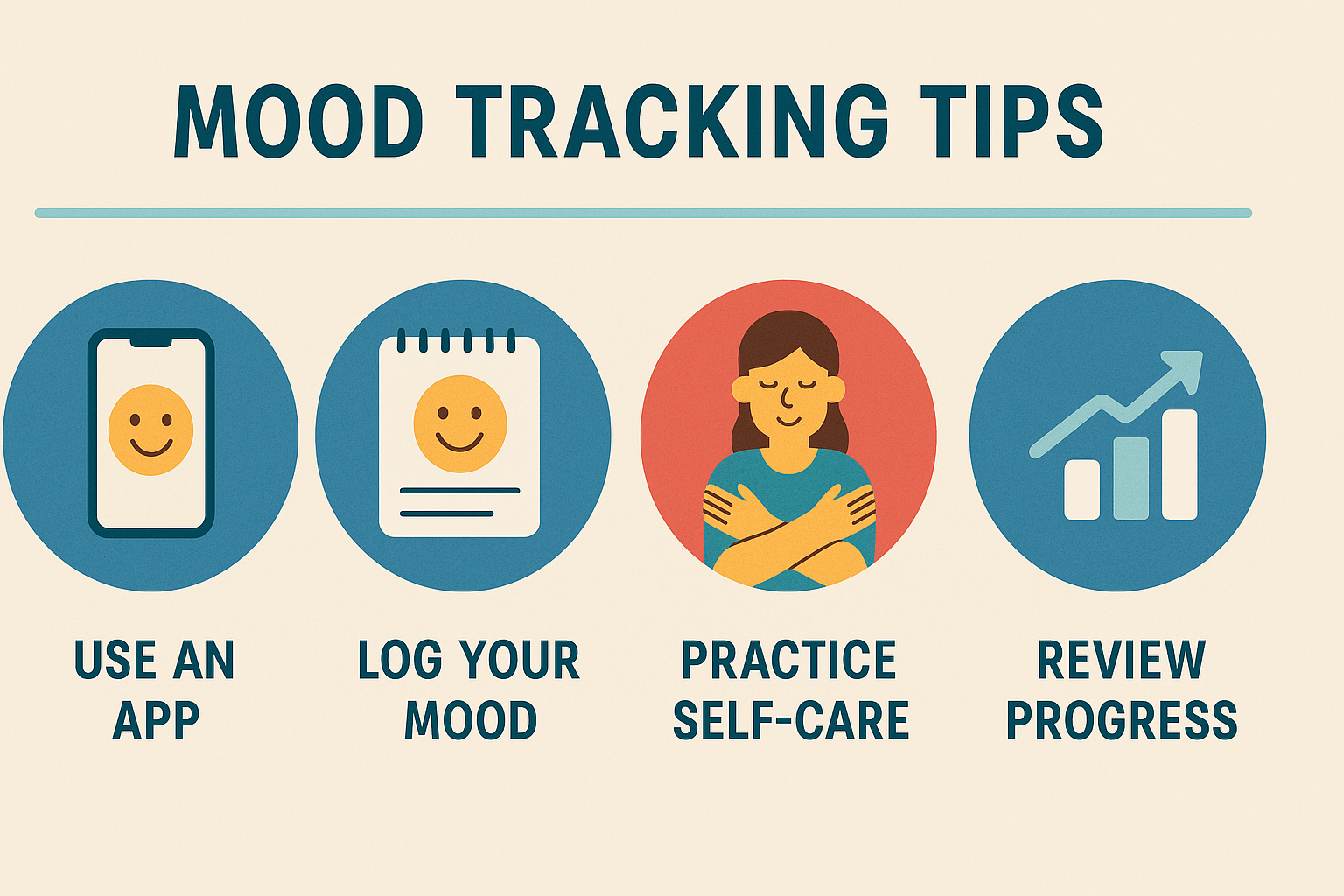
- Track your progress: Many apps have built-in tracking features—use them to monitor how your mental health changes over time
- Be consistent: Like physical exercise, mental health practices work best when done regularly
- Share with your provider: If you’re working with a therapist or doctor, discuss the app you’re using so they can integrate it into your care
- Reassess periodically: If an app isn’t helping after a few weeks of consistent use, consider trying a different approach
- Combine approaches: Apps work best as part of a comprehensive wellness strategy that includes sleep, exercise, nutrition, and social connection
Digital Tools for Real Mental Health Improvement

The digital mental health landscape continues to evolve rapidly, with increasingly sophisticated, research-backed tools becoming available. While no app can replace the human connection of traditional therapy, evidence-based mental health apps offer accessible, affordable options that genuinely help many people.
As someone who has both professionally researched and personally used these tools, I’ve seen how they can transform daily mental health practices. The key is choosing apps with scientific validation rather than those with merely appealing marketing.
Whether you’re looking for support between therapy sessions, waiting for your first appointment, or simply wanting to build better mental health habits, these eight apps represent the best current options for digital mental health support that actually makes a difference.
Remember that mental health is deeply personal—what works wonderfully for one person might not resonate with another. Be patient with yourself as you explore these tools, and don’t hesitate to seek professional support when needed. Your mental health journey deserves both evidence-based approaches and self-compassion.