This post may contains affiliate links. Read our full disclosure here.
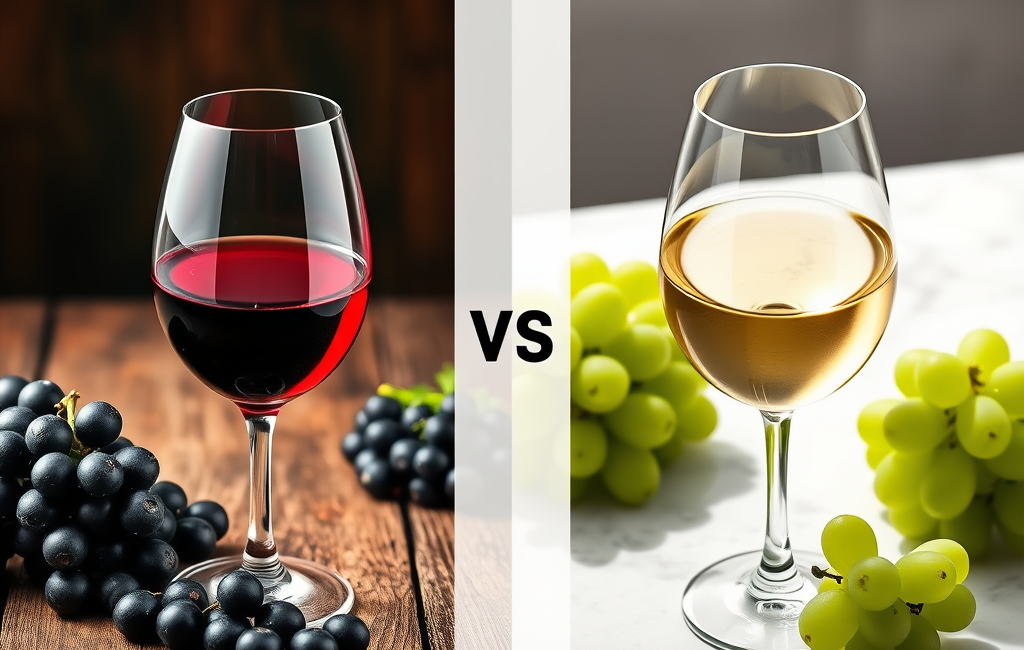
The age-old wine dilemma rarely takes health into consideration: Is red or white wine better for you? While most of us choose based on taste or what pairs with dinner, the health implications of our wine choices deserve attention. As someone who’s spent years studying different wines (and yes, enjoying them too), I’ve always been curious about the science behind what’s in my glass. Is red or white wine better for you? It’s a question worth exploring beyond just preference.
Save $20 on your First Order of $150+ with Code: SAVING20
When friends gather at my place for wine night, this debate often pops up. While taste preferences vary wildly, the health conversation always brings interesting perspectives. Some swear by red’s heart-healthy reputation, while others argue for white’s lighter profile. Let’s settle this once and for all by looking at what medical research actually tells us about these beloved beverages.
The Short Answer:
- Red wine is generally considered healthier due to its higher levels of antioxidants like resveratrol, which may support heart health.

Red Wine’s Health Halo: What Makes It Special?
Red wine has earned its reputation as the healthier wine option for good reason. The secret lies in how it’s made—with the grape skins and seeds remaining in contact with the juice during fermentation. This process allows red wine to absorb more beneficial compounds than its white counterpart.

The star of the show is resveratrol, a powerful antioxidant found primarily in grape skins. According to the American Heart Association, resveratrol may improve blood flow and lower “bad” LDL cholesterol. This natural compound acts as your body’s ally, fighting inflammation and protecting cells from damage.
Research from Harvard Health suggests these polyphenols help reduce inflammation throughout the body. This anti-inflammatory effect might explain why moderate red wine drinkers show lower rates of certain chronic diseases. The polyphenol content in red wine significantly outshines what’s found in white varieties.
Perhaps most intriguing are the longevity studies. The Mayo Clinic reports that moderate red wine consumption has been linked to longer lifespans in several population studies. This connection has fueled interest in the “French Paradox”—how the French maintain relatively healthy hearts despite diets rich in cheese and other fatty foods (hint: regular red wine consumption might play a role).
White Wine’s Health Benefits: The Lighter Side
Don’t count white wine out of the health conversation just yet! While it might not boast the same resveratrol content as red wine, white wine brings its own set of benefits to the table. For starters, it typically contains fewer calories than red varieties—a definite plus if you’re watching your waistline.
White wine generally ranges from 120-150 calories per 5-ounce glass, while many reds fall between 135-165 calories. This might seem like a small difference, but for regular wine drinkers, those calories can add up. The health benefits of moderate wine consumption include this calorie consideration.
Another advantage? White wine typically contains fewer tannins than red wine. Tannins are the compounds that create that dry, sometimes bitter sensation in your mouth. While they have antioxidant properties, tannins can trigger headaches or digestive discomfort in sensitive individuals. If red wine gives you a headache, white wine might be gentler on your system.
White wine still contains antioxidants too—just different ones. They’re rich in caffeic acid, which some research suggests may help prevent kidney and heart disease. While not as potent as the resveratrol package in reds, these compounds still contribute to white wine’s health profile.

Which Wine Should You Choose for Health Benefits?
If health is your primary concern, red wine takes the crown in the “is red or white wine better for you” debate. The resveratrol and antioxidant advantage simply can’t be matched by white varieties. That said, moderation remains absolutely crucial. The American Heart Association recommends no more than one 5-ounce glass daily for women and two for men.
Not all red wines are created equal when it comes to health benefits. Pinot Noir consistently ranks as one of the healthiest options due to its higher resveratrol content and lower sugar levels. Growing in cooler, wetter climates forces these grapes to produce more resveratrol to protect themselves. Pinot Noir varieties offer both taste and health benefits worth exploring.
Cabernet Sauvignon comes in as another excellent choice, packed with heart-healthy flavonoids. Its thick skins and long fermentation process maximize the extraction of beneficial compounds. I’ve found that learning about red wine food pairings helps make these healthier options even more enjoyable.
For white wine lovers, don’t despair! Sauvignon Blanc offers a crisp, refreshing option that’s typically lower in calories and sugar than many other whites. Unoaked Chardonnay provides another health-conscious white wine choice, avoiding the extra calories that can come with oaked varieties. While exploring options, consider how sparkling varieties fit into the health picture too.

Balancing Wine and Health: The Right Approach
The most important factor in the health equation isn’t necessarily red versus white, but how much you’re drinking. The potential benefits of wine quickly disappear with excessive consumption. What counts as excessive? For women, anything beyond one glass per day; for men, more than two glasses.
Integration with meals matters too. Wine consumed with food is metabolized differently than drinking on an empty stomach. The food and wine pairing fundamentals not only create better taste experiences but can help moderate alcohol absorption. This approach aligns with Mediterranean drinking patterns, which research associates with better outcomes.
Be mindful of wine’s sugar content, especially if you have diabetes or are watching your sugar intake. Dry wines generally contain less sugar than sweet varieties. A dry red typically has about 1 gram of sugar per glass, while sweeter wines might have 8 grams or more. White wines usually fall somewhere in between, though dry whites can rival reds for low sugar content.
Individual health considerations should guide your choices too. If you take certain medications, have liver issues, or face other health challenges, the “which wine is healthier” question might be moot. Always check with your healthcare provider about alcohol’s place in your health plan.
Understanding Wine’s Place in a Healthy Lifestyle
The health benefits of wine don’t exist in isolation. They’re part of a broader lifestyle picture that includes diet, exercise, stress management, and sleep. The Mediterranean diet—rich in fruits, vegetables, whole grains, olive oil, and yes, moderate wine—offers the context for wine’s health potential.
When considering if red or white wine is better for you, remember that no amount of resveratrol can counteract poor diet choices or sedentary habits. Wine should complement healthy practices, not compensate for their absence.
Wine’s psychological and social benefits deserve mention too. The ritual of sharing wine with friends or family, savoring its complexities, and participating in the cultural tradition of winemaking all contribute to wellbeing. These factors don’t show up in chemical analyses but matter tremendously for overall health.
For those who prefer not to drink alcohol, grape juice (especially dark varieties) provides some of the same antioxidants without the ethanol. Non-alcoholic wines are improving in quality too, offering another option for those seeking the experience without the alcohol.
The verdict on “is red or white wine better for you” leans decidedly toward red wine from a purely nutritional standpoint. Its richer concentration of beneficial compounds, particularly resveratrol, gives it the health edge. However, the best wine for you personally depends on your specific health circumstances, taste preferences, and how it fits into your overall lifestyle.
Remember that wine should bring pleasure first and foremost. The potential health benefits make for a lovely bonus, not the primary reason to enjoy a glass. Whether you reach for a bold Cabernet or a crisp Sauvignon Blanc, savor it mindfully, moderately, and preferably in good company. After all, the joy wine brings to our tables and gatherings might be its most powerful health benefit of all.