This post may contains affiliate links. Read our full disclosure here.
When I tell friends that I’m obsessed with Gothic architecture interior design, they often look at me like I’m planning to turn my living room into the set of a vampire movie. Let’s clear this up once and for all: Gothic design is about drama and historical opulence, not cobwebs and coffins! In 2025, Gothic architecture interior design has evolved into one of the most sophisticated approaches for those who crave depth and character in their spaces. The pointed arches, ribbed vaults, and ornate details that defined medieval cathedrals can translate beautifully into home design.
The trick to nailing this look is understanding the difference between tasteful Gothic-inspired design and Halloween decor that never got packed away. Gothic architecture interior design is actually rooted in light, height, and spiritual transcendence – not darkness and doom. With the right color palette, architectural elements, and styling choices, you can create a space that feels like a modern interpretation of medieval grandeur rather than a haunted mansion. Let me show you how!
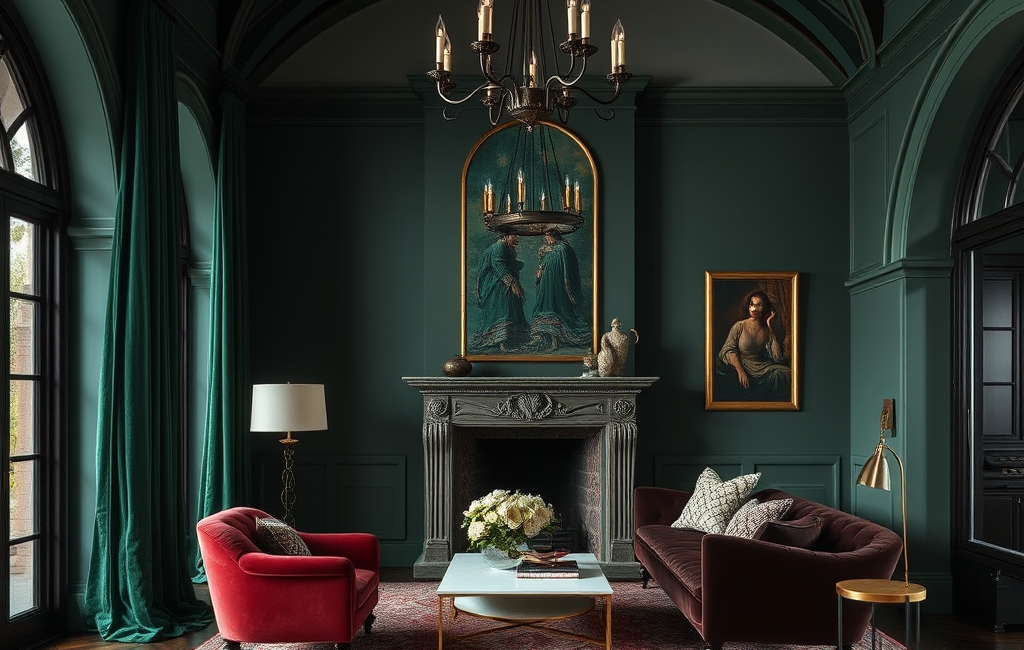
Rich Color Palettes That Won’t Summon Spirits
The foundation of Gothic architecture interior design begins with color, and contrary to popular belief, it’s not all about painting everything black. While darker tones do feature prominently, the key is creating depth through layered, sophisticated color combinations. When I redesigned my dining room last year, I learned that the right color palette makes all the difference between “elegant Gothic” and “abandoned castle.”
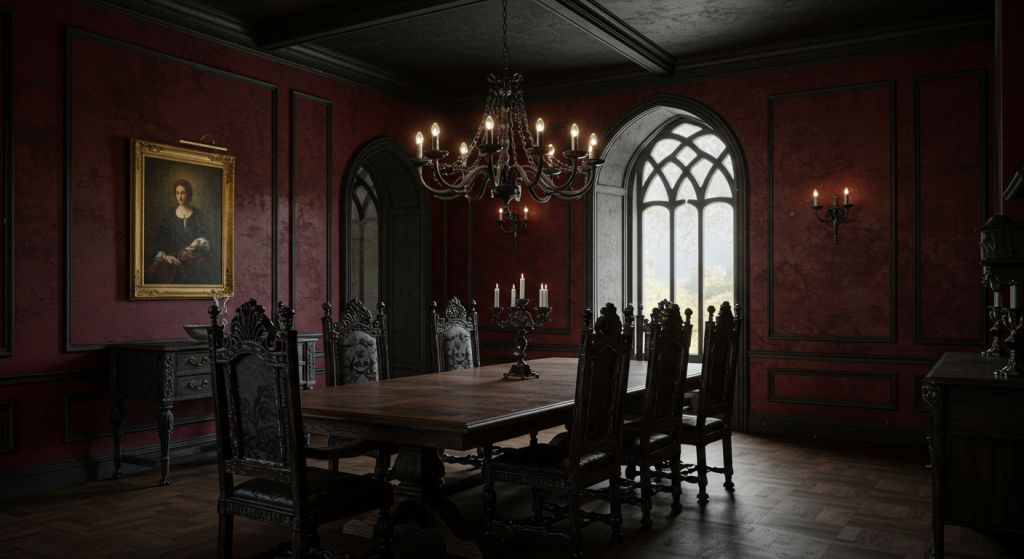
Start with deep, jewel-toned base colors that create atmosphere without feeling oppressive. Royal blues, emerald greens, rich burgundies, and deep purples all capture the Gothic essence beautifully. Pair these with charcoal or black accents – not entire walls – to create the dramatic contrast that defines this style.
- Jewel Tones: Emerald, sapphire blue, or ruby red against darker neutrals creates luxurious depth
- Warm Metallics: Incorporate gold, brass, and copper fixtures to soften the drama and reflect light
- Neutral Accents: Use cream, ivory, or taupe to prevent the space from feeling too heavy
Spring’s home decor trends are showing more Gothic-inspired color palettes than ever before, proving this style can feel fresh and contemporary.
Note: Avoid flat, matte black on every surface. Instead, opt for high-gloss or textured finishes that catch and play with light, creating dimension rather than simply absorbing it.
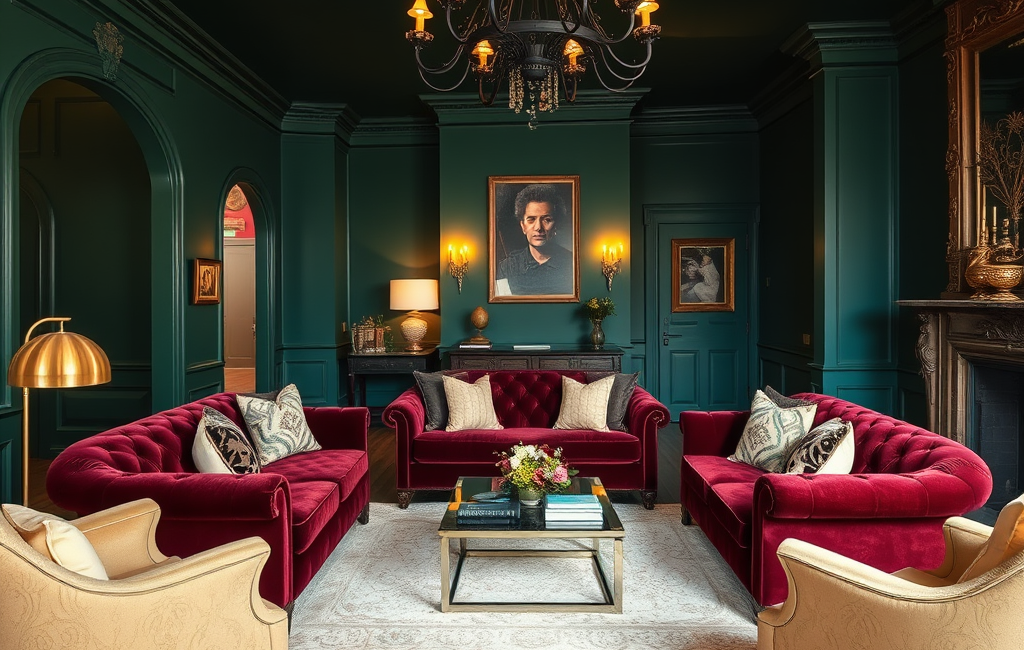
Architectural Elements That Speak Volumes
The beauty of Gothic architecture interior design lies in its distinctive architectural elements. You don’t need to live in a cathedral to capture this aesthetic – subtle architectural details can transform an ordinary space into something extraordinary and historically inspired. My boyfriend thought I was crazy when I suggested adding pointed arch details to our standard doorways, but now it’s everyone’s favorite feature in our home.
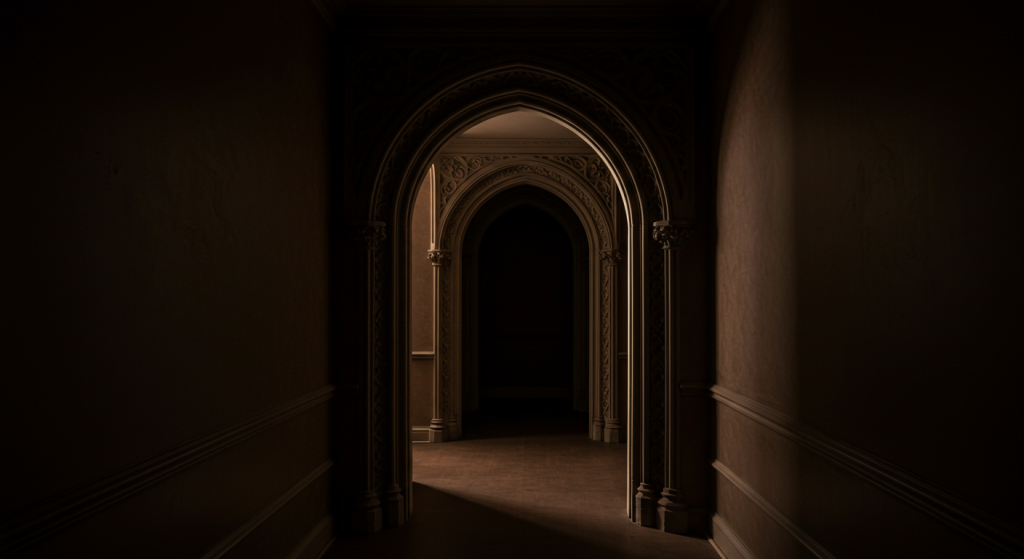
Focus on incorporating signature Gothic elements in measured doses. Architectural details should feel purposeful rather than theatrical. Consider how each element contributes to the overall atmosphere you’re creating.
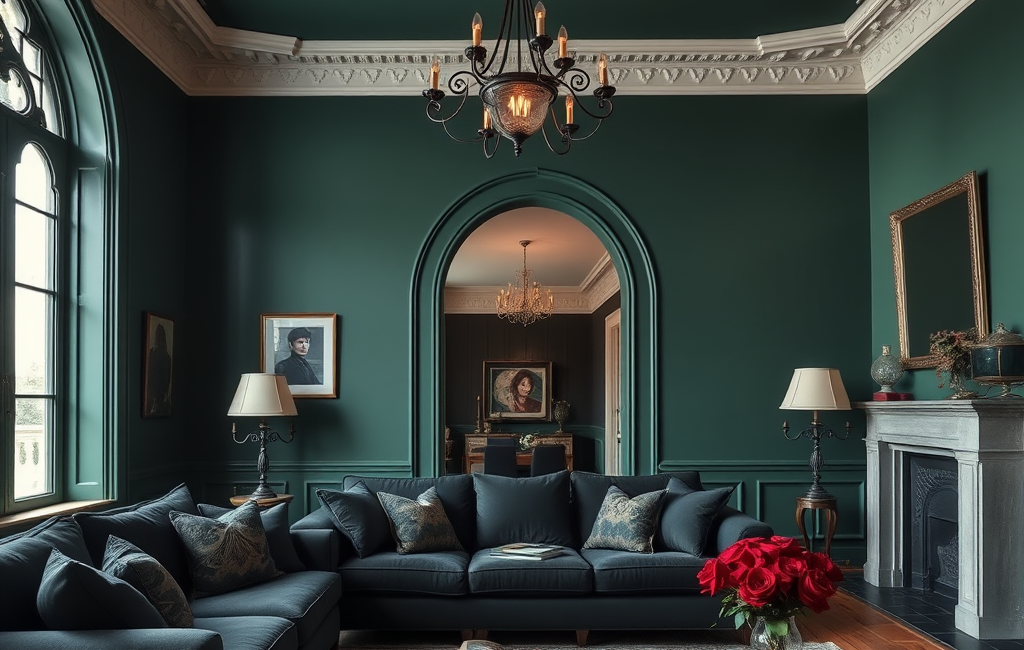
- Arched Details: Frame doorways, windows, or mirrors with Gothic arches – even simple moldings can transform a space
- Ornate Carved Elements: A statement mantel, decorative wall panel, or carved wooden screen adds authentic character
- Wrought Iron Accents: Integrate these through stair railings, light fixtures, or decorative wall pieces
For my apartment’s living room makeover, I added curated architectural elements like a Gothic-inspired mirror and wrought iron candle holders that provided just enough medieval flavor without overwhelming the space.
Pro Tip: Gothic design is about grandeur, not ghosts. Let architectural details whisper the style rather than scream it. One statement piece often has more impact than filling every corner with themed elements.
Furniture That Whispers Medieval Without Screaming Dungeon
Furniture selection can make or break your Gothic architecture interior design vision. The goal is to find pieces that honor medieval craftsmanship while still offering modern comfort and functionality. After spending way too much time in antique shops last summer, I’ve found that the best approach is looking for silhouettes with Gothic influences rather than full-on medieval reproductions.
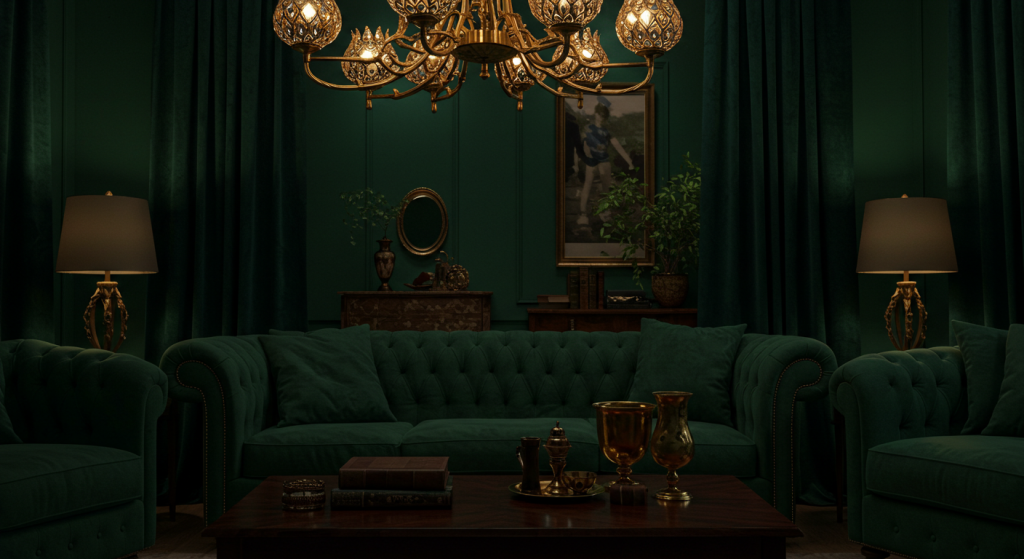
Opt for pieces with dramatic proportions, rich materials, and intricate details that nod to Gothic sensibilities without feeling like museum artifacts. These elements can blend surprisingly well with cleaner, more contemporary items.
- Statement Beds: Canopy beds or tall, ornate headboards upholstered in velvet create luxury
- Substantial Wood Furniture: Look for walnut or oak pieces with carved details and substantial presence
- Tufted Upholstery: Chesterfield sofas, wingback chairs, or tufted ottomans in rich fabrics add period-appropriate luxury
When styling my own living room, I paired a dramatic high-backed settee with a carefully styled coffee table that balanced Gothic character with clean functionality.
Note: Be mindful of scale. Overly massive furniture can feel oppressive in smaller spaces. Balance is key – mix statement Gothic pieces with simpler items to create breathing room.
Luxurious Textures That Add Sensory Depth
Gothic architecture interior design is incredibly tactile. The interplay of textures creates a rich, multi-dimensional experience that invites touch and creates visual interest. During my home styling career, I found that texture is what transforms Gothic-inspired spaces from flat and theatrical to genuinely luxurious.
Layer different materials to create a space that feels intentionally curated rather than thrown together. This approach helps prevent the heavyweight of Gothic design from feeling oppressive.
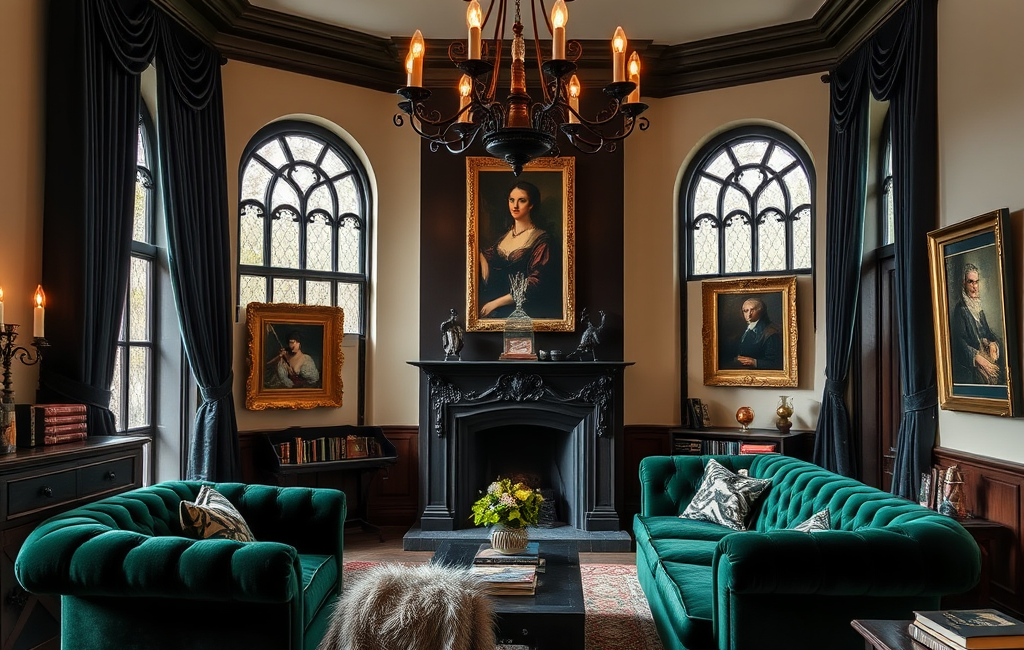
- Sumptuous Fabrics: Incorporate velvet drapes, brocade pillows, and silk accents in deep, rich hues
- Natural Materials: Balance ornate elements with leather furniture, wooden panels, or stone accents
- Layered Textiles: Add tapestry wall hangings, fur throws, or embroidered cushions for depth
One of my favorite techniques is layering luxury rugs in complementary patterns to create zones within larger spaces while adding texture underfoot.

Designer Trick: Combine smooth and rough textures, such as pairing polished marble with raw wood or sleek velvet with hammered metal, to create tactile contrast that adds dimension.
Dramatic Lighting That Creates Atmosphere
Nothing defines Gothic architecture interior design quite like lighting. The way light plays through stained glass in cathedrals creates that magical, otherworldly quality we associate with Gothic spaces. In home design, lighting needs to be atmospheric yet functional – moody without being murky. This balance took me several attempts to perfect in my own dining room.
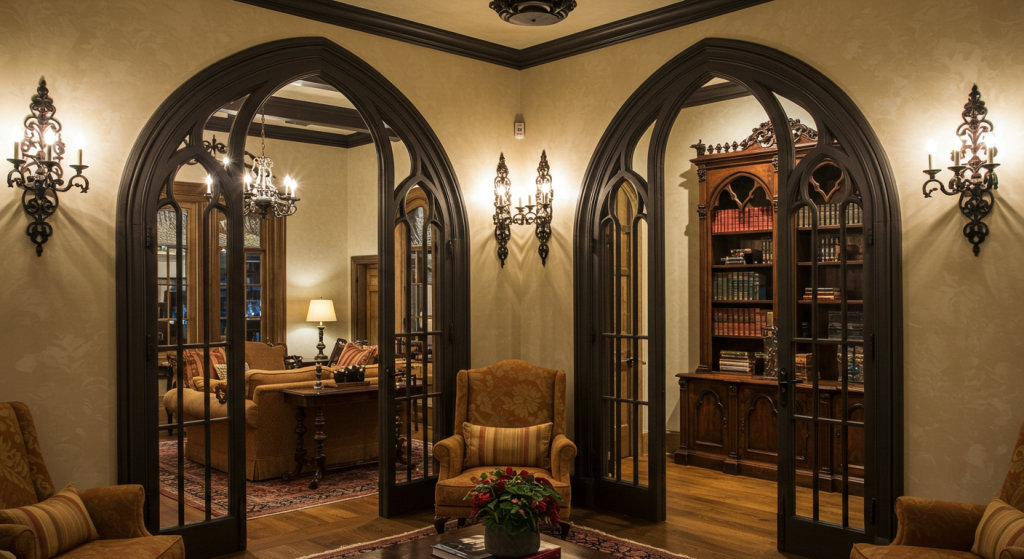
The right lighting transforms Gothic-inspired spaces from potentially dark and somber to rich and inviting. Create layers of light at different heights to mimic the complex illumination of Gothic buildings.
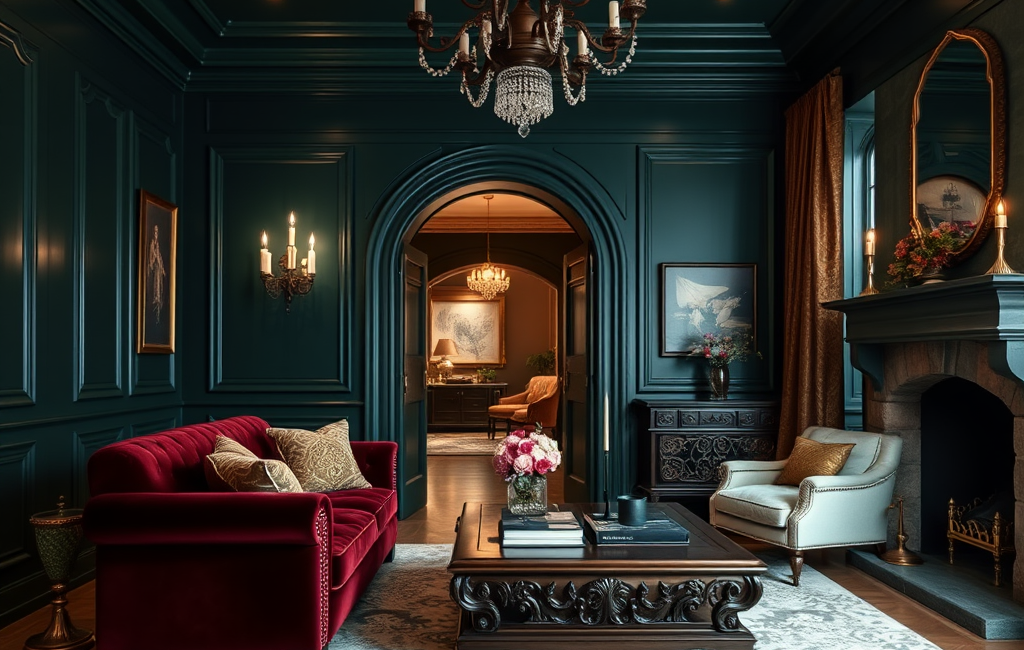
- Statement Chandeliers: Choose crystal or wrought iron designs that cast interesting shadows
- Wall Sconces: Place these at eye level to create a warm, intimate glow reminiscent of firelight
- Task Lighting: Include adjustable reading lamps or under-cabinet lighting for functionality
- Candlelight: Group pillar candles (real or LED) on mantels, dining tables, or shelves for authentic ambiance
Smart lighting technology has been a game-changer for my Gothic-inspired spaces. Programmable dimmers let me adjust the mood from dramatic to practical depending on the time of day.
Lighting Tip: Install lights with warm color temperatures (2700-3000K) rather than cool white bulbs, which can make Gothic interiors feel harsh and institutional rather than inviting.
Thoughtful Accessories That Tell Your Story
Accessories are where many Gothic-inspired interiors go wrong, veering into Halloween territory. The key is choosing pieces with historical resonance and personal meaning rather than generic spooky décor. This is where you can style your space to reflect both Gothic inspiration and your personal aesthetic.
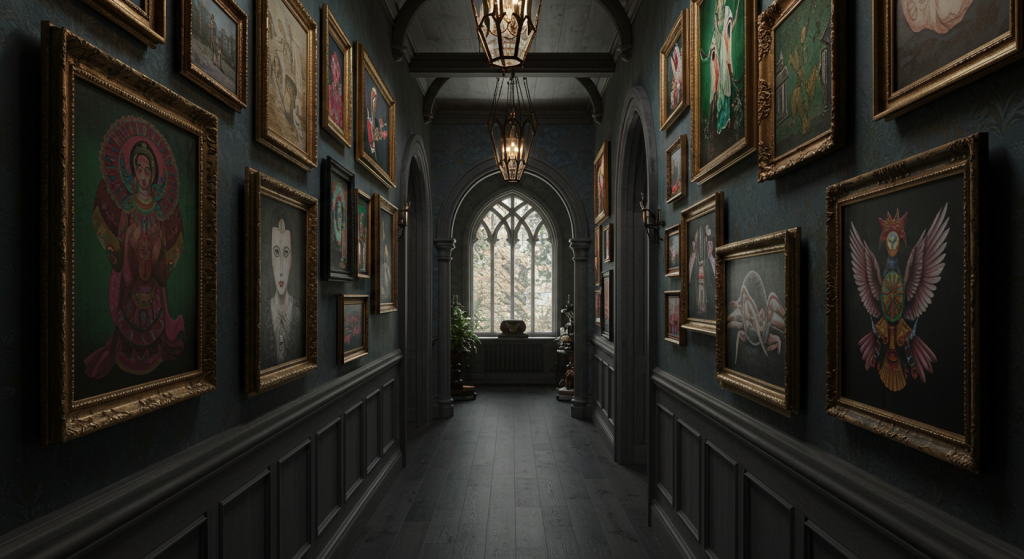
Focus on quality over quantity. A few well-chosen pieces with historical context or craftsmanship will have more impact than numerous mass-produced themed items.
- Antique or Vintage Finds: Display leather-bound books, glass decanters, or brass candlesticks
- Botanical Elements: Arrange dark red roses, dried herb bundles, or dramatic greenery in stone or metallic vessels
- Art with Gothic Influence: Hang landscapes with medieval architecture, botanical illustrations, or classical portraits
- Religious Artifacts: Antique crosses, stone rosary beads, or architectural salvage from churches (if aligned with your beliefs)
What to avoid? Anything that screams “Halloween store” – plastic skulls, fake spiderwebs, or cheesy gothic novelties have no place in sophisticated Gothic architecture interior design.
My personal approach focuses on creating vignettes that combine Gothic elements with modern pieces. A contemporary art piece hanging above an ornate console table creates the perfect tension between old and new.

The beauty of Gothic architecture interior design in 2025 is how adaptable it is to personal expression. By understanding the foundational elements – from color and texture to lighting and architectural details – you can create spaces that feel dramatically rich without sliding into theatrical territory. The most successful Gothic-inspired interiors balance historical references with contemporary comfort.
Whether you incorporate just a few Gothic elements or fully embrace the style, the key is thoughtful curation. Select pieces with intention, focus on quality materials, and honor the architectural principles that make Gothic design so enduringly captivating. Your home should tell your story, not recreate a movie set. With these principles in mind, you’ll create a space that’s dramatically beautiful, deeply personal, and definitively not haunted.