This post may contains affiliate links. Read our full disclosure here.
Gift giving mistakes that hurt relationships can sneak up on even the most well-intentioned people. I’ve noticed how these seemingly small missteps create ripples that affect connections in surprising ways. When we exchange gifts, we’re not just swapping objects—we’re communicating feelings, understanding, and care. These tokens carry emotional weight far beyond their physical presence, and when we miss the mark, our partners and friends can feel unseen in ways that sting more than we realize.

The depth of hurt from gift giving mistakes often comes from what remains unsaid. That gorgeous vase might actually communicate “I didn’t listen when you mentioned wanting concert tickets,” while a forgotten anniversary whispers “Your milestones aren’t on my radar.” Understanding these unspoken emotional messages is crucial for maintaining healthy relationships and avoiding the quiet disappointment that builds walls between people who care about each other.
Why Gift Giving Mistakes Hurt More Than You Think

That sinking feeling when someone opens your gift with a forced smile isn’t just awkwardness—it’s relationship damage happening in real time. Gift giving mistakes that hurt relationships cut deeper than surface disappointment because gifts represent how well we understand the people we care about. They’re tangible proof of attention and care—or lack thereof.
When my boyfriend’s sister received a generic lotion set from her husband on their anniversary after specifically mentioning a book she wanted, the hurt in her eyes wasn’t about the lotion—it was about feeling invisible in her marriage. These moments matter because:
- Gifts serve as emotional proxies for how deeply we see someone
- Misaligned gifts can unintentionally communicate indifference
- The disappointment lingers long after the occasion passes
- Small missteps accumulate into patterns of feeling unvalued

The weight these exchanges carry explains why someone might seem “too sensitive” about a gift. They’re not reacting to the object—they’re responding to what it represents. When your partner remembers the wine you mentioned liking months ago, it feels like being truly seen. When they grab a random gift card on the way to dinner, it feels like an afterthought, even when they didn’t mean it that way.
“The wrong gift doesn’t mean you don’t care—it just means you missed the message.”
1. Ignoring Their Love Language
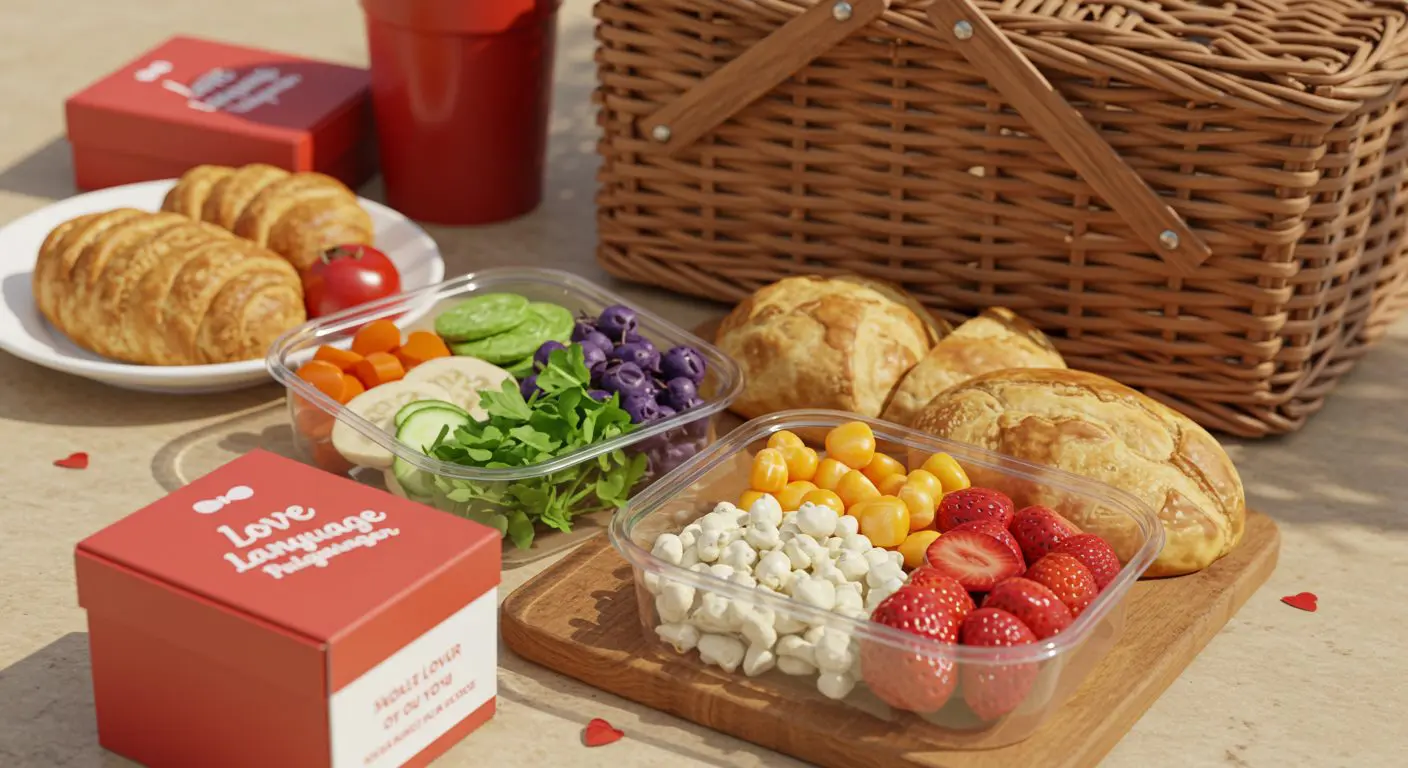
The disconnect happens fast: you spent weeks finding the perfect physical gift, but your partner would have preferred quality time at a favorite restaurant. Love languages aren’t just relationship theory—they’re practical guidelines for avoiding gift giving mistakes that hurt relationships. When we miss someone’s primary way of receiving love, even expensive or well-intended gifts fall flat.
- Words of Affirmation lovers cherish heartfelt cards more than costly items
- Quality Time people value experiences over objects
- Acts of Service recipients might prefer help with a project over a store-bought gift
- Physical Touch people might value comfort items that remind them of closeness
My college roommate once spent her entire paycheck on a designer bag for her boyfriend, who looked visibly underwhelmed. Later she discovered his love language was Quality Time—he would have treasured a weekend adventure more than anything money could buy. Understanding how someone prefers to receive love transforms gift-giving from a guessing game into meaningful connection.
Not sure about your loved one’s love language? Consider how they show love to others—we often give what we hope to receive. Someone who’s always planning outings probably values Quality Time, while someone who writes thoughtful notes likely appreciates Words of Affirmation. Matching your gift approach to their love language shows you’re paying attention to who they truly are. Finding a unique wine gift for someone who appreciates quality time might mean planning a vineyard tour rather than just wrapping a bottle.
2. Making It About You
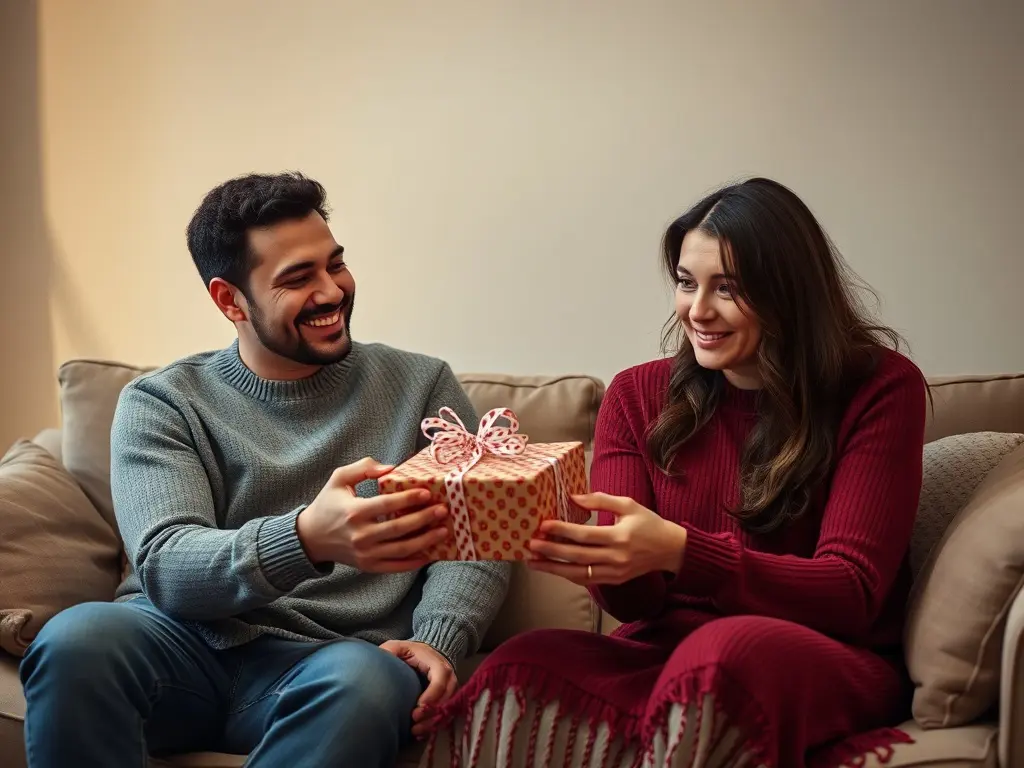
We’ve all done it—bought something we secretly wanted for ourselves and called it a gift. This common gift giving mistake that hurts relationships happens when we project our own tastes instead of considering what would truly delight the recipient. That kitchen gadget might excite you, but does your partner share your culinary enthusiasm?
- Self-centered gifts subtly communicate “I don’t really know you”
- Projecting your interests onto others creates emotional distance
- Recipients can tell when a gift reflects your preferences, not theirs
- This mistake often comes from good intentions but poor observation
A friend once confessed she’d given her husband a high-end coffee maker—despite him being a tea drinker—because she wanted fancy coffee every morning. The gift created tension rather than connection because it prioritized her desires over his preferences. While her intentions weren’t malicious, the message received was: “My wants matter more than yours.”
Shifting from self-focus to genuine curiosity about what would make someone else happy transforms gift giving from an obligation into an opportunity for deepening connection. Listen when they mention wanting something, note their enthusiasms, and remember what brings them joy. This thoughtfulness creates bonds that generic or self-serving gifts never will. If you’re struggling with ideas, finding meaningful gifts for your boyfriend becomes easier when you set aside what you would want and tune into his actual interests.
3. Giving Practical, Unemotional Gifts
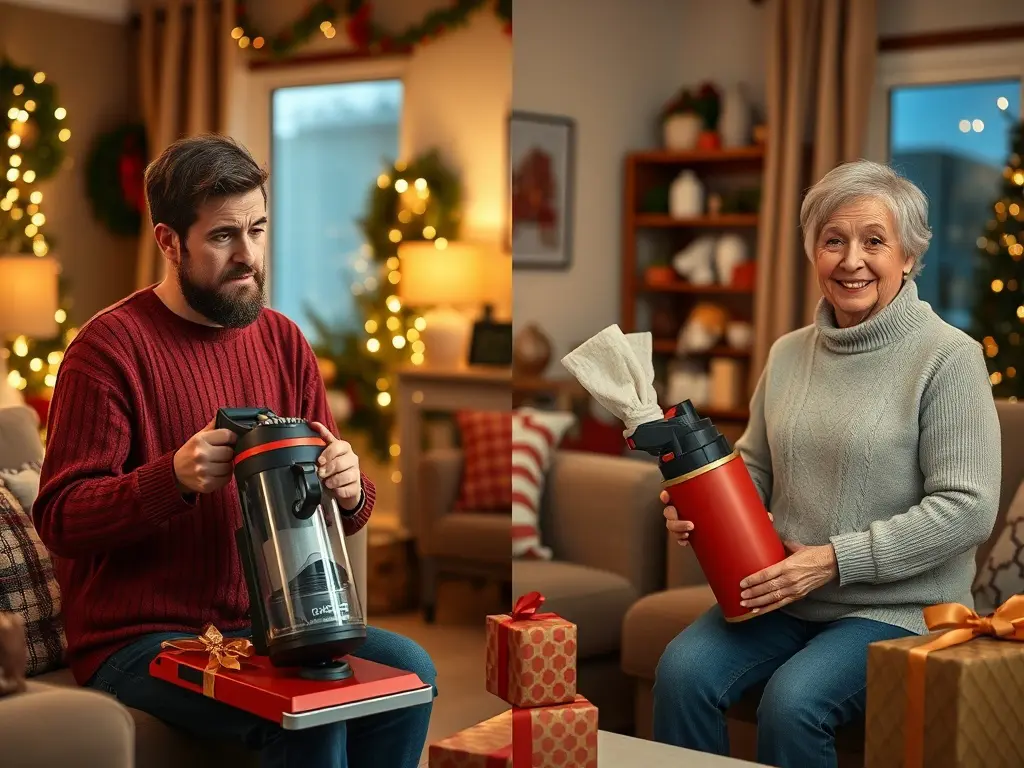
Nothing says “I love you” quite like… a new vacuum cleaner? Practical gifts can be relationship landmines when they lack emotional resonance. Gift giving mistakes that hurt relationships often include well-intentioned but cold practical items that feel more like household maintenance than celebration.
- Practical gifts without sentiment can feel like chore assignments
- Household necessities rarely create moments of joy or connection
- Functional items need emotional context to become meaningful gifts
- Gift occasions should feel special, not like errands were completed
My sister still talks about the Christmas her husband gave her a set of pots and pans with the romantic line: “You mentioned the old ones were scratched.” While practically useful, the gift failed to acknowledge her as a person beyond household duties. Contrast this with my cousin who received cooking classes alongside new cookware from her partner—the practical gift became an experience and opportunity for growth.
The difference lies in thoughtfulness. Practical gifts can work when they solve a problem the recipient has mentioned or come with an emotional component that transforms utility into thoughtfulness. The key is balance—practicality with personal meaning creates gifts that resonate on multiple levels. Creating personalized DIY gifts often solves this problem by combining usefulness with handmade thoughtfulness that shows genuine care.
4. Overcompensating with Expensive Gifts

The price tag won’t patch emotional gaps. One of the most subtle gift giving mistakes that hurt relationships is trying to substitute thoughtfulness with luxury. That designer bag might impress initially, but without personal meaning, its emotional value depreciates quickly—leaving both people feeling emptier than before.
- Expensive gifts can’t replace emotional investment or attention
- High-priced items without personal meaning feel like emotional shortcuts
- Lavish gifts may create pressure or discomfort for the recipient
- Price-focused giving often masks deeper relationship issues
A colleague once shared how her ex-partner would buy extravagant jewelry after arguments instead of addressing problems. Each necklace became a symbol of unresolved conflict rather than affection. The pattern created resentment where gratitude should have been, as the gifts felt like emotional bribes rather than expressions of love.
Meaningful giving comes from attention, not your credit card limit. A handwritten letter recalling specific moments or an inexpensive item that references a shared joke often creates more genuine connection than luxury items chosen without personal consideration. The most memorable gifts combine thoughtfulness with presentation—showing you invested time and attention, not just money. Looking to create something truly memorable? Creating gift experiences often means more than material items, regardless of price.
5. Forgetting Important Dates

Few relationship mistakes sting quite like the forgotten birthday or anniversary. When important dates slip by unacknowledged, gift giving mistakes that hurt relationships transform into significant emotional wounds. The message received isn’t about forgetfulness—it’s about priority and value.
- Missed milestones signal that the relationship isn’t top-of-mind
- Last-minute scrambling feels worse than thoughtful lateness
- Patterns of forgetting create cumulative emotional damage
- Digital tools make date-tracking easier than ever—forgetting feels like choice
I once watched my friend try to hide her disappointment when her partner completely forgot their anniversary. His rushed grocery store flowers the next day only compounded her hurt feelings—showing he remembered but hadn’t considered it important enough to plan ahead. The emotional fallout lasted far longer than the wilted roses.
This mistake is especially damaging because it’s entirely preventable. Calendar alerts, digital reminders, even old-school notes—countless tools exist to remember important dates. Taking five minutes to set these up communicates that maintaining the relationship deserves basic effort and attention. And if you do miss a date? Acknowledge it directly, take full responsibility, and create a meaningful makeup gesture rather than a rushed afterthought. Sometimes people going through major life changes need extra thought—finding gifts for people going through divorce requires sensitivity to both timing and emotional needs.
6. Going Generic or Last-Minute

The generic bath set. The store gift card. The whatever-was-at-the-checkout-counter purchase. These last-minute selections represent one of the most common gift giving mistakes that hurt relationships. While emergency situations happen, patterns of generic gifting gradually erode relationship quality by communicating a lack of specific attention.
- Generic gifts suggest the recipient could be anyone—not a specific person you care about
- Last-minute selections often reveal poor planning rather than emergencies
- Mass-produced “gift sets” rarely create meaningful connections
- The effort matters as much as the actual gift
My cousin’s face fell when she opened a generic department store gift set from her husband of ten years—identical to the one he’d given his mother, sister, and assistant. It wasn’t about the bath products; it was about the message that after a decade together, he still hadn’t noticed her preferences or tastes. The gift felt anonymous in a relationship that should be anything but.
The antidote to generic gifting is simple: pay attention throughout the year. Notice what someone pauses to look at in store windows. Listen when they mention things they want but wouldn’t buy themselves. Keep a running note on your phone when they express interest in something. These small observations transform into personalized gifts that show genuine care and attention—even when your budget is limited. The thought really does count, but only when there’s actual thought involved.
7. Gifting to Get Something
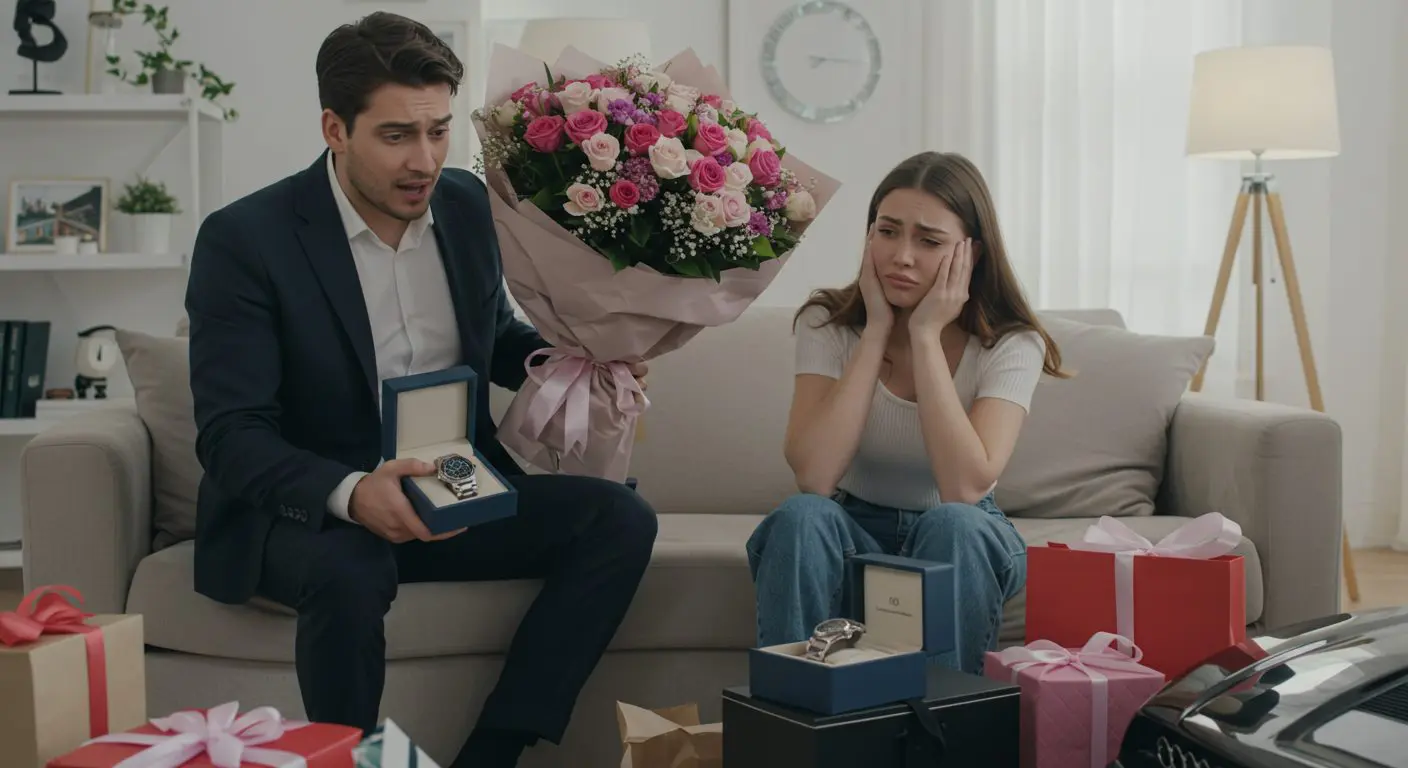
The hidden contract in some gifts creates serious relationship damage. Among gift giving mistakes that hurt relationships, this manipulative approach might be the most toxic—turning what should be generosity into emotional debt collection. Whether it’s giving to receive praise, reciprocation, or relationship leverage, gifting with strings attached poisons the exchange.
- Gifts with expectations create obligation rather than appreciation
- Using gifts to manipulate emotions or actions damages trust
- Recipients can sense when a gift comes with unspoken conditions
- True giving comes from generosity, not anticipated return
A friend’s partner once gave her an expensive necklace, then spent months subtly referencing it whenever he wanted her to do something his way. “After all I’ve done for you…” became his refrain, with the gift transformed into currency for compliance. What should have been a symbol of affection became a tool for control, damaging their foundation of trust.
Healthy gift-giving means releasing expectations about how the recipient should respond. Their reaction belongs to them—whether it matches your hopes or not. Giving from genuine care means celebrating their joy without needing validation, gratitude displays, or reciprocal gestures. When you catch yourself keeping score or feeling resentful about a gift’s reception, it’s worth examining whether your giving comes from generosity or from seeking emotional returns.
8. Repeating the Same Gift Every Year

The annual socks. The predictable candle. The never-changing gift card. Repetitive gift giving mistakes that hurt relationships might seem minor compared to other errors, but they gradually communicate a lack of fresh attention and effort. While traditions have value, mindless repetition without evolution suggests the relationship is on autopilot.
- Repeated identical gifts suggest minimal ongoing attention to changing preferences
- What worked five years ago may not match who they are today
- Evolution shows continued curiosity about who someone is becoming
- Even beloved traditions benefit from thoughtful refreshing
My aunt received the same brand of perfume from her husband for 15 consecutive birthdays—despite mentioning several times that her tastes had changed. The gift became a symbol of conversational disconnect rather than thoughtfulness. What began as a touching tradition became evidence that he wasn’t listening to who she was becoming over time.
The solution isn’t abandoning traditions entirely, but evolving them thoughtfully. That annual book gift might focus on their current interests rather than the same genre. The traditional anniversary dinner might explore new restaurants. Even simple gifts benefit from fresh consideration: “I know you love candles, so I found this new scent that reminded me of our trip last summer.” This approach honors the past while acknowledging growth—just like healthy relationships themselves.
Intentional vs. Unintentional Gift Messaging
| Mistake | How It Feels | Better Approach |
|---|---|---|
| Buying what you would want | “You don’t really see me as an individual” | Listen year-round for clues about their preferences |
| Missing important dates | “Our relationship isn’t worth remembering” | Set multiple digital reminders weeks in advance |
| Going with expensive but impersonal gifts | “You’re trying to buy emotion, not earn it” | Balance monetary value with personal meaning |
| Giving overly practical items | “You see me as a function, not a person” | Pair practicality with personal significance or experiences |
Understanding gift giving mistakes that hurt relationships helps us become more conscious of the messages we’re really sending. The gift itself matters less than the thought, care, and attention behind it. That simple trinket from a street vendor who remembered your conversation becomes infinitely more precious than an expensive item chosen without consideration.
Moving beyond these common mistakes requires ongoing curiosity and emotional presence. Stay attentive to changing preferences, listen for mentions of wishes, and focus on bringing joy rather than checking obligations off your list. Thoughtful giving creates moments of genuine connection—showing someone they’re truly seen, valued, and understood in ways that transcend the physical gift.
Remember that gift giving isn’t about perfection—it’s about paying attention. When you make a misstep (and we all do), acknowledge it with grace, learn from it, and do better next time. The willingness to grow and adapt your approach shows more love than even the most perfect gift ever could. Because ultimately, the greatest gift in any relationship is the ongoing effort to truly know each other—not just on special occasions, but every day.