This post may contains affiliate links. Read our full disclosure here.
I’ve been on a serious wine adventure lately, and let me tell you – there’s this under-the-radar gem that’s about to shake up your wine rack in the best possible way. Currant wine has completely captivated my attention with its bold, vibrant character that stands apart from traditional grape varieties. It’s making quiet waves in the fruit wine scene, and trust me, you’ll want to be ahead of this trend.

As a long-time wine enthusiast who thought I’d tried it all, discovering currant wine felt like finding a hidden treasure. This antioxidant-rich alternative to conventional wines delivers remarkable depth of flavor and stunning color that makes it an instant conversation starter at gatherings. And the best part? Currant wine isn’t just a pretty pour – it’s packed with health benefits that make each sip feel like a smart choice.
What Exactly Is Currant Wine?

- Crafted from fresh black currants or red currants instead of grapes
- Delivers a deep, jewel-toned color that catches the eye
- Naturally rich in antioxidants like vitamin C and anthocyanins
Unlike the cabernets and chardonnays that dominate wine shelves, currant wine is crafted entirely from fermented currant berries. The process is similar to traditional winemaking, but the star ingredient creates a whole new flavor profile and appearance. Black currant wine tends to be darker and more robust, while red currant wine offers a brighter, more tart experience.
What fascinates me most is how this fruit wine stands proudly on its own merits rather than trying to mimic grape varieties. The deep ruby color comes naturally from the berries themselves – no additives needed. During a recent tasting with friends, several wine snobs in our group (you know who you are!) were genuinely surprised by the complexity currant wine delivers.
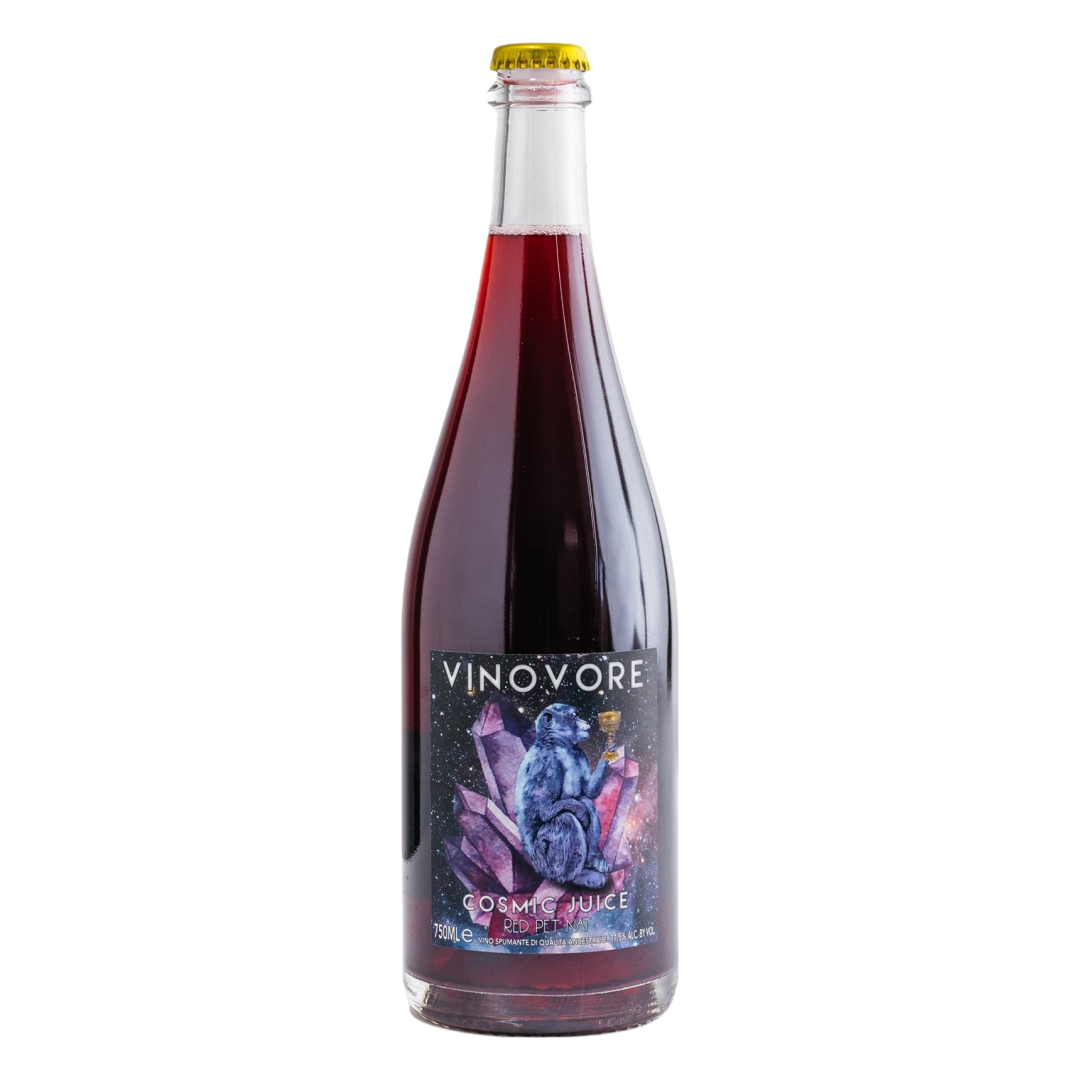
Currant wine sits at an interesting intersection between blackberry wine and more traditional fruit wines, with its own distinctive character that can’t quite be compared to anything else. The fermentation process transforms these tart berries into something truly special – a beverage that feels both rustic and sophisticated at the same time.
How Does Currant Wine Taste?

- Richly tart with beautiful acidity and subtle sweetness
- Flavor profile similar to cranberry, pomegranate, or sour cherry
- Pairs wonderfully with charcuterie, aged cheeses, and chocolate
The first sip of currant wine is always a delightful surprise – it hits you with a bold tartness that quickly gives way to complex berry notes and a gentle sweetness. It’s nothing like the overwhelming sweetness you might expect from a fruit wine. Instead, currant wine offers sophisticated balance that wine lovers appreciate.
When I hosted a wine and cheese night last month, I served a black currant wine alongside my usual selections. The flavor stood up beautifully to aged gouda and paired surprisingly well with dark chocolate truffles for dessert. The zingy finish cut through rich foods perfectly, making it more versatile than many other fruit wines I’ve tried.
If you already enjoy cranberry wine or other tart fruit varieties, currant wine will feel like a natural progression. The earthiness beneath the fruit notes makes it feel more mature and developed than some other fruit wines. It’s like the difference between fruit juice and fine wine – currant wine firmly belongs in the latter category.
Why Currant Wine Is Gaining Popularity


- Perfect fit for the growing craft beverage movement
- Appeals to health-conscious drinkers with its antioxidant content
- Serves as an impressive gift option for wine enthusiasts
The rising interest in currant wine reflects our collective shift toward more unique, artisanal drinking experiences. As we’ve moved away from mass-produced everything, small-batch fruit wines have found their moment to shine. Currant wine, with its distinctive character and limited availability, feels special in a way that mass-market wines simply can’t match.
The health angle can’t be overlooked either. At a time when many of us are more conscious about what we consume, currant wine offers impressive nutritional credentials. Black currants contain more vitamin C than oranges, and the anthocyanins that give the wine its beautiful color are powerful antioxidants. While I’m not suggesting it’s a health food (it’s still alcohol, after all), it does feel nice knowing there’s some nutritional benefit alongside the enjoyment.
Social media has played a huge role in spreading the word, too. The photogenic deep red color of currant wine makes for gorgeous Instagram posts, and the “discovery” factor gives people something new to share and discuss. I’ve noticed strawberry wine had a similar moment not long ago, but currant wine’s more sophisticated profile seems to be attracting a broader audience of serious wine appreciators.
Where to Find Currant Wine

- Available through regional fruit wineries and specialty online retailers
- Popular in regions like Canada, Eastern Europe, and parts of the US
- Often released as seasonal or limited-edition productions
Finding currant wine might take a bit more effort than grabbing a bottle of pinot noir from your local grocery store, but the hunt is absolutely worth it. Boutique wineries that specialize in fruit wines are your best bet – many have online shops that ship nationwide. I recently ordered a beautiful black currant wine from a small producer in Washington state that I discovered through a wine forum.
Eastern European countries have a long tradition of making excellent currant wines, so specialty importers often carry selections from Poland, Hungary, and the Baltic states. Canada has also developed a reputation for quality currant wines, particularly from regions where the berries grow abundantly. These international options often bring unique regional characteristics to their wines.

Don’t overlook local farmer’s markets and harvest festivals, especially in late summer and fall. Small producers sometimes sell their raspberry wine and currant wines directly to consumers at these events. I found a fantastic red currant wine at a harvest festival last year that never made it to retail shops – the entire batch sold out during the weekend event!
The Nutritional Profile of Currant Wine

- Higher antioxidant content than most grape wines
- Contains beneficial compounds like anthocyanins and polyphenols
- Often features lower sugar levels than other fruit wines
The nutritional benefits of currant wine are genuinely impressive when compared to conventional wines. Black currants in particular are nutritional powerhouses, packed with vitamin C, antioxidants, and anti-inflammatory compounds. While the fermentation process changes some of these compounds, many of the beneficial elements remain in the finished wine.
What’s particularly interesting about currant wine is that it typically contains a higher level of anthocyanins – the compounds responsible for the deep purple-red color – than grape wines. These powerful antioxidants have been studied for their potential benefits for heart health and inflammation reduction. Of course, moderation remains key, as with any alcoholic beverage.
Many of the currant wines I’ve tried tend to be less sweet than other fruit wines, which is good news for those watching their sugar intake. Winemakers often let the natural tartness of currants shine rather than adding excessive sweeteners. This makes currant wine a surprisingly good option for those who prefer drier styles but want to explore beyond traditional grape varieties.
Is Currant Wine the Next Big Thing?

- Offers unique appeal in a crowded wine marketplace
- Perfectly positioned for adventurous wine drinkers
- Growing interest suggests expanded availability in 2025
After trying various currant wines over the past year, I’m convinced this underappreciated variety is poised for a breakthrough. The wine world constantly seeks the next interesting trend, and currant wine delivers something genuinely different from the usual suspects. Its distinctive character checks all the boxes for what today’s curious consumers want – uniqueness, artisanal credentials, and a story worth sharing.
The timing feels right too. We’ve seen similar trajectories with other previously overlooked beverages – think mead, natural wines, and even mulberry wine. Each started with a core of dedicated enthusiasts before catching wider attention. With more small producers experimenting with currant varieties and improving their techniques, the quality and availability of these wines continue to improve.
What makes me particularly confident in currant wine’s future is how well it fits with current food and beverage trends. The movement toward more complex, less sweet flavor profiles pairs perfectly with currant wine’s natural tartness and depth. As we increasingly look for options beyond the standard grape varieties, currant wine offers an accessible yet interesting alternative.
Wine industry reports indicate growing interest in fruit wines beyond the usual grape varieties, with black currant wine specifically seeing increased production across several regions. If you’re someone who enjoys being ahead of trends, now’s the perfect time to explore this category before it hits the mainstream.

I’ve already noticed more currant wine options appearing on specialty wine shop shelves and online retailers compared to just a year ago. Several friends who initially raised eyebrows at the idea of fruit wine have become converts after trying a quality currant variety. The question isn’t really if currant wine will have its moment, but rather when – and all signs point to very soon.
Whether you’re new to wine exploration or a seasoned sipper looking for something fresh, currant wine deserves a spot in your rotation. Its bold character, beautiful color, and impressive versatility make it more than just a novelty – it’s a legitimate wine category with serious potential. Next time you’re planning a dinner party or simply want to treat yourself to something special, consider reaching for a bottle of currant wine. You might just discover your new favorite pour while staying ahead of what promises to be one of the most interesting wine trends of the year.