This post may contains affiliate links. Read our full disclosure here.
The moment fall hits, I find myself craving something different in my wine glass – something that captures the season’s bold flavors and festive spirit. Cranberry wine has become my go-to seasonal sip that breaks away from typical grape varieties. This ruby-red delight offers the perfect balance of tartness and subtle sweetness that makes holiday gatherings even more special. Whether you’re planning a Thanksgiving feast or just want to cozy up on a chilly evening, cranberry wine delivers that perfect punch of flavor that complements the season perfectly.
I first discovered cranberry wine at a small harvest festival a few years back, and it’s since earned a permanent spot in my seasonal rotation. Unlike conventional wines, it brings a distinctive character that feels both familiar yet refreshingly different. In this guide, I’ll walk you through everything you need to know about enjoying cranberry wine – from understanding its unique flavor profile to finding the perfect food pairings that’ll impress your guests.
What Is Cranberry Wine?
- Made from fresh or frozen cranberries instead of grapes
- Typically ranges from semi-dry to sweet depending on the producer
- Features a vibrant ruby-red color with bright acidity
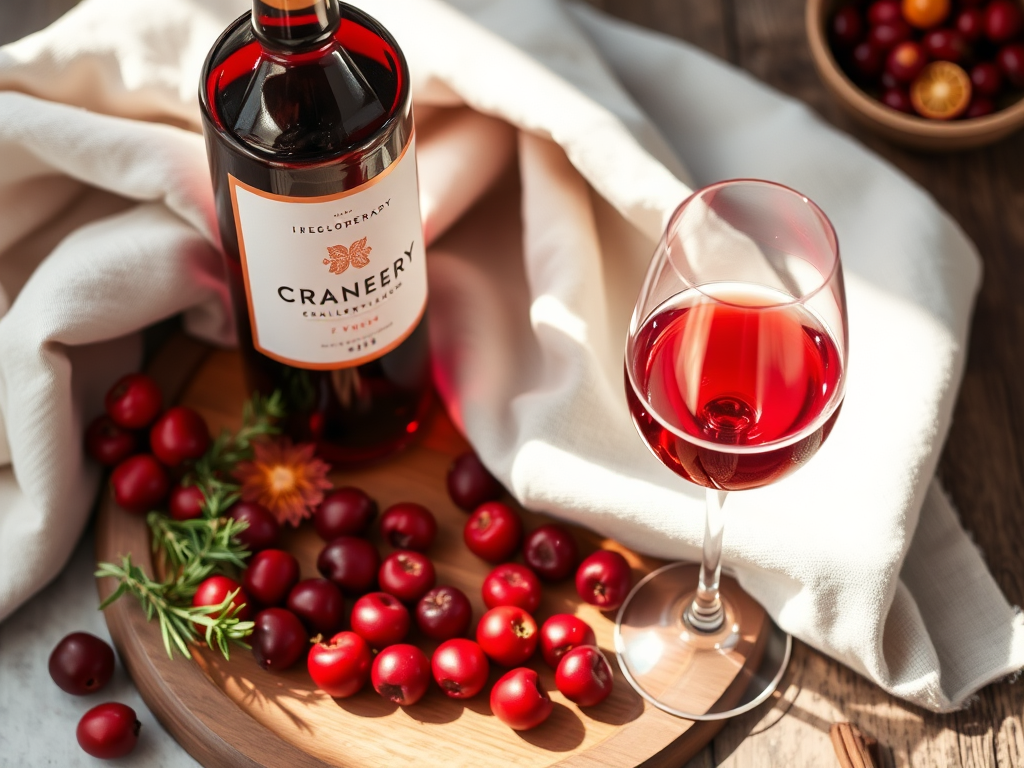
Cranberry wine is exactly what it sounds like – wine crafted from cranberries rather than grapes. The process starts with crushing fresh or frozen cranberries, mixing them with water, sugar, and yeast, then allowing the mixture to ferment. The result is a beautiful ruby-colored wine that captures the essence of this tart berry. Many small wineries in cranberry-growing regions like Wisconsin, Massachusetts, and Oregon produce excellent versions that showcase regional differences.
What makes cranberry wine special is how it balances that signature tartness with just enough sweetness to create a crowd-pleasing drink. The fermenting process transforms the berries’ natural acidity into something more complex than just cranberry juice with alcohol. Some producers age their cranberry wine briefly in oak, adding subtle vanilla notes that complement the fruit’s natural sharpness.
How Does Cranberry Wine Taste?
- Bold tartness balanced with subtle natural sweetness
- Bright acidity with notes of red berries and citrus
- Clean, crisp finish that’s refreshing and food-friendly
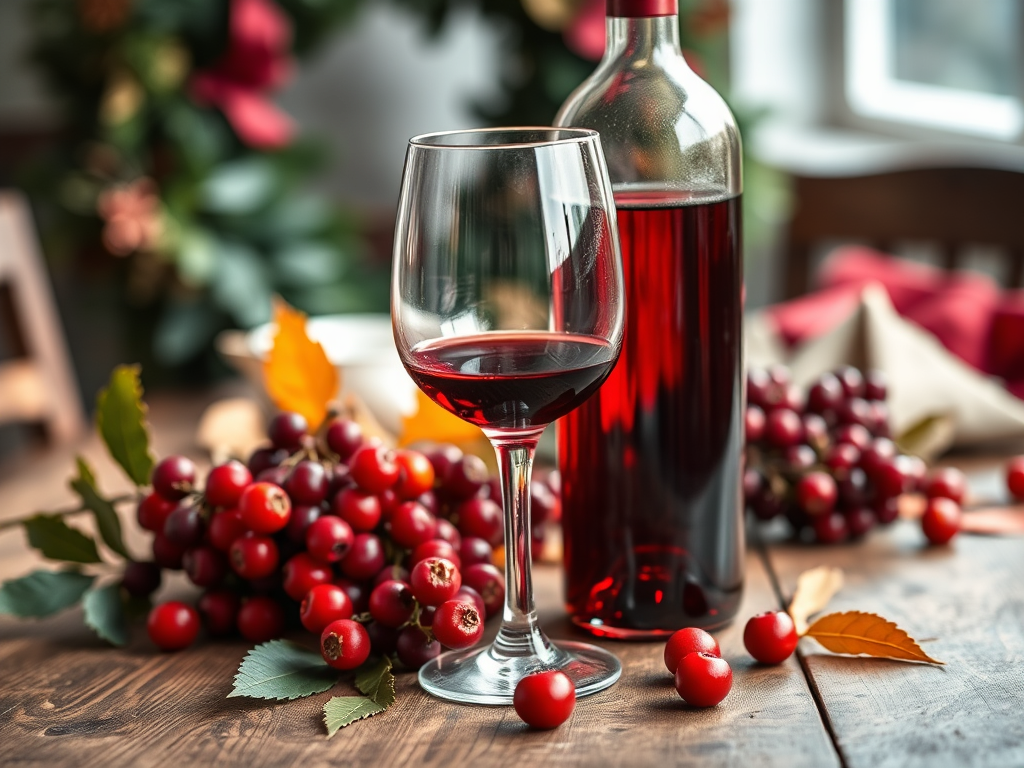
When you take your first sip of cranberry wine, you’ll immediately notice its distinctive tart character – similar to cranberry sauce but with more complexity. The flavor starts with that familiar cranberry zing but often reveals layers of other notes like cherry, raspberry, and sometimes even hints of orange zest. The best cranberry wines have a lively acidity that makes them feel bright and refreshing rather than heavy.
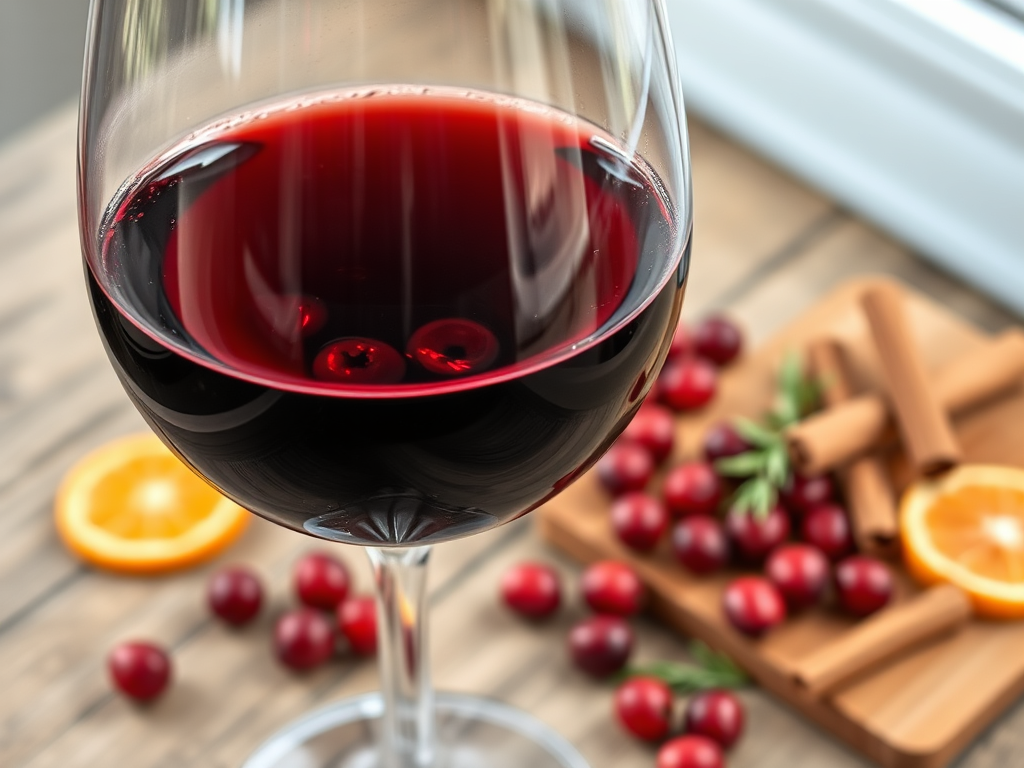
I’ve found that quality cranberry wine offers a fascinating mouthfeel – it’s light yet substantial, with a crispness that raspberry wine lovers will appreciate. Many bottles feature a semi-sweet profile that balances the natural tartness beautifully. Some craftier varieties incorporate subtle spice notes like cinnamon or nutmeg that make them feel especially cozy during the colder months. The finish tends to be clean with a pleasant lingering fruitiness that doesn’t overwhelm your palate.
“Cranberry wine occupies this perfect middle ground between dessert wine and dinner wine – it’s fruity but not cloying, making it incredibly versatile at the table.”
– Kathryn Simon, Wine Educator
Best Foods to Pair with Cranberry Wine
- Traditional holiday proteins: turkey, ham, duck, and pork
- Aged cheeses: sharp cheddar, gouda, and creamy brie
- Desserts featuring apples, pears, or dark chocolate
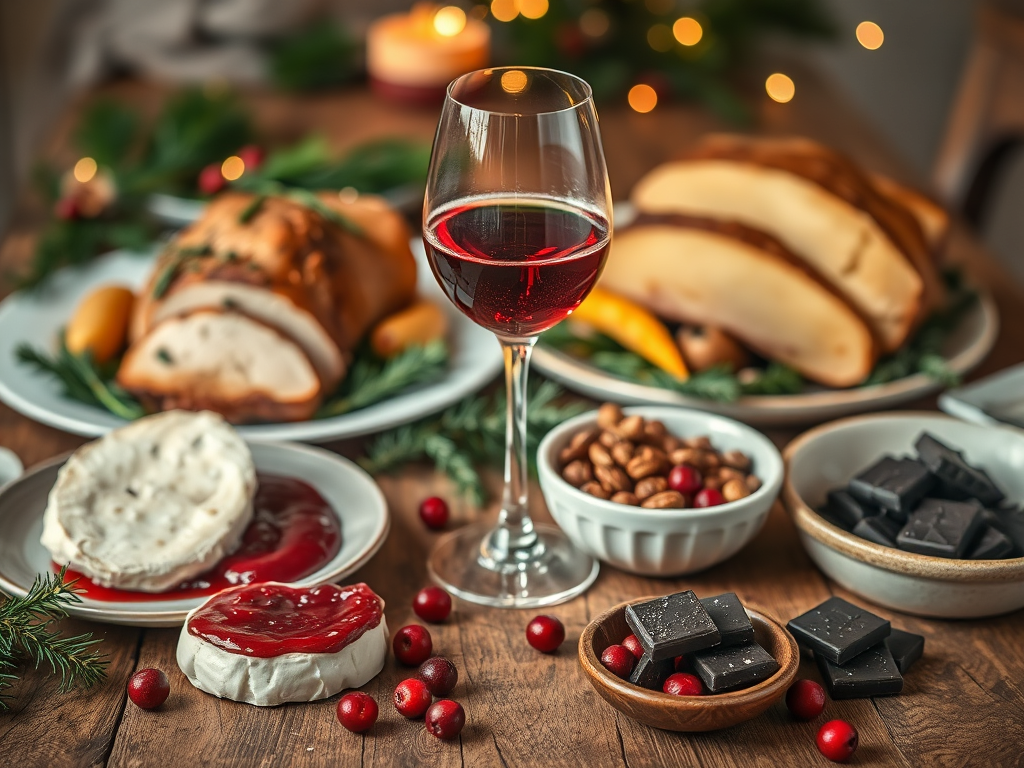
The beauty of cranberry wine lies in its remarkable food-pairing versatility. Its natural acidity cuts through rich dishes beautifully, making it the perfect companion for Thanksgiving turkey with all the fixings. The wine’s tartness functions much like cranberry sauce, brightening heavy meals and cleansing your palate between bites. For everyday dinners, try it with roasted chicken, pork tenderloin, or even a hearty vegetable pot pie.
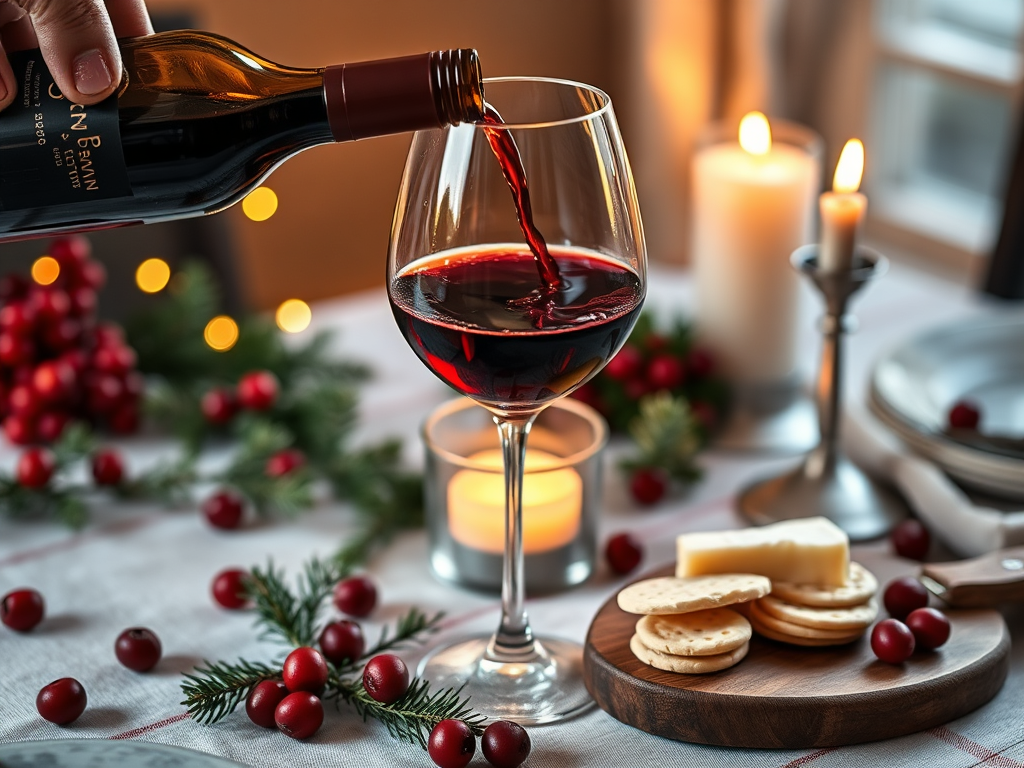
Cheese platters reach new heights when served with cranberry wine. I’ve hosted countless gatherings where the combination of sharp aged cheddar with a glass of chilled cranberry wine stole the show. The wine’s acidity balances the richness of cheeses perfectly, while its fruit-forward profile complements nutty cheese varieties like aged gouda. For a simple but impressive appetizer, pair blueberry wine or cranberry wine with water crackers topped with brie and a small spoonful of fig jam.
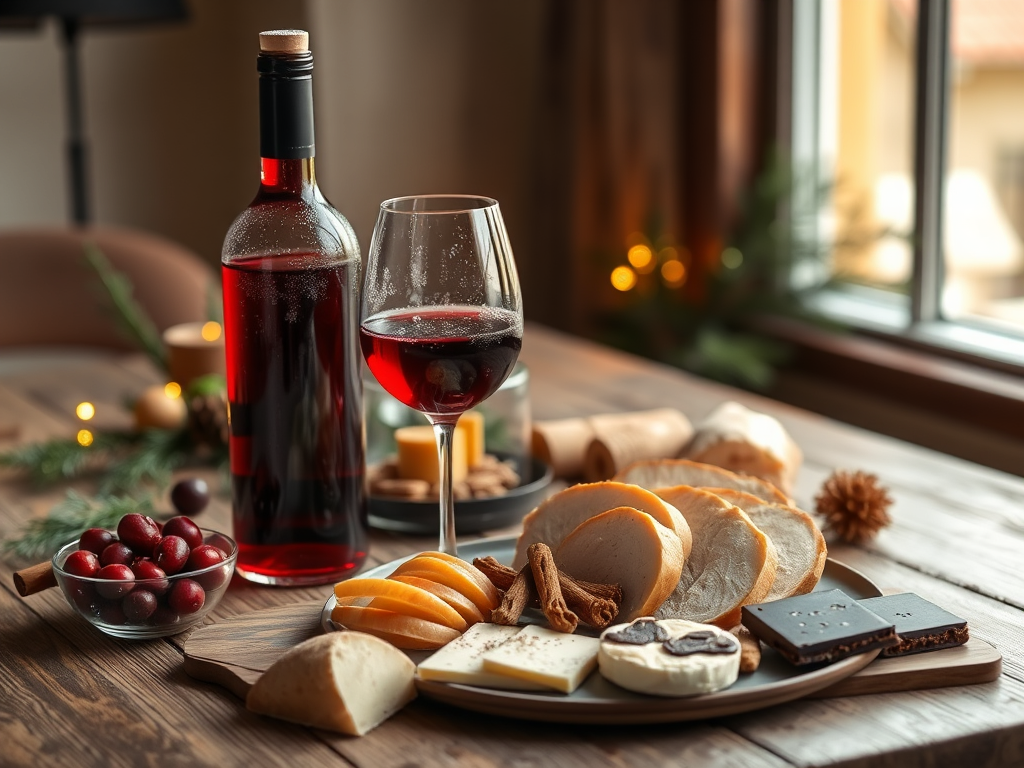
Don’t forget dessert! Cranberry wine shines with fruit-based desserts like apple crisp or pear tart. The wine’s tartness provides a beautiful contrast to the sweet fruit and buttery pastry. Dark chocolate desserts also match well, as the slight sweetness in the wine offsets the chocolate’s bitterness. For a simple weeknight treat, try a glass with a square of good dark chocolate—you might be surprised how well they complement each other.
How to Serve Cranberry Wine
- Serve slightly chilled between 45-55°F for optimal flavor
- Use standard white wine glasses to capture aromas
- Try it in festive holiday cocktails or spritzers
Temperature matters when serving cranberry wine. For the best flavor experience, chill your bottle for about 30-45 minutes before serving—aim for that sweet spot between refrigerator-cold and room temperature. This range (about 45-55°F) allows the wine’s complex flavors to shine without the cold muting its character. If you’re in a hurry, 20 minutes in an ice bucket will do the trick.
No need for fancy glassware here! Standard white wine glasses work perfectly for cranberry wine, as their slightly narrower opening concentrates the aromas while providing enough room for the wine to breathe. I’ve served it in everything from proper stemware to mason jars at casual gatherings—the wine’s vibrant ruby color looks beautiful in any glass. For outdoor events, acrylic stemless glasses offer practicality without sacrificing the experience.
Feeling creative? Cranberry wine makes an exceptional base for holiday cocktails. My go-to cranberry wine spritzer combines 3 ounces of cranberry wine with 2 ounces of seltzer and a squeeze of fresh lime. For something more festive, try mixing equal parts cranberry wine and sparkling wine, then garnish with a few fresh cranberries and a small sprig of rosemary. These blackberry wine cocktails offer similar possibilities if you’re exploring fruit wines beyond cranberry.
Where to Buy and Try Cranberry Wine
- Local wineries in cranberry-growing regions offer authentic versions
- Specialty wine shops stock seasonal selections from October-December
- Online retailers provide year-round access to regional producers
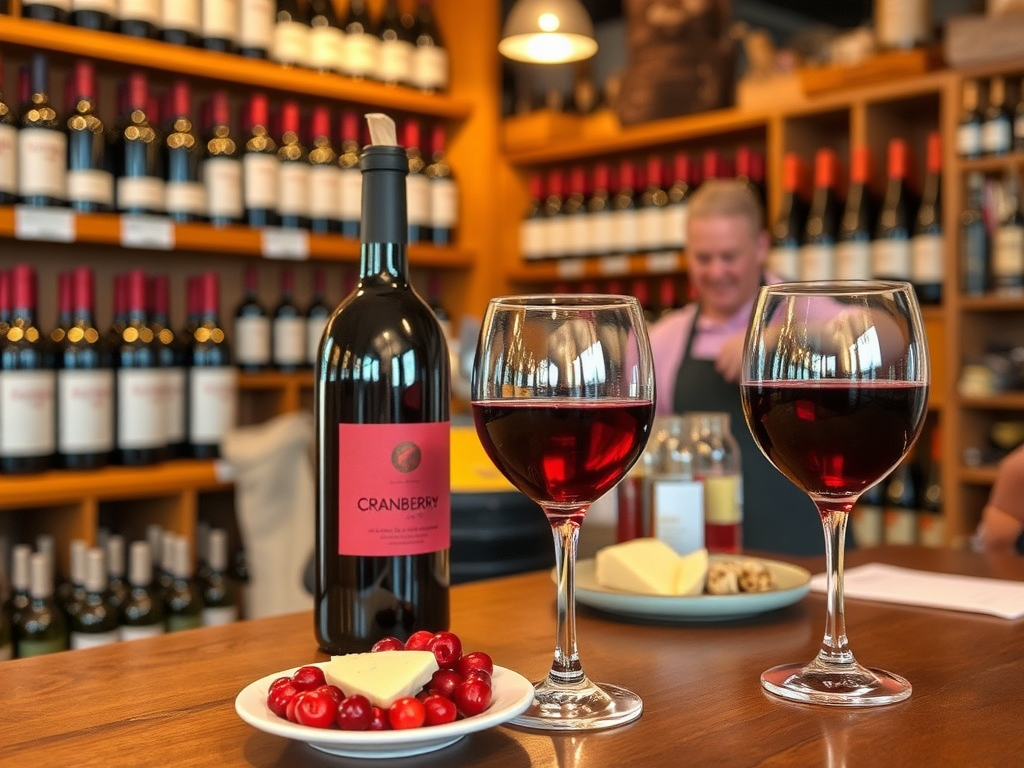
For the most authentic cranberry wine experience, visit local wineries in cranberry-producing regions. States like Wisconsin, Massachusetts, Oregon, and Washington host numerous small producers crafting excellent cranberry wines. These small-batch creations often showcase regional differences in the berries and production methods. Many offer tasting rooms where you can sample before committing to a full bottle, and some even provide seasonal tours of their cranberry bogs.
During fall and winter months, specialty wine shops and even some larger grocery stores stock cranberry wine as part of their seasonal selection. I’ve noticed availability typically peaks from October through December, coinciding with fresh cranberry season and holiday entertaining. Ask the wine shop staff for recommendations—they often know which producers offer the best quality and value. Some popular national brands to look for include Tomasello Winery, Florida Orange Groves Winery, and Three Lakes Winery.
Can’t find cranberry wine locally? Online retailers have made it easier than ever to source bottles from across the country. Websites like Organicwine.com, Wine.com, and even some winery-direct sites ship to many states. If you enjoy exploring fruit wines beyond cranberry, consider trying strawberry wine or the more exotic jabuticaba wine for a fascinating taste comparison. When ordering online, check shipping policies, as some states have restrictions on alcohol delivery.
Making Cranberry Wine at Home
- Simple process requiring basic home winemaking equipment
- Takes approximately 6-12 months from start to finish
- Allows for customization of sweetness levels and flavor additions
For adventurous wine enthusiasts, making cranberry wine at home can be a rewarding project. The basic process requires fresh or frozen cranberries, sugar, water, wine yeast, and some patience. You’ll also need standard homebrewing equipment: fermentation vessels, an airlock, siphoning tubes, and sanitizing solution. The hands-on work takes just a few hours, but plan for at least 6-12 months of fermentation and aging time to develop proper flavor.
A typical 1-gallon recipe calls for 3-4 pounds of cranberries, 2-3 pounds of sugar, and wine yeast specially formulated for fruit wines. Some home winemakers add complementary ingredients like orange zest, cinnamon, or a handful of raisins to add complexity. The fermentation process transforms the berries’ natural tartness while creating alcohol, but you’ll have complete control over the final sweetness by adjusting sugar levels before bottling.
If you’re new to winemaking, cranberry wine makes an excellent starter project because the berries’ natural acidity helps prevent spoilage. Online communities like WineMakerMag.com and homebrewing forums offer detailed recipes and troubleshooting advice. Local homebrew supply stores often provide starter kits specifically for fruit wines, making it easier to gather all the necessary supplies in one stop.
Cranberry Wine Beyond the Holidays
- Perfect for year-round entertaining and casual sipping
- Excellent accompaniment to summer grilling and picnics
- Versatile ingredient in cooking and cocktails throughout the seasons
While cranberry wine certainly shines during the holiday season, don’t limit this versatile wine to November and December. Its refreshing tartness makes it a surprisingly delightful option for spring and summer gatherings. I’ve served well-chilled cranberry wine at summer cookouts where it paired beautifully with grilled chicken and vegetable skewers. The acidity cuts through the smokiness while the fruit notes complement the caramelization from the grill.

Cranberry wine also deserves a spot in your cooking repertoire. Try reducing it with a touch of honey and black pepper for a sophisticated sauce that elevates simple pan-seared pork chops or duck breast. A splash added to homemade vinaigrette brings bright flavor to summer salads. For a quick appetizer any time of year, simmer cranberry wine with a cinnamon stick and orange zest, then pour the warm mixture over a block of cream cheese and serve with crackers.
Don’t overlook cranberry wine’s potential in the cocktail world beyond the holidays. Its tartness provides a perfect balance to sweeter ingredients like honey or orange liqueur. My favorite year-round cranberry wine cocktail combines 2 ounces of cranberry wine with 1 ounce of bourbon, ½ ounce of lemon juice, and ¼ ounce of maple syrup—shake with ice, strain, and garnish with a lemon twist for a sophisticated sipper that works for any season.
The Perfect Holiday Gift
A bottle of quality cranberry wine makes a thoughtful and unexpected gift that stands out from the usual parade of traditional wines. The beautiful ruby color looks festive without any extra wrapping, though adding a simple ribbon does make it gift-ready in seconds. For the wine lovers in your life who’ve tried everything, cranberry wine offers something genuinely different that they might not purchase for themselves.
Take your gift-giving up a notch by creating a themed basket centered around cranberry wine. Pair a bottle with artisanal cheese, gourmet crackers, and a small jar of fig spread for an instant gathering kit. For cooking enthusiasts, include a bottle alongside a simple recipe card showing how to use cranberry wine in a signature sauce or cocktail. These thoughtful combinations show more care than just grabbing a random bottle from the wine shop.
Whether you’re attending a holiday party, thanking a host, or exchanging gifts with friends, cranberry wine hits that perfect balance of special without being overly expensive. Most bottles range from $12-25, making them an affordable luxury that feels more personal than standard options. The wine’s seasonal associations and beautiful color create an immediate festive impression that larger commercial brands simply can’t match.
Finding Your Favorite Cranberry Wine
Like all wines, cranberry wines vary widely in style, sweetness, and quality. Don’t dismiss the category if your first bottle doesn’t wow you—the difference between producers can be dramatic. Some craft cranberry wines that lean into the berry’s natural tartness, creating dry versions that appeal to traditional wine lovers. Others produce sweeter styles that showcase the fruit’s brighter side. Finding your perfect match might take some delicious experimentation.

When shopping, look for indicators of quality like awards from fruit wine competitions, detailed tasting notes on the label, or specific information about the cranberry source. Generally, smaller producers who specialize in fruit wines rather than cranberry as a sideline tend to create more nuanced products. Don’t hesitate to ask questions at wine shops or contact wineries directly—most are happy to describe their particular style and help you find the right match for your preferences.
Remember that cranberry wine, like most fruit wines, is best enjoyed relatively young—usually within 1-3 years of bottling. Unlike many grape wines, extended aging rarely improves the profile. Check bottle dates when available, and don’t worry about “cellaring” your cranberry wine. Its fresh, vibrant character is meant to be enjoyed while it’s at its peak.
Embrace the Ruby Delight
Cranberry wine brings something truly special to the table with its ruby glow and distinctive character. I’ve watched friends who typically stick to traditional grape varieties become immediate converts after that first surprising sip. There’s something thoroughly satisfying about discovering a wine that breaks the rules while delivering genuine enjoyment and versatility.

Whether you’re hosting a full-scale holiday gathering, planning a cozy dinner for two, or simply looking to shake up your usual wine routine, cranberry wine deserves a place in your glass. Its food-friendly nature, accessible price point, and eye-catching color make it a crowd-pleaser that still feels personal and thoughtfully chosen.
The next time you’re browsing wine options or planning your holiday shopping, grab a bottle of cranberry wine. Pour a glass, savor that perfect balance of tartness and fruit, and discover why this ruby-hued alternative has become a seasonal staple for those in the know. Your taste buds—and your dinner guests—will thank you for the delicious departure from the ordinary.