This post may contains affiliate links. Read our full disclosure here.
There’s something about Cape Cod style homes that feels like coming home, even if you’ve never lived in one. These charming architectural treasures have stood the test of time, outlasting countless design trends and housing booms. While scrolling through real estate listings recently, I kept pausing at these distinctive houses with their symmetrical facades and pitched roofs, wondering what makes Cape Cod style homes so enduringly appealing.
From their practical New England origins to their status as suburban icons, Cape Cod homes tell a uniquely American story. They blend function with comfort, tradition with adaptability, and somehow manage to feel both historic and perfectly suited to modern family life. Whether you’re a design enthusiast, house-hunting, or simply curious about iconic American architecture, the enduring charm of Cape Cod houses deserves a closer look.
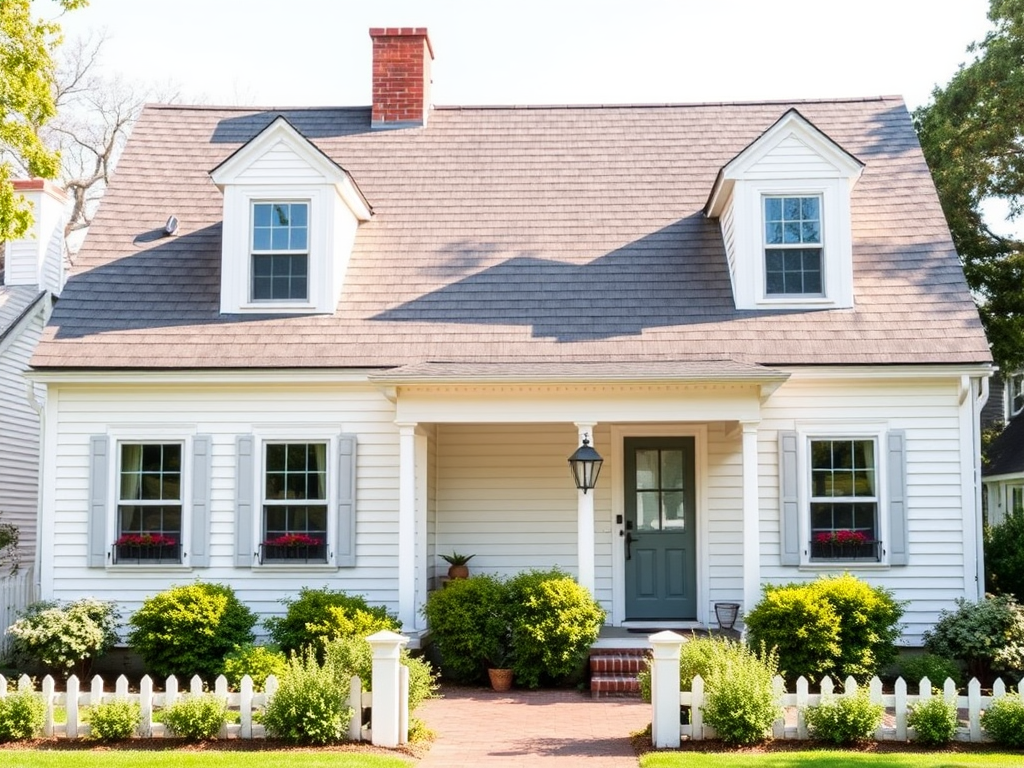
The Rich History of Cape Cod Style Homes
When the first English settlers arrived in Massachusetts in the 1600s, they faced brutal winters and needed housing that could withstand harsh coastal conditions. Taking inspiration from their homeland, they created what we now know as Cape Cod style homes – practical, sturdy structures built to battle the elements.
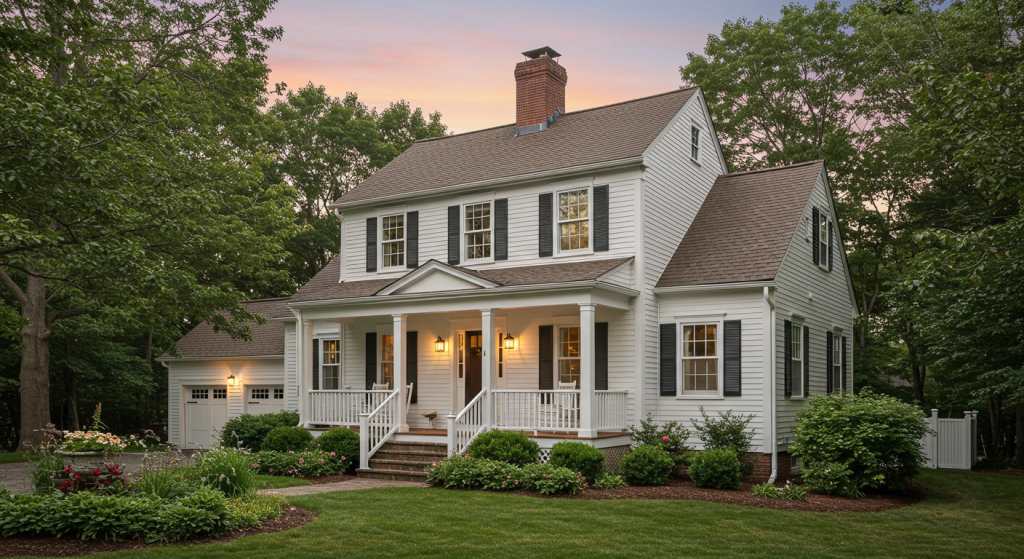
These early versions featured low ceilings to conserve heat, central chimneys, and steep roofs designed to prevent snow accumulation. The simple rectangular shape wasn’t just aesthetically pleasing – it was economical to build and easy to maintain. Materials were chosen for durability, with cedar shingles or clapboard siding that could weather the salty air and fierce New England storms.
While these homes remained popular regionally, they exploded into national consciousness during the 1930s-1950s. Architectural writer Royal Barry Wills championed the style, and when post-WWII housing booms created suburban developments across America, Cape Cod houses became the blueprint for the American Dream. Their modest size and affordable construction made them perfect starter homes for returning veterans and growing families.
What Makes a House a True Cape Cod?
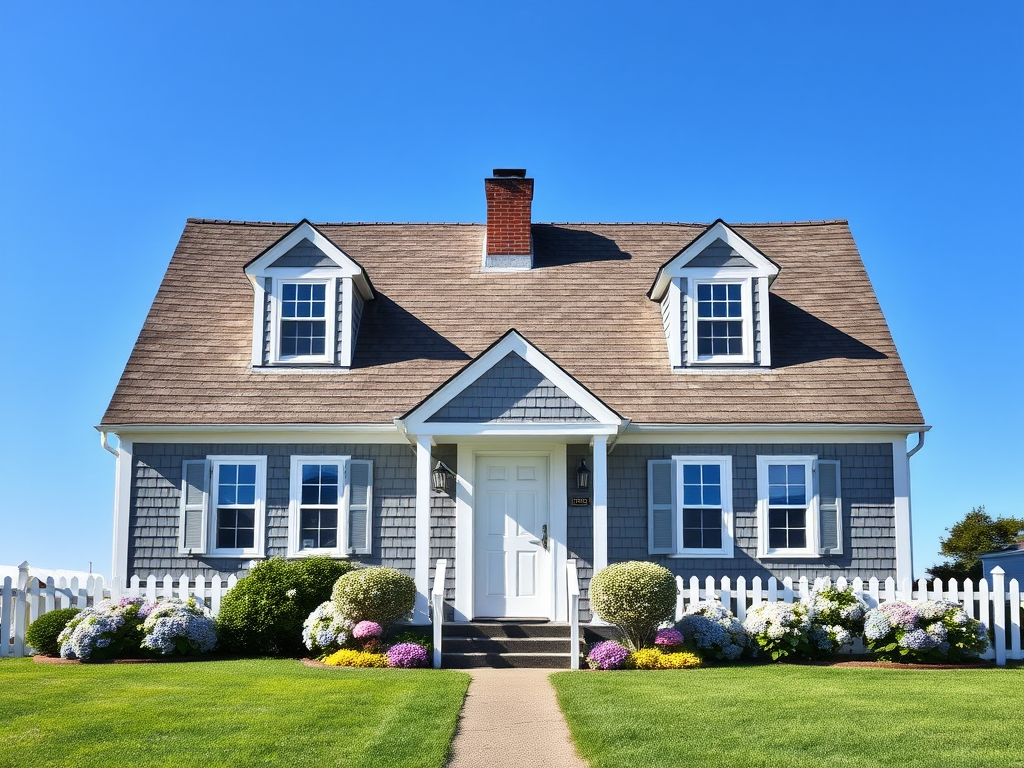
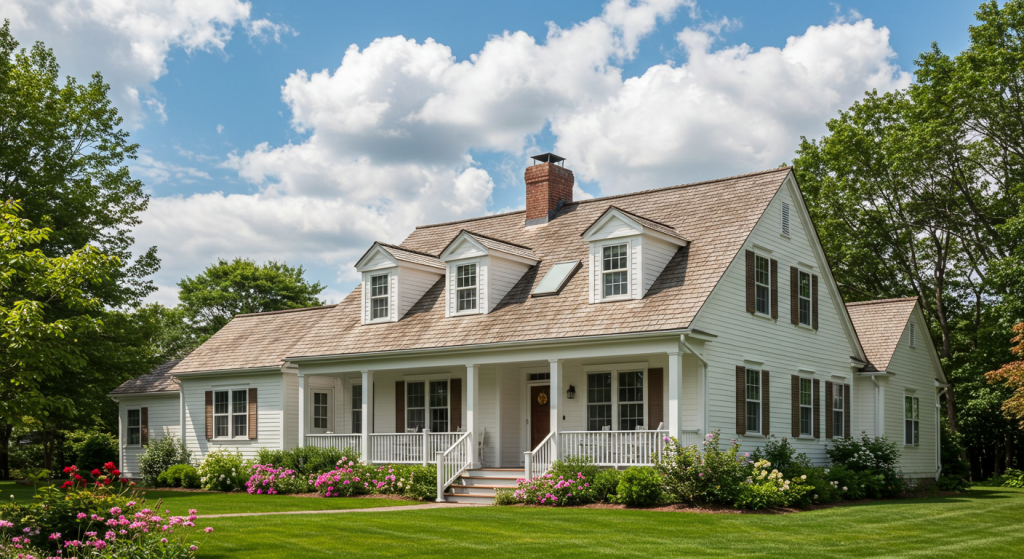
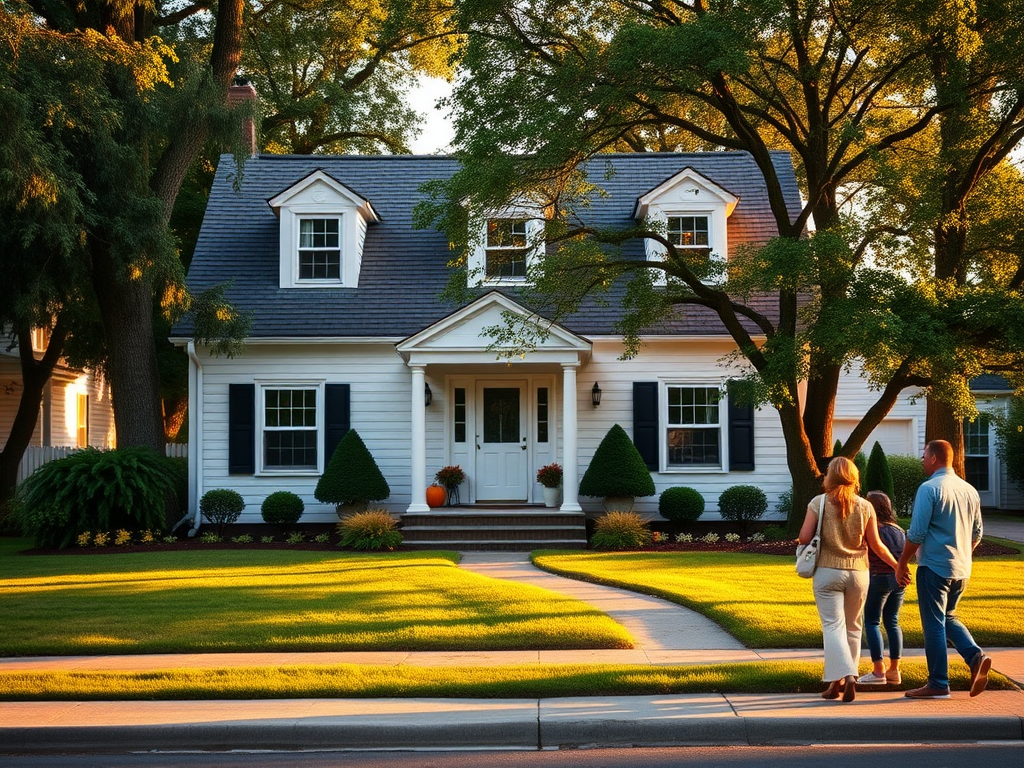
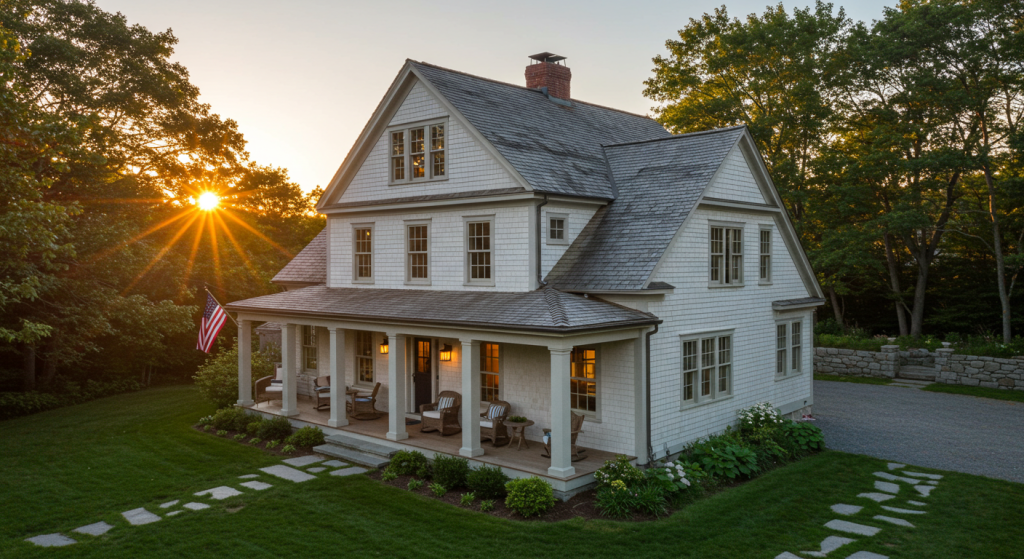
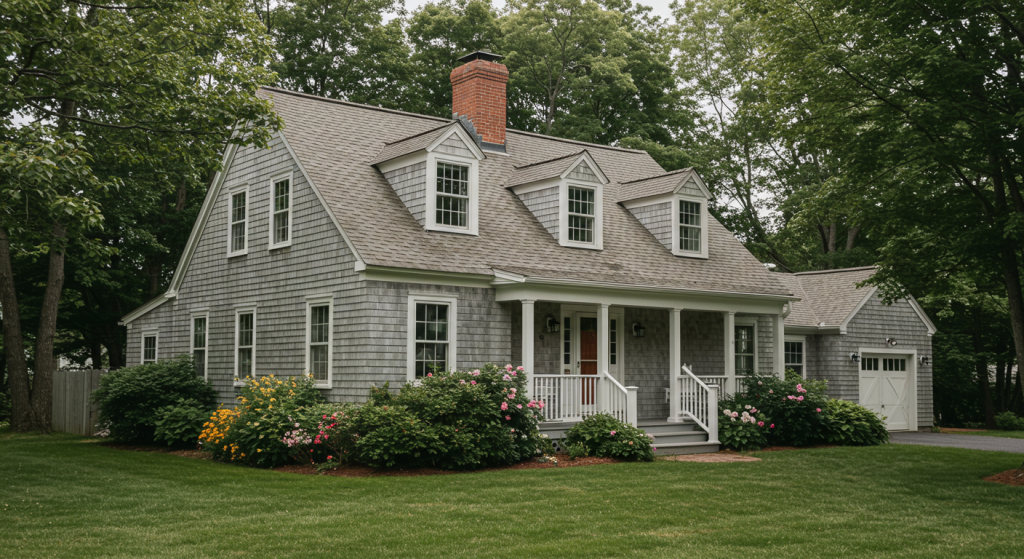
True Cape Cod style homes have distinctive features that set them apart from other traditional American house styles. If you’re house-hunting or just admiring architecture in your neighborhood, look for these telltale characteristics that define the authentic Cape Cod look:
- One to one-and-a-half stories with low-slung profile
- Steep pitched roof with minimal overhang
- Centered front door with symmetrical window placement
- Rectangular footprint with little ornamentation
- Dormer windows (typically 2-3) adding light and headroom
- Central chimney (in original designs)
- Wood siding – either clapboard or cedar shingles
- Shutters as both decoration and practical protection
What I find fascinating is how these elements weren’t just decorative choices but practical solutions to everyday problems. The steep roof prevented snow buildup in harsh winters. The central chimney warmed the entire home efficiently. Even the modest footprint served a purpose – it was easier to heat and more affordable to build.
The beauty of Cape Cod homes is this perfect marriage of form and function, creating a style that feels timeless yet approachable rather than stuffy or pretentious. While similar to Colonial architecture in some ways, Cape Cod homes maintain a distinctively cozy, more humble character.
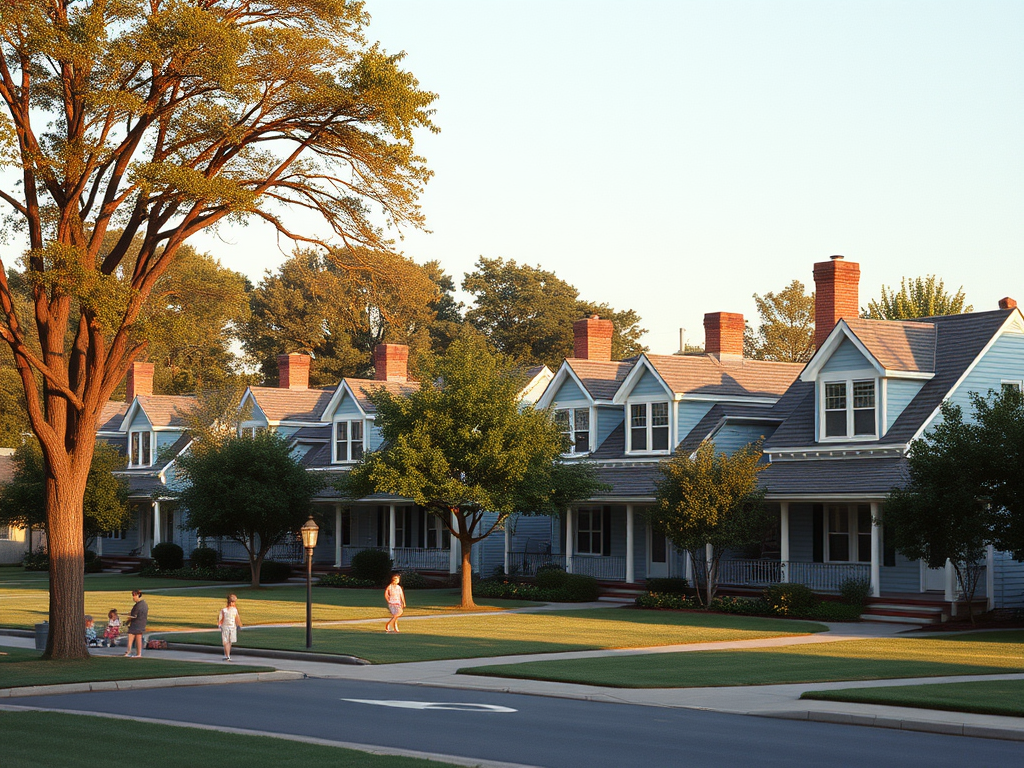
Why Cape Cod Homes Became America’s Sweetheart
The post-WWII housing boom transformed America’s landscape, and Cape Cod style homes led the charge. Their sudden popularity wasn’t just about aesthetics – it was a perfect storm of practicality, affordability, and cultural timing. Levittown, America’s first mass-produced suburb, featured thousands of Cape Cod homes, cementing the style in our collective memory.
FREE Studio Pro Diffuser + 30% Off Fragrance Oils
For young families in the 1940s and 50s, these homes offered the ideal starter house – modest in size but filled with potential. The unfinished attic spaces could be converted into additional bedrooms as families grew, making them incredibly adaptable. Their simple design made them relatively affordable to build at scale, helping more Americans achieve homeownership.
Beyond the practical benefits, Cape Cod homes tapped into something deeper in the American psyche. They evoked a sense of tradition, stability, and historical continuity during a time of rapid change. Their classic silhouette represented the American Dream made tangible – not ostentatious, but solid, welcoming, and attainable.
My friend recently purchased her first Cape Cod home in a historic neighborhood, and she told me,
There’s something so reassuring about living in a house style that’s been around for centuries. It feels like we’re part of something larger than ourselves.
This emotional connection helps explain why they’ve outlasted other architectural trends that have come and gone.
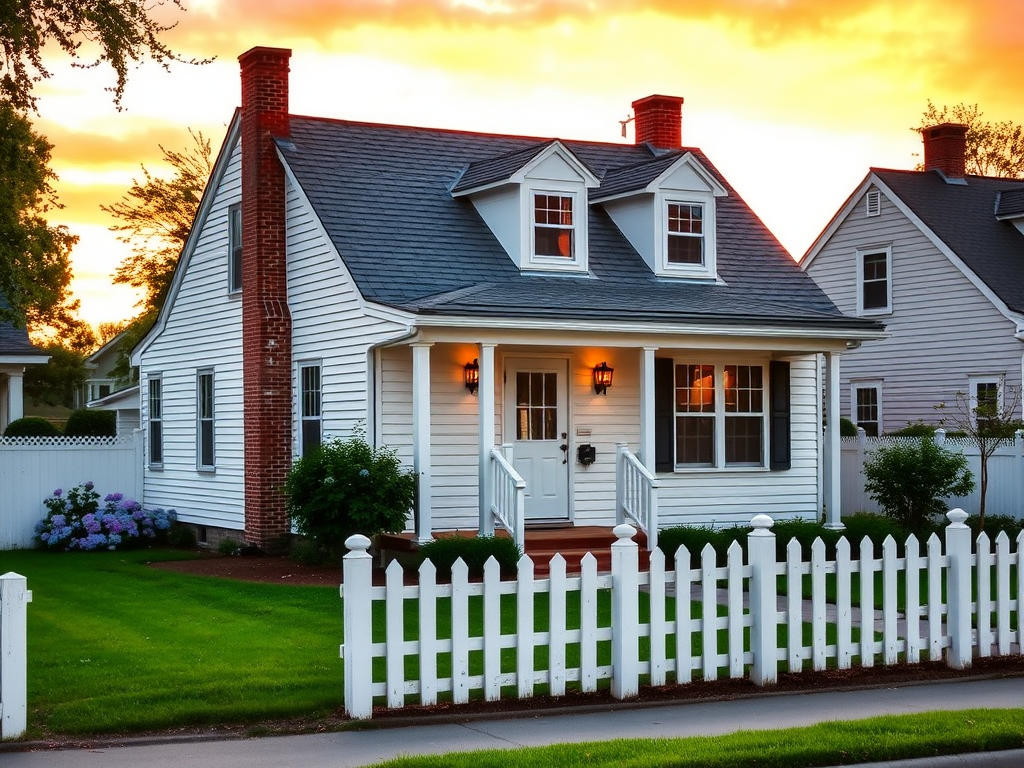
Essential Features That Define Cape Cod Style Homes
When I walk through neighborhoods with historic Cape Cod houses, I’m always drawn to their distinctive silhouettes. What makes these homes immediately recognizable are several key architectural elements that have remained consistent over centuries, despite regional variations.
- Steep gabled roofs – Not just picturesque, but designed to shed snow and rain effectively
- Dormer windows – Those charming “eyebrow” windows that break up the roofline while providing light and ventilation to upper spaces
- Symmetrical design – The front door centered with equal window placement on either side
- Natural materials – Wood siding (historically cedar shingles or clapboard) painted in classic neutrals or white
- Shutters – Originally functional for storm protection, now often decorative
- Central chimney – In traditional designs, the chimney sits at the center of the home
- Minimal exterior ornamentation – Clean lines and restrained decoration
The interior layout typically features a central hallway with rooms branching off to either side. Traditional Cape Cod homes contain relatively small, discrete rooms rather than open floor plans, creating cozy, defined spaces. For modern families used to contemporary layouts, this compartmentalized design can be either a charming throwback or a renovation opportunity.
These defining characteristics create a home that feels balanced and proportional – never showy, but always pleasing to the eye. The simplicity of Cape Cod architecture allows it to blend with various design styles, from traditional to contemporary, making it remarkably adaptable to changing tastes.
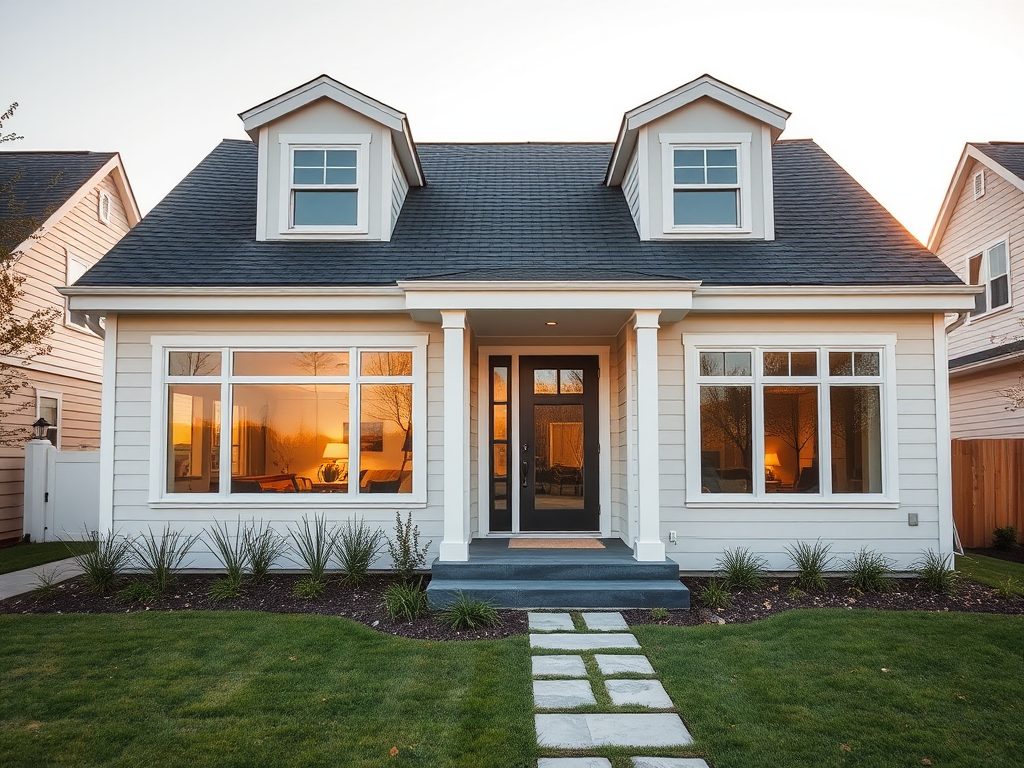
Modern Interpretations of Cape Cod Homes
While classic Cape Cod style homes maintain their timeless appeal, today’s homeowners are finding creative ways to blend traditional exteriors with contemporary interiors. During a recent home tour, I was amazed to step inside a traditional-looking Cape and discover a thoroughly modern space inside – proof that these adaptable homes can evolve with our changing lifestyles.

Popular updates that respect the original character while improving functionality include:
- Opening up compartmentalized floor plans to create more flow between living areas
- Expanding dormers to add headroom and usable space on the second floor
- Installing larger windows to increase natural light while maintaining symmetry
- Adding rear extensions that preserve the front façade’s classic proportions
- Modernizing kitchens and bathrooms with contemporary finishes and fixtures
- Incorporating sustainable features like improved insulation and energy-efficient systems
Color palettes are evolving too. While white remains popular for exteriors, more homeowners are experimenting with soft coastal blues, sage greens, and warm grays paired with crisp white trim. These subtle color shifts maintain the home’s classic character while adding a fresh, contemporary feel.
Interior designers working with Cape Cod homes often blend traditional architectural elements with unexpected modern touches. For example, keeping original wood floors and moldings while adding sleek lighting fixtures and contemporary furniture creates a compelling mix of old and new that feels curated rather than cookie-cutter.
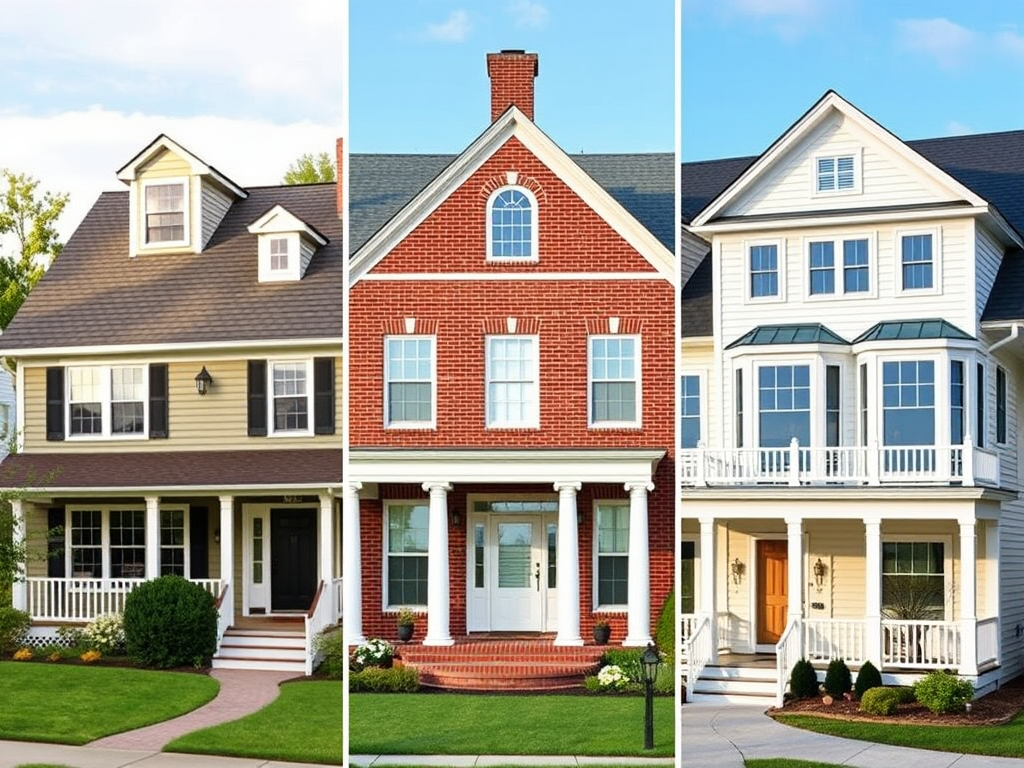
Cape Cod vs. Colonial vs. Mediterranean: Understanding the Differences
It’s easy to confuse Cape Cod homes with other traditional American architectural styles, especially Colonial and Mediterranean homes. Having toured examples of each, I’ve learned to spot the distinctive differences that set them apart.
Cape Cod homes are characterized by their modest one to one-and-a-half story height, steep roofs, and simple rectangular footprint. They typically feature symmetrical facades with a centered front door, dormer windows, and minimal decorative elements. The overall impression is cozy, practical, and understated.
Colonial homes, while similar in some ways, are generally larger and more formal. They stand two to three stories tall with a symmetrical design, but often feature more elaborate details like columns, decorative entryways, and multiple chimneys. Colonial architecture feels more stately and imposing compared to the humble Cape Cod.
Mediterranean-style homes differ dramatically from both Cape Cod and Colonial designs. Inspired by seaside villas in Spain, Italy, and Greece, they feature stucco exteriors, red tile roofs, arched doorways and windows, and often incorporate courtyards or terraces. The aesthetic is sun-washed, organic, and ornate compared to the restrained geometry of Cape Cod architecture.
This comparison helps explain why Cape Cod homes occupy a sweet spot in American architecture – more attainable than grand Colonials but with a sense of history and tradition that more trendy styles might lack. Their versatility allows them to work in virtually any region, from their native New England to California suburbs.
Why Homeowners Still Choose Cape Cod Style Today
After speaking with several friends who’ve purchased Cape Cod style homes recently, I’ve discovered common themes in what draws today’s buyers to this enduring architectural style. Beyond their charming appearance, there are practical advantages that make Cape Cod homes as relevant now as they were centuries ago.
- Timeless curb appeal that doesn’t fall victim to passing trends
- Efficient use of space – particularly appealing in areas with high land costs
- Flexibility for expansion – attics can often be converted to living space
- Lower maintenance exteriors compared to more ornate architectural styles
- Energy efficiency – the compact design is often easier to heat and cool
- Strong resale value due to their perennial popularity
- Structural simplicity that makes renovations more straightforward
For first-time homebuyers, Cape Cod homes often represent an attainable entry point into desirable neighborhoods. Their smaller footprint translates to more affordable prices in many markets, while their classic design ensures they’ll remain appealing to future buyers.
Empty nesters and retirees appreciate how these homes can adapt to changing needs. The potential for first-floor primary bedrooms makes aging in place more feasible, while the modest size becomes a benefit rather than a limitation when children move out.
When helping my cousin house-hunt last year, we toured several architectural styles, but she ultimately chose a Cape Cod. “It just felt like home from the moment I walked in,” she explained. That emotional connection illustrates perhaps the most compelling reason these homes continue to resonate – they tap into our collective idea of what “home” should feel like.
The Timeless Appeal of American Classics
Cape Cod style homes have earned their place in the architectural hall of fame by striking that perfect balance between tradition and adaptability. Their clean lines and symmetrical proportions create a visual harmony that feels both familiar and fresh, no matter the decade. Unlike more trend-driven styles, Cape Cod homes never feel dated – they simply mature gracefully.
What I find most remarkable about Cape Cod architecture is how it tells a uniquely American story of practicality, resourcefulness, and accessibility. These homes weren’t designed for nobility or to showcase wealth – they were created for everyday families seeking shelter, comfort, and a place to build their lives. That democratic spirit continues to resonate with homeowners today.
Whether you’re drawn to their historical significance, their adaptable floor plans, or simply their charming silhouettes, Cape Cod style homes offer something increasingly valuable in our fast-paced world – a sense of permanence and connection to the past. As housing trends come and go, these architectural classics remind us that good design transcends time.
Have you ever lived in a Cape Cod home? Or perhaps you’re dreaming of renovating one someday? I’d love to hear your experiences with this iconic American style in the comments below!