This post may contains affiliate links. Read our full disclosure here.
The best wines for Mexican food are crisp, high-acid whites like Albariño and Grüner Veltliner, fruit-forward reds like Tempranillo and Garnacha, and dry rosé — all of which complement the bold spices, citrus, and slow-cooked richness that define Mexican cuisine. I know wine and Mexican food might not seem like an obvious pairing at first glance (that’s what margaritas are for, right?), but once you find the right bottle, this combination becomes one of my all-time favorite ways to entertain at home.
I’ve spent years testing different wines alongside tacos, enchiladas, mole, and ceviche — sometimes in proper pairing experiments, sometimes just because I had a bottle open and dinner was ready. What I’ve found is that the right wine doesn’t just complement Mexican food; it elevates the whole meal. It turns a Tuesday taco night into something that feels intentional and a little bit special.
This guide covers everything you need to know: which grape varieties work best with Mexican food as a whole, how to match specific wines to specific dishes, and a few tips for hosting a Mexican-themed dinner party that feels pulled together from the very first sip.
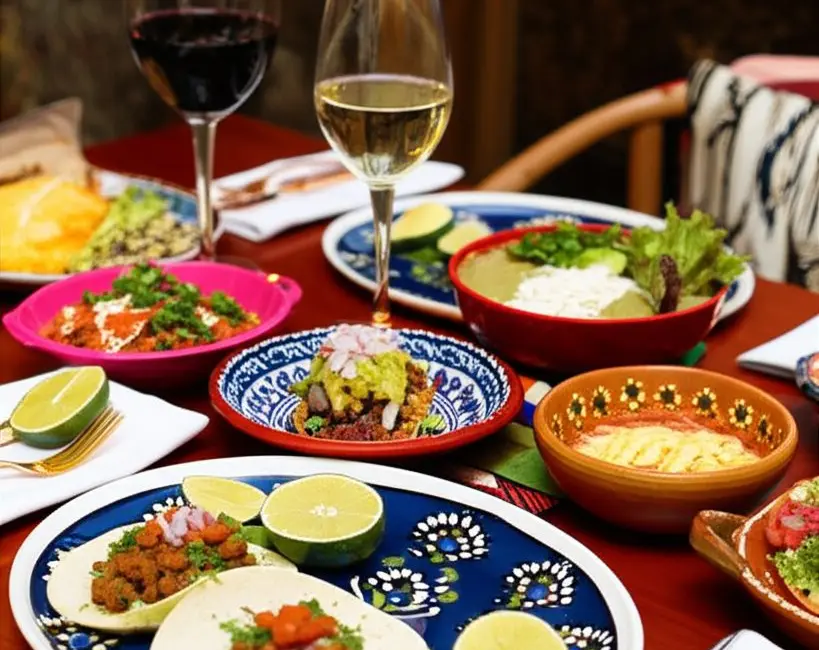
Why Wine Works So Well With Mexican Food
The reason the best wines for Mexican food work as well as they do comes down to one word: acid. Mexican cuisine is built on acidic ingredients — citrus marinades, tomato-based salsas, tomatillo sauces, pickled vegetables, fresh lime. High-acid wines mirror that brightness and cut right through the richness of refried beans, slow-braised meats, melted cheese, and avocado.
Spice is the other major variable. Chile heat activates your palate in a way that makes tannins feel harsh and bitter, which is why heavy, tannic reds like Cabernet Sauvignon tend to clash with very spicy dishes. Lower-tannin reds and chilled whites or rosés actually feel refreshing alongside heat — the fruitiness and acidity soothe rather than amplify.
“Mexican food already has so much complexity — smoke from the grill, depth from chiles, brightness from citrus. The wine’s job isn’t to compete; it’s to be the quiet, cool counterpoint that makes all of that flavor feel even bigger.”
This is also why I think wine with Mexican food is genuinely underrated. We default to beer or margaritas because that’s the cultural shorthand, but when you bring a well-chosen bottle to the table, something shifts. The meal becomes a little more elevated — and honestly, it’s one of the easiest ways to make a home-cooked Mexican dinner feel like a real event.
For more on how to build an intentional, wine-forward menu around any theme, my guide to spring dinner party menus covers the full approach I use when I’m hosting.
The Best White Wines for Mexican Food
White wines are my first recommendation for most Mexican food, especially seafood dishes, lighter chicken preparations, and anything with citrus or tomatillo. Here are the varieties I keep coming back to:
Albariño — The Best Overall Match
If I had to pick one wine as the single best match for Mexican food, it would be Albariño. This Spanish white has bright citrus and stone fruit flavors, high acidity, a saline mineral quality, and a light body that plays beautifully against grilled fish, shrimp, ceviche, fish tacos, and chicken dishes with citrus marinades. The salinity is especially interesting alongside fresh lime and pickled jalapeños. Browse Albariño on Wine.com — you’ll find excellent Spanish bottles in the $15–25 range that drink above their price point.
Grüner Veltliner — For Spicy Dishes
Austria’s signature white grape is one of the great underappreciated food wines. Grüner Veltliner has a distinctive white pepper note alongside green herbs and citrus, and its crisp acidity handles spice extremely well. It’s my go-to for dishes with a real chile kick — chile verde, chile relleno, anything with chipotle or ancho. A good Austrian Grüner in the $18–25 range punches well above its weight class.
Riesling — The Spice Tamer
A dry or off-dry German or Alsatian Riesling is one of the most effective wines in the world for taming spicy food. The hint of residual sugar (even in “dry” Rieslings there’s often just a touch) coats the palate and absorbs heat, while the bright acidity refreshes between bites. Off-dry Riesling with carnitas, al pastor, or anything chipotle-based is genuinely stunning — the kind of combination that makes dinner guests ask what the pairing was.
Sauvignon Blanc — Versatile and Easy to Find
New Zealand Sauvignon Blanc (Marlborough style) is widely available, affordable, and genuinely excellent with guacamole, chicken dishes, and verde-sauced preparations. The herbal, grassy quality echoes cilantro and fresh herbs; the high acidity complements avocado’s richness. It’s not as distinctive as Albariño, but it’s an excellent all-rounder that you can find at almost any grocery store wine section.
For an extended deep-dive on white wine and when to choose it, my complete guide to white wine vs red wine covers the fundamentals in plain language.
The Best Red Wines for Mexican Food
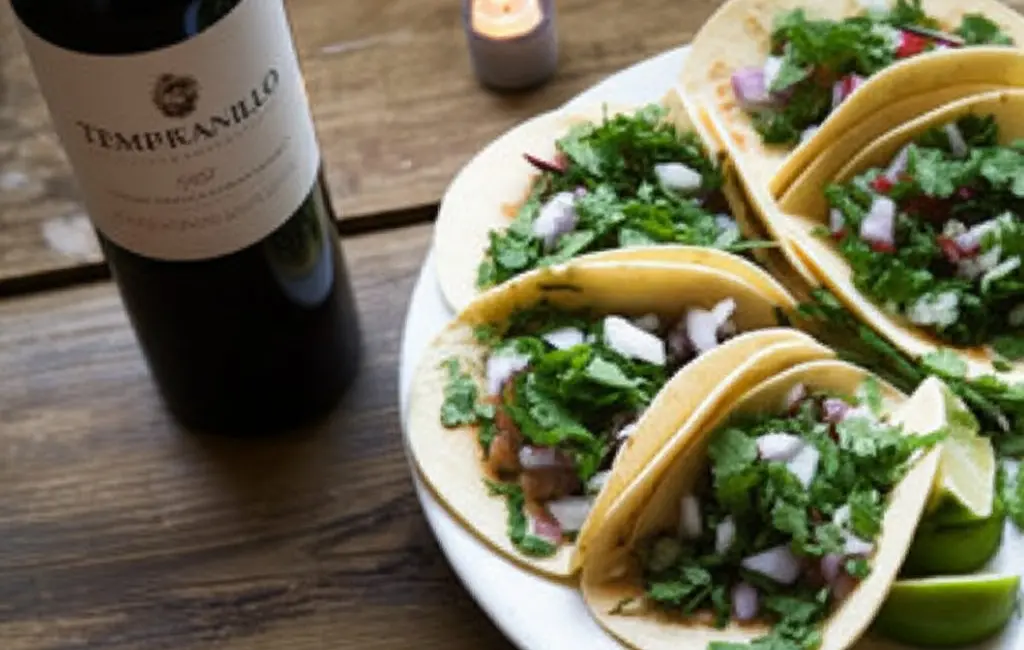
If you prefer red wine, the key is avoiding heavily tannic, oak-forward styles. The best red wines for Mexican food are fruit-forward, medium-bodied, and lower in tannin — which lets them complement the bold spices without clashing against them.
Garnacha (Grenache) — My Top Red Pick
Spanish Garnacha is the red wine equivalent of Albariño — my single favorite red for Mexican food. It has bright red fruit (cherry, raspberry, sometimes a hint of strawberry), low-to-medium tannins, medium acidity, and a warm spice note that echoes Mexican spices beautifully. The relative softness of Garnacha means it doesn’t fight with chile heat; it dances alongside it. Look for bottles from Priorat, Cariñena, or Campo de Borja in Spain — many excellent examples exist in the $12–20 range.
Tempranillo — For Hearty Dishes
Tempranillo is Spain’s great red grape, the backbone of Rioja and Ribera del Duero. It has dark fruit (plum, cherry), leather, dried herb notes, and medium tannins — all characteristics that pair beautifully with beef-based Mexican dishes like carne asada, birria, barbacoa tacos, and red chile enchiladas. A basic Rioja Crianza ($15–18) is one of the best value pairings in all of wine. Shop Tempranillo on Wine.com for curated bottles at every budget.
Zinfandel — For Smoky and Grilled
American Zinfandel has bold dark fruit, a jammy character, and a peppery spice note that makes it a natural match for anything with smoke or char: carne asada, chipotle-marinated pork, grilled chorizo. Avoid very high-alcohol Zinfandels (over 15.5% ABV) with very spicy dishes — the alcohol amplifies heat. A mid-range California Zinfandel in the $20–28 range tends to hit the sweet spot.
Malbec — For Cheese-Heavy Dishes
Argentine Malbec is silkier and more plum-forward than Tempranillo, with lower tannin and a rich mouthfeel that works beautifully against cheese-heavy dishes: chile con queso, quesadillas, cheesy enchiladas, queso fundido. It’s widely available, very food-friendly, and almost universally liked. A good Mendoza Malbec in the $15–25 range is a reliable crowd-pleaser for any Mexican dinner party.
Rosé and Sparkling Wine With Mexican Food
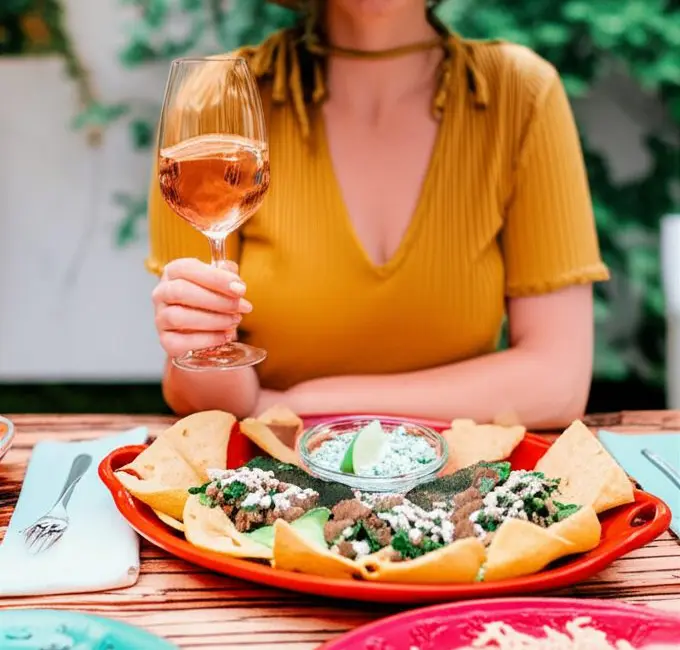
Don’t underestimate rosé and sparkling wine as pairings for Mexican food — they can be the best choices at the table.
Dry Rosé — The Versatile Table Wine
A dry Provençal-style rosé is one of the most versatile wines you can pour for a Mexican dinner because it bridges the gap between white and red. It has the fruitiness to handle rich dishes, the acidity to cut through cheese and fat, and a delicacy that doesn’t overpower lighter preparations. It’s also visually beautiful on a dinner table — those pink tones against bright Mexican food make for such a pretty spread. Browse rosé wine on Wine.com. Bonus: rosé is excellent for large group entertaining because it appeals to both red and white wine drinkers. My region-by-region rosé guide covers the best styles by budget if you want to go deeper.
Cava and Prosecco — For Celebrations and Snacks
Spanish Cava (especially Brut) is one of the genuinely great pairings for Mexican party food. Its high acidity and fine bubbles cut brilliantly through guacamole, chips and dips, and fried foods (think churros, taquitos, or chimichangas). The bubbles act as a palate cleanser that makes every bite feel as fresh as the first. Prosecco is slightly sweeter and fruitier — it works well with lighter, fruitier salsas and ceviche. Both are affordable and impressive poured at a party.
Wine Pairing by Dish: A Quick Reference Guide
Here’s how I approach the best wines for Mexican food when planning around specific dishes. Think of this as your cheat sheet for any Mexican dinner or Cinco de Mayo party:
- Fish tacos / ceviche / seafood: Albariño, Sauvignon Blanc, dry rosé, Cava
- Chicken tacos / enchiladas verdes / tomatillo dishes: Grüner Veltliner, Sauvignon Blanc, light Pinot Gris
- Carne asada / beef tacos: Tempranillo, Garnacha, Malbec
- Carnitas / al pastor / pork: Garnacha, off-dry Riesling, Zinfandel
- Birria / barbacoa / red chile braises: Tempranillo (Rioja), Garnacha, Zinfandel
- Mole negro / mole poblano: Garnacha, medium-bodied Syrah, Grenache-Syrah blends
- Chile relleno / roasted chiles: Grüner Veltliner, Albariño, off-dry Riesling
- Guacamole and chips (party spread): Cava, Sauvignon Blanc, dry rosé
- Queso / cheese-forward dishes: Malbec, Garnacha, medium Chardonnay
- Spicy dishes (high chile heat): Off-dry Riesling, Grüner Veltliner, Gewürztraminer
- Elote / corn-based dishes: Viognier, lightly oaked Chardonnay, Pinot Gris
- Churros and sweet desserts: Cava (Brut Nature for contrast), late-harvest Riesling
The through-line across all of these is acid. Whatever you’re serving, reach for a wine that feels bright and fresh rather than heavy and tannic. Mexican food has enough complexity on its own — the wine just needs to be the crisp, refreshing counterpoint.
Hosting a Mexican Dinner Party With Wine
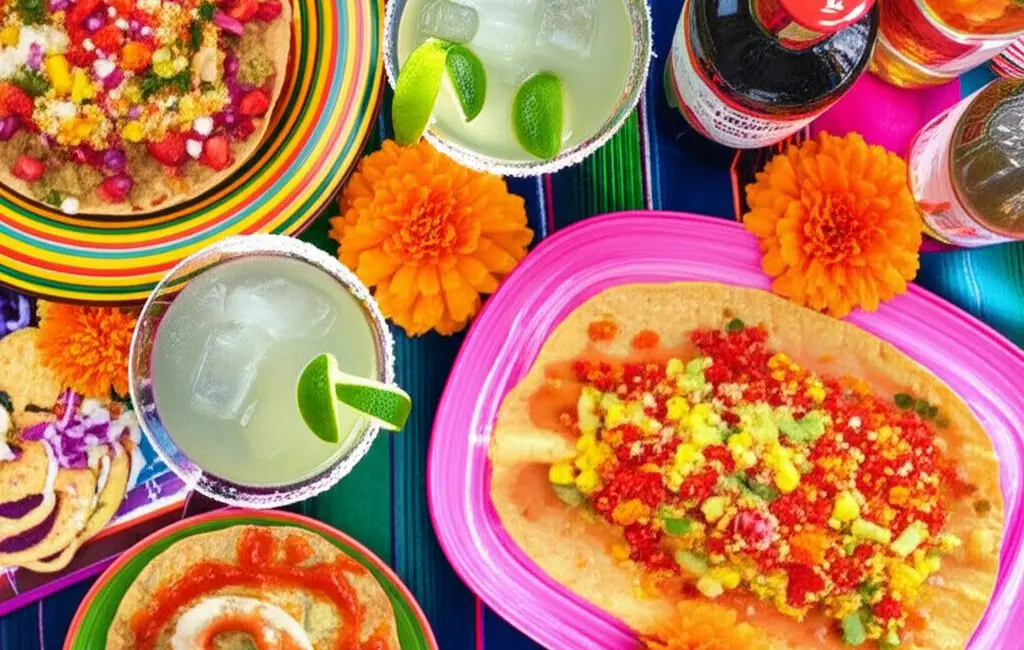
A Mexican dinner party is one of the easiest and most fun themes to host, and wine elevates it beautifully. Here’s how I approach it when I want the evening to feel really pulled together:
Set Up a Small Wine Station
Instead of opening bottles at random, I like to set up a small tasting station near the bar with 2–3 options: usually a dry white (Albariño or Sauvignon Blanc), a red (Garnacha or Tempranillo), and a rosé or sparkling. I add small tent cards with the wine name and a one-sentence tasting note and pairing suggestion — guests love having the guidance, and it makes the whole thing feel intentional. My guide to hosting a wine tasting at home has a full setup checklist you can adapt for any dinner party theme.
Time the Pours With the Courses
Start with bubbles or white during the snack/appetizer stage (guacamole, chips, ceviche). Transition to rosé or light red when the main dishes come out. Save the bigger red (Tempranillo, Zinfandel) for the heartier mains if you’re serving multiple dishes. This arc — crisp and light to richer and fuller — is how restaurants structure wine service, and it works just as elegantly at home.
Make It Beautiful on the Table
Mexican food is inherently colorful and vibrant — lean into it. I love pairing a Mexican dinner with textured, warm-toned table linens that complement the food’s natural palette. If you’re looking for custom table linens and napkins that feel intentional rather than generic, the winefulliving Spoonflower shop has wine-themed and warm botanical fabric designs that work beautifully for entertaining.
For a complete Cinco de Mayo entertaining plan with wine cocktail ideas, my Cinco de Mayo wine cocktails guide covers everything from sangria to frosé.
And if you’re planning any kind of themed wine pairing night, my approach to book club wine pairings uses the same logic of matching the wine mood to the event — which translates perfectly to a dinner party around any theme.
More entertaining and wine content on winefulliving: gifts for wine lovers for the wine enthusiast in your life, how to host a wine tasting at home for your next gathering, and my white wine vs red wine guide if you’re still building your pairing instincts.
Frequently Asked Questions
What wine goes with spicy Mexican food?
Off-dry Riesling is the single best wine for very spicy Mexican food. The slight sweetness absorbs chile heat, and the bright acidity refreshes the palate. Grüner Veltliner and Albariño are excellent alternatives. Avoid heavily tannic reds — tannin and capsaicin together amplify the burn rather than soothe it.
Is red or white wine better with Mexican food?
Both work, but high-acid whites tend to be the most versatile. Albariño or dry rosé pair well with the widest range of Mexican dishes. For red, choose low-tannin, fruit-forward styles like Garnacha or Tempranillo. The specific dish matters more than white vs red — use the pairing guide above to match by dish.
What wine goes with tacos?
It depends on the filling: fish tacos call for Albariño or Sauvignon Blanc; beef tacos (carne asada, barbacoa) pair beautifully with Tempranillo or Garnacha; pork tacos (carnitas, al pastor) work well with Garnacha or off-dry Riesling; chicken tacos with verde sauce are ideal with Grüner Veltliner. Dry rosé or Cava are the safest all-around choices when you’re serving a mix.
Can you drink Champagne or sparkling wine with Mexican food?
Absolutely — and I highly recommend it, especially for party food and appetizers. Spanish Cava (Brut) is the most affordable and food-friendly option. Champagne is wonderful with ceviche and lighter preparations. The bubbles and acidity make sparkling wine one of the most versatile choices for the wide variety of textures and flavors in a Mexican spread.