This post may contains affiliate links. Read our full disclosure here.
The best scented candles for the home do something no other decorating element can: they change the atmosphere of a room before you even look at it. A great home candle is the difference between a house that smells like nothing and a home that feels intentional, layered, and genuinely inviting the moment someone walks through the door. After years of testing every candle format, fragrance family, and wax type imaginable, I’ve developed a very clear picture of what separates an exceptional home candle from one that burns unpleasantly, throws no scent, or smells like a chemical approximation of something organic.
This guide covers everything: what actually makes scented candles worth buying, the best candles by room and mood, how to get the most burn out of every candle, and how to style them so they look as good as they smell. Whether you’re building a candle collection for your home from scratch or trying to level up what you already have, this is the guide I wish I’d had.
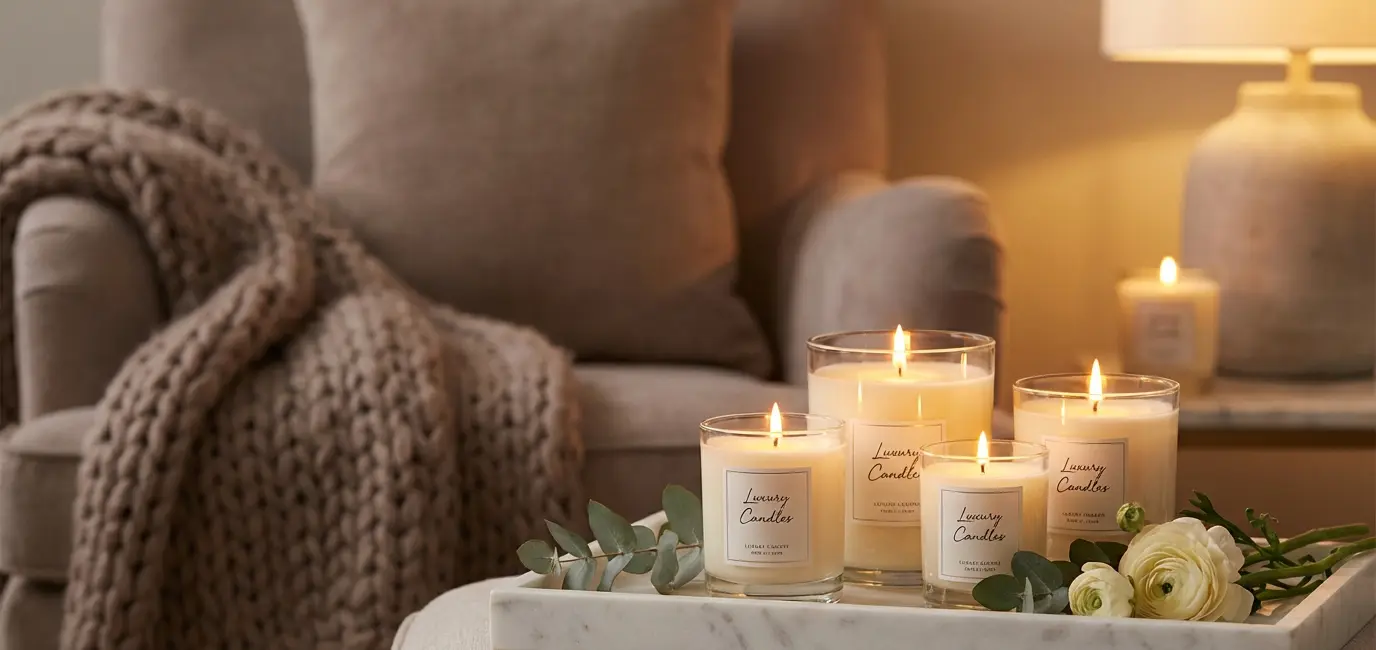
“The right scented candle doesn’t just smell good — it makes a room feel like a place you actually want to be. That’s the whole point.”
What Makes a Scented Candle Actually Good?
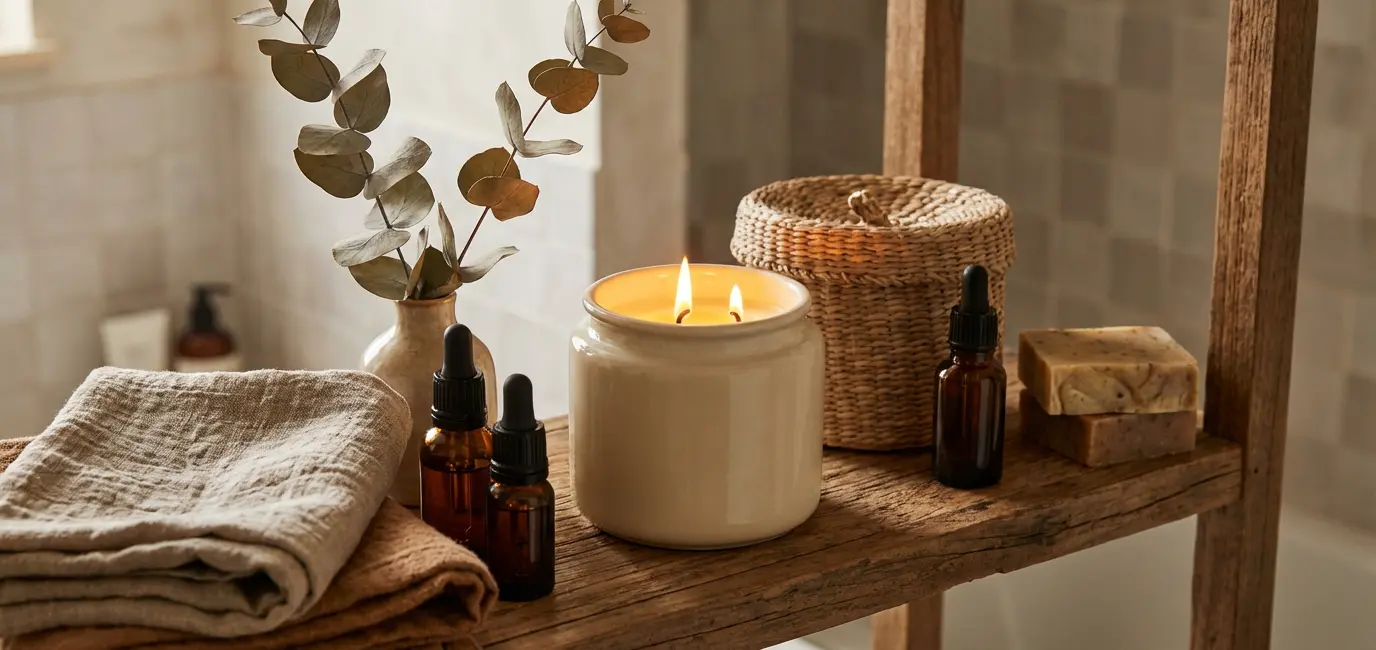
Before you can identify the best scented candles for the home, you need to understand what separates a great candle from a mediocre one. Most people assume it’s just about fragrance — but the fragrance is actually the last consideration. The foundation comes first.
Wax Type
Wax is the most important structural factor in any home candle. The main options are paraffin, soy, coconut, and beeswax — and they behave very differently.
- Soy wax: Burns cooler and slower than paraffin, produces less soot, and tends to throw fragrance more cleanly. The go-to for most quality scented candles for the home. Look for 100% soy or soy-coconut blends.
- Coconut wax: The premium choice. Excellent scent throw, clean burn, creamy texture, and holds fragrance better than any other wax type. More expensive, but noticeably better.
- Beeswax: Natural, subtle honey scent, long burn time, air-purifying properties. Best for unscented or lightly scented candles — the natural beeswax scent can compete with added fragrances.
- Paraffin: The cheapest and most common. Burns fast, can produce more soot, and the scent throw varies wildly by brand. The majority of mass-market home candles use paraffin. Not inherently bad — quality paraffin candles exist — but soy or coconut is almost always a better choice.
Scent Throw
“Scent throw” refers to how well a candle actually fills a room with fragrance — both when it’s burning (hot throw) and unlit (cold throw). A candle can smell incredible in the store and disappear completely when burning. The best scented candles for the home have a strong, consistent hot throw that fills the intended room without being overwhelming. Fragrance load (the percentage of fragrance oil in the wax) matters here, as does wick quality — a wick that’s too small for the vessel will produce a tunneling burn that never reaches the full fragrance load.
Vessel Quality
The vessel is part of the decoration as much as the function. The best home candles come in vessels worth keeping: thick glass jars, handmade ceramic pots, concrete containers, or cast iron tins. These become decor objects after the wax is gone — a storage cup, a small planter, a vase. Avoid candles in thin glass or flimsy tins that you’ll want to throw away.
Fragrance Quality
Natural fragrance oils and essential oils produce a more complex, authentic scent than synthetic fragrance compounds. This is why a $15 mass-market candle and a $45 artisan scented candle can both claim to smell like “lavender” but smell completely different. The quality of the fragrance compound is directly reflected in price at the upper end of the market. For everyday home candles, mid-range soy candles with quality fragrance oils are the sweet spot.
Best Scented Candles by Room
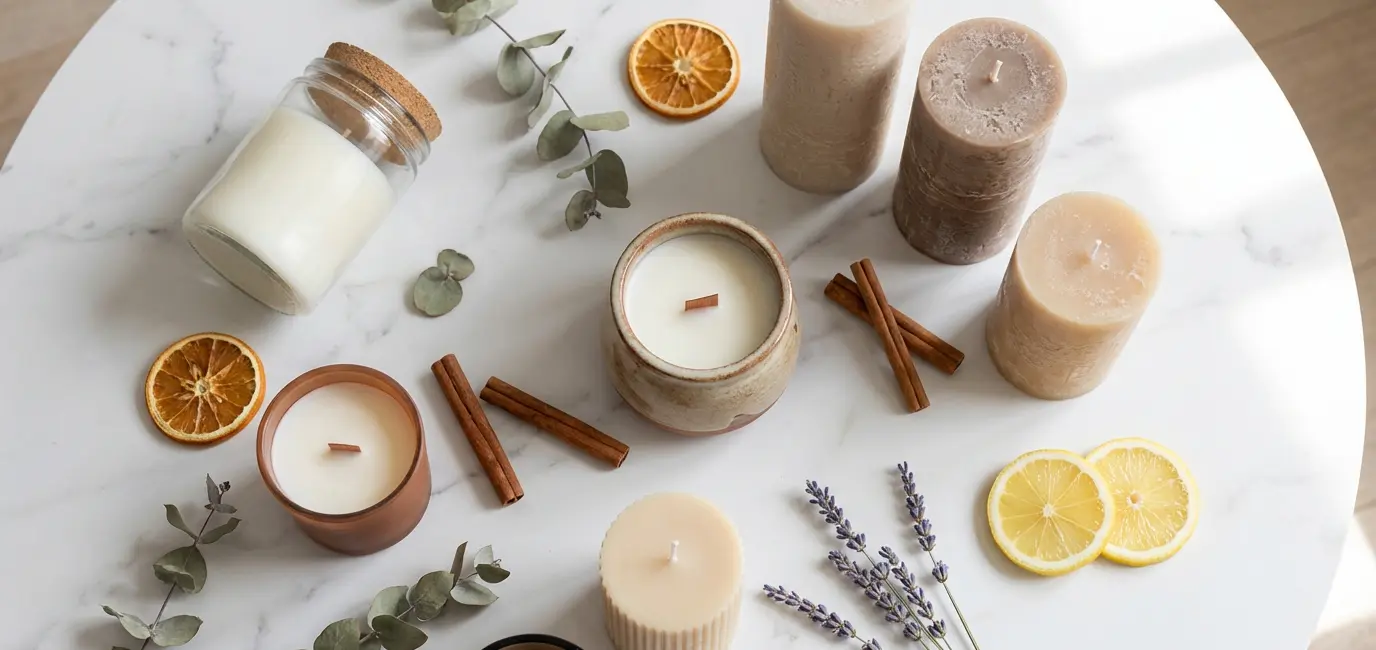
The most effective approach to building a scented candle collection for your home is to match fragrance families to rooms based on the function and mood of each space. Here’s how I approach it room by room.
Living Room: Warm, Welcoming, Complex
The living room is the first space most guests experience, and your scented candle here makes the first olfactory impression. Choose fragrances that are warm, welcoming, and slightly complex — not sharp or aggressive. My top fragrance families for living room home candles:
- Amber and musk: Warm, slightly sweet, universally appealing. The best baseline for a welcoming home.
- Sandalwood and cedarwood: Grounding, woody, sophisticated. Works beautifully in modern and traditional rooms alike.
- Vanilla and tonka bean: Soft, comforting, slightly gourmand. Pairs well with neutral interiors.
- Spiced citrus: Lively and warm without being sharp. Orange, cardamom, and clove is a classic living room combination.
Size matters here: the living room is typically your largest space, so choose a candle with a vessel diameter of at least 3 inches to ensure adequate scent throw. A cluster of two or three smaller candles on a tray is a beautiful and functional alternative.
Bedroom: Calm, Soft, Sleep-Supportive
The bedroom calls for scented candles that support relaxation and sleep, not energizing or stimulating fragrances. Lavender is the obvious choice and earns its place — it genuinely has calming properties and smells beautiful in a well-made candle. Beyond lavender, look for:
- Chamomile and clean linen: Fresh, soft, and sleep-adjacent without being floral-heavy.
- Eucalyptus and white tea: Clean, slightly herbal, and deeply calming.
- Jasmine or tuberose: Floral but not sweet — rich and slightly heady, excellent for evening.
- Bergamot: Citrus-adjacent but softer, calming rather than energizing. Often paired with cedar or musk.
Important bedroom candle rule: never fall asleep with a candle burning. The best approach is to light your bedroom home candle 30–60 minutes before sleep, then extinguish it when you get into bed. The residual fragrance in the room is what carries you into sleep.
Bathroom: Fresh, Clean, Spa-Inspired
The bathroom is where scented candles do some of their best work, transforming a functional space into something that feels like a spa. The key fragrance families here are clean, fresh, and slightly herbal rather than sweet or heavy:
- Eucalyptus and mint: Refreshing, clean, and genuinely spa-like. The most popular bathroom candle scent for good reason.
- Sea salt and driftwood: Oceanic, airy, and clean. Perfect for bathrooms with natural stone or coastal styling.
- Green tea and ginger: Crisp and slightly energizing — great for morning baths.
- Lemon verbena or lime basil: Sharp, clean citrus. Extremely effective at freshening a small space.
Kitchen: Light, Fresh, Non-Food-Adjacent
Candles in the kitchen are more about freshening the air than creating an atmosphere, which means you want lighter, cleaner fragrances rather than gourmand or baked-good scents (which can clash confusingly with actual cooking smells). Lemon, grapefruit, basil, and herb-forward fragrances are the best kitchen candle choices. Avoid anything too sweet or too heavy in a cooking environment.
Home Office: Focused, Clean, Slightly Energizing
The home office benefits from scented candles that support focus without being distracting. Peppermint is clinically associated with improved concentration. Rosemary has similar properties. Citrus fragrances (particularly grapefruit and lemon) are energizing and mood-lifting. A clean, herbal, or lightly citrus candle for the home office is the ideal productivity companion.
Best Scented Candles by Mood and Season
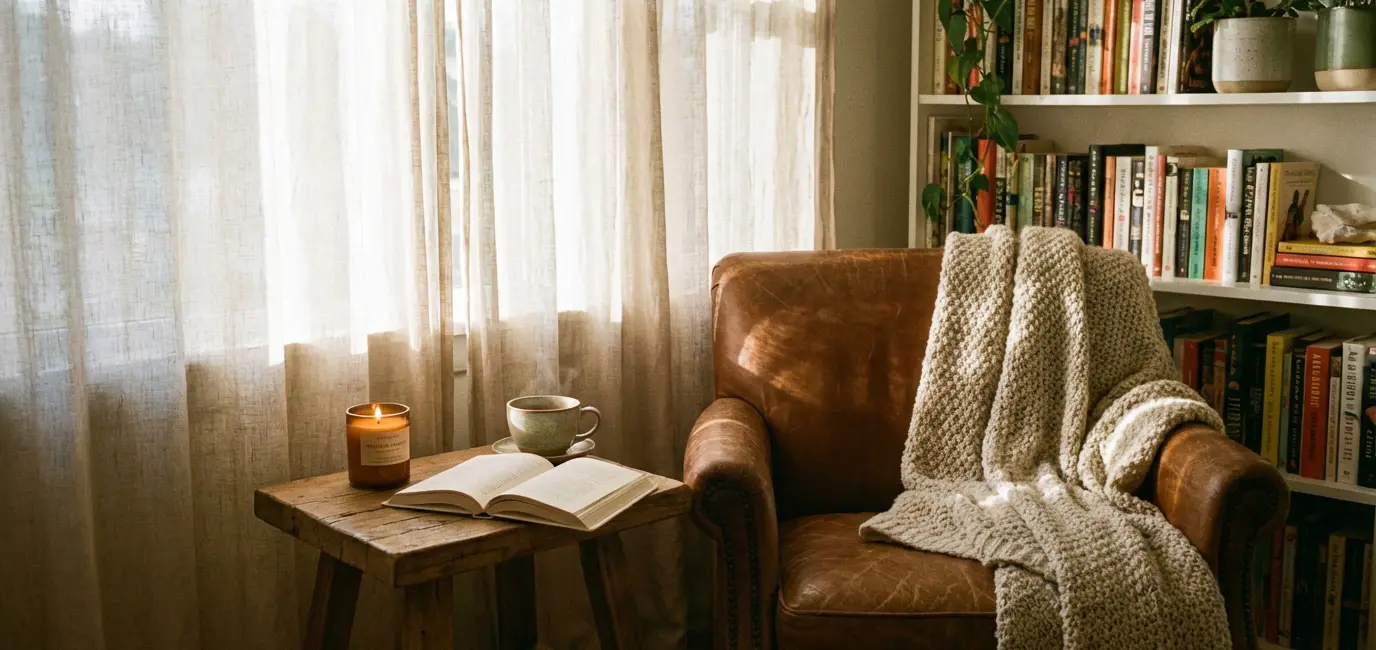
Beyond room-by-room placement, the best scented candles for the home shift with the seasons and the mood you’re trying to create. Here’s how I curate my candle collection through the year.
Spring: Fresh, Floral, Green
Spring home candles should smell like the season: fresh-cut flowers, green stems, light citrus, and subtle florals. Peony, jasmine, lily of the valley, and cherry blossom are all excellent spring fragrance choices. Avoid anything too sweet or heavy — spring candles should feel as light as the season itself. This is also the time of year when I’ll place a scented candle near fresh spring flowers on a table, letting the two fragrances layer together.
Summer: Oceanic, Citrus, Light Botanicals
Summer calls for candles that feel breezy and bright: sea salt, sunscreen (a surprisingly lovely candle note), citrus, coconut, and tropical florals like frangipani or ylang ylang. These are also the seasons for lighter, more delicate fragrances rather than rich, heavy ones — heavy amber or tobacco candles feel out of step with warm-weather living.
Autumn: Spice, Wood, Warmth
Autumn is peak candle season, and for good reason: warm, spiced fragrances create an incredible sense of coziness against cooling temperatures and changing light. Apple cider, pumpkin spice, cinnamon and clove, fig, smoked wood, and dark amber are all autumn candle classics. This is when I invest in larger, higher-quality home candles — the kind I’ll burn through an entire season.
Winter: Deep, Resinous, Festive
Winter scented candles are about richness and warmth — the olfactory equivalent of a cashmere blanket. Balsam fir, frankincense, myrrh, pine resin, tobacco and vanilla, clove and orange — these are the fragrances that make a home feel deeply lived-in and welcoming during the cold months. This is also the season when holiday candles (cranberry, mulled wine, gingerbread) earn their place, even for those who usually prefer more sophisticated fragrances.
How to Get the Most Out of Your Scented Candles
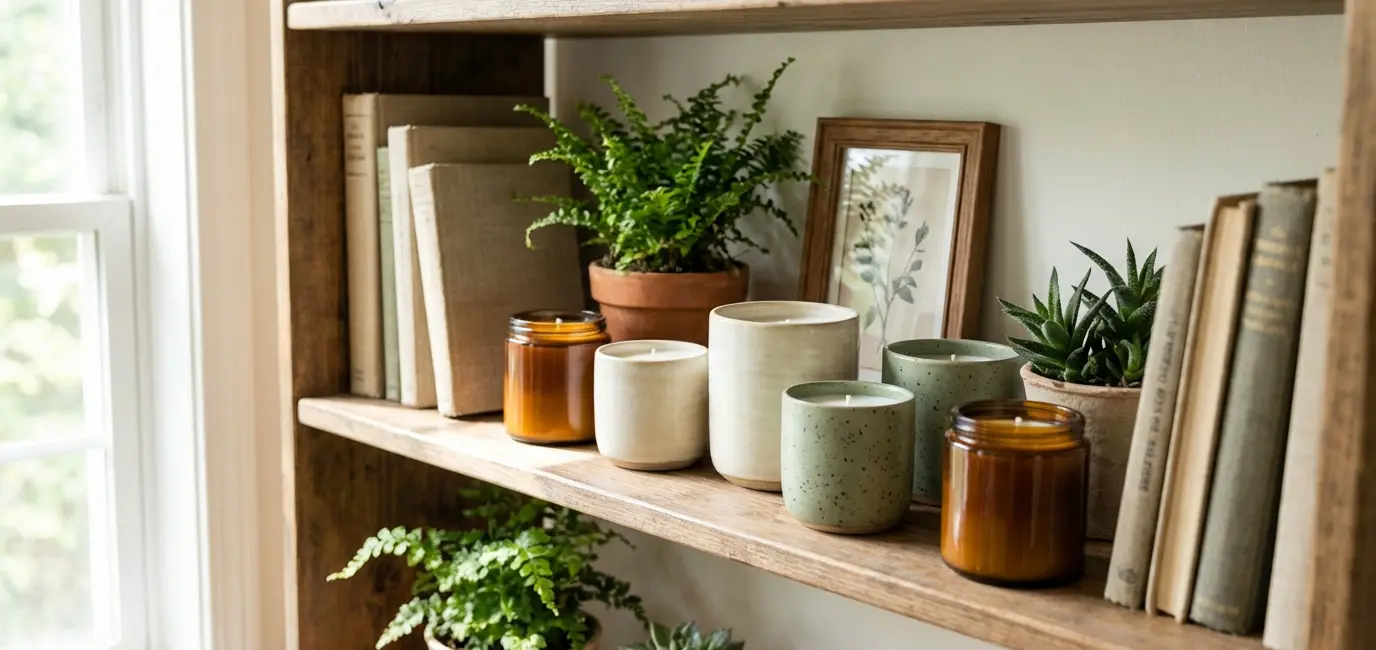
Even the best scented candles for the home underperform if they’re burned incorrectly. These are the rules that make every candle last longer and perform better.
The First Burn Is the Most Important
Always allow your home candle to achieve a full melt pool on its first burn — meaning the wax melts all the way to the edge of the vessel. This typically takes 2–4 hours depending on the diameter. If you extinguish a candle before achieving a full melt pool, the wax will tunnel (melt only in the center), and the candle will never burn evenly again. One bad first burn can ruin an expensive candle. Set aside the time.
Trim Your Wick Every Time
Trim the wick to 1/4 inch before every single burn. A long wick creates a larger flame, which burns through wax faster, produces more soot, and can cause flickering and smoke. A trimmed wick burns cleanly and evenly. This single habit more than doubles the useful life of most scented candles. Use a wick trimmer (they’re inexpensive and precise) rather than scissors, which can leave wick debris in the wax.
Burn Time Limits
Never burn a candle for more than 4 hours at a time. After 4 hours, the vessel gets hot enough to affect the fragrance oil and the wick quality. Allow the candle to cool completely between burns — ideally for at least 2 hours. This preserves both fragrance quality and burn longevity.
Storage
Keep unused home candles away from direct sunlight and heat. UV light degrades fragrance oils and can cause discoloration in lighter waxes. Store them with their lids on to preserve the cold throw. A candle stored in a cool, dark place will smell as good six months later as it did the day you bought it.
Know When to Stop Burning
Stop burning a candle when about 1/2 inch of wax remains in the vessel. Burning below this level can overheat the vessel (especially glass) and create a fire hazard. The remaining wax can be melted out with warm water to clean the vessel for repurposing.
How to Style Scented Candles in Your Home
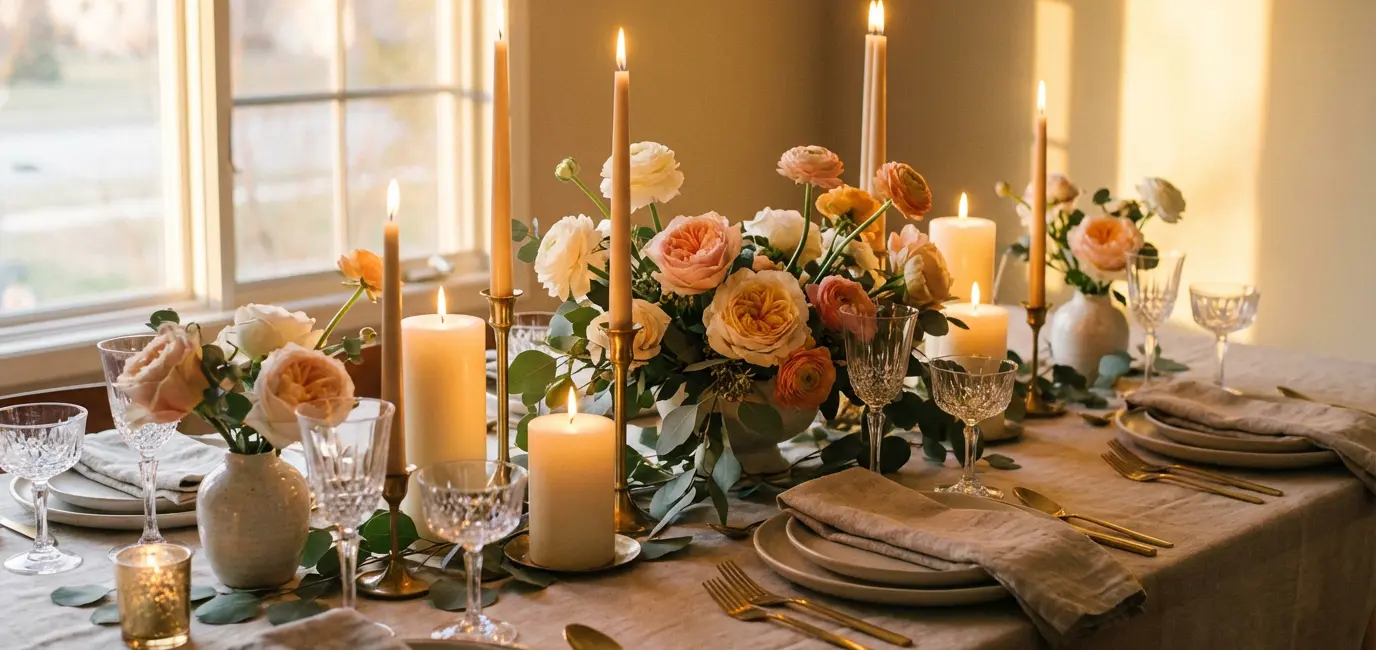
The visual presentation of your scented candles is almost as important as the fragrance. Here’s how to style them so they look intentional and beautiful rather than like an afterthought.
The Tray Method
The single most effective way to display a candle collection at home is on a decorative tray. A marble tray, a wooden serving board, or a lacquered tray creates a contained vignette that makes even a simple collection of three candles look curated. Add a small plant, a crystal, or a few decorative objects to build out the vignette. This works on coffee tables, console tables, mantels, and bathroom shelves equally well.
Vary Heights and Vessel Types
The most visually interesting home candle displays combine different vessel heights, materials, and shapes. A tall glass hurricane candle next to a short ceramic jar next to a pillar candle creates depth and dimension. Avoid lining up identical candles in a row — it looks like a store display rather than a styled home.
Candles as Centerpieces
Pillar candles and tapered candles in candlestick holders are the original home candle styling format, and they’re as beautiful as ever on a dining table. For an everyday look, a trio of pillar candles at varying heights on a simple tray is both elegant and unfussy. For entertaining, tapered candles in brass or ceramic candlesticks flanking a floral arrangement creates a genuinely beautiful table. The key is proportion: candles should add to the centerpiece, not overwhelm it.
Candles in Unexpected Places
Some of the best scented candle placement I’ve found is in unexpected spots: a small votive on a bookshelf between books, a pillar candle on a bathroom floor next to a freestanding tub, a cluster of tea lights on a kitchen windowsill. These small touches create atmosphere throughout the home rather than concentrating it in one or two obvious spots.
More Home Styling and Lifestyle Guides
If this guide sparked a full home refresh, there’s plenty more to explore. For the visual side of home styling, my pastel home decor ideas for spring guide covers the complete palette-by-palette approach to seasonal refreshing. For living room transformations that go beyond candles, the living room glow-up ideas guide covers every budget and every space. For bedroom atmosphere, spring bedroom refresh ideas pairs beautifully with everything in this candle guide. If you’re styling a complete home vignette with art as well as candles, botanical print gallery wall ideas is the next step. And if candles are going on your spring dinner party table, spring dinner party menu ideas will help you plan the rest of the evening to match.
Frequently Asked Questions
Still searching for the right scented candles for your home? Here are the most common questions I get.
What are the best scented candles for the home?
The best scented candles for the home are made with soy or coconut wax, use high-quality fragrance oils, and come in vessels worth keeping after the wax is gone. Look for candles with a strong hot throw (they actually fill the room when burning), a clean burn with minimal soot, and a burn time of at least 40 hours for a medium-sized jar. The best home candle brands consistently deliver all three.
What scented candle lasts the longest?
Coconut wax and soy wax candles burn the slowest and longest. Larger diameter vessels with thicker wax pools also extend burn time. For maximum longevity: trim the wick before every burn, always achieve a full melt pool on the first burn, never burn for more than 4 hours at a time, and store unused candles with lids on away from sunlight. Following these rules can double the effective life of any scented candle.
Are soy candles better than paraffin candles?
For home candles, soy wax is generally better than paraffin: it burns cleaner (less soot), burns slower (longer life), and produces a more consistent fragrance throw. Coconut wax is a step above soy. That said, high-quality paraffin candles from reputable brands perform well — the wax type matters, but fragrance quality and wick quality matter just as much.
What scented candles are safe to burn indoors?
Soy, coconut, and beeswax candles are the safest choices for indoor burning — they produce significantly less soot and airborne particulates than paraffin candles. For any scented candle burned indoors, keep the room lightly ventilated, trim the wick to 1/4 inch before each burn, and never burn in a completely sealed space. Avoid candles with synthetic dyes or cheap fragrance oils, which can release more irritants when burned.
How many candles should I have in my home?
There’s no set number, but a practical home candle collection typically includes: 1–2 for the living room, 1 for the bedroom, 1 for the bathroom, and 1 for the kitchen or home office. That’s 4–6 candles active at any time, with additional seasonal or gifted candles in rotation. The goal isn’t maximum volume — it’s having the right fragrance in the right space at the right time.
What is the best candle scent for a home that always smells good?
For a home that consistently smells welcoming and pleasant, warm amber and sandalwood scented candles in the living room are the most universally appealing baseline. These fragrances are sophisticated, non-polarizing, and work in every season. Layer a clean linen or eucalyptus candle in the bathroom and a light citrus or herbal candle in the kitchen, and your home will smell layered and intentional from every room.
Can scented candles affect air quality?
Yes, to a degree. All burning candles produce some combustion byproducts. Soy and coconut wax candles produce significantly less soot and fewer airborne particulates than paraffin candles. For those with respiratory sensitivities, choose candles with natural fragrance oils (not synthetic), cotton or wood wicks (not zinc-core), and always burn with slight ventilation. The EPA’s indoor air quality guidelines recommend ventilating any space where combustion occurs.
The best scented candles for the home are the ones you actually burn — regularly, intentionally, and in the right rooms. Start with one room, find the fragrance that makes it feel the way you want it to feel, and build from there. A well-chosen home candle is one of the most accessible and effective ways to transform the atmosphere of your space. It doesn’t cost much, it doesn’t require a renovation, and the results are immediate.