This post may contains affiliate links. Read our full disclosure here.
Traditional design styles have always captured my heart with their timeless appeal and rich history. In 2025, these classic aesthetics continue to inspire beautiful homes around the world, offering a perfect blend of comfort and sophistication. Traditional design styles bring character and depth to our living spaces that contemporary approaches sometimes miss. Whether you’re drawn to the rustic charm of French Country or the ornate details of Victorian interiors, understanding these classic styles can help you create a home that feels both elegant and welcoming.

As someone who’s spent years exploring different interior design approaches, I’ve come to appreciate how traditional interior design elements create spaces that never go out of style. The beauty of traditional design lies in its adaptability—these styles have survived centuries because they can be refreshed and reimagined for modern living. In this guide, I’ll walk you through four distinct traditional design styles that continue to influence home décor in 2025, breaking down their key characteristics and showing how to incorporate them in today’s homes.
Classic & Traditional Design: Timeless Elegance
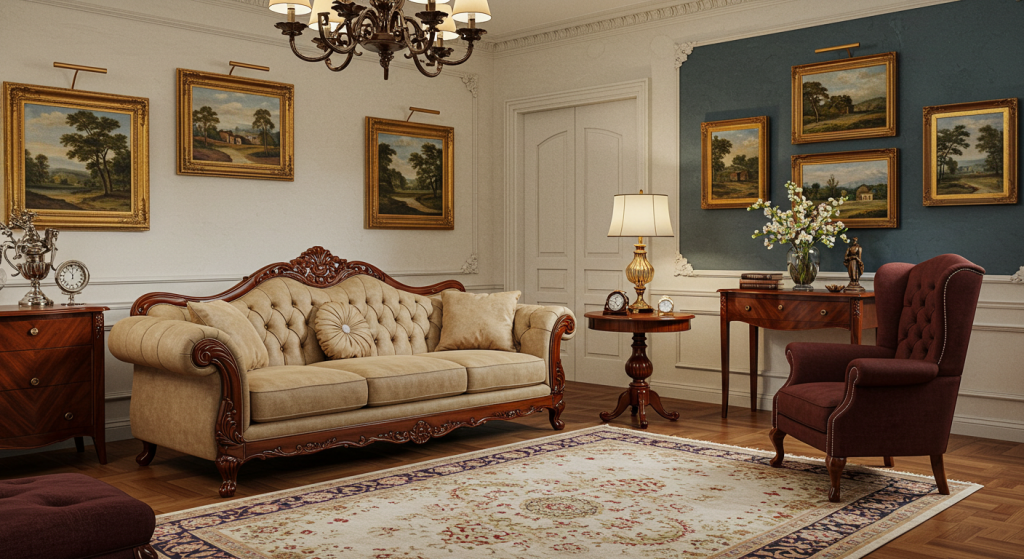
Classic traditional design draws inspiration from European aristocratic homes of the 18th and 19th centuries. This style embodies refined symmetry and proportion, creating spaces that feel sophisticated without being stuffy. When I walk into a classically designed room, I’m always struck by how balanced everything feels—it’s like every piece knows exactly where it belongs.
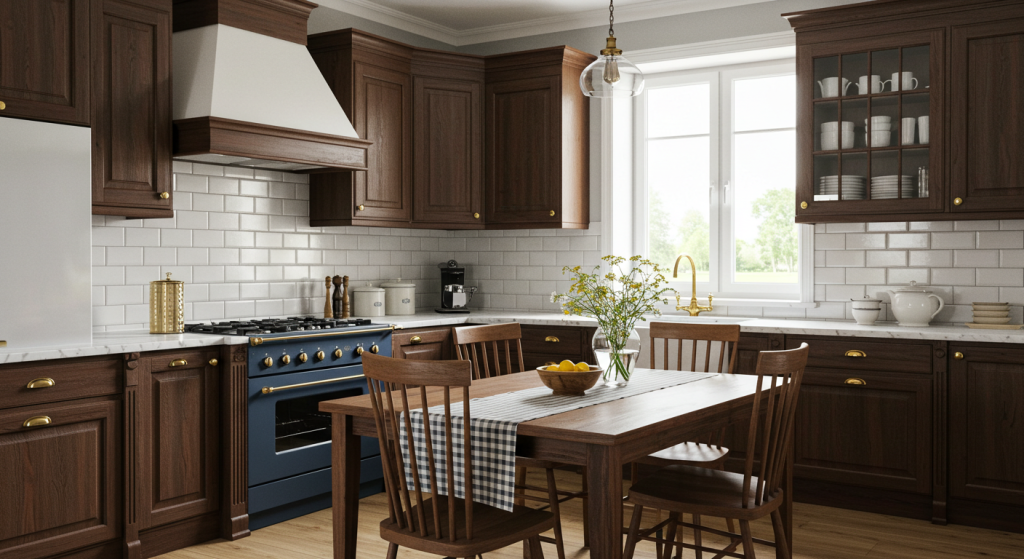
The visual signatures of classic traditional design include ornate woodwork that frames the architecture itself. Crown molding, wainscoting, and detailed trim work define the bones of these spaces. Rich fabrics like velvet, damask, and silk add luxury through texture and subtle sheen. Polished metals, particularly brass and gilt finishes, bring warmth and reflect light beautifully throughout the space.
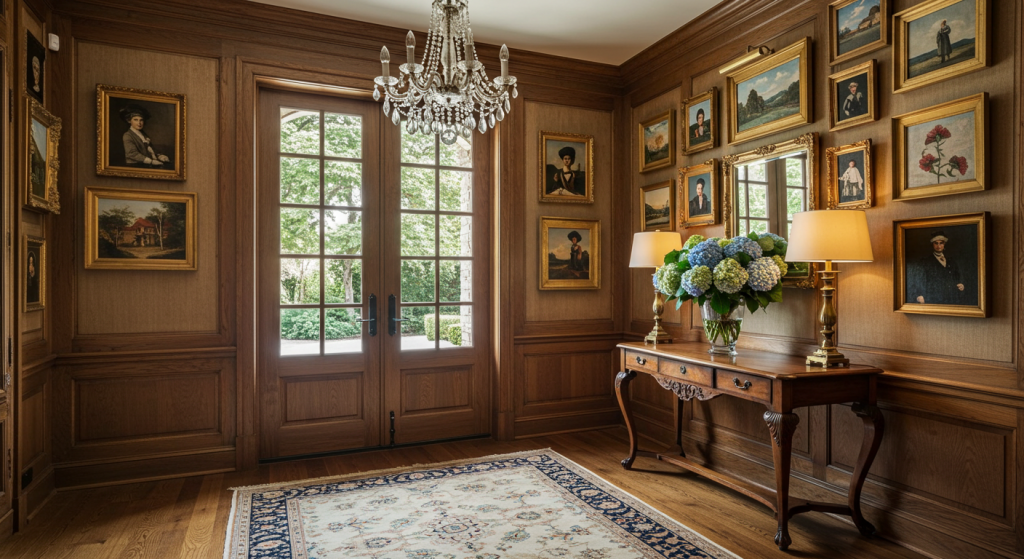
The color palette of classic traditional design leans toward deep jewel tones that create a sense of richness and depth. Think emerald green, navy blue, and burgundy, thoughtfully balanced with neutrals like cream and taupe to prevent the space from feeling overwhelming. These colors create formal living rooms with undeniable presence and character.
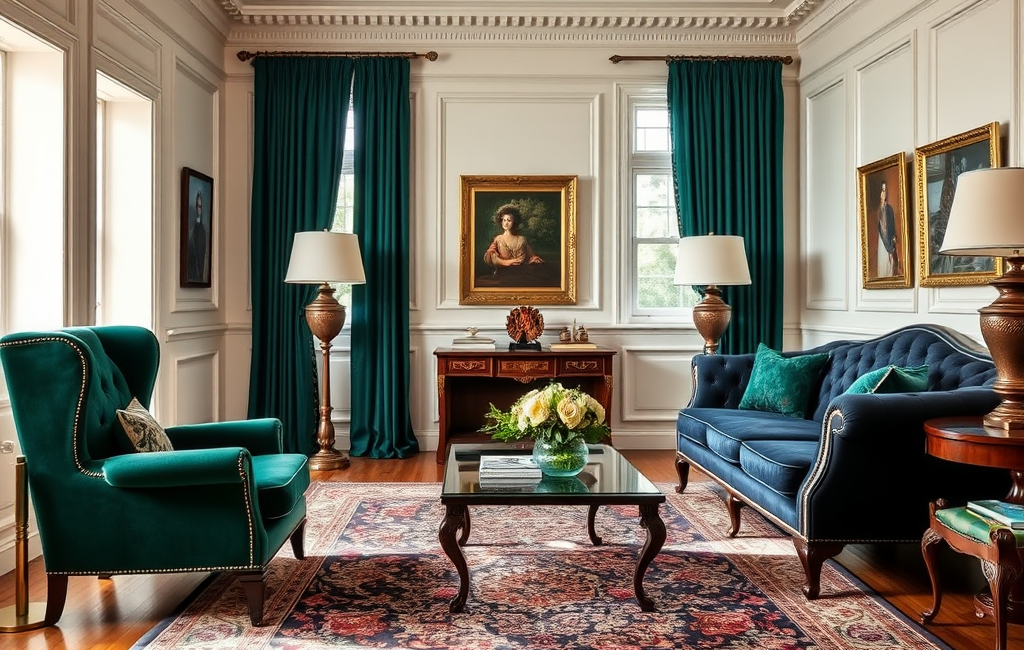

Key furniture pieces in classic traditional design include:
- Wingback chairs with tailored upholstery
- Chesterfield sofas featuring button tufting
- Antique-inspired armoires with detailed carvings
To give classic traditional design a modern update for 2025, try these approaches:
- Pair traditional furniture with sleek, minimalist lighting fixtures
- Use statement wallpaper in a classic damask pattern but in an unexpected color
- Mix vintage heirlooms with contemporary art for a personal, collected look
French Country & Rustic: Casual Countryside Charm
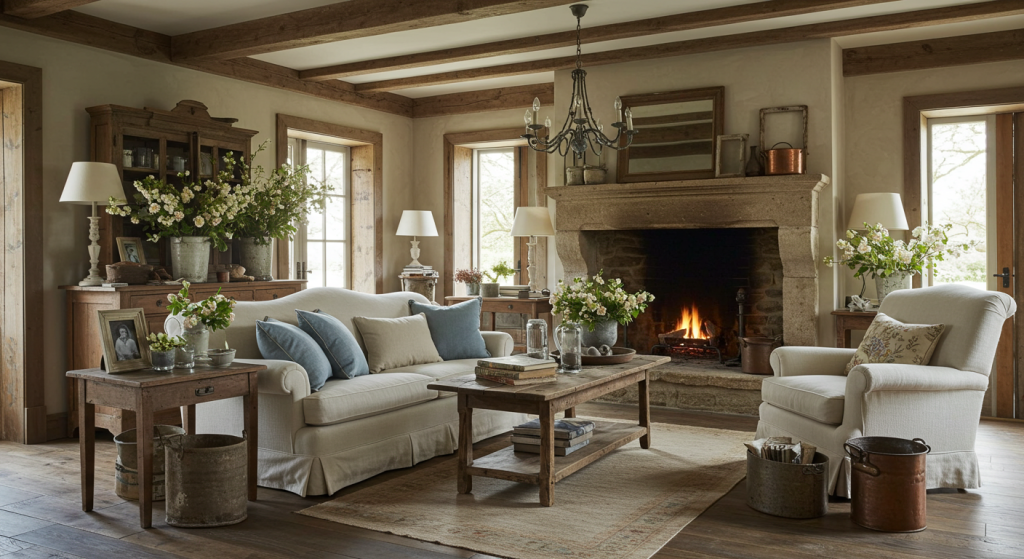
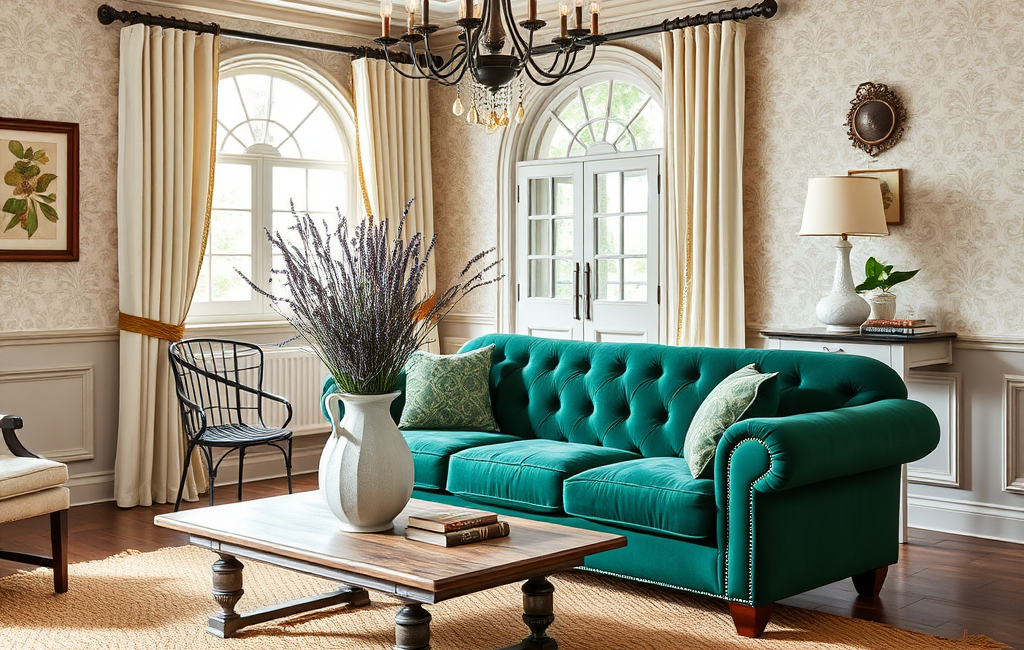
French Country design captures the spirit of Provence with its casual elegance and rustic charm. This style feels lived-in and welcoming while maintaining a certain effortless sophistication that’s uniquely French. Unlike more formal traditional styles, French Country invites you to put your feet up and relax with a glass of wine while surrounded by beautiful yet practical elements.
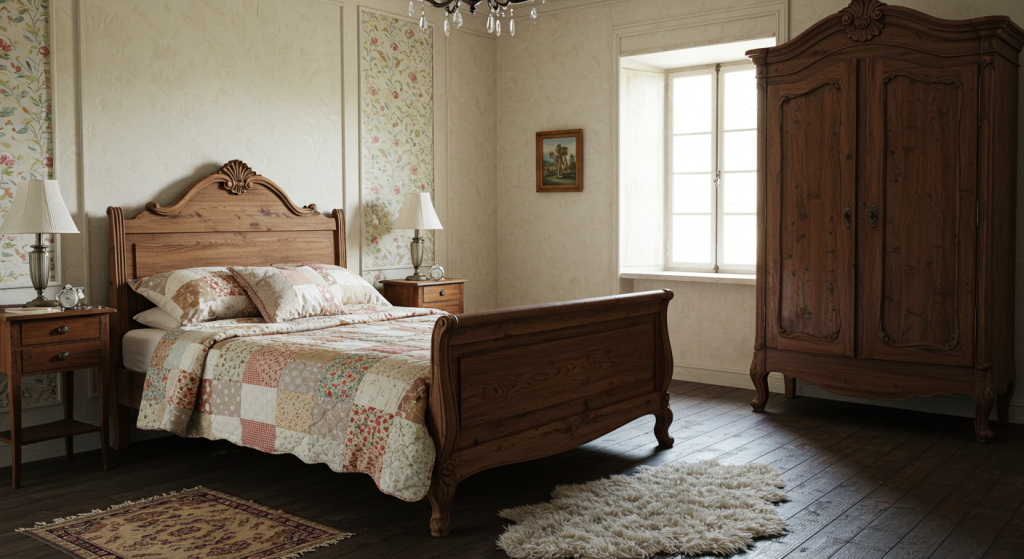
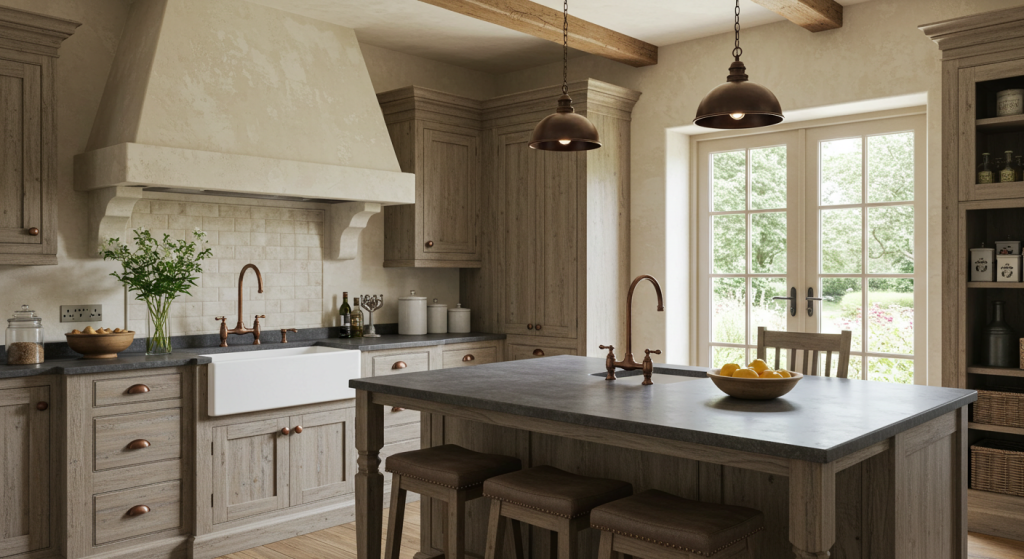
The visual hallmarks of French Country include weathered, distressed wood finishes that suggest generations of use and character. Fabrics tend toward florals, toiles (especially those featuring pastoral scenes), and simple stripes in washed-out tones. Open shelving displaying collections of ceramics and dishware creates that authentic country kitchen feel that many of us crave for modern living room home decor.
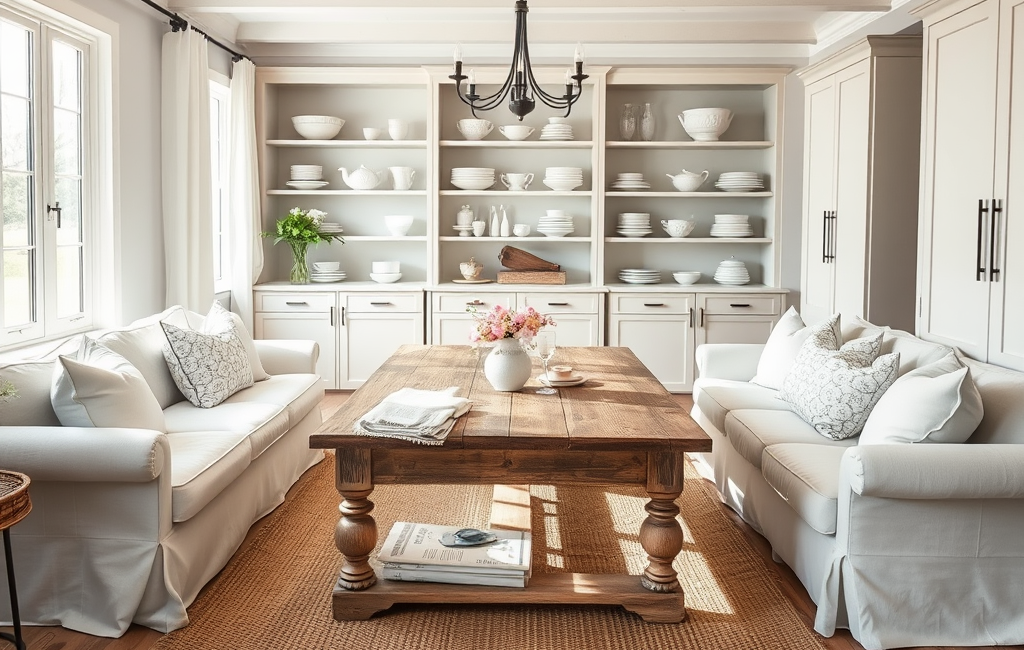
The color palette of French Country embraces soft pastels like lavender and butter yellow alongside earthy tones such as sage green and terracotta. These colors reference the natural Provençal landscape of lavender fields, olive groves, and sun-baked earth. The overall effect feels nurturing and grounded rather than bold or dramatic.
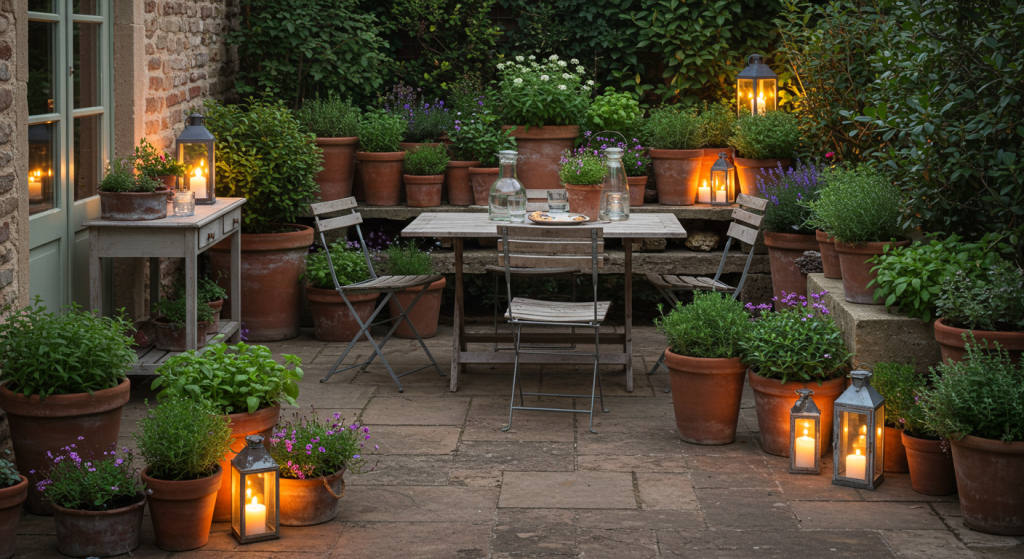
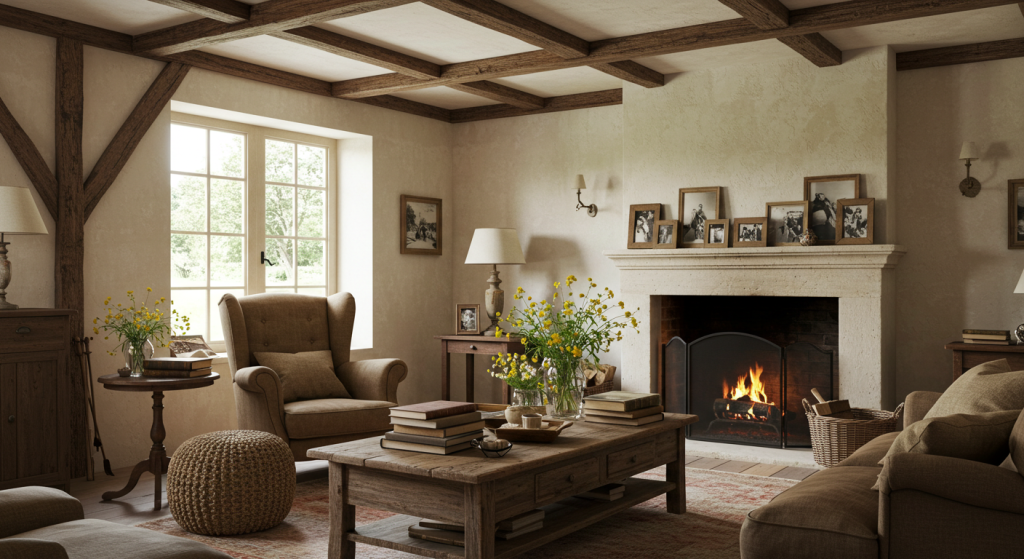
Signature furniture pieces in French Country design include:
- Rustic farmhouse tables with turned legs
- Comfortable slip-covered sofas in natural linen
- Bistro-style wrought-iron chairs with simple cushions
To modernize French Country for 2025 homes, consider these tips:
- Add modern farmhouse accents like sleek black hardware for contemporary contrast
- Layer natural textures such as linen, jute, and raw woods for depth
- Use vintage market finds as decorative focal points throughout your space
Victorian & Colonial: Historic Grandeur
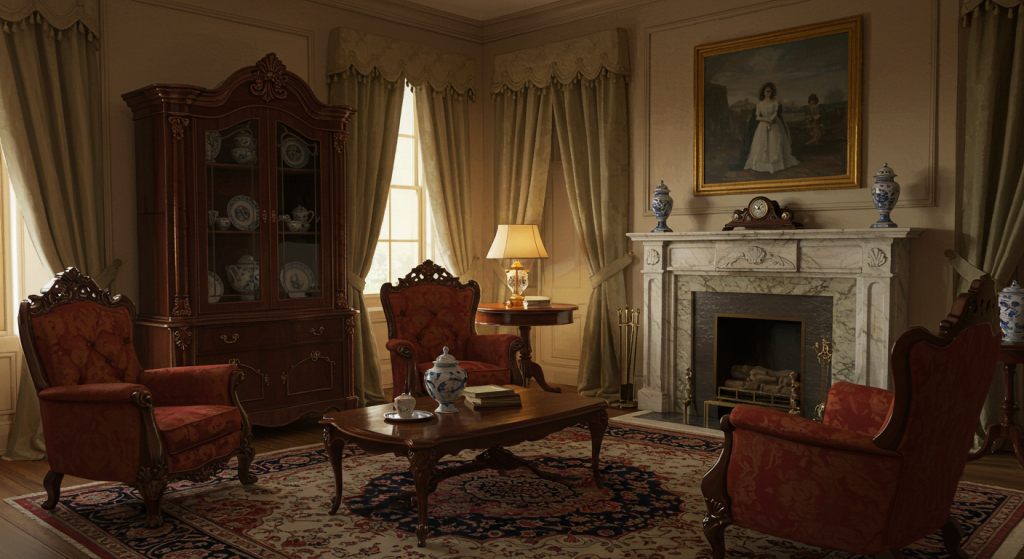
Victorian and Colonial styles bring dramatic historical reference points into today’s homes. These styles emerged during periods of expansion and prosperity, reflecting an era when homes were designed to showcase wealth and status. What fascinates me about Victorian design is its unapologetic maximalist approach—more was always more during this period!
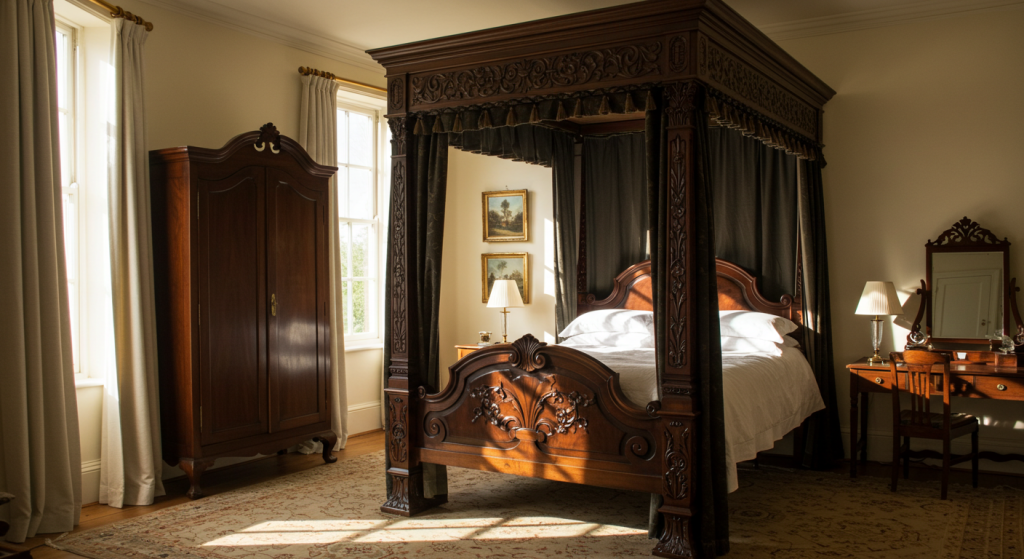
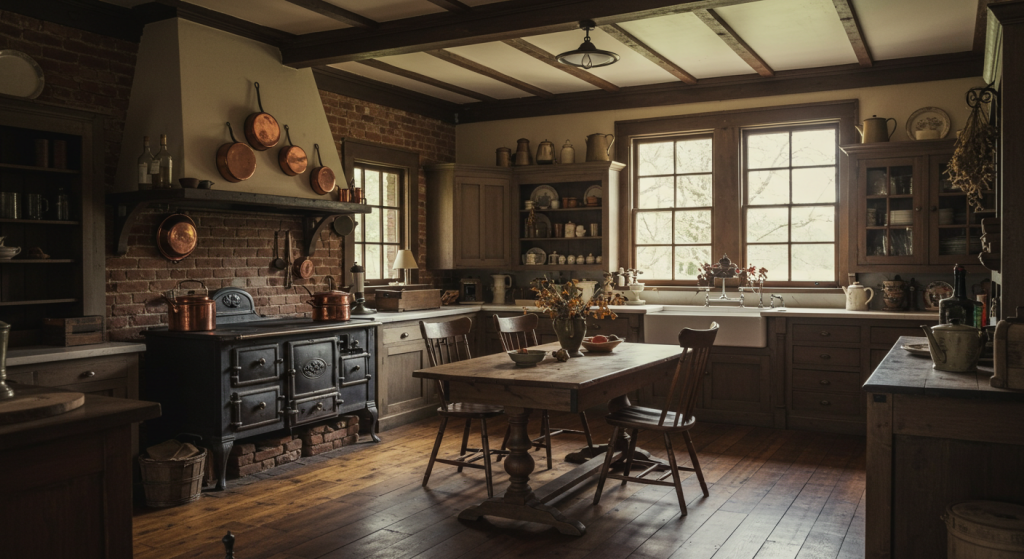
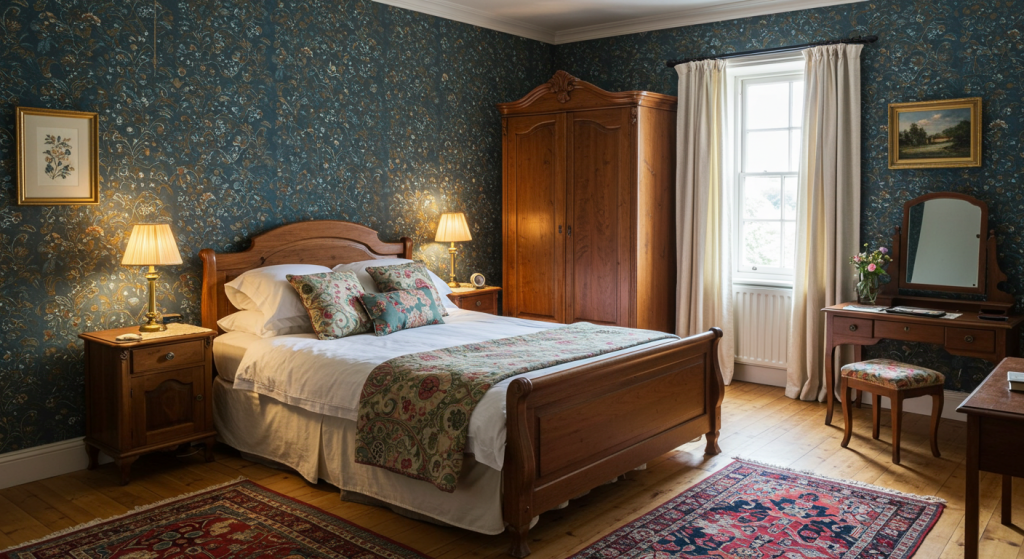
The visual signatures of Victorian and Colonial styles include heavy, elaborate drapery often adorned with tassels and fringe. Intricate carvings appear on furniture and architectural elements, while clawfoot tubs remain iconic bathroom features. Pattern-on-pattern design was standard practice, with wallpaper, upholstery, rugs, and even ceilings featuring detailed patterns for bedroom refresh projects.
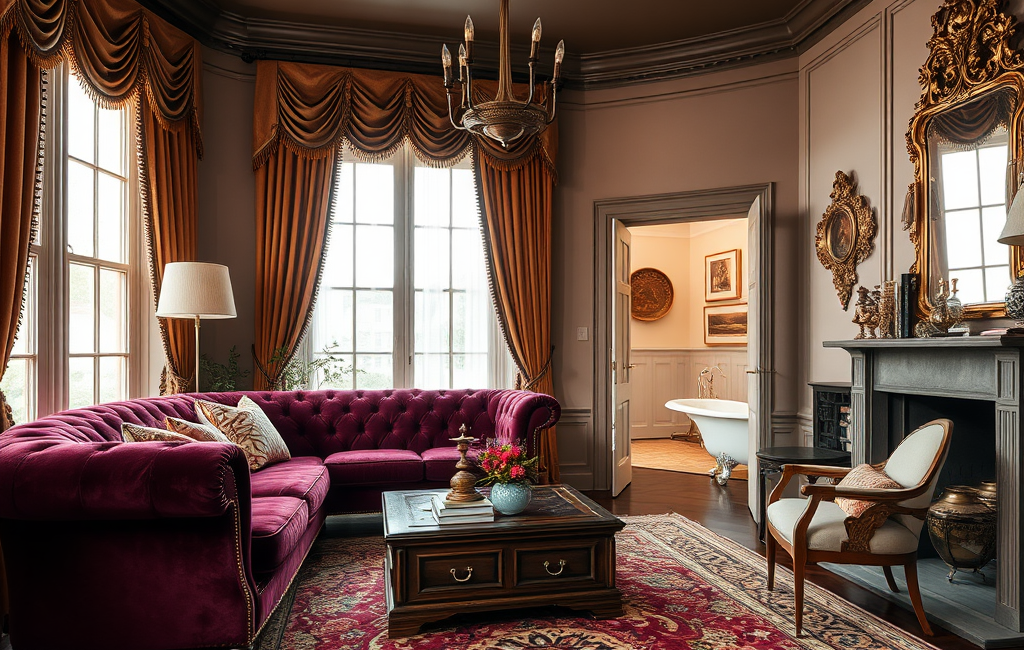
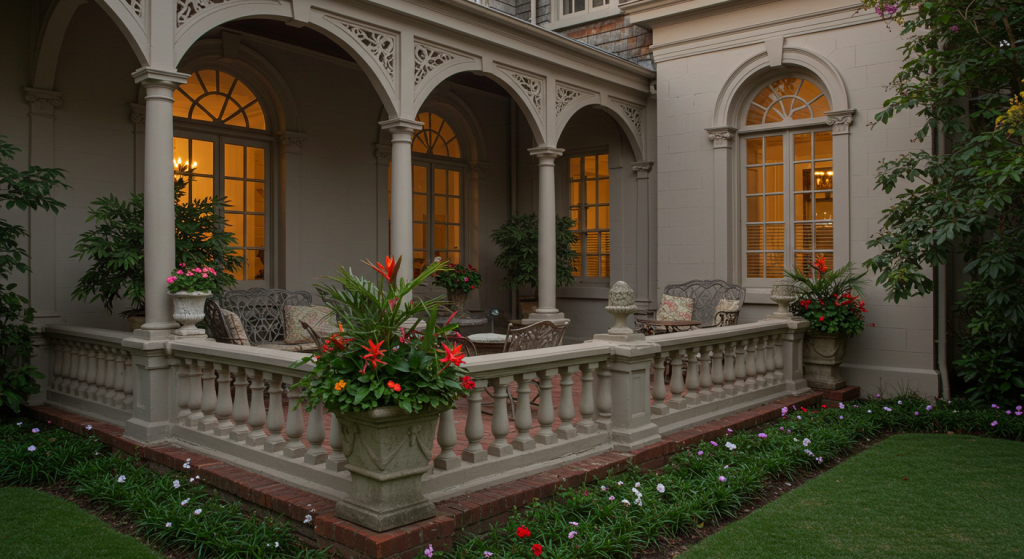
The color palette favors moody, saturated hues like charcoal gray, deep plum, and forest green, often accented with gold and ivory for contrast. These rich colors created dramatic backdrops for the detailed furnishings and numerous decorative objects typical of Victorian homes.
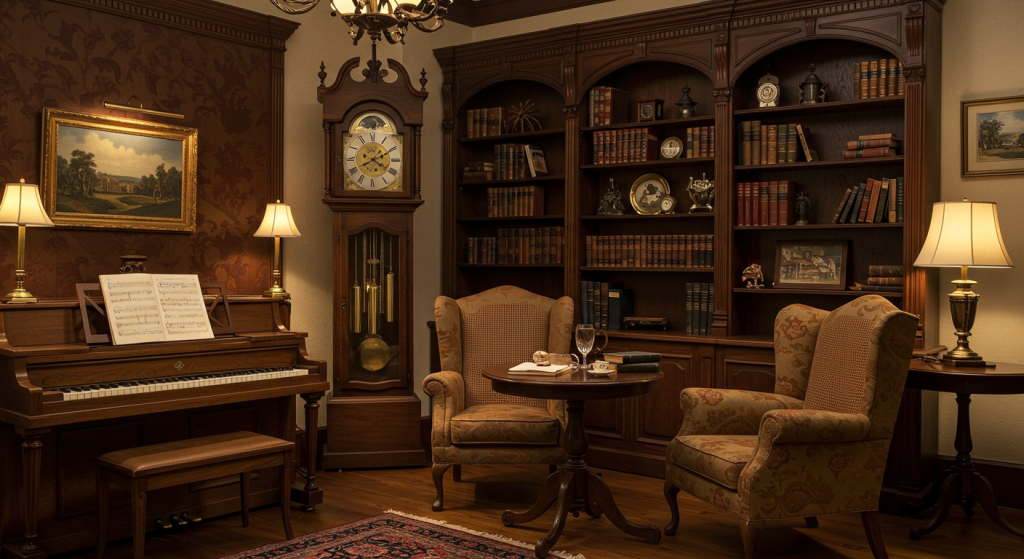
Essential furniture pieces in Victorian and Colonial design include:
- Tufted settees with curved, ornate frames
- Roll-arm sofas with decorative wood trim
- Mahogany four-poster beds with detailed carvings
To update Victorian style for 2025 without your home feeling like a museum, try these approaches:
- Keep walls neutral to let Victorian architectural details shine
- Incorporate modern lighting like sculptural chandeliers for unexpected contemporary contrast
- Balance maximalist patterns with solid-colored furniture pieces
Mediterranean & Tuscan: Sun-Soaked Serenity
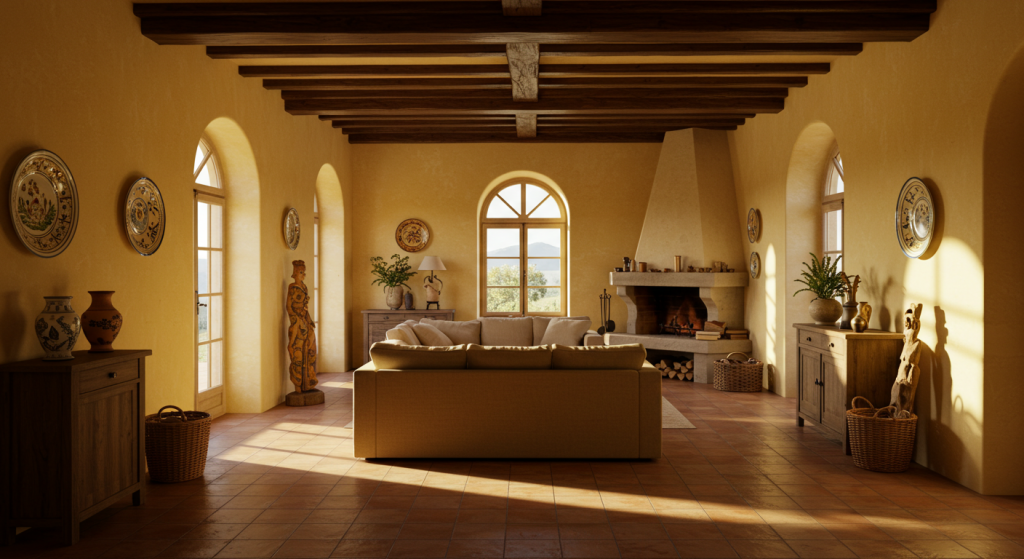
Mediterranean and Tuscan design styles transport us to the sun-drenched coastal regions of Southern Europe. These styles emphasize a connection to the earth and a relaxed lifestyle centered around family, food, and outdoor living. What draws me to Mediterranean design is how it blurs indoor and outdoor boundaries, creating homes that feel expansive and connected to nature.
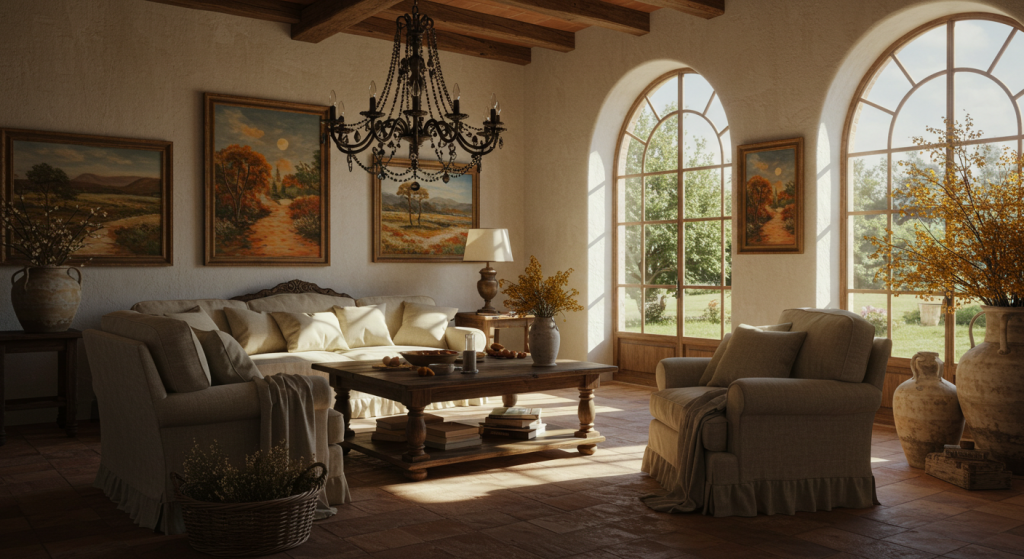
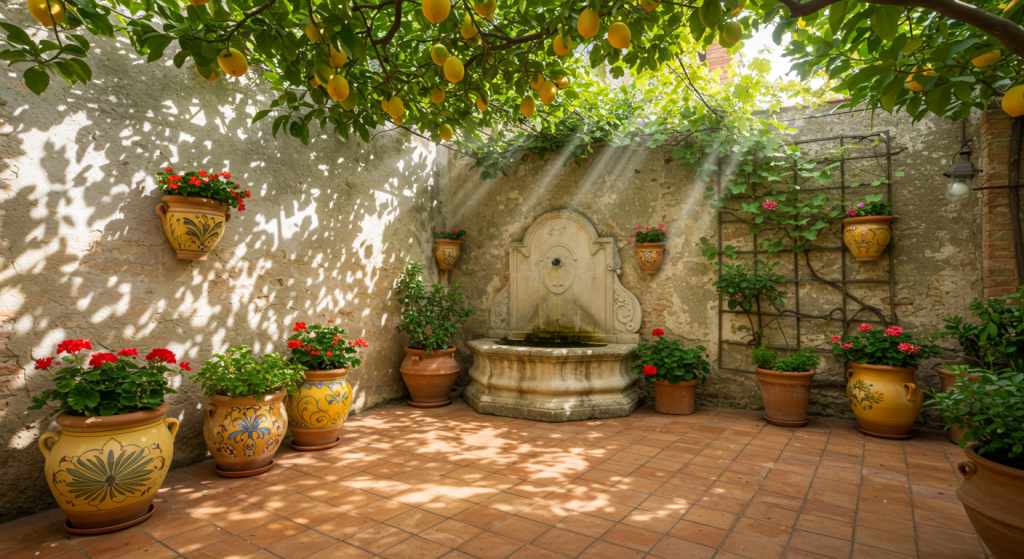
Visual trademarks of Mediterranean and Tuscan styles include graceful arched doorways that frame views and create rhythmic flow between spaces. Exposed wooden beams reveal architectural structure while adding warmth and character to ceilings. Terra-cotta tiles in various applications—floors, backsplashes, and decorative elements—bring the earthy warmth of traditional materials into contemporary contexts.
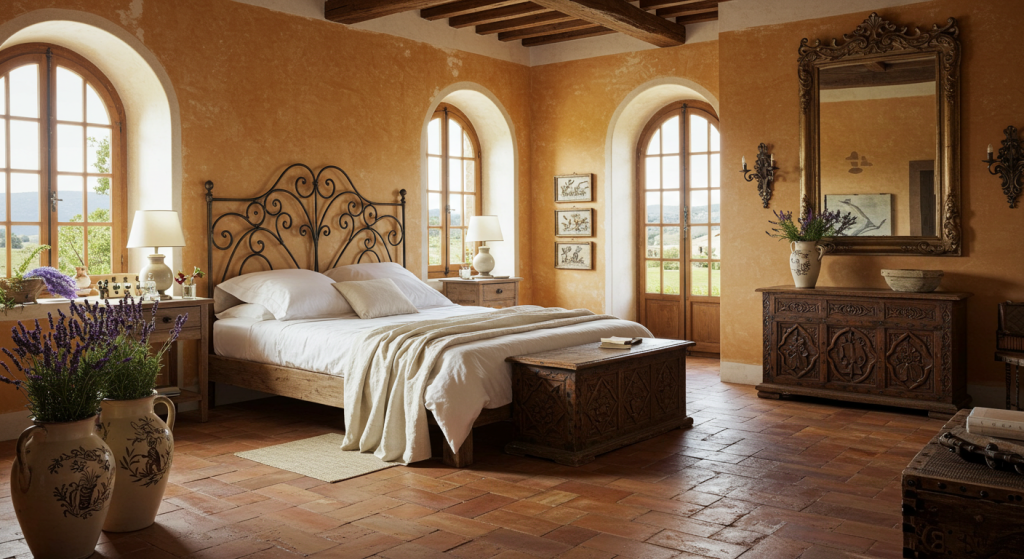

The color palette draws directly from the coastal Mediterranean landscape: warm neutrals like sand and ochre provide a base, while ocean blues and olive greens add depth and connection to the natural world. These colors work together to create serene, grounded spaces that feel both elegant and relaxed.
Key furniture pieces in Mediterranean and Tuscan design include:
- Wrought-iron bed frames with scrollwork details
- Ornate wooden consoles with distressed finishes
- Woven seagrass rugs that add natural texture
To give Mediterranean style a fresh update for 2025, consider these tips:
- Opt for lighter furniture finishes to avoid a heavy, dated look
- Add contemporary pottery or abstract art for modern contrast
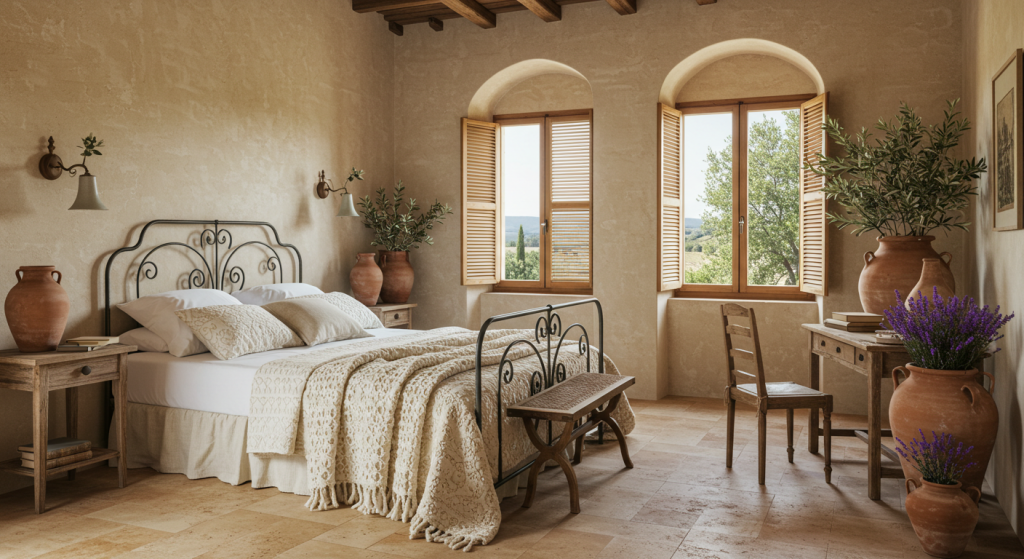
- Use indoor plants like olive trees and lavender to bring spring freshness to your Mediterranean-inspired spaces
The Enduring Legacy of Traditional Design Styles
The beauty of traditional design styles lies in their adaptability and timelessness. As we move through 2025, these classic approaches continue to provide rich inspiration for creating homes with depth, character, and soul. What I love most about working with traditional design styles is how they connect us to history while still allowing for personal expression. Whether you’re drawn to the rustic charm of French Country or the dramatic flair of Victorian design, these styles provide a solid foundation that can be tailored to your unique preferences. By mixing authentic traditional elements with thoughtful modern updates, you can create spaces that honor the past while feeling perfectly suited for today’s living. After all, the most beautiful homes tell a story—and traditional design gives you a timeless language to tell yours.