This post may contains affiliate links. Read our full disclosure here.
The best red wine under $20 is not a contradiction. For years, I equated expensive wines with good wines. Then I started actually tasting what I was drinking instead of just admiring the bottle and the price tag. I discovered that some of my favorite affordable red wines cost less than my monthly streaming subscriptions. A red wine under $20 can be complex, balanced, and genuinely delicious. It can age, it can pair with food, and it can make a weeknight dinner feel like a celebration. The difference between a $15 bottle and a $80 bottle is not always where you think it is. Sometimes it is the winery’s marketing budget. Sometimes it is the vintage. Sometimes it is pure luck. This is my complete guide to finding the best everyday red wine that actually tastes good and does not break the bank.
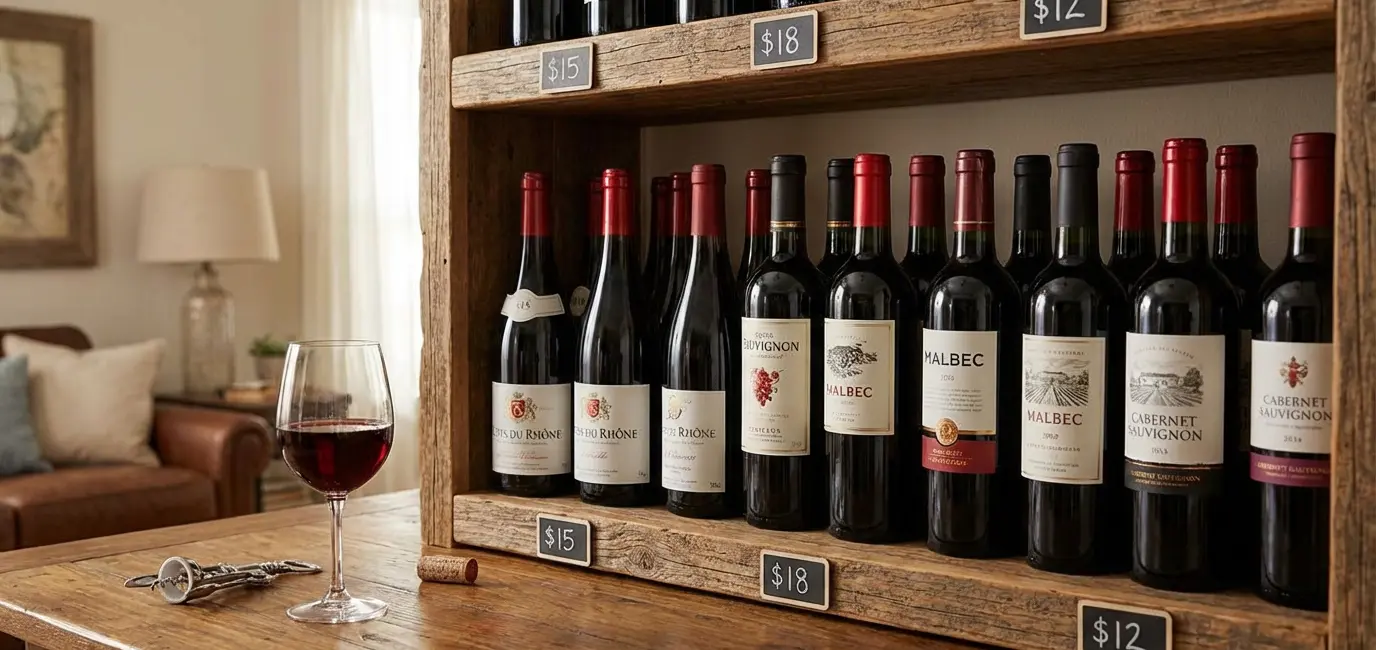
What Makes a Great Everyday Red Wine?
An affordable red wine is not a budget wine. Budget wines taste like budget wines. Affordable wines are simply wine that is good value. You are paying for the wine, not the marketing. A great red wine under $20 has tannins that are soft enough to drink now but structured enough to pair with food. It has enough acidity to balance the fruit. It does not taste thin or watered-down. It does not taste like it is trying too hard. The best wines I have tasted at this price point are from regions where the cost of production is lower but the skill is just as high. South America. Spain. France’s less-famous regions. Australia’s hidden corners. These are the everyday red wines that give you the most bang for your buck.
“The best wine is the one you enjoy. Price is just one way to measure value.”
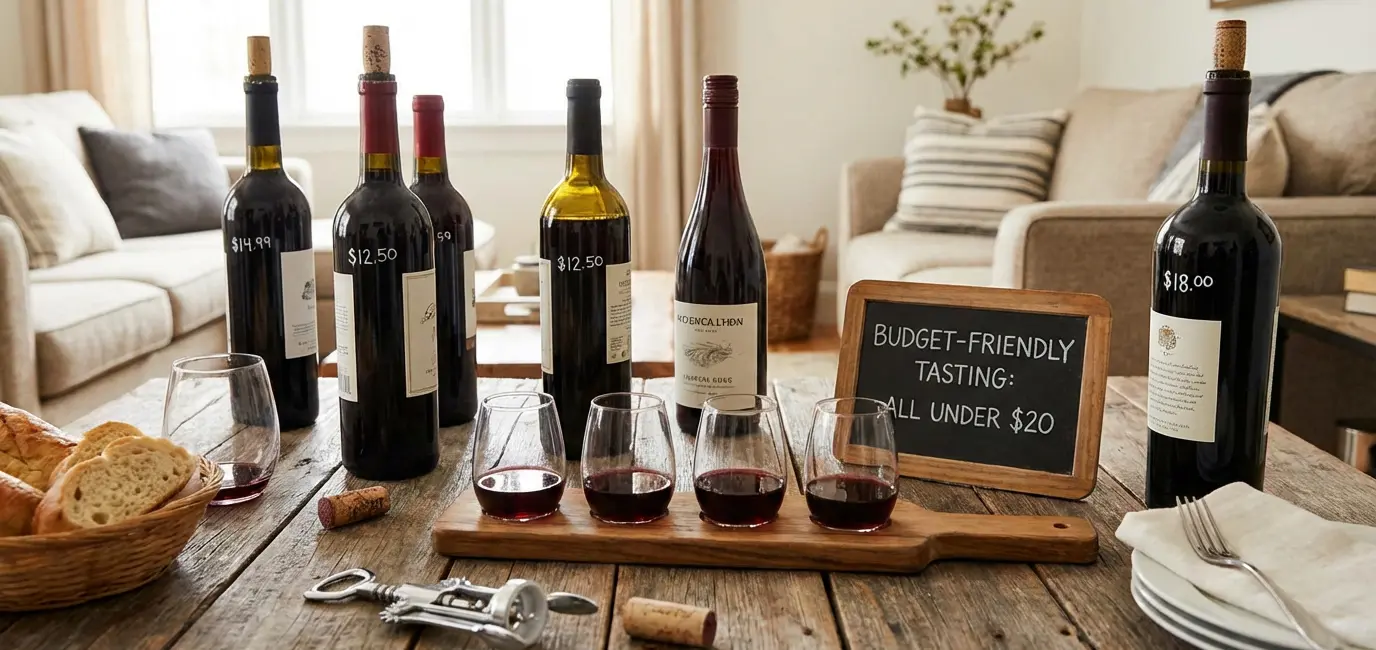
Cabernet Sauvignon: The Classic Red Wine Under $20
Cabernet Sauvignon is the default. If you do not know what to buy, buy a Cabernet. It works. A red wine under $20 in the Cabernet category will almost always deliver. Look for California Cabernets in the $15–$18 range (Paso Robles, Santa Cruz Mountains, Columbia Crum). Look for Argentine Malbec blends ($12–$16). These are structured, dark, slightly spicy reds that taste like they cost more than they do. Drink them now or age them 3–5 years.
What to Look For
In a Cabernet under $20, look for vintage years 2018–2022 (recent but not so new that they are overpriced). Alcohol content 13–14.5% is ideal (higher alcohol can taste jammy). Avoid anything labeled “fruit forward” unless that is exactly what you want. Look for tasting notes that mention “dark cherry” or “blackberry” over “ripe fruit explosion.” The more specific the descriptor, the more care went into the wine.
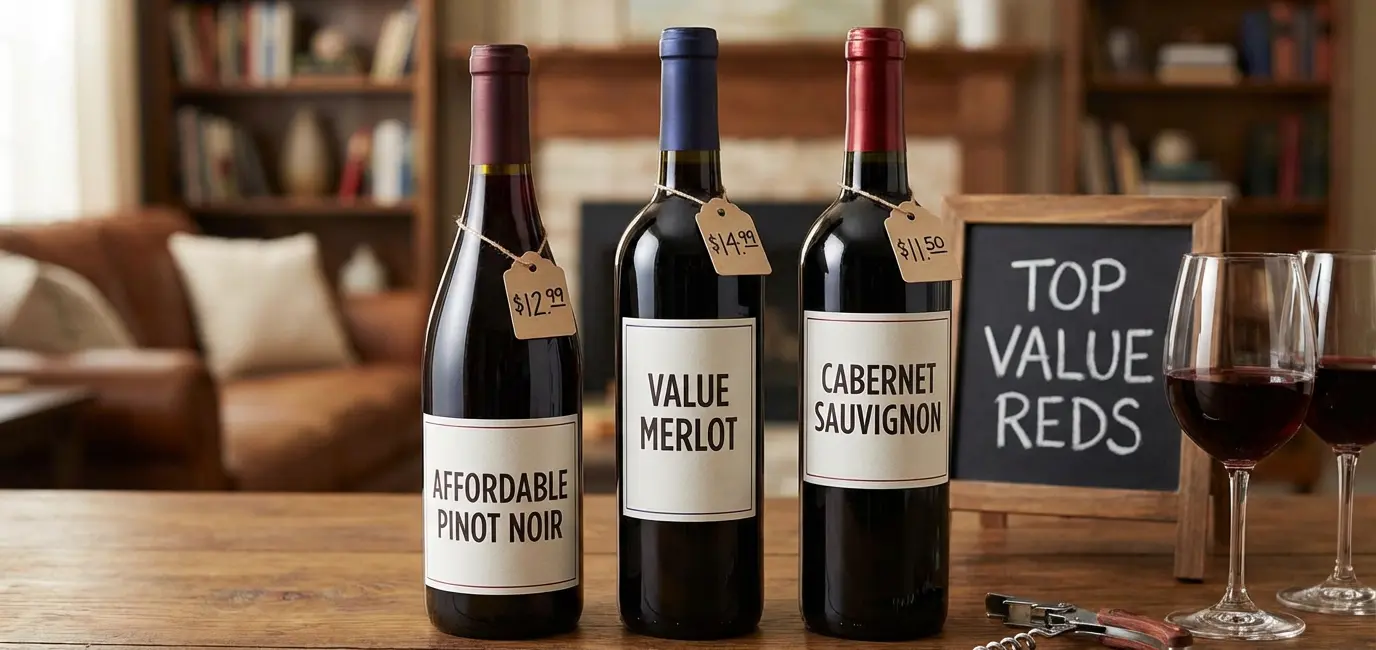
Pinot Noir: The Elegant Affordable Red
Pinot Noir is the wine for people who think they don’t like wine. It is light. It is approachable. It tastes a little bit like fresh cherries and a little bit like earth. A red wine under $20 Pinot Noir from Oregon (Willamette Valley) or New Zealand is genuinely excellent. You can find bottles that taste like they cost $50 for $15. I rotate between 3–4 Oregon Pinots that I know are reliable and affordable. When I am entertaining, Pinot Noir is my default. It does not intimidate people. It goes with almost any food. It tastes good whether you know anything about wine or not.
Pro Shopping Tip
When shopping for an affordable Pinot Noir, skip France (too expensive at this price point) and focus on Oregon and New Zealand. Check Wine.com’s Pinot Noir selection under $20 and filter by rating. Sort by rating (highest first). Any Pinot with >4 stars from 100+ reviews will not disappoint. This is the easiest way to ensure you are buying a red wine under $20 that actually tastes good.

Merlot and Blends: Smooth, Drinkable, Under $20
Merlot got a bad rap because of a bad movie and bad Merlots. But good Merlot is smooth, accessible, and honestly, reliably good. A red wine under $20 Merlot from Napa Valley, Sonoma, or Washington State will be soft in the mouth, slightly sweet in the nose, and happy to be your everyday drink. Blends (Merlot + Cabernet + Petit Verdot) are also excellent in this price range. They have the structure of Cabernet with the approachability of Merlot. Buy blends from boutique producers instead of huge brands. That is where the value is.
The Blend Advantage
Blended affordable red wines are where savvy wine drinkers find hidden gems. A winery can use fruit from multiple vineyards and multiple varietals to create complexity and balance that a single-variety wine cannot achieve at the same price point. This is why some of my favorite everyday red wines are proprietary blends that cost $16–$19. Search for “red wine blend under $20” on Wine.com and sort by rating. The top-rated small producers often have the best value.
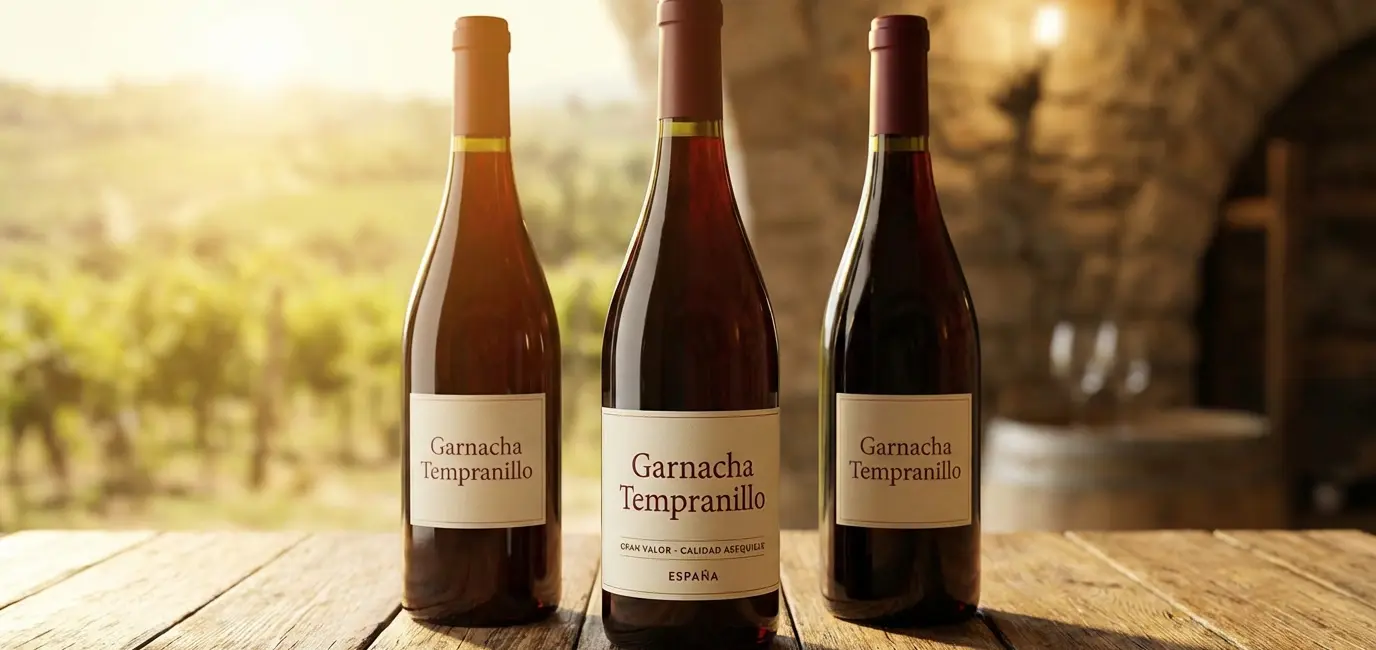
Spanish Reds: Hidden Value for Under $20
Spain is my secret weapon for finding the best red wine under $20. Spanish wine drinkers (who know what they are doing) have known this for decades. Spanish reds—Tempranillo, Garnacha, Monastrell—are structured, mineral, and age-worthy. A Tempranillo under $20 from Rioja or Ribera del Duero will taste like it costs $40. A Garnacha from Spain is spicy, earthy, and food-friendly. These wines do not have the marketing budgets of California wines. That means the value goes straight to you.
Best Spanish Values
For affordable Spanish red wines, look for Rioja (which has an age classification system—Joven, Crianza, Reserva—that indicates time in oak and age) and Priorat (small region, big reputation, surprisingly reasonable prices). A Rioja Crianza costs $12–$18 and delivers serious complexity. A Priorat under $20 is rare but worth the hunt. These are the everyday red wines that make weeknight dinners feel intentional.

How to Shop for Affordable Red Wine
The secret to finding great affordable red wines is not being afraid to try new producers. Big, famous brands charge a premium for their name. Smaller producers have to prove themselves with quality. Here is my exact shopping strategy: go to Wine.com. Search “red wine under $20.” Filter by category (Cabernet, Pinot, Merlot, Tempranillo, Garnacha, Grenache). Sort by rating (highest first). Read the tasting notes. If the notes say “cherry,” “earth,” “spice,” and “balanced,” buy it. If the notes say “jammy” or “fruit bomb,” skip it. This takes 10 minutes. You will find a red wine under $20 that tastes like $50. You will save money. You will become the person who brings the good wine to the party.
Building Your Affordable Wine Rotation
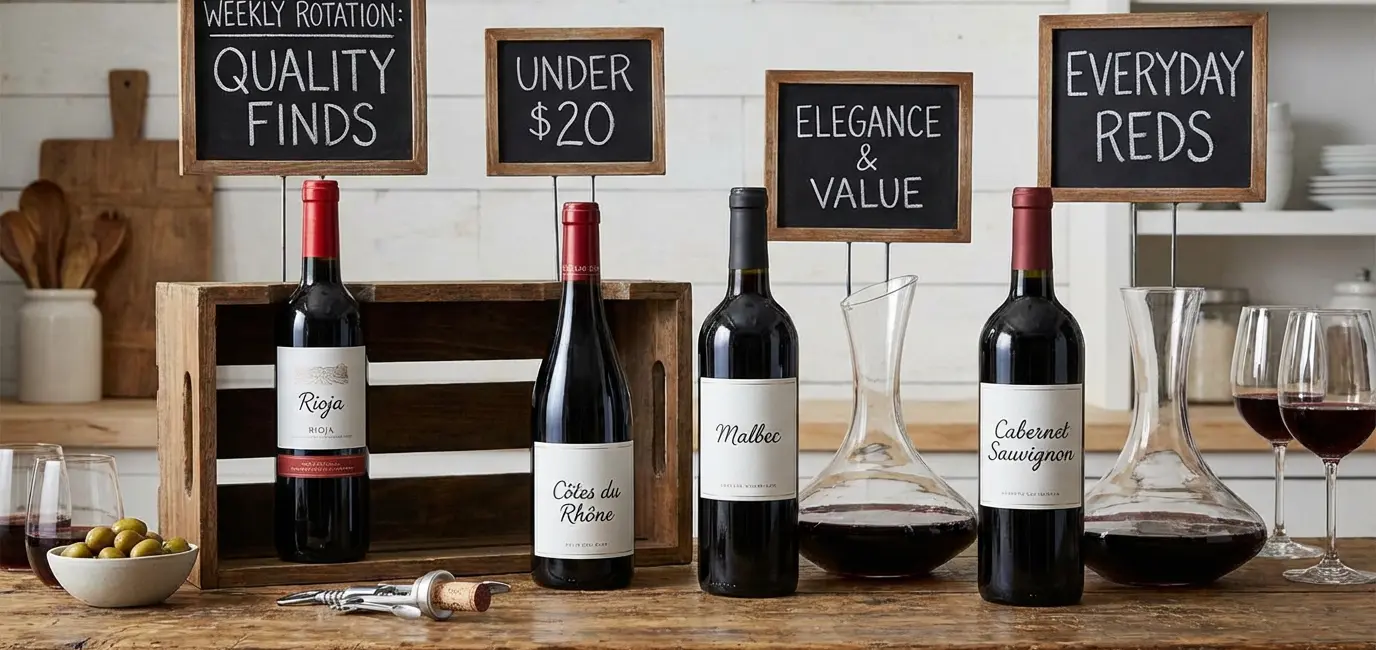
The best approach is to buy 3–4 everyday red wines that you know you like and rotate through them. For me, it is (1) a reliable Oregon Pinot Noir, (2) a California Cabernet, (3) a Spanish Tempranillo, (4) a Washington Merlot. Each one costs $14–$17. I know them by taste. I know they pair with different foods. I do not have decision paralysis in the wine aisle. This is how you build an affordable red wine habit that feels intentional instead of random.
Frequently Asked Questions About Affordable Red Wine
Is a red wine under $20 actually good?
Yes. Absolutely. Some of the best wines I have drunk in the past five years cost less than $20. The myth that price equals quality is perpetuated by wine marketing. A great affordable red wine is a function of producer skill, harvest conditions, and value positioning. All three can align at the under-$20 price point.
What is the best red wine for beginners?
Start with Pinot Noir. It is the friendliest red wine to new wine drinkers. If you want something richer and darker, try a Merlot. Both are available as red wine under $20 options. Avoid heavily tannic Cabernets if you are new to wine—save those for when your palate is more developed. See our full guide to wine for beginners for more tips.
Can I age an affordable red wine?
Most red wines under $20 are meant to be drunk now. But some—particularly Cabernets, Tempranillos, and structured blends—can age 5–10 years. Look for wines from cooler regions and higher-acid varietals. Store them on their side in a cool, dark place. See our complete wine storage guide for details.
Where should I shop for affordable red wine?
Online: Wine.com and Amazon have the best selection of affordable red wines under $20. In-store: local wine shops often have hidden gems that big retailers do not stock. Build a relationship with the staff. Tell them your budget and your taste preferences. They will steer you right.
What food pairs with affordable red wine?
It depends on the red wine. Pinot Noir pairs with chicken, mushrooms, and salmon. Cabernet pairs with beef and dark chocolate. Merlot pairs with pasta and herb-forward dishes. Spanish reds pair with grilled vegetables and cured meats. See our articles on wine and food pairing and entertaining with wine for more specific recommendations.
Your everyday red wine does not have to be expensive or complicated. It just has to taste good and fit your life. A red wine under $20 that you actually enjoy drinking is infinitely better than a $60 bottle that sits in your closet. Stop overthinking. Start exploring. Buy a Pinot. Buy a Tempranillo. Buy whatever sounds interesting. Build your rotation. Invite friends over. Drink well. That is the whole philosophy of affordable red wine.