This post may contains affiliate links. Read our full disclosure here.
If you’ve ever crawled into bed exhausted but found yourself staring at the ceiling, mind still racing, you already know the problem: a chaotic end to the day makes quality sleep nearly impossible. I spent years prioritizing my morning routine while completely ignoring what happened after 8 PM — and it showed. Once I started building a real evening routine for better sleep, everything changed. I fell asleep faster, woke up feeling genuinely rested, and even my mood the next morning improved dramatically. Whether you’re a chronic night-owl or someone who just can’t seem to switch off, this complete guide walks you through exactly how to wind down in a way that actually works.
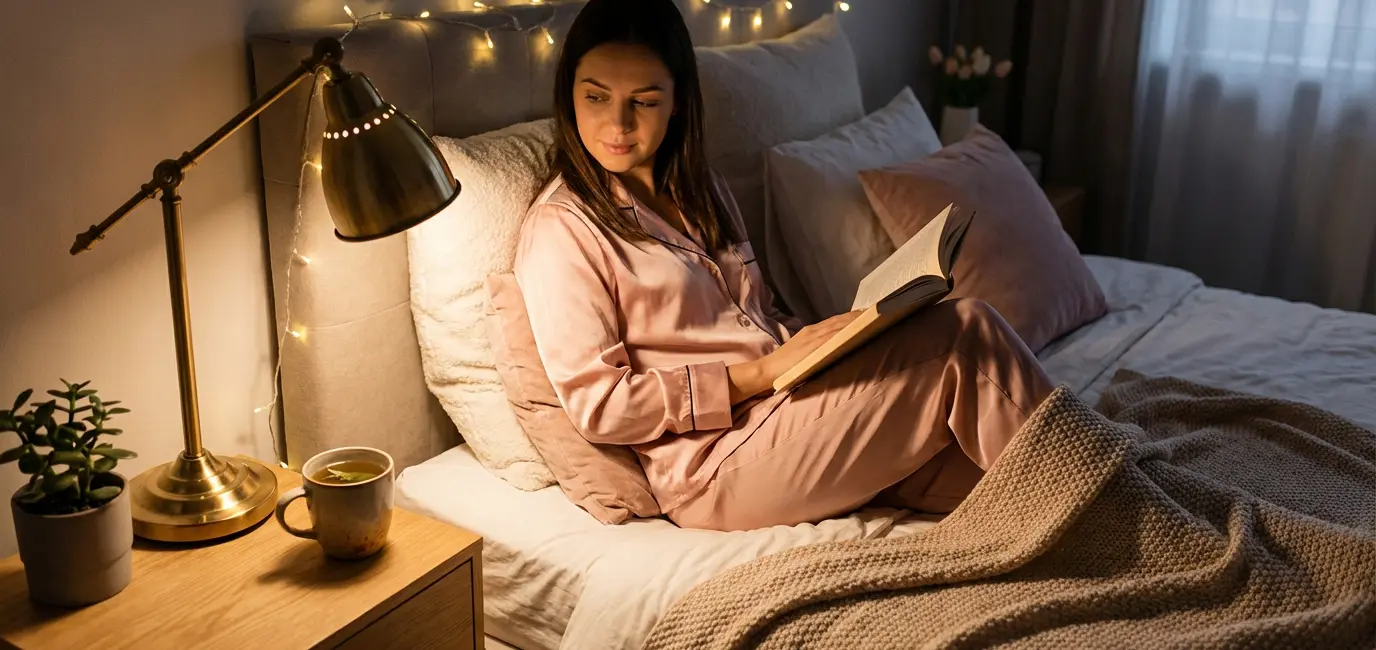
Why Your Evening Routine Matters More Than Your Morning Routine
We’re obsessed with morning routines — and I get it. A strong start sets the tone. But here’s what sleep researchers have known for years: the quality of your sleep is determined almost entirely by what you do in the two to three hours before bed, not the two hours after you wake up. Your brain needs time to transition from high-alert daytime mode into the calm, parasympathetic state that makes deep sleep possible. That transition doesn’t happen automatically — you have to create the conditions for it.
Think of your evening routine for better sleep as the bridge between the demands of your day and the restorative rest your body desperately needs. Without that bridge, you’re essentially asking your nervous system to go from 60 mph to zero in an instant. It doesn’t work that way — and the tossing and turning you experience is proof. The good news? Building a consistent wind-down routine is one of the most impactful wellness habits you can adopt, and it doesn’t require expensive equipment or hours of your time.
“The secret to a great morning isn’t a better alarm clock — it’s a better evening routine. What you do in the two hours before bed determines everything about how you sleep and how you feel tomorrow.”
Sleep science backs this up: consistent pre-sleep habits lower cortisol levels, reduce core body temperature (which signals the brain to produce melatonin), and train your nervous system to recognize sleep cues. Once those cues are established, falling asleep becomes almost automatic. That’s the goal of everything in this guide, and it’s why a deliberate routine for better sleep is one of the highest-leverage changes you can make to your overall wellbeing.
The Ideal Evening Routine Timeline (Starting at 8 PM)
The most effective evening routine for better sleep follows a loose timeline that gives your body and mind enough time to genuinely decompress. Here’s what I’ve found works beautifully for a 10–10:30 PM bedtime. Scale it to your schedule — the proportions matter more than the exact times.
8:00 PM — Begin the Tech Fade
Start dimming your digital life. Reduce screen brightness on your phone and laptop, switch on blue light filters, and begin winding down mentally stimulating work. You don’t have to go cold turkey immediately, but consciously reduce the intensity. This is also a good time to finish any light tidying or prep for tomorrow — but keep it to 15 minutes maximum. Once the mental checklist is done, you’re in wind-down mode only.
8:30 PM — Nourishment and Warmth
If you tend to get hungry before bed, eat a small, sleep-supportive snack around this time: a handful of almonds, a banana with nut butter, or warm golden milk. Avoid alcohol after this point — despite the popular myth, alcohol fragments your sleep architecture and reduces REM sleep significantly. A cup of chamomile, ashwagandha, or passionflower tea is a far better choice and a consistent staple in my own evening routine for better sleep.
9:00 PM — Body and Skin Care Ritual
A proper shower or warm bath raises then lowers your core body temperature, which is one of the strongest biological signals for sleep. I keep it warm but not scalding, and I follow it with a slow skincare routine — massaging your face with a serum or facial oil activates the parasympathetic nervous system through touch. Adding a calming pillow spray or room mist as part of this ritual creates powerful sensory cues over time. I love the sleep-supportive options from FragranceNet, which has an excellent selection of lavender and chamomile mists.
9:30 PM — Wind-Down Activity
This slot is sacred. Choose one calming activity and protect it: reading a physical book, light journaling, gentle stretching, or a guided meditation. The goal is to reduce mental arousal, not stimulate it. No social media, no news, no emotionally charged conversations during this window.
10:00 PM — Lights Low, Screens Off
Full tech-off. This is non-negotiable in a truly effective routine for better sleep. If you struggle with this, put your phone in another room entirely — the bedroom should signal rest, not productivity. Dim overhead lights or switch to a warm salt lamp. Lower your room temperature if possible; most sleep researchers recommend 65–68°F as optimal for deep sleep.
Wind-Down Rituals That Actually Work
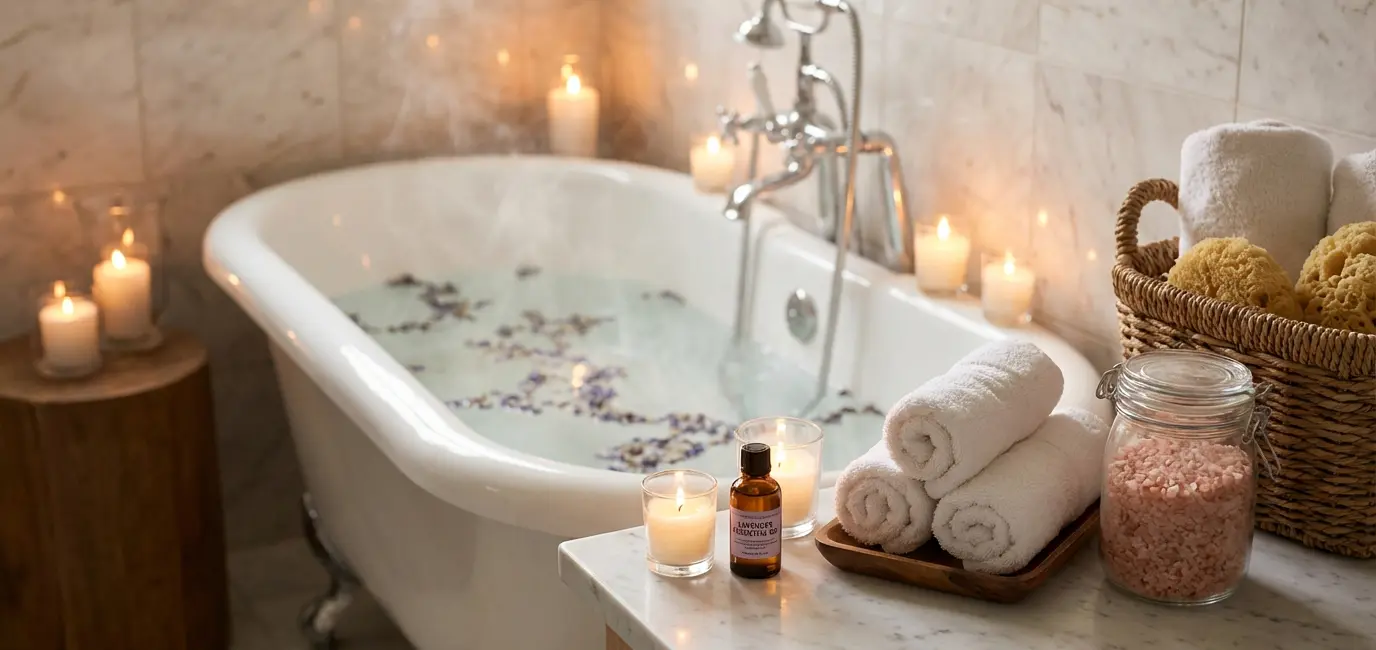
Not all relaxation rituals are created equal. Some feel calming in the moment but do little for actual sleep quality. Here are the rituals with solid evidence behind them — and that I’ve personally woven into my evening routine for better sleep.
Journaling (5–10 Minutes)
The specific method matters here. Research from Baylor University found that writing a brief to-do list for tomorrow before bed — rather than processing the day you just had — significantly reduced the time it took participants to fall asleep. The act of externalizing tomorrow’s tasks quiets the part of your brain that stays alert to “unfinished business.” Keep a small notebook on your nightstand and spend five minutes dumping your mental agenda onto the page.
Progressive Muscle Relaxation
Start at your feet and work upward, tensing each muscle group for five seconds, then releasing. By the time you reach your shoulders, you’ll notice a significant drop in physical tension. This is one of the most evidence-backed techniques for reducing sleep onset time and works especially well if your stress tends to live in your body rather than just your mind.
Gentle Yoga or Stretching
A 10-minute yin yoga or gentle stretching sequence releases tension held in the hips, shoulders, and neck — common stress storage spots — and activates the vagus nerve through slow, controlled breathing. Focus on forward folds, supine twists, and legs-up-the-wall. If you want to turn this into a fuller self-care ritual on weekends, my guide to a spa day at home covers everything you need. For a curated toolkit of relaxation tools, bath products, and sleep-support items delivered monthly, Cratejoy’s self-care subscription boxes are an excellent starting point.
Aromatherapy
Lavender is the gold standard for sleep-supporting aromatherapy, backed by multiple clinical studies showing reduced anxiety and improved sleep quality. Use it as a pillow spray, diffuser oil, or body lotion applied after your shower. Cedar, vetiver, and chamomile also work beautifully. The FragranceNet pillow mist collection has excellent options. The olfactory system has a direct pathway to the limbic brain (where emotions and memory live), which is why scent works so quickly and consistently — and why a consistent sleep scent becomes one of the most powerful cues in your entire evening routine for better sleep. For more on using fragrance at home, see my full roundup of the best scented candles for the home.
Reading (Physical Books Only)
E-readers emit blue light even on the lowest setting. A physical book, read in warm lamplight, is genuinely one of the most effective wind-down habits you can build. Fiction works best — getting absorbed in a story shifts mental focus away from your own worries without stimulating the problem-solving brain regions. Thirty minutes is enough to feel the effect, and it becomes something you genuinely look forward to rather than a chore.
What to Wear to Bed (It Makes More Difference Than You Think)
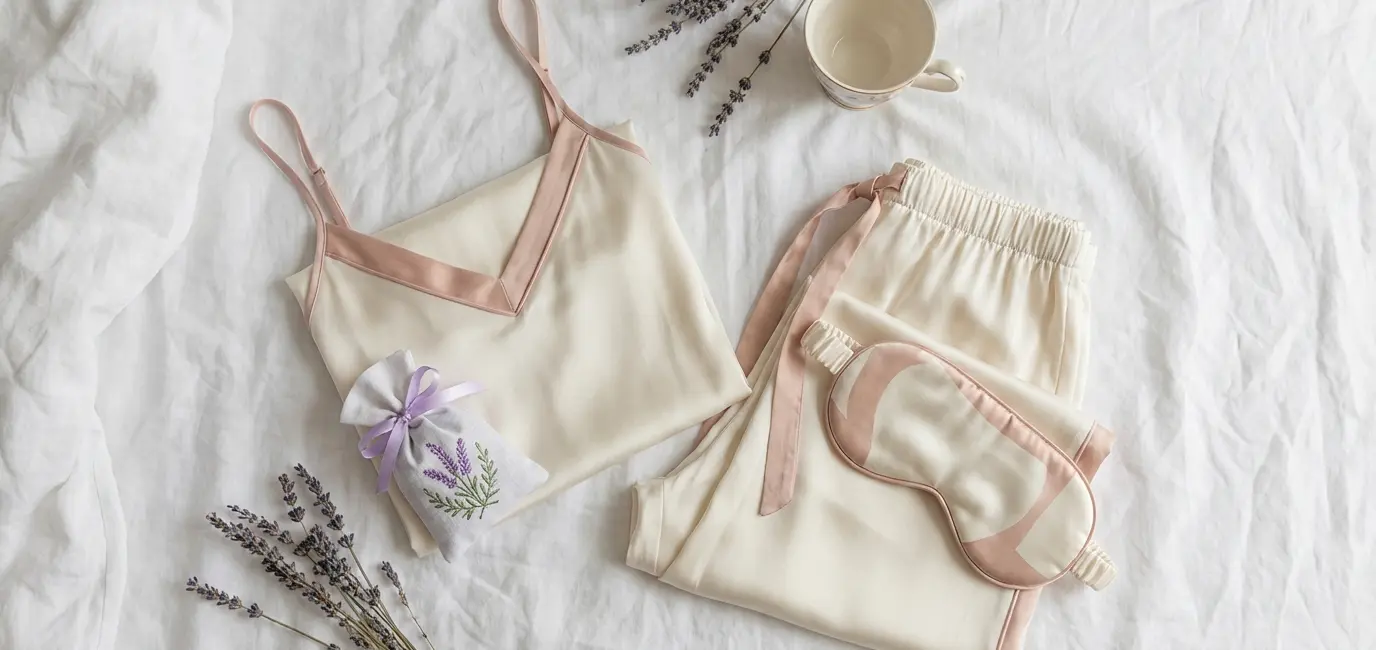
The fabric against your skin affects body temperature regulation, which directly impacts sleep quality. Synthetic materials trap heat and moisture; natural fabrics breathe and allow your core temperature to drop as it needs to for deep sleep. This is one of the easiest upgrades to your evening routine for better sleep and one of the most overlooked.
Look for sleepwear in natural fibers: cotton, bamboo, silk, or modal. Loose fits are better than tight for temperature regulation. I’ve been genuinely impressed by Lunya’s sleepwear collection — their washable silk and Pima cotton pieces feel luxurious but are breathable and functional. The difference between sleeping in synthetic fabric versus a well-made natural-fiber set is immediately noticeable if you’ve never tried it.
Other bedside essentials worth investing in: a silk pillowcase (better for skin and hair, and slightly cooler than cotton), lightweight moisture-wicking socks if you run cold (warming the feet signals the brain to cool the core), and a quality sleep mask if any light enters your room. You can find a curated selection of sleep accessories on Amazon — everything from silk pillowcases to white noise machines.
If you’re building this from scratch, start with the pillowcase and sleepwear. They’re the highest-impact items and make every night feel like a deliberate act of self-care — exactly the mindset that makes a good routine for better sleep sustainable long-term. Pair it with the right bedroom environment (more on that next) and you’ll notice the difference within days.
Creating the Perfect Sleep Environment
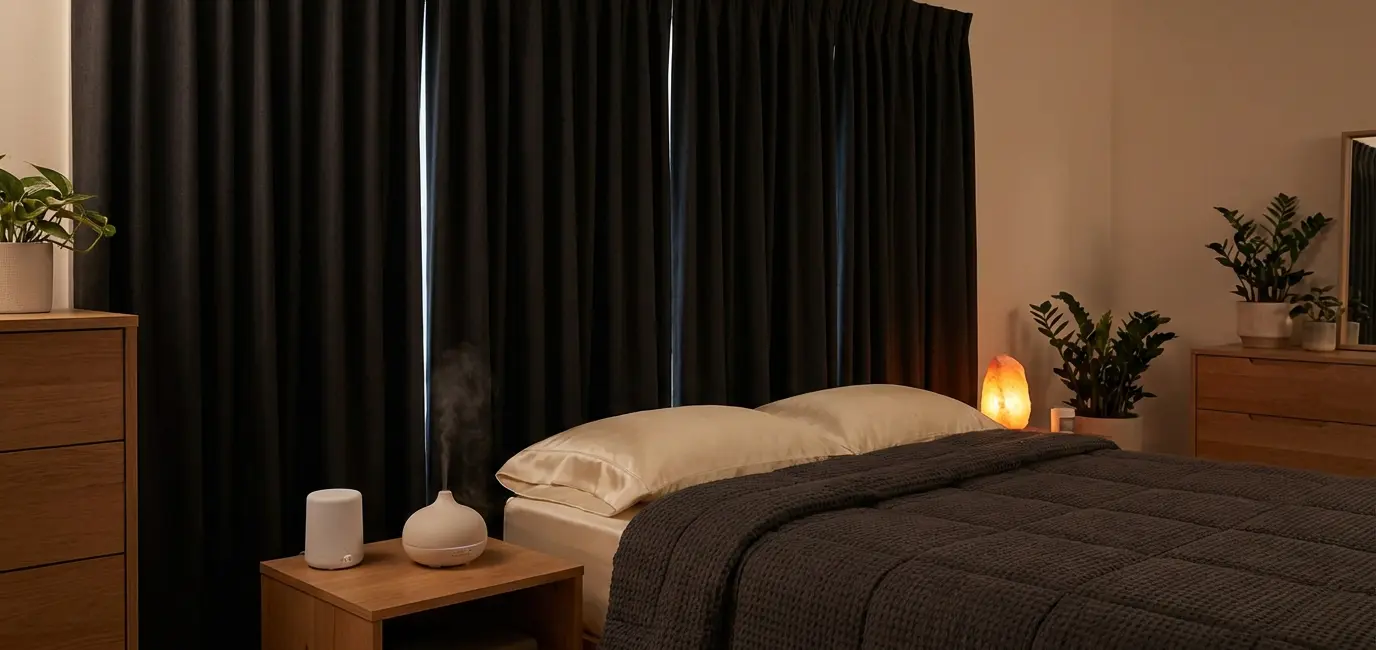
Your bedroom’s physical environment is a non-negotiable part of any effective evening routine for better sleep. Your brain constantly scans for environmental cues that signal safety and rest — or danger and alertness. The goal is to eliminate every sensory input that reads as “alert” and replace it with inputs that read as “safe and calm.”
Temperature
Keep it cool. The ideal sleep temperature for most adults is between 65°F and 68°F. Use a fan for air circulation and added white noise if needed. Weighted blankets provide a comforting sense of pressure even in cooler rooms, which many people find helps quiet anxiety at bedtime.
Darkness
Even small amounts of light — a charging LED, a street light through thin curtains — suppress melatonin production. Blackout curtains or a sleep mask are transformative for light-sensitive sleepers. If your partner uses their phone in bed, a sleep mask is a non-negotiable upgrade to your environment.
Sound
Complete silence is ideal but rarely achievable. Brown or pink noise (both deeper than white noise) are effective alternatives — they mask sudden sounds without overstimulating the auditory cortex. Many people also respond well to rain sounds, flowing water, or very low ASMR. Experiment to find what works for your nervous system, then keep it consistent as part of your sleep cue environment.
Clutter and Visual Calm
Visual clutter activates low-level stress responses even when you’re not consciously aware of it. A messy bedroom with laundry on the chair and work items on the nightstand signals “unfinished tasks” to your brain. Take five minutes at the start of your evening routine for better sleep to do a light tidy. For deeper inspiration on creating a calming, luxurious sleep space, my guide to how to make your home feel like a luxury hotel has an entire section on bedroom atmosphere that’s worth reading.
Frequently Asked Questions
How long should an evening routine for better sleep be?
Most sleep experts recommend at least 60–90 minutes of wind-down time before you plan to be asleep. You don’t need to fill every minute with specific activities — the goal is to reduce stimulation and begin the physiological transition toward sleep. A 30-minute routine is better than none, but 90 minutes produces the most consistent results for most adults.
What should I avoid in my evening routine?
Avoid: bright overhead lighting, screens (especially social media and news), intense exercise within 2 hours of bed, alcohol after 8 PM, large meals, emotionally charged conversations, and work-related tasks. All of these elevate cortisol or delay melatonin production, making it harder to fall and stay asleep.
Can an evening routine help with anxiety?
Absolutely. Many people with anxiety find that symptoms are worst at night, when the distractions of the day fall away and the mind races. A structured evening routine for better sleep gives your nervous system a predictable, calming sequence to follow — essentially a “safety script” that signals to your brain that it’s okay to relax. Journaling, breathing exercises, and gentle movement are particularly effective for anxiety-related sleep disruption.
What if I have an unpredictable schedule or children?
Adapt for your reality. Even a 20-minute wind-down — a warm shower, a few minutes of journaling, and a consistent sleep scent — is far better than no routine at all. The key elements are: dim light, no screens, and at least one deliberately calming activity. Consistency over perfection is the mantra here.
How long before I see results?
Most people notice a difference within 5–7 nights of consistently following their routine. The deeper physiological improvements (faster sleep onset, more consolidated sleep) can take 2–3 weeks to fully develop as your brain builds stronger sleep-cue associations. The results compound beautifully over time.
Ready to build a more complete wellness lifestyle? Here are some related reads I think you’ll love: pair your new nighttime habits with a strong morning routine for women that complements your evenings, or book yourself a restorative spa day at home to reset fully on weekends. If fragrance is part of your self-care toolkit, my roundup of the best scented candles for the home has everything you need. For low-key evenings with friends that feel genuinely restorative, the girls night in ideas guide is full of inspiration. And if you want to upgrade your bedroom environment more broadly, how to make your home feel like a luxury hotel is packed with small changes that make a big difference.
The best evening routine for better sleep is the one you’ll actually do consistently — so start simple. Pick two or three elements from this guide that feel genuinely appealing rather than obligatory, and let the habit build from there. Your future, well-rested self will thank you for it.