This post may contains affiliate links. Read our full disclosure here.
If you’ve been wondering how to become a certified wine judge, I’m happy to share that turning this dream into reality is entirely within reach. The journey from passionate wine enthusiast to respected competition judge follows a structured path that anyone with dedication can navigate. While my boyfriend often teases me about my overly detailed tasting notes at dinner, those same skills became invaluable when I started pursuing wine judging credentials. Professional wine judging combines analytical thinking with sensory expertise—and opens doors to incredible opportunities in the wine industry.
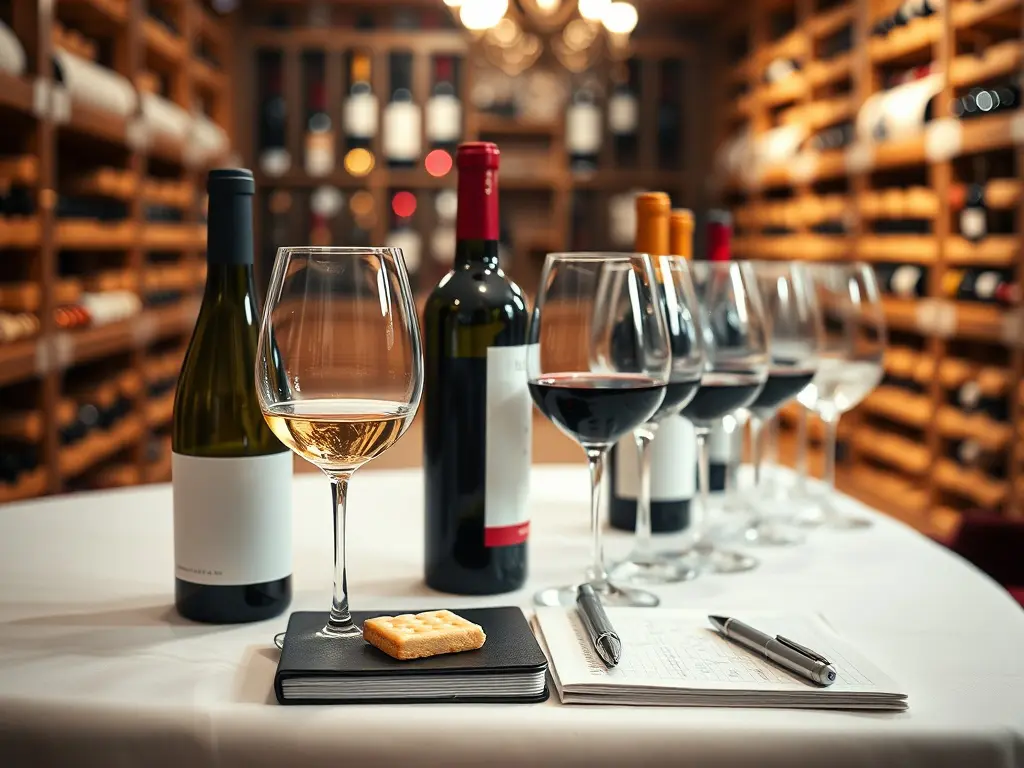
Wine judge certification programs provide the formal training, credentials, and recognition needed to evaluate wines at competitions with authority. Unlike casual tasting, judging requires systematic evaluation, consistent scoring, and the ability to articulate your assessments clearly. Whether you’re looking to dive deeper into wine knowledge or create a rewarding side career, learning how to become a certified wine judge offers a fascinating journey through the world of professional wine evaluation.
Why Wine Lovers Are Pursuing How to Become a Certified Wine Judge
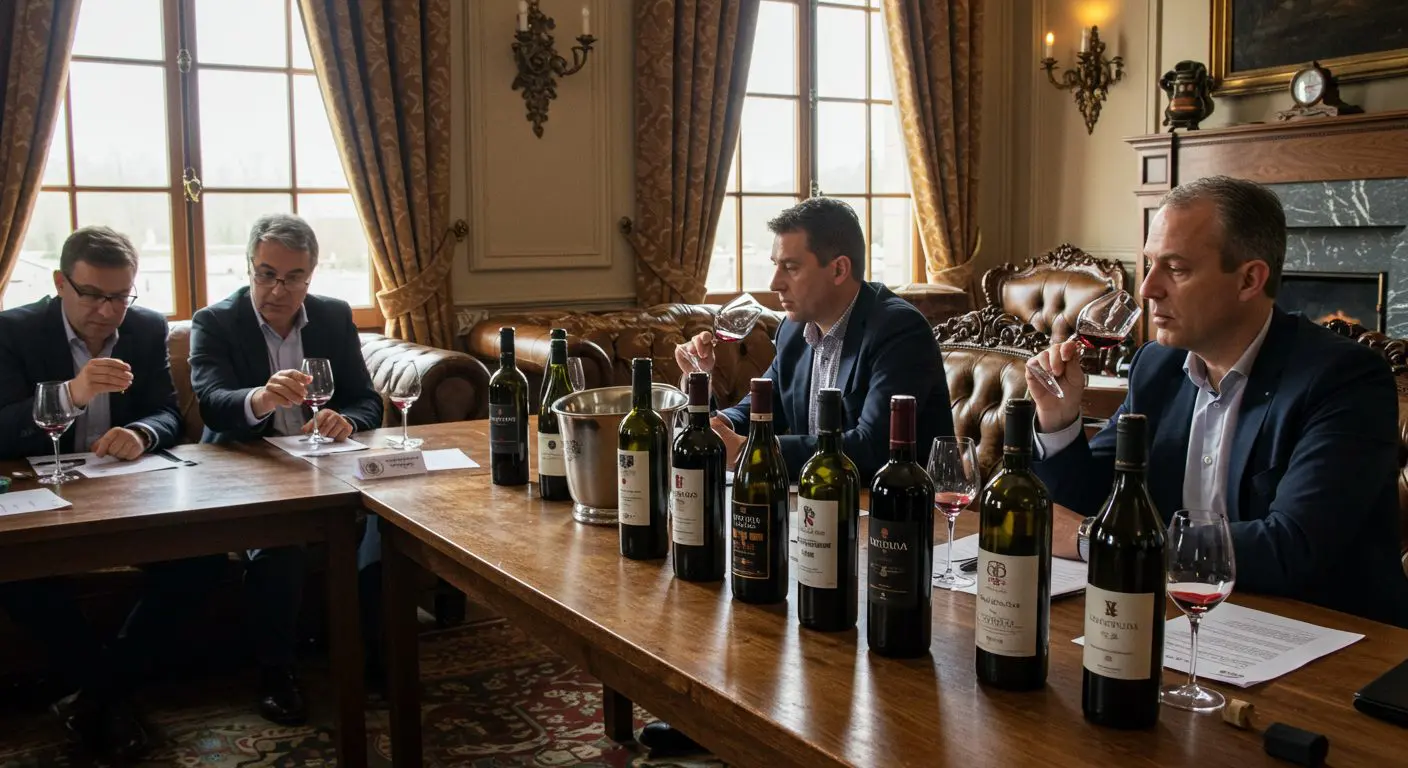
The surge in interest around how to become a certified wine judge reflects a broader trend of wine enthusiasts seeking deeper connections with their passion. Beyond simply enjoying wine, judging allows you to develop an analytical understanding of wine quality and participate actively in shaping industry standards. I’ve noticed that many of my friends who started as casual wine club members now aspire to judge credentials as their appreciation has matured.
Wine judging credentials carry significant weight in the industry. They demonstrate your commitment to objective evaluation techniques and deep knowledge of regional wine styles, varietals, and production methods. Having these credentials opens doors to judging at prestigious competitions, connecting with winemakers, and sometimes even traveling internationally to evaluate wines from different regions.
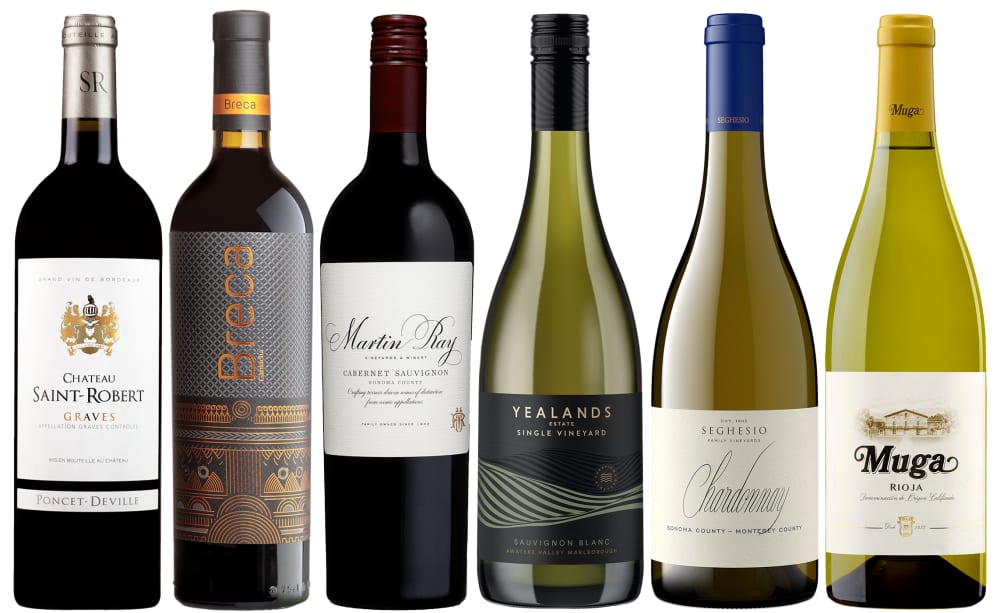

Perhaps most importantly, pursuing certification transforms how you experience wine. You develop a trained, calibrated palate and the vocabulary to articulate subtle differences between wines. My wine appreciation changed dramatically after beginning formal training—suddenly I could identify specific characteristics that previously seemed mysterious.
“Training to become a wine judge isn’t just about tasting better—it’s about understanding wine at its scientific and cultural roots.”
For many wine lovers, judging provides a structured path from enthusiast to expert. Rather than an abstract appreciation, you gain concrete skills and recognized professional credentials that validate your wine knowledge. This structured progression gives clear benchmarks for improving your tasting abilities and wine understanding.
Certification Options for Aspiring Wine Judges
When investigating how to become a certified wine judge, your first decision involves choosing the right credentialing program. Each organization offers distinct certification pathways with different focuses, requirements, and industry recognition. I remember feeling overwhelmed by the options until breaking them down by their specializations.
| Certifying Body | Requirements | Exam Focus |
|---|---|---|
| American Wine Society (AWS) | AWS Level 2 or 3 | Blind tasting, structured scoring |
| Court of Master Sommeliers (CMS) | CMS Certified or Advanced Sommelier | Service under pressure, tasting accuracy |
| Wine & Spirit Education Trust (WSET) | WSET Diploma or equivalent | Global varietals, sensory tasting protocols |
| Society of Wine Educators (SWE) | Certified Specialist in Wine or Spirits | Blind evaluation + written theory |
The American Wine Society (AWS) offers one of the most competition-focused certification tracks, making it popular for those specifically interested in judging. Their program emphasizes structured scoring methodologies and blind tasting techniques directly applicable to competition settings. After completing their Wine Judge Certification Program, you’ll be qualified to judge at AWS-sanctioned competitions nationwide.
For those coming from a hospitality background, the Court of Master Sommeliers pathway might feel more natural. While primarily focused on service excellence, their advanced sommelier certification develops the precise tasting abilities essential for competition judging. CMS credentials are highly respected and open doors to prestigious international competitions.

The Wine & Spirit Education Trust (WSET) offers perhaps the most academically rigorous approach, with deep dives into viticulture, winemaking, and global wine regions. Their Diploma certification (Level 4) provides comprehensive knowledge that makes for exceptionally well-rounded judges. The systematic tasting methodology taught by WSET has become an industry standard for evaluation.
The Society of Wine Educators focuses on balanced theoretical knowledge and tasting skills. Their Certified Specialist of Wine (CSW) and Certified Wine Judge (CWJ) programs are respected stepping stones for aspiring judges. Their certification exams test both your palate accuracy and your understanding of wine regions, laws, and styles.
Building Essential Tasting Skills for Wine Judging
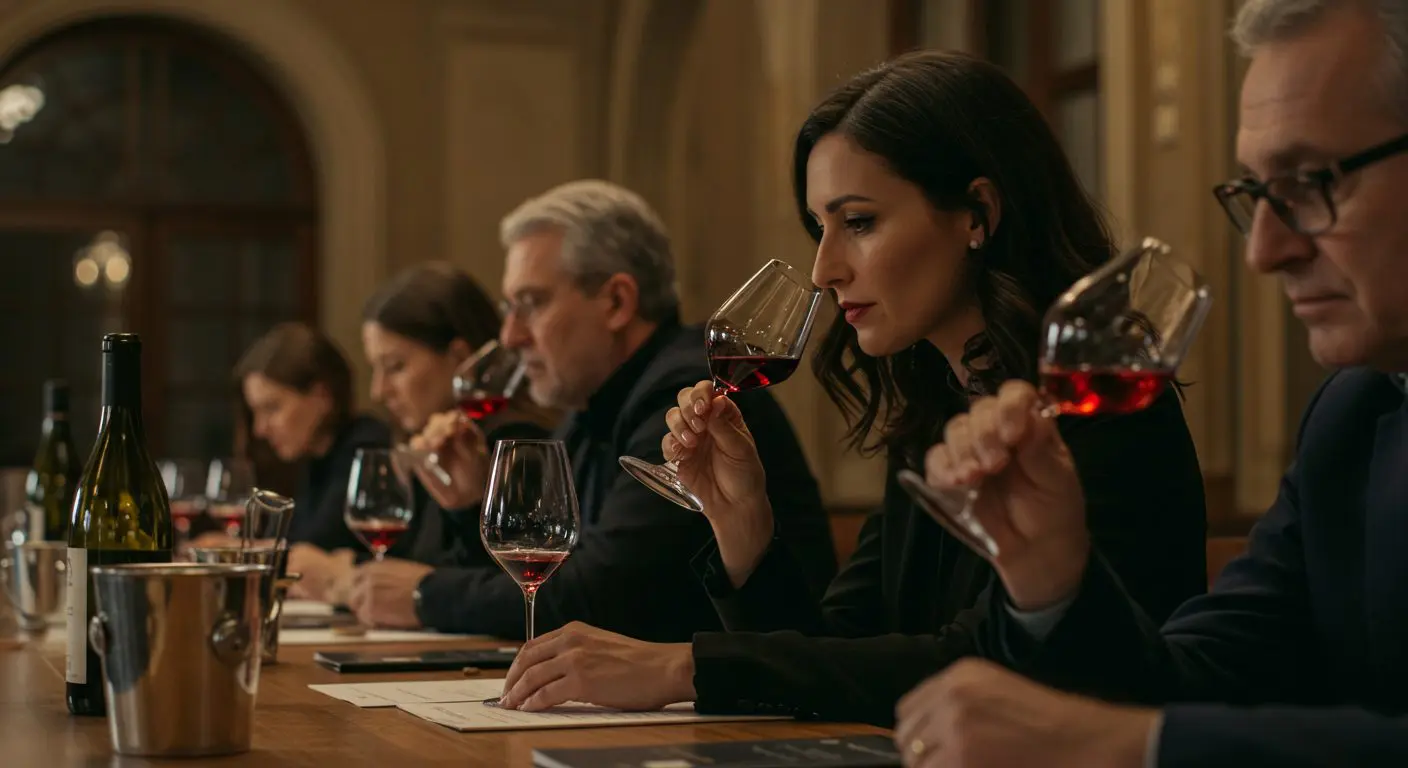
Mastering how to become a certified wine judge requires developing a consistent, calibrated palate through structured practice. The foundation of effective judging lies in systematic tasting techniques that allow you to evaluate wines objectively rather than based on personal preference. When I first started practicing, the difference between casual enjoyment and analytical assessment became immediately apparent.
The Systematic Approach to Tasting (SAT) provides the framework most judges use for evaluation. This method breaks wine assessment into discrete components:
- Appearance (clarity, color intensity, color tone)
- Nose (intensity, development, and specific aroma characteristics)
- Palate (sweetness, acidity, tannin, body, flavor intensity, finish)
- Quality assessment (balance, length, complexity, typicity)
Regular blind tasting practice is crucial for developing your sensory memory and calibrating your evaluation skills. I found that joining a dedicated tasting group offered structured practice opportunities and valuable feedback from peers. These groups often follow competition-style protocols, giving you practical experience with the timing and focus required during actual judging events.
Developing your advanced wine tasting techniques means training yourself to identify flaws and virtues with precision. Common competition flaws include oxidation, reduction, brettanomyces, volatile acidity, and TCA (“cork taint”). Learning to recognize these quickly becomes second nature with practice using wine fault kits available from education suppliers.
Using standardized scoring sheets helps build consistency in your evaluations. The 20-point UC Davis scale and the 100-point system popularized by wine publications are commonly used in competitions. Practice with these scoring methods until your evaluations become reliably repeatable across multiple tastings of the same wine.
Calibrating your palate across different wine styles is essential, as judges need versatility. A good judge can accurately assess everything from delicate Pinot Noir to robust Zinfandel to sweet dessert wines. The broader your tasting experience, the more prepared you’ll be for the diverse wine styles you’ll encounter in competitions.
Formal Wine Judge Training and Education
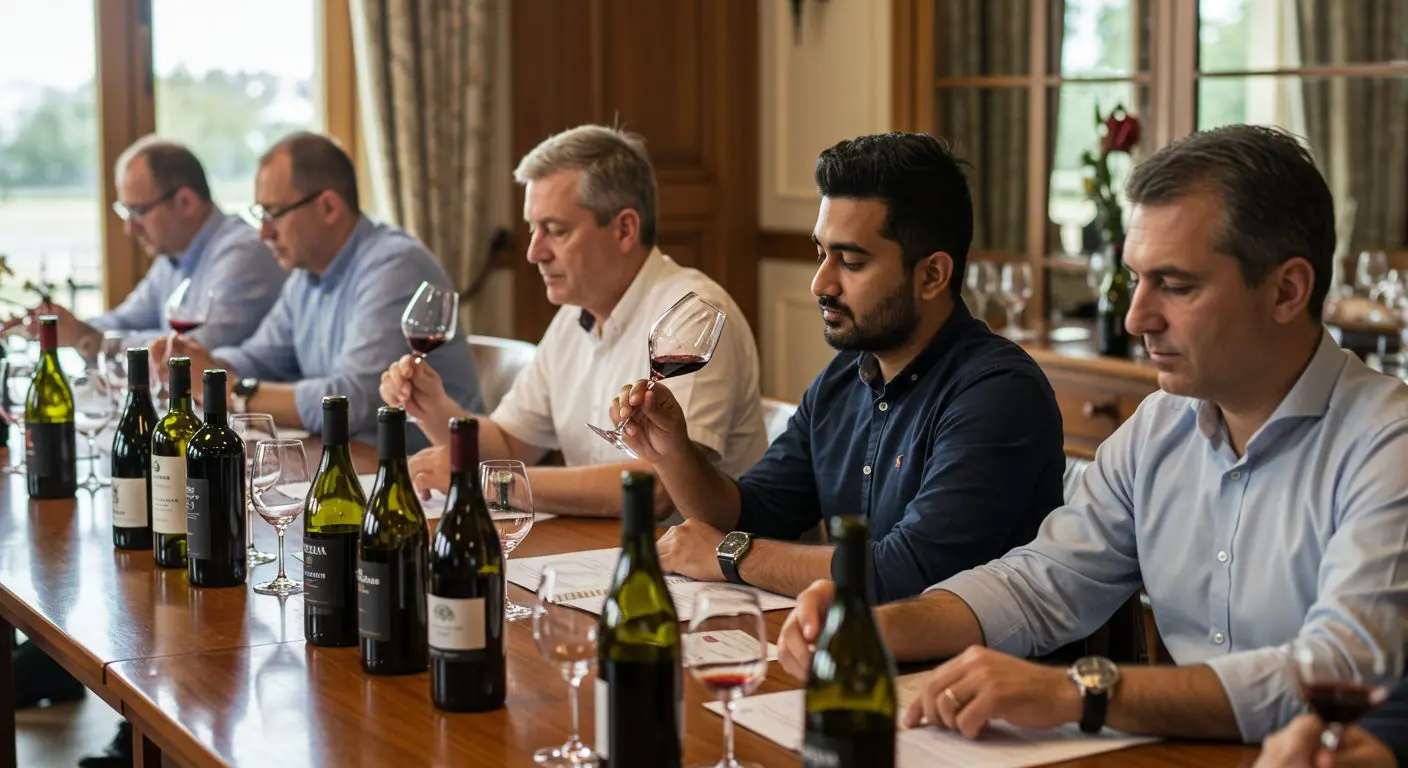
Understanding how to become a certified wine judge means recognizing that formal training bridges the gap between good tasting skills and professional judging competence. When I decided to pursue certification, structured education programs provided the specialized technical knowledge that casual tasting experience simply couldn’t.
The American Wine Society offers one of the most comprehensive judge training programs through their Wine Judge Certification Program (WJCP). This three-year program combines intensive workshops, mentorship, and evaluated practice judging. The curriculum covers sensory evaluation science, wine chemistry basics, competition protocols, and calibration exercises designed to align your scoring with established standards.
University extension programs, particularly from schools in wine regions, offer valuable educational opportunities. UC Davis Extension’s “Wine Evaluation” courses are taught by experienced competition judges and provide scientific understanding of wine sensory analysis. These programs often include laboratory components where you can examine wine components in isolation to sharpen your identification skills.
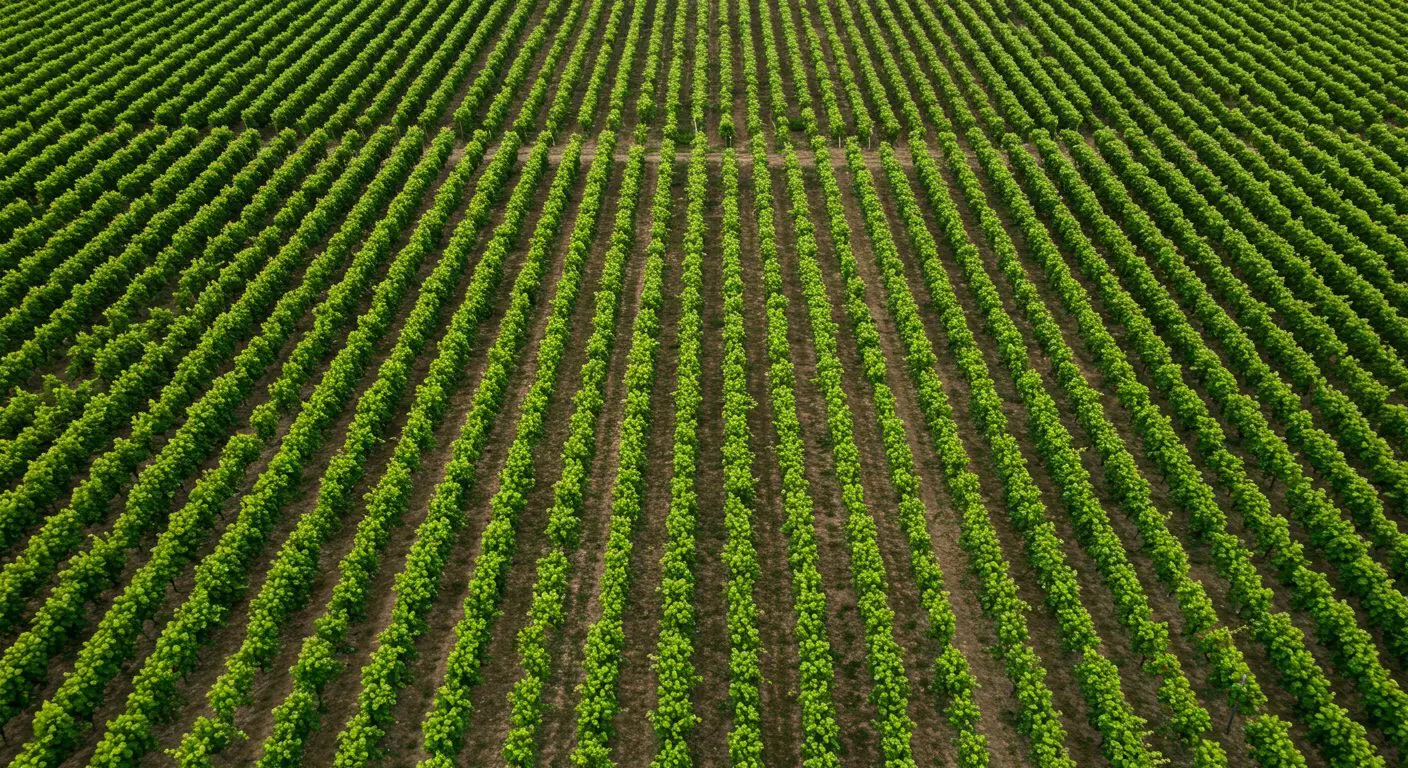
Specialized workshops focusing on specific aspects of judging happen throughout the year. The Society of Wine Educators hosts judge training sessions at their annual conference, and organizations like Women for WineSense offer sensory training events. These specialized wine tasting workshops help develop critical aspects of judging expertise.
Finding a mentor already active in wine judging can accelerate your learning tremendously. My mentor’s guidance helped me understand the unwritten protocols of judging panels and how to provide constructive feedback during deliberations. Many established judges are willing to coach promising candidates who demonstrate commitment and aptitude.
Volunteer opportunities at competitions provide invaluable real-world experience. While you won’t be an official judge initially, working as a competition assistant lets you observe judging firsthand. You’ll learn practical aspects like proper pour sizes, palate cleansing techniques, and the rhythm of evaluation that’s difficult to grasp from books alone.
Taking the Wine Judge Certification Exam
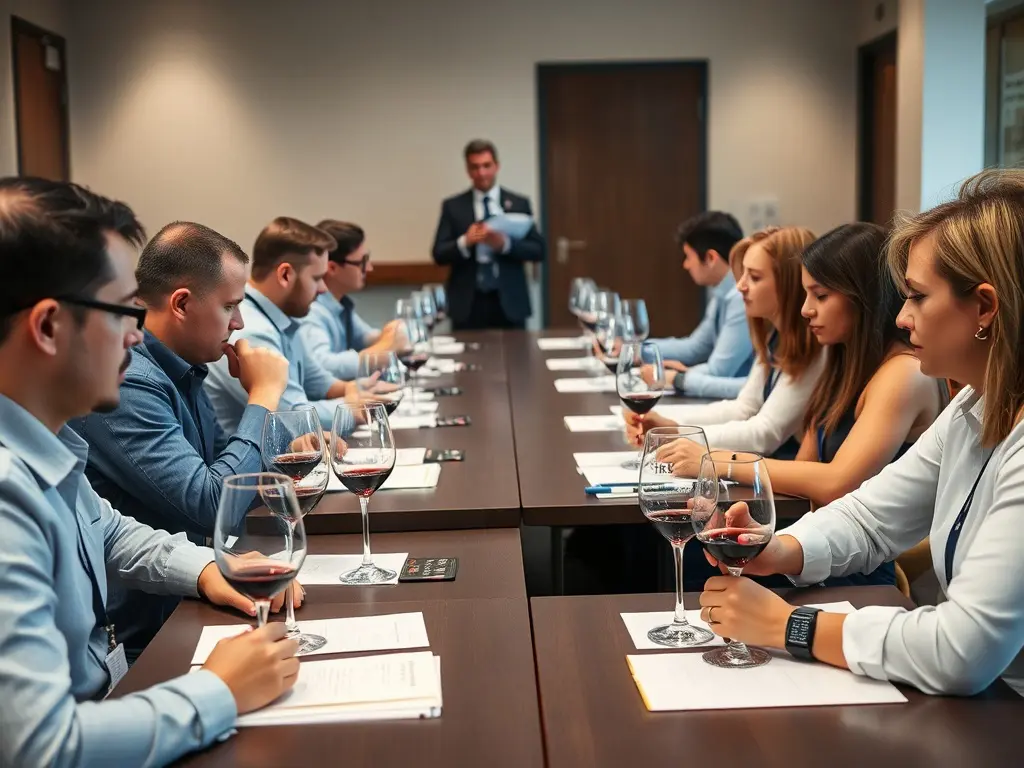
The certification exam represents the culmination of your preparation for how to become a certified wine judge. Depending on which credentialing body you’ve chosen, exam formats vary, but all test your sensory evaluation abilities and theoretical wine knowledge. When I sat for my first certification exam, I was surprised by the mental stamina required—evaluating numerous wines while maintaining focus and consistency is genuinely challenging.
Expect blind tasting exercises that test your ability to identify wine styles, varietals, regions, and quality levels accurately. You’ll typically evaluate 8-12 wines during an exam session, completing detailed assessment sheets for each. Examiners look for consistency in your scoring approach and your ability to identify both technical flaws and quality indicators with precision.
Written examinations cover wine theory, regional knowledge, and competition protocols. You’ll need to demonstrate understanding of:
- Wine chemistry fundamentals affecting sensory perception
- Regional typicity and varietal characteristics
- Wine competition structures and scoring systems
- Wine faults and their causes
- Ethical considerations in competition judging
Practical simulations often form part of advanced certification exams. These recreate actual competition scenarios, testing your ability to work within time constraints, collaborate effectively with other judges, and articulate your assessments clearly. You might need to explain your scoring decisions or reach consensus with other candidates on medal awards.
Preparation strategies that worked for me included creating study groups with other certification candidates, practicing with comprehensive study materials, and setting up mock judging sessions. We would blind taste wines using official scoring sheets, then compare our evaluations to develop consistency. Regular practice with wine fault kits helped train my palate to quickly identify common problems.
The pass rates for wine judge certification exams typically range from 30-60%, reflecting their rigorous nature. Don’t be discouraged if you don’t succeed on your first attempt—many accomplished judges needed multiple tries. Each attempt provides valuable feedback on areas needing improvement and strengthens your tasting skills.
Getting Real Experience as a Wine Competition Judge
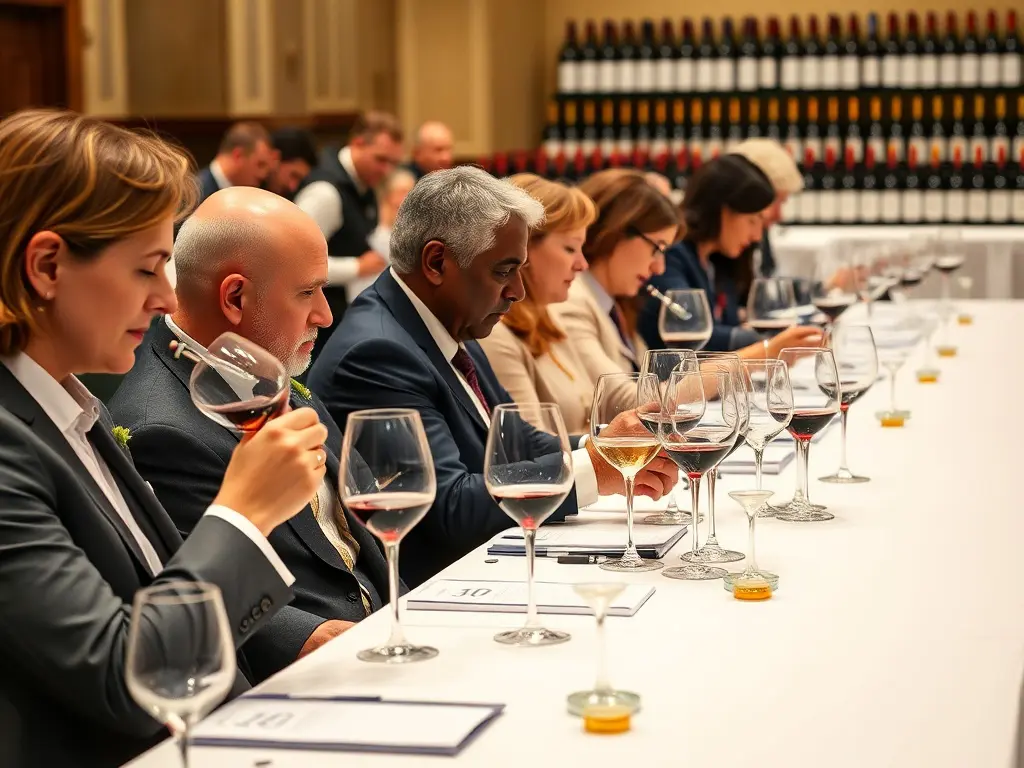
Once certified, the question of how to become a certified wine judge shifts to how to gain meaningful experience. Even with certification in hand, most competitions seek judges with practical experience. Starting with smaller, regional competitions provides valuable hands-on judging practice before progressing to more prestigious events.
County fair wine competitions offer excellent entry points for newly certified judges. These events typically welcome newer judges and pair them with experienced mentors. When I judged my first county fair competition, the supportive environment allowed me to apply my training without feeling overwhelmed by pressure or expectations.
Consumer-focused wine competitions like the San Francisco Chronicle Wine Competition sometimes have associate judge positions that serve as stepping stones. These roles let you taste alongside established judges and contribute to panel discussions while learning competition dynamics. Your scores might be collected but weighted differently than those from seasoned judges.

Regional wine associations frequently hold competitions highlighting local producers. These organizations are often more welcoming to new judges, especially those with relevant certification and knowledge of regional varietals. Reaching out directly to competition directors with your credentials and interest can open doors to these opportunities.
As a new judge, it’s wise to maintain detailed records of your competition experiences. I keep a dedicated notebook documenting each event, including wines evaluated, panel dynamics, and personal observations about my performance. This record helps track your development and provides valuable reference material for future judging opportunities.
Professional conduct during competitions significantly impacts whether you’ll be invited back. This means arriving prepared, respecting confidentiality, maintaining professional standards during deliberations, and showing courtesy to fellow judges and competition staff. The wine industry values both expertise and collegiality.
Advanced Career Paths for Experienced Wine Judges
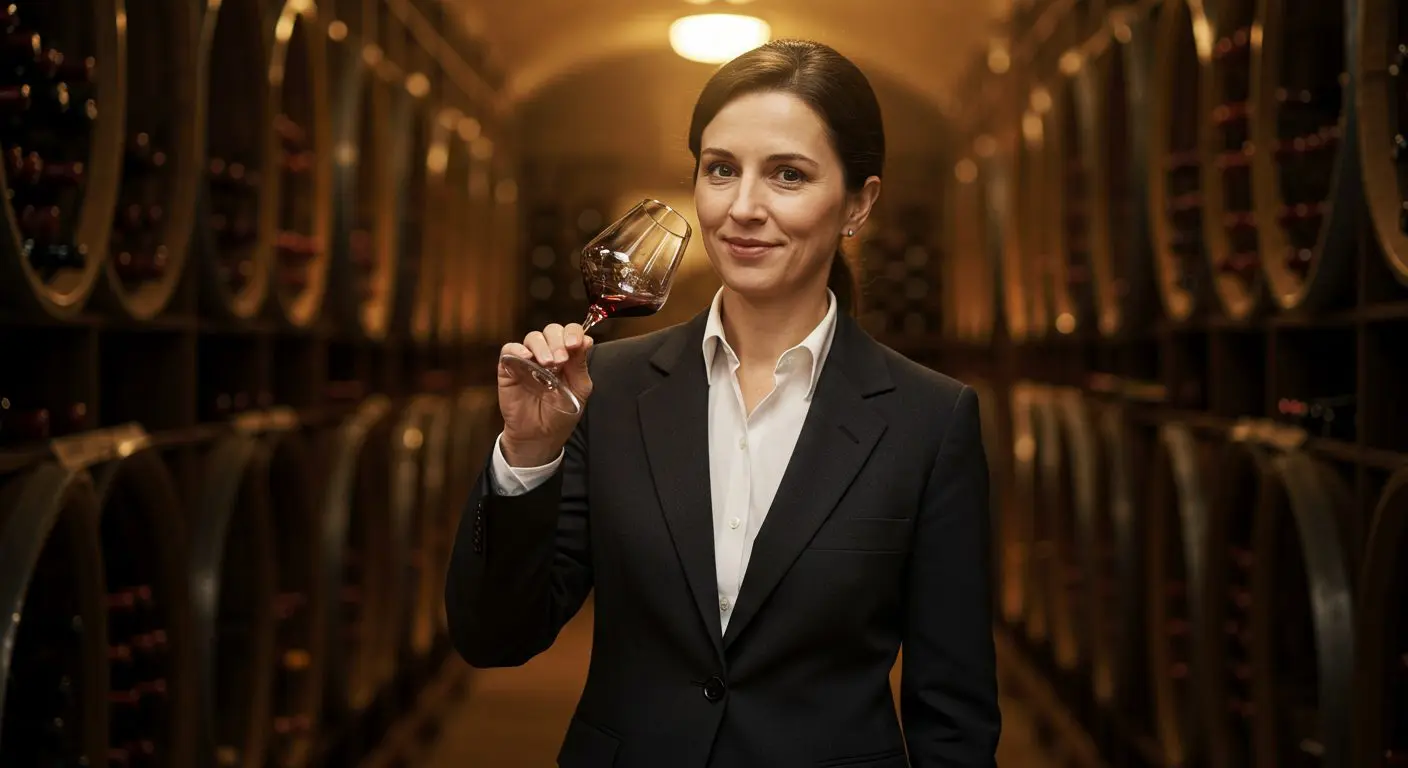
As your judging experience grows, new paths open for those who’ve mastered how to become a certified wine judge. After several years of consistent judging experience, you might be invited to serve as a panel leader at major competitions. This role involves guiding discussion, ensuring proper protocols, and helping newer judges develop their skills.
International competitions represent the pinnacle of wine judging prestige. Events like the Decanter World Wine Awards, International Wine Challenge, and Concours Mondial de Bruxelles select judges with extensive competition experience and specialized regional expertise. Many judges consider receiving their first international invitation a career milestone.
Some judges specialize in particular wine categories where they’ve developed exceptional expertise. Whether it’s sparkling wines, fortified styles, or specific regional varieties, developing a recognized specialty can make you particularly valuable to competition organizers seeking balanced judging panels with diverse expertise.

Writing and education often complement judging careers. Many experienced judges contribute to wine publications, author books on wine evaluation, or develop educational materials for aspiring judges. Sharing your knowledge through tastings, seminars, or online platforms can establish your reputation as a thought leader in wine assessment.
Competition organization roles represent another career progression. After years of judging experience, some move into positions planning and managing wine competitions. These roles leverage your understanding of judging protocols and industry standards to design fair, credible evaluation systems.
Practical Challenges in Wine Competition Judging
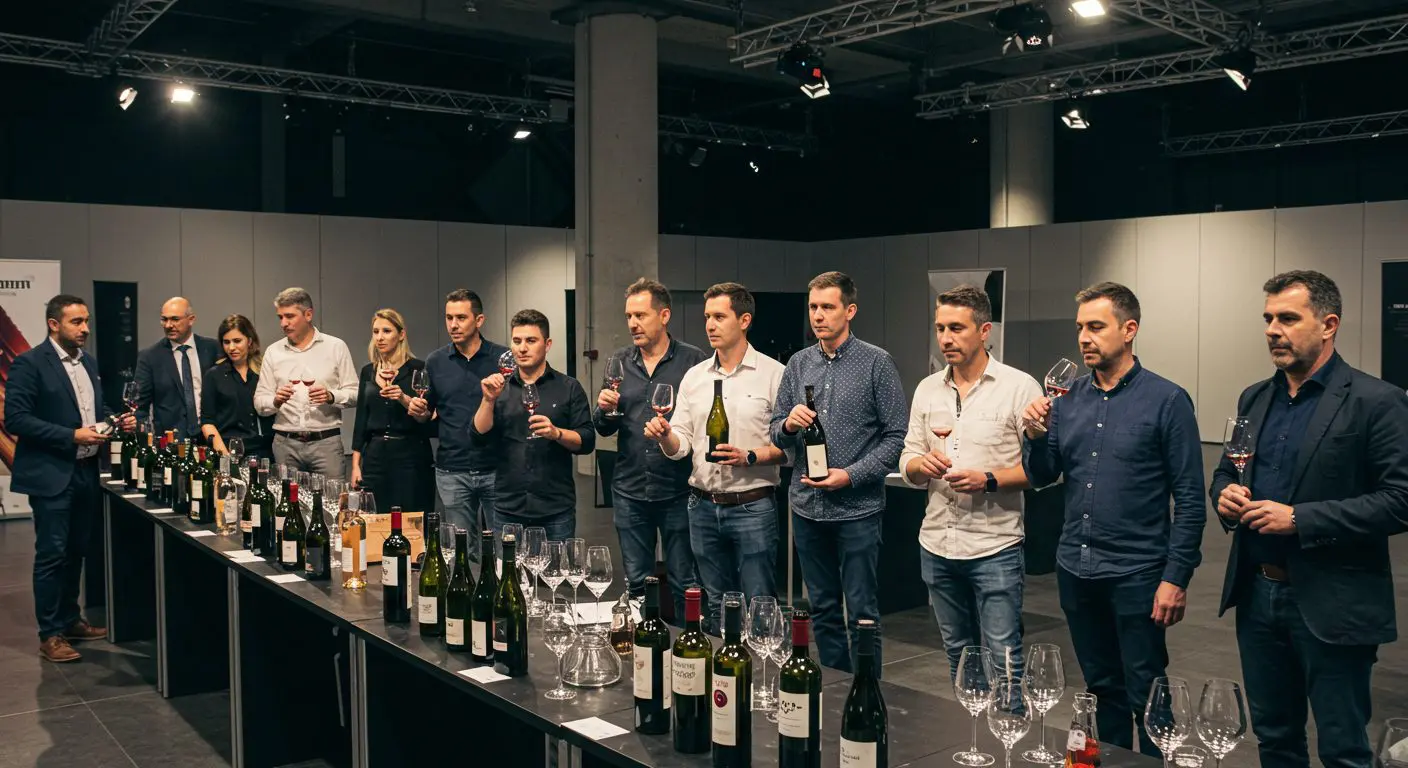
Even after learning how to become a certified wine judge, practical challenges emerge when putting your skills into practice. Understanding these common difficulties—and their solutions—prepares you for the realities of professional judging.
Palate fatigue represents perhaps the biggest physical challenge in competition judging. After tasting dozens of wines, sensory perception naturally diminishes. Experienced judges combat this through strategic palate management—using appropriate spitting technique, staying well-hydrated, using neutral crackers between flights, and taking short breaks when possible to maintain sensory acuity.

Panel disagreements happen even among seasoned professionals. Learning to articulate your assessment clearly while remaining receptive to colleagues’ perspectives is crucial. The goal isn’t winning arguments but reaching thoughtful consensus through respectful dialogue. I’ve found that focusing on specific wine attributes rather than subjective impressions helps bridge differences of opinion.
Maintaining objectivity across diverse wine styles challenges even experienced judges. Personal preferences naturally exist, but professional judging requires evaluating each wine according to its category standards rather than personal taste. Regular calibration exercises help overcome style biases and ensure fair evaluation across different wine types.
The physical demands of competition judging shouldn’t be underestimated. Most competitions involve long days of intense focus, often starting early morning and continuing through afternoon. Preparing with proper rest, minimal fragrance, comfortable professional attire, and modest meals helps maintain your stamina and sensory acuity throughout judging days.
Ethical considerations arise regularly in competition settings. Conflicts of interest, inadvertent bias, and confidentiality concerns require careful navigation. Professional judges maintain strict boundaries between their judging responsibilities and any commercial interests they might have in the wine industry.
The Investment: Time and Costs on Your Wine Judge Journey

Understanding the investment required for how to become a certified wine judge helps set realistic expectations. The journey requires significant commitment of both time and financial resources before you’ll see returns.
| Stage | Time Investment | Approximate Cost |
|---|---|---|
| Foundation Training | 6-12 months | $200-500 (tasting groups, practice wines) |
| Formal Education | 3-6 months per level | $500-1,500 per certification level |
| Judge Certification | 1-3 years | $800-2,000 (program fees, exam costs) |
| Ongoing Development | Continuous | $500-1,000 annually |
Building your palate represents a substantial early investment. Regular tasting practice requires accessing diverse wine styles—ideally including benchmark examples from classic regions. My study group splits costs by each bringing different bottles to blind tasting sessions, making the expense more manageable while broadening our exposure to various wines.
Certification program costs vary considerably. The AWS Wine Judge Certification Program currently costs approximately $1,200 for the three-year program, not including travel to required workshops. WSET Diploma certification (a common prerequisite for serious judging) typically costs $7,000-10,000 when including all examination and material fees.
Travel expenses for workshops, training sessions, and competitions add significantly to the total investment. While some local competitions may cover accommodation for judges, many require you to fund your own participation, especially early in your judging career. Setting aside a dedicated travel budget helps manage these costs.

The time commitment extends beyond formal training. Regular tastings, study sessions, sensory training exercises, and staying current with wine industry developments all require consistent attention. Most successful judges dedicate 5-10 hours weekly to ongoing education and practice, even after certification.
Professional judges can eventually offset these costs through judging stipends, consulting opportunities, writing assignments, and educational roles. However, most wine judging begins as a passion pursuit rather than a primary income source. Even established judges typically combine judging with other wine industry roles.
Final Thoughts on Becoming a Wine Judge
The journey of how to become a certified wine judge transforms not just your professional credentials but your entire relationship with wine. Through structured education, rigorous practice, and professional certification, you develop a deeper appreciation for wine’s nuances and the technical skill to evaluate them objectively. This path has given me a profound connection to wine that transcends simple enjoyment.
Success in this field depends largely on your commitment to continuous learning and consistent sensory practice. The wine world constantly evolves with new regions, techniques, and styles emerging regularly. The best judges maintain curious, open minds while building on their foundation of structured evaluation skills.
The wine judging community offers remarkable camaraderie and knowledge-sharing opportunities. Fellow judges become both colleagues and friends, creating a supportive network that enriches both your professional development and personal enjoyment of wine. These connections often lead to unexpected opportunities that further your development.
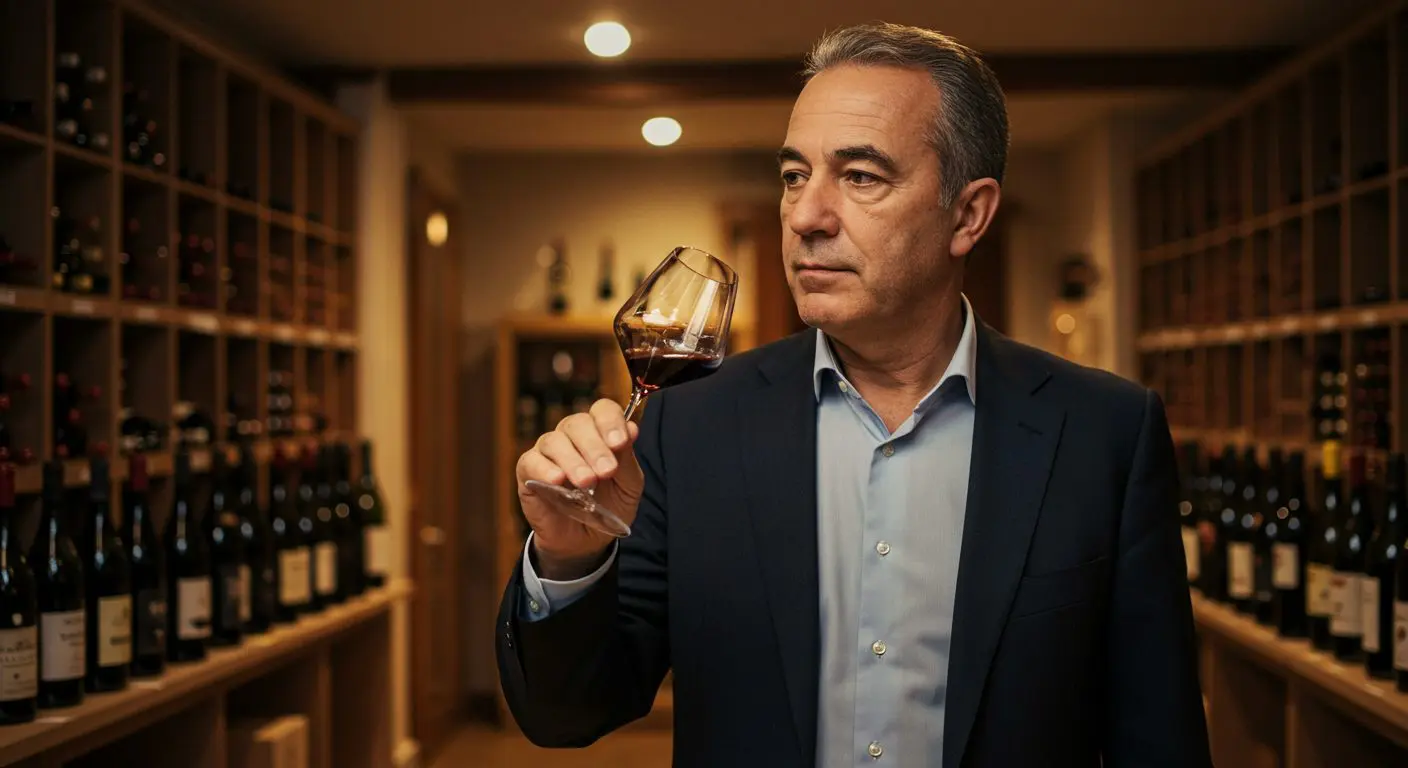
While certification provides formal recognition, real credibility comes from how you apply your knowledge in competition settings. Integrity, consistency, and thoughtful evaluation build your reputation among peers and competition organizers. This reputation ultimately determines the judging opportunities that come your way.
For those passionate about wine evaluation, the investment in becoming a certified judge yields rewards that extend far beyond professional credentials. You’ll develop a heightened appreciation for wine’s complexities, contribute meaningfully to the industry’s quality standards, and join a community of like-minded professionals dedicated to celebrating wine excellence. If you’re ready to transform your wine passion into expertise, the structured path of wine judge certification awaits.