This post may contains affiliate links. Read our full disclosure here.
Let me start with a confession: I’ve killed more plants than I care to admit. My track record reads like a botanical murder mystery – succulents that turned to mush, snake plants that somehow died despite being “impossible to kill,” and don’t even get me started on the fiddle leaf fig that cost me $75 and lasted exactly three weeks. My boyfriend used to joke that I had a black thumb, and honestly, I was starting to believe him. Despite reading countless articles and watching YouTube videos about houseplant care, I kept making the same deadly mistakes over and over again.
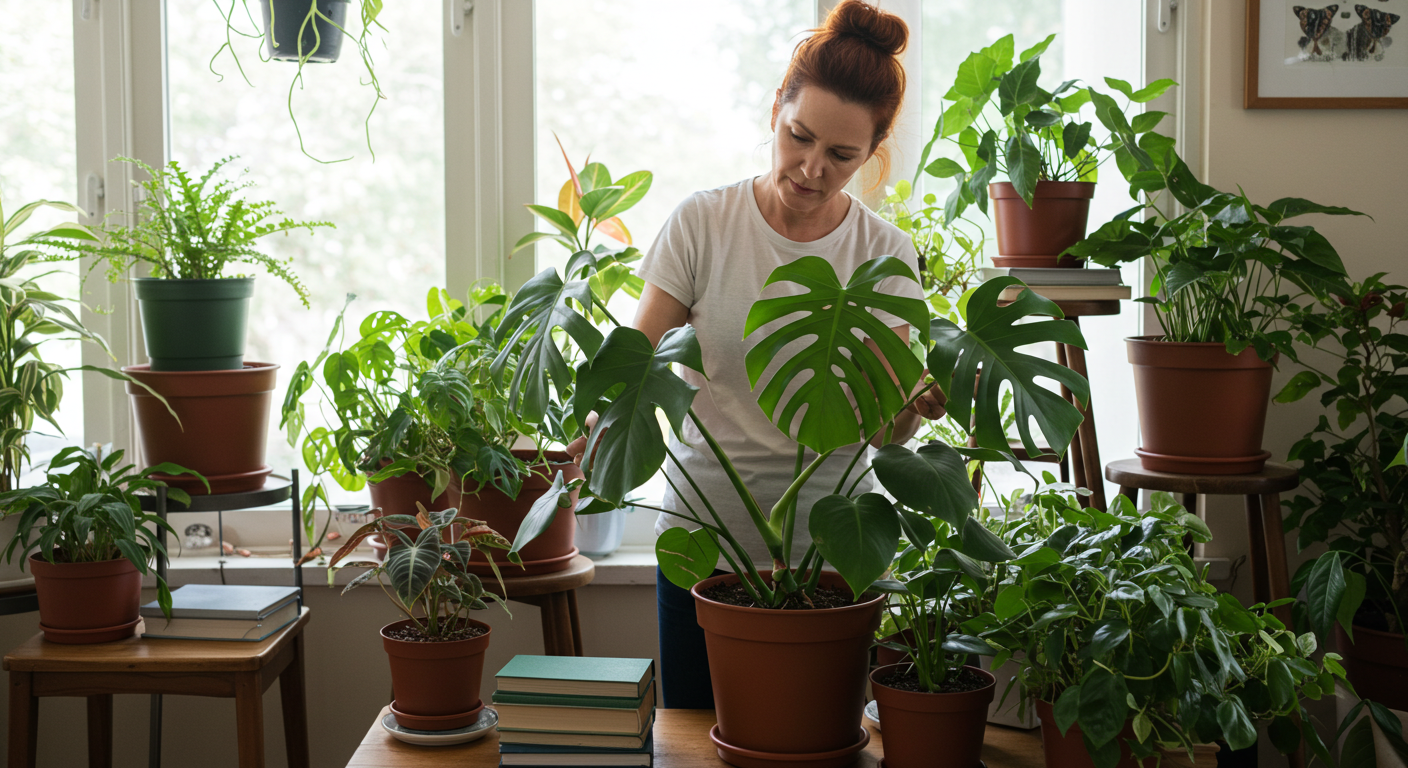
Houseplant care became my white whale. I desperately wanted that Pinterest-perfect home filled with thriving green beauties, but every attempt ended in brown, crispy failure. It wasn’t until I started working in home decor that I realized I wasn’t alone – turns out, most people struggle with keeping plants alive, and the advice out there often sets us up for failure.
My Journey from Plant Killer to Plant Parent
Houseplant care seemed like it should be intuitive, but I was approaching it all wrong. I’d see a gorgeous plant at the store, bring it home, and expect it to adapt to whatever random corner I thought looked good. I treated plants like furniture – beautiful objects to place and forget about. The reality check came when my coworker, who had the most stunning plant collection I’d ever seen, told me she’d killed over fifty plants before figuring out what actually works.
This revelation changed everything. Houseplant care isn’t about having some mystical green thumb – it’s about understanding what plants actually need and being honest about what you can realistically provide. Once I stopped trying to be the perfect plant parent and started being a realistic one, everything changed.
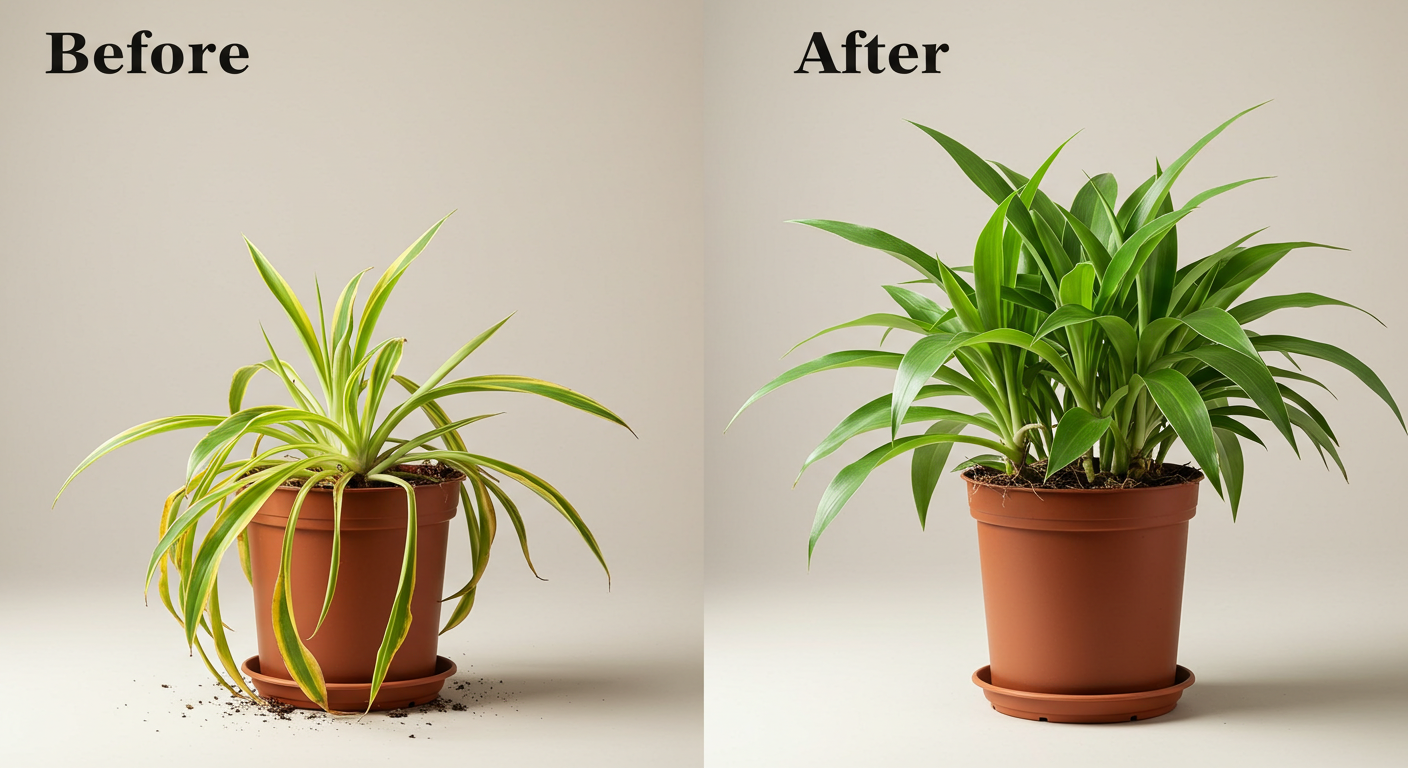
Common Plant-Killing Mistakes I Made:
• Impulse buying: Purchasing plants without researching their needs
• Wrong placement: Putting plants where they look good rather than where they’ll thrive
• Inconsistent watering: Either drowning them or leaving them bone dry
• Ignoring light requirements: Assuming all plants need the same amount of light
• Overcomplicating care: Following contradictory advice from multiple sources

My apartment back then was a plant graveyard, but it taught me valuable lessons. Each failure brought me closer to understanding what houseplant care really means. It’s not about perfection – it’s about creating sustainable routines that work for both you and your plants.
The turning point came when I realized that successful houseplant care starts with choosing plants that match your lifestyle, not trying to change your lifestyle to match difficult plants. This approach completely transformed my relationship with indoor gardening and led to the thriving plant collection I have today.
The Truth About “Easy” Houseplants
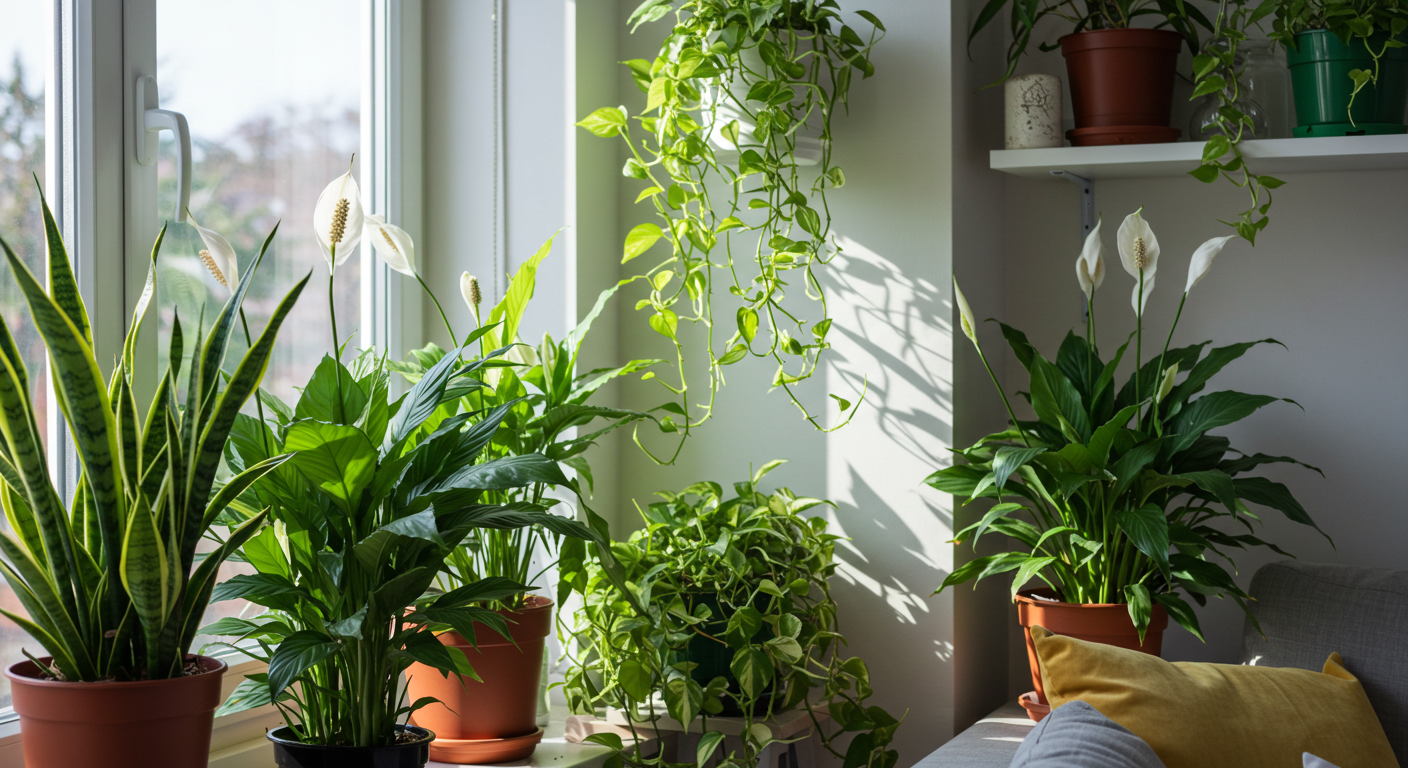
Here’s what nobody tells you: there’s no such thing as a truly “easy” plant if you’re putting it in the wrong environment. Houseplant care success depends more on matching plants to your specific conditions than on choosing supposedly foolproof varieties. I learned this the hard way when I killed three different “beginner-friendly” pothos plants because I kept putting them in dark corners.
Reality Check on “Easy” Plants:
• Pothos: Easy if you have medium to bright indirect light, disaster in dark spaces
• Snake plants: Tolerant of neglect but will rot if overwatered (my biggest mistake)
• Spider plants: Great for beginners but need consistent moisture, not drought
• ZZ plants: Truly low-light tolerant but take forever to show signs of distress
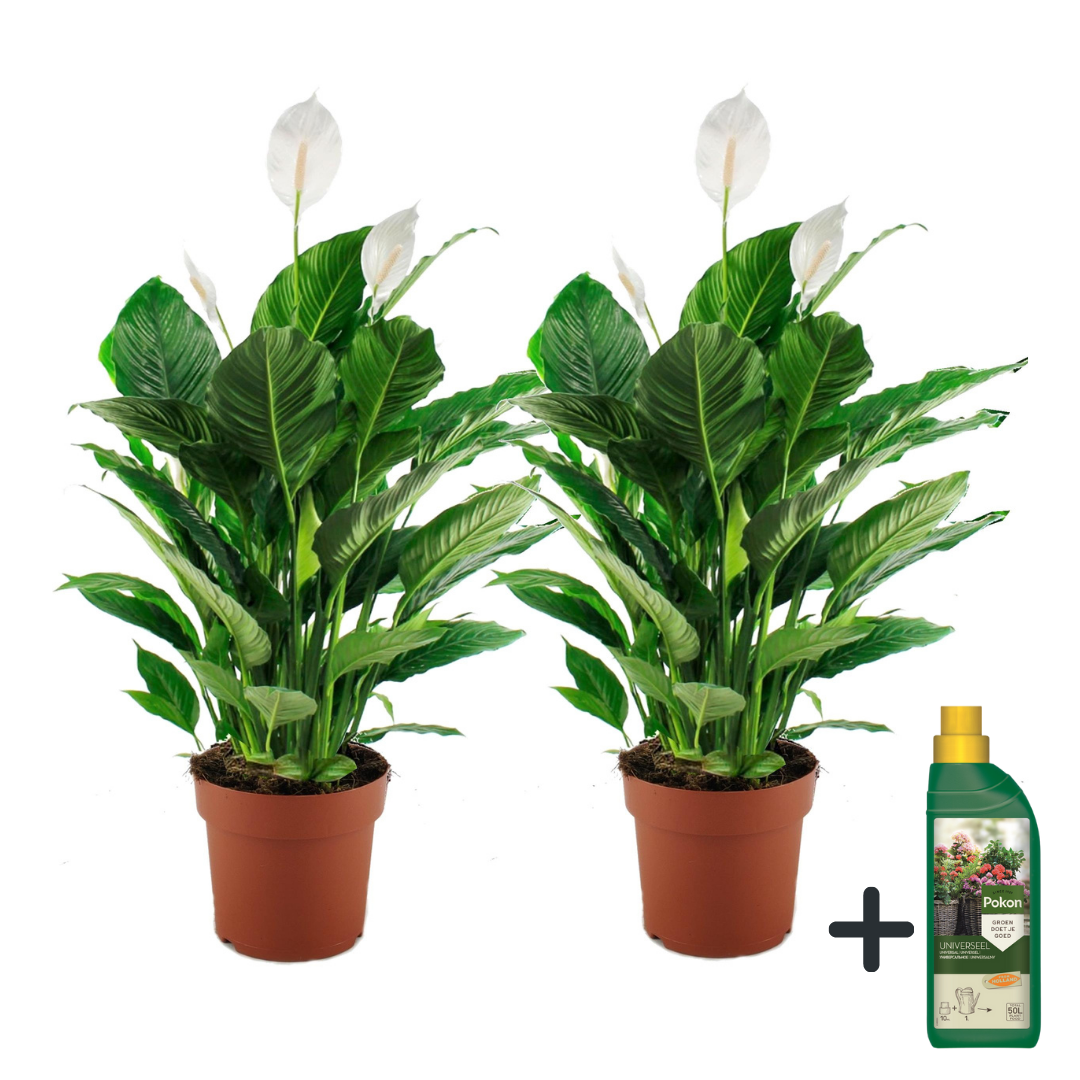
• Peace lilies: Dramatic communicators that tell you exactly what they need
The video 15 Beginner Plant Care Mistakes to Avoid by Aloha Plant Life perfectly captures the learning curve most of us face. It covers the exact mistakes I made during my plant-killing phase and offers practical solutions that actually work.
Houseplant care becomes much easier when you understand that plants evolved for specific environments. A plant that thrives in a tropical rainforest isn’t going to be happy in your dry, air-conditioned apartment without some adjustments. Instead of fighting against these natural requirements, successful plant parents work with them.
| Plant Type | Light Needs | Water Frequency | Humidity Preference |
|---|---|---|---|
| Pothos | Medium to bright indirect | When top inch is dry | Average (40-50%) |
| Snake Plant | Low to bright indirect | Every 2-3 weeks | Low (30-40%) |
| Spider Plant | Medium indirect | Weekly in growing season | Average (40-50%) |
| ZZ Plant | Low to medium indirect | Every 2-4 weeks | Low (30-40%) |
| Peace Lily | Medium to bright indirect | When soil starts to dry | High (50-60%) |
The key insight that changed my houseplant care approach was realizing that consistency matters more than perfection. A plant that gets adequate care regularly will thrive much better than one that gets perfect care sporadically. This understanding helped me develop sustainable routines that actually work long-term.
The integration with home styling and interior design becomes much easier when you choose plants that will actually survive in your chosen locations, rather than forcing plants into spaces where they’ll struggle.
Establishing Your Plant Care Foundation
Houseplant care success starts with honest self-assessment. I had to acknowledge that I’m not home during the day, I travel frequently for work, and I’m more likely to forget to water than to overwater. Once I accepted these limitations instead of fighting them, choosing the right plants became much simpler.
Essential Houseplant Care Foundations:
• Assess your light: Use your phone’s flashlight at different times to understand your space
• Know your schedule: Choose plants that match your natural routines
• Start small: Begin with 2-3 plants maximum to develop consistent habits
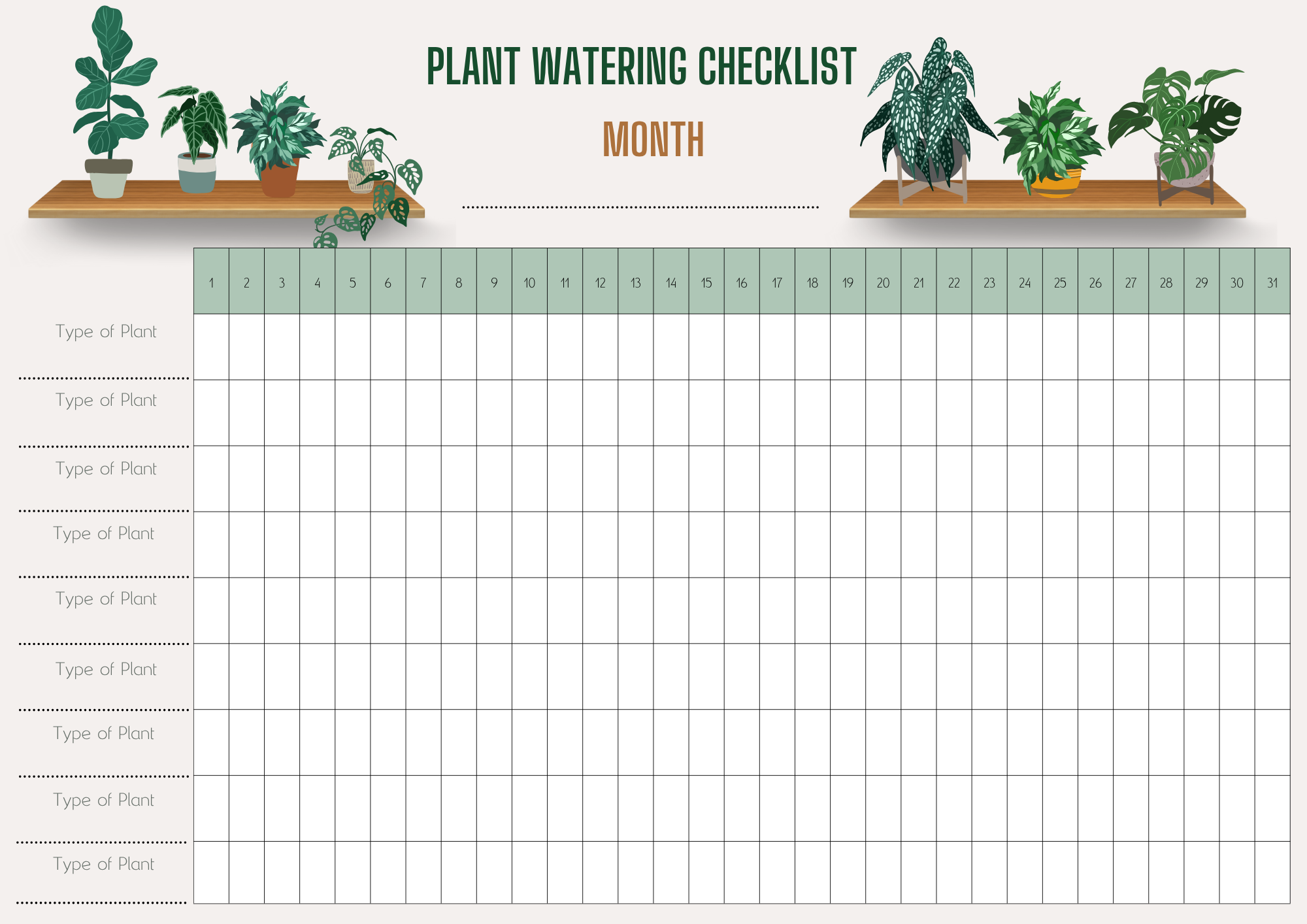
• Create systems: Set up watering reminders and visual cues
• Accept failures: Every dead plant teaches you something valuable
The most important lesson I learned is that houseplant care isn’t about following rigid rules – it’s about developing observation skills. Plants communicate constantly through their leaves, growth patterns, and overall appearance. Learning to read these signals transformed me from a plant killer to someone who actually enjoys caring for plants.
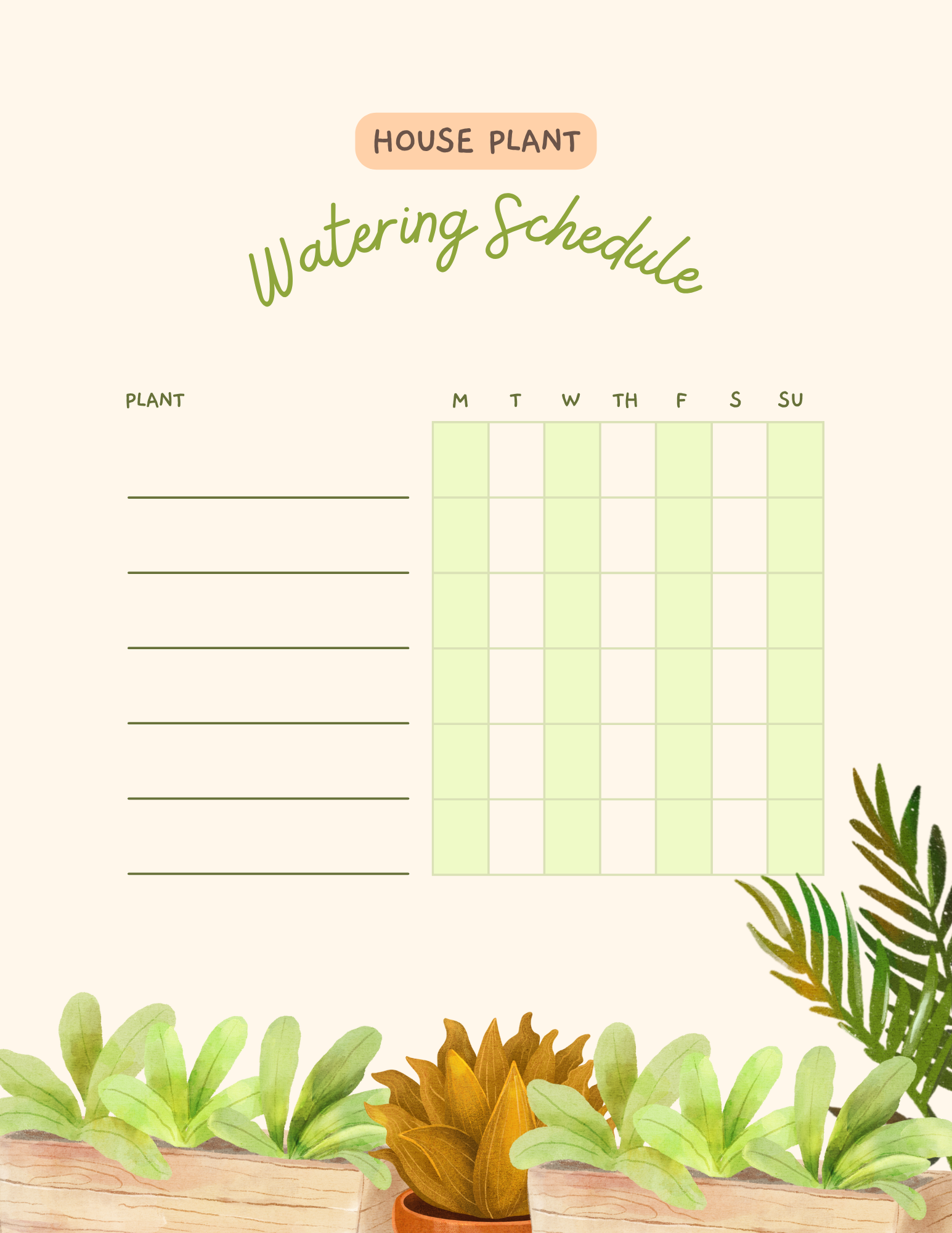
Setting Up for Success:
• Group plants by care needs: Makes watering and maintenance much easier
• Use appropriate containers: Drainage holes aren’t optional for most plants
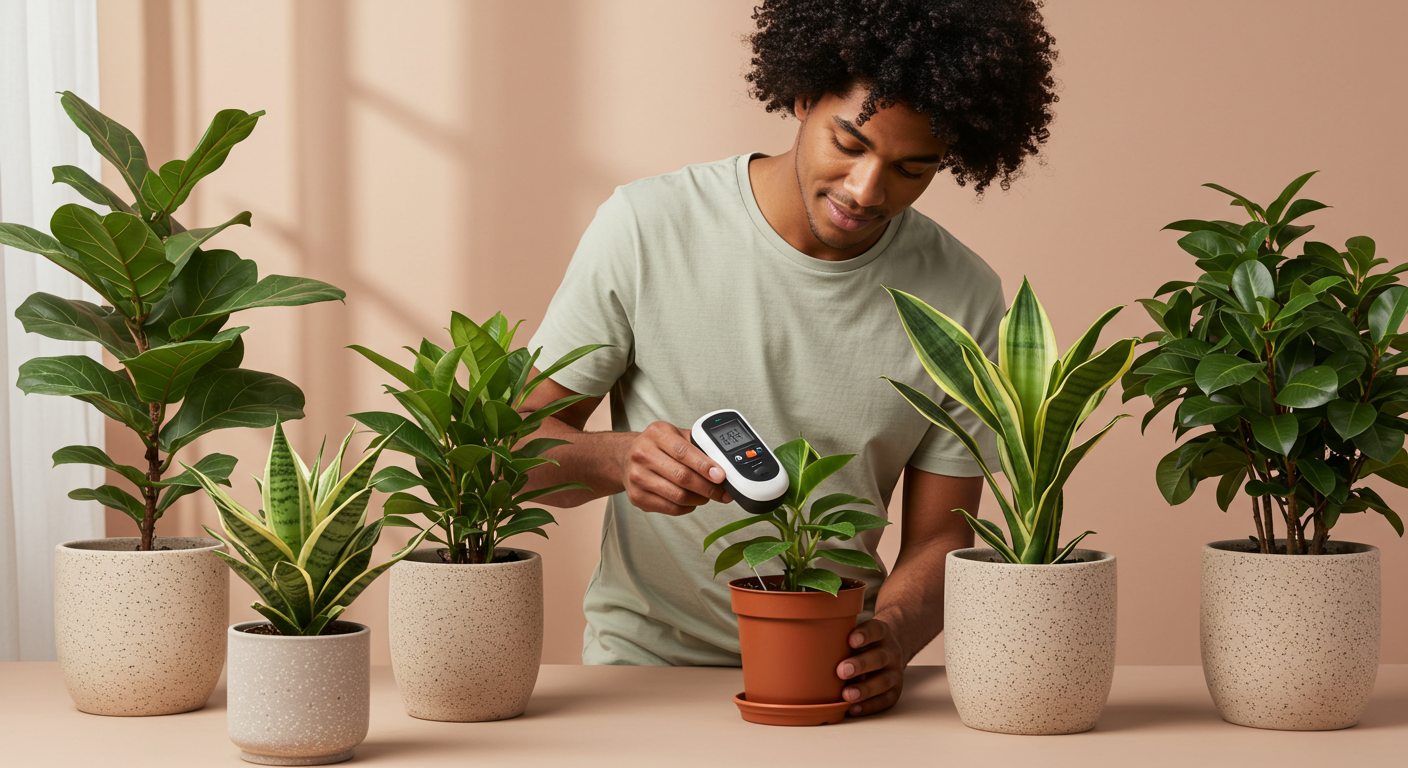
• Invest in basic tools: A watering can with a narrow spout and moisture meter
• Create designated plant areas: Spots where plants can thrive, not just look good
• Establish routines: Weekly check-ins work better than daily obsessing
I found that incorporating plants into considerations about how texture impacts the feel of a room works much better when you first ensure the plants will actually survive in their designated spaces. A dead plant adds no texture except disappointment.

For a comprehensive overview of getting started with houseplant care, 9 Essential Tips To Make Your Houseplants Thrive by Sheffield Made Plants offers practical, no-nonsense advice that I wish I’d had when starting out.
The Watering Mistakes That Kill Plants
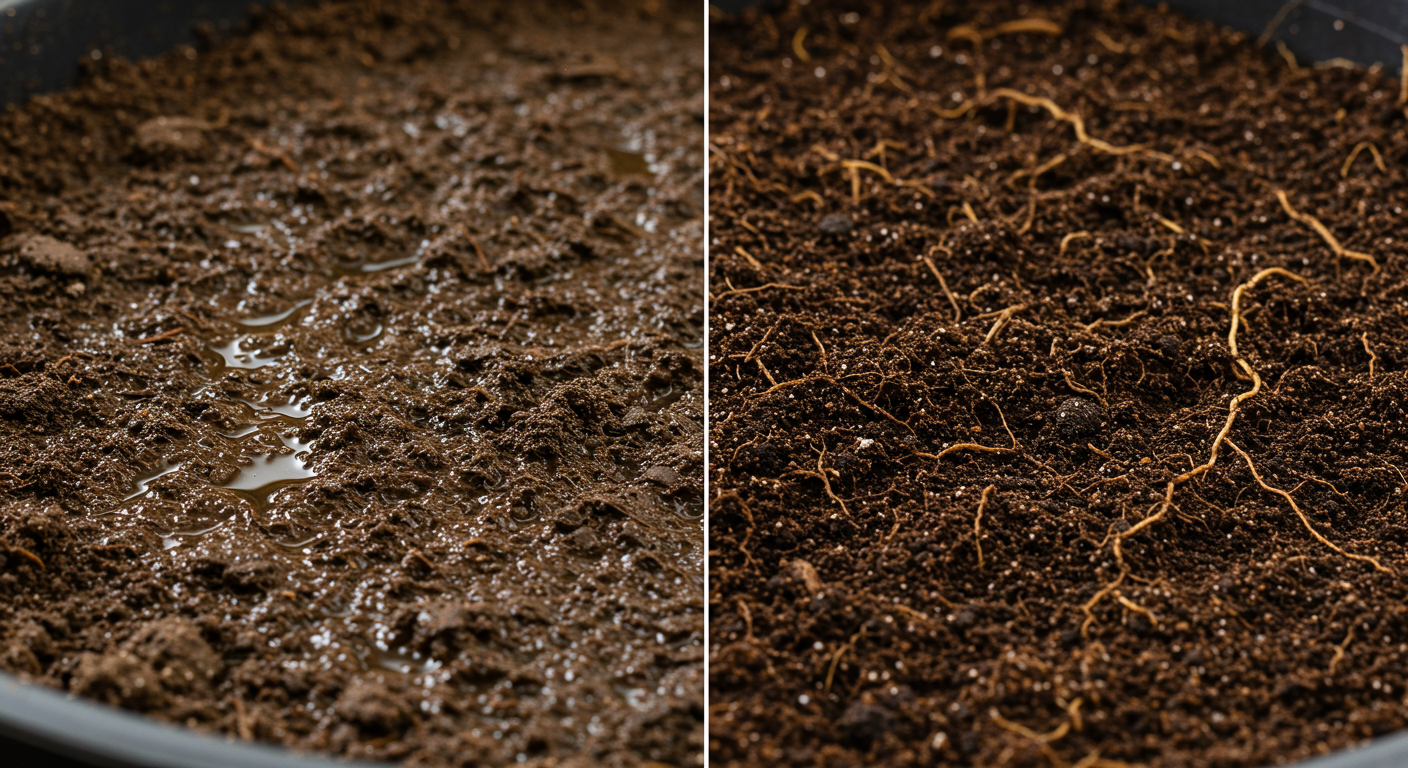
Water-related issues account for about 90% of houseplant deaths, and I was definitely contributing to those statistics. Houseplant care water wisdom took me years to develop, mostly through killing plants in spectacularly soggy ways. The biggest revelation was understanding that most plants die from too much water, not too little.
My Watering Evolution:
• Week 1: Water on schedule regardless of plant needs
• Week 3: Panic when plants look unhappy, water more
• Week 4: Plants start yellowing, clearly need more water (wrong!)
• Week 5: Root rot sets in, plant dies
• Week 6: Start over with new plant, repeat cycle
The breakthrough came when I learned the finger test – sticking my finger about an inch into the soil to check moisture levels. This simple technique prevented more plant deaths than any complicated watering system I’d tried before.
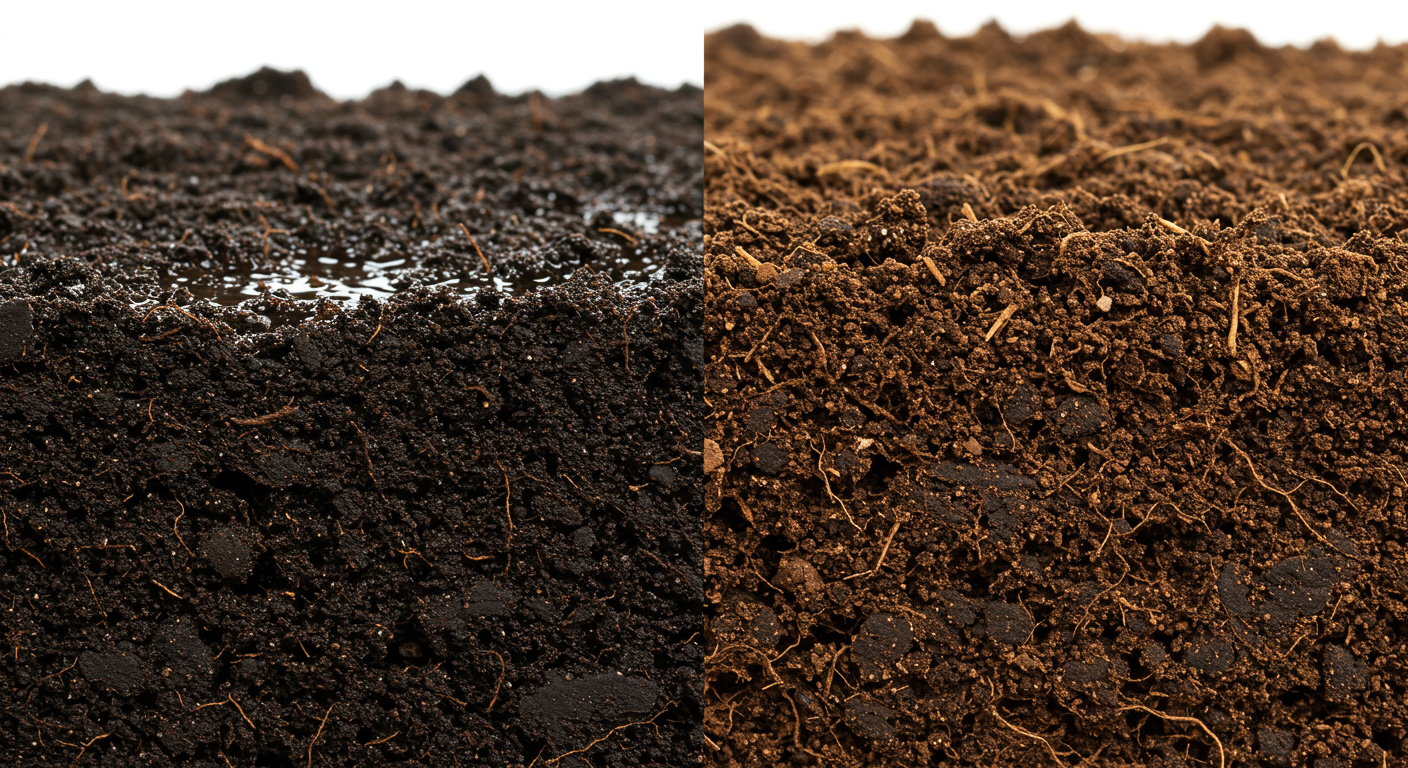
Proper Houseplant Care Watering Techniques:
• Check soil moisture first: Always test before watering, never follow rigid schedules
• Water thoroughly when needed: Soak until water drains from the bottom
• Use appropriate water: Room temperature, let tap water sit 24 hours
• Consider seasonal changes: Plants need less water in winter
• Watch for warning signs: Yellow leaves often mean too much water, not too little
| Overwatering Signs | Underwatering Signs |
|---|---|
| Yellow leaves from bottom up | Brown, crispy leaf edges |
| Musty or sour soil smell | Soil pulling away from pot edges |
| Soft, black roots | Wilting despite dry soil |
| Fungus gnats around soil | Leaves dropping suddenly |
| Persistent wet soil | Extremely lightweight pot |
Houseplant care watering becomes intuitive once you understand that plants prefer consistent moisture levels rather than dramatic wet-dry cycles. Most houseplants evolved in environments with regular, moderate moisture – not drought followed by flooding.
The video Indoor Plant Care For Beginners | Avoid These Lighting and Watering Mistakes by Crazy Plant Guy covers the exact watering mistakes I made and provides clear solutions that work in real homes, not just perfect greenhouse conditions.
Understanding proper watering also enhances principles found in understanding feng shui principles – healthy, thriving plants contribute positive energy, while struggling or dying plants can create stagnant or negative energy in a space.
Light Requirements That Actually Make Sense
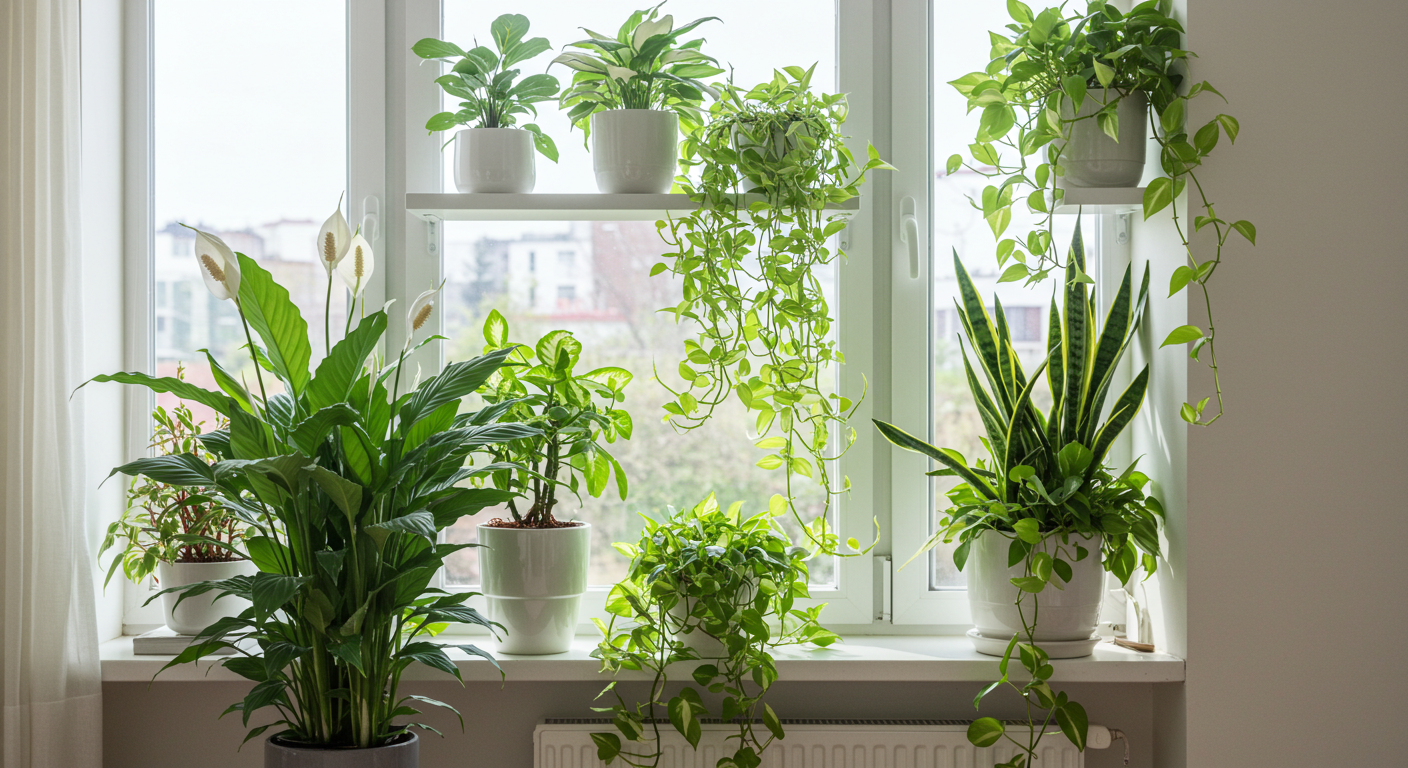
Houseplant care lighting was my biggest confusion point. Terms like “bright indirect light” felt meaningless when I was trying to figure out where to put my plants. I finally understood lighting when I started thinking about it from the plant’s perspective rather than trying to memorize abstract categories.
Decoding Light Requirements:
• Direct sunlight: Actually sunny spots where you’d need sunglasses indoors
• Bright indirect: Well-lit areas where you can read comfortably without lamps
• Medium indirect: Areas that feel bright during the day but aren’t directly sunny
• Low light: Spaces where you’d need a lamp to read during the day
• No plant thrives in darkness: Even “low light” plants need some natural light
The game-changer was using my phone’s camera to understand light levels. If I couldn’t take a decent photo without flash during the day, it was probably too dark for most plants. This simple test helped me place plants appropriately and stop blaming myself when they failed in unsuitable locations.
Light Assessment Tools:
• Phone flashlight test: If you need it to see at 2 PM, it’s low light
• Reading test: Can you read a book comfortably without strain?
• Shadow test: Hold your hand up – sharp shadows mean direct light
• Time tracking: Note how many hours of natural light the spot gets
• Seasonal awareness: Light changes dramatically with seasons
I learned that successful houseplant care means working with your home’s actual light conditions rather than trying to force plants into decoratively perfect but lighting-inappropriate spots. This shift in thinking eliminated about half of my plant deaths immediately.
25% Off Flowers & Plants. No Product Restrictions. Fresh Flowers and Plants Professionally Designed and Hand Delivered by Local Florists. Same Day and Express Delivery Available.
Creating Better Light Conditions:
• Clean windows regularly: Dirty glass blocks surprising amounts of light
• Use mirrors strategically: Reflects light to darker areas
• Rotate plants regularly: Prevents lopsided growth toward light sources
• Consider grow lights: For truly dark spaces where you want plants
• Group plants by light needs: Makes placement and care much easier
The relationship between proper lighting and minimalist home decor works beautifully when plants are placed where they’ll actually thrive – healthy plants enhance minimalist spaces while dying plants clutter them with worry and maintenance.
For an excellent explanation of how light really works for houseplants, HOUSEPLANT CARE TIPS FOR BEGINNERS by Pick Up Limes breaks down lighting requirements in practical, understandable terms.
Creating Sustainable Care Routines
The turning point in my houseplant care journey was developing routines that fit my actual life rather than the life I thought I should have. I stopped trying to be the person who checks every plant daily and started being the person who does thorough weekly check-ins. This change alone improved my success rate dramatically.
Weekly Plant Check-In Routine:
• Visual inspection: Look for changes in leaf color, growth, or pests
• Soil moisture test: Check each plant’s watering needs individually
• Rotation: Turn plants that lean toward light sources
• Pruning: Remove any dead or dying leaves promptly
• Notes: Keep track of what’s working and what isn’t
Houseplant care became sustainable when I stopped treating it like a daily chore and started treating it like a weekly ritual. Sunday mornings with coffee and plants became my favorite time of the week, and the plants responded much better to consistent weekly attention than sporadic daily worry.
Monthly Deep Care Tasks:
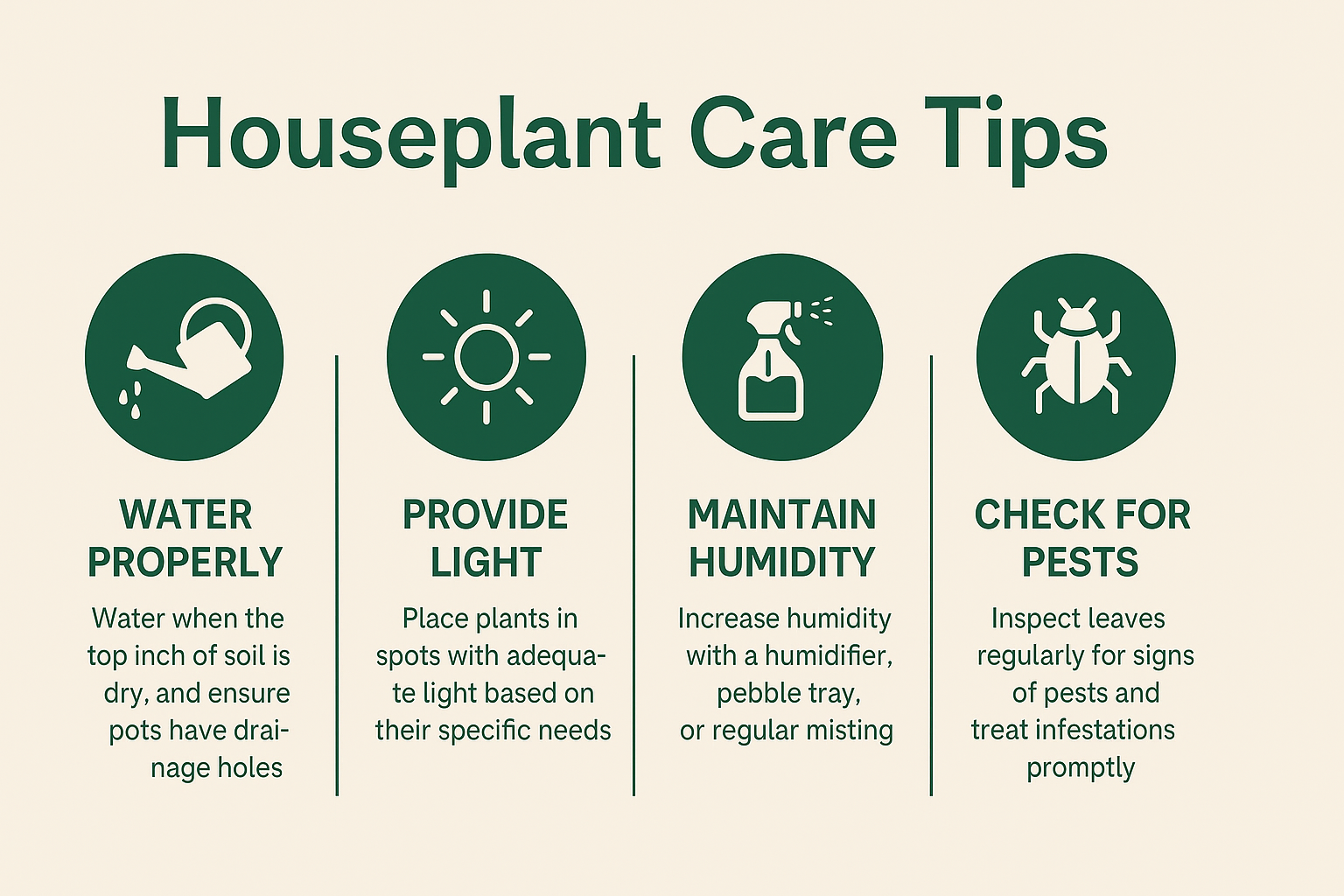
• Fertilize during growing season: Spring through early fall
• Check for repotting needs: Look for roots coming out of drainage holes
• Deep clean leaves: Wipe down foliage to remove dust
• Pest prevention: Inspect carefully for early signs of problems
• Assess placement: Move plants that aren’t thriving to better locations
The key insight was that plants prefer predictable care over perfect care. A plant that gets adequate attention every week will thrive much better than one that gets intensive care sporadically followed by periods of neglect.
Troubleshooting Common Issues:
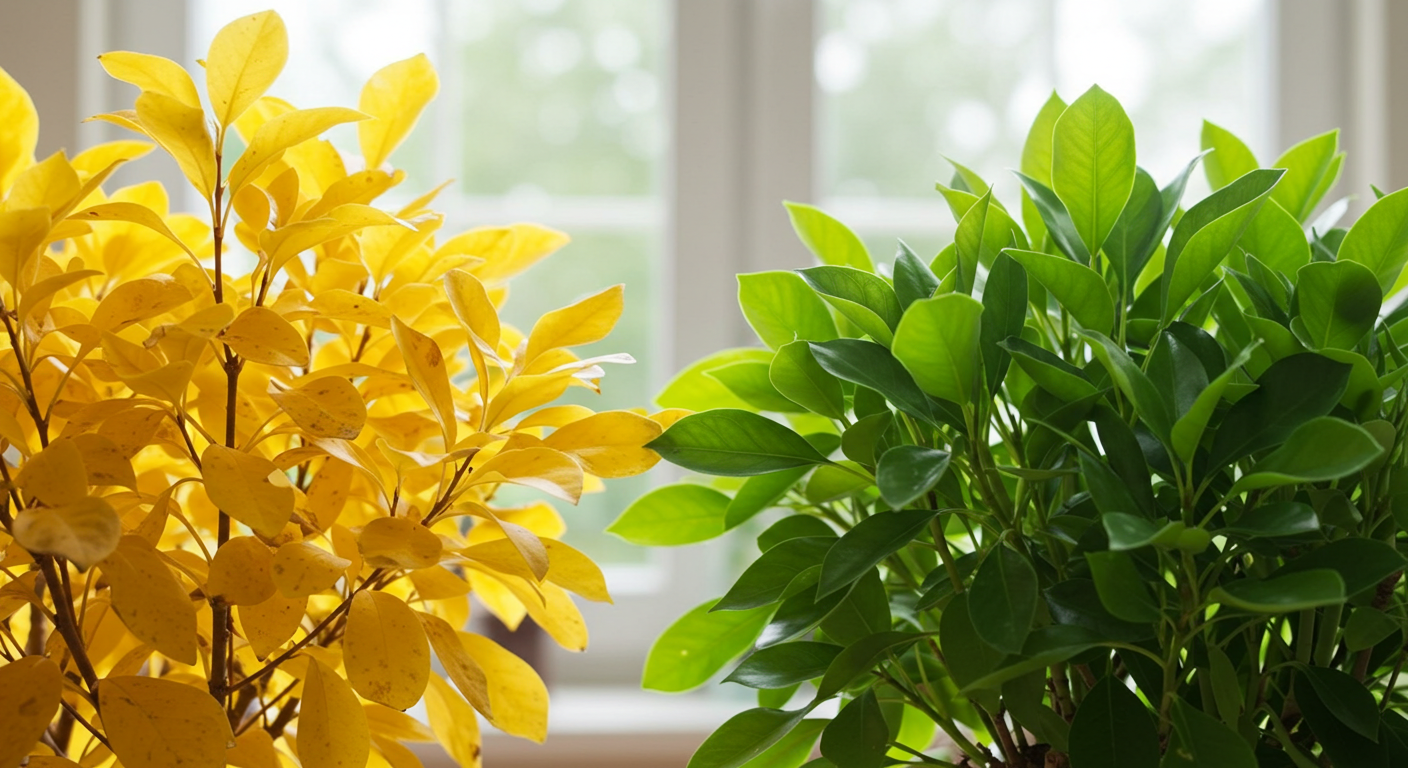
• Yellow leaves: Usually overwatering, but check for natural aging
• Brown leaf tips: Low humidity or water quality issues
• Leggy growth: Usually insufficient light, plant reaching for sun
• Dropping leaves: Stress from changes in location, water, or light
• Slow growth: Normal in winter, concerning in spring/summer
This systematic approach to houseplant care integrates well with chic DIY home decor projects because healthy plants become the foundation for other decorative elements rather than competing with them for attention.
The video 10 MUST-do’s for your New Plants! | Plant Care 101 by That Foliage Life provides an excellent framework for developing sustainable care routines that actually work long-term.
Choosing Plants That Match Your Reality
The biggest mindset shift in my houseplant care journey was moving from “What plants do I want?” to “What plants will actually work in my space and lifestyle?” This change eliminated most of my plant failures and made the hobby enjoyable instead of stressful.
Honest Self-Assessment Questions:
• How much natural light do your windows actually get?
• Do you travel frequently or have inconsistent schedules?
• Are you more likely to overwater or forget to water?
• How much time can you realistically spend on plant care weekly?
• What’s your budget for replacing plants if they die?
Houseplant care success dramatically improved when I started choosing plants based on my answers to these questions rather than what looked pretty or trendy. Plants that match your lifestyle and space will thrive with basic care, while mismatched plants will struggle even with perfect care.
Low-Maintenance Champions for Busy People:
• ZZ Plant: Tolerates low light and infrequent watering
• Snake Plant: Handles neglect better than attention
• Philodendron: Forgives watering mistakes and adapts to various conditions
• Chinese Evergreen: Beautiful patterns, low light tolerance
• Rubber Plant: Sturdy and grows quickly with basic care
| Your Situation | Best Plant Options | Avoid |
|---|---|---|
| Low light | ZZ plant, snake plant, Chinese evergreen | Cacti, most succulents, fiddle leaf fig |
| Frequent travel | ZZ plant, snake plant, succulents | Ferns, peace lily, calathea |
| Pet owners | Boston fern, spider plant, parlor palm | Pothos, snake plant, philodendron |
| Beginners | Pothos, rubber plant, ZZ plant | Fiddle leaf fig, calathea, orchids |
| Dry air | Snake plant, ZZ plant, succulents | Ferns, calathea, air plants |
The revelation was that houseplant care becomes almost effortless when you choose appropriate plants. A ZZ plant in a low-light corner will thrive with monthly watering, while a fiddle leaf fig in the same spot will die despite daily attention.
For excellent guidance on choosing plants that match your specific situation, 5 Low-Maintenance Houseplants for The Lazy Plant Parent by Crazy Plant Guy offers realistic options for people who want plants but don’t want them to become a source of stress.
According to Penn State Extension’s research on houseplant care, the most important factor in plant success is matching the plant’s requirements to your home’s conditions rather than trying to modify conditions to suit difficult plants.
Troubleshooting When Things Go Wrong
Even with better houseplant care practices, problems still arise. The difference between my plant-killing days and now is that I’ve learned to diagnose and address issues early instead of panicking and making things worse. Most plant problems are fixable if caught early enough.
Emergency Plant Triage:
• Stop and assess: Don’t immediately water or move a struggling plant
• Check the basics: Light, water, and placement first
• Look for pests: Tiny bugs can cause major damage quickly
• Examine roots: If the plant is severely declining, check for root rot
• Document changes: Take photos to track improvement or decline
Houseplant care troubleshooting taught me that plants are generally resilient if given proper conditions. Most “dying” plants are actually just stressed and can recover with appropriate adjustments rather than dramatic interventions.
Common Problems and Real Solutions:
• Yellowing leaves: Usually overwatering, reduce frequency and improve drainage
• Brown, crispy leaves: Often underwatering or low humidity
• Pest infestations: Isolate immediately, treat with insecticidal soap
• Leggy, weak growth: Move to brighter location gradually
• Sudden leaf drop: Usually shock from environmental changes
The key insight was learning that houseplant care problems usually develop slowly, which means there’s often time to correct course if you catch issues early. Weekly check-ins became crucial for spotting problems while they’re still fixable.
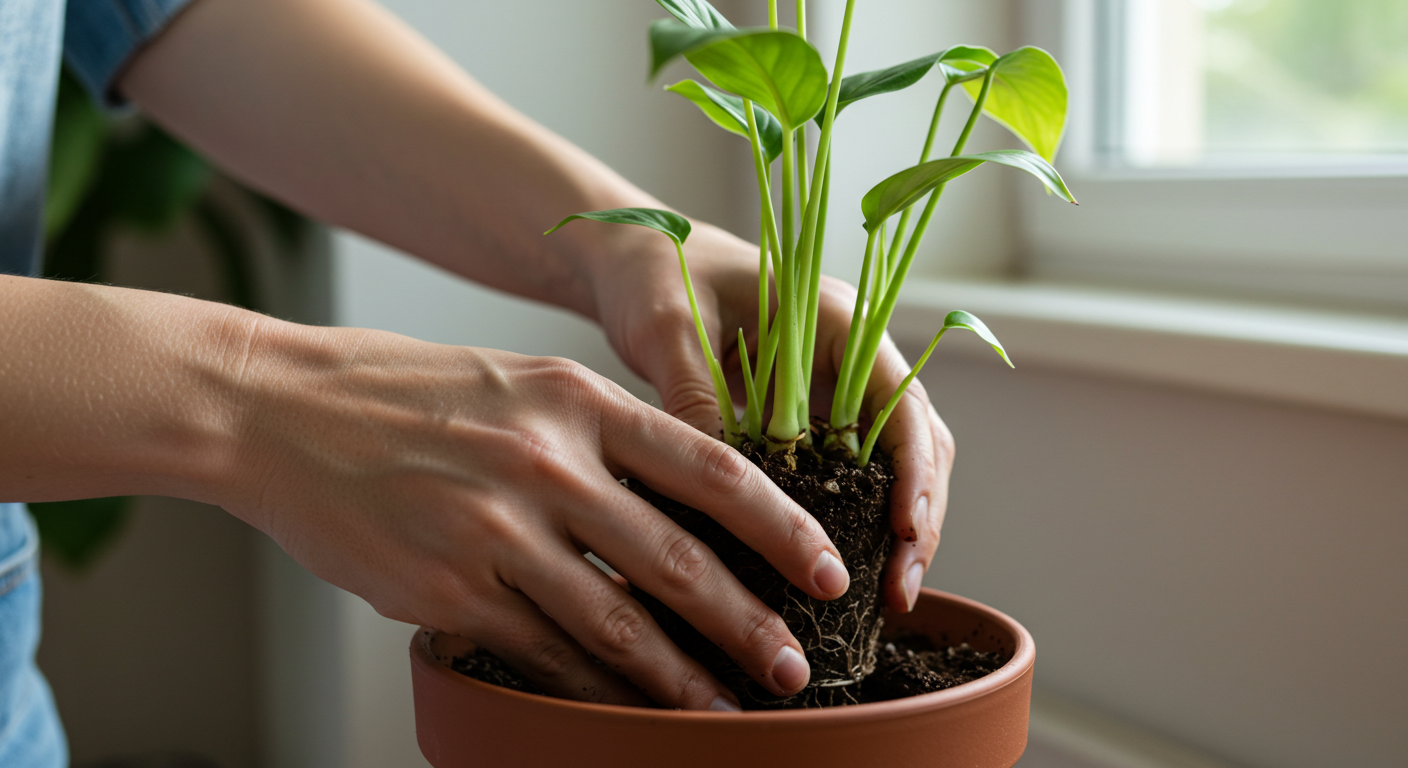
When to Give Up on a Plant:
• Severe root rot: Black, mushy roots that smell bad
• Major pest infestation: When treatment isn’t cost-effective
• Complete leaf loss: Without leaves, most houseplants can’t recover
• Structural damage: Broken stems or severely damaged root system
• Your stress level: If a plant causes more anxiety than joy, let it go
For comprehensive troubleshooting guidance, Common Houseplant Problems + HOW TO FIX THEM! by The Jungle Haven covers the most common issues and provides step-by-step solutions that actually work in home environments.
Research from the University of Missouri Extension emphasizes that most houseplant problems stem from improper watering or lighting, making these the first factors to examine when plants show distress.
Building Your Plant Collection Strategically
After years of impulsive plant purchases that ended badly, I learned that successful houseplant care involves building a collection strategically rather than emotionally. This approach has led to a thriving collection that brings joy instead of stress.
Smart Collection Building Strategy:
• Master one plant first: Get comfortable with basic care before expanding
• Add plants gradually: No more than one new plant per month
• Choose complementary needs: Group plants with similar requirements
• Consider seasonal factors: Start plants during their growing season when possible
• Plan for space expansion: Account for plant growth over time
Houseplant care became much more manageable when I stopped trying to create an Instagram-worthy plant collection immediately. Instead, I focused on successfully caring for a few plants and gradually expanding as I gained confidence and experience.
Seasonal Plant Care Calendar:
• Spring: Prime time for repotting and introducing new plants
• Summer: Peak growing season, increase watering and fertilizing
• Fall: Reduce watering frequency, stop fertilizing
• Winter: Minimal care mode, watch for heating-related stress
The biggest breakthrough was understanding that houseplant care varies significantly with seasons. Plants that thrive with weekly watering in summer might need watering every two weeks in winter. Adjusting care seasonally eliminated many of my previous failures.
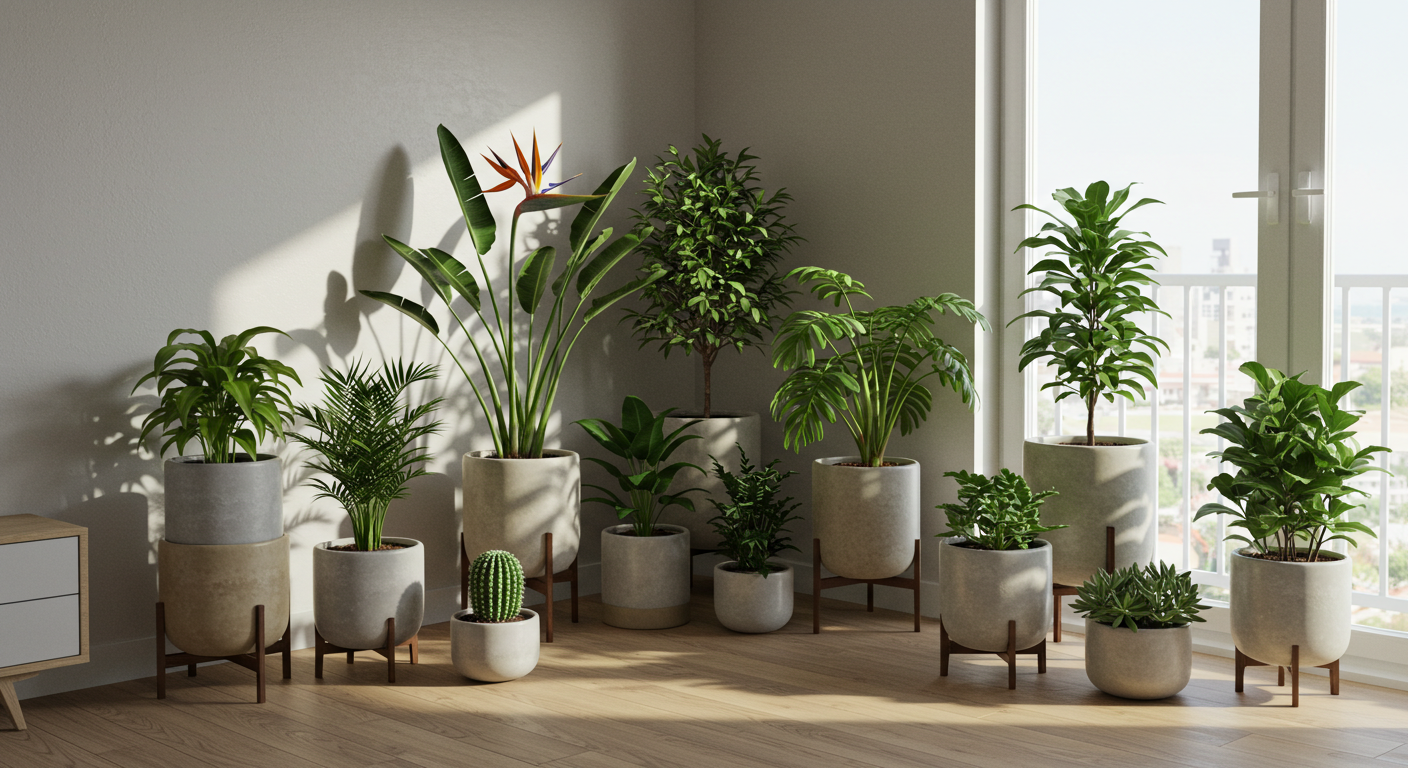
Building a Cohesive Collection:
• Consider your space: Choose plants that enhance your existing decor
• Think about care efficiency: Group plants with similar needs together
• Plan for different heights: Create visual interest with varied plant sizes
• Account for growth: Leave room for plants to mature
• Balance high and low maintenance: Mix easy plants with more challenging ones
This strategic approach works beautifully with overall home aesthetics and creates natural connections with thoughtful interior design choices, enhancing the overall living environment rather than creating maintenance burdens.
For inspiration on building a plant collection that works with your lifestyle, Top 15 Indoor Plants for TOTAL BEGINNERS! by Garden Sprout showcases realistic options for creating a beautiful, manageable plant collection.
The NASA Clean Air Study provides scientific backing for the benefits of indoor plants, though recent research suggests the air-purifying benefits require more plants than most homes accommodate. The psychological and aesthetic benefits, however, are well-documented and significant.
Creating the Perfect Plant Environment
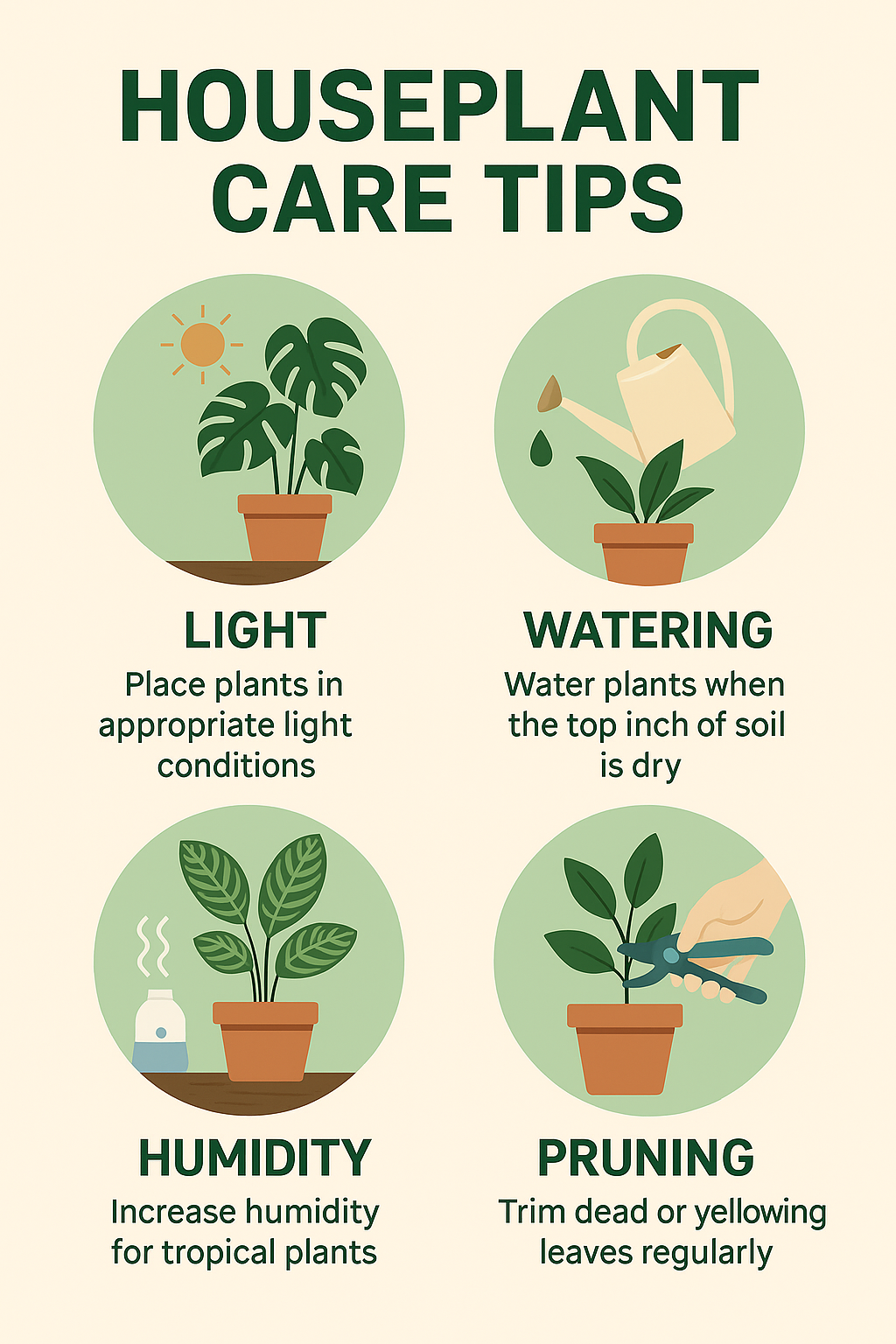
The final piece of my houseplant care puzzle was learning to modify my environment to support plants rather than expecting plants to adapt to less-than-ideal conditions. Small environmental adjustments made huge differences in plant health and reduced my care workload significantly.
Environmental Optimization Strategies:
• Humidity management: Group plants together, use pebble trays
• Air circulation: Ensure gentle air movement without direct drafts
• Temperature stability: Avoid placing plants near heating/cooling vents
• Seasonal lighting: Supplement with grow lights during dark winter months
• Water quality: Use filtered or distilled water for sensitive plants
Houseplant care became dramatically easier when I stopped fighting against my home’s natural conditions and started working with them. Understanding that my apartment has dry air and moderate light helped me choose plants that would thrive rather than struggle.
Quick Environmental Fixes:
• Increase humidity: Group plants on gravel-filled trays with water
• Improve drainage: Add perlite or orchid bark to heavy potting soil
• Enhance lighting: Clean windows and use reflective surfaces strategically
• Stabilize temperatures: Move plants away from heat sources and drafts
• Improve air quality: Ensure good ventilation without direct wind
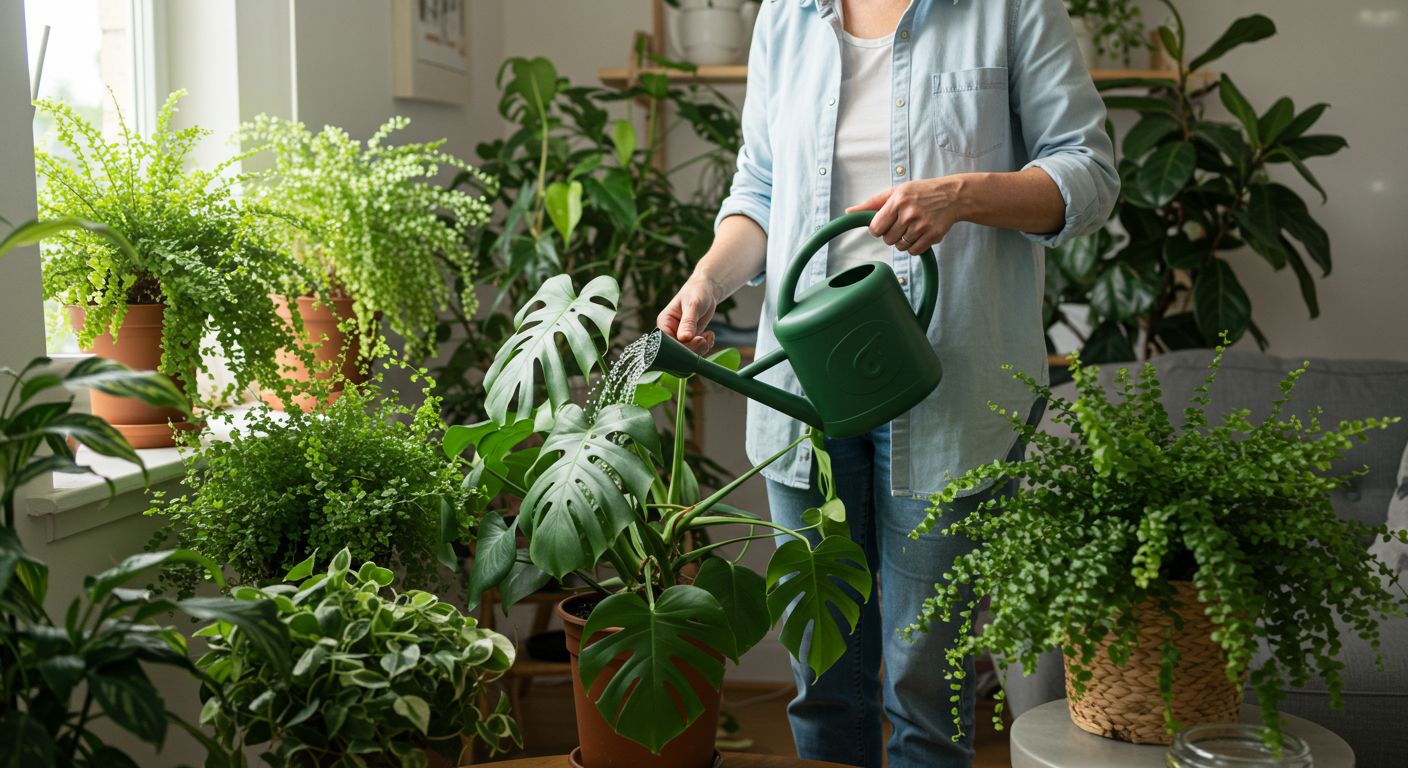
The integration with home aesthetics works best when environmental modifications enhance both plant health and visual appeal. Grouping plants together increases humidity while creating attractive displays, and strategic placement near windows maximizes light while showcasing the plants.
Investment-Worthy Plant Care Tools:
• Moisture meter: Takes guesswork out of watering decisions
• Grow light: Extends plant possibilities to darker spaces
• Humidifier: Game-changer for tropical plants in dry climates
• Quality watering can: Makes watering easier and more precise
• Plant care app: Helps track care schedules and plant information
For comprehensive guidance on creating the optimal plant environment, make your house plants thrive 🌿indoor plants care tips & hacks by Rachel Aust provides practical tips for modifying your space to support plant health.
My journey from serial plant killer to successful plant parent taught me that houseplant care isn’t about having special abilities – it’s about understanding plant needs, being realistic about your capabilities, and creating systems that work for both you and your plants. The key is starting simple, learning from failures, and building confidence gradually.
The most important lesson? Plants want to live and thrive. When we provide appropriate conditions and consistent care, they’ll reward us with beautiful, healthy growth. Houseplant care success is absolutely achievable for anyone willing to learn, observe, and adapt their approach based on what actually works rather than what should work in theory.