This post may contains affiliate links. Read our full disclosure here.
When my younger sister started decorating her first apartment last year, I was shocked to see her shopping for chintz curtains and floral wallpaper. Here I was, thinking she’d go for the stark minimalism that’s dominated social media, but instead she was gravitating toward patterns that looked like they came straight from our grandmother’s house. Turns out, she wasn’t alone – Grandmillennial Chic has become one of the most surprising design trends of recent years.
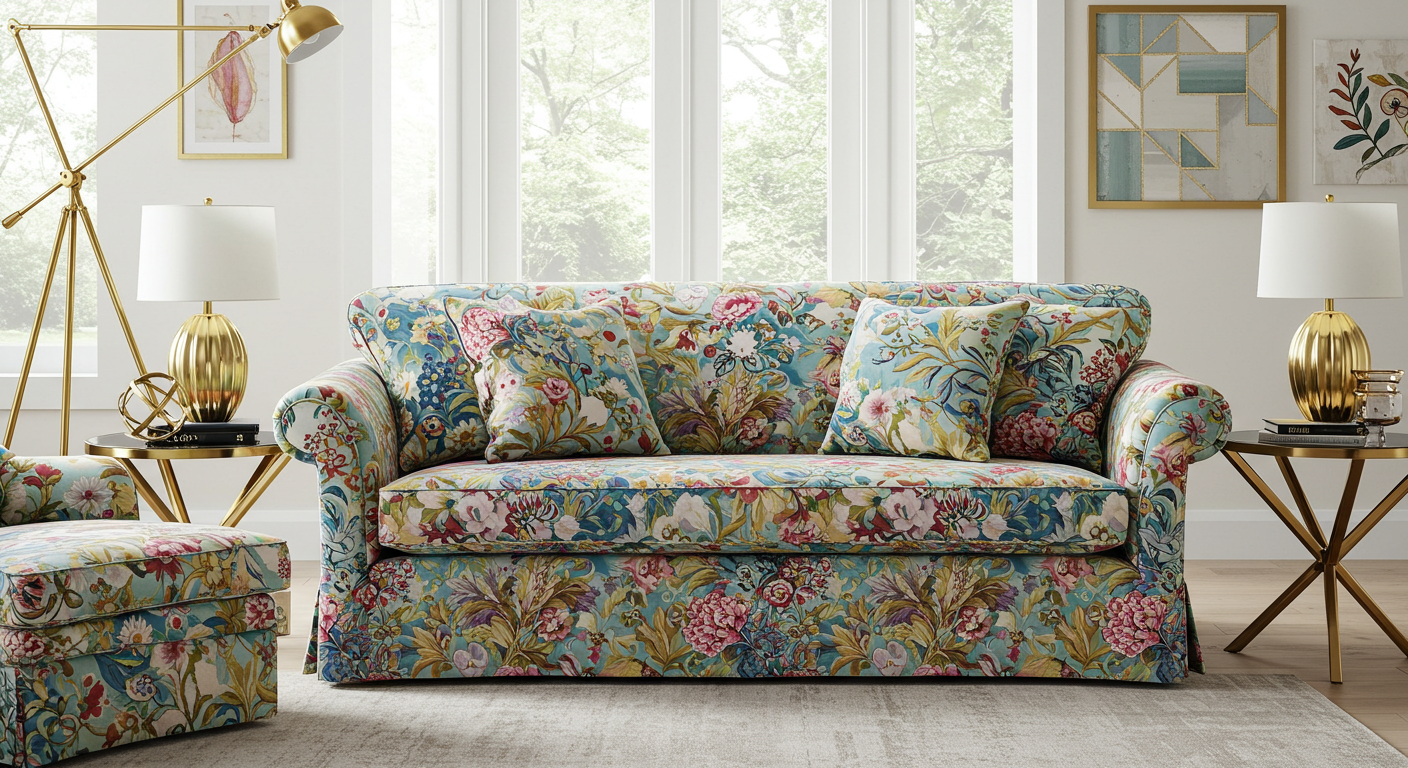
What started as a seemingly contradictory movement has evolved into a full-blown aesthetic revolution. Grandmillennial Chic represents Gen Z’s bold rejection of the cold, sterile minimalism that dominated the 2010s. Instead of stark white walls and bare surfaces, this generation is embracing the warmth, pattern, and personality that comes with vintage-inspired design elements. It’s fascinating to watch how young people are reinterpreting traditional design elements through their own modern lens.
Understanding the Grandmillennial Chic Movement
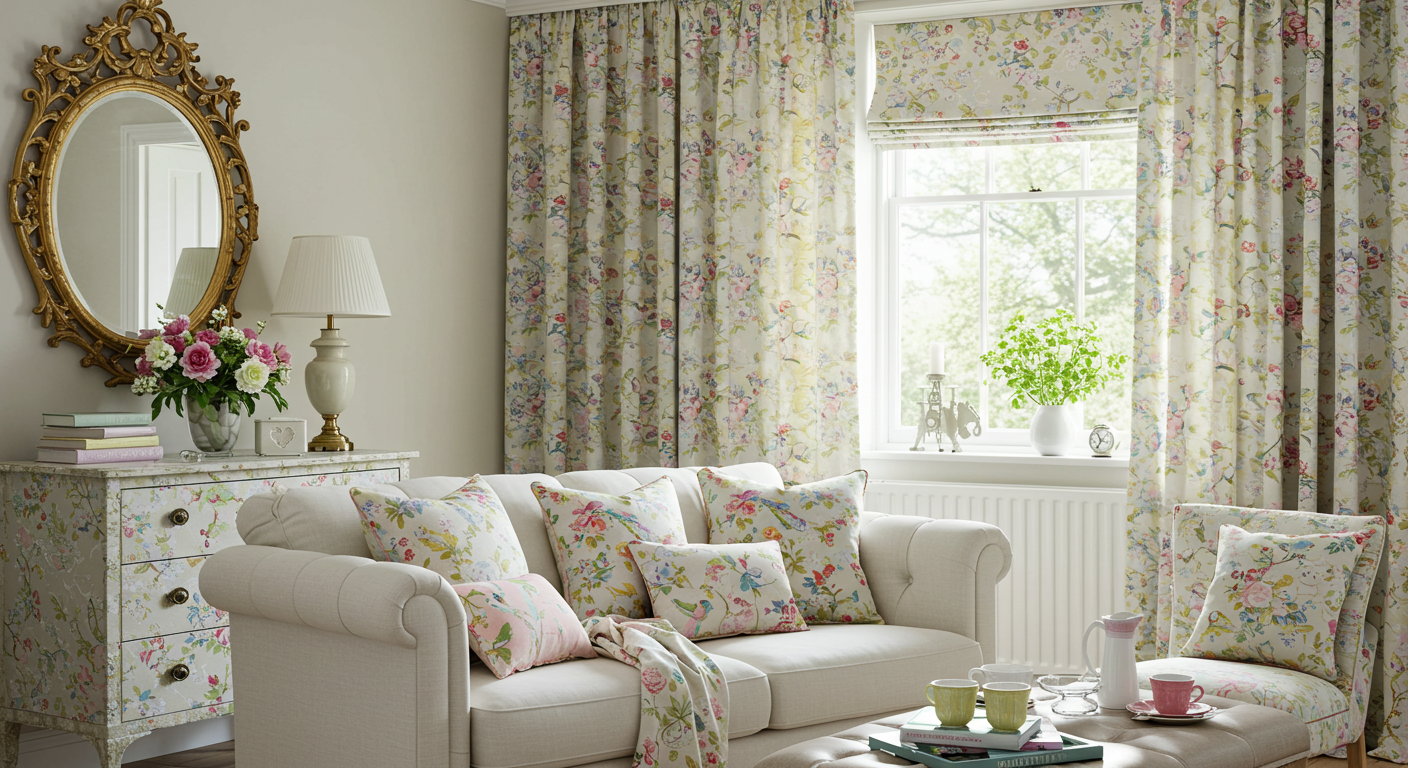
Grandmillennial Chic isn’t just about copying your grandmother’s decorating style wholesale. It’s a thoughtful blend of traditional design elements with contemporary sensibilities. When I first encountered this trend through my home decor work, I was struck by how young designers were taking classic patterns like toile, chintz, and botanical prints and making them feel fresh and relevant.
The movement gained momentum around 2019 when interior designer Emma Morton coined the term “Grandmillennial” to describe millennials and Gen Z who were drawn to traditionally “older” aesthetic choices. Unlike previous generations who might have rejected their grandparents’ style choices, these young decorators were actively seeking them out.
Key characteristics of Grandmillennial Chic:
- Bold floral patterns and chintz fabrics
- Vintage furniture mixed with modern pieces
- Layered textures and rich color palettes
- Collection displays and personal treasures
- Traditional wallpaper patterns
- Antique accessories and inherited pieces
Learning about different interior design styles has shown me that Grandmillennial Chic stands out because it prioritizes emotional connection over trendy aesthetics. It’s about creating spaces that feel lived-in and loved.
Why Gen Z is Drawn to Traditional Patterns
There’s something deeply comforting about Grandmillennial Chic that resonates with younger generations who’ve grown up in an increasingly digital world. My boyfriend initially didn’t understand why I was drawn to busy floral patterns after years of clean, modern design, but he gets it now. These patterns tell stories and create atmosphere in ways that minimalist design often can’t.
The appeal goes beyond aesthetics. Gen Z has lived through significant uncertainty – from economic instability to a global pandemic – and there’s something reassuring about surrounding themselves with design elements that feel permanent and rooted in history. Grandmillennial Chic offers a sense of stability and continuity that stark modern design often lacks.
Understanding how texture impacts the feel of a room becomes crucial when working with Grandmillennial Chic elements. The layering of different textures – from nubby chintz to smooth wooden surfaces – creates visual and tactile interest that makes spaces feel more dynamic and engaging.
Reasons Gen Z embraces traditional patterns:
- Rebellion against sterile minimalism
- Desire for warmth and comfort
- Connection to family history and heritage
- Instagram-worthy spaces that photograph well
- Affordable way to add personality to rentals
- Environmental consciousness through vintage and secondhand shopping
The Role of Chintz in Modern Grandmillennial Design
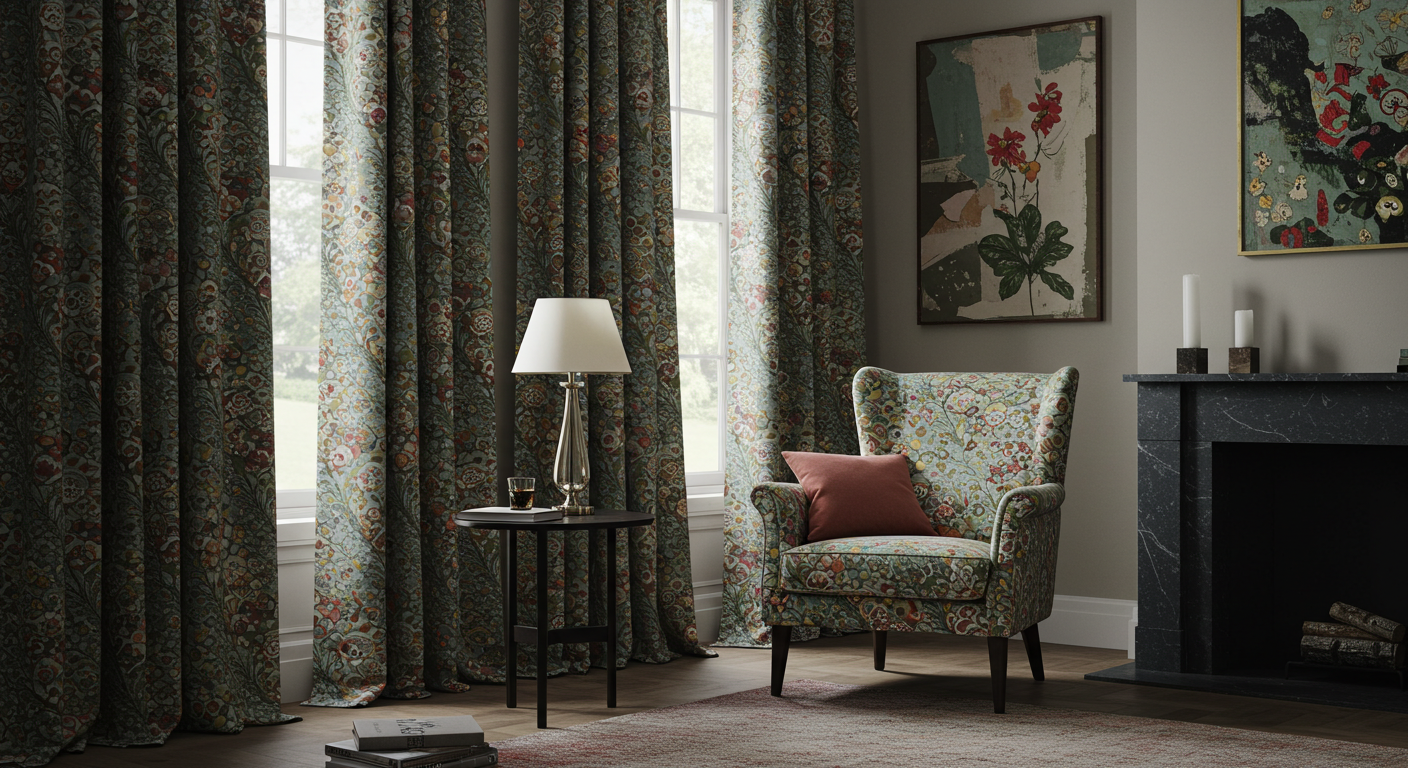
Chintz has become the unofficial fabric of Grandmillennial Chic, and for good reason. This glazed cotton fabric with its characteristic floral patterns was once considered hopelessly dated, but it’s experienced a remarkable renaissance. I remember the first time I used chintz in a client’s home – we chose a soft pink and green botanical pattern for dining room chairs, and it completely transformed the space.
The beauty of chintz lies in its versatility. Modern Grandmillennial Chic designers use it sparingly as accent pieces rather than overwhelming entire rooms. A chintz pillow on a modern sofa, or chintz curtains paired with contemporary furniture, creates just the right amount of traditional charm without feeling costume-like.
Design Tip: When incorporating chintz into your Grandmillennial Chic space, start small. A single chintz element can add significant impact without overwhelming the room’s overall aesthetic.
Modern ways to use chintz:
- Accent pillows on neutral sofas
- Lampshades for table or floor lamps
- Dining chair upholstery
- Window treatments in small doses
- Headboard upholstery in bedrooms
- Ottoman or bench coverings
Floral Wallpaper: Making a Statement Wall

Get this design here
Nothing says Grandmillennial Chic quite like floral wallpaper. While previous generations might have used it throughout entire rooms, today’s approach is more strategic. I’ve seen stunning results when clients use bold floral wallpaper on a single accent wall, creating a focal point that draws the eye without overwhelming the space.

The key to successful floral wallpaper in Grandmillennial Chic design is balance. When you’re working with busy patterns, the rest of the room needs breathing space. This might mean keeping furniture lines clean and simple, or choosing solid colors that complement the wallpaper’s palette.

Exploring different American home styles has shown me how Grandmillennial Chic draws inspiration from various traditional American design movements, from Colonial Revival to English Country style, but interprets them through a contemporary lens.
| Wallpaper Style | Best Room Applications | Pairing Suggestions |
|---|---|---|
| Large-scale florals | Dining rooms, powder rooms | Solid furniture, minimal accessories |
| Botanical prints | Bedrooms, home offices | Natural wood tones, brass accents |
| Vintage-inspired toile | Living rooms, guest bedrooms | Navy or cream color schemes |
| Delicate flower patterns | Nurseries, bathrooms | White or pale wood furnishings |
Mixing Vintage and Modern Elements
The secret to successful Grandmillennial Chic lies in the mix. It’s not about creating a time capsule – it’s about thoughtfully combining vintage elements with modern functionality. I’ve learned that the most successful Grandmillennial Chic spaces feel collected over time rather than decorated all at once.
This approach requires a good eye for proportion and scale. A massive antique dining table might be perfect for a large space, but in a smaller room, you might opt for a vintage-inspired piece with cleaner lines. The goal is to create harmony between old and new without sacrificing either comfort or style.
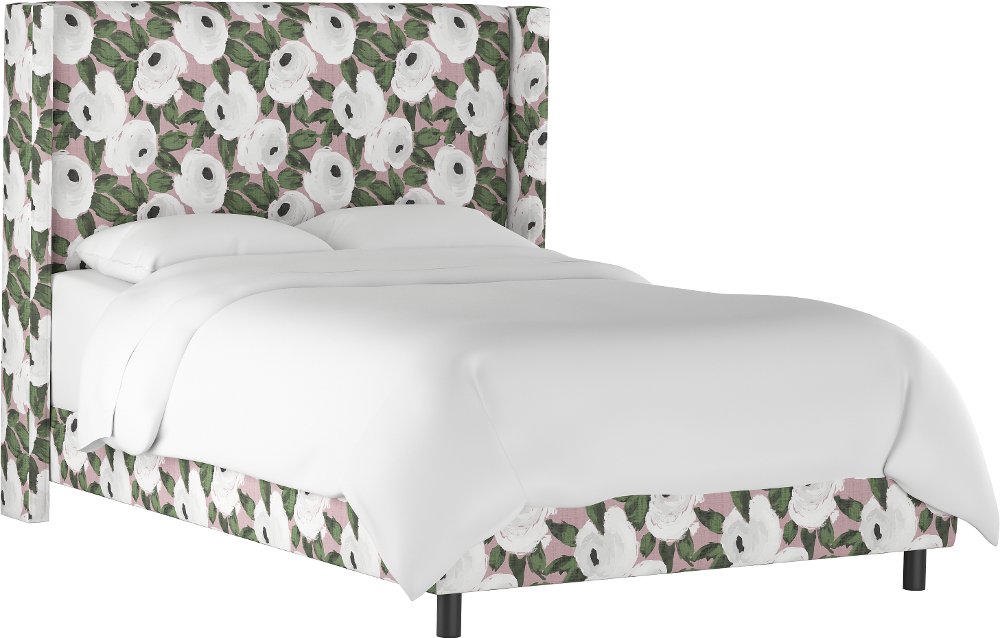

When working on home styling and interior design projects, I’ve found that Grandmillennial Chic works particularly well because it allows for personal expression while maintaining sophisticated design principles.
Successful vintage-modern combinations:
- Antique brass fixtures with contemporary furniture
- Vintage art in modern frames
- Traditional patterns on contemporary furniture silhouettes
- Antique accessories with sleek, modern storage solutions
- Vintage textiles on modern upholstery
- Classic color palettes with updated lighting
Creating Grandmillennial Spaces on a Budget
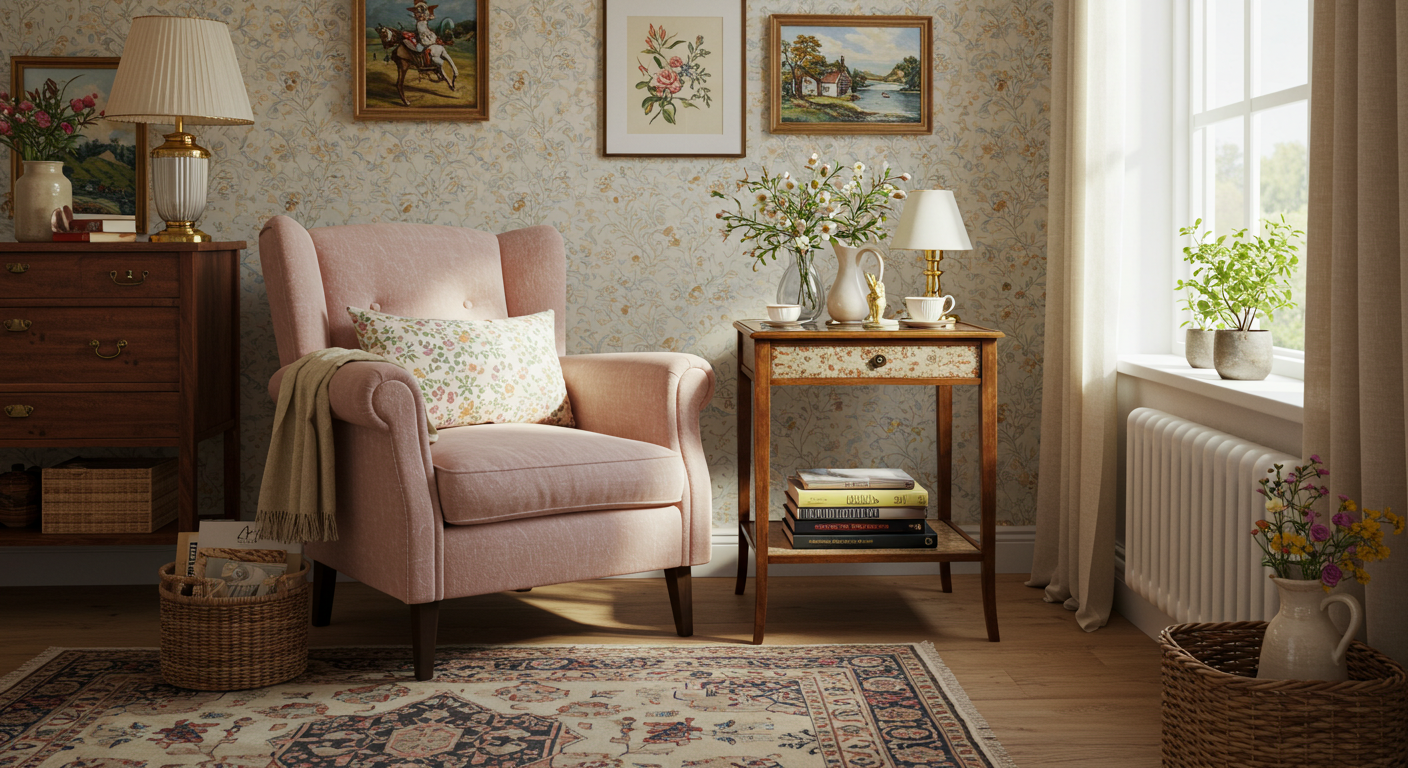
One of the most appealing aspects of Grandmillennial Chic is its accessibility. Unlike some design trends that require expensive, specific pieces, this aesthetic celebrates thrift store finds, inherited pieces, and DIY projects. My sister furnished most of her apartment through estate sales and Facebook Marketplace, and it looks incredible.
The thrift store approach aligns perfectly with Gen Z’s values around sustainability and conscious consumption. Rather than buying everything new, Grandmillennial Chic encourages repurposing and reimagining existing pieces. This not only saves money but also creates unique spaces that can’t be replicated.
Learning about chic DIY home decor techniques has been invaluable for creating Grandmillennial Chic spaces on a budget. Simple projects like reupholstering vintage chairs or creating custom artwork can significantly impact a room’s overall aesthetic.
Budget-friendly Grandmillennial Chic strategies:
- Shop estate sales and antique malls
- Reupholster thrift store furniture finds
- Frame vintage botanical prints or family photos
- Use peel-and-stick wallpaper for renters
- Mix high and low pieces strategically
- Focus on accessories and textiles for easy updates
The Psychology Behind Pattern and Color
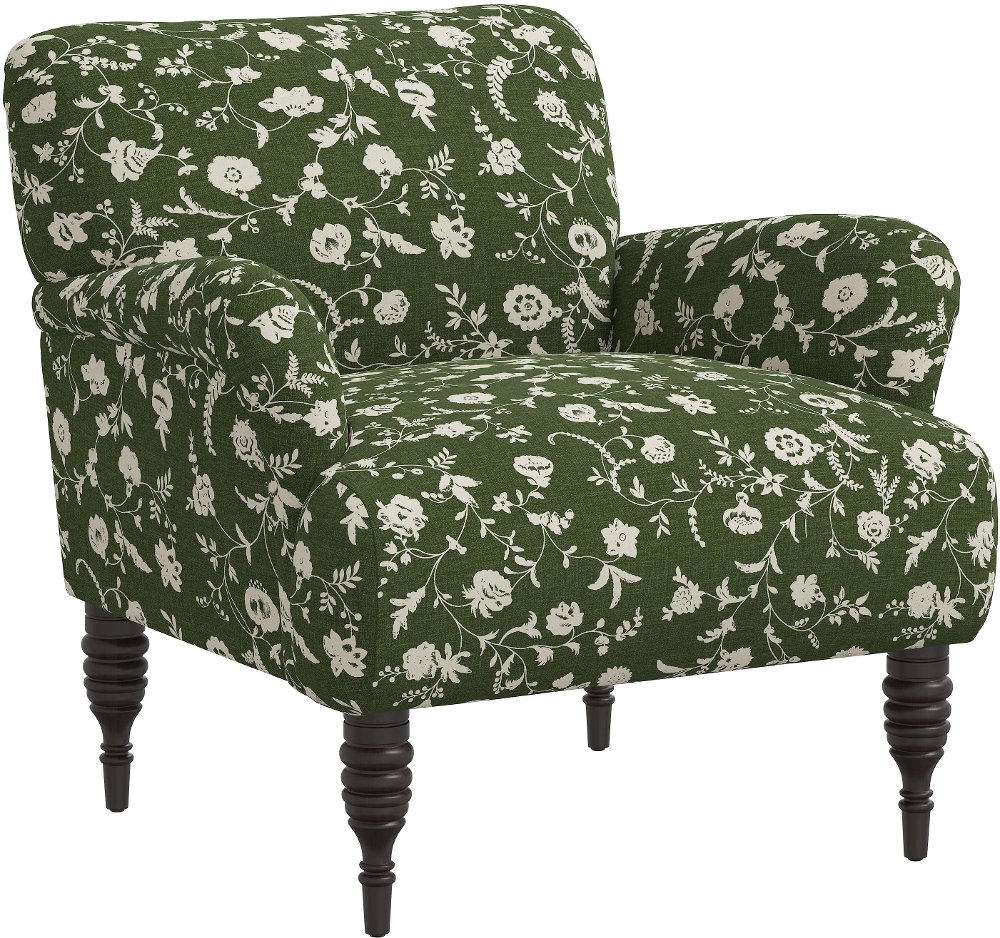
There’s a psychological component to Grandmillennial Chic that goes beyond mere aesthetics. The patterns and colors associated with this movement – soft florals, warm wood tones, and rich jewel colors – create environments that feel nurturing and secure. After years of stark, minimal spaces, these warmer design elements provide emotional comfort.
Color psychology plays a significant role in why Grandmillennial Chic resonates so strongly with younger generations. The muted pastels and rich, saturated colors commonly used in this aesthetic have been shown to reduce stress and create feelings of calm and well-being.
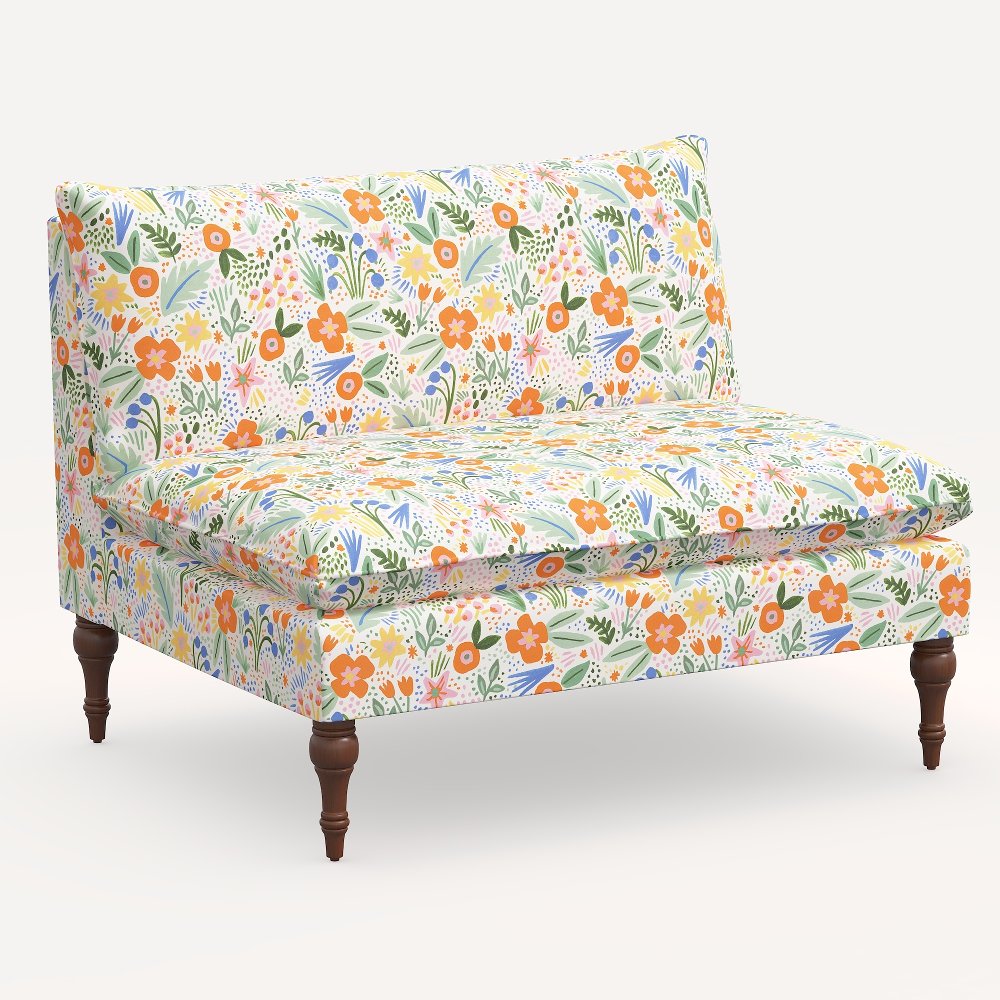
Understanding contemporary interior design helps me appreciate how Grandmillennial Chic serves as a counterpoint to the cool, impersonal aesthetics that dominated the previous decade.
Psychological benefits of Grandmillennial Chic:
- Patterns create visual interest and stimulation
- Warm colors promote feelings of comfort and security
- Layered textures provide tactile satisfaction
- Personal collections foster emotional connections
- Vintage elements create sense of history and continuity
- Cozy spaces encourage relaxation and stress relief
Incorporating Grandmillennial Elements in Small Spaces
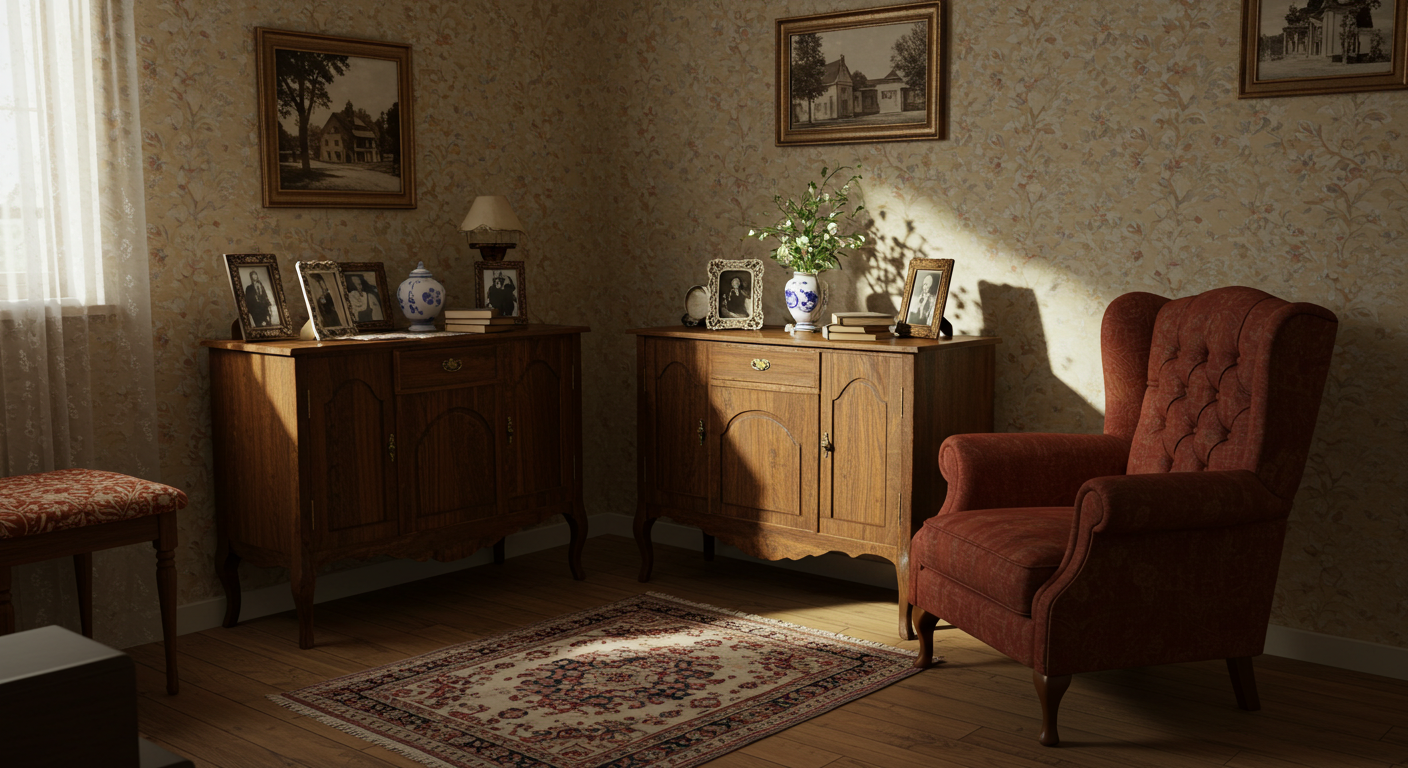
Grandmillennial Chic can work beautifully in small spaces when approached thoughtfully. The key is choosing elements that add personality without overwhelming the space. In my own apartment, I use a single statement piece – a vintage floral armchair – as the focal point, then build the rest of the room around it with complementary colors and textures.
Small spaces benefit from the Grandmillennial Chic approach to vertical design. Wallpaper can make a small room feel larger and more dynamic, especially when paired with strategic lighting and mirrors. The key is not to shy away from pattern but to use it intentionally.
Small space Grandmillennial Chic strategies:
- Use wallpaper to create the illusion of height
- Choose one statement vintage piece as a focal point
- Layer textures through pillows and throws
- Display collections on floating shelves
- Use vintage-inspired lighting to create ambiance
- Mix patterns in similar color families
The Future of Grandmillennial Chic
As Grandmillennial Chic continues to evolve, I’m seeing it move beyond strict traditional patterns toward more global influences and sustainable practices. The core principles remain the same – comfort, personality, and emotional connection – but the execution is becoming more diverse and inclusive.
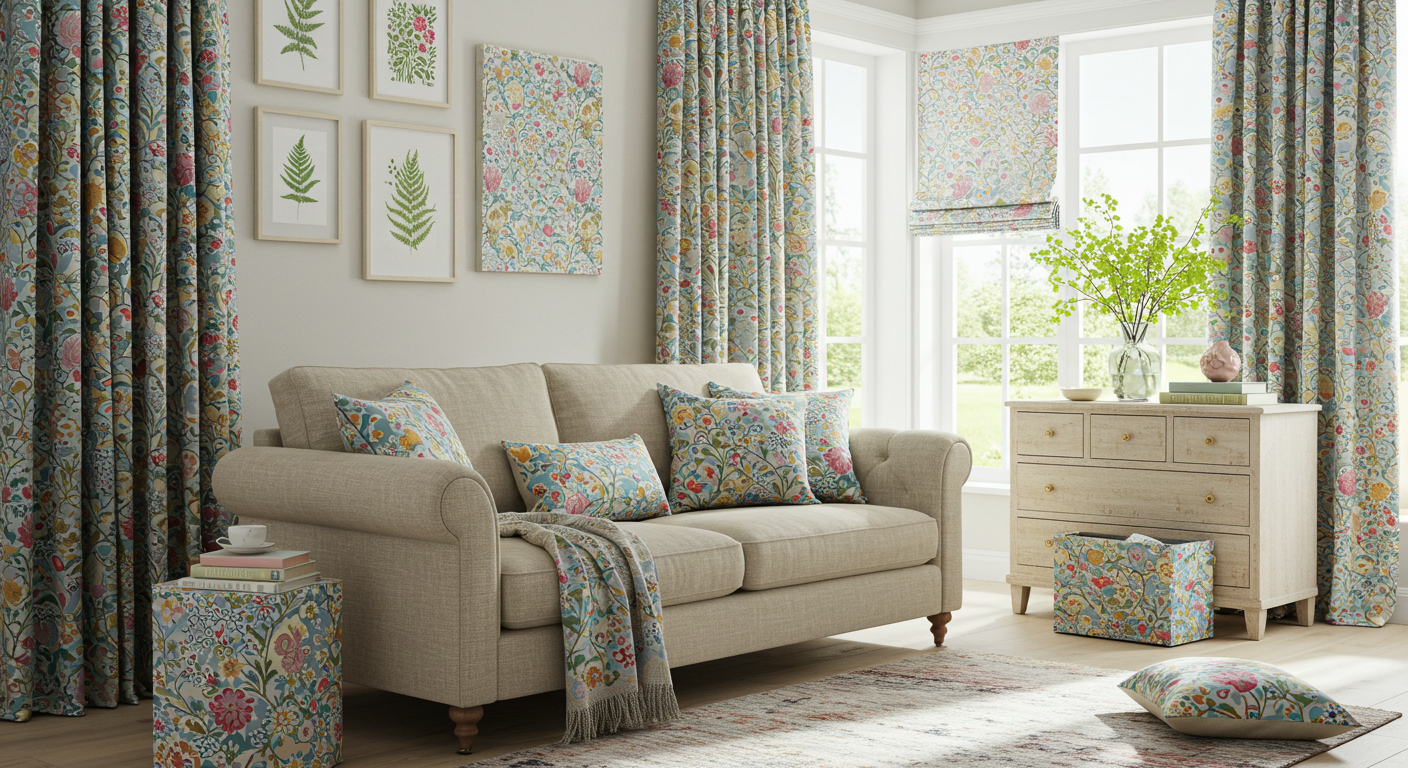
The trend is also influencing other areas of design, from fashion to hospitality. Hotels and restaurants are incorporating Grandmillennial Chic elements to create more welcoming, residential-feeling spaces. This broader adoption suggests that the movement has staying power beyond a simple trend cycle.
Exploring bohemian home decor DIY projects has shown me how Grandmillennial Chic can blend with other design movements to create unique, personalized spaces that reflect individual personalities while maintaining the core aesthetic principles.
Emerging trends in Grandmillennial Chic:
- Global textiles and patterns
- Sustainable and vintage-first shopping
- Mixed cultural influences
- Technology integration with traditional aesthetics
- Seasonal decorating approaches
- Multi-generational design collaboration
Making Grandmillennial Chic Work for You
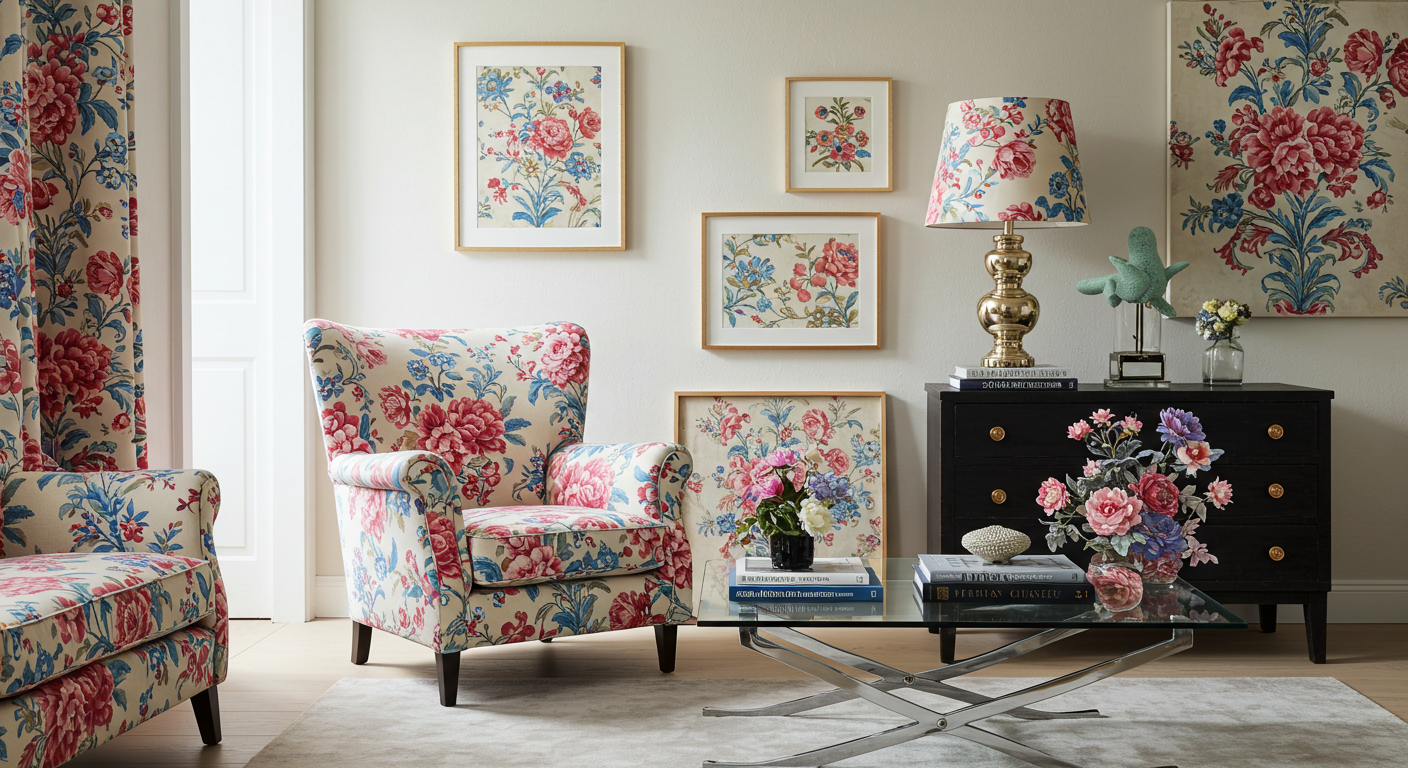
The beauty of Grandmillennial Chic is that it’s not a rigid set of rules but rather a philosophy about creating warm, personal spaces. Whether you’re drawn to bold florals or prefer subtle vintage touches, the key is to incorporate elements that resonate with your personal style and lifestyle needs.
Starting with one or two Grandmillennial Chic elements and building from there allows you to test your comfort level with pattern and color. You might discover that you love the look of chintz pillows but prefer solid-colored furniture, or that you’re drawn to vintage accessories but want modern lighting. The best Grandmillennial Chic spaces reflect the personalities of their inhabitants.
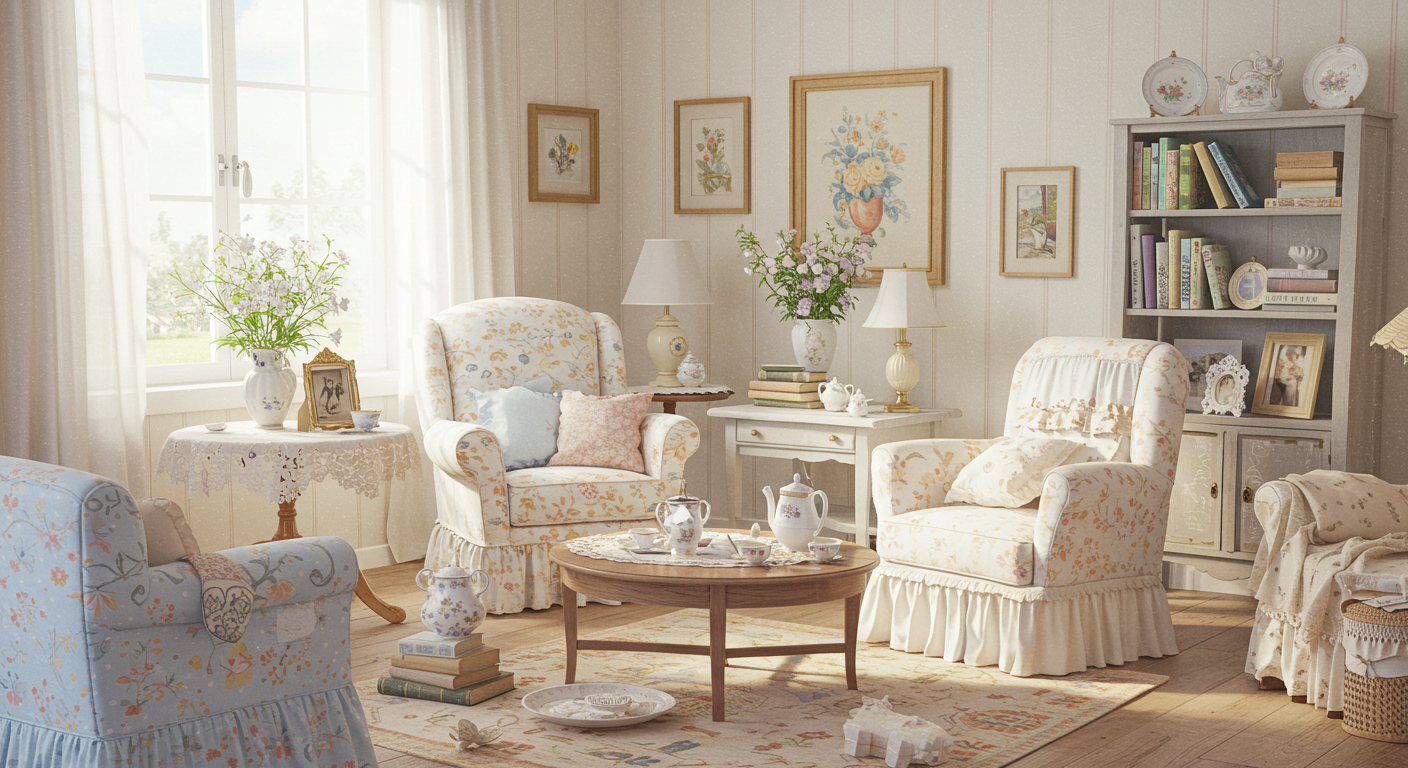
Tips for incorporating Grandmillennial Chic:
- Start with accessories and textiles
- Choose patterns that make you happy
- Mix inherited pieces with new finds
- Don’t be afraid of color and pattern
- Focus on comfort and functionality
- Let your personality shine through
Hosting in Grandmillennial Style
One of the most satisfying aspects of Grandmillennial Chic is how it creates spaces that are perfect for entertaining. The warm, welcoming aesthetic naturally encourages gathering and conversation. When my sister hosts dinner parties in her Grandmillennial Chic apartment, guests immediately feel at home.
The layered, collected look of Grandmillennial Chic provides endless conversation starters. Vintage pieces often have stories, and the personal touches throughout these spaces give guests insight into their hosts’ personalities and interests. This creates a more intimate, engaging entertaining experience.
Grandmillennial Chic entertaining essentials:
- Vintage or vintage-inspired tableware
- Layered table linens and napkins
- Fresh flowers in collected vases
- Warm, ambient lighting
- Comfortable seating arrangements
- Personal touches and conversation pieces
The Bottom Line on Grandmillennial Chic
Grandmillennial Chic represents more than just a design trend – it’s a rejection of the idea that good design has to be cold or impersonal. This movement celebrates comfort, personality, and emotional connection in ways that resonate deeply with younger generations who’ve grown up in an increasingly digital world.
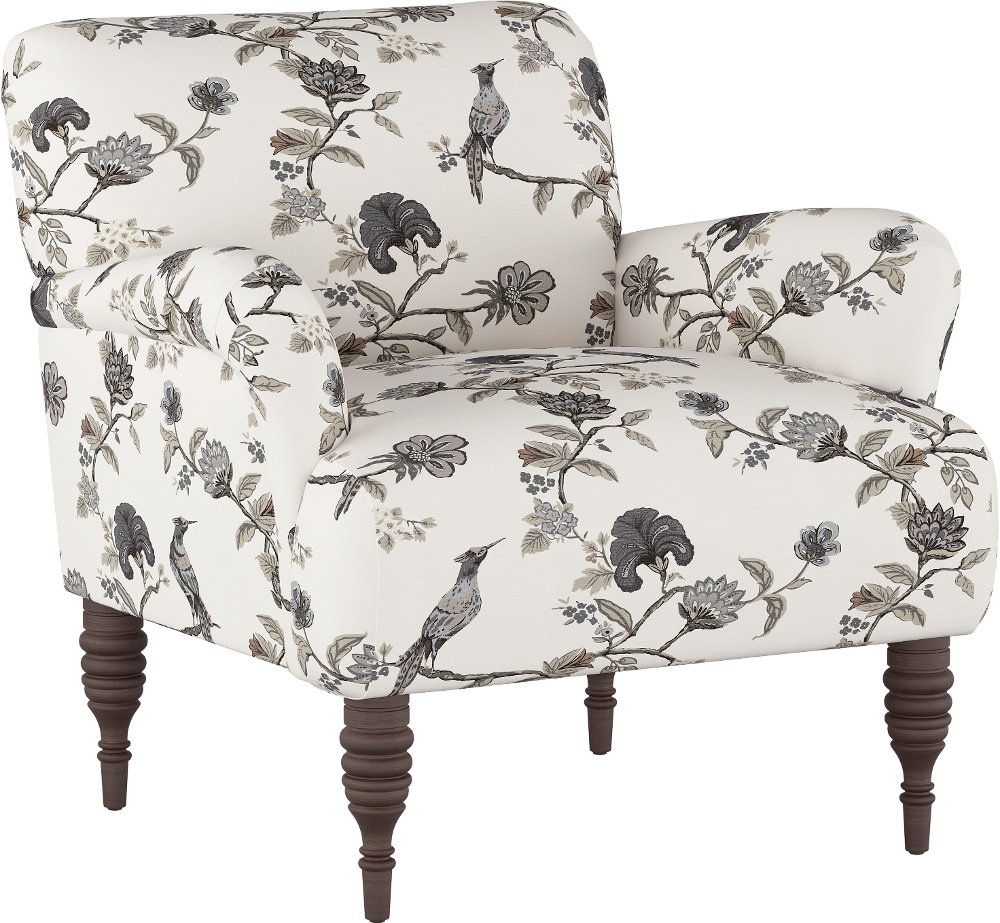
The accessibility of Grandmillennial Chic makes it particularly appealing. Unlike trends that require expensive, specific pieces, this aesthetic can be achieved through thrift store finds, inherited pieces, and creative DIY projects. It’s democratic design at its best – anyone can participate regardless of budget or design experience.
Whether you’re drawn to bold florals, vintage textiles, or simply want to create warmer, more personal spaces, Grandmillennial Chic offers a framework for design that prioritizes comfort and personality over perfectionism. In a world that often feels uncertain, there’s something deeply reassuring about surrounding ourselves with beautiful, meaningful objects that tell our stories and reflect our values.