This post may contains affiliate links. Read our full disclosure here.
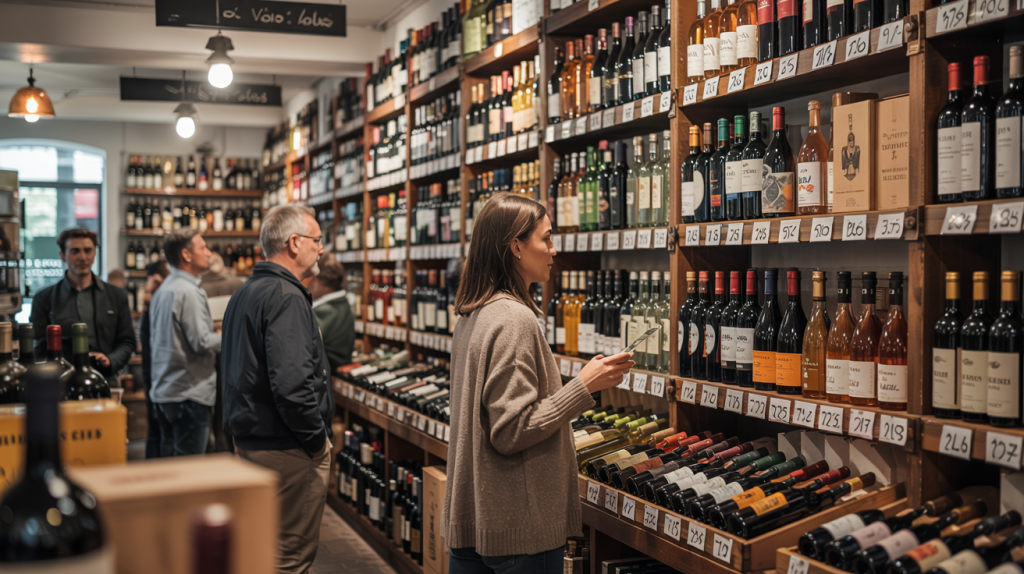
Last week, my boyfriend and I were standing in front of the wine wall at our local shop having the same debate we always have – was that $60 Bordeaux actually going to taste four times better than the $15 Chilean red? I’ve spent years in wine retail watching customers wrestle with this exact dilemma, and honestly, I still face it myself. Price tags often don’t tell the whole story when it comes to wine quality, and the relationship between cost and taste is way more complicated than marketers want us to believe.
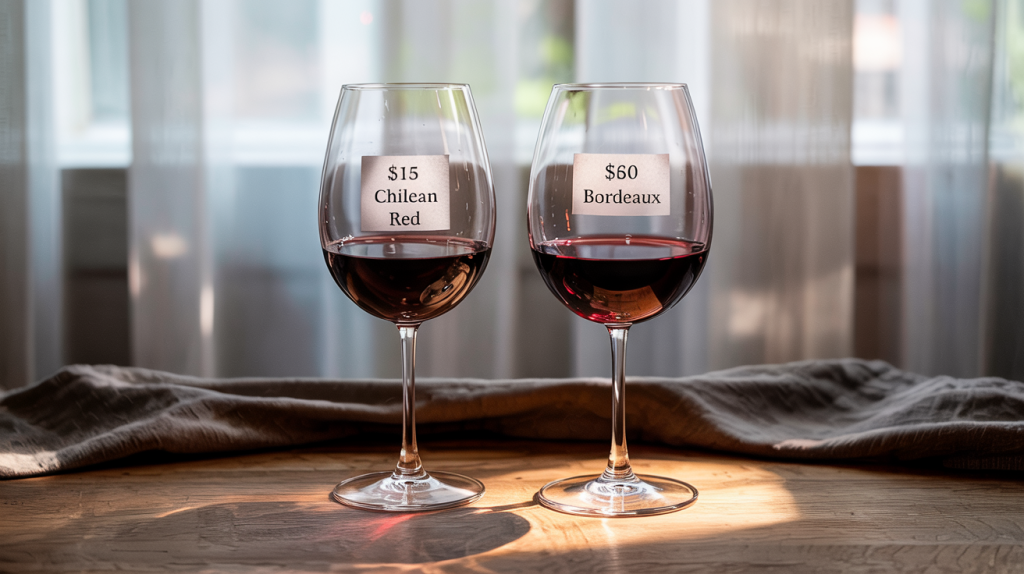
What I’ve learned through countless tastings (both professional and, ahem, recreational) is that expensive doesn’t automatically mean better. In fact, some of my all-time favorite bottles cost less than my lunch. With wine prices climbing higher than ever in 2025, I figured it’s the perfect time to break down what you’re really paying for – and when it might actually be worth shelling out those extra dollars.
The Truth Behind That Price Tag
Let’s get real about what you’re actually paying for when you buy wine. According to recent Wine Spectator blind taste tests, some $20 bottles consistently outperform ones priced at $50 or more. This isn’t just an occasional fluke – it happens regularly enough that wine experts have taken notice.

When you buy a fancy bottle, a big chunk of what you’re paying for has nothing to do with what’s inside. Think about brand reputation, limited availability, and sometimes just really pretty packaging. That gorgeous label with gold foil? You’re paying for that design work.
One of my favorite money-saving tricks is looking beyond the famous regions. Everyone knows Napa Cabernet commands premium prices, but Portugal’s Douro Valley produces stunning reds for a fraction of the cost. Geography plays a huge role in pricing, even when the quality is comparable.
Most importantly, trust your own taste buds. If you’ve learned basic wine tasting techniques and find yourself loving that $12 bottle from the grocery store, own it! Wine enjoyment is personal, and the only “correct” choice is what makes you happy.
Why Expensive Wine Can Feel Better (Even When It’s Not)
Have you ever noticed how wine tastes different when you know the price? It’s not just your imagination. A fascinating Cornell University study from 2024 showed that participants rated identical wines significantly higher when told they were more expensive. Our brains are literally hardwired to associate higher prices with better quality.

I’ve witnessed this firsthand during blind tastings with friends. When I remove the labels and price information, people’s preferences often shift dramatically. That $100 bottle your wine snob uncle swears by might not fare so well when nobody knows what they’re drinking.
Then there’s what I call the “trophy wine” effect. Some bottles are priced astronomically high because they’ve become status symbols. Think cult Cabernets from Napa with waitlists and limited production runs. Scarcity drives up prices, regardless of whether the wine inside is objectively better.
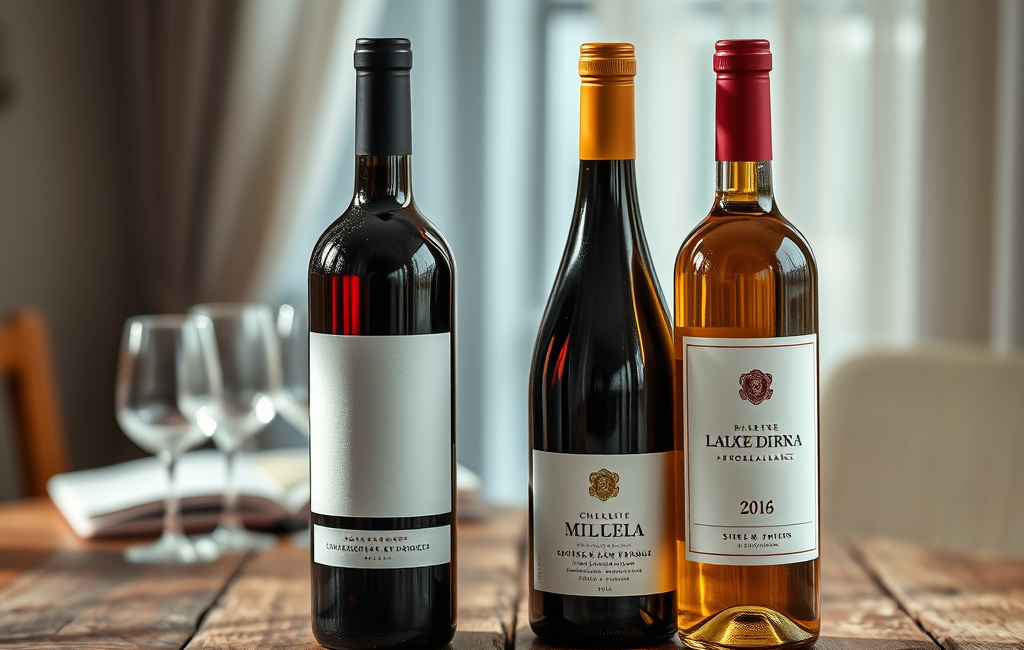
Understanding how wine labels influence perception can help you make smarter choices. That elaborate coat of arms or fancy chateau illustration? Pure marketing genius designed to make you feel like you’re buying something exclusive.
When It Actually Makes Sense to Splurge
I’m not saying expensive wines are never worth it – they absolutely can be in the right circumstances. One big factor is aging potential. Many premium wines are built to develop over time, revealing complex flavors that simply aren’t present in most budget bottles. The science of aging wines shows that certain compounds require both quality ingredients and proper production techniques to evolve beautifully.
If you’re interested in starting a small cellar, exploring age-worthy wines might justify spending more. But if you’re opening that bottle tonight with takeout? Save your cash for another day.
Special occasions sometimes warrant a splurge too. My boyfriend and I celebrated our anniversary with a bottle that cost more than our dinner, and I don’t regret it one bit. The experience, the story, and yes, even the Instagram post were part of what made it special. Wine can be a celebration in itself, and sometimes that justifies the price tag.
The key is being intentional about when and why you’re spending more. If that expensive bottle brings genuine joy or marks a meaningful moment, it might be worth every penny. Just don’t fall into the trap of thinking higher price automatically means better wine.
Budget-Friendly Hidden Gems for 2025
Let’s talk about where to find amazing wines that won’t break the bank this year. After tasting hundreds of new releases, I’ve spotted some incredible values that drink like they should cost twice as much. Spanish Garnacha has become my go-to red wine recommendation, offering juicy, bold flavors between $12-20 that rival much pricier options.
For white wine lovers, Chilean Sauvignon Blanc delivers crisp, tropical vibes for just $10-15. While everyone’s chasing expensive New Zealand options, these South American alternatives offer similar profiles at half the price.
My absolute best tip? Make friends with the staff at your local wine shop. Tell them your budget and what you typically enjoy, and they’ll point you toward their personal favorite bargains. These “staff picks” under $20 often represent the best value-to-quality ratio in the entire store.
Another approach is hosting a budget-friendly wine tasting with friends. Everyone brings a bottle within an agreed price range, and you might discover new favorites without spending a fortune. My last tasting party uncovered an $11 Portuguese red that everyone preferred over the $45 bottle someone smuggled in!
Remember that proper food pairings can make even modest wines shine. The right cheese, charcuterie, or main dish can transform a simple wine into something spectacular. This approach has saved me countless dollars while still creating memorable wine experiences.

The Only Wine Rule That Really Matters
After years of working in wine shops and attending industry tastings, I’ve come to one conclusion: the best wine is simply the one that makes you happy. Your personal taste matters more than scores, prices, or what some critic says you should enjoy.
I’ve seen too many people apologize for preferring lighter, fruitier wines or feeling intimidated by sommeliers. The wine world can be unnecessarily snobbish, but authentic enjoyment trumps pretension every time.
The most liberating thing I’ve learned is there are no wrong answers in wine preferences. That $10 bottle that brings you joy after a long day is worth far more than the $100 bottle you’re drinking just to impress someone else. Wine should be about pleasure, not pressure.
So next time you’re facing that wine list or store shelf, remember that price doesn’t equal quality. Trust your palate, explore new regions, and drink what makes you happy – whether that costs $10 or $100. The best wine experiences come from following your own taste, not your wallet.