This post may contains affiliate links. Read our full disclosure here.
Picture this: a clash of philosophies as intense as Succession’s boardroom battles, but with more oak barrels and fewer power ties. The world of wine is divided—not by geography or grape varieties, but by competing visions of craft. On one side, centuries-old techniques passed down like family heirlooms. On the other, precision tools that could make NASA engineers blush.
From Italy’s Piedmont to Spain’s Rioja, vintners are rewriting the rules. Take the legendary Barolo Wars: traditionalists once macerated grapes for 50 days in Slavonian oak, crafting wines that took decades to mature. Modern rebels slashed fermentation to a week, swapping casks for French barriques that deliver bold flavors faster. The result? Wines that taste like Hamilton versus Mozart—both brilliant, just different playlists.
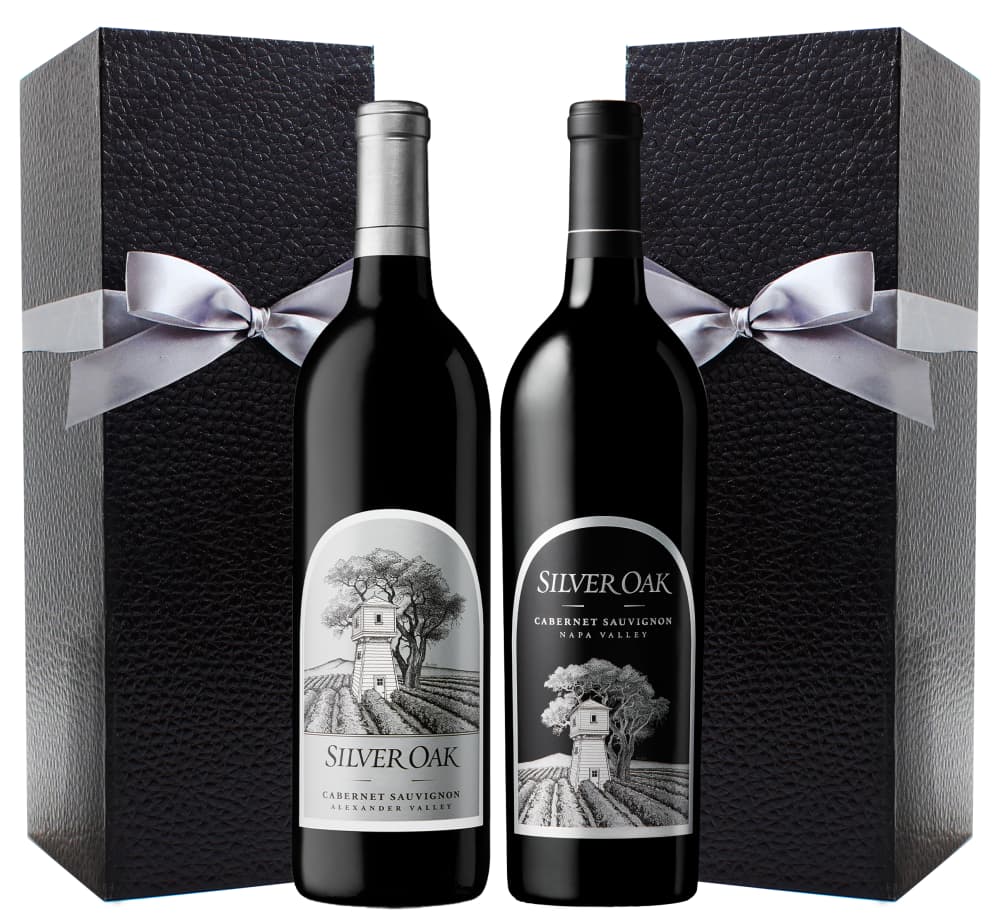

Sommeliers now play referee, asking diners: “Do you want something that whispers ancient soil secrets or shouts 21st-century swagger?” This isn’t about good versus bad—it’s about identity. Old World earthiness versus New World fruit bombs. Hand-corked patience versus temperature-controlled consistency.
As you dive deeper, you’ll discover why some winemakers blend both approaches like a master DJ. The real magic happens where clay qvevri pots meet laser-guided pH sensors—a fusion that’s reshaping what ends up in your glass. Ready to pick your side?
Historical Foundations in Winemaking
Imagine unearthing a 6,000-year-old wine-stained clay pot in Georgia—the OG winemakers didn’t need apps to track pH levels. These pioneers let wild yeast work its magic, creating liquid time capsules that tasted like the land itself. Fast-forward to medieval monks in Burgundy, who treated vineyards like sacred libraries, decoding soil secrets through generations.
When Grapes Ran the Show
Old World regions like Spain’s Priorat and Italy’s Chianti treated vineyards as living history books. Harvests hinged on lunar cycles and fingertip tests for grape ripeness—no lab reports needed. The result? Wines with electric acidity and flinty minerality that screamed “I’m from this hillside, and nowhere else.”
Take Barolo’s Nebbiolo grapes: macerated for weeks in giant oak casks, they birthed wines that aged slower than a TikTok trend. Traditionalists still hand-paint labels like battle flags, declaring loyalty to pre-industrial methods.
Science Enters the Cellar
The 1980s brought tech to the trenches. Suddenly, temperature-controlled steel tanks could pause fermentation mid-sip, preserving fruit flavors like paused Netflix shows. Critics called it cheating; innovators called it progress. This wasn’t your grandma’s basement operation—it was precision winemaking with spreadsheets.
| Era | Tools | Outcome |
|---|---|---|
| Pre-1980s | Wooden presses, natural yeast | Earth-driven, age-worthy wines |
| Post-1980s | Stainless steel, cultured yeast | Consistent, fruit-forward styles |
This shift sparked debates fiercer than pineapple-on-pizza discourse. Could you still taste the terroir through all that shiny equipment? Or did technology smooth out the world’s delicious wrinkles?
Traditional vs. Modern Winemaking Methods
Think of your favorite playlist—some tracks thrive on time-tested grooves, others on remixed beats. That’s today’s cellar showdown. At its core? A battle between patience and precision.
Time Versus Temperature
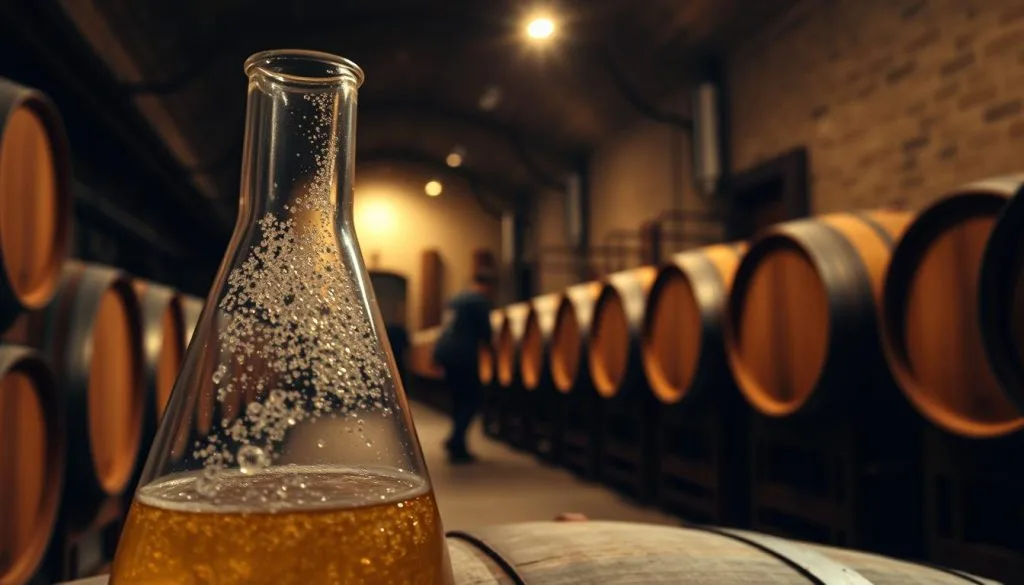
Old-school producers treat grapes like slow-cooked brisket. Nebbiolo in Italy’s Piedmont once soaked for 50 days in neutral oak vats—think marathon runner endurance. New rebels? They’re microwaving that process. Six-day maceration in French barriques pumps out plush textures faster than Spotify algorithms.
| Approach | Process | Outcome |
|---|---|---|
| Heritage Style | 30-50 day maceration Neutral oak aging | Firm tannins, earthy notes 20+ year aging potential |
| Contemporary Style | 6-8 day extraction New oak barrels | Velvety texture, ripe berries Drinkable in 5 years |
Flavor’s Great Schism
That Rioja reserva you love? Traditional versions taste like licking a wet stone wrapped in leather. Modern renditions? Imagine blackberry jam spread on toast charred by French oak. While new world producers chase fruit bombs, old guard vintners preserve razor-sharp acidity that cuts through decades.
Even Cabernet Sauvignon isn’t immune. Napa’s polished versions strut like TikTok influencers, while Bordeaux classics move like jazz improvisers—same grape, different dialects. The real magic? When a winemaker blends both philosophies like a Grammy-winning producer sampling vinyl beats.
Regional Influences and Evolving Techniques
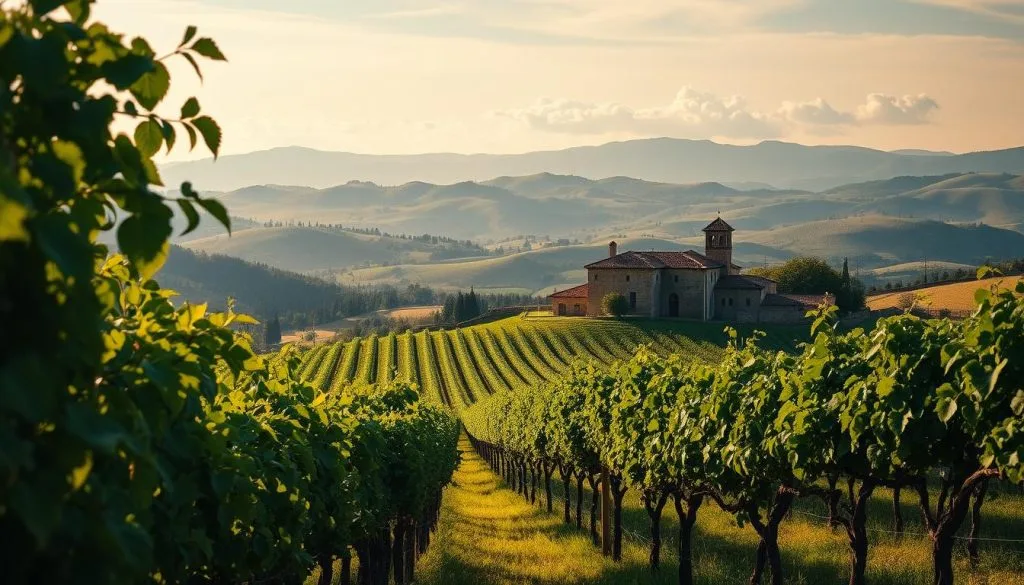
What if your wine glass held an atlas? From Tuscan hills to Australian valleys, geography writes flavor scripts sharper than a Pulitzer-winning novel. Old World regions cling to their playbooks like vinyl collectors guarding rare pressings, while New World rebels stream bold new tracks.
Where Geography Becomes Flavor
Italy’s Brunello di Montalcino runs on Sangiovese grapes aged in American oak—think leather-bound books with earthy margins. Spain’s Rioja producers still time-travel, aging Tempranillo for years in used barrels until it tastes like a flamenco dancer’s well-worn boots. “Our wines are time capsules,” says a Rioja vintner, “not TikTok clips.”
Rebels With a Cause
California’s Napa crews treat vineyards like science labs. Drones monitor grape sugars while micro-oxygenation pumps up fruit flavors like Auto-Tune perfects vocals. Down in Brisbane, urban winemakers blend Grenache and tech—think small-batch releases that pair with avocado toast better than cathedral crypts.

This isn’t just terroir—it’s cultural coding. Old World bottles whisper medieval ballads through tannins. New World labels drop bass-heavy beats of ripe berries. Yet both sides agree: great wine isn’t made in factories. It’s grown where soil meets soul—and occasionally, a pH sensor.
Conclusion
Choosing wine styles mirrors curating a wardrobe—some crave vintage leather’s patina, others want lab-engineered performance fabric. Old World regions craft bottles that taste like weathered novels, while New World creations deliver dopamine hits of jammy fruit. Sommeliers confirm: there’s no “better,” just different.
Your glass reveals your priorities. Prefer wines whispering through decades-old oak? Seek earthy Cabernet Sauvignon from Bordeaux. Want flavors that pop like a TikTok transition? Try Napa’s polished blends. The real magic? Hybrid producers mixing time-honored terroir focus with tech-driven precision.
Today’s drinkers enjoy unprecedented choice. Neutral oak or stainless steel. Six-day fermentations or six-week macerations. Whether you’re Team Flint or Team Fruit Bomb, one truth remains: great wine isn’t about process—it’s about personality. Your palate, your rules. Now go taste-test like it’s your job.
FAQ
What’s the biggest difference between Old World and New World winemaking?
Does oak aging really change a wine’s personality?
Why do some regions cling to heritage methods?
How have modern techniques altered wine’s alcohol content?
Are “natural wines” part of the modern movement?
Can you taste climate change in modern wines?