This post may contains affiliate links. Read our full disclosure here.
Have you ever found yourself scanning a wine tour website and wondered about the wine farm vs winery terminology? I sure have! During my last trip planning adventure, I realized these terms were being tossed around interchangeably, yet they seemed to offer completely different experiences. Understanding the distinction isn’t just wine trivia—it can completely transform your tasting experience.
The wine farm vs winery debate might seem like simple semantics, but knowing the difference helps you choose the perfect wine destination that matches your vibe. Whether you’re craving a rustic countryside experience or a deep dive into production techniques, the right choice depends entirely on what you want from your wine adventure. Let’s uncork the mystery together!
What Is a Wine Farm?
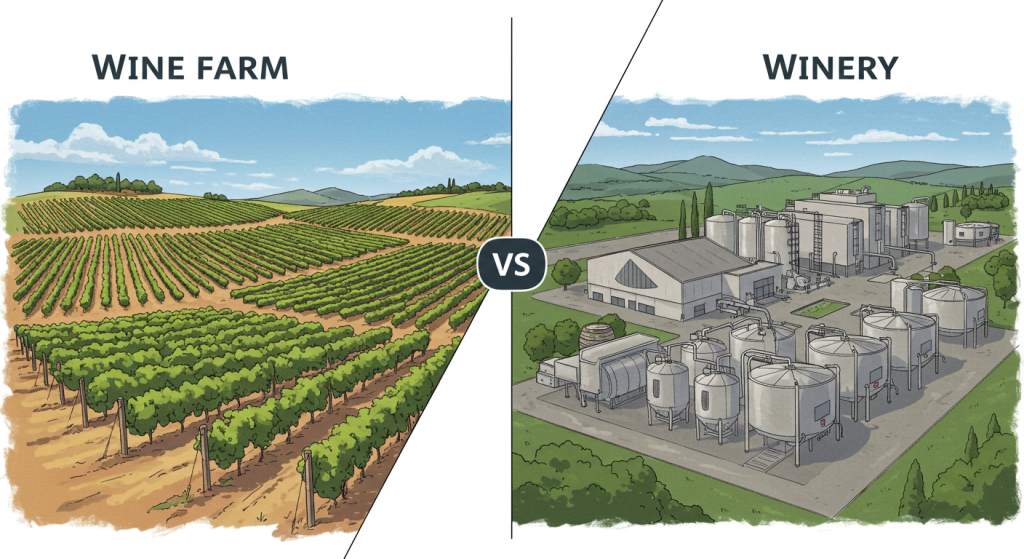
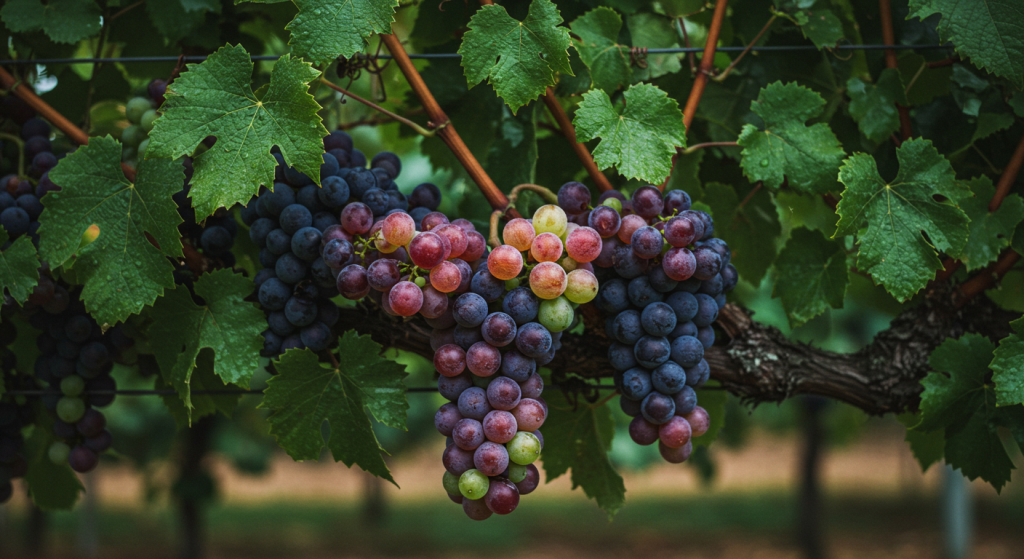
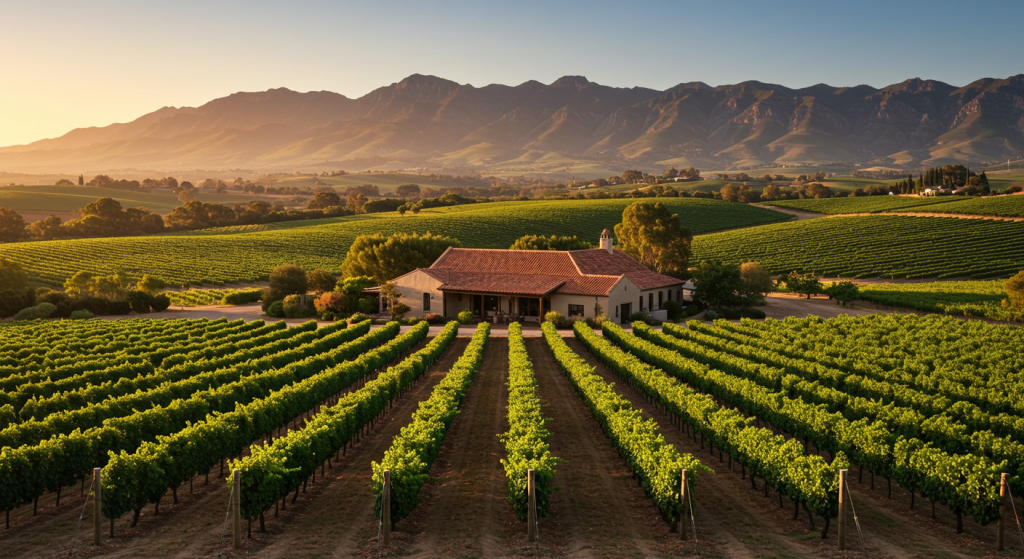
A wine farm delivers so much more than just rows of picturesque grapevines—it’s a complete countryside immersion. When my boyfriend and I visited our first wine farm last summer, we were surprised by how comprehensive the experience was. The rolling hills, farm animals occasionally wandering in the distance, and the genuine connection to the land created a totally different atmosphere than what we’d experienced at city wineries.
Wine farms typically include a vineyard where the grapes grow, a winery facility for production, inviting tasting rooms, and sometimes even guest accommodations for overnight stays. Many have transformed into mini retreats where you can spend an entire weekend surrounded by wine culture. If you’ve been considering creating a backyard vineyard of your own, spending time at a wine farm offers invaluable firsthand insights.
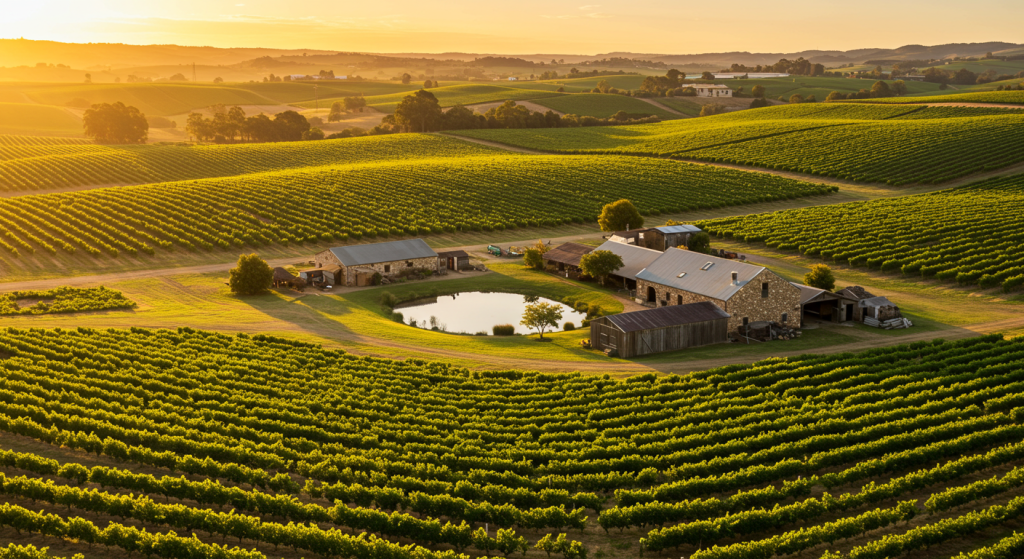
The term “wine farm” appears most frequently in South Africa and certain European wine regions, where there’s a emphasis on the agricultural roots of winemaking. These establishments are almost always estate-based and situated in scenic rural locations, providing that quintessential countryside charm many wine lovers seek.
When visiting a wine farm, expect a farm-to-glass experience complete with incredible views, locally sourced foods, and wines that truly represent the specific terroir of that location. The whole vibe tends to be more relaxed and connected to nature.
What Is a Winery?
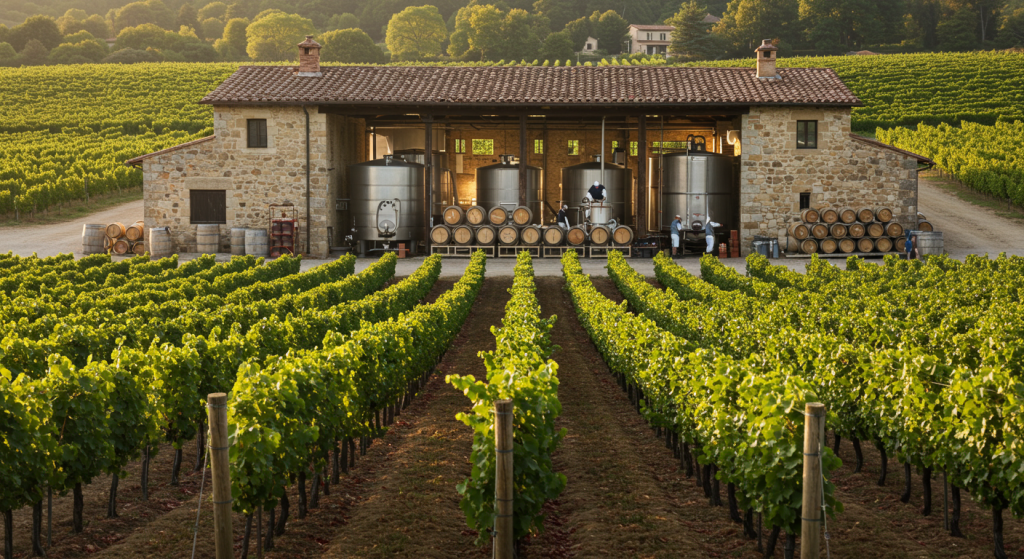
A winery, simply put, is wine production central. While a wine farm encompasses the whole agricultural experience, a winery focuses specifically on transforming grapes into wine through fermenting, aging, and bottling processes. During a recent winery tour in Napa, our guide spent nearly two hours walking us through each production stage—something you might not get at a more holistic wine farm experience.
The key distinction in the wine farm vs winery conversation is that wineries don’t necessarily grow their own grapes. Many source fruit from multiple vineyards, sometimes across different regions or even countries. This allows winemakers to work with diverse grape varieties regardless of their location’s growing capabilities.
Wineries can pop up in surprising places—urban neighborhoods, industrial zones, or even repurposed warehouses in city centers. Without needing vineyard space, they’re more flexible with their locations. You can find excellent wineries creating high-quality wines right in the middle of bustling cities like Portland, Seattle, and Oakland.
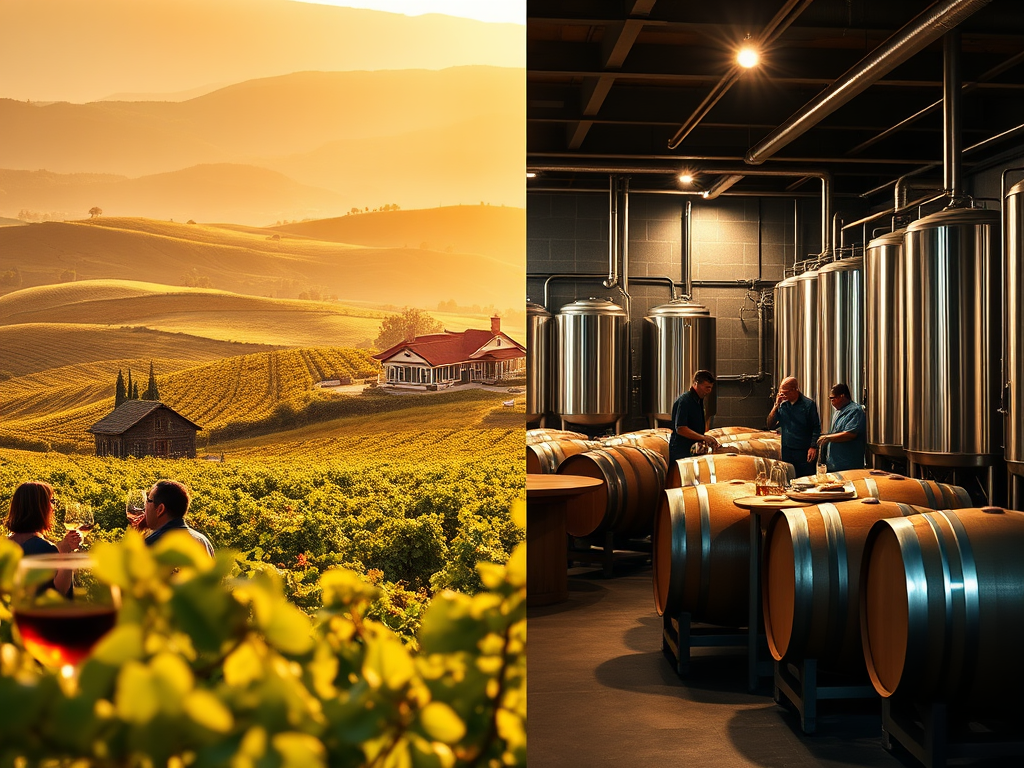
When you book a winery tour, you’re signing up to explore the technical side of winemaking. From giant stainless steel fermentation tanks to oak barrel rooms and bottling lines, you’ll see all the equipment and processes that transform juice into your favorite wines.
Where Vineyards Fit In
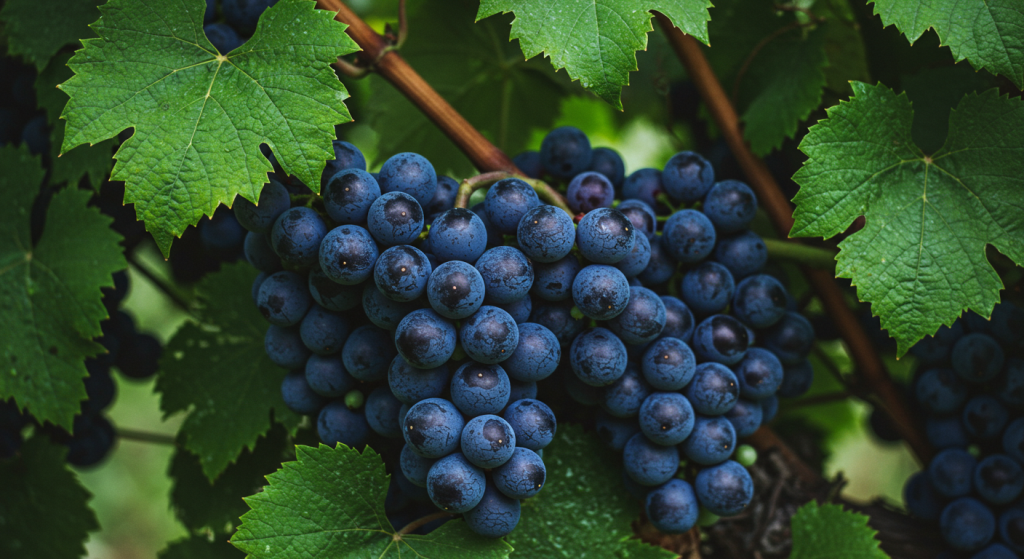
Let’s clear up another common point of confusion in the wine farm vs winery discussion—the vineyard component. A vineyard is specifically the land where grapevines grow, nothing more and nothing less. While exploring Sonoma’s best wineries last year, our guide explained that some of California’s most famous wineries own multiple vineyards across different microclimates.
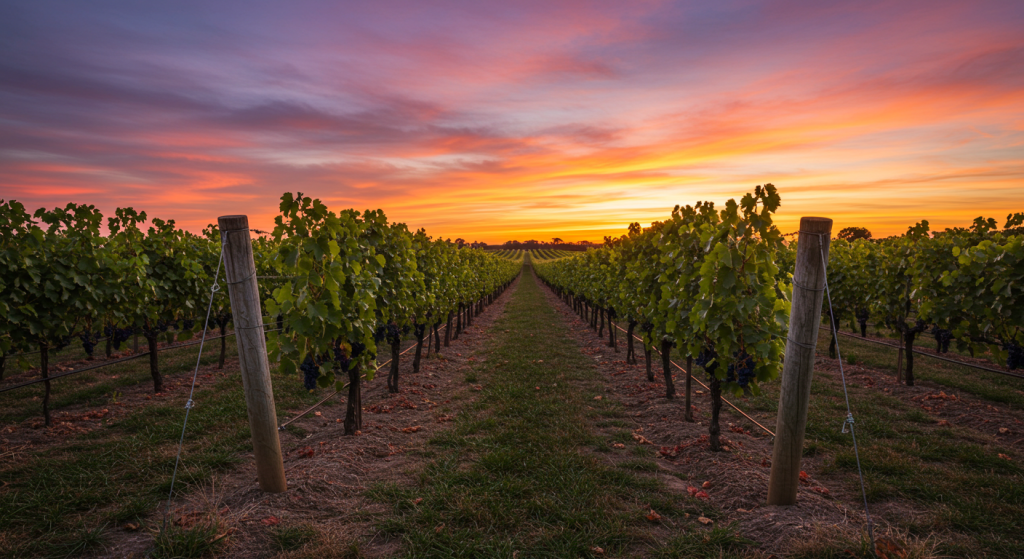
Wine farms almost always include at least one vineyard, as growing their own grapes is central to their identity and business model. If you’re interested in starting a backyard wine vineyard, studying how wine farms manage their vines provides excellent practical knowledge.
Wineries, on the other hand, may operate without any vineyards at all. Many purchase grapes from independent growers or vineyard management companies. This flexibility allows wineries to create diverse wine portfolios without being limited by their own growing conditions.
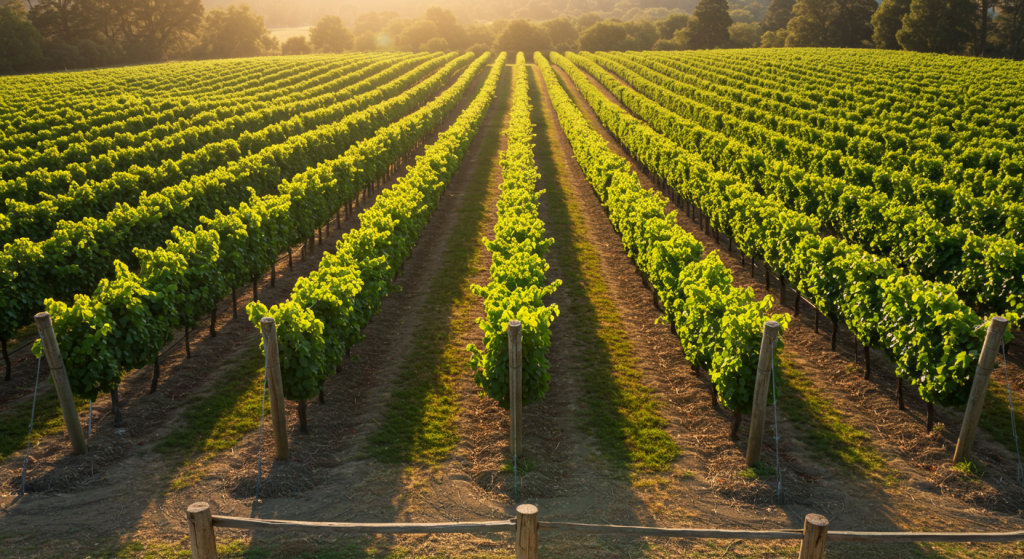
When you see wines labeled as “estate-grown” or “estate-bottled,” that’s your clue that all the grapes came from vineyards owned by the producer and were processed at their facility. These wines often capture a distinctive sense of place that wine enthusiasts prize. The wine farm model typically produces more estate wines, while standalone wineries might offer both estate and non-estate options.
Key Differences Between Wine Farm vs Winery
Understanding the core contrasts in the wine farm vs winery comparison helps you plan the perfect wine country getaway. After visiting dozens of both, I’ve noticed these key differences consistently shape the visitor experience:
- Grape Growing: Wine farms typically grow their own grapes, while wineries may or may not have vineyards.
- Location: Wine farms are predominantly rural and require substantial land; wineries can operate in urban or industrial settings.
- Visitor Experience: Wine farms offer more comprehensive experiences (tastings, dining, lodging), while wineries focus primarily on production tours and tastings.
- Length of Visit: Wine farms often accommodate full-day or overnight stays; winery visits typically run 1-3 hours.
- Wine Style: Wine farms generally produce estate wines reflecting their specific terroir, while wineries might craft wines from various sources.
The vibe differs noticeably too. Wine farms invite guests to unwind in nature, connecting with the agricultural roots of winemaking. They emphasize the holistic experience of wine as part of a broader lifestyle. Wineries, meanwhile, highlight wine production craft, appealing to those curious about the science and techniques behind their favorite bottles.
Both experiences have their unique appeal in the wine farm vs winery spectrum. When planning your next wine adventure through Winalist’s booking platform, consider what matters most for your ideal day—scenic outdoor tastings or fascinating production insights?
Regional Differences in Terminology
The wine farm vs winery terminology varies dramatically depending on where you’re traveling, which can confuse even seasoned wine tourists. During my wine tourism adventures across different countries, I’ve discovered how regional language shapes these experiences.
In South Africa, “wine farm” dominates the vocabulary, reflecting the country’s agricultural approach to wine production. These destinations often encompass sprawling properties with accommodation and dining options. When visiting the Cape Winelands, you’ll notice how the term perfectly captures the farming heritage behind South African wines.
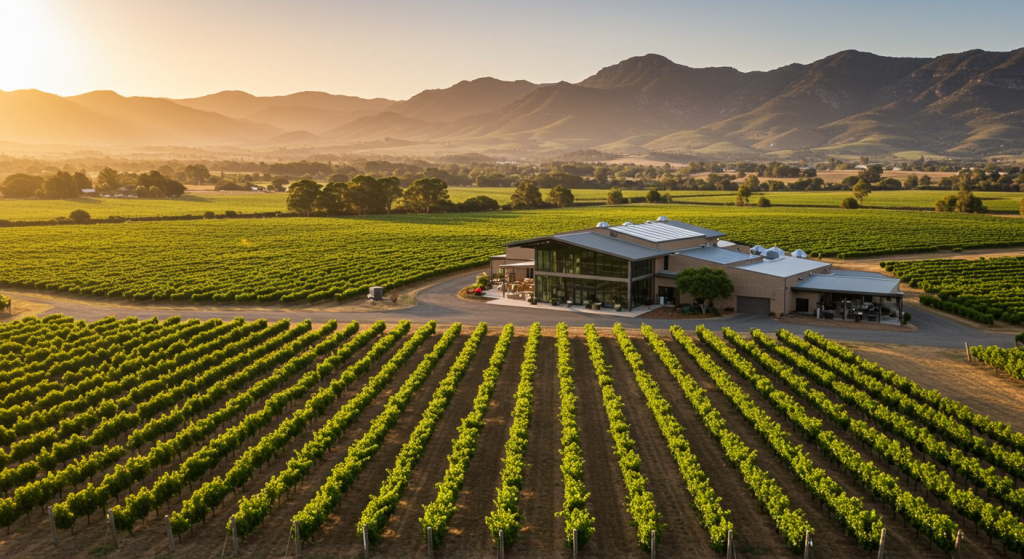
Throughout most of the United States, Canada, and Australia, “winery” remains the standard term for essentially any place producing wine, regardless of whether they grow grapes. Even massive estates with hundreds of acres of vineyards typically call themselves wineries rather than farms.
European terminology adds additional nuance to the wine farm vs winery distinction. In France, you’ll encounter “château” (especially in Bordeaux), “domaine” (common in Burgundy), or “cave” (for smaller producers). Italian wine producers often use “tenuta,” “fattoria,” or “azienda agricola” to describe what might functionally be a wine farm, while “cantina” more closely resembles our concept of a winery.
Despite these varied terms, the fundamental distinction in the wine farm vs winery comparison remains consistent: farm-based destinations emphasize growing and environmental connection, while production-focused facilities highlight winemaking craft. When booking experiences through Winalist, read descriptions carefully to understand what type of place you’re visiting.
Which Should You Visit?
When deciding between a wine farm vs winery visit, consider what you’re hoping to get out of your wine country experience. After organizing girls’ trips to both types of destinations, I’ve found that knowing your group’s preferences makes all the difference.
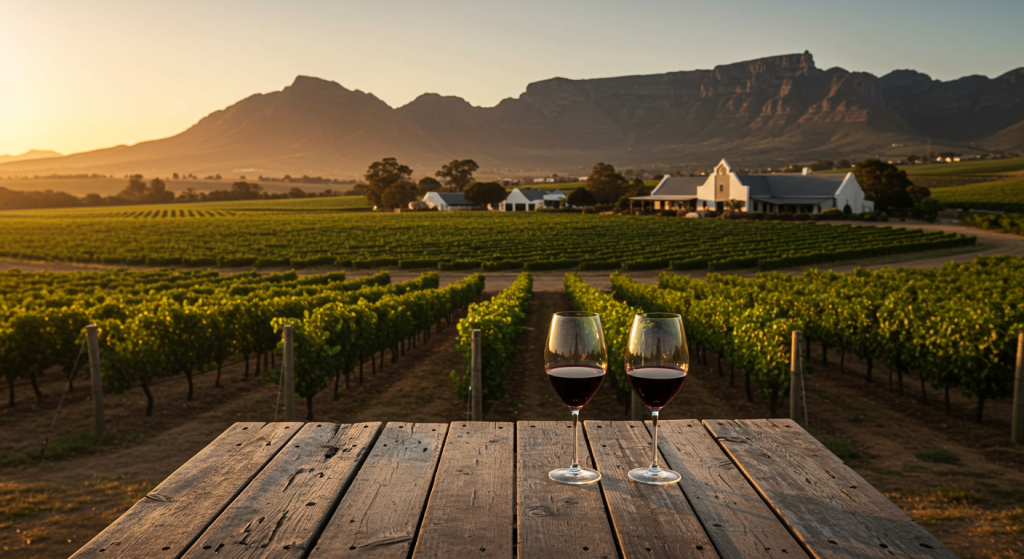
Choose a wine farm if your ideal day includes sprawling vineyard views, extensive outdoor spaces, and multiple activities beyond just wine tasting. Wine farms excel at delivering complete packages—farm-to-table dining, picnic areas, vineyard walks, and often accommodations for overnight stays. They’re perfect for those who value the scenic backdrop almost as much as the wine itself.
Opt for a winery if you’re fascinated by production techniques and want to learn exactly how wine gets made. Wineries offer more technical tours featuring fermentation tanks, barrel rooms, bottling lines, and detailed explanations of winemaking decisions. They’re ideal for the curious wine lover who wants to understand what happens between grape and glass.
The wine farm vs winery decision also affects practical planning considerations. Wine farms typically require more time (often a full day) but offer more comprehensive experiences. Wineries can be visited in shorter time blocks, allowing you to fit multiple stops into one day. Remember that winery visit etiquette applies to both settings, though wine farms tend to be slightly more casual.
For groups with varied interests, wine farms often satisfy more preferences simultaneously. While some in your group taste wines, others can explore gardens, shop for local products, or simply relax with vineyard views. Planning a mixed-interest itinerary? Winalist’s filtering options help you find the perfect match for your group’s preferences.
Tips for Planning Your Visit
Whether you’re headed to a wine farm or winery, a little preparation goes a long way toward an amazing experience. After coordinating countless wine country escapes (and making every rookie mistake possible), here are my tried-and-true tips:
- Book appointments in advance, especially for wine farms and premium wineries. The best spots fill up weeks ahead during peak seasons.
- Call ahead to ask if they grow their own grapes if that distinction matters to your wine farm vs winery expectations.
- Wear comfortable, flat shoes and dress in layers. Wine farms often include outdoor walking, while winery cellars can be surprisingly chilly.
- Consider visiting during harvest season (typically September-October in the Northern Hemisphere). It’s busier but offers the most exciting behind-the-scenes action.
- Limit yourself to 3-4 stops maximum per day. Quality experiences trump quantity every time.
- Ask thoughtful questions about wine styles, growing practices, or food pairings—producers love sharing their knowledge with engaged visitors.
When comparing wine farm vs winery options, check what’s included in tasting fees. Wine farms might offer more generous experiences (facility tours, food pairings, etc.) built into their pricing. Urban wineries sometimes have more à la carte structures.
Don’t overlook transportation considerations. Wine farms, being rural, often require designated drivers or wine tour services. Urban wineries might be accessible by public transit or rideshare services. For seamless planning, Winalist’s booking platform provides transportation details for each experience.
The wine farm vs winery distinction becomes especially important when planning multi-day trips. Wine farms with accommodation let you fully immerse yourself in wine country living, while winery-focused itineraries typically pair with nearby hotels or B&Bs.
Sipping Through the Differences
The wine farm vs winery distinction truly matters when you’re seeking the perfect wine country experience. Beyond mere terminology, these different approaches to wine tourism create completely different atmospheres and memories. Whether you’re craving the pastoral charm of a South African wine farm or the technical precision of a Napa Valley winery, understanding what each offers helps you match destinations to your wine dreams.
I’ve found that the most memorable wine adventures often combine both styles—perhaps a production-focused winery tour in the morning followed by a leisurely afternoon at a scenic wine farm. This blend delivers both the educational and experiential sides of wine appreciation.
Wine tourism continues evolving beyond the traditional wine farm vs winery categories, with hybrid models emerging worldwide. Many established wineries now add farm elements (gardens, animals, overnight accommodations), while wine farms increasingly highlight production techniques to satisfy curious visitors.’

Next time you’re planning a wine getaway, don’t just search for “wineries near me”—consider what kind of experience would truly hit the spot. Are you craving sunshine and vineyard views? Or perhaps barrel room aromas and technical insights? The answer guides whether you should seek out a classic wine farm or a focused winery.
Whatever you choose in the wine farm vs winery debate, remember that wine appreciation is about finding joy in discovery. Whether surrounded by grapevines at a bucolic farm or watching a high-tech bottling line in action, it’s the connection to the people and processes behind each bottle that makes wine tourism so rewarding.