This post may contains affiliate links. Read our full disclosure here.
Transitioning Your Home from Summer to Fall doesn’t require a complete renovation or spending a fortune. Those first crisp mornings remind us it’s time to swap out the light, breezy elements of summer for the warm, cozy touches that make autumn so inviting. With just a few thoughtful changes, you can transform your space into a fall sanctuary that feels both fresh and familiar.
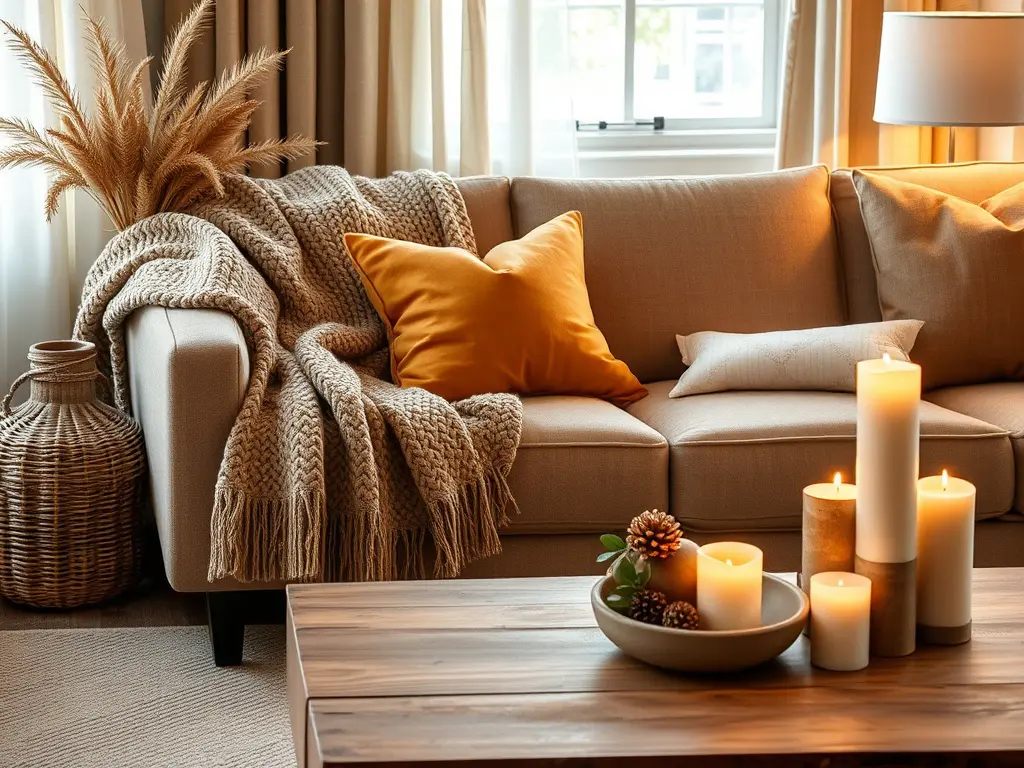
I’ve found that the best seasonal transitions happen gradually, with small adjustments that match the changing weather outside. The beauty of these five simple approaches is that they work for any space—whether you’re in a studio apartment or a spacious house. Each method brings that special autumn feeling without overwhelming your time, budget, or existing decor style.
Why Transitioning Your Home from Summer to Fall Matters
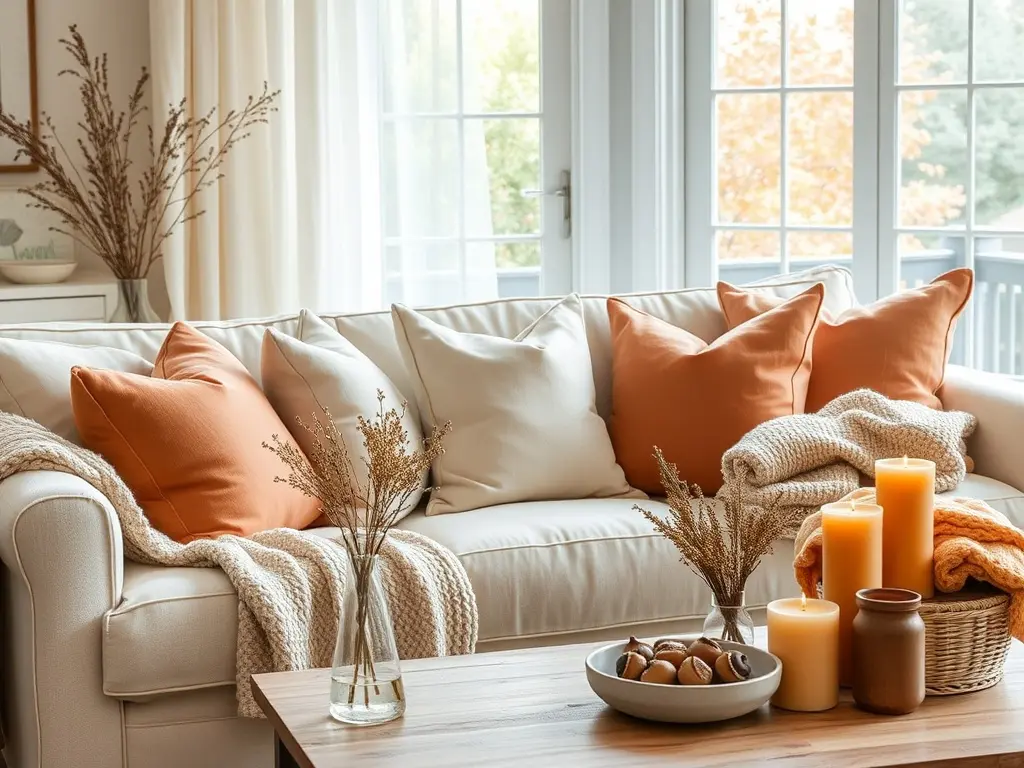
As daylight hours shorten and temperatures drop, our relationship with our homes naturally shifts. During summer, we’re constantly moving between indoor and outdoor spaces, but fall brings us back inside for longer periods. This seasonal shift isn’t just about aesthetics—it’s about creating a space that supports our changing habits and needs.
When we transition our homes for fall, we’re actually preparing for a different lifestyle rhythm. Those weekend barbecues transform into dinner parties, morning coffees on the patio become cozy kitchen moments, and outdoor movie nights move to blanket-covered couches. Our homes become our primary comfort zones again.
The psychological impact of seasonal decor shouldn’t be underestimated either. Research shows our surroundings directly affect our mood and energy levels. By deliberately transitioning your home from summer to fall, you’re creating an environment that feels harmonious with the world outside your windows.
“You don’t need to redecorate—just recalibrate. Fall is about cozy layers, not costly makeovers.”
Making these seasonal adjustments can also help you appreciate what you already own. Instead of buying all-new decor, you’re reimagining existing pieces in fresh contexts. This mindful approach to decorating feels both sustainable and satisfying—perfect for the reflective mood of autumn.
1. Swap Out Lightweight Textiles
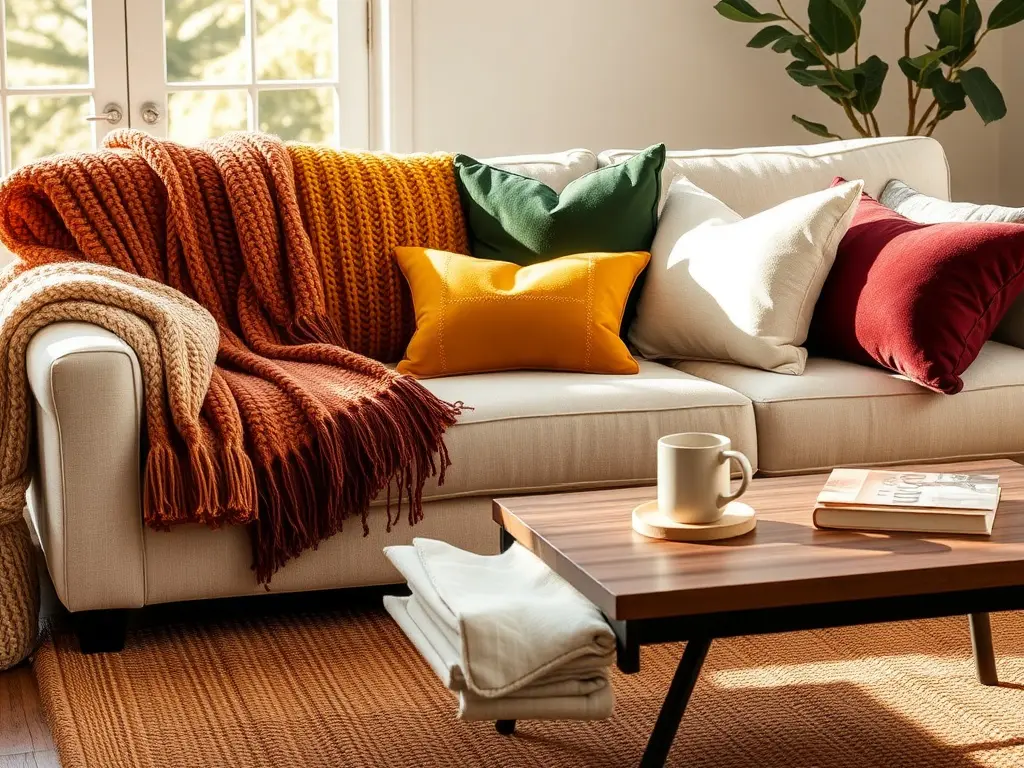
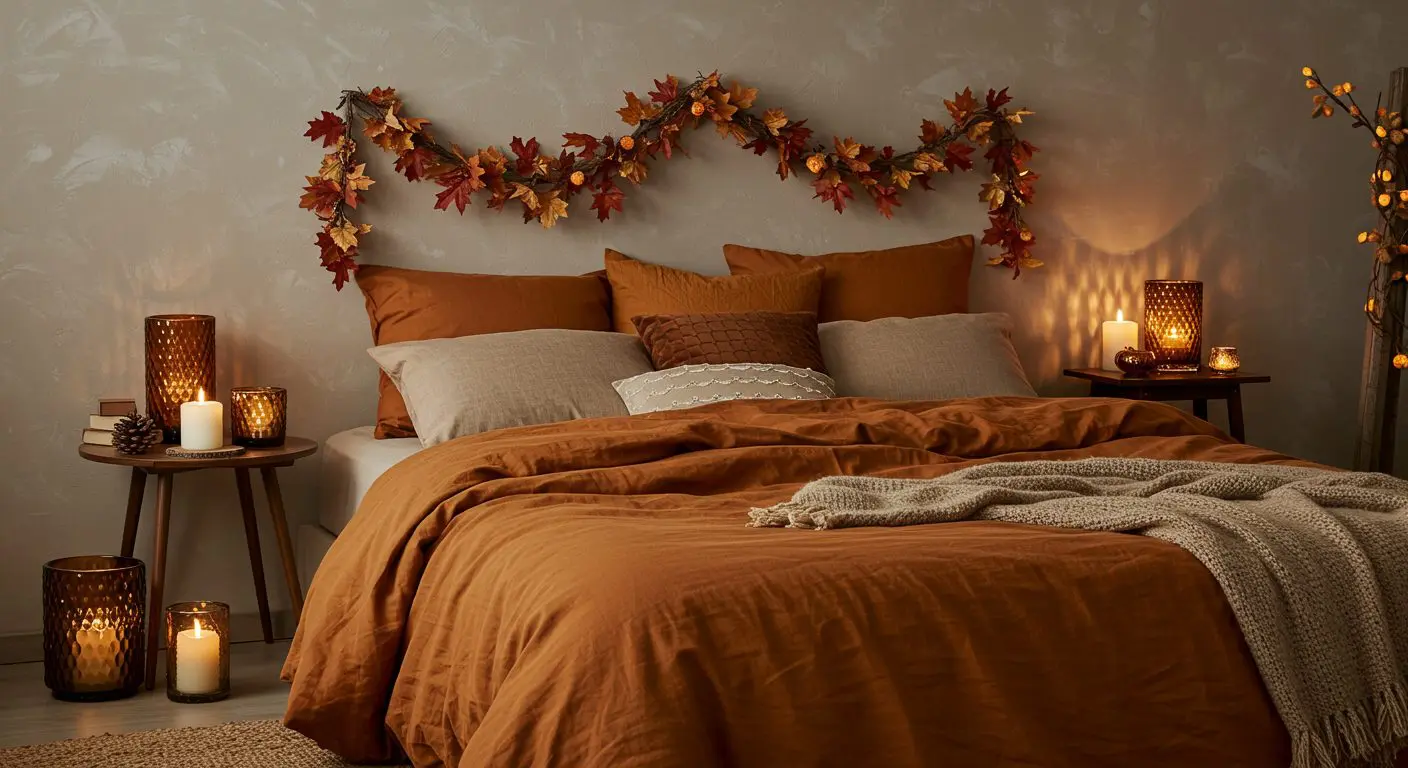
Textiles are perhaps the easiest and most impactful way of transitioning your home from summer to fall. The feel of different fabrics against your skin instantly signals the seasonal change. Last week, I switched out my cotton throws for a chunky wool blanket, and the living room immediately felt more autumnal without changing anything else.
Start with your sofa—the centerpiece of most living spaces. Replace any lightweight summer throws with heavier options in fall-appropriate textures. Chunky knits, soft wools, and plush velvet immediately add warmth both visually and physically. The same applies to pillows—swap linen or cotton covers for velvet, suede, or wool in rich autumn tones.


Window treatments also do significant work in transitioning your home from summer to fall. Those gauzy sheers that caught summer breezes can be traded for weightier cotton or linen curtains that help insulate against cooler temperatures. You don’t necessarily need to replace them entirely—sometimes just adding a second layer creates that cozy fall feeling.
Texture impacts room atmosphere more than almost any other element. Consider layering rugs as temperatures drop—a plush area rug over a flat-weave or natural fiber base adds instant warmth and visual interest to any room.
Try these cozy seasonal updates:
- Layer a faux fur throw over the arm of your reading chair
- Add velvet or wool pillow covers in rust, olive, or navy blue
- Replace cotton bath mats with plusher, higher-pile options
- Swap out lightweight bedding for flannel sheets or a quilted comforter
- Hang heavier curtains or add thermal liners to existing ones
Tip: Before shopping, check what you already have stored away. Many of us pack away winter textiles that can be perfect for fall layering!
2. Update Your Color Palette
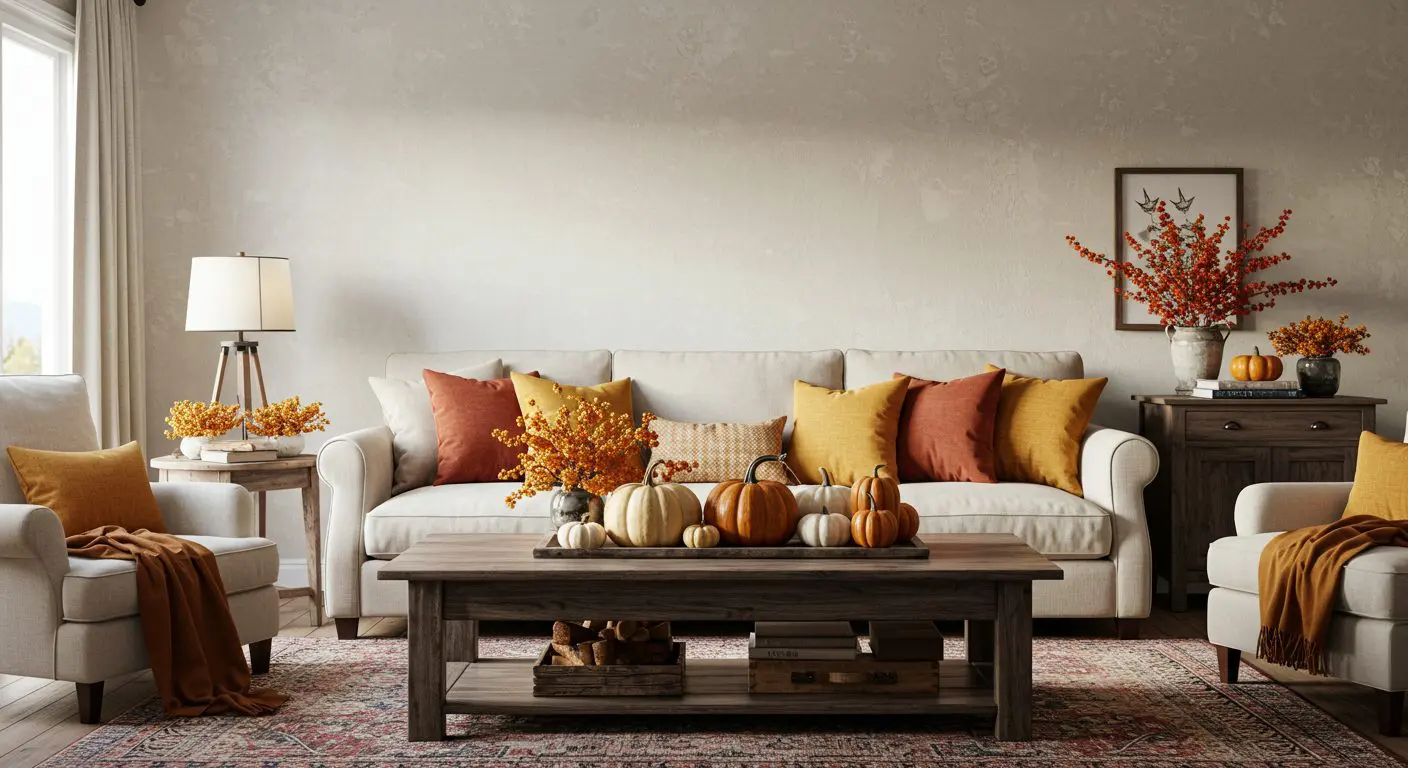
Color sets the emotional tone of any space, making it one of the most powerful tools for transitioning your home from summer to fall. The key is understanding how to shift your palette gradually, ensuring the change feels natural rather than abrupt. This doesn’t mean abandoning your existing color scheme—just warming it up with seasonal accents.
When my sister moved from her bright, beachy summer decor to fall, she kept her blue sofa but replaced seafoam green accents with deep navy and terracotta details. The room maintained its personality while feeling perfectly aligned with autumn. Small color shifts can make dramatic differences in how a space feels.
Look for opportunities to introduce fall colors through easily changeable items—table runners, vases, book displays, or art prints. Vintage stores often have affordable ceramics in those perfect autumn hues that add character while changing your color story. DIY home decor projects can also help you customize pieces in your ideal fall palette.
| Summer Colors | Fall Counterparts |
|---|---|
| Sky blue | Slate or navy blue |
| Coral | Burnt orange or terracotta |
| Pale yellow | Mustard or amber |
| Mint green | Olive or sage green |
| Bright white | Cream or oatmeal |
Remember that metallics act as neutrals while adding depth—copper and brass tones work particularly well for transitioning your home from summer to fall. A simple copper bowl or brass candlesticks bring warmth without competing with your existing palette.
Incorporate these tones through:
- Coffee table books with rich-colored spines
- Amber or smoky glass vessels and vases
- Artwork that features autumn landscapes or colors
- Terra cotta planters (which also add natural texture)
- Rust or olive-toned kitchen towels and napkins
3. Layer in Natural and Rustic Elements
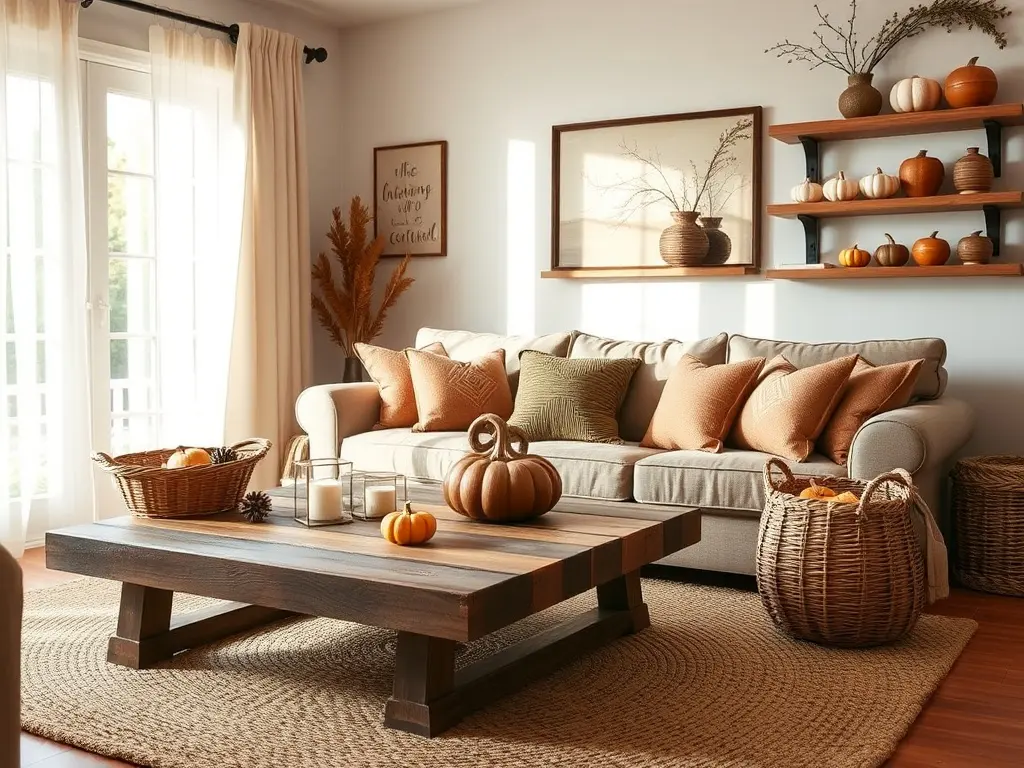
Nature provides the perfect inspiration for transitioning your home from summer to fall. While summer decor often features bright flowers and coastal elements, autumn calls for more grounded, earthy materials. These natural elements add authenticity to your fall decor that manufactured items simply can’t match.
My favorite fall centerpiece takes just minutes to create—a wooden bowl filled with pinecones, acorns, and perhaps a few small pumpkins. It costs almost nothing but brings that perfect autumn energy to a dining table or coffee table. Nature quite literally provides free seasonal decor if you know where to look.
Woven baskets become even more useful when transitioning your home from summer to fall. They add texture while providing practical storage for throws, slippers, or firewood. Natural stone and rock elements also bring an organic, grounded quality that perfectly complements fall’s earthy vibe.
Don’t overlook the power of branches and botanical elements that reflect the season. Dried wheat, eucalyptus, or even branches with changing leaves can be arranged in simple ceramic vases for instant fall atmosphere. These elements bring the outside in, connecting your home to nature’s seasonal shift.
Rustic fall decor ideas to try:
- Create a mantel display with wood slices, mini pumpkins, and pillar candles
- Arrange branches with colorful leaves in a tall floor vase
- Fill glass hurricane lanterns with acorns, nuts, or dried corn
- Display vintage wooden bowls or cutting boards on kitchen counters
- Add woven placemats to your dining table for texture and warmth
“If it looks like you could’ve found it on a crisp afternoon hike, it probably belongs in your fall setup.”
4. Embrace Ambient Lighting
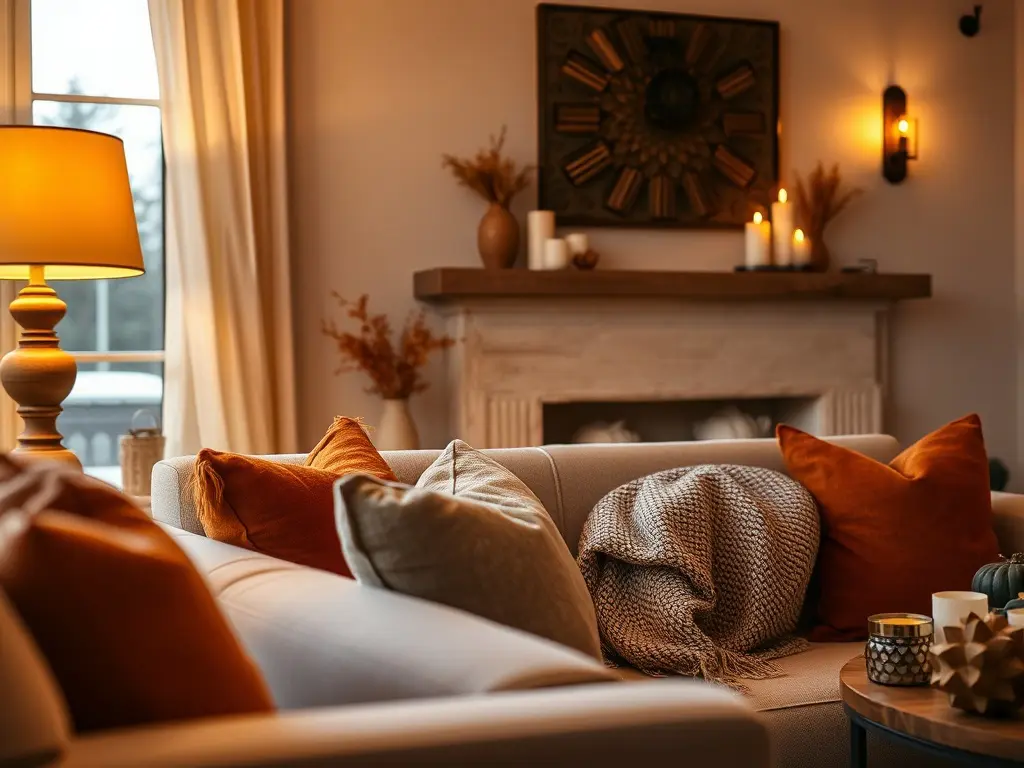
Lighting dramatically affects how we experience a space, making it crucial when transitioning your home from summer to fall. As natural daylight hours decrease, thoughtful indoor lighting becomes even more important. The goal is creating that warm, inviting glow that makes fall evenings feel so special.
Last autumn, I switched all my living room bulbs from cool white to warm white, and the difference was remarkable. The room instantly felt cozier without changing anything else. This simple swap costs little but transforms the entire atmosphere of your home. Aim for bulbs in the 2700-3000K range for that perfect golden glow.
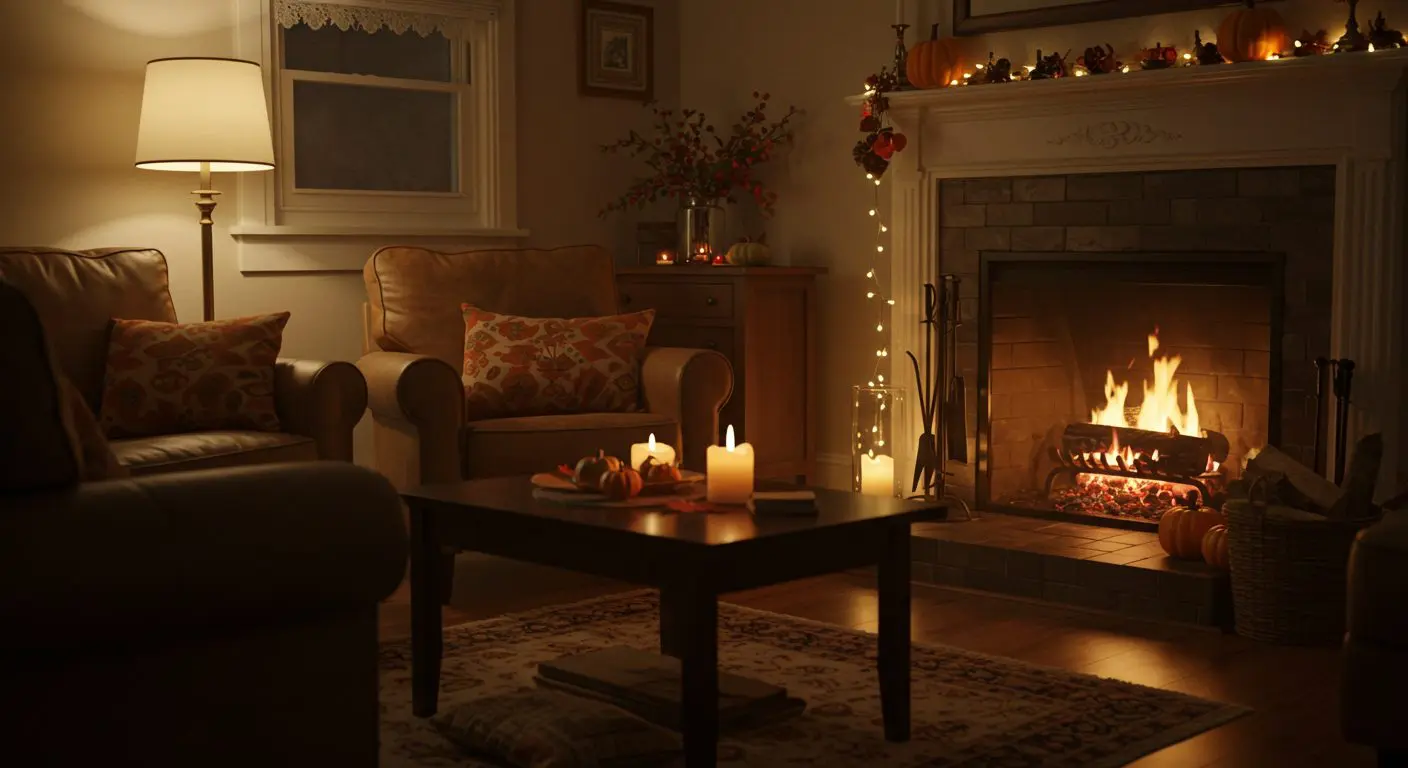
Table lamps and floor lamps become your best friends during fall and winter. They create pools of warm light that invite conversation and relaxation in a way overhead lighting simply can’t. Place them in reading nooks, beside sofas, and on side tables to create inviting corners throughout your home. Making spaces feel cozy is all about creating these intimate lighting zones.
Candles are perhaps the ultimate fall lighting accessory. Their flickering flames add movement and warmth to any space. If you’re worried about safety, battery-operated candles have become remarkably realistic in recent years—many even have moving “flames” and timers for convenience.
Switch up your lighting like this:
- Group pillar candles of varying heights on a wooden tray
- Hang delicate string lights across mantels or bookshelves
- Place small accent lamps on kitchen counters or bathroom vanities
- Use lanterns with LED candles on porches or patios for extended outdoor time
- Add plug-in wall sconces to dark corners without wiring
5. Refresh Seasonal Scents
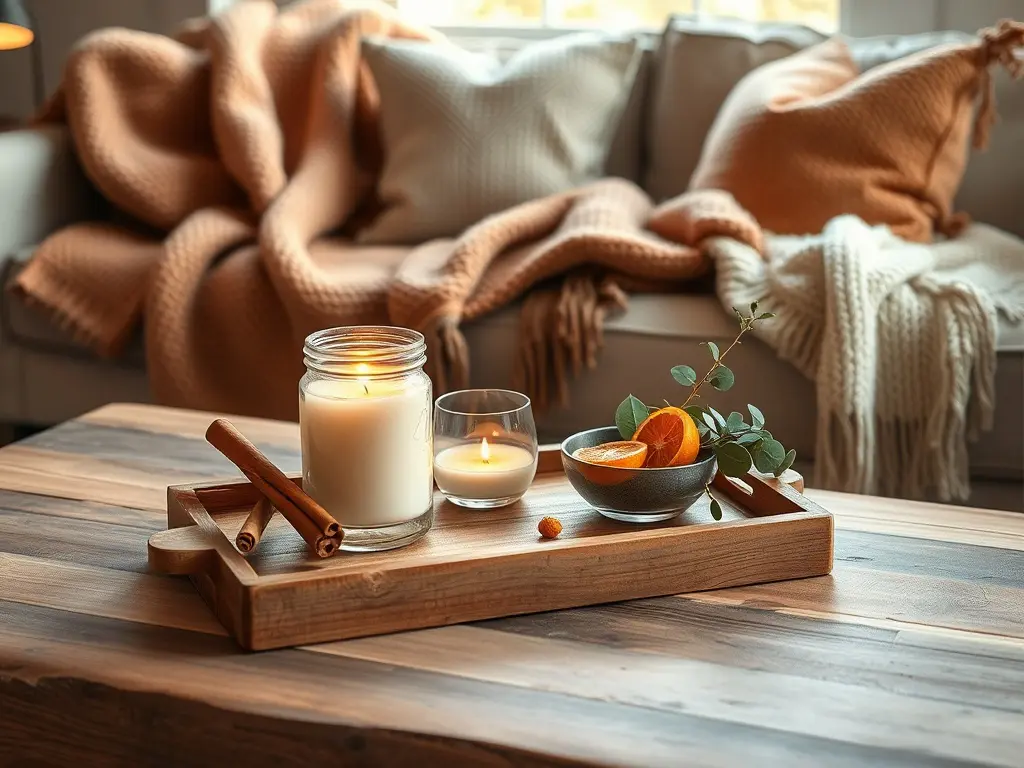
Our sense of smell is powerfully connected to memory and emotion, making scent one of the quickest ways for transitioning your home from summer to fall. While summer scents tend toward fresh, light fragrances, autumn calls for warmer, spicier notes that evoke comfort and coziness.
Candles are the classic choice for seasonal scent transitions, and for good reason. They combine atmospheric lighting with targeted fragrance. Look for scents featuring cinnamon, clove, vanilla, amber, or pumpkin notes—or better yet, combinations of these classics. The warm glow paired with fall fragrances creates an instant seasonal shift.
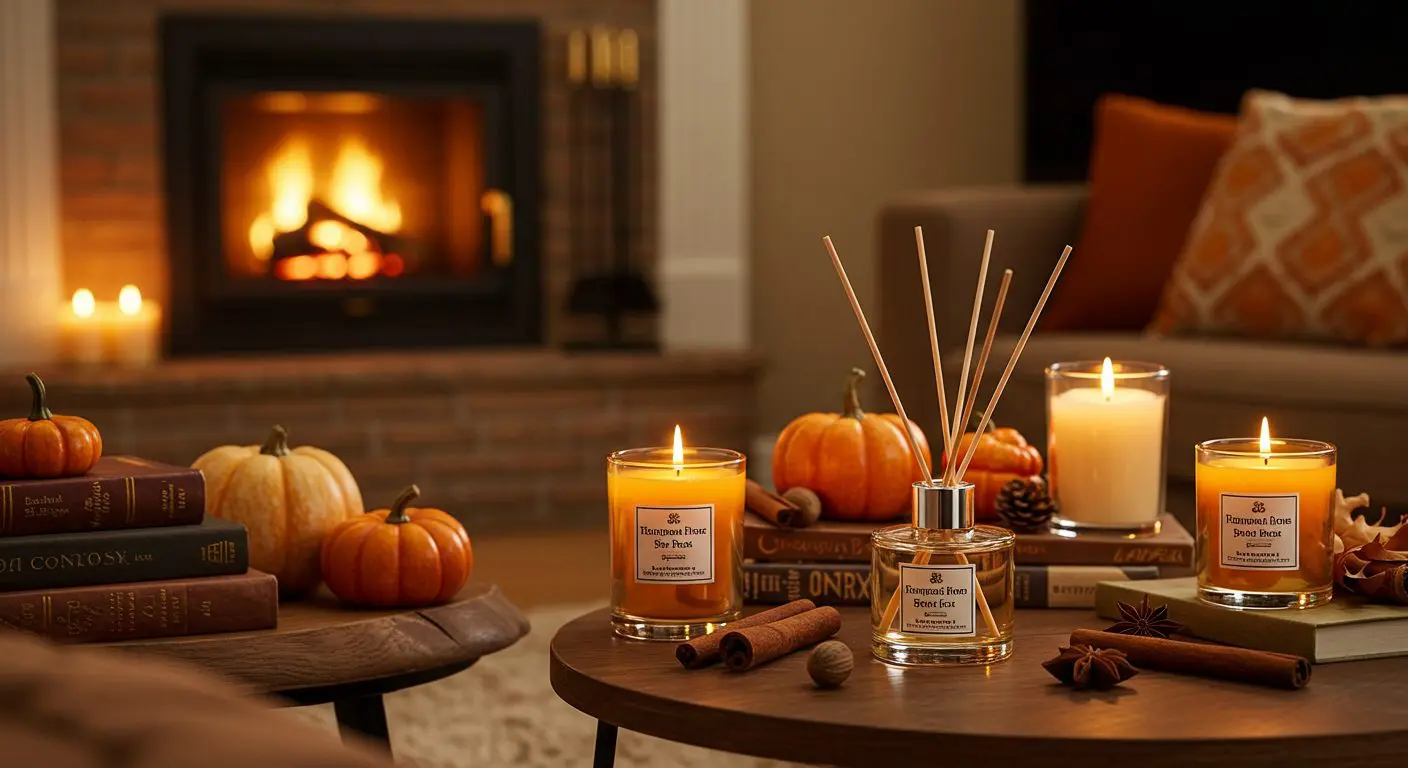
Don’t underestimate the power of a stovetop potpourri for transitioning your home from summer to fall. My go-to recipe couldn’t be simpler: water, orange slices, cinnamon sticks, star anise, and a splash of vanilla extract. Simmered on low heat, it fills the house with an authentic fall fragrance that no candle can quite match. Plus, it adds humidity to increasingly dry indoor air.
For a subtler approach, reed diffusers or essential oil diffusers work beautifully. Cedar, fir, and sandalwood oils create a woodsy atmosphere, while bergamot and orange add brightness to deeper fall scents. Affordable home fragrances can be found at many budget retailers without sacrificing quality.
Try these cozy scent swaps:
- Use coffee bean candles for a rich, grounding scent
- Place cinnamon brooms or bundles near entryways
- Tuck scented sachets into drawers with fall clothing
- Simmer apple cider with cinnamon sticks when guests visit
- Bake something seasonal—the authentic smell of pumpkin bread or apple crisp can’t be beaten
What to Store vs. What to Keep
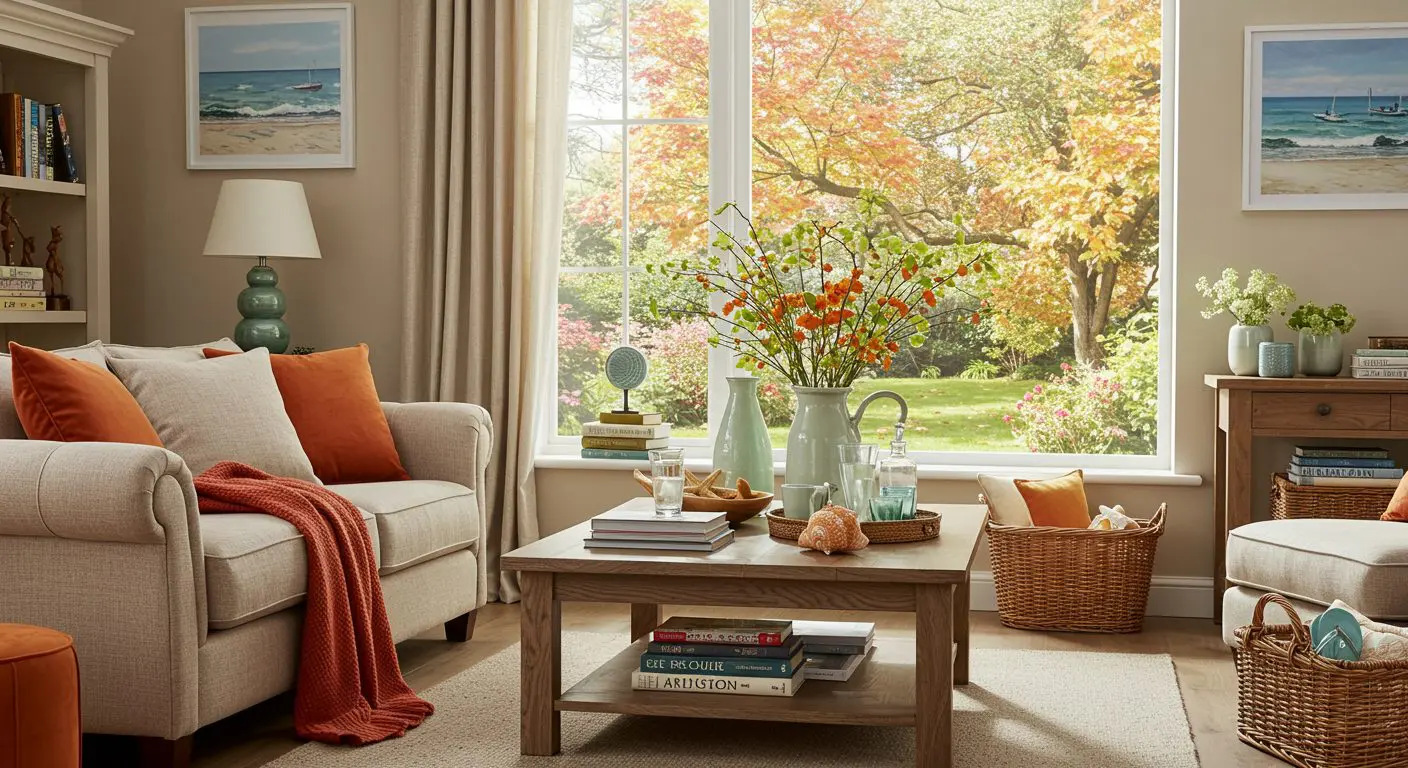
Transitioning your home from summer to fall doesn’t mean packing away everything summery. Instead, think of it as a gradual shift where some elements remain while others hibernate until next year. This evolutionary approach feels more natural and requires less drastic change.
Some summer items clash with fall’s cozy aesthetic and should be stored. Bright tropical prints, seashell collections, and intensely beachy themes can feel jarring against autumn’s more subdued palette. Pack these statement pieces carefully for next year, focusing on items that feel specifically summer-oriented.

Other summer elements can stay with slight adjustments. A blue and white color scheme, for instance, transitions beautifully to fall with the addition of rust or amber accents. Glass vases that held summer blooms can be repurposed for dried botanicals or branches. This thoughtful curation saves you storage space while maintaining consistency in your home.
| Store Away | Bring In |
|---|---|
| Palm or tropical print pillows | Plaid, tweed, or cable knit pillows |
| Seashells and beach finds | Pinecones, acorns, and small pumpkins |
| Bright floral arrangements | Wheat stalks, dried hydrangeas, branches |
| Lightweight cotton throws | Wool, faux fur, or chunky knit blankets |
| Citrus or ocean scented items | Spiced apple, pumpkin, or woody fragrances |
The transition should feel logical and gradual. As temperatures drop slowly, your decor can shift at a similar pace. This approach makes transitioning your home from summer to fall feel less like a project and more like a natural evolution—which is exactly what the seasons themselves do.
Making Fall Feel Like Home
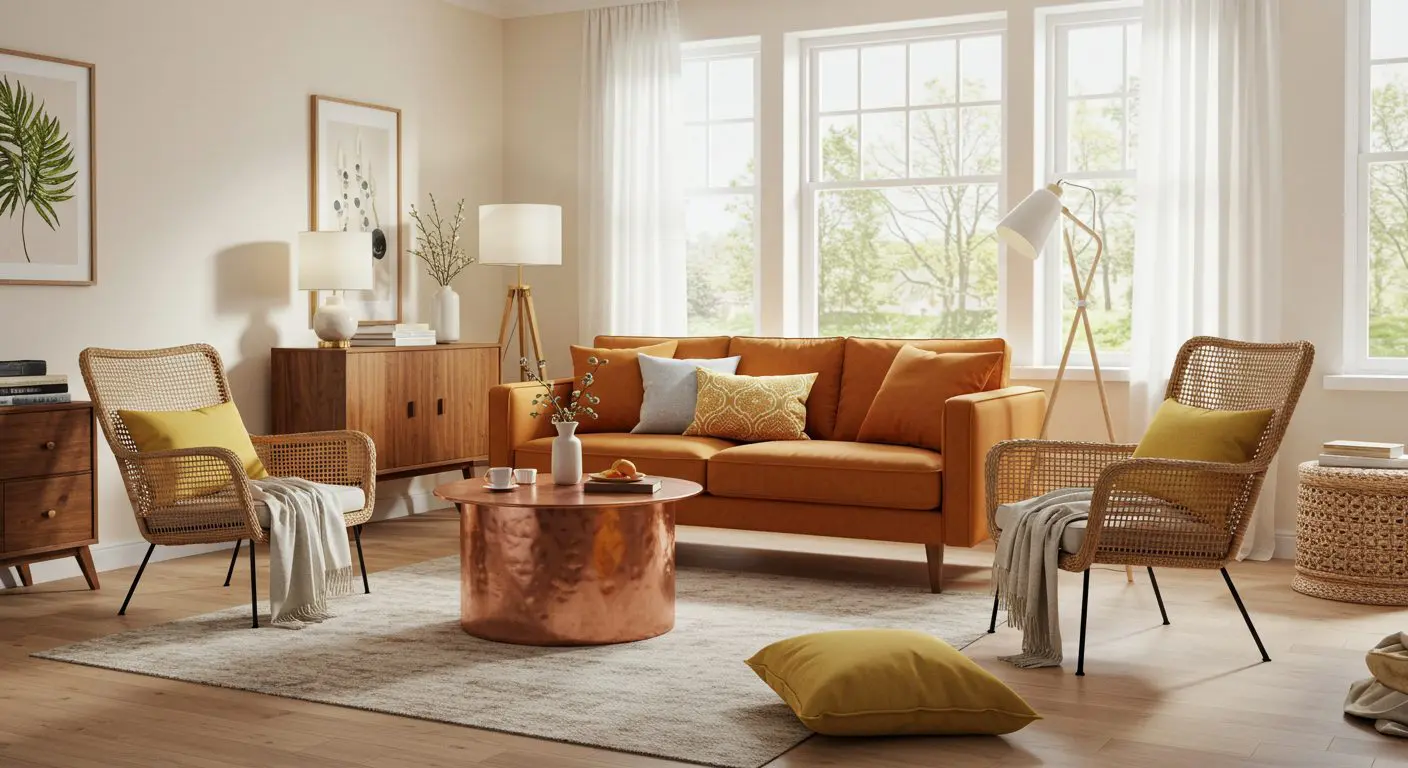
Transitioning your home from summer to fall creates a sanctuary that reflects the world outside your windows. These five approaches—updating textiles, warming your color palette, incorporating natural elements, adjusting your lighting, and refreshing your home’s scent—work together to transform your space without major investment or effort.
The beauty of seasonal transitions is their temporary nature. Unlike permanent renovations, these changes can be as bold or subtle as you prefer, knowing you’ll shift again when winter approaches. This freedom allows for creativity and experimentation in ways that permanent changes don’t.
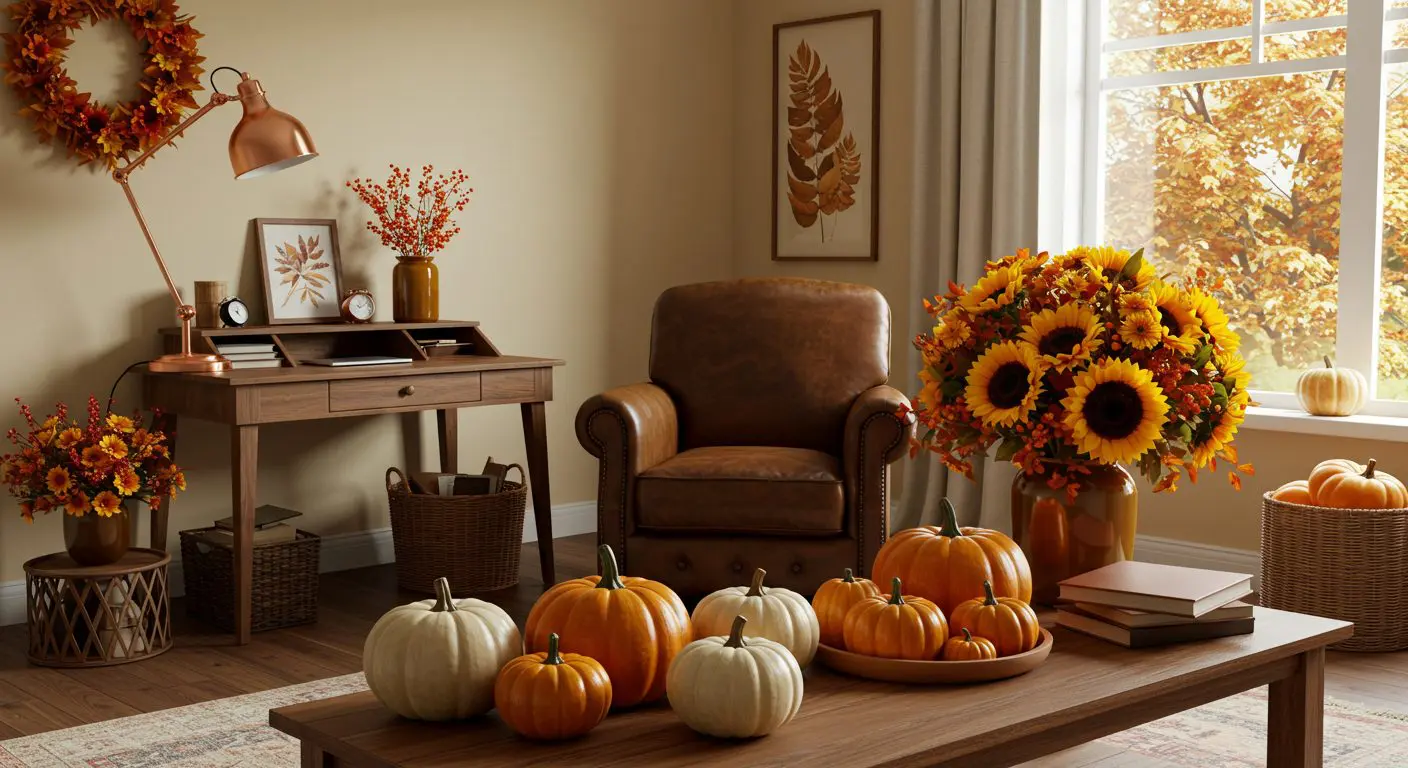
Remember that the most meaningful seasonal transitions reflect your personal connection to autumn. Perhaps it’s recreating the feeling of your grandmother’s kitchen through cinnamon scents, or capturing the color of your favorite hiking trail through textile choices. These personal touches make your fall home uniquely yours.
Start small, perhaps with just one room or even a corner, and let the transition spread naturally through your space. A single chunky throw blanket, amber-toned candle, or bowl of pinecones can be the starting point. From there, let your fall transformation unfold at its own perfect pace—just like the season itself.