This post may contains affiliate links. Read our full disclosure here.
Picture this: a bottle of wine isn’t just a drink—it’s a living story shaped by invisible forces. Every sip whispers secrets of its journey, from vineyard to cellar to glass. But what if the real protagonist in this tale isn’t the grape, but the dance of numbers on a thermometer?
Take Bonterra’s Sauvignon Blanc, which sings at 45-48°F, versus their bold Cabernet that thrives near 65°F. These aren’t random digits—they’re cheat codes for unlocking flavor symphonies. Behind the scenes, chemical reactions accelerate like TikTok trends, doubling in speed with every 10°C jump. Too warm? You’re basically aging that bottle at 2x speed. Too cold? You’ve pressed pause on its evolution.
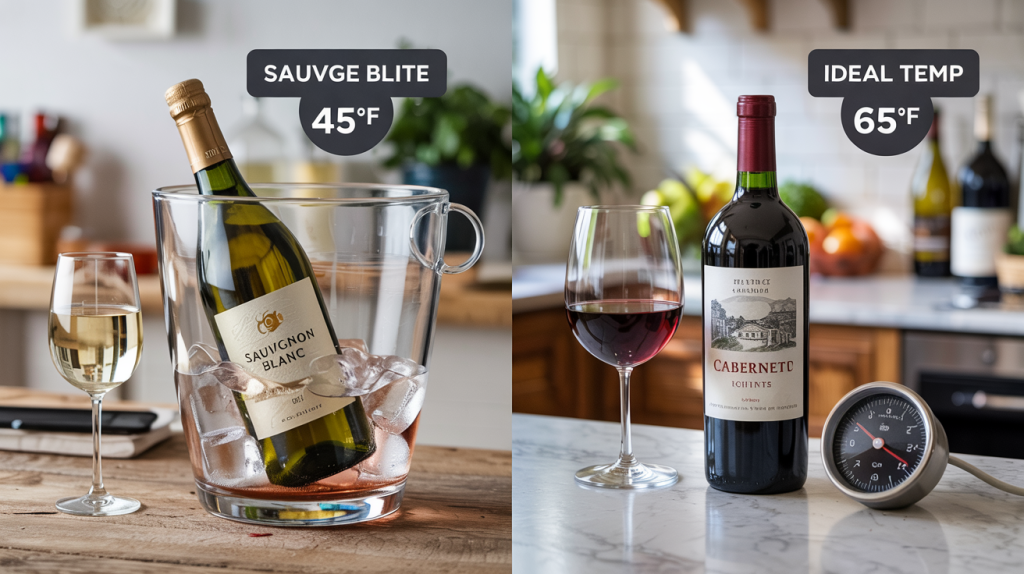
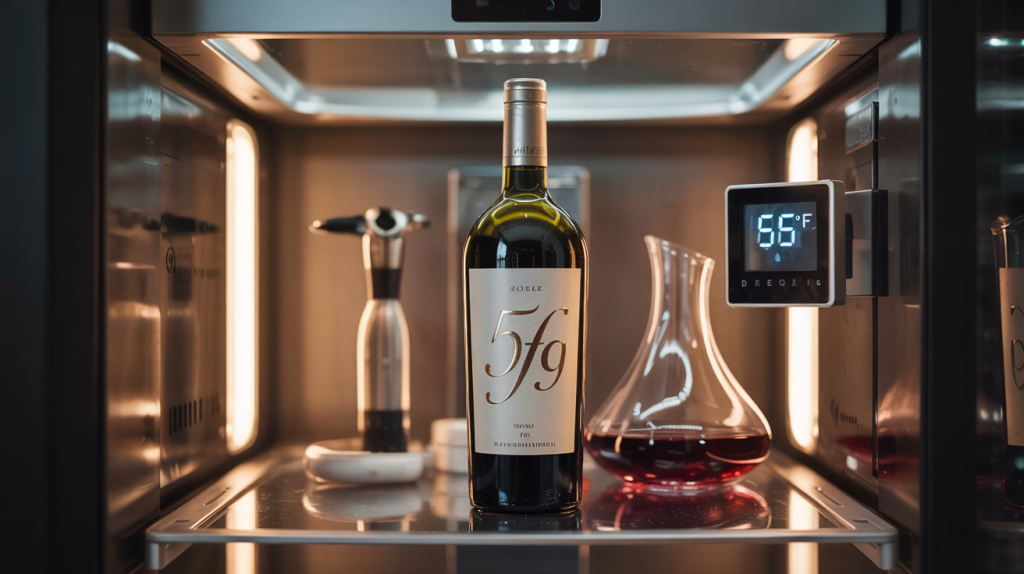
Modern storage isn’t about dusty cellars anymore. Urban oenophiles are hacking their fridges with smart sensors, chasing that magic 55°F sweet spot. Because when heat creeps in, corks expand like subway crowds at rush hour—letting oxygen crash the party.
Want to geek out properly? Bonterra’s detailed guide reveals why your Merlot needs different TLC than your Rosé. It’s not pampering—it’s chemistry in designer clothes.
Understanding Wine Temperature and Its Influence
Think of your favorite playlist—the way tempo shifts can turn a ballad into a banger. Now imagine your wine as the DJ. Every degree on the thermometer remixes its flavor profile, rewriting the rules of your tasting experience.
Defining Temperature Impacts on Wine
Cold locks flavors in a freezer embrace. Serve a crisp white too chilled, and its citrus zing flatlines. Let it warm slightly? Suddenly, honeydew and lime blossom crash the party. Bonterra’s Chardonnay, for example, unveils pear and pineapple notes at 50-52°F—a sweet spot where chemistry meets artistry.
Heat acts like a hyperactive sous-chef. Reds served too warm taste boozy, their tannins turned up to 11. But nudge that temperature down, and velvet textures emerge. It’s not magic—it’s reaction kinetics. Oxygen slips through cork pores faster when things heat up, aging your bottle at warp speed.
Cultural and Historical Perspectives on Wine Temperature
Ancient Romans buried amphorae in cool earth. Medieval monks built stone cellars that hugged 55°F like a secret. Today? Urban sommeliers geek out over temperature-controlled storage units smaller than a Peloton bike.
Your grandma’s “room temp” red was likely served at 68°F—warmer than modern ideals. Why the shift? Science caught up with tradition. We now know stable conditions prevent reactions from going rogue, keeping that $80 Cabernet from tasting like raisin soup.
How Temperature Fluctuations Affect Wine Development
Imagine your favorite vinyl record warping under summer sunbeams—that’s what happens to wine when thermal shifts hijack its maturation. Every 10°C spike doubles molecular activity like a TikTok dance challenge gone viral, rewriting the bottle’s flavor script overnight.
Molecular Mayhem in the Bottle
Heat acts like an overeager bartender shaking cocktails too hard. Bonterra’s Chardonnay stored at 60°F develops caramelized apple notes within months—a transformation meant to take years. Cool it to 50°F? The process slows, preserving crisp green apple vibes.
Oxygen infiltrates 37% faster through expanded cork pores when temps rise, according to UC Davis research. This forced aging turns delicate floral aromas into raisin-like shadows of their former selves.
Aroma Alchemy Under Thermal Stress
Temperature swings don’t just speed things up—they change the game. Bonterra’s Rosé reveals:
| Condition | Flavor Profile | Alcohol Perception |
|---|---|---|
| 55°F (Stable) | Strawberry, Meyer lemon | Balanced |
| 68°F (Fluctuating) | Stewed fruit, Wet stone | Harsh finish |
| 45°F (Chilled) | Subtle melon, Mineral edge | Muted |
Modern bottle designs fight back—thick glass insulates like noise-canceling headphones against thermal noise. But even tech can’t fully silence chemical reactions that turn tropical notes into flat syrup when balance gets disrupted.
Timing is everything. A three-day heatwave during a Cabernet’s final aging phase can amplify tannins into sandpaper textures. Yet strategic warming during fermentation? That’s how Bonterra’s Syrah develops its signature black pepper kick.
The Science Behind Temperature and Wine Aging
Crack open a chemistry textbook, and you’ll find wine’s secret language written in thermal equations. Heat acts like a hyperactive lab partner, shaking reactions into overdrive. Chill? It slams the brakes on molecular mingling. The magic happens at 52°F—the sweet spot where compounds tango without trampling each other’s toes.
Effects of Elevated Temperatures
Turn up the heat, and aging accelerates like a Netflix binge. Oxygen infiltrates 40% faster through expanded cork pores, according to UC Davis research. Bonterra’s experiments show Cabernets stored at 68°F develop raisin notes within months—a transformation meant for decades. “It’s like fast-forwarding through your favorite film’s climax,” quips a Napa Valley enologist.
Consequences of Lower Temperatures
Cold storage isn’t a pause button—it’s a remix. At 45°F, chemical reactions slow to a glacial waltz. Tartrates crystallize, creating sediment that alters texture. Yet this chill preserves citrus bursts in whites like suspended animation. Medieval monks exploited this, burying amphorae in frost-kissed earth to stretch wine evolution across generations.
Modern cellars mirror ancient wisdom with techy twists. Smart sensors now guard against thermal mood swings better than stone walls ever could. Because whether you’re aging a $200 Bordeaux or Trader Joe’s Two-Buck Chuck, stability remains the unsung hero of every bottle’s journey.
Practical Tips for Optimal Wine Storage and Serving
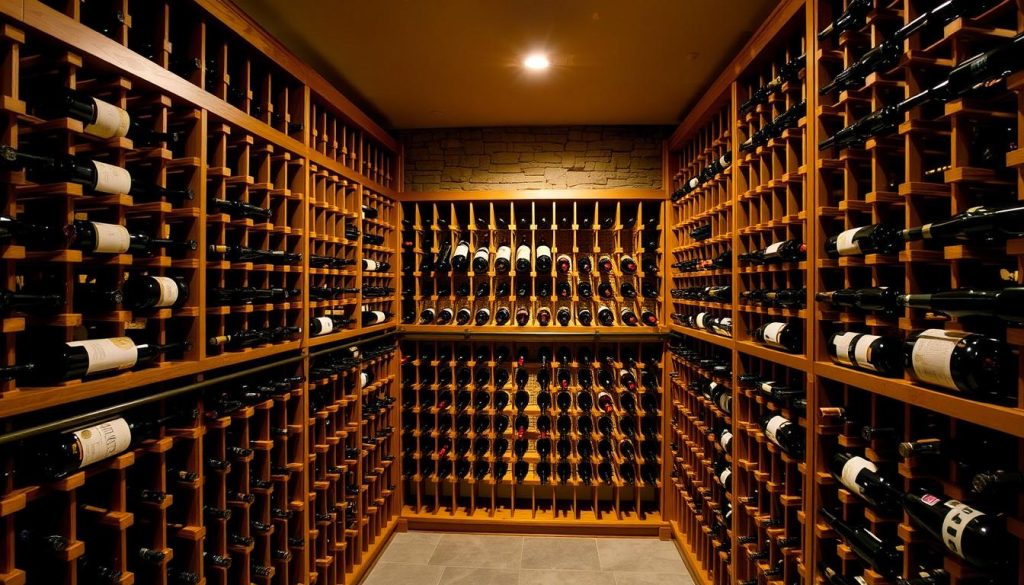
Your wine collection deserves better than your gym locker treatment. Like a skincare routine for vintage Chanel bags, proper storage combines science with daily discipline. The magic number? 55°F—the VIP lounge where bottles age gracefully without rushing their glow-up.
Cellar Hacks for Modern Spaces
Skip the medieval dungeon aesthetic. Today’s storage solutions blend Instagram-worthy design with climate-control tech. Keep bottles horizontal—it’s not just posh posing. This position keeps corks moist, blocking oxygen’s unwanted DM requests to your Cabernet.
| Storage Hack | Benefit | Pro Tip |
|---|---|---|
| Wine Cooler | Stable 55°F | Go dual-zone for red/white separation |
| Humidity Tray | 70% moisture | Add distilled water weekly |
| UV Film | Blocks light damage | Apply to glass cabinet doors |
Serve Like a Sommelier-TikTok Hybrid
White wines aren’t freezer pops. Pull Sauvignon Blanc from the fridge 10 minutes early—let its citrus notes thaw into full HD. For reds? Think of decanters as flavor amplifiers. “A 60-minute breather transforms basic Merlot into liquid velvet,” admits a Brooklyn wine bar owner.
Outdoor soirées demand ice-bucket science. Use a 3:1 ice-to-water ratio—it chills faster than Spotify’s Daily Mix updates. Avoid thermal shock: never plunge room-temp bottles into arctic conditions. Your wine didn’t sign up for polar bear plunges.
Remember: Consistency is the ultimate flex. Whether you’re storing a $200 Bordeaux or Trader Joe’s finest, stable storage conditions outshine any quick-fix gadget. Your future self will toast to these choices—preferably with perfectly tempered Champagne.
Seasonal Strategies and Equipment for Temperature Control
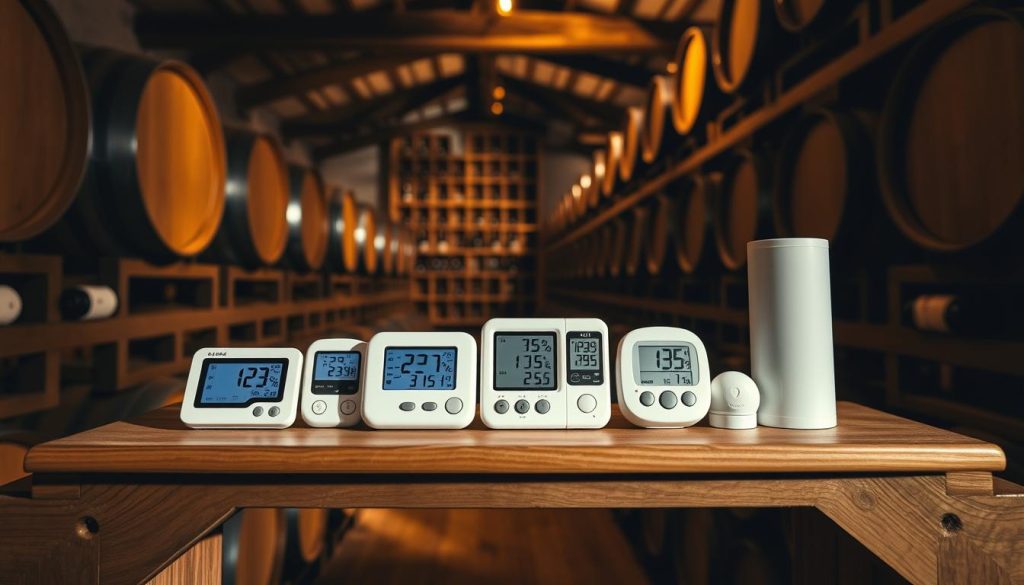
Your smartphone tracks sleep and steps—why not your wine’s vitals? Urban sommeliers now wield gadgets smarter than their espresso machines. Precision tools have replaced guesswork, turning basement corners into climate-controlled sanctuaries.
Digital Guardians of the Grape
SensorPush trackers cling to cellar walls like high-tech barnacles, streaming data to your phone. These $99 marvels detect shifts faster than a sommelier sniffs cork taint. For serious collectors, Vint’s smart control systems auto-adjust settings when outdoor temperatures swing—like a thermostat with a PhD in oenology.
Weather-Proofing Your Collection
Summer demands insulated coolers that laugh at heatwaves. Winter? Try dual-pane cellar doors thicker than a Brooklyn loft’s windows. The real MVP: humidity trays that combat low humidity while you binge Netflix.
| Season | Gear | Pro Move |
|---|---|---|
| Summer | Thermoelectric cooler | Block midday sun with UV film |
| Winter | Insulated cabinet | Add thermal curtains |
| Spring | Dehumidifier | Monitor via app alerts |
| Fall | Warming tray | Pre-chill decanters |
Bonterra’s trials prove the stakes: a 5°F spike in storage accelerates aging by 18 months. Yet their $400 EuroCave unit keeps bottles steadier than a Zen monk. Whether you’re hoarding Barolo or boxed rosé, smart tools turn climate chaos into controlled curation.
Conclusion
Wine care isn’t precious pampering—it’s climate science in a cocktail dress. Every degree shift remixes a bottle’s narrative, accelerating aging like a TikTok trend or preserving flavors in suspended animation. From molecular dances in the bottle to smart sensors guarding modern cellars, the journey from vine to glass hinges on thermal precision.
Urban oenophiles now wield data-driven tools rivaling lab equipment, yet ancient stone cellars still whisper wisdom. Whether battling summer heatwaves with UV-filtered cabinets or winter chills with insulated storage, the goal remains: stabilize the environment where chemical reactions choreograph complexity.
The magic happens at intersections—where Bluetooth hygrometers meet grandma’s cellar hacks, where $400 cooling units coexist with humidity trays. Experimentation unlocks hidden notes: try serving that Pinot Noir three degrees cooler, or let your Chardonnay breathe an extra seven minutes.
Next time you pour, remember—you’re not just drinking fermented grapes. You’re tasting centuries of thermal alchemy, served at the exact balance where science meets soul. Ready to play mad scientist with your collection? The result might just rewrite your wine story.
FAQ
Can small temperature swings actually improve wine quality?
Why do somm teams obsess over serving temps for different wines?
Does humidity matter as much as temperature for storage?
Can I repurpose a regular fridge for long-term wine storage?
How do seasonal shifts wreck my home wine setup?
Does heat permanently damage unopened bottles?