This post may contains affiliate links. Read our full disclosure here.
Tariffs, supply chain messes, climate change… oh my! The wine world in 2025 isn’t for the faint of heart, friends. My favorite Bordeaux took three months to arrive last week, and the price tag made me wince more than that cork that crumbled into my glass last Christmas. But here’s the thing – even with all this chaos, I’ve discovered some incredible bottles I might’ve never tried otherwise.

This weird wine landscape has pushed me to explore local vineyards, embrace sustainability, and get smarter about my spending. Yes, that European bottle might cost more now (thanks, lingering tariffs), but I’ve found that wine from Argentina hits just right on Taco Tuesday for half the price. Let me walk you through what’s really happening with wine right now, and how we can navigate it without sacrificing our weekend wind-down ritual!
Politics in My Pinot? Tariffs & Trade Drama
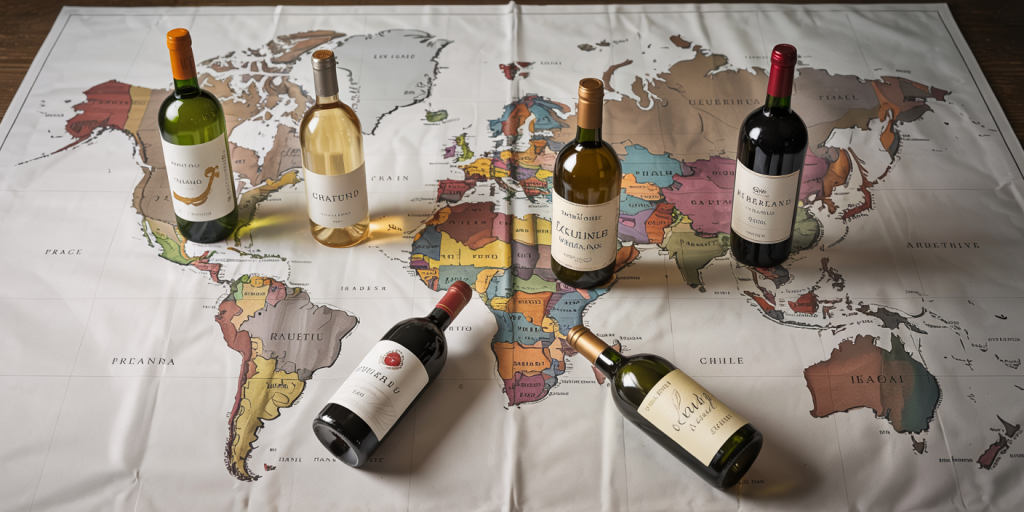
Remember when politics was the thing we avoided talking about at dinner? Well, now it’s directly affecting what’s in our dinner glasses. The U.S.-EU wine trade drama that started with the whole Airbus-Boeing dispute still hasn’t completely resolved in 2025. Those pesky tariffs on certain European wines (especially French and Spanish bottles) have stuck around like that one friend who doesn’t get the hint when the party’s over.
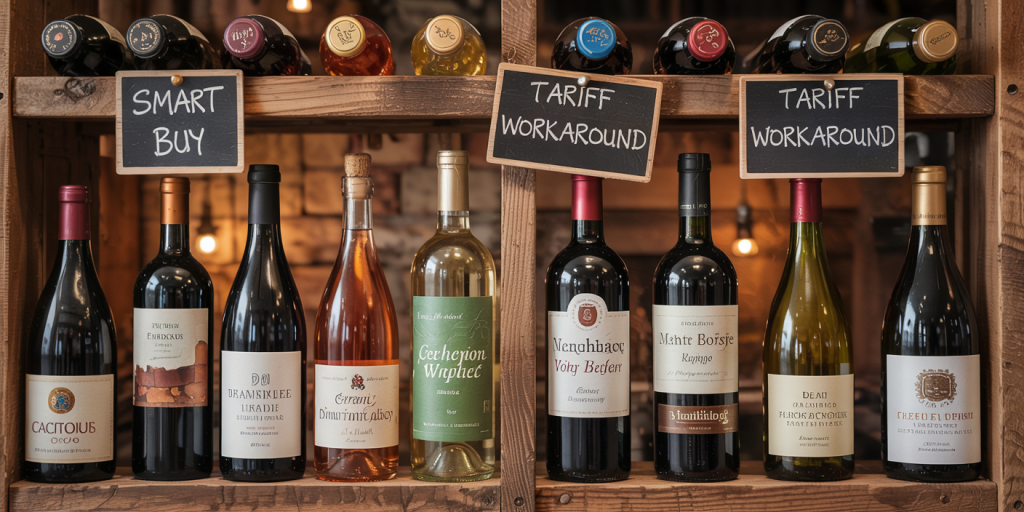
Last month, I went to grab my favorite Rioja and nearly dropped the bottle when I saw the price – up almost 20% from last year! The store owner just shrugged and said, “Tariffs, honey.” But here’s my silver lining discovery: wines from Argentina, Chile, and New Zealand have remained relatively stable in price. My latest obsession is this killer Malbec that drinks like a $40 bottle but costs just $22.’
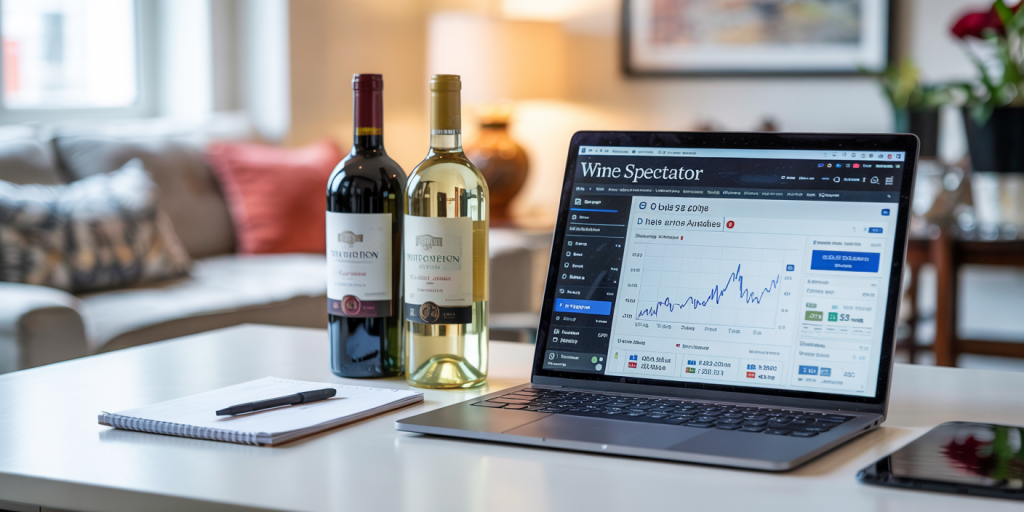
For those of us who can’t live without our European fixes, there are workarounds. Some importers have absorbed partial costs to keep customers loyal, and smaller EU producers have gotten creative with pricing to stay competitive. If you want to stay on top of which wines might suddenly jump in price, Wine Spectator’s updates have become my go-to resource for real-time tariff shifts. I’ve also found some smart money-saving strategies that work perfectly for wine shopping during these weird times.
Sorry, We’re Out of Stock (Again)
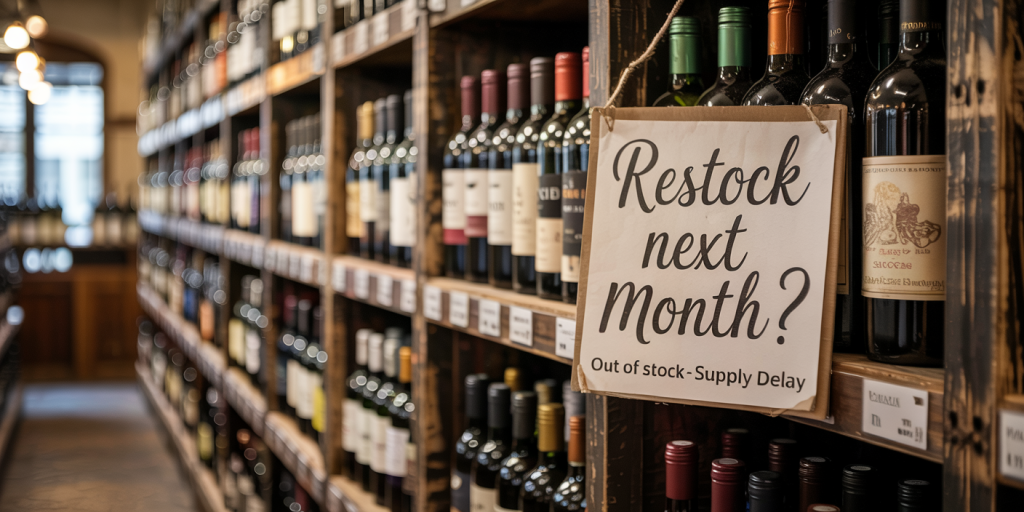
Remember when you could just pop into your local wine shop and grab whatever you wanted? Those days feel like ancient history now. I tried to restock my favorite rosé three times this spring, only to find empty shelves and a sad-looking store clerk telling me, “Maybe next month?” The supply chain struggles are real in 2025, people.
Climate change has thrown a major wrench into wine production worldwide. France had that devastating early frost in 2024 that wiped out nearly 30% of some regions’ harvests. California’s dealing with another drought year. Add in the port backups (especially on the West Coast), and you’ve got a recipe for seriously sporadic inventory.
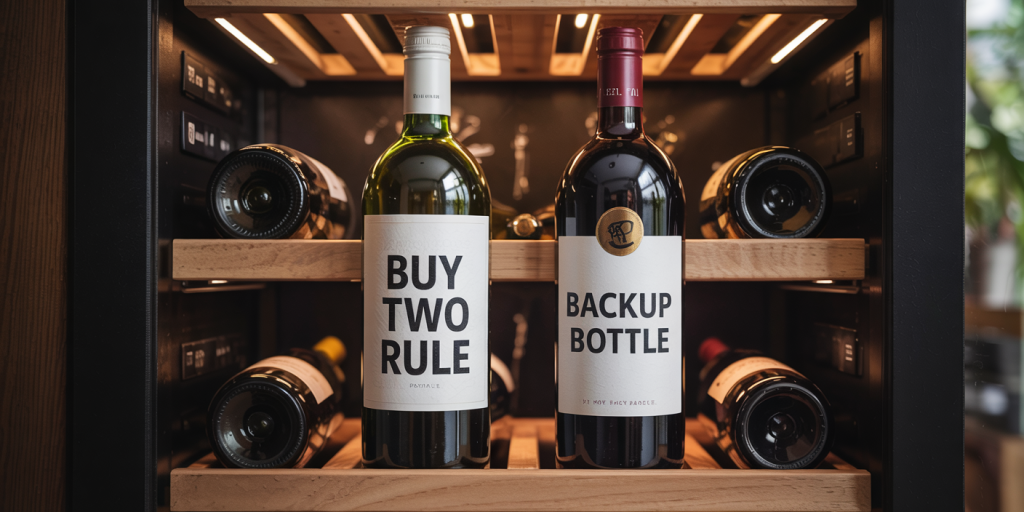
My new rule? If I love a bottle, I buy at least two. Wine FOMO is a legitimate condition in 2025, and I’ve been burned too many times thinking, “I’ll just pick up more next week.” There’s no “next week” in the wine world anymore – if you see it, snag it! This approach has saved me countless disappointed Friday nights.
The one upside to all this madness is that wineries are getting smarter about packaging. Those heavy, prestigious bottles are giving way to lighter options that cut shipping emissions (and costs!). My favorite Sonoma Chardonnay now comes in a bottle that’s 25% lighter than their 2023 version, and honestly? The wine tastes just as good, and I feel less guilty about my carbon footprint. Win-win!
The Price Tag Pain (And How to Deal)
““When tariffs and climate chaos swirl, they pour out unexpected gems, local vineyards, and a toast to sustainable sipping.””
Let’s talk about those price increases, shall we? According to the Wine Market Council 2025 Report, average bottle prices have crept up about 4% this year alone. That might not sound like much until you realize it’s on top of the 5% increase from 2024, and the 6% from 2023. My wine budget is feeling seriously stretched these days.
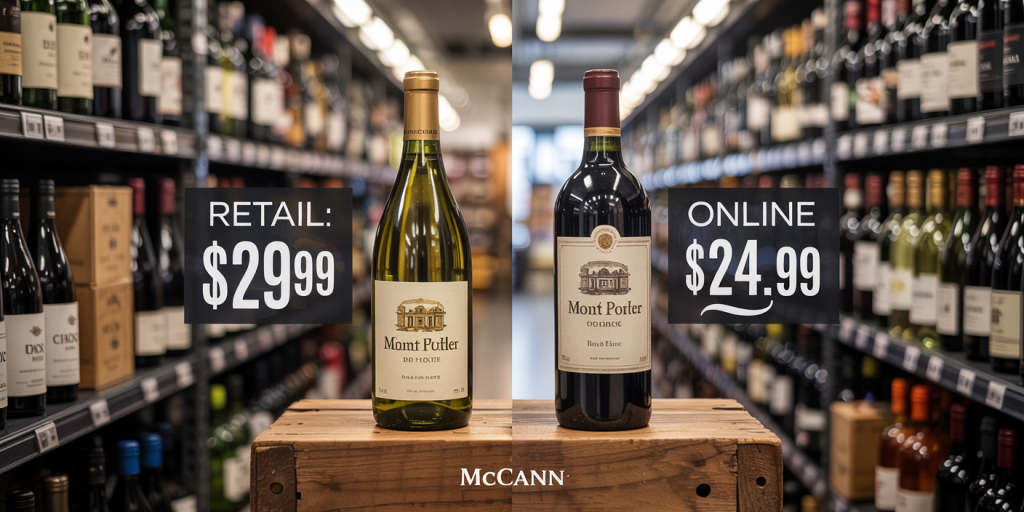
But I refuse to compromise on quality, which means I’ve had to get creative. Direct-to-consumer sales have become my secret weapon. Buying straight from winery websites often means skipping those retail markups. Last month, I ordered a case directly from a small Oregon producer and saved almost $8 per bottle compared to my local shop. That’s almost a full bottle’s worth of savings on a case!
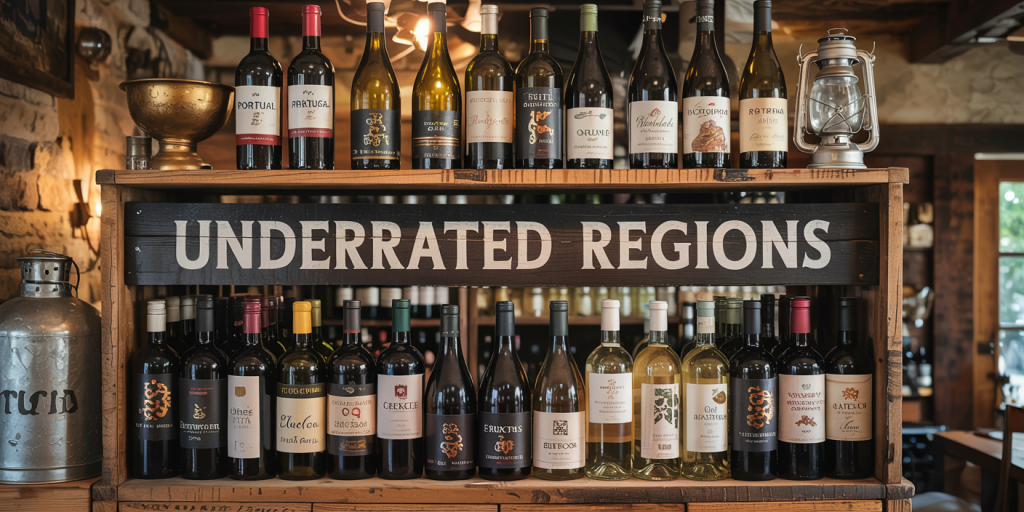
Another hack I’ve discovered is exploring lesser-known wine regions. While everyone’s fighting over the last reasonably priced bottles from Napa or Burgundy, I’ve been quietly falling in love with wines from Portugal’s Douro Valley, Greece, and even emerging regions in Eastern Europe. These “off-the-grid” picks often deliver amazing value compared to their more famous counterparts.
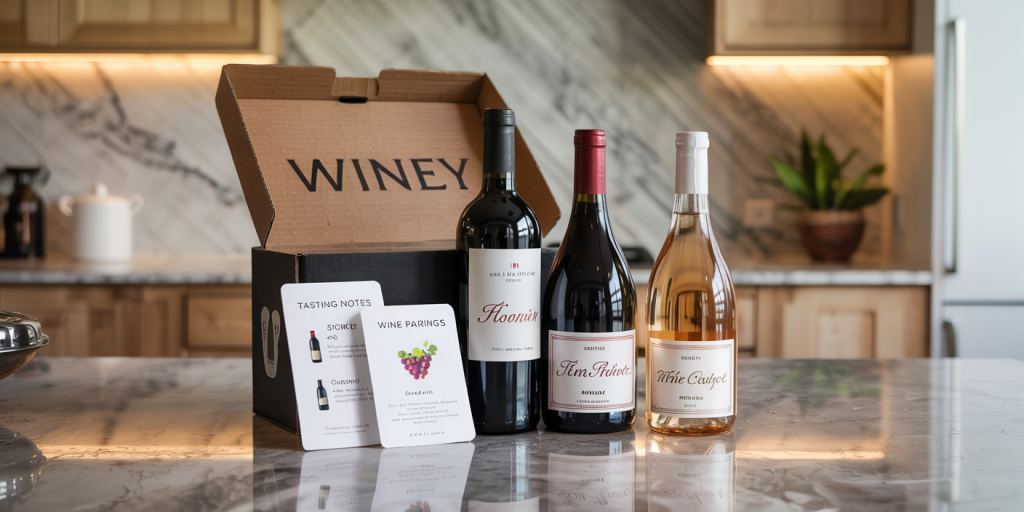
Wine subscription boxes can also be clutch for deals – if you choose wisely. The key is finding ones that actually offer value rather than just convenience. I subscribe to a service that focuses on small-production wines, and they regularly send me bottles that would cost 20-30% more at retail. Just watch out for subscription services that pad their boxes with filler bottles you’d never choose yourself.

Local Vino is Having a Moment
The biggest silver lining to all this international wine drama? Our local vineyards are absolutely killing it right now. With imported wines either unavailable or priced into the stratosphere, I’ve started exploring wineries within driving distance of my home – and honestly, I’m kicking myself for not doing this years ago.
U.S. winemakers are getting super creative with hybrid grapes that can handle our increasingly extreme weather patterns. Last weekend, I tried this fascinating red blend from a Sonoma Valley winery that uses drought-resistant varieties. Not only did it taste amazing, but the winemaker told me these grapes need about 30% less water than traditional varieties – pretty impressive during California’s ongoing drought situation.
Sustainability has become a major selling point too. Look for organic, biodynamic, or carbon-neutral certifications when you’re shopping. These wines might cost a few dollars more, but many people (myself included) are willing to pay a premium for environmentally responsible practices. Plus, many sustainable wines have this incredible purity of flavor that’s hard to beat.
The most Instagram-worthy trend I’ve spotted? Wineries offering “climate-smart” tasting experiences. My boyfriend took me to one for my birthday where they paired wines with a tour of their solar installation, water reclamation system, and insect-friendly vineyards. It was fascinating and made for some content that actually felt meaningful to share. If you’re looking for wine tourism destinations with an eco-conscious twist, these experiences are ideal.
Finding Joy in the Wine Chaos
Yes, the wine world is chaotic right now, but I’ve found that embracing this weird era has led me to some incredible new discoveries. I’m drinking more adventurously than ever before, supporting small producers who truly need the business, and developing a deeper appreciation for what goes into each bottle.
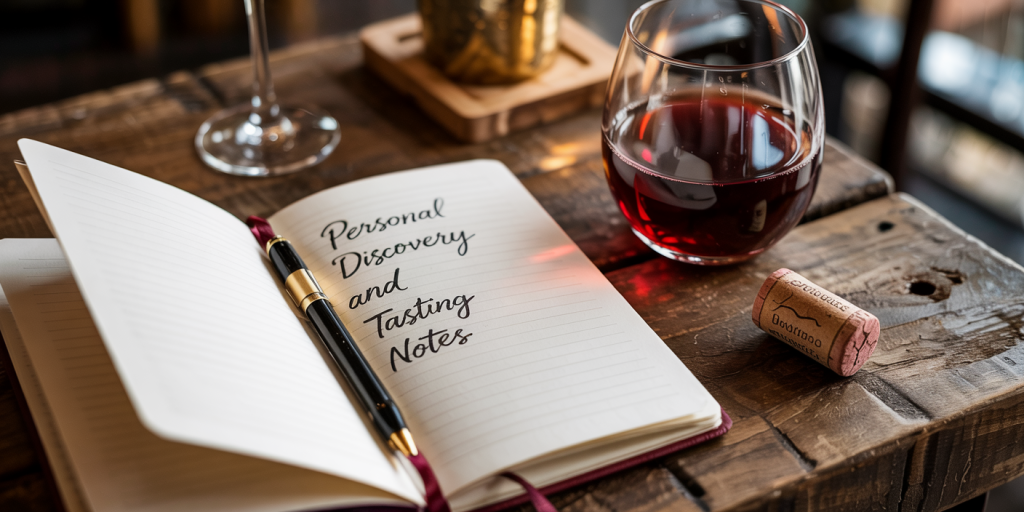
My advice? Stock up on your favorites when you find them (especially for special occasions), but don’t be afraid to experiment. That funky orange wine or unusual grape variety might become your new obsession. I’ve started keeping a wine journal to track my new discoveries, and it’s amazing to look back and see how much my palate has evolved just in the past year.
The current state of wine might include waiting games and price challenges, but it’s also full of opportunities to explore and discover. And isn’t that sense of adventure what wine lovers like us are really after? Here’s to finding joy in the journey – tariffs, supply chain issues, and all. Cheers to navigating the wine world of 2025 with curiosity, flexibility, and a full glass!