This post may contains affiliate links. Read our full disclosure here.
Stone Fruit and Wine Pairings offer one of late summer’s greatest pleasures. As markets overflow with fragrant peaches, plums, and nectarines, now’s the perfect time to discover how these juicy treasures complement your favorite wines. The natural sweetness and bright acidity in stone fruits create a beautiful harmony with various wine styles, making these pairings both accessible and impressive.
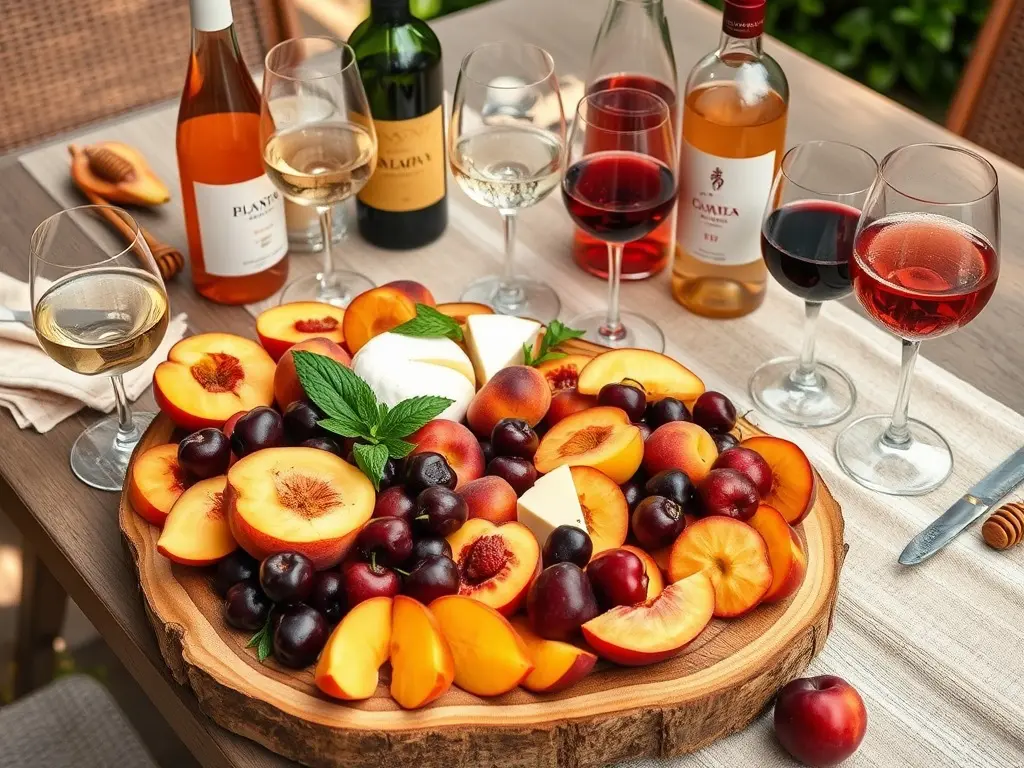
Whether you’re hosting a backyard gathering or simply unwinding after dinner, pairing stone fruits with the right wine transforms an ordinary moment into something memorable. With ripe stone fruits at their peak flavor during these final weeks of summer, let’s explore the delicious world of Stone Fruit and Wine Pairings that will make your taste buds dance.
Why Stone Fruit and Wine Pairings Work So Well

Stone Fruit and Wine Pairings create perfect harmony because of their naturally complementary characteristics. Both share complex flavor profiles that include sweetness, acidity, and aromatic compounds. When paired thoughtfully, these elements enhance each other rather than compete. A slightly tart apricot can bring out hidden fruit notes in a wine, while a glass of rosé can make a juicy peach taste even more vibrant.
The success of these pairings comes down to three fundamental connections:
- Complementary flavor profiles – Stone fruits and wines share similar flavor compounds that amplify each other
- Balanced sweetness and acidity – The natural sugar in the fruit balances the acidity in wine
- Seasonal harmony – Late summer fruits peak just when we’re enjoying leisurely outdoor wine moments
Understanding food and wine pairing fundamentals helps explain why stone fruits work so beautifully with various wines. The fruit’s natural sugars can soften tannins in red wines, while their gentle acidity complements crisp whites. This balance creates pairings that feel sophisticated yet completely natural.
“Stone Fruit and Wine Pairings highlight the natural sweetness of summer while turning a simple snack or dessert into a full sensory experience.”
Peaches and Wine Pairings

Peaches rank among my favorite stone fruits for wine pairing because of their perfect balance of sweetness and juicy texture. The honeyed aroma and delicate flesh of a ripe peach creates a beautiful canvas for wines with complementary characteristics. This versatile fruit works with everything from sparkling to still wines, depending on how you serve it.
For truly memorable peach and wine pairings, consider these options:
- Moscato d’Asti – Its gentle bubbles and honey-floral notes mirror peach flavors
- Viognier – Rich, aromatic white with peachy notes that amplify the fruit
- Unoaked Chardonnay – Clean, crisp profile that contrasts with peach sweetness
- Off-dry Prosecco – Light effervescence that refreshes between juicy bites
When enjoying Moscato d’Asti with fruit desserts, the wine’s natural sweetness creates a seamless transition between sips and bites. The slightly fizzy texture also cleanses your palate, making each taste of peach feel fresh and new.
Recipe: Grilled Peaches with Honey and Mascarpone

This simple recipe transforms fresh peaches into a sophisticated dessert that pairs beautifully with a glass of chilled Moscato d’Asti or Viognier.
Ingredients:
- 4 ripe peaches, halved and pitted
- 2 tbsp honey
- ½ cup mascarpone cheese
- Fresh mint for garnish
Instructions:
- Preheat your grill to medium heat
- Place peaches cut-side down and grill for 3-4 minutes until grill marks appear
- Transfer to serving plates, add a dollop of mascarpone to each half
- Drizzle with honey and garnish with fresh mint
The slight caramelization from grilling intensifies the peach flavors while the creamy mascarpone adds richness that makes the wine sing. This has become my go-to dessert for summer dinner parties!
Plums and Wine Pairings
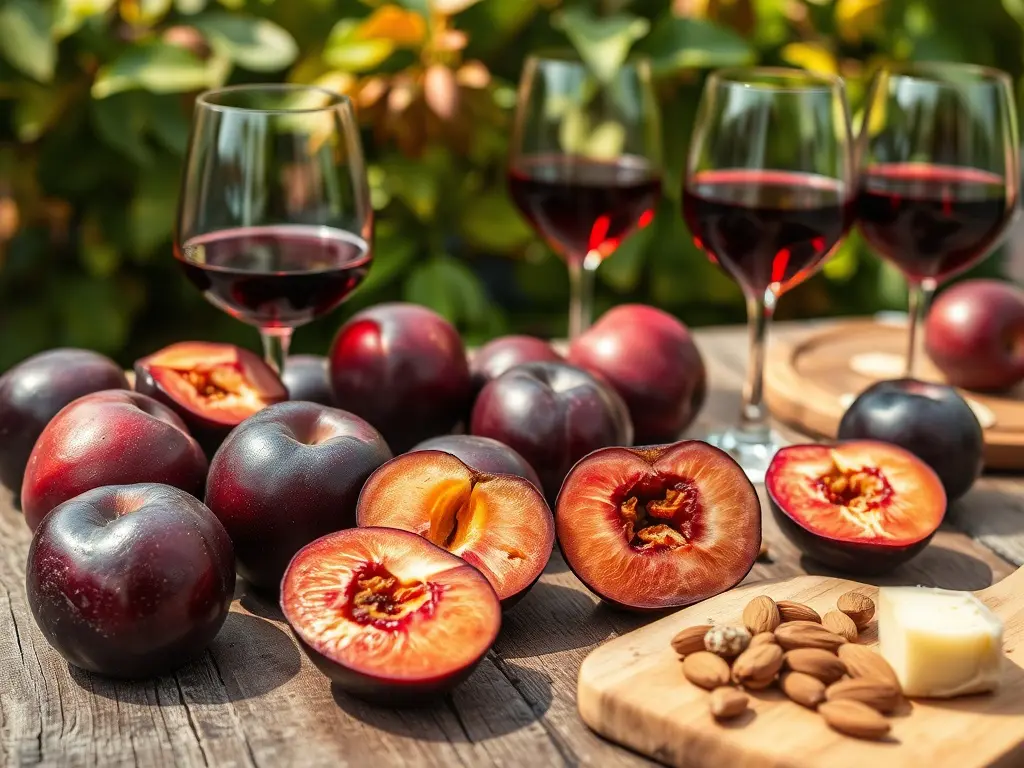
Plums offer a more complex flavor profile than other stone fruits, with their deep sweetness balanced by tartness and a slight tannic quality from the skin. This makes them particularly well-suited to red wine pairings. The rich, jammy character of plums can stand up to more structured wines while still maintaining a beautiful balance.
For standout plum and wine pairings, reach for these bottles:
- Pinot Noir – Silky tannins and red fruit notes that complement plum’s character
- Zinfandel – Bold fruit flavors and spice that echo the depth in darker plums
- Merlot – Smooth, approachable structure that works with plum’s gentle tannins
- Grenache – Fruity, medium-bodied red that highlights plum’s sweetness
If you’re feeling adventurous, you might even explore plum wine (umeshu), a Japanese specialty that offers a unique perspective on this versatile fruit. Its sweet-tart profile makes for interesting comparison tastings alongside fresh plums.
Recipe: Roasted Plums with Balsamic Glaze
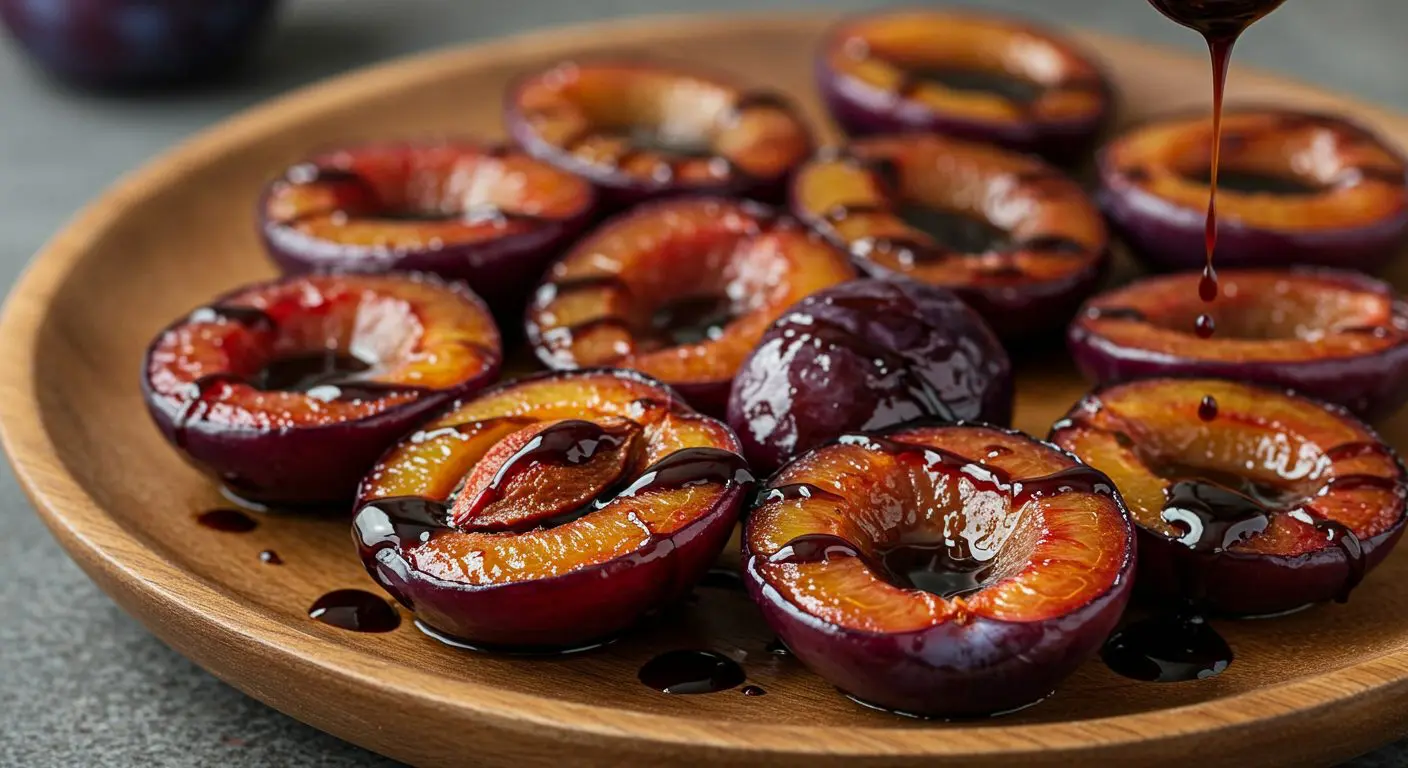
This simple preparation intensifies plums’ natural sweetness while adding depth through caramelization and balsamic notes. It pairs wonderfully with medium-bodied reds.
Ingredients:
- 6 ripe plums, halved and pitted
- 2 tbsp balsamic vinegar
- 1 tbsp brown sugar
- Fresh thyme sprigs
Instructions:
- Preheat oven to 400°F (200°C)
- Arrange plums in a baking dish, cut-side up
- Mix balsamic and brown sugar, then drizzle over plums
- Roast for 15-20 minutes until tender and caramelized
- Scatter fresh thyme leaves before serving
The sweet-tart flavor profile of this dish creates a beautiful bridge to red wines like Pinot Noir, enhancing both the fruit and the wine’s character. My guests always ask for seconds!
Nectarines and Wine Pairings
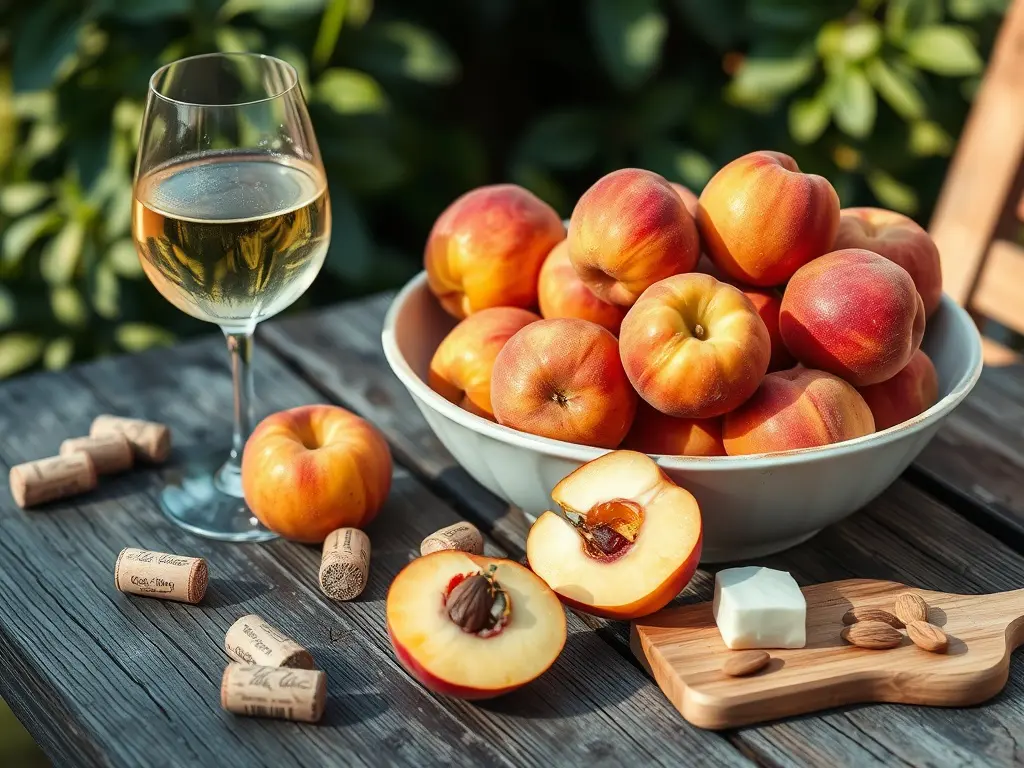
Nectarines bring bright, zippy energy to Stone Fruit and Wine Pairings with their smooth skin and perfect balance of sweetness and acidity. Think of them as peaches with extra verve – their slightly more tart profile makes them especially compatible with crisp white wines and rosés that share that lively character.
For nectarine pairings that truly shine, try these wines:
- Sauvignon Blanc – Herbal notes and vibrant acidity that matches nectarine’s brightness
- Dry Rosé – Fresh berry notes and crisp finish that complement nectarine’s juiciness
- Prosecco – Light bubbles that refresh between bites of sweet fruit
- Albariño – Citrusy character that enhances nectarine’s flavor profile
For a refreshing summer treat, try pairing nectarines with a dry Riesling like those paired with summer salads. The wine’s mineral notes and balanced acidity create a beautiful counterpoint to the fruit’s natural sweetness.
Recipe: Nectarine and Burrata Salad
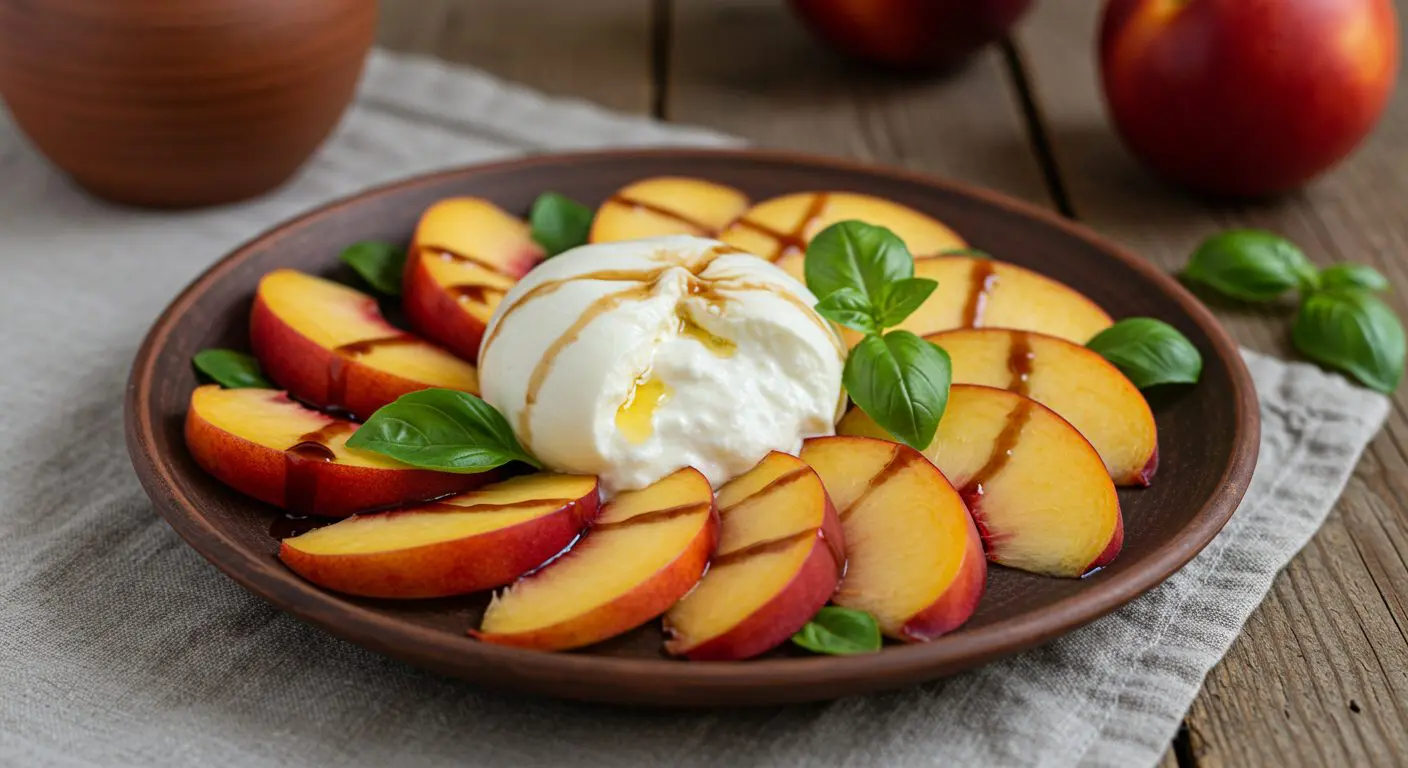
This simple yet elegant salad combines juicy nectarines with creamy burrata for a starter that works beautifully with crisp white wines.
Ingredients:
- 3 ripe nectarines, sliced
- 1 ball fresh burrata cheese
- 2 tbsp high-quality olive oil
- 1 tbsp balsamic reduction
- Fresh basil leaves
- Flaky sea salt
Instructions:
- Arrange nectarine slices on a serving platter
- Place burrata in the center and tear it open slightly
- Drizzle with olive oil and balsamic reduction
- Scatter torn basil leaves and sprinkle with flaky salt
This combination of sweet fruit, creamy cheese, and herbal notes pairs particularly well with a chilled glass of Sauvignon Blanc or a dry rosé. The contrast between the cheese’s richness and the wine’s acidity creates a perfect balance.
Cherries and Wine Pairings
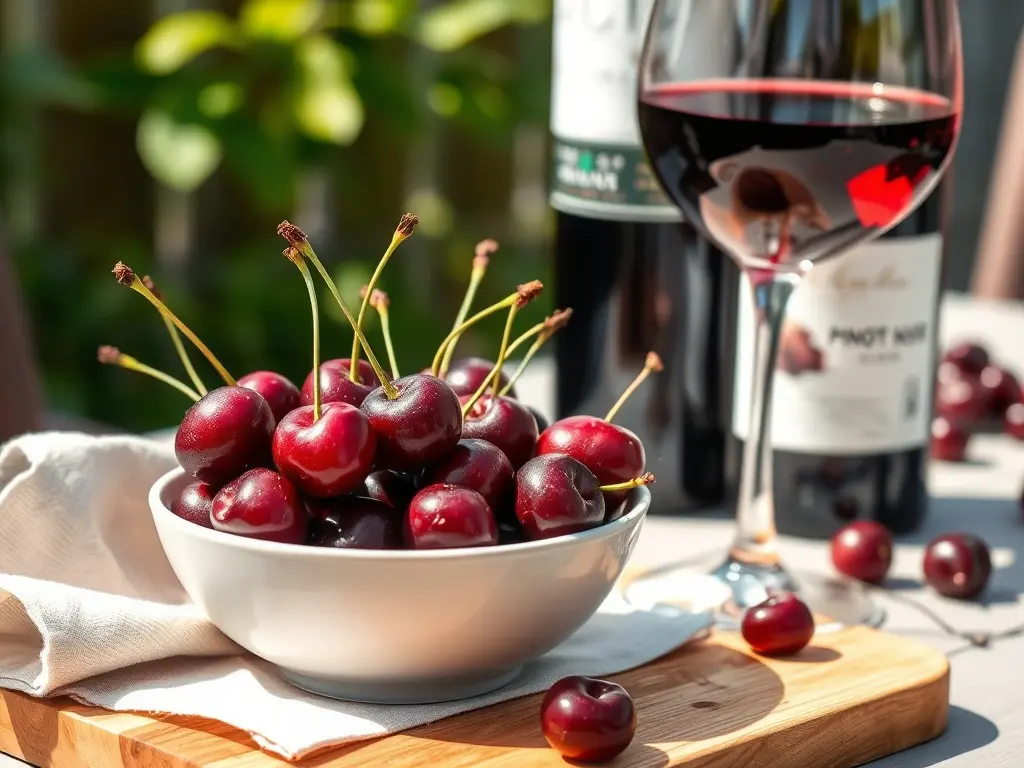
Cherries might be small, but they pack remarkable flavor intensity that makes them standout candidates for Stone Fruit and Wine Pairings. Their deep, concentrated sweetness balanced with gentle acidity creates natural harmony with certain wines, particularly reds that share similar flavor compounds.
For cherry and wine pairings that truly complement each other, consider:
- Syrah/Shiraz – Dark fruit notes and peppery undertones that mirror cherry’s depth
- Cabernet Franc – Herbaceous character and red fruit flavors that create complexity
- Champagne – Bright acidity and fine bubbles that contrast with cherry richness
- Malbec – Plush texture and berry notes that build on cherry flavors
The natural connection between cherries and wine makes sense when you consider that many wines contain cherry notes in their flavor profiles. When selecting seasonal fruits for wine making, cherries often feature prominently for their concentrated flavor and natural sugar content.
Recipe: Dark Chocolate Cherry Clusters

These simple yet decadent treats bring out the best in both cherries and red wine, creating a perfect after-dinner pairing.
Ingredients:
- 2 cups fresh cherries, pitted
- 8 oz dark chocolate (70% cacao), chopped
- Flaky sea salt
Instructions:
- Melt chocolate in a heatproof bowl over simmering water
- Pat cherries dry with paper towels
- Dip each cherry halfway into the melted chocolate
- Place on parchment paper and sprinkle with sea salt
- Refrigerate until chocolate sets, about 15 minutes
The combination of tart-sweet cherries, bitter chocolate, and a touch of salt creates a sophisticated flavor profile that pairs beautifully with Syrah or Cabernet Franc. The wine’s structure provides the perfect counterpoint to the fruit’s intensity.
Apricots and Wine Pairings
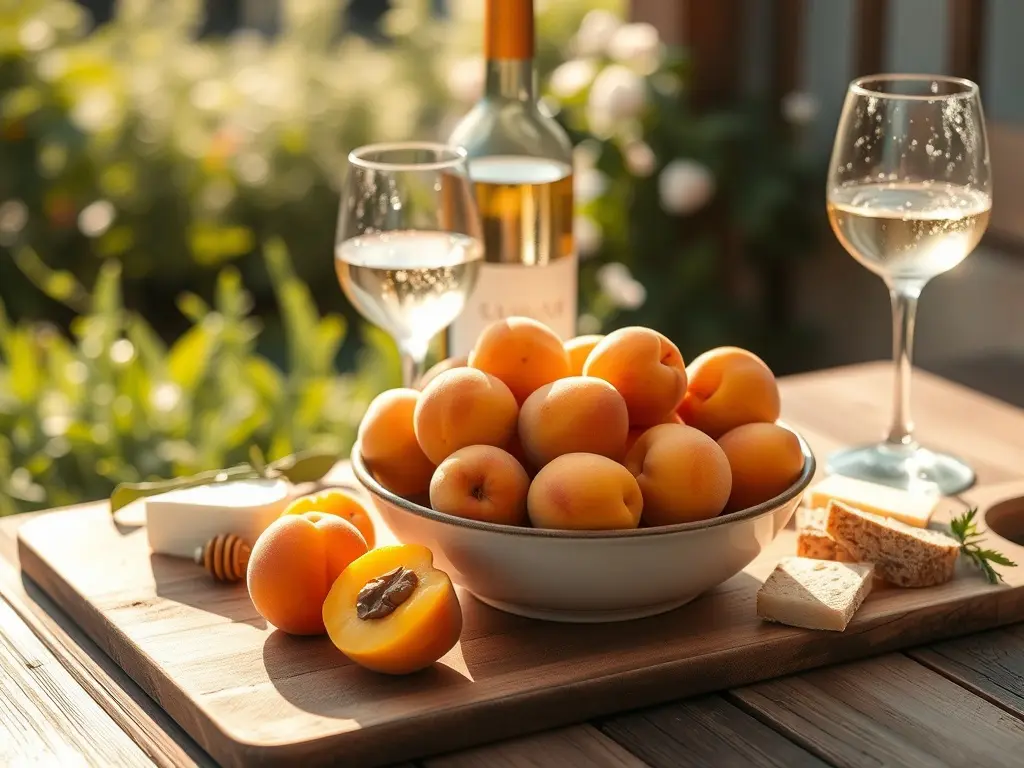
Apricots offer a uniquely tangy-sweet profile that makes them perhaps the most wine-friendly of all stone fruits. Their delicate floral aroma and slightly firm texture create beautiful contrasts with aromatic white wines. When perfectly ripe, their honeyed character can match even dessert wines without being overwhelmed.
For apricot pairings that highlight the fruit’s special character, try:
- Off-dry Riesling – Balanced sweetness and acidity that mirrors apricot’s profile
- Gewürztraminer – Exotic spice notes and floral aromas that complement apricot’s character
- Chenin Blanc – Honey notes and vibrant acidity that enhance the fruit
- Sauternes – Rich, concentrated sweetness for poached or baked apricots
The natural tartness of apricots makes them especially good partners for wines with a touch of residual sugar. The contrast between the fruit’s tanginess and the wine’s sweetness creates a pleasant tension that keeps your palate engaged through multiple bites and sips.
Recipe: Apricot Tart with Almond Crust
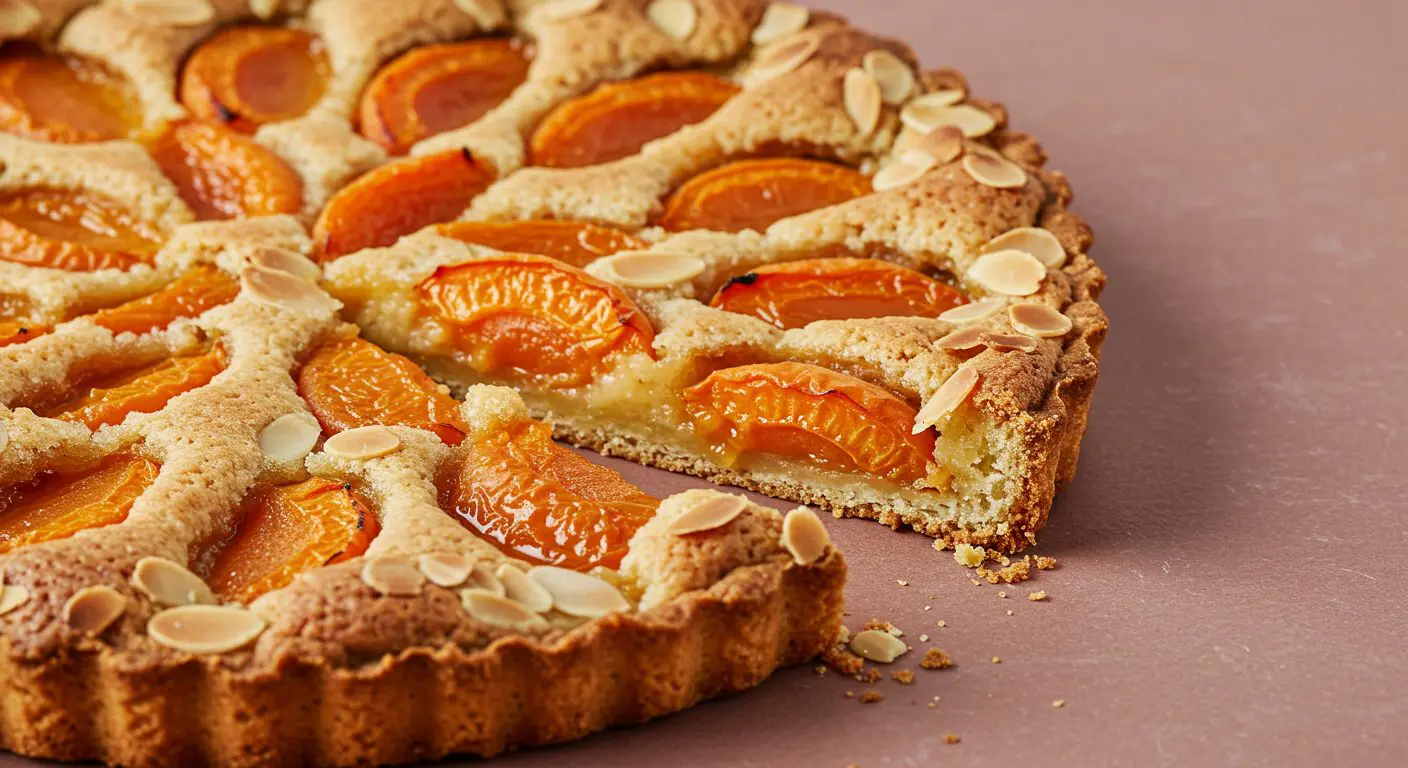
This rustic tart showcases apricots’ beautiful color and flavor while adding complementary almond notes that pair wonderfully with aromatic whites.
Ingredients:
- 1 sheet puff pastry, thawed
- 5 fresh apricots, halved and pitted
- ¼ cup almond flour
- 2 tbsp sugar
- 1 tbsp apricot jam, warmed
Instructions:
- Preheat oven to 375°F (190°C)
- Roll out pastry on a parchment-lined baking sheet
- Mix almond flour and sugar, then spread over pastry, leaving a 1-inch border
- Arrange apricot halves over the almond mixture
- Fold the edges of the pastry over to create a rustic edge
- Bake for 25-30 minutes until golden
- Brush warm apricots with warmed jam
This simple tart brings out apricots’ natural sweetness while the almond adds depth that works beautifully with aromatic whites like Gewürztraminer or off-dry Riesling. The contrast of textures – flaky pastry, soft fruit, and crunchy almond – makes each bite interesting.
Serving Tips for Stone Fruit and Wine Pairings
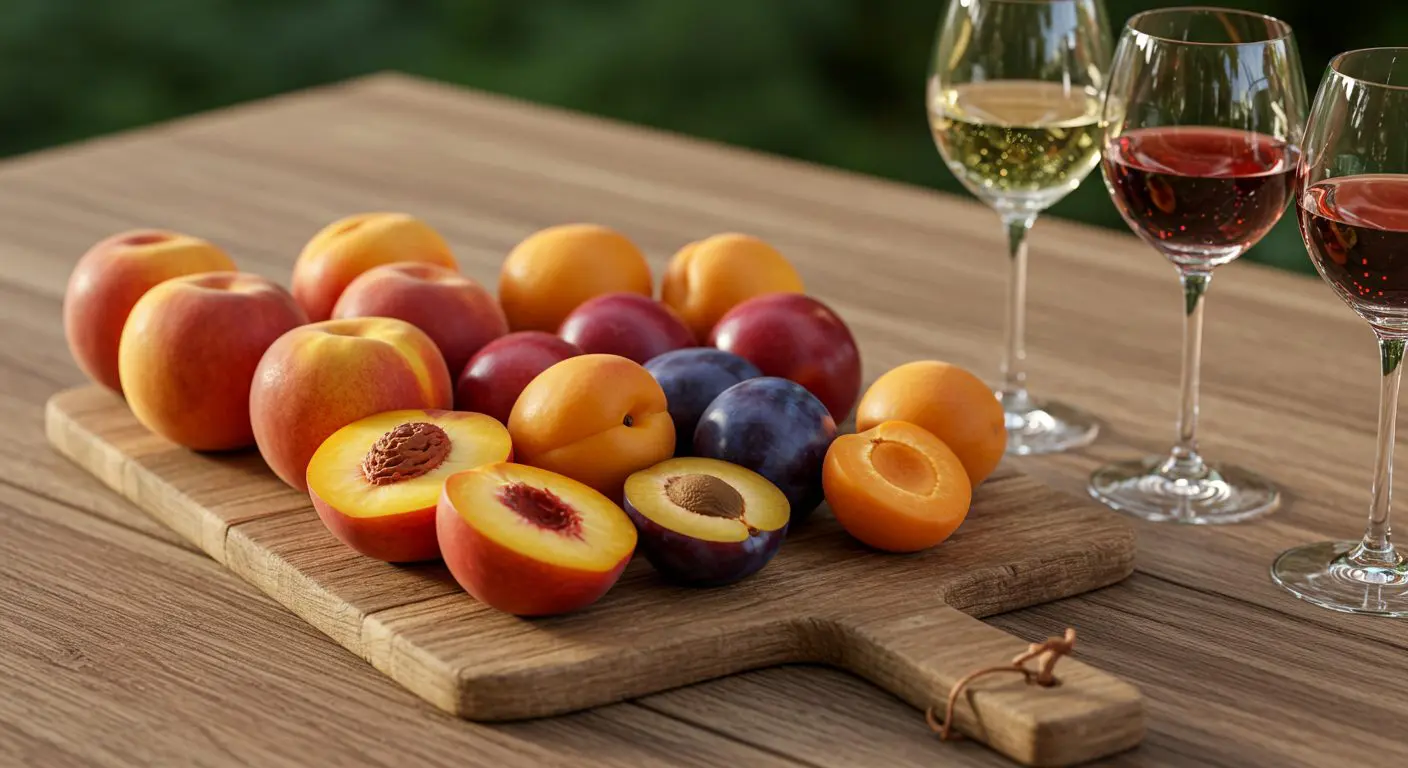
Creating successful Stone Fruit and Wine Pairings isn’t just about matching flavors – presentation and serving temperature make a huge difference too. A few thoughtful touches can transform a simple pairing into a memorable tasting experience that your guests will talk about long after.
Try these practical tips for your next fruit and wine gathering:
- Temperature matters – Chill white wines more than usual (around 45°F) for summer serving
- Consider ripeness – Pair underripe, tarter fruits with drier wines; save sweeter wines for fully ripe fruit
- Create contrasts – Offer a selection of both complementary and contrasting pairings
- Add textural elements – Include nuts, cheeses, or honey to create more complex bites
When serving stone fruits with wine, presentation makes a difference. A wooden board with whole and sliced fruits, perhaps with a small bowl of honey or mascarpone for dipping, creates a casual yet elegant setting for tasting. This approach lets guests experiment with different combinations to find their personal favorites.
For a more structured tasting, try serving small portions of prepared stone fruit recipes paired with specific wines. Label each pairing with tasting notes to guide guests through the experience. This approach works particularly well for wine enthusiasts looking to understand pairing principles more deeply.
Sweet Endings: Final Thoughts on Stone Fruit and Wine
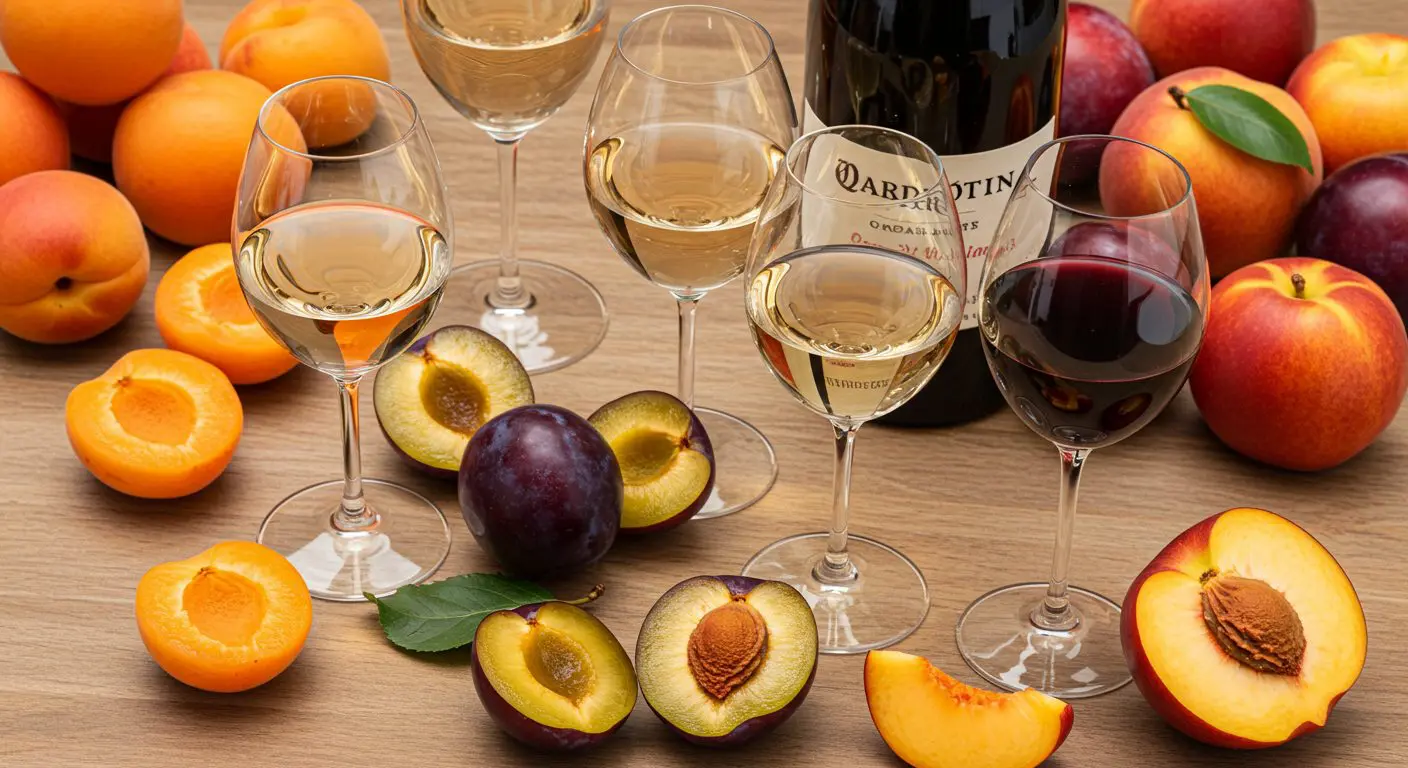
The beauty of Stone Fruit and Wine Pairings lies in their seasonal simplicity and natural harmony. These combinations don’t require fancy techniques or hard-to-find ingredients – just ripe fruit and well-chosen wines that complement each other. The fleeting nature of stone fruit season makes these pairings even more special, a delicious way to savor summer’s final weeks.
I’ve found that sharing these pairings with friends creates memorable gatherings without demanding hours in the kitchen. A platter of sliced nectarines alongside a chilled bottle of rosé, or warm roasted plums with a glass of Pinot Noir – these simple pleasures bring people together through shared sensory experiences.

Whether you’re grilling peaches for dessert or adding cherries to a cheese board, Stone Fruit and Wine Pairings offer endless opportunities for creativity. The natural affinity between ripe summer fruits and various wine styles makes experimenting both fun and rewarding. Even simple combinations can surprise you with how the flavors develop and interact.
As summer transitions to fall, celebrate the season’s end with these perfect pairings. Your taste buds will thank you, and you’ll have discovered new favorite combinations to look forward to next year when stone fruits return to market stalls once again. Cheers to the sweet, juicy pleasures of late summer!