This post may contains affiliate links. Read our full disclosure here.
When it comes to Outdoor Kitchen Design, I’ve noticed that more homeowners are expanding their living spaces beyond the four walls of their homes. The pandemic really shifted our perspective on outdoor spaces, making them more valuable than ever before. An outdoor kitchen transforms your backyard into a functional extension of your home – a place where cooking, dining, and entertaining blend seamlessly under the open sky.
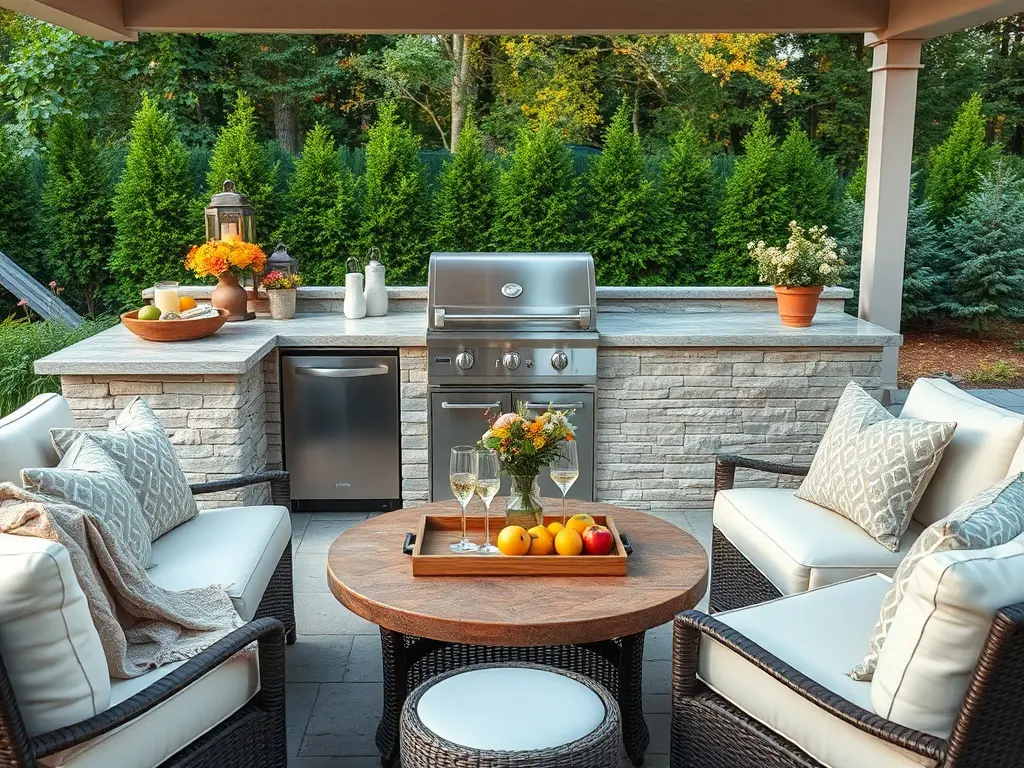
I’ve helped several friends plan their outdoor kitchens, and the joy they get from hosting barbecues without running back and forth to the indoor kitchen is priceless. A well-designed outdoor kitchen creates a natural gathering spot, keeping the cook connected with guests while preparing meals. “Outdoor kitchen design isn’t just about the grill—it’s about creating an extension of your home’s heart.” The right setup can transition your entertaining from summer sunshine to cozy fall evenings without missing a beat.
Why Outdoor Kitchen Design Is Worth Every Penny
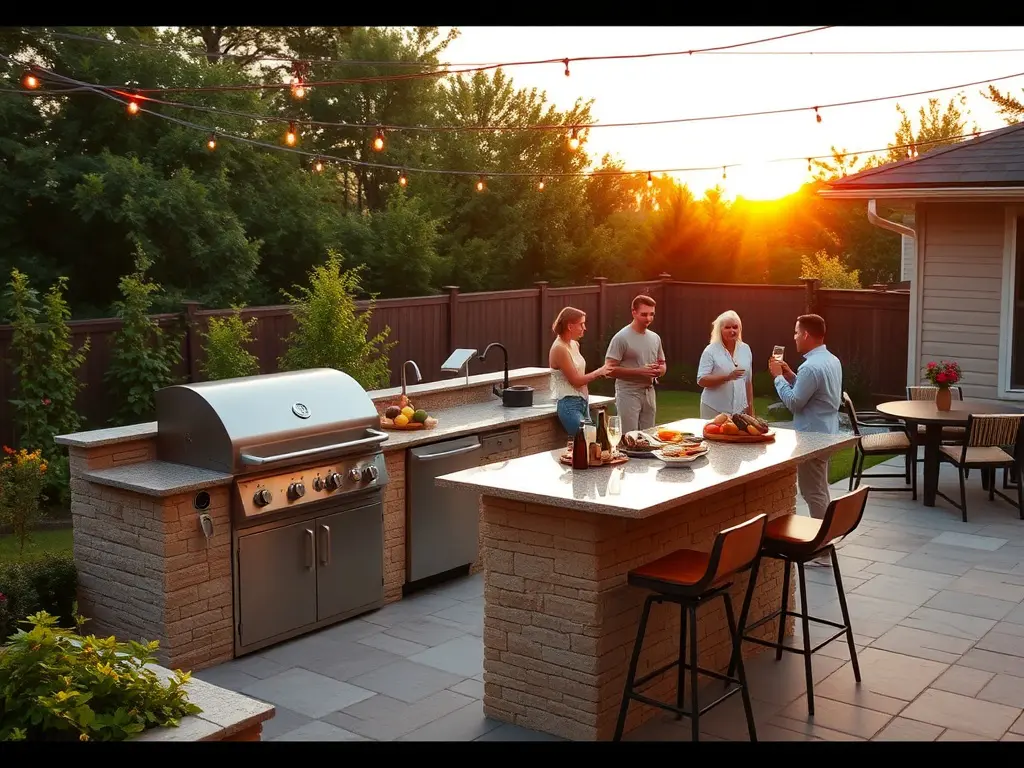
After watching my cousin’s home value jump significantly following her outdoor kitchen installation, I’m convinced these spaces are more than just a luxury – they’re a smart investment. Beyond the financial benefits, the lifestyle improvements are substantial. No more shuffling plates through sliding doors or missing conversations while you grab more drinks from inside.
Think of your outdoor kitchen design as:
- A natural entertainment hub that keeps the party flowing
- A feature that can boost your property’s appeal when it’s time to sell
- A versatile space that adapts from summer grilling to fall gatherings
My neighbor transformed her modest patio into an outdoor kitchen last year, and now her family practically lives outside from April through October. She told me it’s changed how they socialize – spontaneous gatherings happen more often because hosting feels effortless. The outdoor kitchen creates a casual atmosphere that puts guests at ease and makes everyday meals feel special. Planning your outdoor living space thoughtfully from the start ensures you’ll maximize both function and enjoyment.
Essential Elements of Outstanding Outdoor Kitchen Design
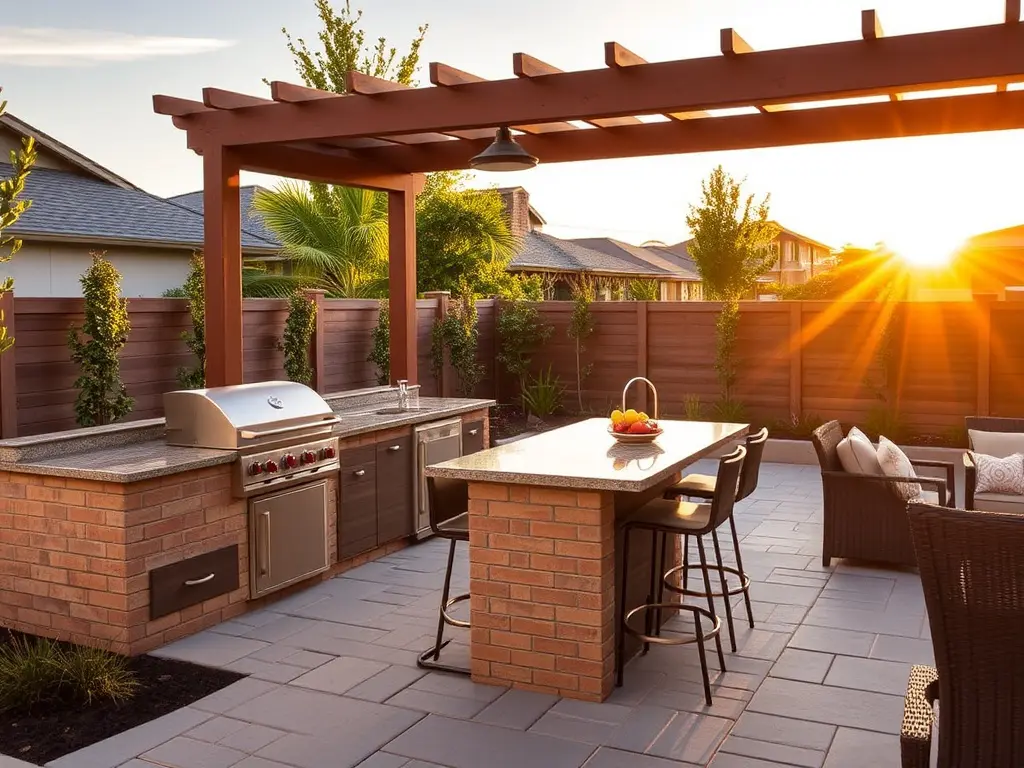
When I started researching outdoor kitchens, I quickly learned that the best designs focus on workflow and functionality. Every efficient outdoor kitchen comes down to thoughtful layout planning and incorporating features that make cooking outdoors as convenient as indoors. This checklist guides my recommendations to friends looking to build their own:
| Must-Have Feature | Why It Matters |
|---|---|
| Grill or Cooktop | The heart of any outdoor kitchen |
| Prep Counter | Makes food preparation comfortable and efficient |
| Sink/Water Access | Eliminates trips inside for hand washing or rinsing |
| Storage Cabinets | Keeps utensils and supplies weather-protected and ready |
| Shade Structure | Extends usability regardless of weather conditions |
The placement of these elements matters tremendously. I’ve learned that positioning prep areas adjacent to cooking zones creates a natural workflow. My friend Sarah added open shelving above her countertops for spices and cooking tools, which saved valuable counter space while keeping everything within arm’s reach.
Don’t forget that your outdoor kitchen design should complement your indoor kitchen aesthetic for a cohesive feel. Whether you prefer rustic charm or sleek modern lines, carrying those design elements outdoors creates visual harmony between your spaces.
Choosing the Perfect Layout for Your Space
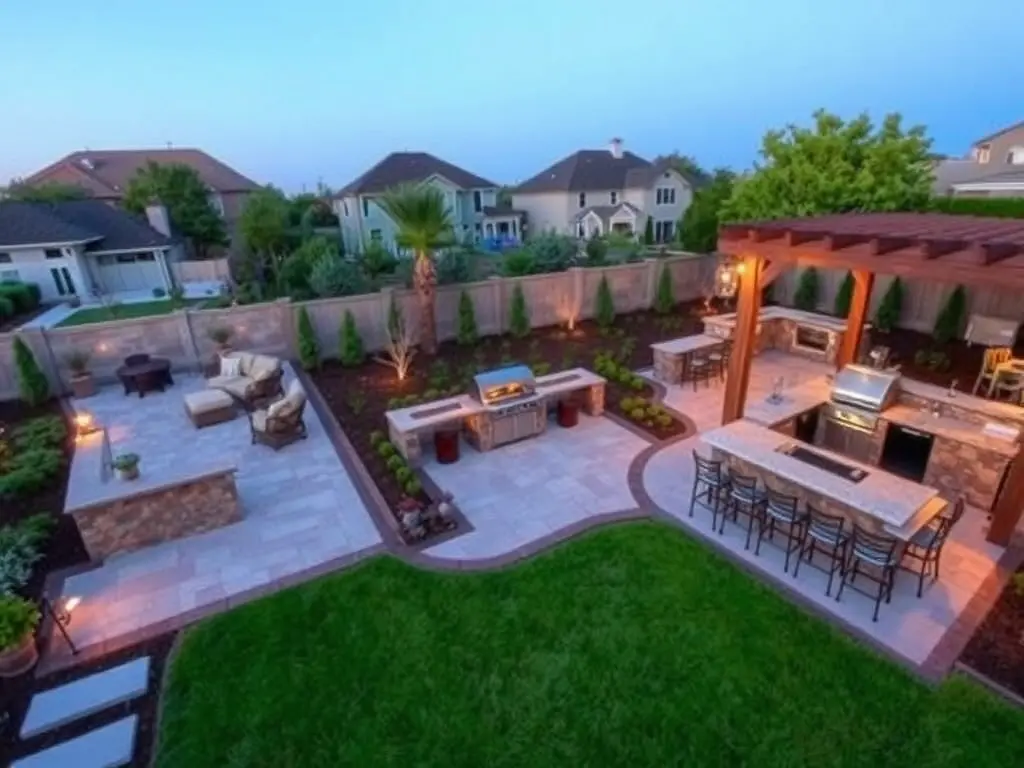
Every outdoor space has its own quirks and dimensions, which means your outdoor kitchen design should be customized to fit. After helping plan several backyard renovations, I’ve found that choosing the right layout makes all the difference in functionality.
For smaller spaces like my apartment’s balcony, a straight line layout works beautifully. Everything sits against one wall, creating an efficient cooking station without overwhelming the space. My balcony grill setup lets me cook while still having room for a small bistro table – perfect for intimate dinners under the stars.


Medium-sized patios benefit from an L-shaped layout, which naturally separates the cooking and prep zones. My sister chose this configuration for her suburban backyard, positioning the grill at the corner junction. This creates a natural workflow while defining the kitchen area from the rest of the patio.
For those blessed with spacious yards, a U-shaped layout offers the ultimate in functionality. My aunt’s impressive setup includes a grill station on one side, a pizza oven on another, and a bar area completing the U. This arrangement allows multiple cooks to work simultaneously without crowding each other – ideal for those big family gatherings we love hosting.

The island setup has become increasingly popular among my friends who entertain frequently. Placing the grill or cooktop on an island creates a natural gathering point where the cook remains part of the conversation. Guests can perch around the island with drinks while dinner comes together. The layout you choose should reflect your weekend entertaining style – whether that’s casual barbecues or elaborate dinner parties.
Weather-Resistant Materials for Year-Round Durability
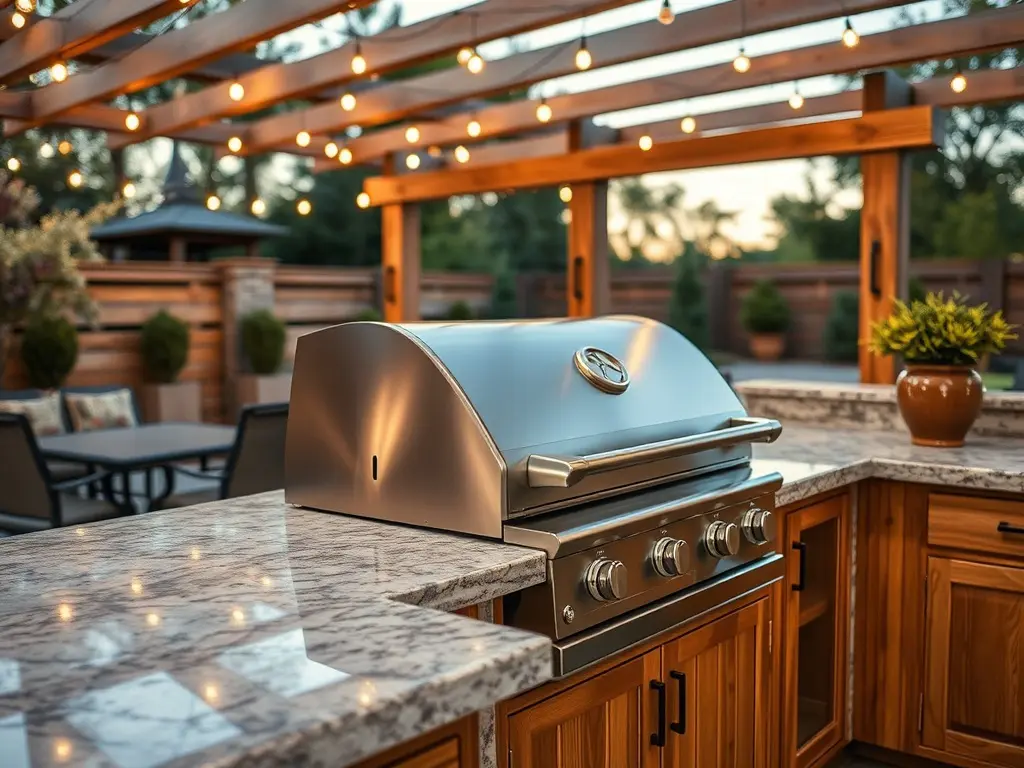
The materials you select for your outdoor kitchen design make a huge difference in longevity and maintenance requirements. Living in a four-season climate taught me that weather resistance should be your top priority when selecting finishes and surfaces.
For appliances, marine-grade stainless steel is worth the investment. My standard stainless grill started showing rust spots after just two seasons, while my upgraded marine-grade replacement has weathered five years beautifully. The higher nickel content creates superior resistance to corrosion, especially if you live near saltwater or experience high humidity.
When it comes to countertops, concrete and natural stone offer excellent durability. My concrete counters have developed a gorgeous patina over time while standing up to everything from summer downpours to winter freeze-thaw cycles. For a lower maintenance option, consider sealed granite or manufactured quartz specifically rated for outdoor use.
Cabinetry materials need careful consideration too. My first outdoor kitchen used standard wooden cabinets that warped after one rainy season. Now I recommend weather-treated woods like teak or marine-grade polymer cabinets that won’t deteriorate with moisture exposure. These materials might cost more initially but save money on replacements down the road.
For flooring, non-slip surfaces are crucial for safety. Textured stone pavers, brick, or outdoor-rated porcelain tiles provide both stability and style. I added slate pavers around my grill area, and they’ve maintained their color beautifully while providing secure footing even when wet. Creating chic outdoor spaces requires balancing aesthetics with practicality – especially when choosing materials that face the elements year-round.
Game-Changing Add-Ons for Your Outdoor Kitchen Design
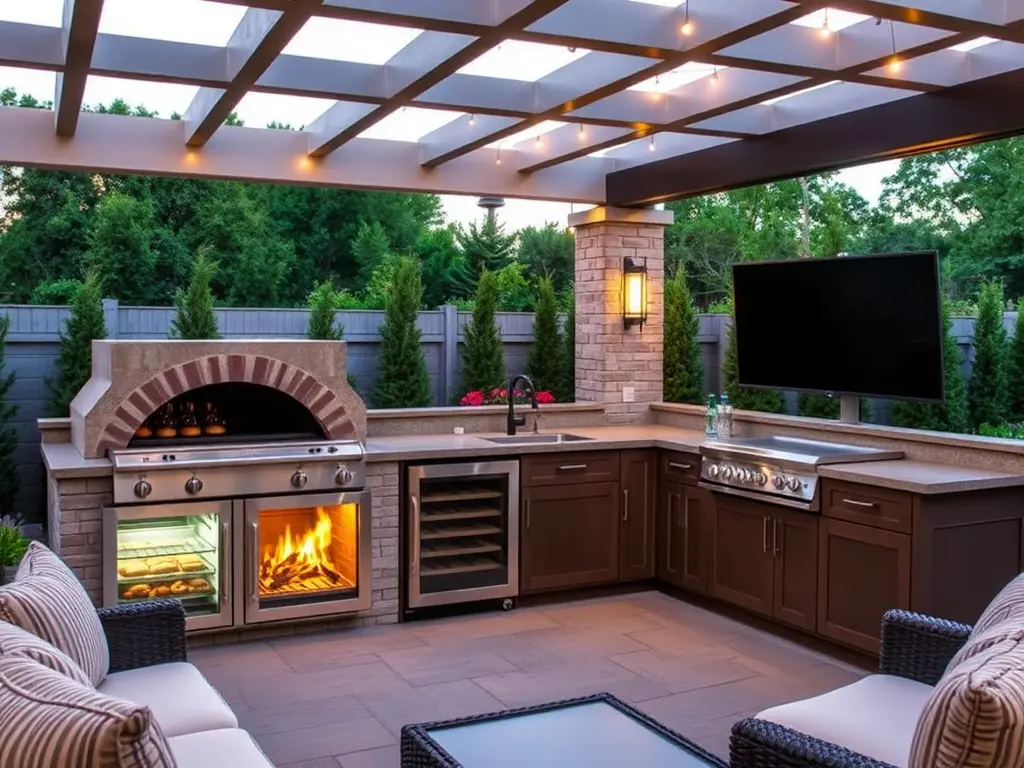
While the basics create a functional outdoor kitchen, it’s the thoughtful extras that transform it into an exceptional entertaining space. After attending countless backyard gatherings, I’ve noticed which special features make an outdoor kitchen truly stand out.
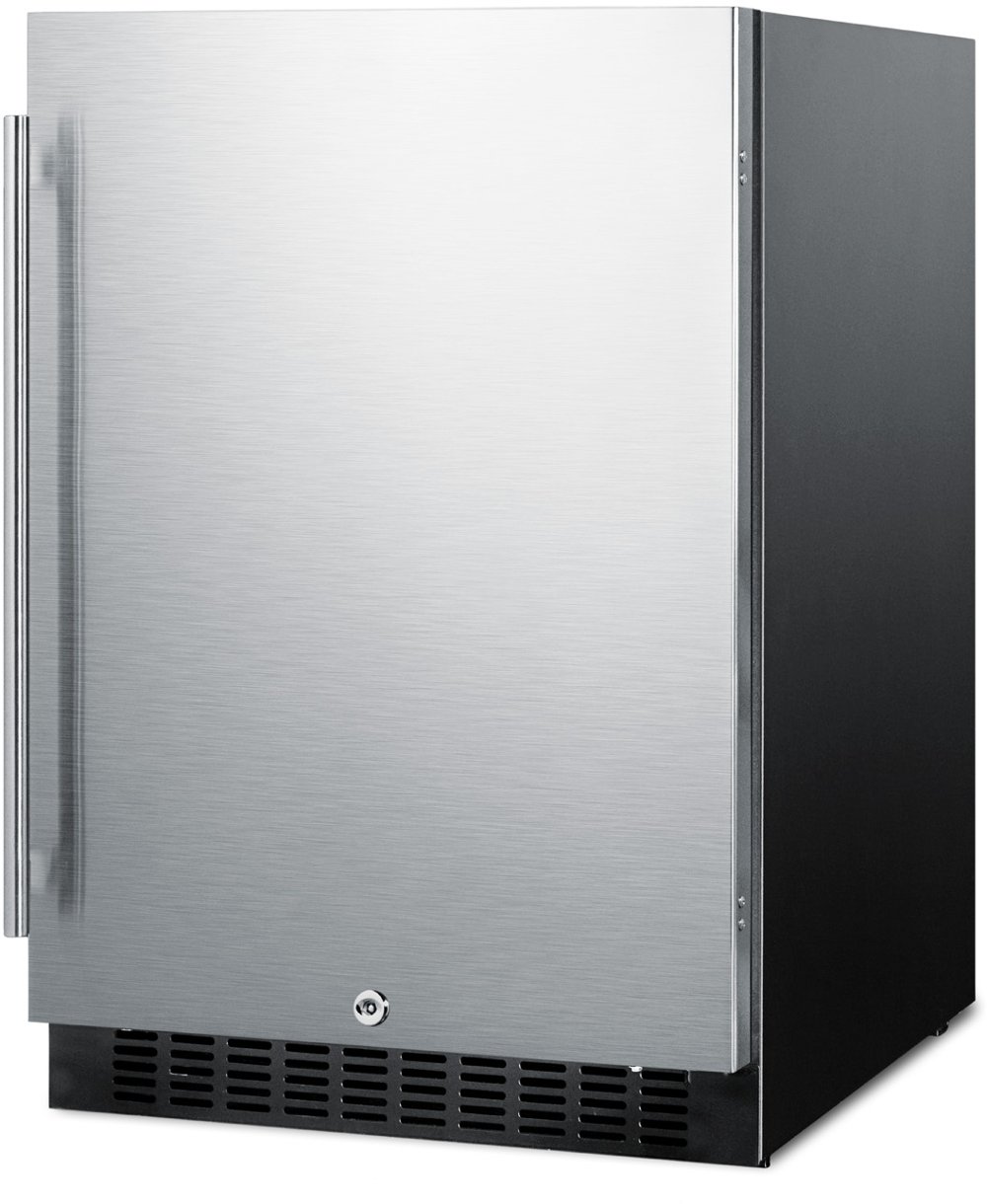
A built-in beverage refrigerator tops my list of must-have additions. My friend’s undercounter model keeps drinks perfectly chilled and easily accessible without taking up valuable counter space. For wine enthusiasts, dedicated wine coolers maintain optimal temperature even in fluctuating outdoor conditions.

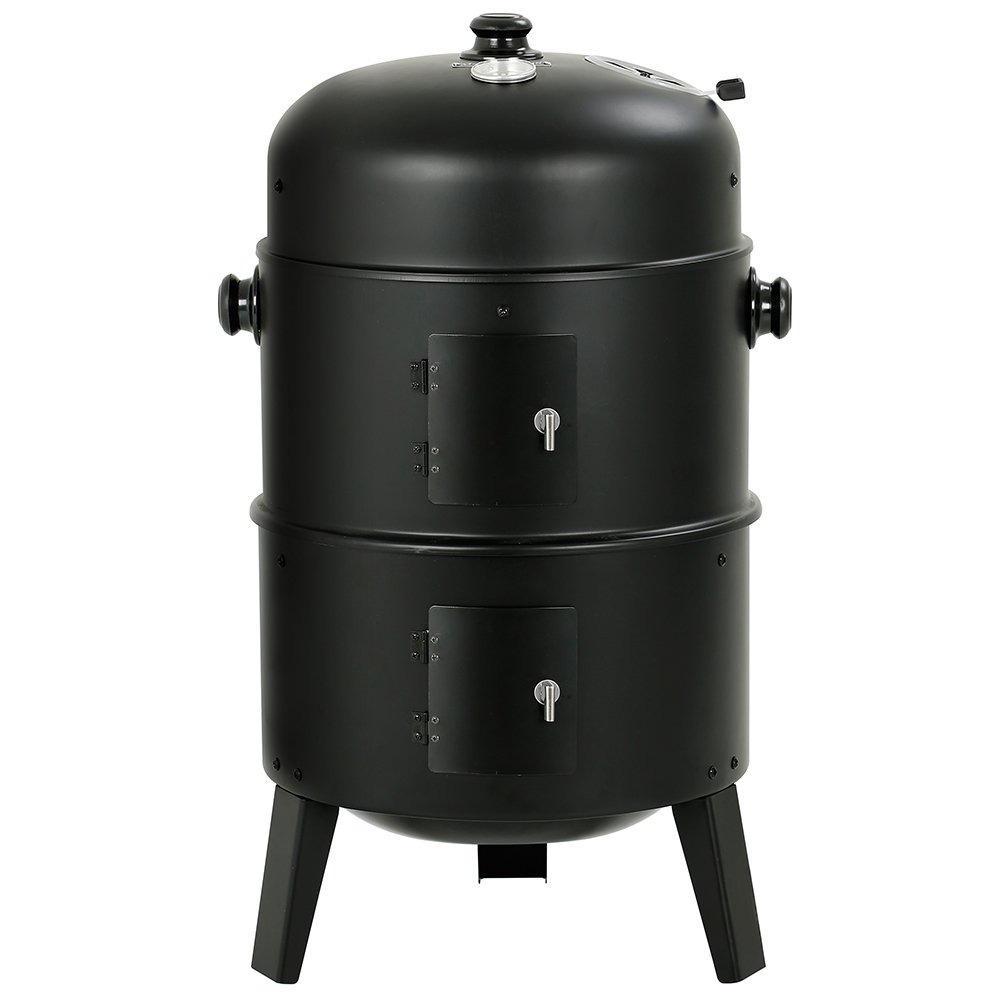
Adding a specialized cooking feature like a pizza oven or smoker creates a wow factor that standard grills can’t match. I invested in a small wood-fired pizza oven last summer, and our Friday pizza nights have become a neighborhood tradition. There’s something uniquely satisfying about creating restaurant-quality pizzas in your own backyard.
Strategic lighting transforms your outdoor kitchen from a daytime cooking space to an evening entertainment zone. My layered approach includes task lighting over the grill, ambient string lights overhead, and pathway lighting for safety. This combination creates the perfect atmosphere for dining under the stars while ensuring you can still see what you’re cooking.
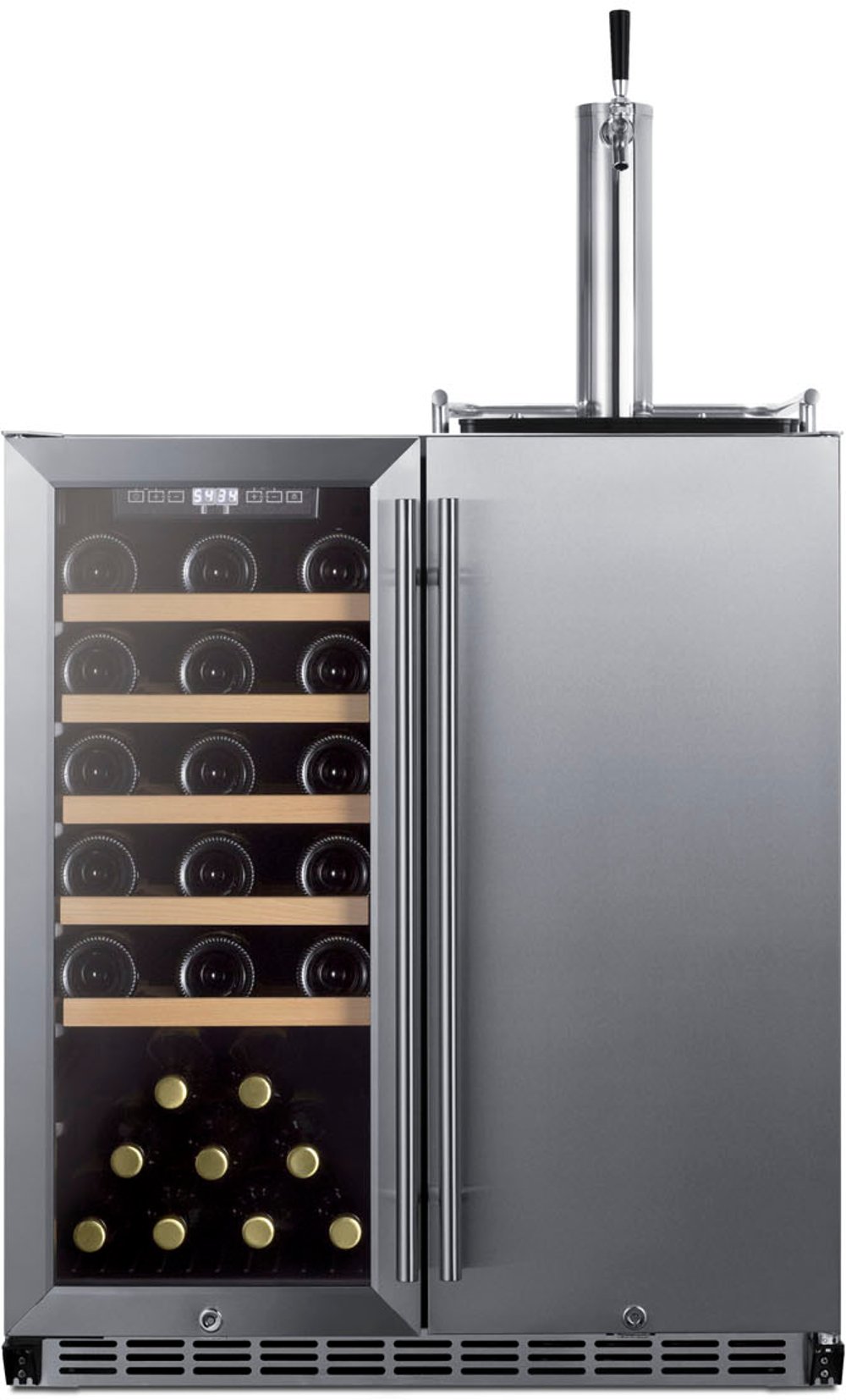
A quality outdoor sound system completes the sensory experience. Weather-resistant Bluetooth speakers tucked discreetly into the landscape provide background music without cluttering your countertops. My hidden rock speakers blend seamlessly with the garden while delivering surprisingly good sound quality.
For extending your entertaining season, incorporate a fire feature near your outdoor kitchen. My built-in fire pit creates a natural transition from dinner to after-dinner drinks as temperatures drop. Guests naturally migrate toward the warmth, keeping the gathering going well into the evening.
Making Your Outdoor Kitchen Work Beyond Summer
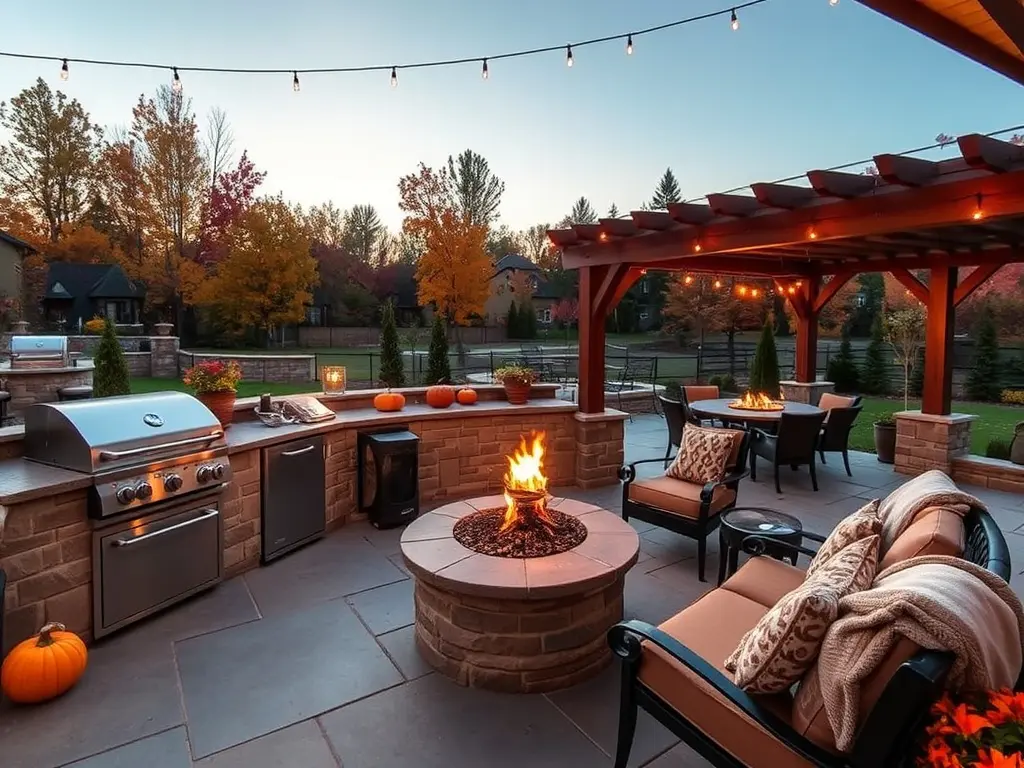
An outdoor kitchen shouldn’t hibernate once summer ends. With thoughtful planning, your outdoor entertaining space can remain functional well into fall and even winter in milder climates. Transitioning your outdoor spaces between seasons keeps them usable year-round.
Shelter solutions make a dramatic difference in extending your outdoor kitchen’s usability. My retractable awning provides flexible protection from both summer sun and autumn drizzle. For more permanent coverage, consider a solid pergola with a louvered roof that adjusts to changing weather conditions.
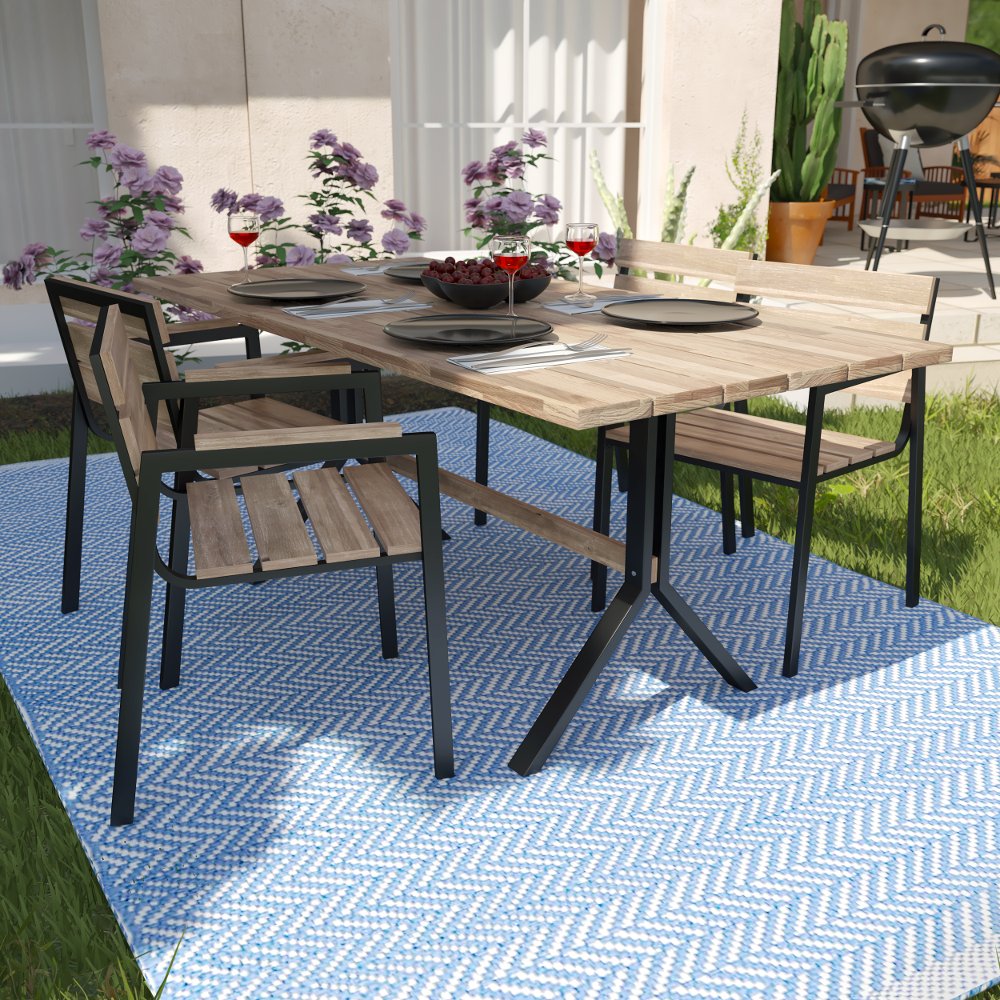
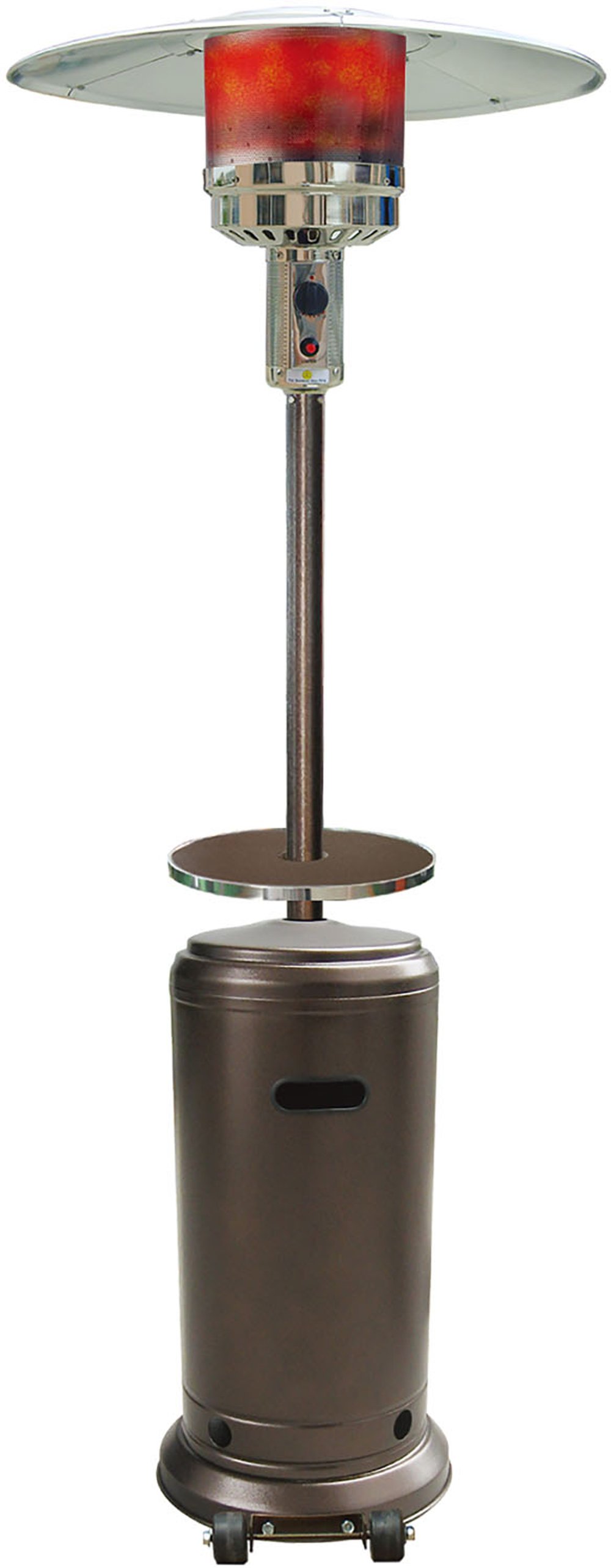
Heat sources are essential for comfortable cool-weather entertaining. I’ve installed infrared heaters that mount discreetly overhead, providing targeted warmth without the smoke or maintenance of traditional fire pits. For a more budget-friendly option, portable propane heaters can be positioned wherever needed and stored when not in use.
Wind protection significantly improves comfort during shoulder seasons. My friend added clear vinyl panels that roll down from her pergola, creating a windbreak while maintaining views. These simple additions transformed her outdoor kitchen into a three-season space that’s comfortable even on blustery days.
Don’t overlook the power of textiles in creating a cozy atmosphere. I keep a basket of washable throws near my outdoor seating, inviting guests to wrap up as evening temperatures drop. Weather-resistant cushions in warmer colors and heavier fabrics help transition your outdoor kitchen design from summer to fall both functionally and aesthetically.
Practical Tips for Planning Your Dream Outdoor Kitchen
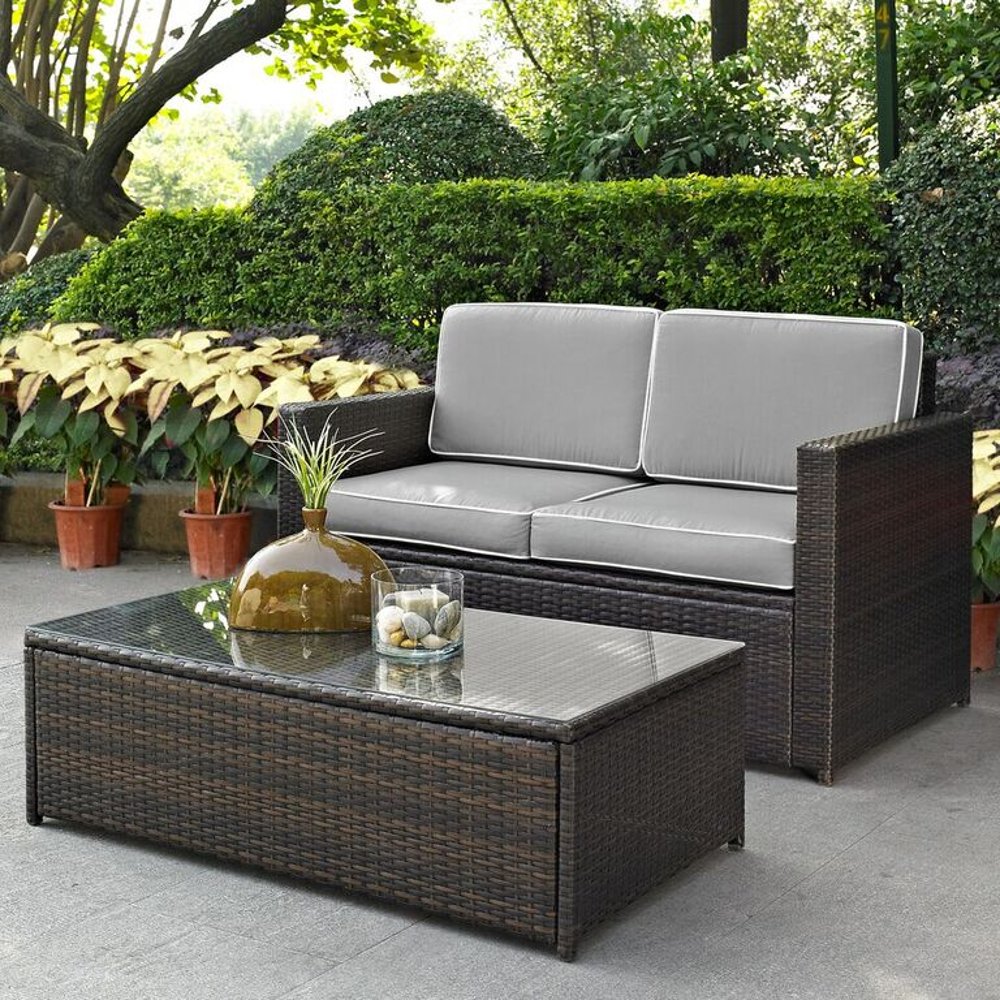
After helping several friends navigate their outdoor kitchen projects, I’ve gathered some practical wisdom that can save you time, money, and frustration. Start by honestly assessing how you’ll actually use the space. Do you primarily cook for your immediate family or regularly host large gatherings? This fundamental question should guide your entire design process.
Proximity to your indoor kitchen matters more than you might think. My cousin positioned her outdoor kitchen directly outside her indoor one, sharing a wall that allows for easier plumbing and electrical connections. This strategic placement not only reduced installation costs but also made forgetting ingredients less of a hassle during cooking.
Think in terms of dedicated zones: prep, cooking, serving, and cleanup. Each area should flow logically into the next, minimizing unnecessary movement. I created a small staging zone between my prep area and grill, which has proven invaluable for organizing ingredients before they hit the heat.
Don’t forget about practical considerations like proper ventilation, especially if your outdoor kitchen sits under a covered structure. My neighbor’s beautiful pergola-covered kitchen required the addition of a ventilation hood after they discovered smoke would sometimes get trapped underneath. Planning for this upfront would have been simpler and less expensive.

Always check local building codes and HOA restrictions before breaking ground. My friend was midway through her project when she discovered her neighborhood had specific regulations about permanent outdoor structures. A quick consultation with local authorities can prevent headaches and potential fines down the road.
Creating Your Outdoor Oasis
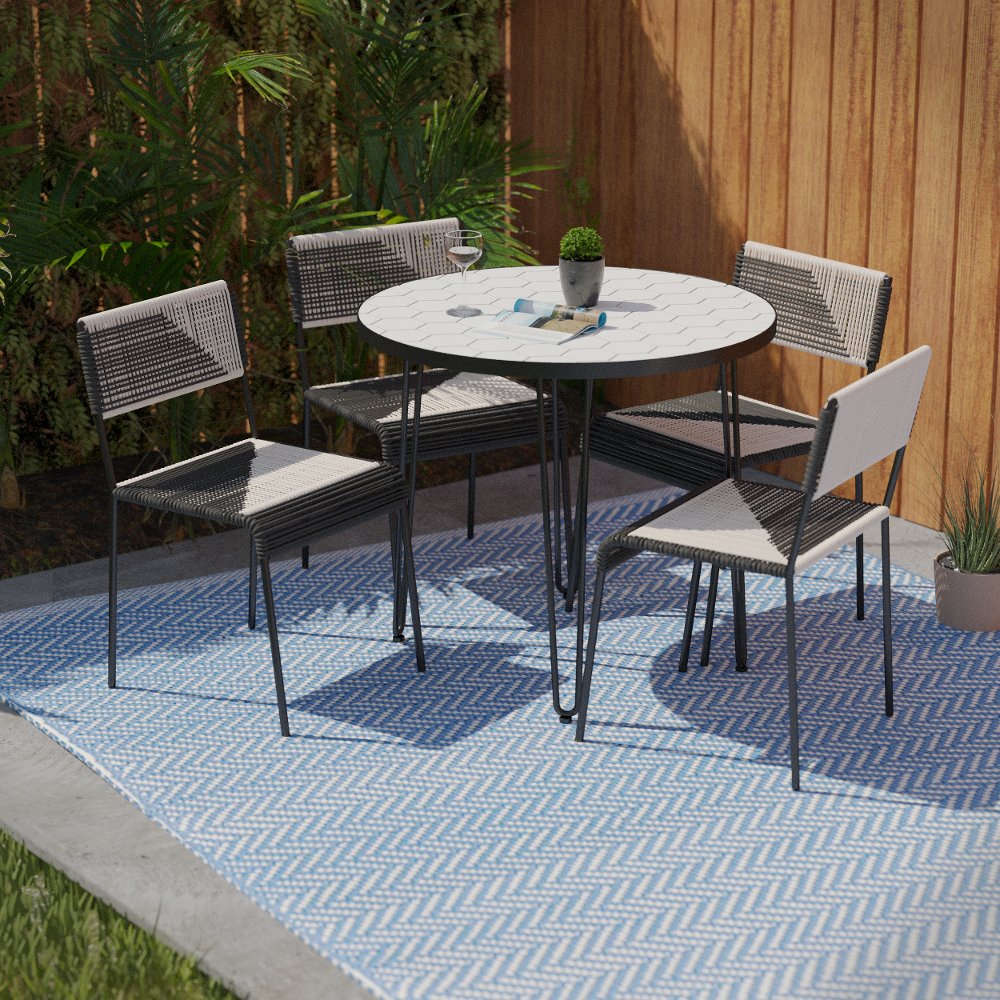
An outstanding outdoor kitchen design transforms your backyard into a true extension of your living space. I’ve watched friends and family go from rarely using their yards to practically living outdoors after installing thoughtfully designed outdoor kitchens. The ability to prepare meals while enjoying fresh air and company creates a relaxed atmosphere that indoor cooking simply can’t match.
From simple grilling stations to elaborate outdoor culinary workspaces, the possibilities fit nearly every budget and space limitation. My modest balcony setup proves you don’t need sprawling acreage to enjoy outdoor cooking. Start with the basics – a quality grill and preparation space – then expand as your needs and budget allow.
The true beauty of outdoor kitchen design lies in its ability to bring people together. Food has always been a natural connector, and preparing it outdoors adds an element of casual fun that puts everyone at ease. My Sunday brunches on the patio have become cherished traditions among my friend group, creating memories that will last far longer than any interior design trend.
Whether you’re planning weekend BBQs, romantic dinners under the stars, or family movie nights with fresh-made pizza, your outdoor kitchen will quickly become the heart of your home during pleasant weather. The investment pays dividends in both lifestyle improvement and potential property value – truly a win-win addition to any home.