This post may contains affiliate links. Read our full disclosure here.
Making Fresh Pineapple Wine at Home brings a splash of tropical paradise straight to your glass. I’ve been fascinated with home winemaking since discovering fruit wines at a local farmers market, and pineapple quickly became my absolute favorite to craft. This tropical fruit creates a beautifully balanced wine with natural sweetness and just the right amount of tang that’s perfect for warm weather sipping.
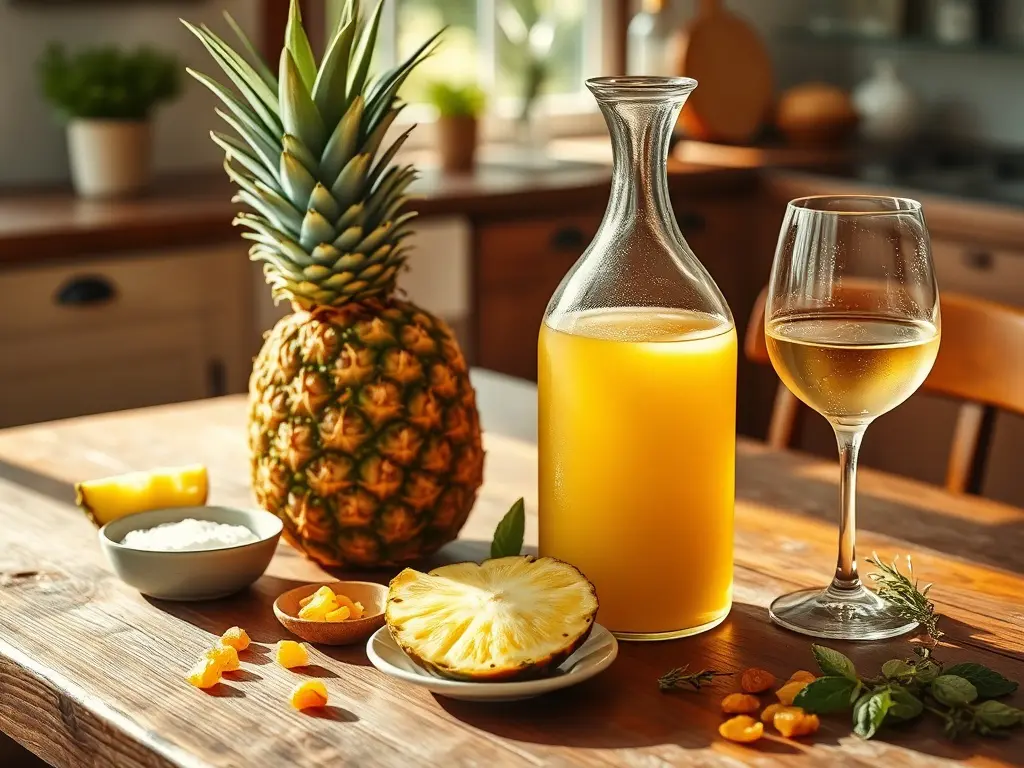
Whether you’re new to home winemaking or looking to expand your repertoire beyond traditional grape varieties, pineapple wine offers a fun, approachable project with delicious results. “Making Fresh Pineapple Wine at Home is like bottling a beach vacation,” my wine-loving friend Maria always says, and she’s absolutely right! Let’s dive into how you can create this sunny, tropical beverage right in your kitchen.
Why Try Making Fresh Pineapple Wine at Home?
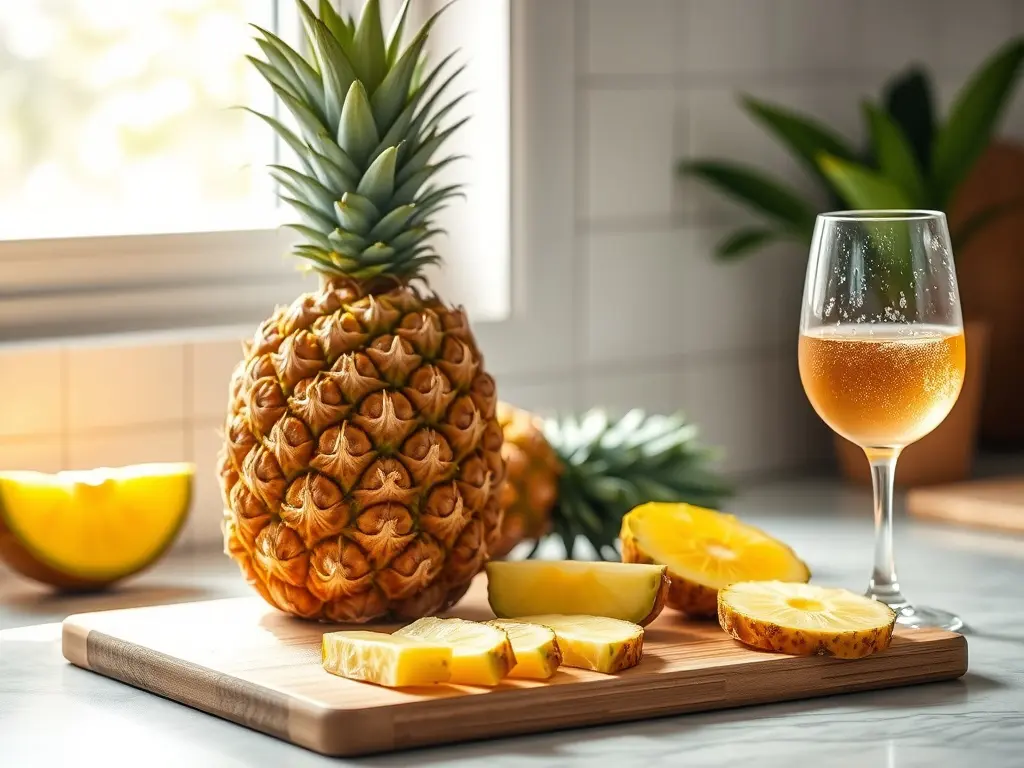
Making Fresh Pineapple Wine at Home offers complete creative control over your brewing adventure. Unlike store-bought wines, homemade versions let you adjust sweetness and alcohol content exactly to your preference. My boyfriend and I discovered this when we made our first batch – he prefers dry wines while I love them a bit sweeter, so we split the batch and customized each half.
Pineapple is particularly wonderful for wine because of its perfect balance of sweetness and acidity. Here’s why you should give it a try:
- Pineapples have a naturally vibrant flavor that transforms beautifully during fermentation
- Fresh pineapple creates significantly brighter, cleaner flavors than canned varieties
- The process is surprisingly simple, requiring fewer specialized ingredients than grape wines
- It makes for fantastic homemade gifts that friends will actually appreciate
The best part about pineapple wine is its versatility. I’ve brought bottles to summer barbecues, beach picnics, and even holiday gatherings where it pairs surprisingly well with festive meals. One friend loved it so much she requested several bottles for her tropical-themed wedding reception!
Ingredients You’ll Need
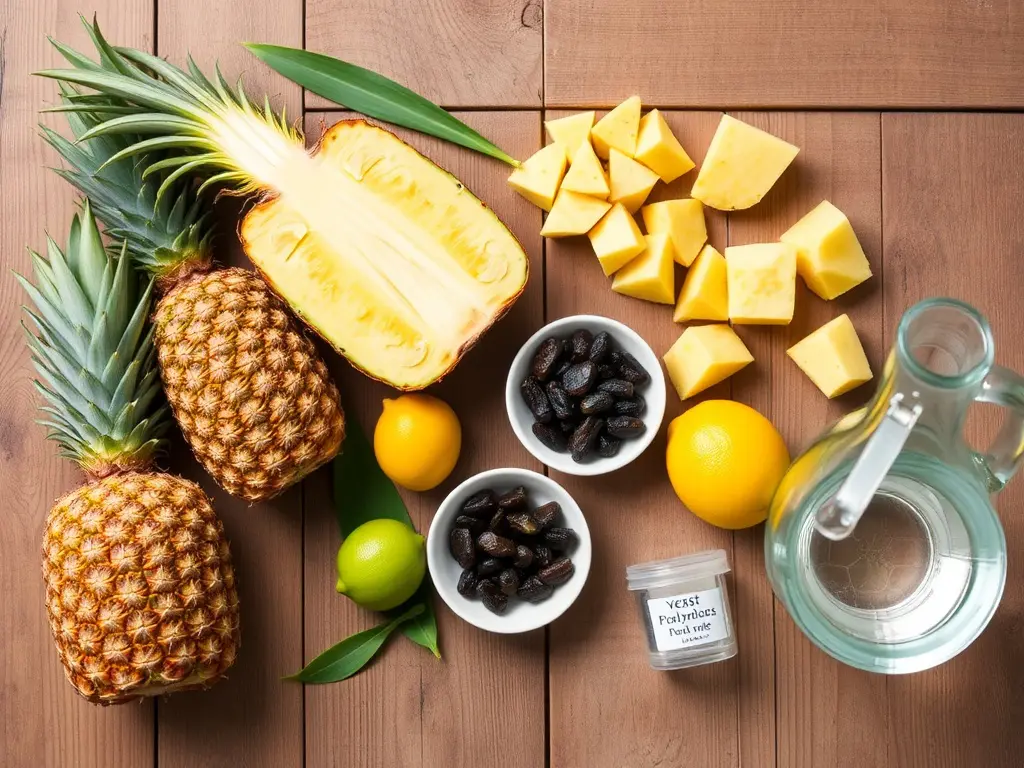
Selecting quality ingredients makes all the difference when Making Fresh Pineapple Wine at Home. The star ingredient—ripe pineapple—should smell fragrant at the base and have golden-yellow skin with fresh, green leaves. When shopping, I always look for fruits that feel heavy for their size, which indicates juiciness.
- 3-4 pounds of fresh, ripe pineapple (about 2 medium pineapples)
- 2-3 pounds of granulated sugar (adjust based on desired sweetness)
- 1 packet of wine yeast (Lalvin EC-1118 or champagne yeast works beautifully)
- Filtered or spring water (avoid chlorinated tap water that can inhibit fermentation)
For additional depth and complexity, consider these optional ingredients:
- ½ cup golden raisins (adds body and richness)
- Juice of 1 lemon (balances sweetness with acidity)
- 1-2 cinnamon sticks or a small piece of fresh ginger (adds subtle warmth)
The quality of your ingredients directly impacts your final product. After experimenting with both conventional and organic pineapples, I found organic produced a more intense tropical flavor profile. If you’re interested in other fruit wine options, strawberry wine also makes a wonderful summer alternative.
Equipment Checklist
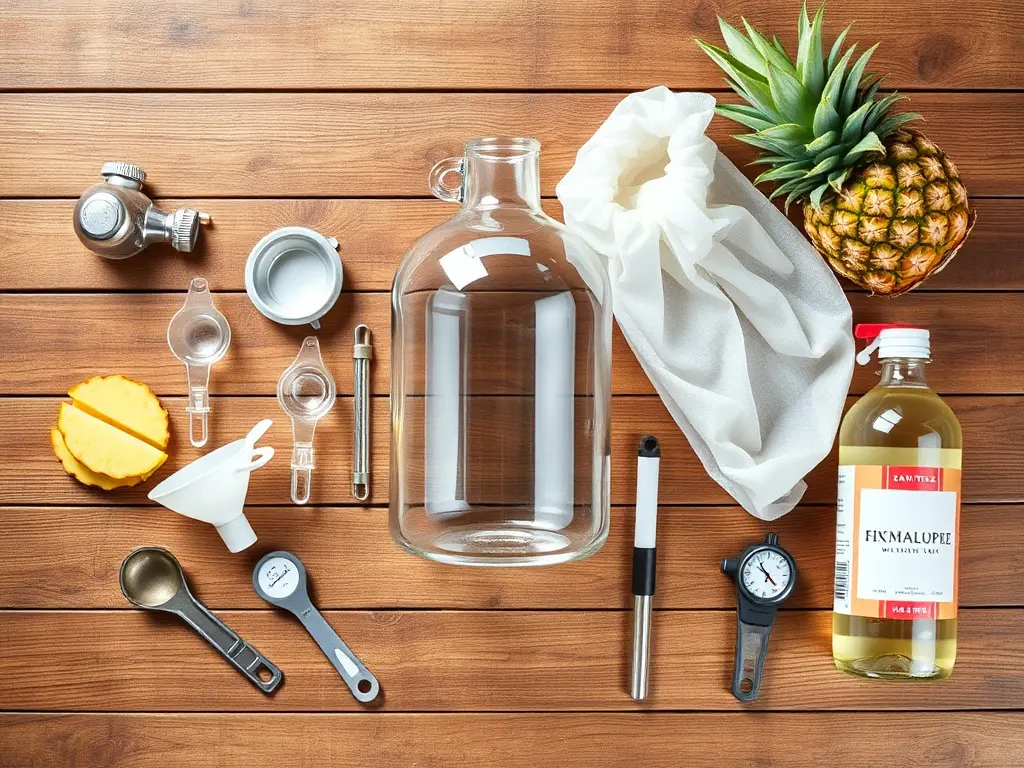
Making Fresh Pineapple Wine at Home doesn’t require professional brewery equipment, but you will need some basic fermentation tools. My first winemaking attempt used repurposed kitchen items, but investing in proper equipment dramatically improved my results.
- 1-gallon glass carboy or food-grade plastic fermenting bucket with lid
- Airlock and rubber bung (keeps oxygen out while letting CO2 escape)
- Auto-siphon or food-grade tubing for transferring wine
- Brewing sanitizer like Star San (don’t substitute with household cleaners)
Additional helpful items that make the process smoother:
- Large nylon mesh bag for fruit (makes removing pulp much easier)
- Hydrometer (to measure sugar content and potential alcohol)
- Wine bottles and corks (about 5 standard bottles per gallon)
- Corker (hand corkers work fine for small batches)
Proper sanitization is absolutely crucial. My winemaking friend once skipped thorough sanitizing and ended up with an entire batch that tasted like vinegar! Every surface, tool, and container that touches your wine must be completely sanitized to prevent unwanted bacteria from spoiling your hard work.
Step-by-Step Process for Making Fresh Pineapple Wine at Home
Homemade Pineapple Wine Recipe
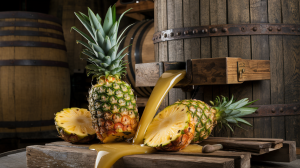
Make your own pineapple wine at home with this easy 1-gallon recipe. Fresh pineapple, wine yeast, and a few basic ingredients create a tropical, refreshing wine in just a few months.
Type: Beverage
Cuisine: Homemade / Tropical
Keywords: pineapple wine recipe, homemade fruit wine, tropical wine recipe, DIY pineapple wine, easy pineapple wine, pineapple wine with yeast, 1 gallon wine recipe, pineapple alcoholic drink, tropical wine making, pineapple wine fermentation
Recipe Yield: 1 gallon (approx. 4–5 bottles)
Calories: (5 oz): ~120 (estimate)
Preparation Time: PT30M
Cooking Time: P6W (primary) + P3M (aging)
Total Time: P4M (about 4 months)
Recipe Ingredients:
- 3 lbs fresh pineapple, peeled and chopped
- 2.5 lbs granulated sugar
- 1 tsp acid blend
- 1 crushed Campden tablet
- 1 tsp pectic enzyme
- 1 packet wine yeast (Lalvin EC-1118 recommended)
- 1 gallon filtered water
Recipe Instructions: Sanitize Equipment: Thoroughly clean and sanitize all winemaking tools, containers, and utensils. Prepare the Pineapple: Place chopped pineapple in the fermentation bucket. Add the crushed Campden tablet and fill with water. Cover and let sit for 24 hours. Add Sugar and Enzymes: Stir in sugar, acid blend, and pectic enzyme until sugar is fully dissolved. Wait another 12 hours. Add Yeast: Sprinkle wine yeast over the mixture. Cover loosely and ferment at room temperature for 5–7 days, stirring daily. Strain and Transfer: Strain out solids with a mesh strainer or cheesecloth. Pour liquid into a clean glass carboy, attach the airlock, and ferment for 4–6 weeks. Rack and Age: Siphon wine off sediment into a clean carboy. Age for at least 3 months in a cool, dark place. Bottle: Once clear and fully fermented, transfer to sanitized bottles, cork, and store.
5
Pros
- Unique tropical flavor with a light, refreshing finish
- Fully customizable sweetness level
- No artificial additives or preservatives
- Great conversation piece for gatherings
Cons
- Requires several months of patience before drinking
- Needs winemaking tools and proper sanitization
- Pineapple pulp can be messy to strain
Making Fresh Pineapple Wine at Home follows a simple but precise process. After making several batches, I’ve refined these steps to get consistent, delicious results. The whole prep process takes about an hour, but patience through fermentation is key to quality homemade wine.
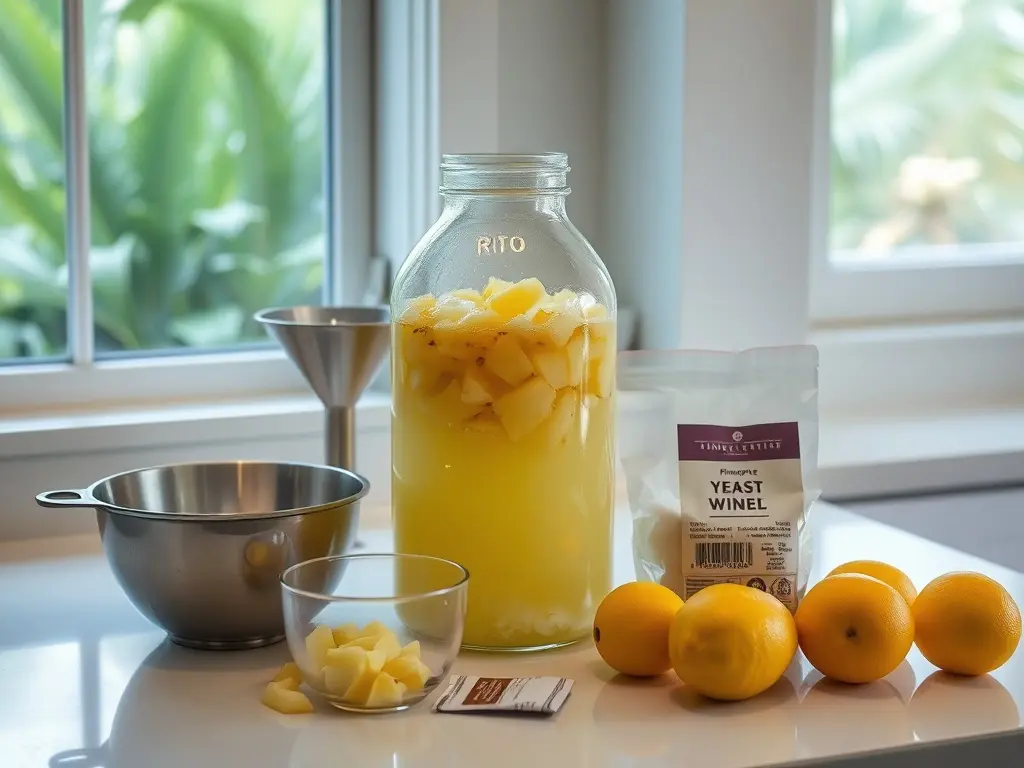
- Thoroughly wash, peel, and core your pineapples, then chop into 1-inch chunks
- In a large pot, combine pineapple chunks, sugar, and about half a gallon of water
- Heat gently to dissolve sugar completely, but don’t boil (keep under 160°F)
- Cool mixture to room temperature before adding yeast (hot liquid kills yeast)
Once your mixture (called “must” in winemaking terms) is prepared, transfer it to your sanitized fermenter. If using a mesh bag, place pineapple chunks inside the bag first, then put the bag in your fermenter. Add remaining water to reach the one-gallon mark, leaving about 3 inches of headspace. Sprinkle yeast on top and secure your airlock.
| Fermentation Stage | Duration | What’s Happening |
|---|---|---|
| Primary Fermentation | 5-7 days | Active bubbling, fruit floating at top |
| Secondary Fermentation | 4-6 weeks | Slower fermentation, clearing begins |
| Bottle Aging | 2-6 months | Flavors develop and mellow |
After primary fermentation, you’ll need to “rack” the wine (transfer it off the sediment) into a clean container. This is where a siphon becomes handy. The wine will look cloudy at first, but don’t worry! It will gradually clear during secondary fermentation. If you’re interested in learning more about how aging affects fruit wines, check out this guide on fruit wine aging.
Recipe Variations
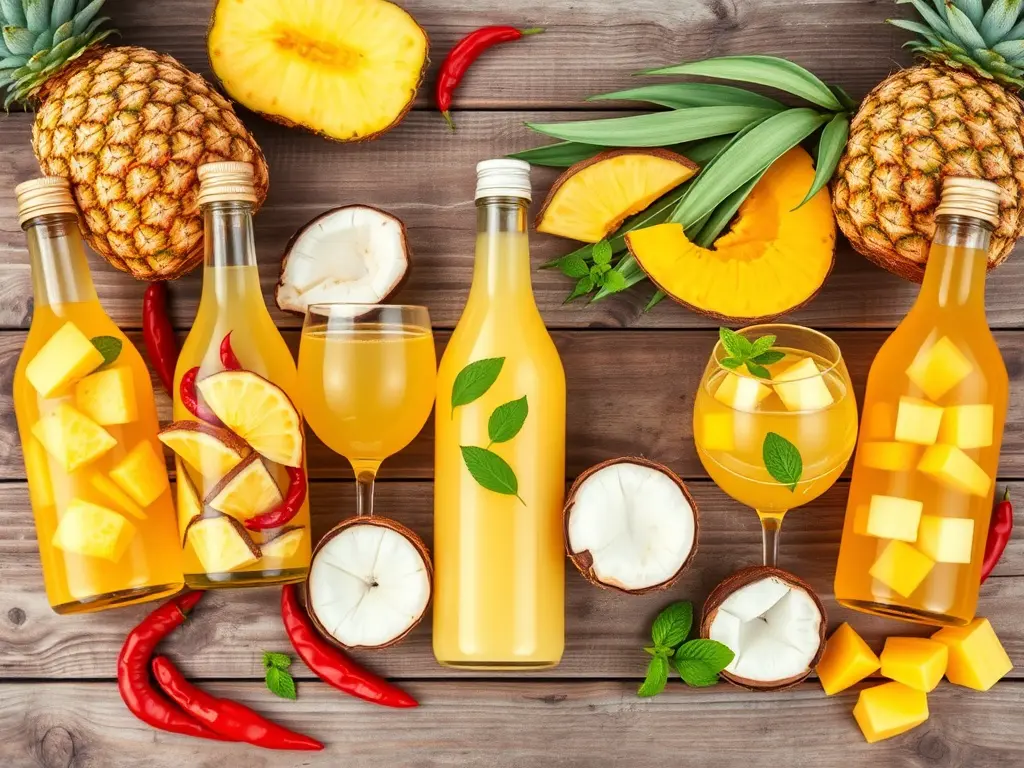
One of the joys of Making Fresh Pineapple Wine at Home is experimenting with different flavor combinations. My kitchen has become a mini wine lab where I test new variations with each batch. These creative twists can transform your basic pineapple wine into something truly extraordinary.
- Pineapple-Mango Fusion: Add 1 pound of ripe mango chunks for a tropical smoothness
- Spiced Pineapple: Include 2-3 cinnamon sticks, 3 cloves, and a small piece of star anise
- Pineapple Mead: Substitute 2 pounds of honey for sugar to create a mead-wine hybrid
- Pineapple-Coconut: Add 1 cup of unsweetened coconut flakes during primary fermentation
My most successful experiment was adding a vanilla bean split lengthwise during secondary fermentation. It created a dessert-like quality that paired beautifully with custards and cheesecake. For other fruit wine ideas, you might enjoy learning how to make homemade mango wine which complements pineapple wine perfectly.
Don’t be afraid to get creative! The beauty of home winemaking is the freedom to customize. My boyfriend’s batch with added ginger and lime zest won our neighborhood’s summer wine tasting contest, beating out several commercial wines.
Serving and Pairing Ideas
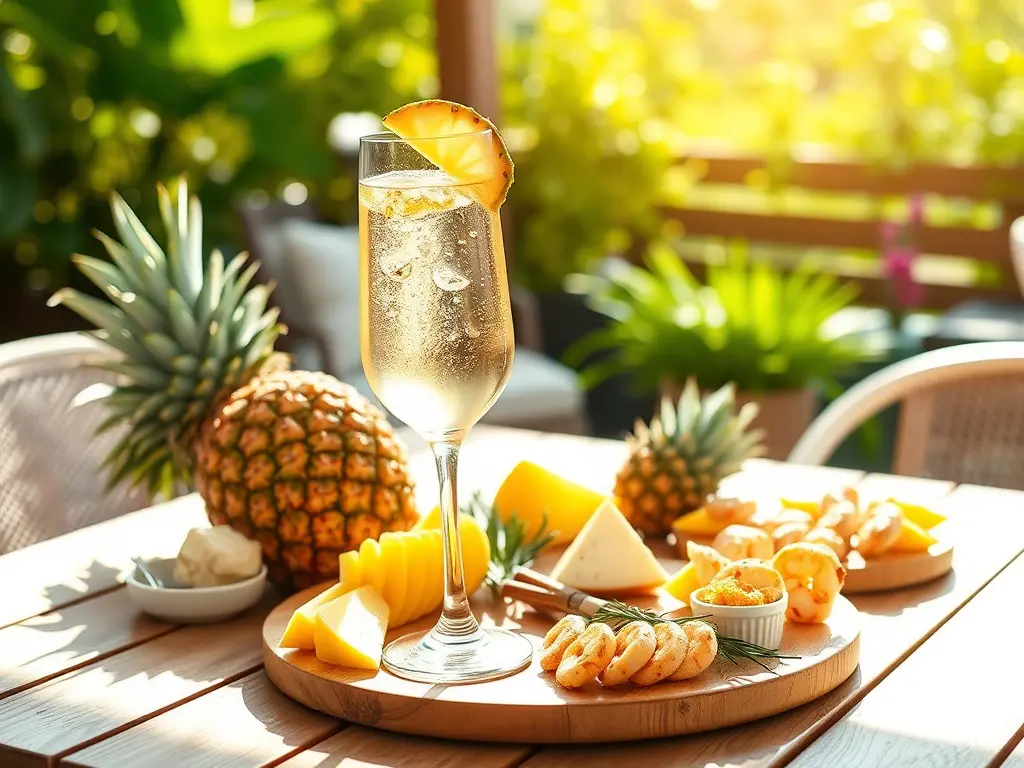
Once you’ve mastered Making Fresh Pineapple Wine at Home, it’s time to enjoy it properly! This tropical wine shines when served well-chilled at 45-50°F in white wine glasses that capture its fruity aroma. For an elegant presentation, garnish glasses with a small pineapple wedge or a sprig of mint.
- Serve as an aperitif before dinner to awaken the palate
- Create refreshing spritzers by mixing equal parts wine and sparkling water
- Use as the base for tropical sangria with fresh fruit chunks
- Offer alongside dessert for a sweet finish to a meal
Pineapple wine pairs beautifully with a variety of foods. I’ve found these combinations particularly successful:
- Grilled seafood, especially shrimp, scallops, and white fish
- Spicy Asian cuisines like Thai green curry or Szechuan dishes
- Tropical fruit desserts and coconut-based treats
- Creamy cheeses like brie or mascarpone
The refreshing acidity cuts through rich dishes while complementing fruit-forward flavors. At my last dinner party, I served pineapple wine with coconut shrimp and pineapple salsa, and guests couldn’t stop talking about how perfectly they matched. If you enjoy exploring fruit wines, pear wine offers another interesting option with different pairing possibilities.
Where to Buy Pineapple Wine Online
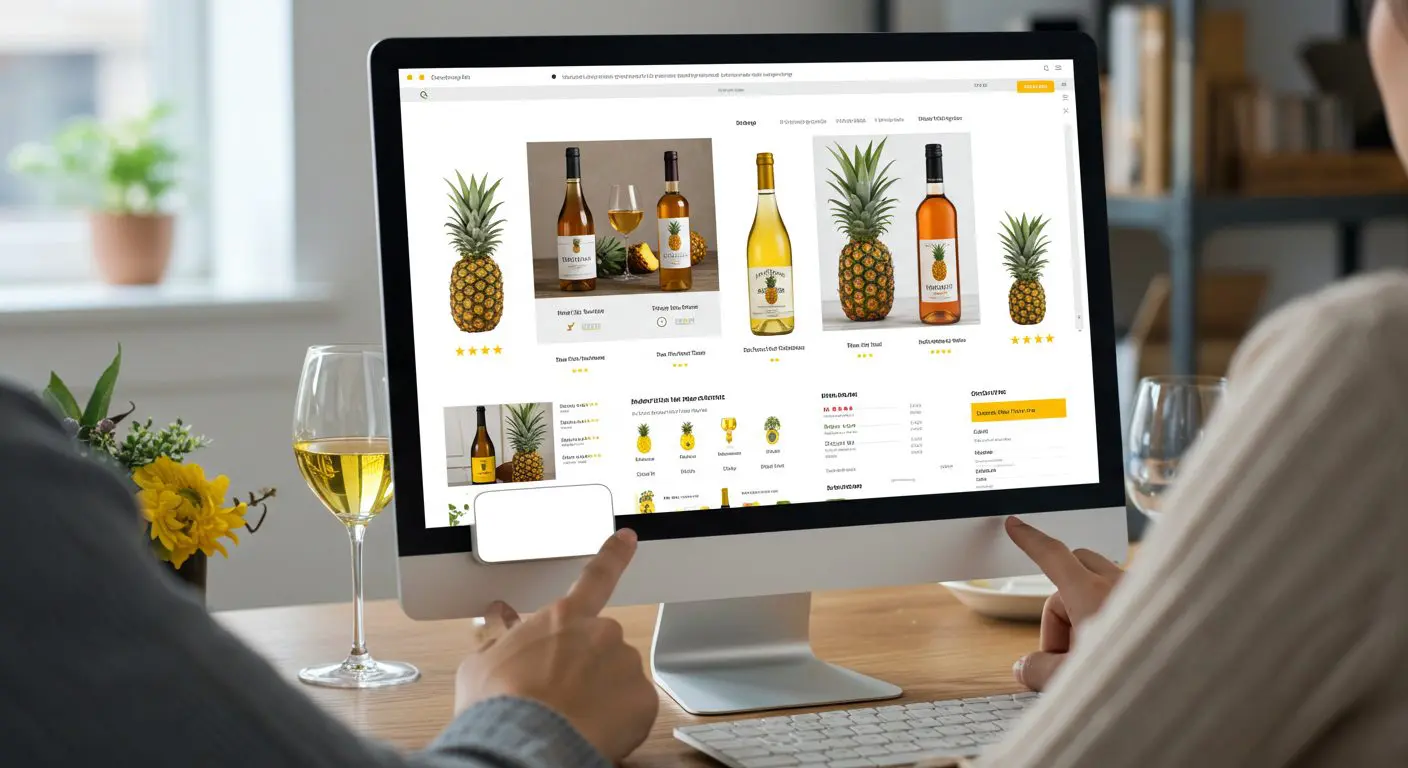
While Making Fresh Pineapple Wine at Home is rewarding, sometimes you want to sample professional versions for inspiration or immediate enjoyment. Several established wineries produce excellent tropical fruit wines that can be shipped directly to your door.
- MauiWine – Their Maui Blanc pineapple wine is made from Maui Gold pineapples
- Florida Orange Groves Winery – Award-winning pineapple wines in various styles
- Tropical Winery – Specializes in fruit wines including several pineapple varieties
- Hawaiian Wine Company – Small-batch artisanal pineapple wines using traditional methods
Comparing commercial versions to your homemade batches can provide valuable insights for improving your technique. My wine club friends and I did a blind tasting between my homemade version and MauiWine’s pineapple wine. While theirs had more refined clarity, several friends actually preferred my more intense fruit character!
If you’re interested in exploring other unique homemade wines, you might enjoy making dandelion wine for a completely different flavor experience compared to fruit wines.
Your Tropical Wine Adventure Awaits
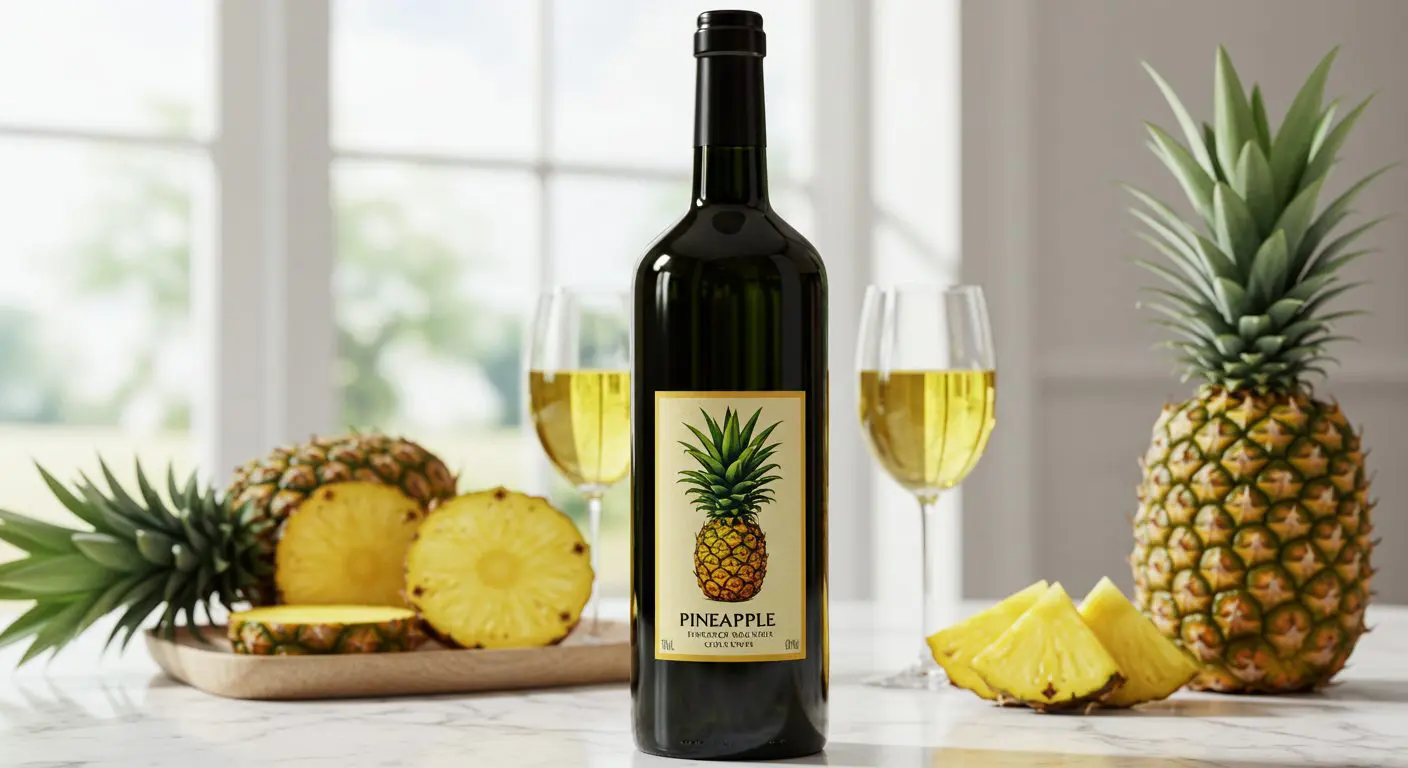
Making Fresh Pineapple Wine at Home transforms a simple tropical fruit into a delightful beverage that captures sunshine in a bottle. The process connects you to ancient traditions of fermenting seasonal bounty while creating something uniquely your own. I’ve found few hobbies as satisfying as watching bubbles dance through a carboy of fermenting pineapple must, knowing that patience will reward me with something special.
Every batch tells a story – from selecting the perfect pineapples at the market to finally popping the cork months later. The variations are endless, the learning curve gentle, and the results impressively tasty for such a straightforward process.
So grab a couple of ripe pineapples and start your winemaking adventure. Whether you’re a complete novice or experienced with other home brews, pineapple wine offers an approachable entry point to fruit winemaking with consistently rewarding results. Your first sip of homemade pineapple wine will convince you that the waiting was worthwhile!
When friends compliment your creation, you’ll find yourself eagerly planning your next batch – perhaps adding a twist with different fruits or spices. That’s the joy of homemade wine – it’s an ongoing journey of discovery that gets more rewarding with each new vintage. Cheers to your winemaking adventures!
How long does it take when making fresh pineapple wine at home?
When making fresh pineapple wine at home, the full process can take anywhere from 6 weeks to 6 months. Primary fermentation typically lasts 5–7 days, secondary fermentation can take 4–6 weeks, and bottle aging is recommended for 2–6 months for the best flavor.
Can I use canned pineapple instead of fresh?
Yes, you can, but making fresh pineapple wine at home delivers a brighter and cleaner flavor. Canned pineapple often contains preservatives or syrup, which can alter the fermentation process and taste.
Do I need special equipment to make pineapple wine?
You’ll need basic home winemaking equipment: a fermentation bucket or glass carboy, an airlock, a siphon tube, and proper sanitizing supplies. These ensure a safe, clean environment for fermentation when making fresh pineapple wine at home.
What type of yeast should I use for pineapple wine?
Wine yeast is best for making fresh pineapple wine at home, but champagne yeast can be used for a drier finish. Always choose yeast suited for fruit wines to help preserve tropical aromas and flavors.
How strong is homemade pineapple wine?
The alcohol content when making fresh pineapple wine at home typically ranges from 8, depending on the amount of sugar and the yeast strain used.
How should I store homemade pineapple wine?
Store bottles in a cool, dark place away from direct sunlight. If sealed properly, your fresh pineapple wine can last up to 2 years, though it’s best enjoyed within the first year for maximum freshness.
What foods pair well with pineapple wine?
When making fresh pineapple wine at home, consider pairing it with tropical dishes, grilled seafood, spicy Thai or Caribbean food, and light desserts like coconut cake.