This post may contains affiliate links. Read our full disclosure here.
Ever wondered what exactly you’re getting into when you grab a bottle of Cabernet Sauvignon off the shelf? I’ve been there! The world of red wine can feel intimidating at first, especially when you’re trying to figure out basic taste profiles. One question I hear from friends all the time when we’re having wine nights is: Is Cabernet Sauvignon sweet? It’s such a good question, especially if you’re transitioning from fruitier wines or just starting your wine journey.
Today, I’m breaking down everything you need to know about Cabernet Sauvignon’s sweetness level, flavor profile, and how to enjoy it. Whether you’re planning a dinner party or just want to understand what’s in your glass better, this guide will help you navigate the bold world of one of the most popular red wines without any pretentiousness. Let’s uncork the truth about whether Cabernet Sauvignon is sweet or not!
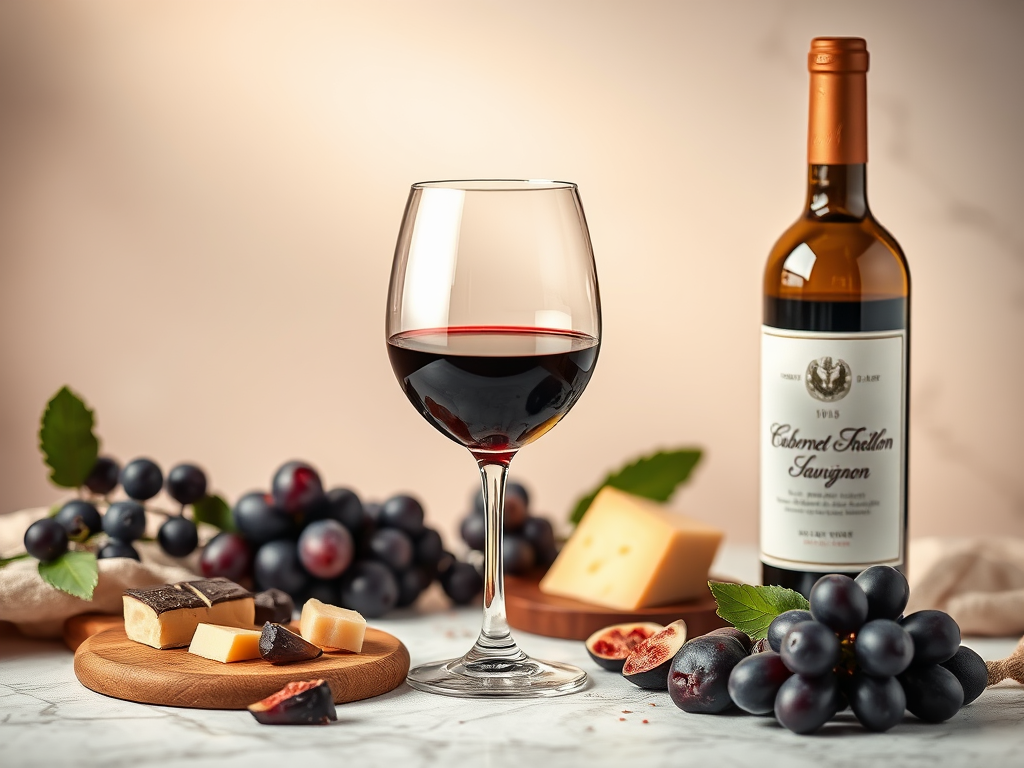
What Is Cabernet Sauvignon?
Before diving into the sweetness question, let’s get to know this famous grape variety a bit better. Cabernet Sauvignon has earned its place as wine royalty for good reason. It’s one of the most widely planted grape varieties globally, showing up everywhere from the prestigious vineyards of Bordeaux to sun-soaked California and Chile.
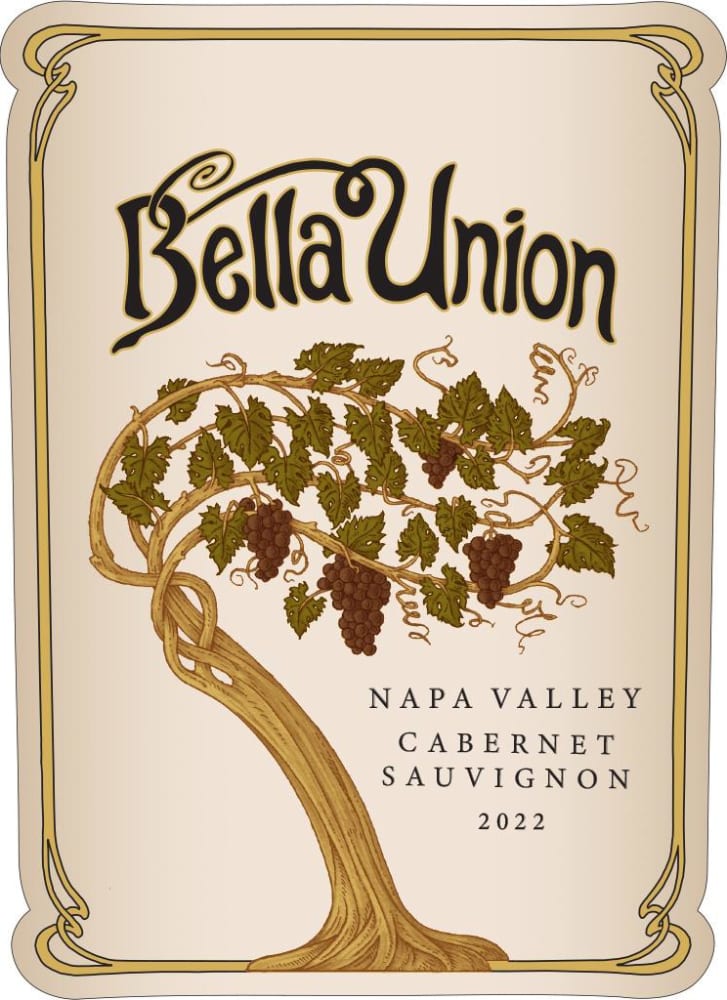

What makes Cabernet Sauvignon special? This grape develops thick skins during growing, which translates to deep color and robust tannins in your glass. These characteristics give the wine its structure and aging potential that wine lovers go crazy for. The grape itself is actually the result of a natural crossing between Cabernet Franc and Sauvignon Blanc that happened centuries ago in France.
Most quality Cabernet Sauvignon wines spend time aging in oak barrels, which adds another layer of complexity. This oak aging contributes those vanilla and cedar notes you might detect, along with softening some of the wine’s natural intensity. The combination of the grape’s natural characteristics and winemaking techniques creates a distinctive profile that’s recognizable worldwide.
Is Cabernet Sauvignon Sweet or Dry?
Let’s address the big question directly: Is Cabernet Sauvignon sweet? The straightforward answer is no – Cabernet Sauvignon is traditionally a dry red wine. This means that during fermentation, virtually all of the grape sugars are converted to alcohol, leaving minimal residual sugar behind. On the wine sweetness scale, Cabernet Sauvignon consistently falls on the dry end of the spectrum.

What confuses many beginners is that Cabernet Sauvignon often has fruit-forward flavors like black cherry, blackcurrant, and plum, which can give an impression of sweetness. However, these are flavor characteristics, not actual sugar content. The perception of fruitiness is different from actual sweetness in wine terminology. When wine professionals talk about sweetness, they’re specifically referring to residual sugar levels.
The dry nature of Cabernet Sauvignon is what makes it such a fantastic food wine. Red wine food pairings work well with Cabernet because its dryness and tannin structure complement rich foods without competing with them. Is Cabernet Sauvignon sweet enough for dessert pairings? Generally not – it’s better matched with savory dishes.
What Does Cabernet Sauvignon Taste Like?
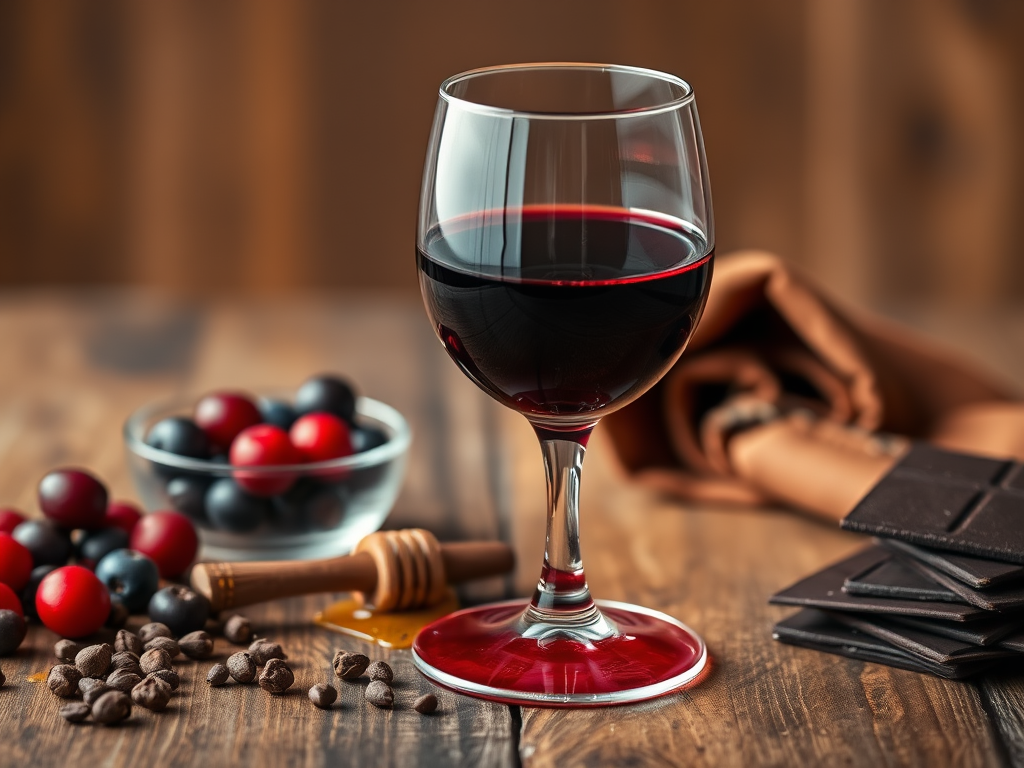
When you take your first sip of Cabernet Sauvignon, prepare for a bold experience that’s anything but shy. The typical flavor profile includes prominent dark fruit notes – think blackberry, black cherry, and cassis (blackcurrant). These fruit flavors provide depth without actual sweetness. Is Cabernet Sauvignon sweet in terms of flavor? It’s more accurate to describe it as richly fruity rather than sweet.
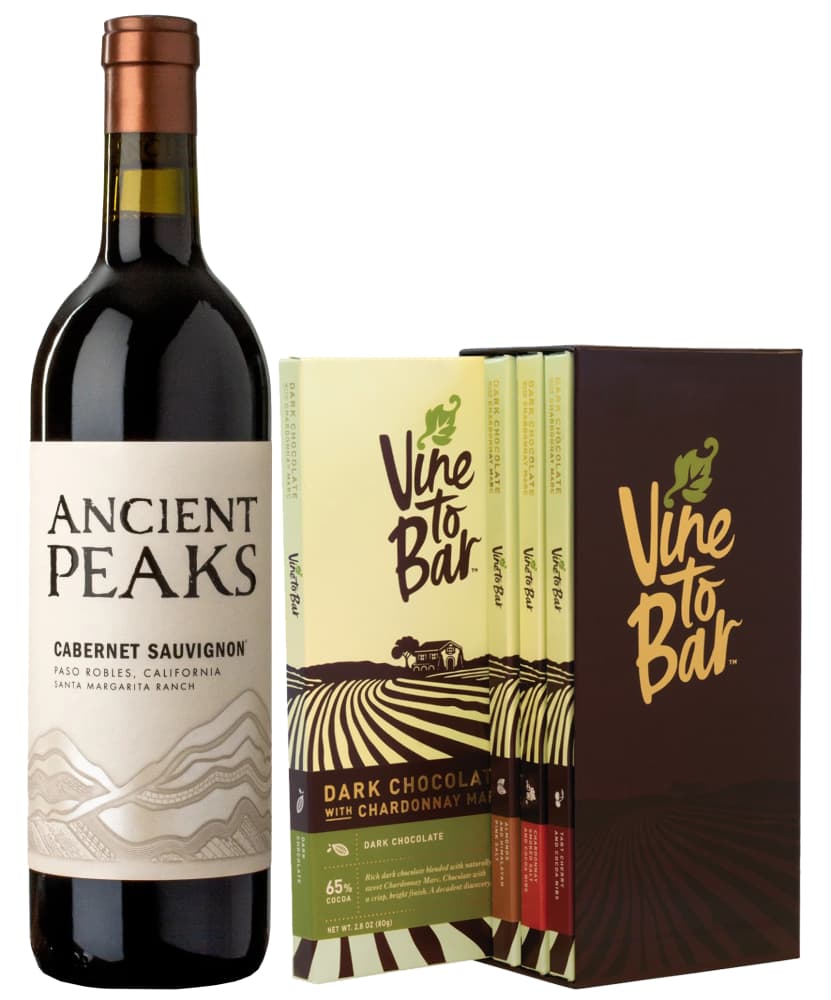
Cabernet’s medium to high tannins create that slightly drying sensation in your mouth – almost like the feeling after drinking strong black tea. This is a hallmark quality of the wine and contributes to its structure. The tannin content varies depending on where the grapes were grown and how the wine was made, but it’s always a defining characteristic of good Cabernet.
Oak aging adds another dimension to the flavor profile with notes of vanilla, cedar, tobacco, and sometimes even chocolate or coffee. These secondary flavors combine with the natural characteristics of the grape to create Cabernet’s complex taste. Understanding wine tasting techniques can help you identify these subtleties in the glass.
The acidity in Cabernet Sauvignon helps balance the richness and keeps the wine from feeling flat or one-dimensional. This acidity varies by region – cooler climate Cabernets tend to have higher natural acidity than those from warmer regions. Is Cabernet Sauvignon sweet or acidic? It’s definitely more on the acidic side, which contributes to its food-friendly nature.
Popular Styles of Cabernet Sauvignon
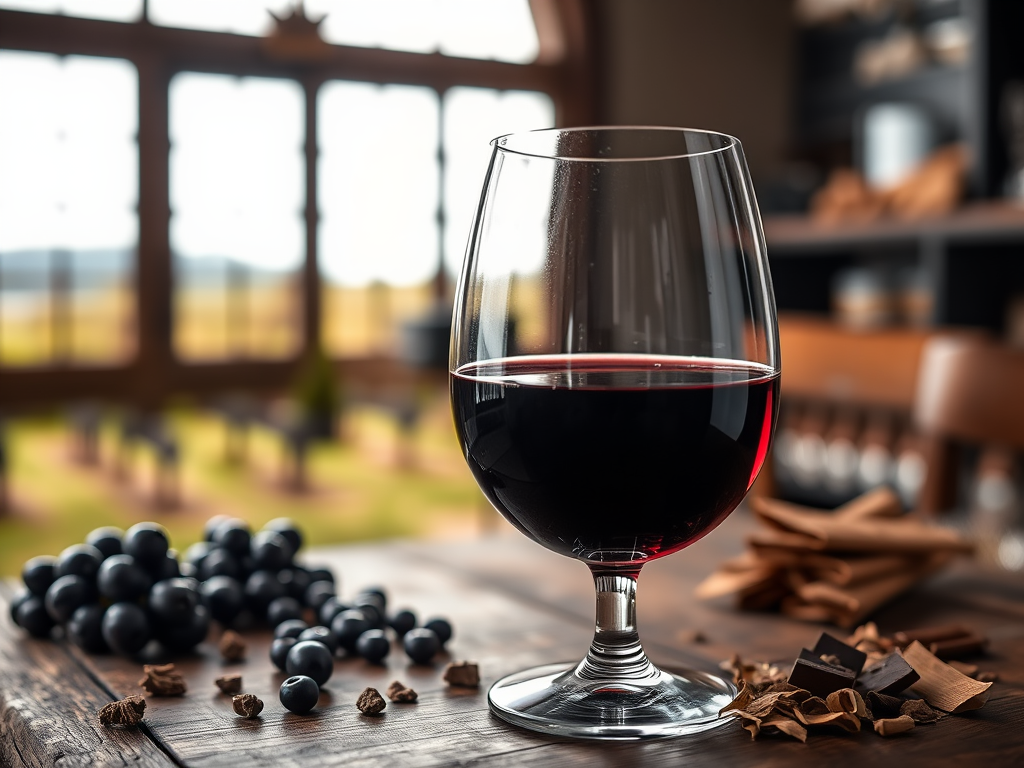
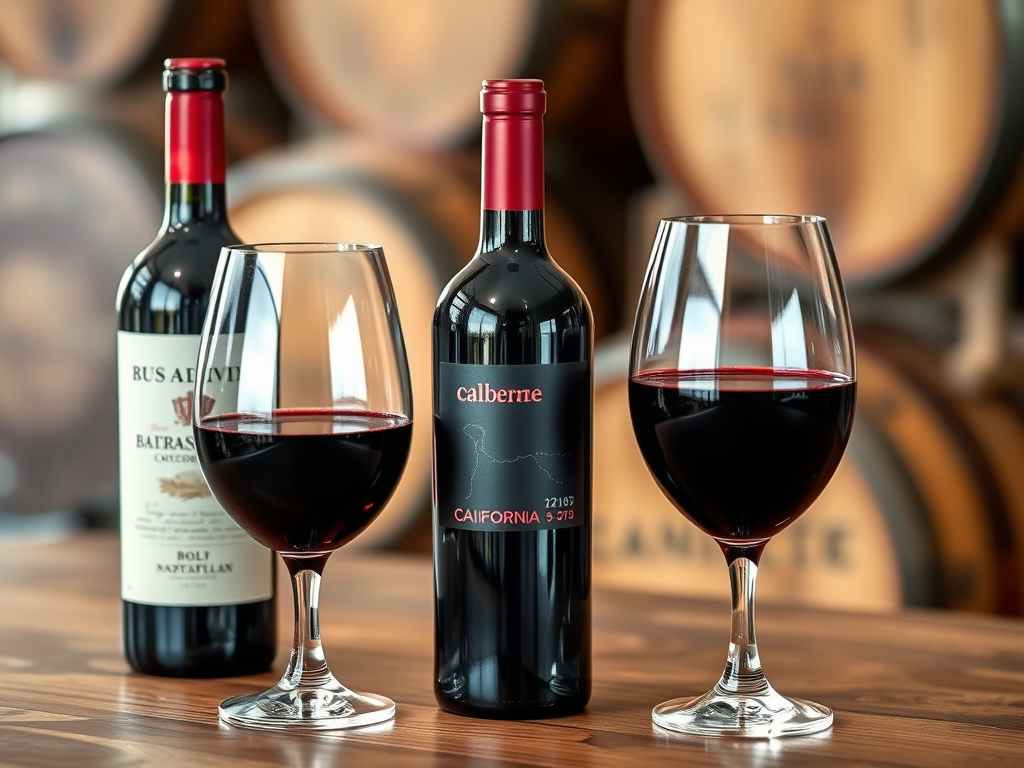
One of the fascinating things about Cabernet Sauvignon is how it expresses itself differently depending on where it’s grown. The wine world generally divides Cabernet into Old World and New World styles, each with distinct characteristics. Is Cabernet Sauvignon sweet in either style? No, but the fruit expression definitely varies.
Old World Cabernets, particularly from Bordeaux, France, tend to be more restrained and elegant. They typically show more earthy qualities, herbaceous notes, and subtle fruit character. The tannins are present but integrated, and alcohol levels are generally more moderate. These wines often have a savory quality that makes them excellent companions to classic European cuisine.

New World Cabernets from places like California’s Napa Valley, Chile, or Australia typically deliver bolder fruit flavors and higher alcohol content. These wines often feel more lush and immediately approachable, with pronounced blackberry, cherry, and plum notes. The fruit-forward nature can sometimes give an impression of sweetness even though the wine is technically dry. Is Cabernet Sauvignon sweet in New World regions? It’s still dry, but the fruit is often more upfront.
Many beginners find New World Cabernets more approachable at first, while Old World styles might appeal more as your palate develops. Consulting a professional sommelier can help you navigate these stylistic differences when selecting bottles for your collection or special occasions.
Best Food Pairings for Cabernet Sauvignon
Pairing food with Cabernet Sauvignon can transform both your meal and your wine experience. The wine’s structure and bold character make it particularly well-suited to certain foods. Is Cabernet Sauvignon sweet enough to pair with desserts? Not typically – it shines brightest alongside savory, protein-rich dishes.
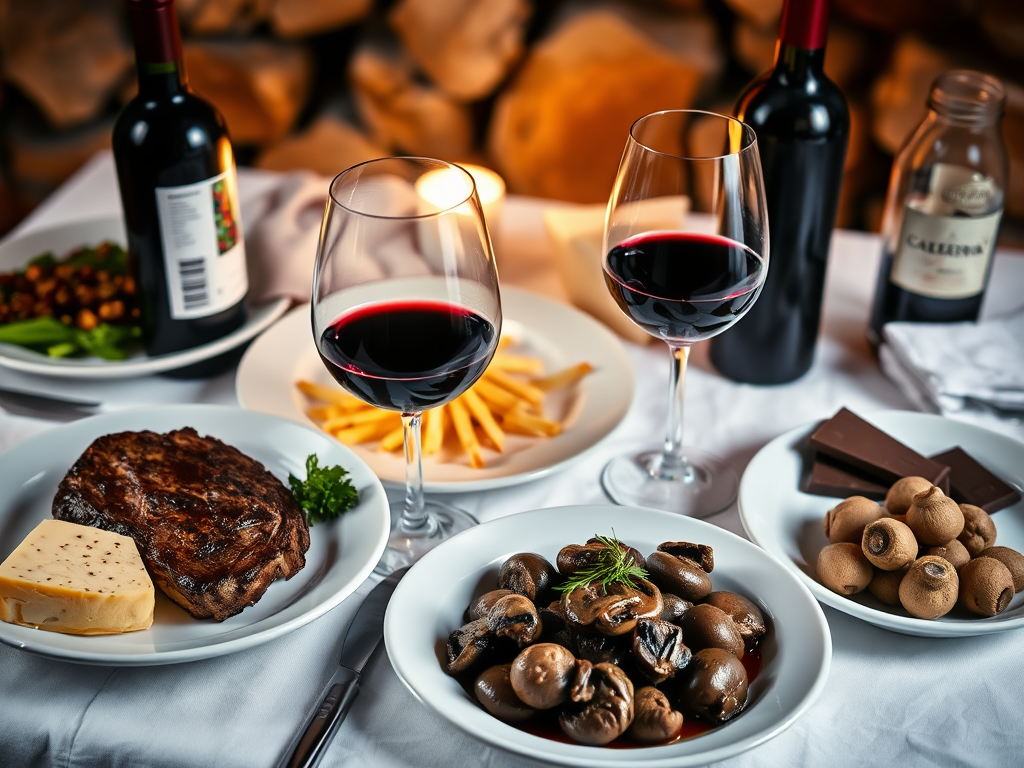
Red meat is the classic pairing partner for Cabernet Sauvignon. The wine’s robust tannins complement protein beautifully, while the fat in meats like steak, lamb, or venison helps soften those tannins on your palate. There’s something magical about how a perfectly grilled ribeye brings out the best in a glass of Cabernet. The charred exterior of grilled meats particularly complements the wine’s structure.

Aged cheeses work wonderfully with Cabernet for similar reasons. The protein and fat content in mature cheeses like aged cheddar, gouda, or sheep’s milk varieties create an excellent backdrop for the wine. These food and wine pairing fundamentals apply perfectly to Cabernet – matching intensity levels creates harmony on your palate.
Mushroom-based dishes unlock another dimension of Cabernet Sauvignon. The earthy umami qualities in mushrooms resonate beautifully with similar notes in the wine. A mushroom risotto or portobello burger can be a fantastic vegetarian option that stands up to Cabernet’s intensity. I’ve found that roasted vegetables with herbs also make surprisingly good companions.
What to avoid? Overly spicy dishes can clash with Cabernet’s tannins and make both the food and wine taste unpleasant. Similarly, very sweet dishes generally don’t partner well – the sweetness in food can make the wine taste bitter by contrast. Is Cabernet Sauvignon sweet enough for chocolate? Dark chocolate with minimal sugar can work, but milk chocolate usually doesn’t.
Cabernet Sauvignon for Beginners: Is It Right For You?
If you’re new to red wine or typically prefer sweeter options, diving straight into a bold Cabernet Sauvignon might feel like the deep end of the pool. Is Cabernet Sauvignon sweet enough for beginners? Honestly, its dryness and tannin structure can be challenging if you’re used to sweeter beverages. But don’t worry – there are ways to ease into appreciating this iconic wine!
Start with New World Cabernets, particularly from warmer regions like California or Australia. These tend to have riper fruit profiles that can feel more approachable. Some entry-level Cabernets also undergo winemaking techniques that make them smoother and ready to drink sooner. Is Cabernet Sauvignon sweet in these regions? No, but the fruit expression can be more pronounced.
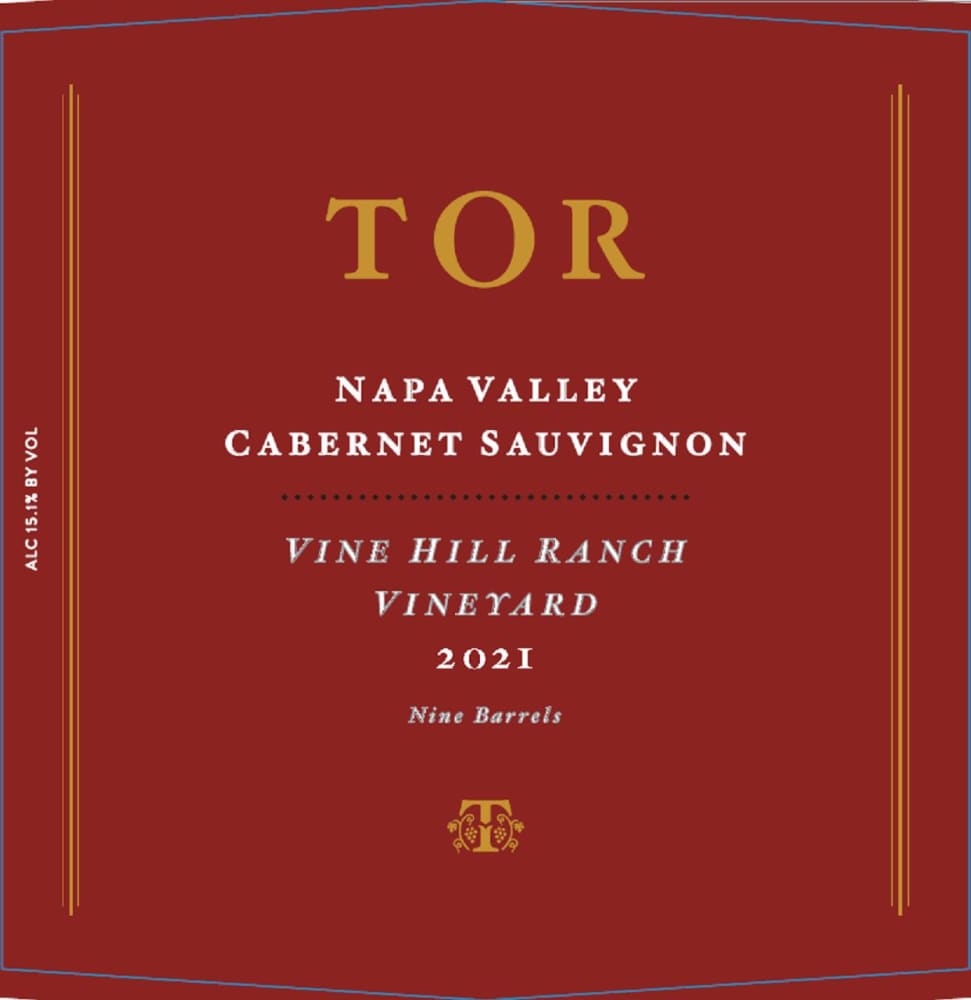
Consider trying Cabernet blends before pure varietal versions. Wines labeled as “Bordeaux blends” or “red blends” often mix Cabernet with softer grapes like Merlot, which can temper some of Cabernet’s intensity. These blends can be a gentler introduction to Cabernet’s flavor profile without the full tannic punch. Learning wine tasting terminology will help you articulate what you prefer as you explore different styles.
Wine tastings or flights offer an excellent way to explore different Cabernets without committing to a full bottle. Many wine shops and restaurants offer tasting options where you can sample multiple styles side by side. This comparative approach helps train your palate and discover what you enjoy most. Is Cabernet Sauvignon sweet compared to other reds? Trying it alongside a variety of wines will help you answer this for yourself.
Remember that temperature matters too. Serving Cabernet slightly below room temperature (around 60-65°F) can make it more approachable. Too warm, and the alcohol becomes pronounced; too cold, and the tannins can seem harsh. The right serving temperature helps balance the wine’s characteristics for maximum enjoyment.
The Sweet Truth About Cabernet Sauvignon
After exploring all aspects of this iconic wine, we can confidently return to our original question: Is Cabernet Sauvignon sweet? The answer remains a clear no – it’s a decidedly dry red wine. The confusion often stems from the rich fruit flavors that can give an impression of sweetness without actual residual sugar. Understanding this distinction helps develop your wine vocabulary and appreciation.
Cabernet Sauvignon’s appeal lies not in sweetness but in its complexity, structure, and food-pairing versatility. From those bold blackberry and cassis notes to hints of vanilla and spice from oak aging, there’s a whole world of flavor to discover. Is Cabernet Sauvignon sweet enough to serve as dessert? No, but it offers something potentially more interesting – a sophisticated counterpoint to a meal’s savory elements.
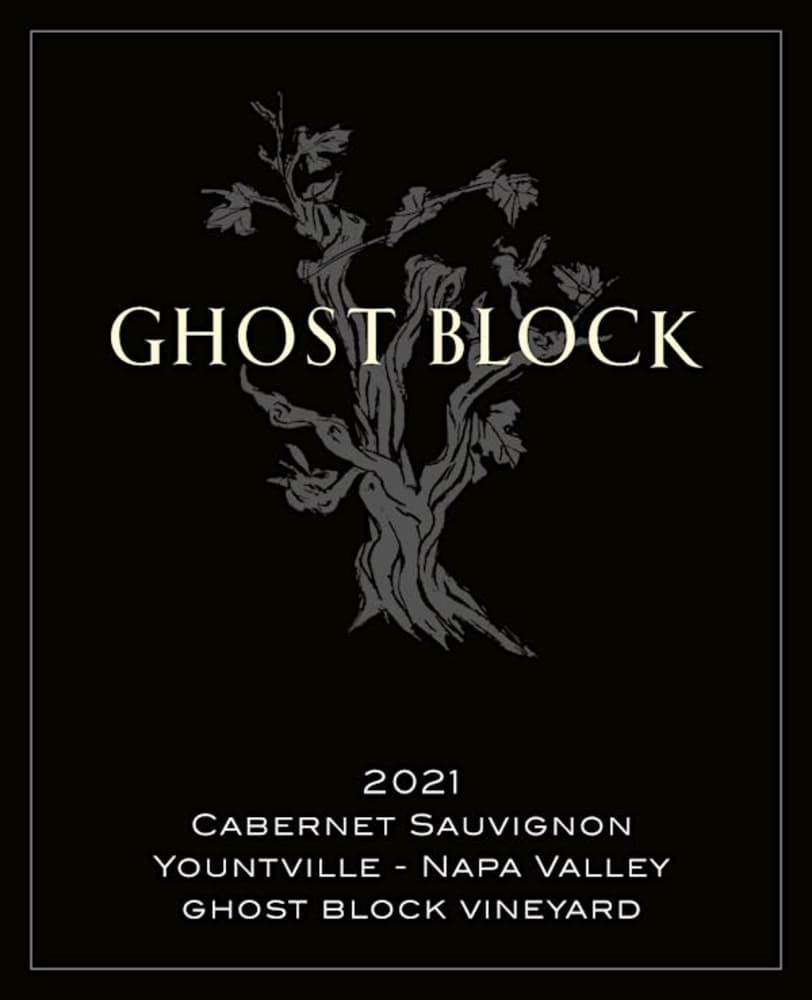
My journey with Cabernet started similarly to many beginners – initially finding it a bit intense compared to fruitier wines. But over time, I’ve come to appreciate its depth and complexity. Now I keep a bottle on hand for everything from weeknight dinners to special occasions. The right food pairing can truly transform your experience of this classic wine.
Have you tried Cabernet Sauvignon? Are you a fan of its bold character, or do you prefer wines with a touch of actual sweetness? Whatever your preference, understanding where wines fall on the sweetness scale helps you make better choices for your palate. The beauty of wine exploration is that there’s always something new to discover – whether you prefer your wines bone dry like Cabernet or with a hint of sweetness.