This post may contains affiliate links. Read our full disclosure here.
When you pour yourself a glass of Napa Valley Cabernet or Australian Shiraz, you’re not just tasting grapes and fermentation – you’re experiencing centuries of immigration patterns that brought wine traditions from Europe to entirely new continents. The story of how immigration patterns brought wine traditions to new continents is one of courage, adaptation, and the relentless human desire to recreate the flavors of home in foreign lands.
These brave souls didn’t just pack their belongings; they carefully carried vine cuttings, ancient techniques, and family recipes across oceans. What started as homesickness transformed entire regions, creating the global wine landscape we know and love today. From Spanish missionaries planting the first vines in California to German immigrants establishing vineyards in South Australia, immigration patterns brought wine traditions that would fundamentally change how the world thinks about wine.
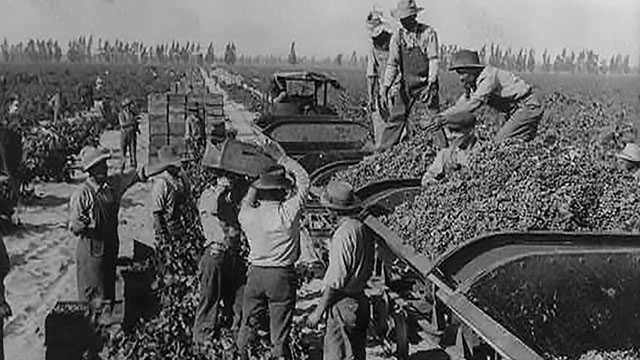
Spanish Conquistadors: The First Wave of Wine Migration
The earliest chapter in how immigration patterns brought wine traditions to new continents begins with Spanish colonization in the 16th century. Spanish missionaries weren’t just spreading religion – they were establishing the foundation of New World winemaking. Starting in 1530, these dedicated immigrants introduced grape vines to Colombia, and by 1769, they’d planted California’s first vineyard in what’s now San Diego.
Think about the determination required: carrying delicate vine cuttings across treacherous ocean voyages, then nurturing them in completely unfamiliar climates. The Spanish brought more than just grapes – they transported centuries of Mediterranean winemaking wisdom. These early immigration patterns brought wine traditions that would eventually transform the Americas into wine powerhouses.
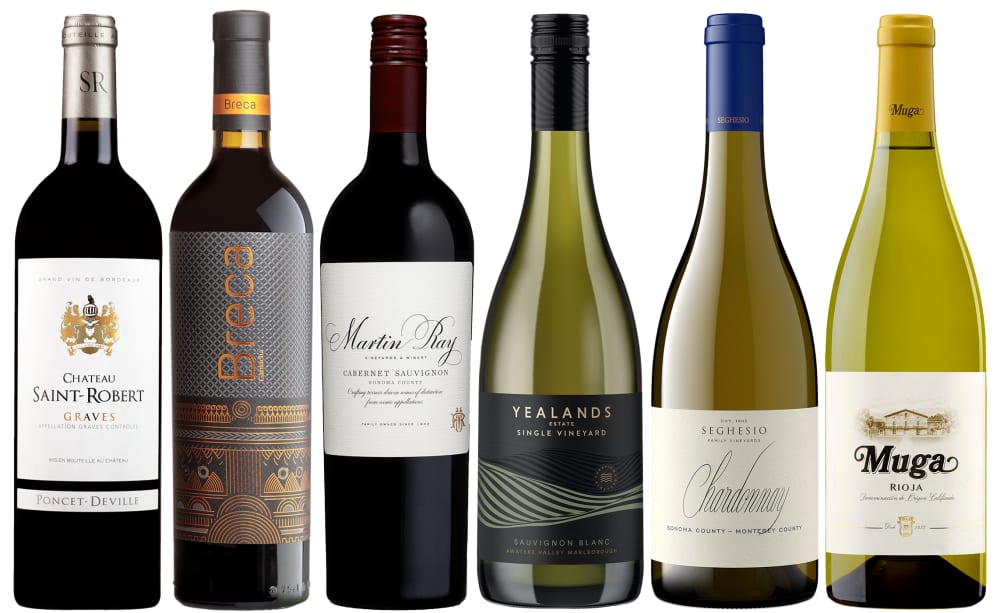

The history of wine in America truly began with these Spanish pioneers, who established the foundation for regions like Argentina and Chile to become world-class wine producers.
Key Spanish Contributions: • Introduction of Vitis vinifera grapes to the Americas • Establishment of mission vineyards throughout California • Development of basic winemaking infrastructure in colonial settlements • Creation of wine culture in South American colonies
The German Wine Revolution in America
The 19th century brought waves of German immigrants whose immigration patterns brought wine traditions that revolutionized American winemaking. Unlike their Spanish predecessors, these immigrants weren’t missionaries – they were farmers and craftsmen seeking better opportunities while carrying their homeland’s sophisticated viticultural knowledge.
German immigrants settled primarily in areas with climates similar to their Rhineland origins. They transformed regions like Missouri’s Hermann, New York’s Finger Lakes, and Ohio’s Lake Erie shore into thriving wine regions. What made German immigration particularly impactful was their technical expertise – they brought advanced fermentation techniques, grape selection knowledge, and most importantly, the cultural integration of wine into daily life.

The Germans didn’t just plant vineyards; they created entire wine communities. Towns like Hermann, Missouri, became known as the “German Athens of America,” where immigration patterns brought wine traditions that included wine gardens, festivals, and social customs centered around wine appreciation.
YouTube Video: The World History of Modern Wine
German Immigration Impact: • Advanced fermentation and cellar management techniques • Introduction of hybrid grape varieties suited to American climates • Establishment of wine as part of social and cultural traditions • Creation of cooperative winemaking communities
Italian Immigrants: Bringing the Family Vineyard Tradition
No discussion of how immigration patterns brought wine traditions to new continents would be complete without Italian contributions. Italian immigrants brought something uniquely precious: the family vineyard tradition. Unlike other immigrant groups who often adapted to local conditions, Italians maintained their ancestral grape varieties and winemaking methods with fierce dedication.

The history of wine in Italy provided the blueprint for Italian-American winemaking communities. These immigrants established vineyards in California’s Central Valley, Argentina’s Mendoza region, and Australia’s wine regions, bringing grape varieties like Sangiovese, Nebbiolo, and Barbera to new soils.
What’s fascinating about Italian immigration patterns is how they maintained family winemaking traditions across generations. Even during Prohibition, Italian-American families continued making wine for personal consumption, preserving techniques that would later contribute to America’s wine renaissance.
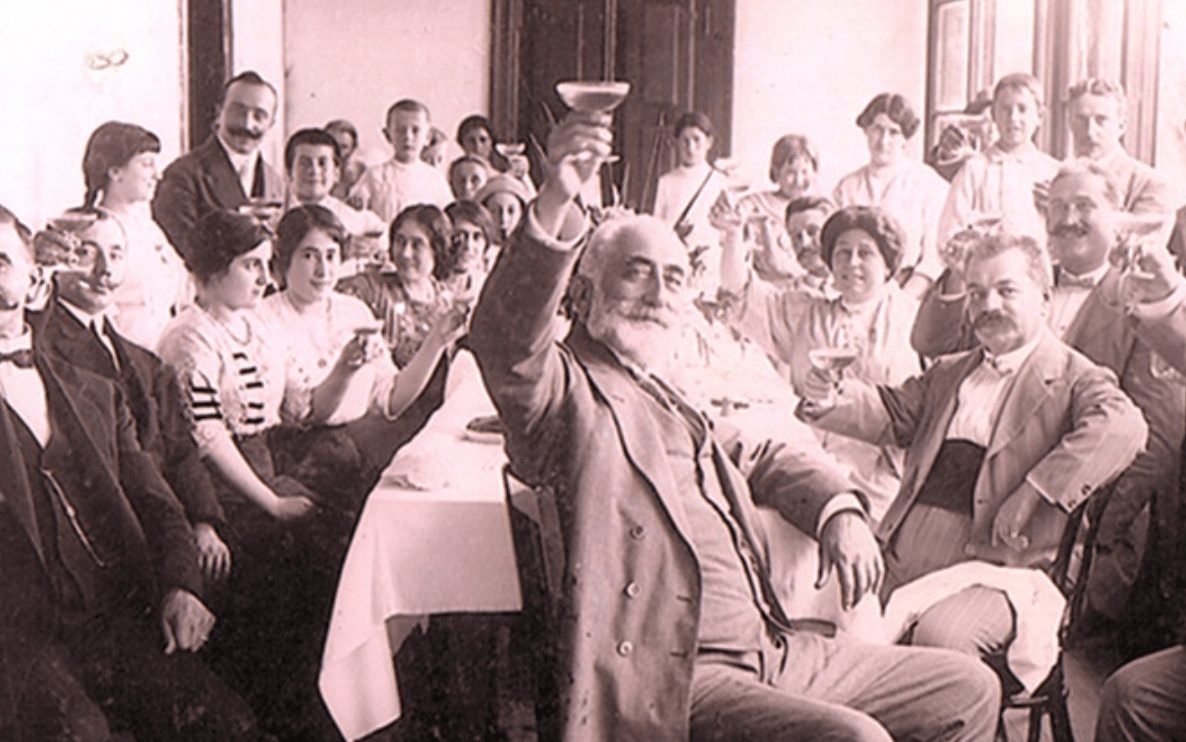
Italian Contributions to New World Wine: • Preservation of ancient grape varieties in new climates • Family-centered winemaking traditions • Introduction of Italian wine styles and techniques • Establishment of wine as essential to family and community life
French Influence: Sophistication Travels Across Oceans
French immigration patterns brought wine traditions that represented the pinnacle of Old World sophistication to new continents. French immigrants weren’t just seeking new opportunities – they were often fleeing religious persecution (like the Huguenots) or political upheaval, carrying with them centuries of refined winemaking expertise.
The French influence appears throughout New World wine regions: from French Huguenot settlers in New York’s Hudson Valley to French immigrants in California’s Sonoma County. The history of wine in France provided the technical foundation that would transform regions like Napa Valley into world-class wine destinations.
What distinguished French immigration was their focus on terroir – the belief that wine should express the specific characteristics of its growing location. This concept, transported through immigration patterns that brought wine traditions from Burgundy and Bordeaux, fundamentally changed how New World winemakers approached their craft.
French Technical Contributions: • Introduction of premium grape varieties (Cabernet Sauvignon, Chardonnay, Pinot Noir) • Advanced vineyard management techniques • Sophisticated winemaking and aging methods • Concept of terroir and appellations
Convicts and Immigrants: Australia’s Unique Wine Story
Australia’s wine story offers a unique perspective on how immigration patterns brought wine traditions to new continents. Unlike voluntary immigration, Australia’s wine industry began with convicts and continued with waves of European immigrants seeking new opportunities.
The early English settlers struggled with winemaking – they lacked the expertise. But as German, Italian, and French immigrants arrived in the 19th and 20th centuries, they transformed Australia into one of the world’s premier wine-producing nations. Regions like Barossa Valley became synonymous with excellent wine thanks to German immigrants who brought their winemaking traditions to South Australia.

Australian immigration patterns brought wine traditions that created a unique blend of Old World techniques with New World innovation. Today, Australian wines like Shiraz and Chardonnay compete on the global stage, representing centuries of immigrant knowledge adapted to Southern Hemisphere conditions.
Women in winemaking have played crucial roles throughout these immigration stories, often as the keepers of family recipes and traditional techniques.
Australian Wine Development: • Adaptation of European techniques to Southern Hemisphere conditions • Creation of distinctive Australian wine styles • Integration of multiple European traditions into unique regional identities • Development of innovative winemaking technologies
The Modern Legacy: How Immigration Continues to Shape Wine
Today’s wine world continues to be shaped by immigration patterns that brought wine traditions from established regions to emerging markets. Modern immigration brings new perspectives, techniques, and grape varieties to wine regions worldwide.

Contemporary winemakers often travel internationally, learning techniques and bringing them back to their home regions. This modern form of “wine immigration” continues the centuries-old tradition of knowledge transfer that built the global wine industry.
Wine classification systems around the world reflect this ongoing evolution, as different countries adapt traditional European systems to their unique conditions and immigrant-influenced traditions.

The story of how immigration patterns brought wine traditions to new continents continues today. Climate change, economic opportunities, and political situations drive modern wine migration, creating new wine regions and styles that blend traditional knowledge with contemporary innovation.
Modern Wine Immigration Trends: • International winemaker exchanges and collaborations • Establishment of wine regions in previously unsuitable climates • Integration of sustainable and organic practices across cultures • Development of unique wine styles reflecting multicultural influences
Tasting the World: Your Guide to Immigration-Influenced Wines
Understanding how immigration patterns brought wine traditions to new continents enriches every wine tasting experience. When you taste a California Zinfandel, you’re experiencing Croatian and Italian immigrant influence. That Australian Shiraz carries French Syrah genetics adapted by generations of European immigrants.
Ancient wine secrets continue to influence modern winemaking, as techniques preserved through immigration find new applications in contemporary viticulture.
Next time you’re wine shopping, consider the immigration story behind each bottle. That Argentine Malbec represents French immigrants adapting Cahors traditions to Mendoza’s high-altitude terroir. The Washington State Riesling showcases German immigrant expertise applied to Pacific Northwest conditions.
Wine Regions Born from Immigration: • Napa Valley – French and Italian immigrant influence • Barossa Valley – German winemaking traditions • Mendoza – Spanish and Italian colonial heritage • Finger Lakes – German and French immigrant expertise
The remarkable story of how immigration patterns brought wine traditions to new continents reminds us that every great wine region began with someone brave enough to carry their homeland’s traditions to foreign soil. These immigrants didn’t just transplant vines – they transplanted culture, creating the diverse, exciting wine world we enjoy today.
Whether you’re sipping a glass while planning your next vineyard visit or simply enjoying a quiet evening at home, remember that you’re participating in a tradition that spans centuries and continents. The wine in your glass carries the hopes, dreams, and expertise of countless immigrants who believed that good wine could make any place feel like home.
Learn more about global wine production statistics at the International Organisation of Vine and Wine