This post may contains affiliate links. Read our full disclosure here.
Learning how to save money in a recession has quickly become a top priority for all of us since President Trump’s global tariffs announcement on April 2, 2025. With grocery prices climbing and stock markets zigzagging downward, that financial cushion we’ve been meaning to build suddenly feels urgent. Though economists haven’t officially declared a recession yet, the warning signs are flashing bright red, and being prepared now can save serious headaches later.
As a mom juggling household expenses, I’ve been frantically researching practical ways to protect my family’s finances during these uncertain times. The strategies I’ve gathered aren’t about extreme couponing or eating ramen for months – they’re realistic approaches that won’t make your daily life miserable. Let’s walk through some recession money saving tips that actually work when every dollar counts.

Your Recession-Ready Checklist: Start Here
Before diving into detailed strategies, let’s focus on five immediate actions you can take this weekend to strengthen your financial position:
- Audit your subscriptions – Cancel anything you haven’t used in 30 days
- Create a meal plan – Map out 2 weeks of meals using what’s already in your pantry
- Switch to store brands – Most taste identical but cost 30-40% less
- Sell 5 unused items – Quick cash from things gathering dust
- Identify 3 DIY opportunities – Skip services you can reasonably do yourself
These simple steps can immediately free up cash in your budget. Now let’s explore deeper strategies to help you weather the economic storm that seems to be brewing since those April 2nd tariffs hit.
Grocery Shopping Strategies That Actually Save Money

Food costs have jumped dramatically since the tariffs went into effect, making grocery shopping feel like a financial obstacle course. The average family grocery bill has increased by 15% in just the last month, according to recent Consumer Price Index data. But there are still ways to keep your food budget under control.
Bulk buying has become my secret weapon at stores like Costco and Sam’s Club. The initial cost might seem higher, but the per-unit price often saves 20-30% on staples like rice, beans, and frozen vegetables. Just be sure you’re only bulk-buying items you’ll actually use before they expire.

Cashback apps have also been game-changers in my recession-proof budget planning. Ibotta and Rakuten offer substantial rebates on essentials – I’ve saved nearly $75 last month alone through strategic app use. The key is checking these apps before shopping rather than after.
One strategy that’s saved my family hundreds is planning meals around what’s on sale. Check store circulars or apps before creating your grocery list. When chicken thighs were on sale last week, we enjoyed chicken tacos, chicken curry, and chicken soup – all at a fraction of the normal cost.
Subscription Audit: Find Hidden Money Leaks
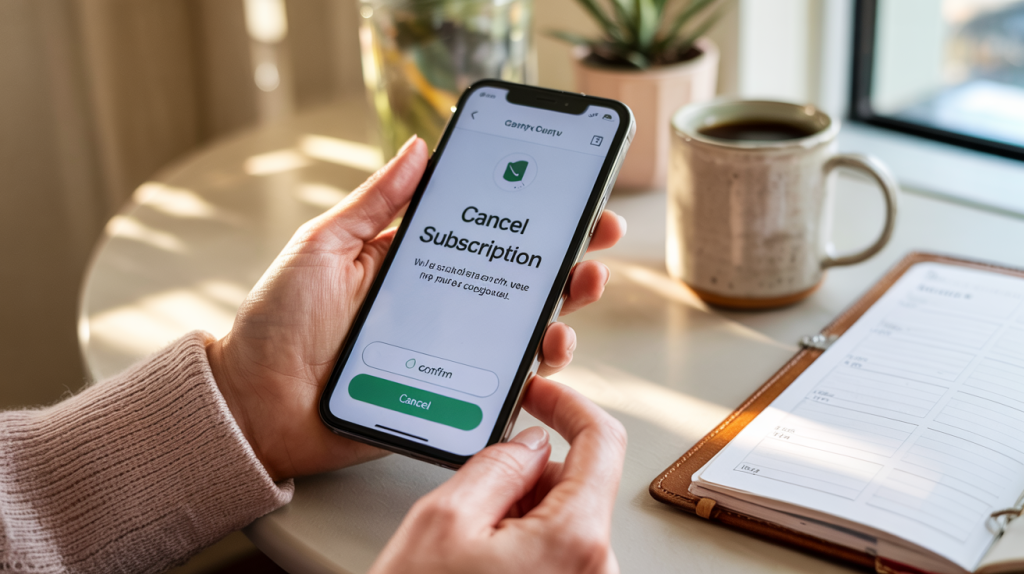
If you’re looking for how to save money in a recession, one of the quickest wins comes from tackling those sneaky monthly subscription services. The average American now has 12 subscription services, often forgetting about many of them. That’s money silently draining from your account each month!
Start by printing out your last three bank statements and highlighting every recurring charge. You’ll likely find forgotten gym memberships, streaming services, apps, or subscription boxes that no longer serve you. I recently found $52 in monthly charges for services I hadn’t used in over six months!
For the services you want to keep, consider sharing accounts (when permitted by terms of service). Netflix and Disney+ allow multiple profiles on family accounts, and splitting costs can save each person 60-75% monthly. Many families are creating informal “subscription pools” with trusted friends to divide streaming costs.

Don’t overlook free alternatives to paid services. Your local library likely offers Libby for free e-books and audiobooks instead of paying for Audible. Peacock, Pluto, and Tubi provide free streaming with ads. Finding affordable alternatives doesn’t mean eliminating fun—it means being strategic about what you’re paying for.
Quick Cash Generators: Turn Clutter Into Currency
When focusing on how to save money in a recession, generating extra income becomes just as important as cutting expenses. The good news? Your home is likely filled with potential cash opportunities disguised as clutter.

Online marketplaces make selling unused items simpler than ever. Poshmark works wonderfully for fashion items (I made $340 last month selling clothes I hadn’t worn in years). Facebook Marketplace is perfect for bulkier items like furniture or kids’ toys. Meanwhile, eBay remains the go-to for collectibles or specialty items.
Think beyond physical products too. That spare bedroom could generate rental income through Airbnb. Your driveway might be valuable parking space in crowded areas (check Spacer or Neighbor). Even storage space in your garage or basement can be rented out using apps like Neighbor.

Freelancing has also become a viable side hustle during economic uncertainty. Sites like Fiverr and Upwork connect you with clients needing your existing skills—whether writing, graphic design, virtual assistance, or data entry. The hourly rates often exceed typical part-time jobs, and you can work from home on your schedule, making it perfect for moms with unpredictable family demands.
Utility Bill Trimming: Small Changes, Big Savings

Utility costs have surged since the tariffs took effect, but implementing a few strategic energy-saving tricks can offset much of that increase. These changes require minimal effort but deliver substantial savings month after month.
Phantom energy usage (power used by devices even when turned “off”) costs the average household about $250 annually. Simply unplugging devices or using power strips you can switch off can reclaim this wasted money. Common culprits include TV equipment, phone chargers, and kitchen appliances.
Switching to LED bulbs throughout your home might cost $30-50 upfront, but the electricity savings add up to hundreds over their lifespan. Plus, LEDs last about 25 times longer than traditional incandescent bulbs, meaning fewer replacements.

Temperature adjustments offer the biggest potential savings. Lowering your thermostat by just 2 degrees in winter (or raising it by 2 in summer) can reduce your heating/cooling bill by about 5-10%. Most family members won’t even notice this minor change, but your bank account certainly will!
Many utility companies now offer free energy audits to identify additional savings opportunities. They’ll check your home’s insulation, air leaks, and appliance efficiency, then provide a personalized report. I saved $480 annually after implementing recommendations from our free audit last month.
Debt Management: Don’t Let Interest Eat Your Budget
Understanding how to save money in a recession requires smart debt management, especially with interest rates climbing to multi-year highs. Credit card interest rates now average 24.59% as of April 2025, making unpaid balances incredibly expensive.

The first step is pausing non-essential credit card spending immediately. If your card typically carries a balance, switch to cash or debit for discretionary purchases. This “cash diet” creates a psychological spending barrier that naturally reduces impulse buys.
For existing debt, the avalanche method mathematically saves the most money. List all your debts by interest rate, then focus extra payments on the highest-rate debt first while maintaining minimum payments on everything else. Once the highest-rate debt is eliminated, roll that payment into the next-highest, creating a snowball effect.
Don’t hesitate to contact lenders if your financial situation worsens. Many banks and credit card companies offer hardship programs that temporarily reduce interest rates or minimum payments. These programs aren’t widely advertised, so you need to ask specifically. A five-minute phone call could save hundreds in interest charges.

Refinancing high-interest debt to lower-rate options can dramatically reduce interest costs. Personal loans, home equity loans (if you have sufficient equity), or balance transfer credit cards can potentially cut your interest rate by half or more. Just be sure to calculate any transfer fees against potential savings before proceeding.
Emergency Fund Building: Your Recession Safety Net

If there’s one financial lesson from previous recessions, it’s that cash reserves provide crucial protection during economic downturns. April 2025’s market volatility has financial advisors recommending even larger emergency funds than usual – ideally 6-9 months of essential expenses.
Start by calculating your bare minimum monthly expenses: housing, utilities, food, transportation, healthcare, and minimum debt payments. This is your emergency fund target. For a family spending $5,000 monthly on essentials, a complete emergency fund would be $30,000-45,000. That’s a huge number, but even a partial emergency fund provides significant protection.
High-yield savings accounts (HYSAs) currently offer around 5.15% APY (as of April 5, 2025), making them ideal emergency fund homes. Your money remains accessible but grows meaningfully while waiting. Online banks typically offer the highest rates with no minimum balance requirements or monthly fees.
The automation approach works best for consistent saving. Set up automatic transfers of even small amounts ($25-50) from checking to savings on paydays. You won’t miss what you don’t see, and these small transfers compound significantly over time. For an added boost, direct all “found money” (tax refunds, work bonuses, cash gifts) straight to your emergency fund until it reaches your target.
Remember that an emergency fund isn’t just about financial security—it provides mental peace during uncertain times. Knowing you have resources to handle unexpected expenses reduces financial stress and allows clearer decision-making when the economy gets rough.
Food Waste Reduction: Stop Throwing Money Away

The average American family wastes approximately 30% of the food they purchase. With grocery prices soaring post-tariffs, eliminating this waste represents one of the most effective ways to save money in a recession without feeling deprived.
Start with refrigerator organization—use clear containers and implement a “first in, first out” system. Keep a designated “eat soon” section for items nearing expiration. This simple visual system reduced my family’s food waste by roughly 40% in just one month.
Meal planning has transformed from helpful to essential in this economic climate. Plan your weekly meals around what’s already in your pantry and freezer, supplementing with sale items. Apps like Mealime and Paprika help create shopping lists based on planned meals, preventing overbuying.

Learning proper food storage techniques extends the life of perishables. Store herbs like cut flowers in water. Wrap leafy greens in paper towels. Keep mushrooms in paper bags. Freeze milk, cheese, and bread approaching expiration. Small adjustments like these can add days or weeks to food freshness.
Even with careful planning, some food scraps are inevitable. Consider composting (which can also reduce your garbage service costs) or get creative with leftovers. Vegetable trimmings make excellent stock, stale bread becomes croutons or breadcrumbs, and overripe fruit works perfectly in smoothies or baking.
Smart Saving While Still Living Life
Learning how to save money in a recession doesn’t mean eliminating all joy from your life. In fact, finding affordable alternatives to expensive habits helps maintain mental health during stressful economic times.

Instead of restaurant dining, try “fancy night in” with a good bottle of wine and homemade versions of restaurant favorites. Cooking together becomes both entertainment and nourishment. My family saves roughly $140 weekly with this approach while still enjoying special meals.
Entertainment costs can be slashed without sacrificing fun. Libraries offer free books, movies, and often passes to local museums or attractions. Community calendars list free concerts, festivals, and events. State and national parks provide affordable family adventures with just a small entrance fee or annual pass.
Clothing expenses can be minimized through thoughtful wardrobe planning. Create capsule wardrobes of mix-and-match basics supplemented with thrift store, consignment, or clothing swap finds. The 24-hour rule (waiting a day before purchasing non-essential items) eliminates most impulse buys and keeps closets clutter-free.

Self-care remains crucial during financial stress but needn’t be expensive. Replace salon services with at-home alternatives when appropriate. Swap gym memberships for outdoor workouts or free YouTube fitness channels. Create spa experiences at home using simple ingredients from your kitchen. These substitutions often save 70-90% while still providing the mental health benefits.

Your Financial Fortress: Building Strength in Uncertain Times
As we navigate these choppy economic waters following the April 2nd tariff announcements, implementing these strategies for how to save money in a recession can transform financial anxiety into confidence. The steps may seem small individually, but together they create a powerful defense system against economic uncertainty.
Start with just one or two approaches that feel most manageable, then gradually incorporate others. The subscription audit and grocery shopping strategies typically yield the quickest results, making them excellent starting points. Build momentum with these early wins before tackling more complex changes.
Remember that financial resilience isn’t about perfection—it’s about progress and adaptability. Some weeks you’ll save more than others. Some strategies will work better for your family than others. The key is remaining flexible and continuing to prioritize financial security even when it feels challenging.
By implementing these practical methods to save money in a recession, you’re not just preparing for potential hardship—you’re building financial habits that will serve your family well in any economic climate. Economic cycles eventually turn positive again, and the discipline you develop now will position you to thrive when that happens.