This post may contains affiliate links. Read our full disclosure here.
There’s something truly special about creating your own wine from scratch. Learning how to make homemade mango wine easily has been one of my favorite kitchen adventures. The process transforms humble mangoes into a vibrant, sunshine-filled beverage that’s perfect for summer gatherings or quiet evenings on the porch. This tropical homemade wine isn’t just delicious—it’s a rewarding DIY project that anyone can master.
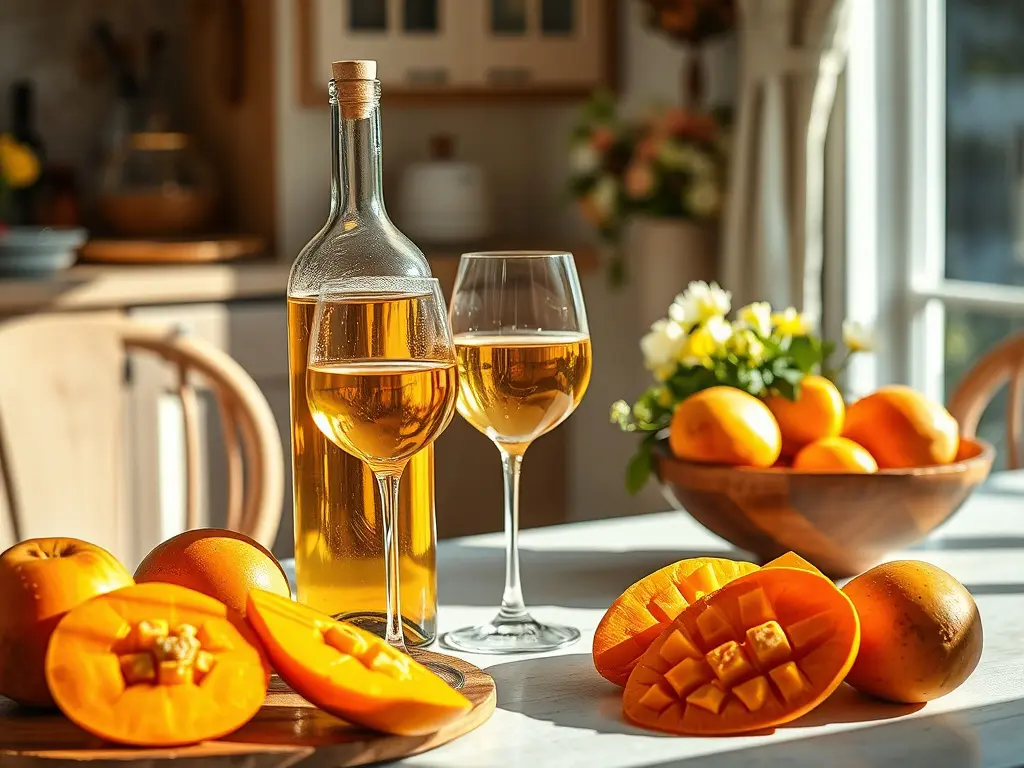
Whether you’re an experienced home brewer or completely new to fruit wine fermentation, mango wine is an approachable place to start. The natural sweetness of mangoes provides the perfect foundation for wine, requiring less added sugar than other fruits. Plus, the finished product offers a unique flavor profile that’s hard to find in commercial wines. Ready to turn those juicy mangoes into something spectacular? Let’s get brewing!
Why Make Homemade Mango Wine
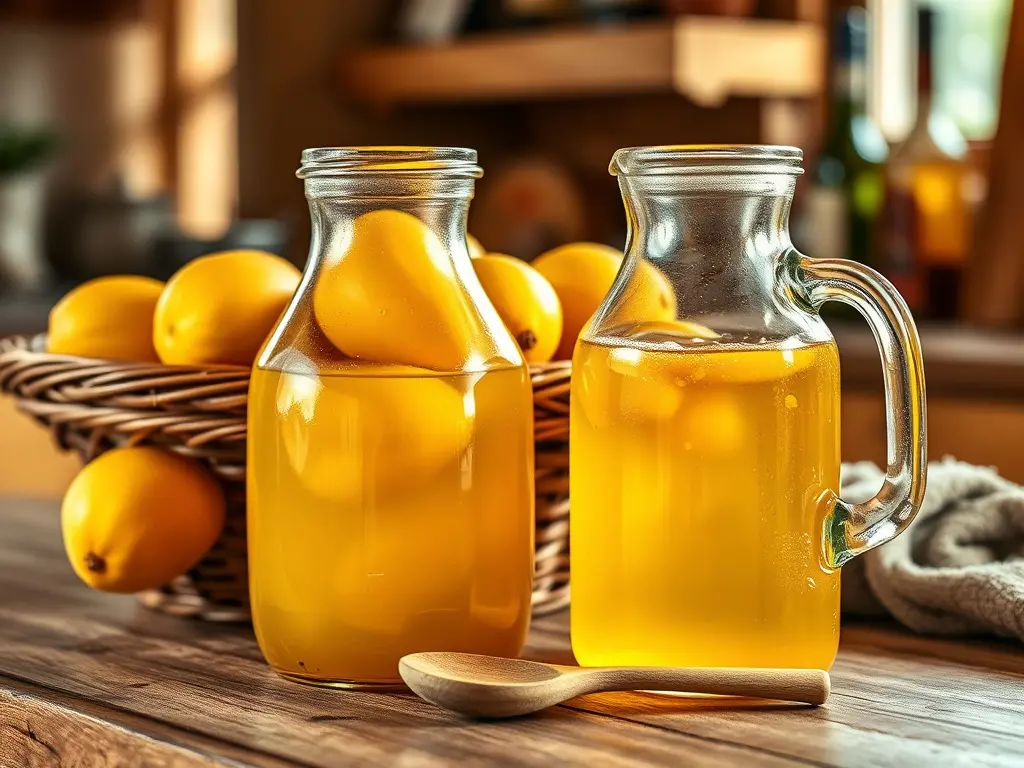
Creating your own homemade mango wine offers so many rewards beyond just the delicious end product. After trying my hand at several fruit wines, mangoes quickly became my favorite base. The tropical flavor carries through beautifully in the fermentation process, creating something that tastes like bottled sunshine.
One of the biggest perks is the complete control over ingredients. Store-bought wines often contain sulfites and other additives, but your homemade version can be as pure as you like. You get to decide the sweetness level and even tweak the alcohol content based on your preferences.
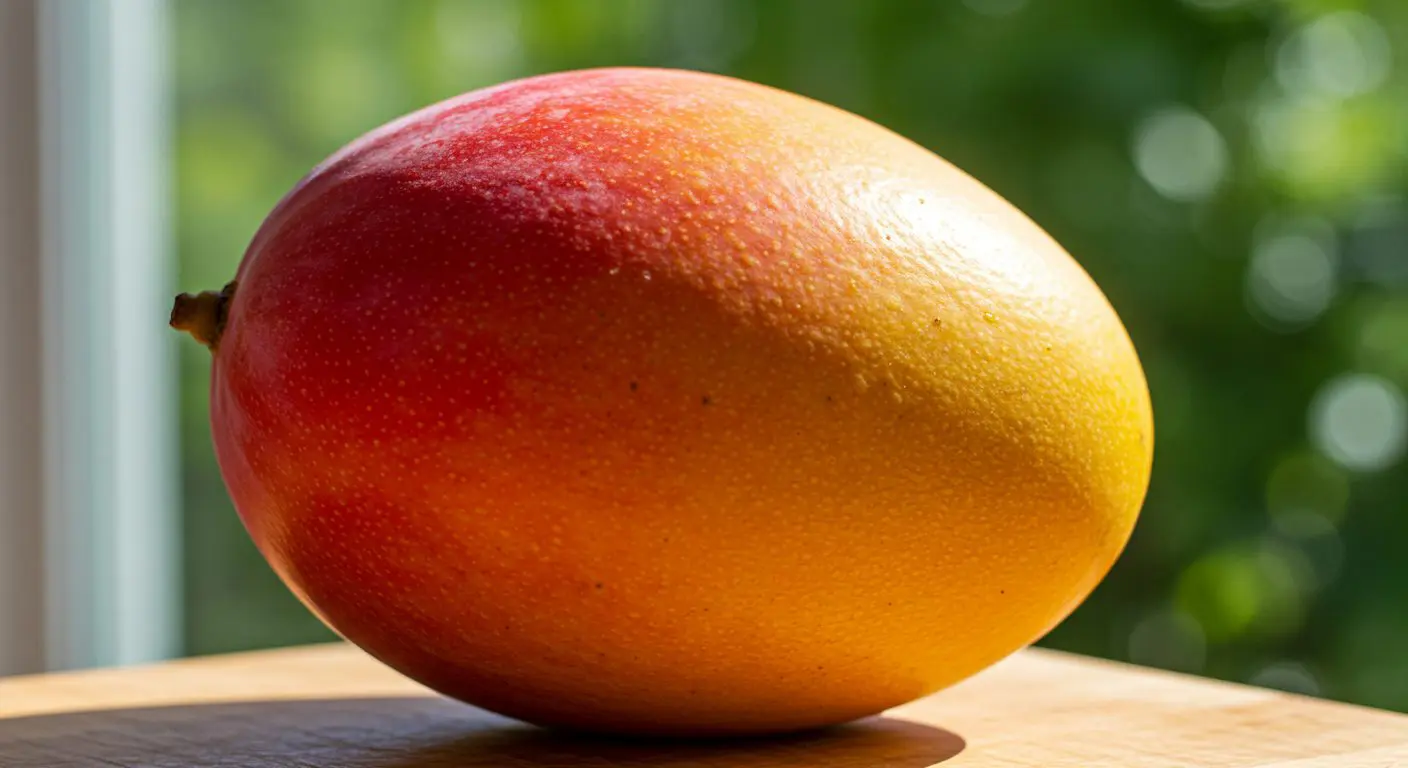
This homebrew project also makes for fantastic gifts! My friends were genuinely impressed when I brought homemade mango wine to our summer barbecue. It’s unexpected and feels much more personal than bringing another bottle from the store. Plus, there’s that satisfying feeling of saying “I made this” when everyone asks where you bought it.
“Homemade mango wine is like capturing summer in a bottle—bright, vibrant, and absolutely worth the wait.”
The cost savings shouldn’t be overlooked either. A batch of homemade mango wine typically costs a fraction of what you’d spend on specialty fruit wines at the store. When mangoes are in season and on sale, I stock up specifically for winemaking. Similar to strawberry wine, using seasonal fruit at peak ripeness gives you the best flavor and value.
What You’ll Need to Get Started
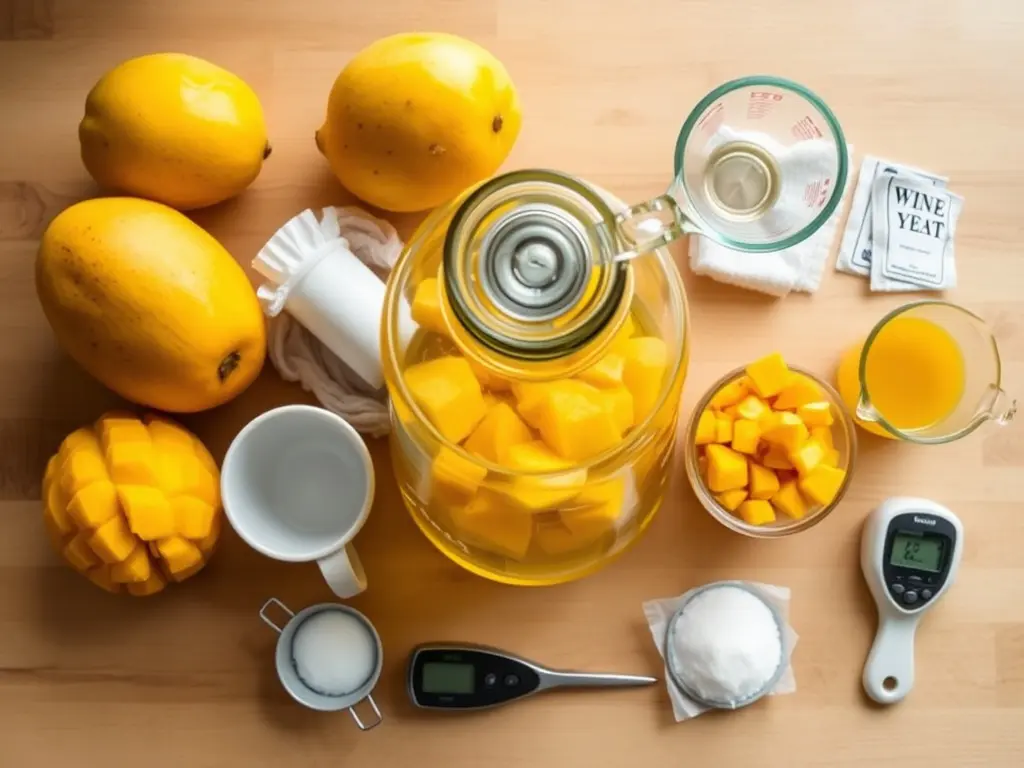
Before diving into your first batch of homemade mango wine, gathering the right supplies makes all the difference. Don’t worry—you won’t need fancy equipment or hard-to-find ingredients. Most items can be found at homebrew shops, online retailers, or even your local grocery store.
| Ingredient/Item | Purpose | Notes |
|---|---|---|
| 4-5 pounds ripe mangoes | Main flavor and sugar source | Choose very ripe, fragrant mangoes |
| 2-3 pounds white sugar | Boosts alcohol content | Adjust based on desired sweetness |
| 1 packet wine yeast | Drives fermentation | Lalvin 71B or EC-1118 work well |
| 2-3 tbsp lemon juice | Adds acidity and balance | Fresh is best but bottled works too |
| 1 tsp pectic enzyme | Helps clear the wine | Optional but recommended |
| 1 gallon fermenter with airlock | Primary fermentation vessel | Glass carboy or food-grade bucket |
| Sanitizing solution | Prevents contamination | Star San or similar no-rinse sanitizer |
I’ve found that adding a handful of raisins (about ¼ cup) gives the wine more body and complexity. This old winemaker’s trick works wonderfully for fruit wines. Some folks also like to add a crushed Campden tablet to inhibit wild yeasts, but I prefer keeping my recipe as simple as possible.
For your fermentation equipment, you don’t need to spend a fortune. A basic one-gallon glass jug with an airlock will work perfectly for your first few batches. If you catch the winemaking bug like I did, you might eventually want to upgrade to larger fermenters or more specialized equipment. The process is similar to making apple wine at home, so much of the equipment is interchangeable.
Step-by-Step: How to Make Homemade Mango Wine Easily
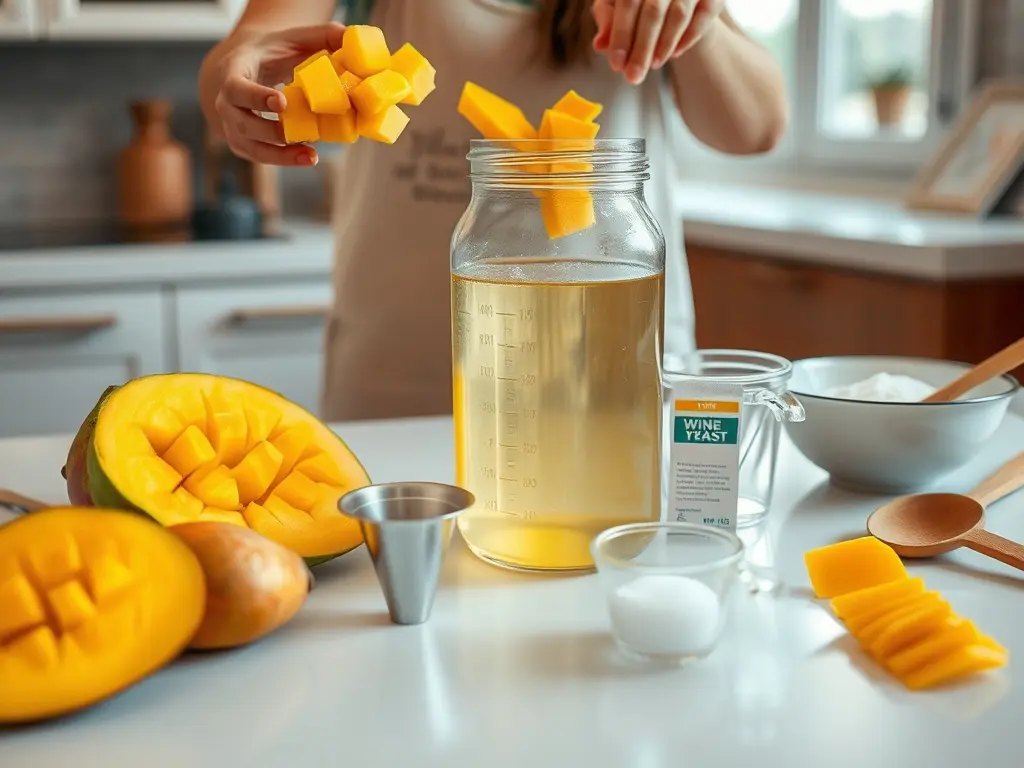
Making homemade mango wine isn’t complicated, but it does require following the steps carefully. The first time I made it, I was nervous about getting everything right, but the process turned out to be surprisingly forgiving. Here’s my foolproof method that’s worked beautifully for multiple batches:
Step-by-Step Instructions
- Sanitize everything – This is absolutely non-negotiable! Clean all equipment with hot, soapy water, then sanitize with a no-rinse sanitizer like Star San. Even tiny amounts of bacteria can ruin your wine.
- Prepare the mangoes – Peel and cut the mangoes, removing all pit material. Mash them thoroughly in a large sanitized bowl or bucket. The more you break down the fruit, the more flavor you’ll extract.
- Create your must – Pour 1 gallon of water into your fermentation vessel. Dissolve 2-3 pounds of sugar in some hot water, then add to the vessel. Add your mashed mangoes, lemon juice, and pectic enzyme if using. Stir well to combine everything.
- Add your yeast – Wait 12-24 hours after adding pectic enzyme, then sprinkle your wine yeast on top of the mixture. Don’t stir immediately—let it activate for about 15 minutes, then stir gently to incorporate.
- Begin primary fermentation – Secure your airlock and store your fermentation vessel in a cool, dark area with a temperature between 65-75°F. You should see bubbling activity within 24-48 hours.
- Monitor primary fermentation – Let it ferment for 5-7 days. During this time, you’ll see vigorous bubbling as the yeast converts sugar to alcohol.
- Transfer to secondary – After primary fermentation slows down, carefully siphon the liquid into a clean carboy, leaving the fruit pulp and sediment behind. This process, called “racking,” helps clarify your wine.
- Secondary fermentation – Attach your airlock and let the wine continue fermenting for another 4-6 weeks. The bubbling will slow considerably during this time.
- Bottle your wine – Once fermentation is complete (no bubbles in the airlock for several days) and the wine has cleared, it’s time to bottle. Sanitize your bottles, siphon the wine into them, and cork.
- Age patiently – For best results, age your homemade mango wine for at least 1-2 months before drinking. Three months is even better!
The key to success is patience and cleanliness. I learned this the hard way when rushing my first batch of wine. Taking the time to properly sanitize and allowing the wine to fully clear before bottling makes a world of difference in the final product. If you’re curious about aging methods, check out this guide to fruit wine aging for more tips.
Fermentation Timeline at a Glance
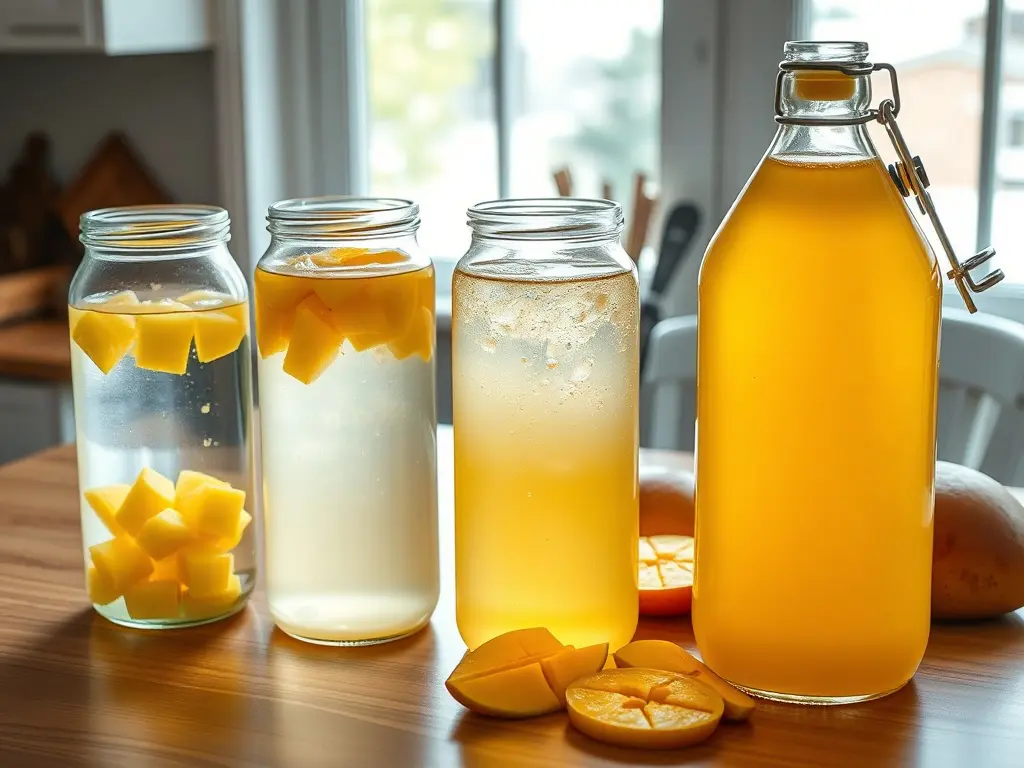
Understanding the fermentation timeline helped me plan my winemaking process better. Each stage has its own distinct characteristics and requirements. Tracking the progress of your homemade mango wine through these phases makes the waiting game more bearable!
| Stage | Duration | What’s Happening | What You’ll See |
|---|---|---|---|
| Preparation | 1 day | Setting up your must | Fruit mixture settling |
| Primary Fermentation | 5-7 days | Vigorous fermentation | Active bubbling, fruit rising |
| Secondary Fermentation | 4-6 weeks | Slower fermentation, clarifying | Occasional bubbles, sediment falling |
| Clearing | 1-2 weeks | Wine becoming transparent | Sediment at bottom, clearer liquid |
| Bottling | 1 day | Transferring to bottles | Clear wine ready for aging |
| Aging | 1-3 months minimum | Flavors harmonizing | Smoother, more integrated taste |
Temperature plays a crucial role in fermentation speed. My kitchen runs warm in summer, which accelerated my fermentation process considerably. If you’re making this in cooler months, expect things to move a bit more slowly. Either way, watching the transformation is fascinating! Just like with dandelion wine, each batch will have its own unique timeline based on ambient conditions.
Don’t rush the process! I’ve found the biggest improvements in flavor come during the aging period. While technically drinkable after clearing, your mango wine will develop significantly more complexity and smoothness if you can wait at least two months after bottling.
Tips for Flavor and Success
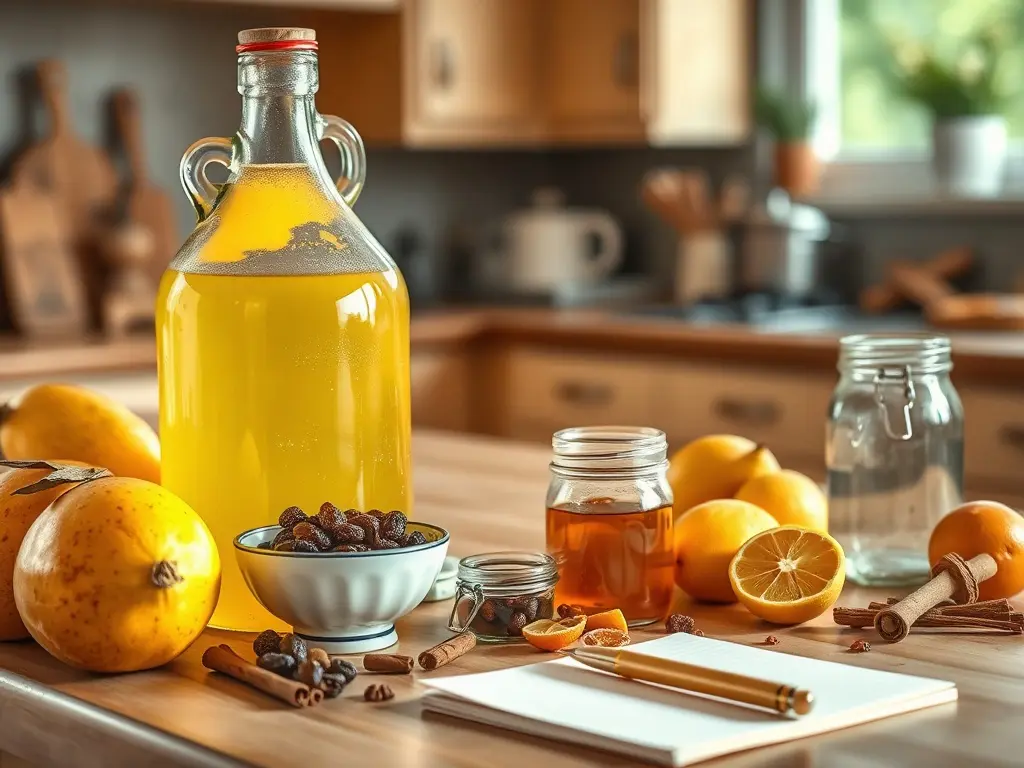
After making several batches of homemade mango wine, I’ve gathered some practical tips that can help elevate your results from good to fantastic. These little details make a big difference in the final product.
- Choose the right mangoes – Alphonso, Kent, or Ataulfo varieties make exceptional wine due to their intense flavor and lower fiber content. The mangoes should be very ripe—almost overripe—with that strong, sweet aroma.
- Consider your yeast carefully – Different yeasts create different flavor profiles. Lalvin 71B preserves more of the fruity character, while EC-1118 ferments more completely for a drier finish. Match your yeast to your desired style.
- Temperature control matters – Fermentation that’s too warm can create off-flavors. Aim for a consistent 65-75°F (18-24°C) throughout the process.
- Be meticulous about sanitation – I can’t stress this enough! Even tiny lapses in cleaning can introduce bacteria that ruin your batch.
- Take good notes – Record everything: fruit variety, amounts, timing, temperature, and your sensory observations. This helps you recreate successful batches and improve future ones.
One trick I learned from a friend who makes pear wine is to taste-test your wine before bottling. If it’s not sweet enough for your preference, you can add a small amount of sugar syrup (called “back sweetening”), but you’ll need to add stabilizers to prevent refermentation.
For clarity issues, cold crashing can work wonders. Simply move your carboy to a refrigerator for 48 hours before bottling. The cold temperature causes more particles to drop out of suspension, resulting in a clearer final product.
Remember that patience truly is a virtue in winemaking. Every time I’ve rushed a batch, I’ve regretted it. Give your homemade mango wine the time it needs to develop its full character, and you’ll be rewarded with a much more complex and satisfying beverage.
Serving Ideas and Pairings
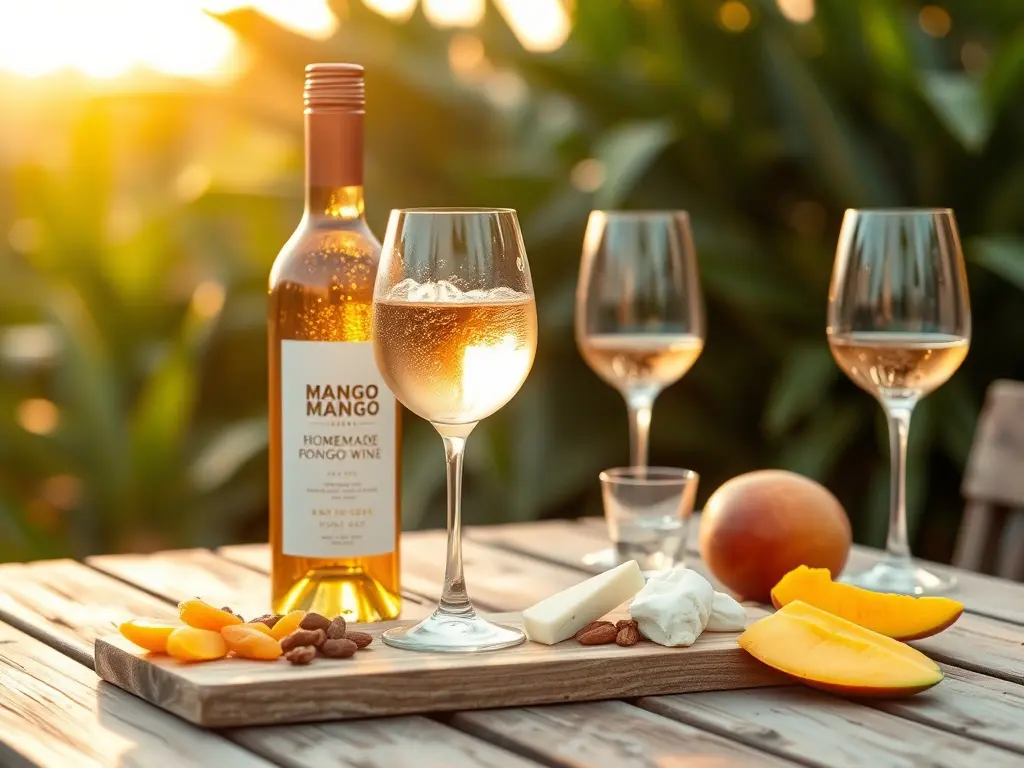
Once your homemade mango wine is ready to enjoy, serving it properly makes all the difference. My favorite way to serve this tropical delight is well-chilled—around 45°F (7°C) brings out the fruity character without numbing the flavors. A white wine glass works best to capture the aromatic qualities.
When it comes to food pairings, mango wine’s natural tropical sweetness and acidity make it incredibly versatile. Here are some winning combinations I’ve discovered:
- Spicy cuisine – The natural sweetness balances heat beautifully. Try it with Thai curries, spicy Indian dishes, or Caribbean jerk chicken.
- Seafood dishes – The tropical notes complement grilled fish, coconut shrimp, or ceviche perfectly.
- Fruit-based desserts – Pair with coconut flan, mango sorbet, or tropical fruit salad.
- Cheese plates – Milder cheeses like brie, fresh goat cheese, or young manchego create a lovely contrast.
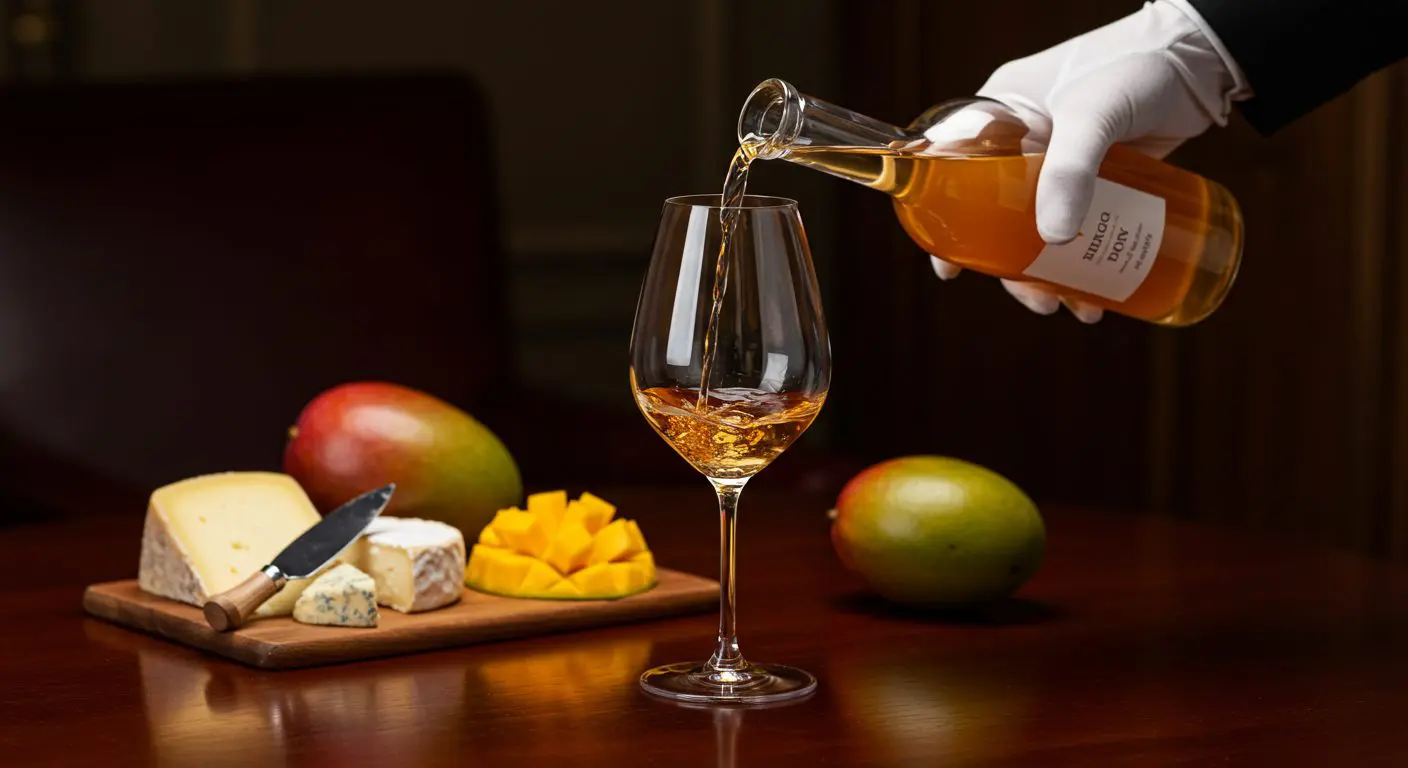
Don’t overlook mango wine as a fantastic cocktail ingredient! My friends went crazy for a simple mango wine spritzer—just add a splash of sparkling water and a fresh lime wedge. For something a bit more elaborate, mix it with coconut rum and a dash of pineapple juice for a tropical punch that’s perfect for summer parties.
If you’re hosting a tasting, consider serving your homemade mango wine alongside other fruit wines like strawberry wine for an interesting comparison of different fruit expressions. The contrasting flavors make for great conversation starters!
Recipe Variations for Your Homemade Mango Wine
Once you’ve mastered the basic homemade mango wine recipe, it’s fun to experiment with variations. The beauty of making your own wine is the freedom to customize! Here are some creative twists I’ve tried with great success:
- Mango-Ginger Wine – Add 2-3 inches of fresh ginger, thinly sliced, to your primary fermentation. It adds a subtle warmth and complexity that pairs beautifully with the mango.
- Mango-Citrus Blend – Add the zest (not the white pith) of 1-2 oranges or lemons during primary fermentation. The citrus oils add brightness and complexity.
- Spiced Mango Wine – Include 2-3 cinnamon sticks, a few cardamom pods, and a star anise during primary fermentation. Remove after racking to secondary to avoid overpowering the fruit.
- Tropical Fusion – Replace 1 pound of mango with 1 pound of pineapple or papaya for a complex tropical blend. This creates a wine with multiple layers of fruit flavor.
- Honey Mango Wine – Substitute half the sugar with quality honey to create a mango melomel (fruit mead) hybrid with beautiful floral notes.
If you’re feeling adventurous, try barrel aging a portion of your mango wine. Even a small 1-liter oak barrel can transform your homemade wine, adding vanilla notes and a subtle tannic structure. I’ve found 3-4 weeks in oak is plenty—you don’t want to overpower the delicate mango flavor.
For those who enjoy bubbles, you can make a sparkling version by adding a precise amount of sugar before bottling (about 3/4 teaspoon per bottle) and using proper champagne bottles with secure closures. Be careful with this method though—improper calculation can lead to exploding bottles! This technique is similar to what’s used for naturally carbonated apple wines.
Where to Buy Mango Wine Online
If you’re curious about mango wine but not quite ready to make your own, several wineries across the US offer excellent versions you can order online. I’ve tried several and found some standouts worth sharing:
- Lynfred Winery (Illinois) – Their 100% mango fruit wine delivers an authentic tropical experience with balanced sweetness. It’s been my go-to commercial option when I don’t have a homemade batch ready.
👉 www.lynfredwinery.com/wine/mango-wine - Casa de Fruta (California) – Known for their roadside fruit stand, their mango wine offers a sweeter, dessert-style option that’s perfect for after-dinner sipping.
👉 store.casadefruta.com/mango-fruit-wine-p1328.aspx - Ackerman Winery (Iowa) – This family-run winery creates an approachable mango wine that regularly wins awards at fruit wine competitions.
👉 www.ackermanwinery.com/wines/mango - The Florida Winery (Florida) – Their “Pure Paradise Mango” is appropriately named—it captures that beachy, vacation vibe perfectly with authentic mango character.
👉 thefloridawinery.com/product/pure-paradise-mango - Lescombes Winery – For something different, their Soleil Mimosa Mango adds a touch of fizz and coconut to the mango base, creating a ready-to-drink cocktail experience.
👉 lescombeswinery.orderport.net/product-details/0066/Soleil-Mimosa-Mango
Ordering wine online comes with some considerations. Always check shipping restrictions—some states have limitations on receiving alcohol shipments. Most wineries clearly list states they can ship to on their websites. Also, remember that someone 21+ needs to sign for the delivery.
If you’re giving commercial mango wine as a gift, consider creating a tropical-themed basket with appropriate glassware and complementary snacks. It makes for a thoughtful package that introduces friends to this unique wine variety before they try making their own!
Final Thoughts on Crafting Your Tropical Delight
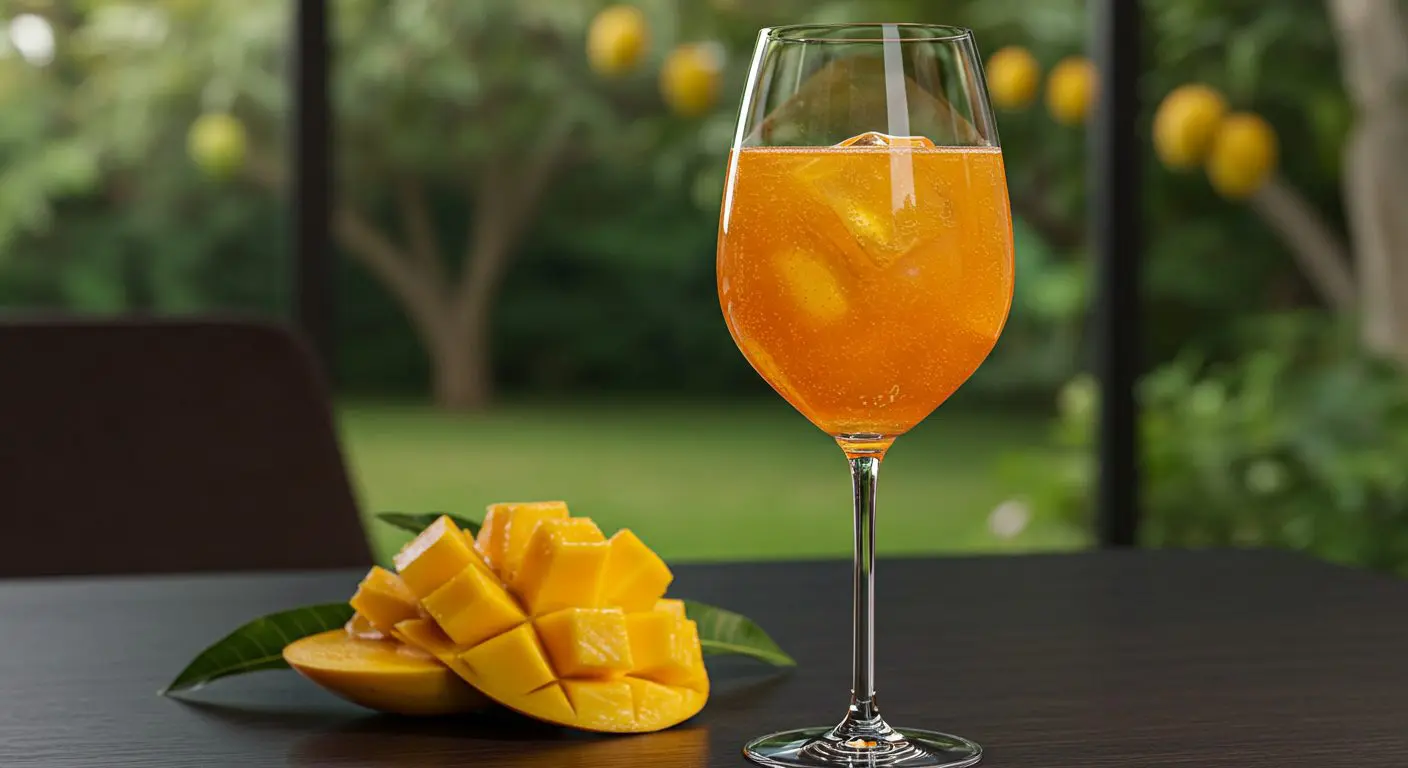
Making homemade mango wine has become one of my favorite warm-weather traditions. There’s something deeply satisfying about transforming a basket of ripe mangoes into bottles of golden liquid sunshine. While the process requires patience, the results are absolutely worth it—a unique wine that perfectly captures tropical fruit essence in a way commercial wines rarely achieve.
Remember that each batch will have its own personality based on the mangoes you use, the ambient conditions during fermentation, and your specific recipe tweaks. That’s part of the charm of homemade wine—it tells the story of the fruit, the season, and your craftsmanship. Don’t be afraid to experiment and develop your own signature version over time.
If you’ve enjoyed learning about mango wine, you might also want to explore other fruit wine options like pear wine or strawberry wine to expand your homemade winery. Each fruit brings its own challenges and rewards to the winemaking process.
Whether you’re making this tropical wine to enjoy yourself or to share with friends, I hope you find the process as rewarding as I have. Here’s to successful fermentation and many delicious glasses of homemade mango wine in your future! Cheers!