This post may contains affiliate links. Read our full disclosure here.
Picture this: vineyards clinging to rugged slopes where sunlight bites sharper and nights drop temperatures like micdrop. This isn’t just Instagram bait—it’s where modern magic happens in your glass. At elevations rivaling ski resorts, vines hustle through extreme temperature swings, crafting grapes with runway-worthy acidity and layered complexity.
Take Argentina’s Uco Valley, where estates like Los Miradores turn altitude into attitude. Days blaze with UV intensity—thickening grape skins for structured tannins—while nights chill like a minimalist wine fridge. This thermal rollercoaster slows sugar spikes and preserves zesty freshness, giving Malbecs their addictive tension between ripe fruit and electric verve.


But elevation’s influence goes deeper than climate drama. Thin mountain air means roots dig harder into rocky soils, absorbing mineral notes that whisper terroir through every sip. It’s no coincidence high-altitude bottles from Mendoza to Napa dominate sommelier lists—they’re liquid passports to landscapes where every 1,000 feet up rewrites the flavor playbook.
From rooftop wine bars to influencer-led tastings, altitude’s impact fuels conversations about authenticity in an age of curated experiences. Ready to unpack why your next favorite red might come with an elevation certification?
Exploring Vineyard Elevation and Its Impact on Grape Growth
Imagine vines doing yoga on a mountainside—stretching for sunlight by day, shivering into resilience by night. This isn’t wellness jargon; it’s how grapes grown at extreme heights develop their knockout punch. From Sonoma’s sun-drenched ridges to Argentina’s Uco Valley, elevation turns vineyards into metabolic playgrounds.
Temperature Variations and Diurnal Influences
High-altitude vines live like caffeine addicts—jacked on UV rays by morning, crashing into cool nights. This diurnal swing acts like nature’s pause button: daytime heat builds sugars, while nighttime chills lock in acidity. In California’s Brassfield Estate (1,800ft), this thermal tango creates wines with laser-sharp freshness—think lime zest meets ripe peach.
Soil Drainage and Sunlight Intensity
Slopes aren’t just for Instagram panoramas. Steep gradients force roots to mine minerals from rocky soils, while angled terrain avoids frost pockets like bad Tinder dates. Compare these global heavyweights:
| Region | Elevation | Daily Temp Swing | Signature Trait |
|---|---|---|---|
| Sonoma Coast | 1,200ft | 30°F | Saline minerality |
| Uco Valley | 4,430ft | 40°F | Velvet tannins |
| Alto Adige | 3,300ft | 35°F | Alpine herbs |
Notice how altitude becomes a flavor cheat code? These factors don’t just influence wine—they rewrite its DNA. Next stop: decoding how these gritty grapes become liquid art.
How Elevation Affects Grape Growth and Wine Characteristics
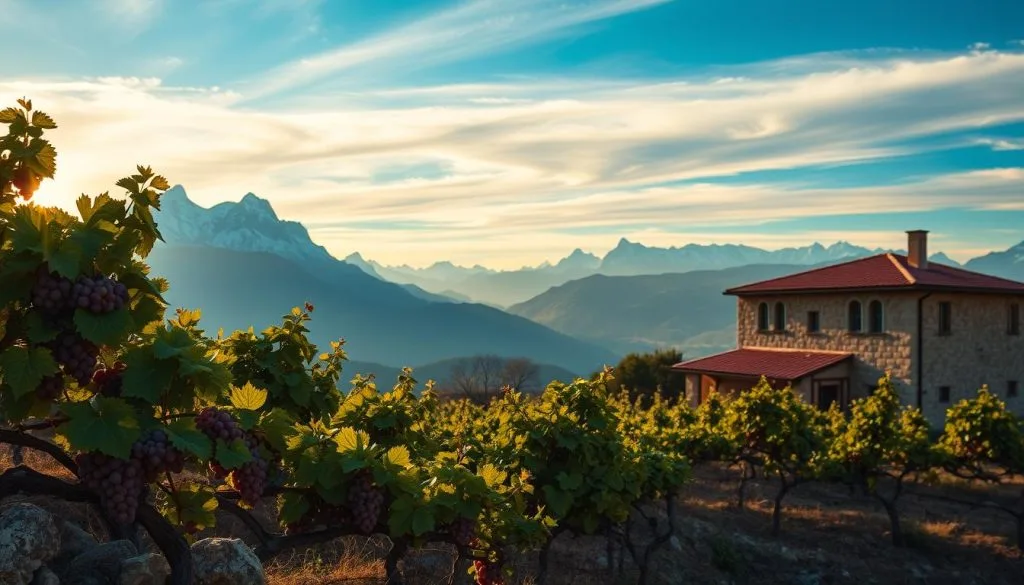
Think of high-altitude vineyards as nature’s flavor labs—UV rays cranked to 11, air pressure dialed down. Here, grapes develop thicker skins like leather jackets protecting rockstar tannins. Studies show these conditions boost anthocyanins and terpenes, creating wines with runway-worthy aromas from violet to black pepper.
Enhanced Aromatic Compounds and Tannin Structure
At 4,000+ feet, grapes work overtime. Intense sunlight increases phenolic compounds by 23% compared to sea-level vines (per high-elevation studies). The result? Malbecs from Mendoza’s Andean foothills burst with blueberry compote and graphite notes, while Alto Adige’s Lagrein whispers alpine herbs through velvet-textured tannins.
Acidity, Ripening, and Overall Balance
Cool nights act like a cosmic snooze button for sugar development. This slow dance preserves zesty acidity—the secret behind age-worthy bottles. Compare these iconic regions:
| Region | Elevation | Key Trait |
|---|---|---|
| Sierra Foothills | 3,000ft | Black cherry + crushed mint |
| Salta (Argentina) | 9,849ft | Bold spice + floral lift |
| Valais (Switzerland) | 2,600ft | Racy minerality + pear skin |
These wines don’t just taste elevated—they’re liquid proof that altitude writes flavor symphonies science can’t fully score. Your next bottle’s backstory? Check the altitude on the label.
Regional Variations and Case Studies of High-Elevation Vineyards
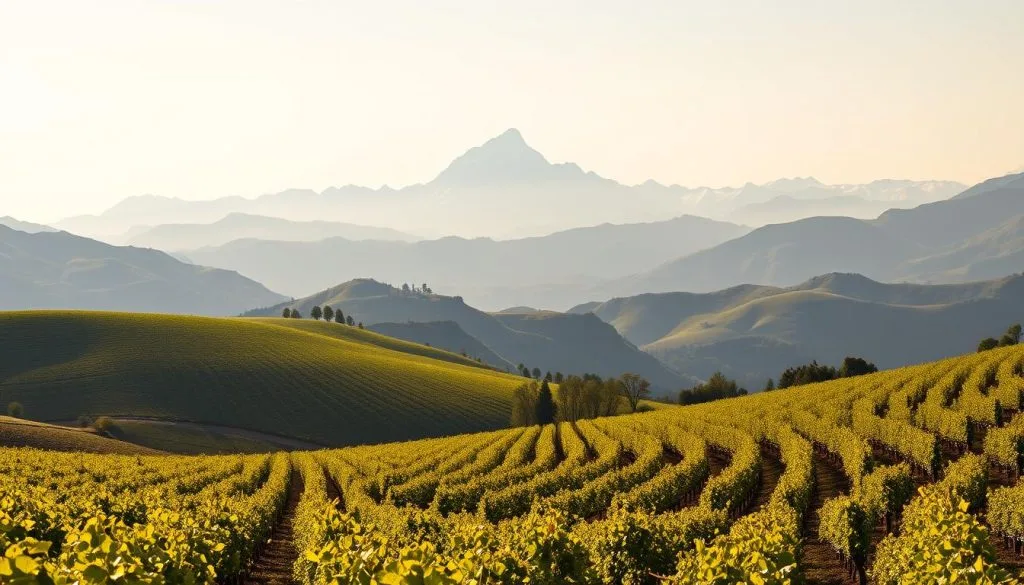
At 10,000 feet above sea level, vines aren’t just surviving—they’re spilling tea. Mendoza’s Los Miradores estate grows Malbec where oxygen levels drop 30%, forcing grapes to hustle for every molecule. The result? Wines with obsidian-dark fruit and tannins that grip like Louboutin stilettos.
Insights from Mendoza and the Uco Valley
Uco Valley’s Miralejos vineyard sits at 4,430ft—higher than most Swiss ski lifts. Here, alluvial soils act like mineral IV drips, feeding grapes quartz and limestone notes. “Our wines taste like the Andes threw a rave,” quips a local winemaker. Daytime UV radiation caramelizes sugars, while nights at 50°F lock in acidity sharper than a TikTok clapback.
Comparative Analysis of Global High-Elevation Regions
Compare Mendoza’s desert grit to Europe’s alpine playgrounds:
| Region | Elevation | Signature Move |
|---|---|---|
| Salta, Argentina | 9,849ft | Rosewater aromas + volcanic spice |
| Colorado, USA | 6,400ft | Bing cherry + crushed granite |
| Alto Adige, Italy | 3,300ft | White pepper + juniper lift |
These regions share one truth: altitude turns grapes into overachievers. While Mendoza’s Malbecs flex muscle, Colorado’s hybrids flaunt lean athleticism. It’s terroir’s version of streetwear—same elevation swagger, totally different drip.
You Might Also Enjoy
Conclusion
Mountain-grown wines don’t just climb heights—they rewrite the rules of flavor. From sea level vineyards to alpine slopes, elevation shapes every sip through razor-sharp acidity, mineral-rich soils, and tension between ripe fruit and structured tannins. Recent studies confirm UV-B radiation intensifies by 15% at higher elevations, pushing grapes to develop thicker skins and complex aromas like violet and crushed granite.
These wines aren’t just beverages—they’re environmental artistry. Cool nights at 4,000+ feet act like nature’s editing software, trimming sugar spikes while amplifying freshness. Compare coastal vineyards to Andean estates: thermal amplitude carves distinct identities, whether saline-kissed Sonoma Chardonnays or Mendoza Malbecs humming with volcanic spice.
Regional case studies reveal altitude’s fingerprint. While sea level regions bake under consistent heat, elevated sites like Colorado’s 6,400ft vineyards serve leaner, athletic profiles. Each bottle becomes a cultural artifact—proof that extreme climates birth liquid alchemy.
Your next glass? Think beyond the label. High-altitude wines aren’t just consumed—they’re experienced, carrying whispers of rocky terrains and star-chilled nights. Every sip from these soils isn’t just a taste—it’s a summit meeting between earth and sky.
FAQ
Does higher elevation always mean better wine quality?
Why do mountain vineyards produce wines with brighter acidity?
How does thin mountain air impact grape aromas?
Are high-elevation soils just rocky and poor?
Can elevation compensate for climate change in winemaking?