This post may contains affiliate links. Read our full disclosure here.
Have you ever noticed how a room can transport you to a different part of the world? The power of design spans continents, with each culture offering its unique perspective on beauty, function, and comfort. In 2025, Global & Cultural Design Styles continue to dominate interior trends, allowing us to bring pieces of the world into our personal spaces. Whether you’re dreaming of a bohemian sanctuary filled with treasures from distant travels or a serene Japanese-inspired retreat, understanding these diverse aesthetics can transform your home into a reflection of the wider world.
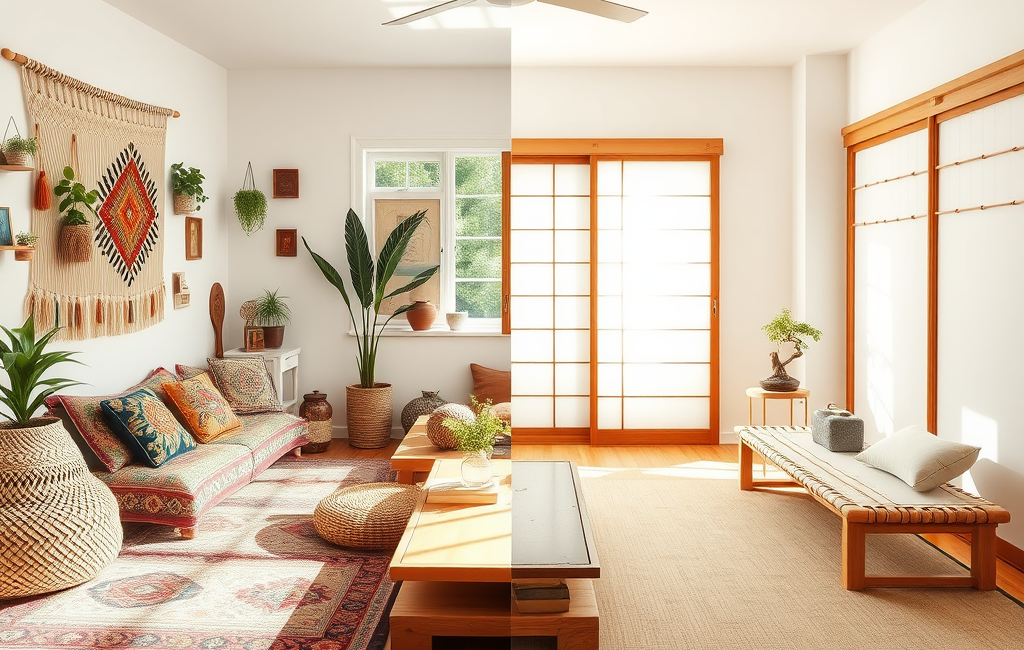
What makes Global & Cultural Design Styles so appealing is their ability to tell stories through everyday objects. Each pillow, vase, or piece of furniture carries with it traditions and techniques passed down through generations. My boyfriend often jokes that our apartment looks like a “mini United Nations of decor” – and honestly, I take that as the highest compliment! Let’s explore four distinct cultural design approaches that can add depth, character, and global perspective to your living spaces.
 =”1080″ alt=”” border=”0″/>
Bohemian & Eclectic: Embrace the Gloriously Unplanned
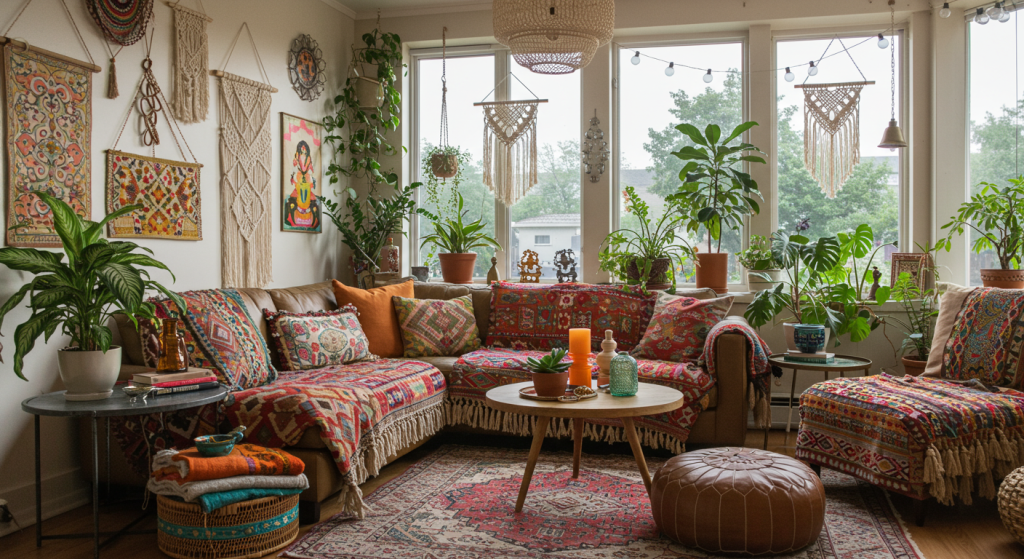
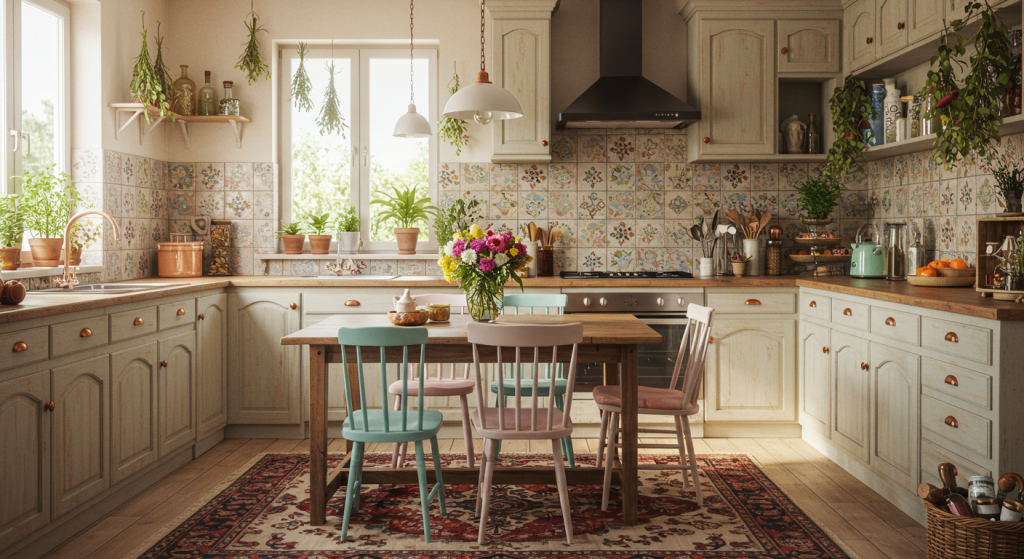
If you’ve ever walked into a room and felt an immediate sense of cozy comfort mixed with artistic flair, you’ve likely experienced bohemian design. Boho style is the free spirit of Global & Cultural Design Styles, refusing to follow rigid rules and instead celebrating personal expression and individuality. During my college years, my apartment was the epitome of bohemian chaos – cushions from Morocco, beaded curtains, and plants everywhere. It wasn’t perfectly coordinated, but it was perfectly me.
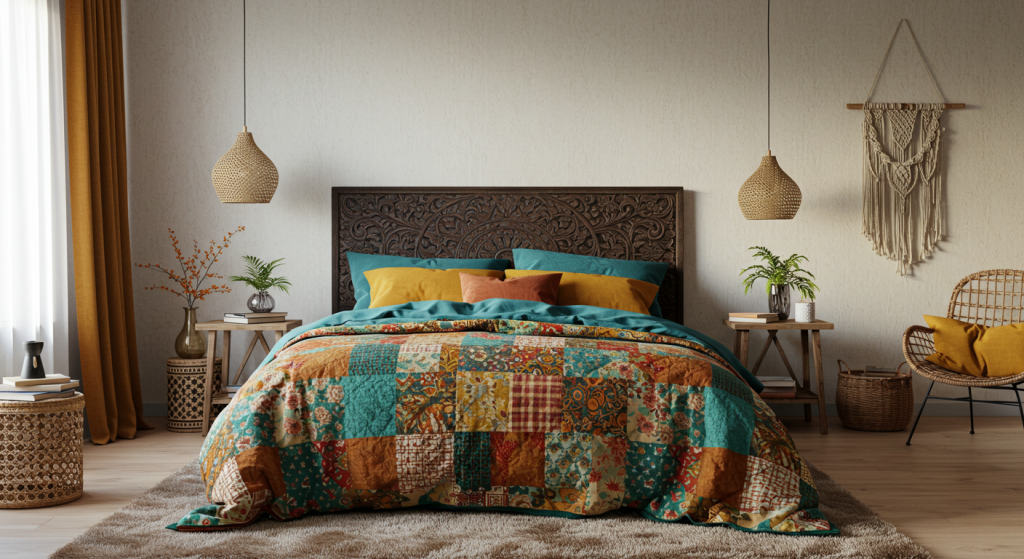
The bohemian aesthetic draws heavily from Romani traditions, North African influences, and the 1970s hippie movement. It’s characterized by layers upon layers of textures – think hand-knotted macramé wall hangings against a backdrop of weathered woods and plush floor pillows atop vintage kilim rugs. The color palette typically includes warm, earthy tones that complement bold jewel accents like emerald green, deep blues, and rich purples.

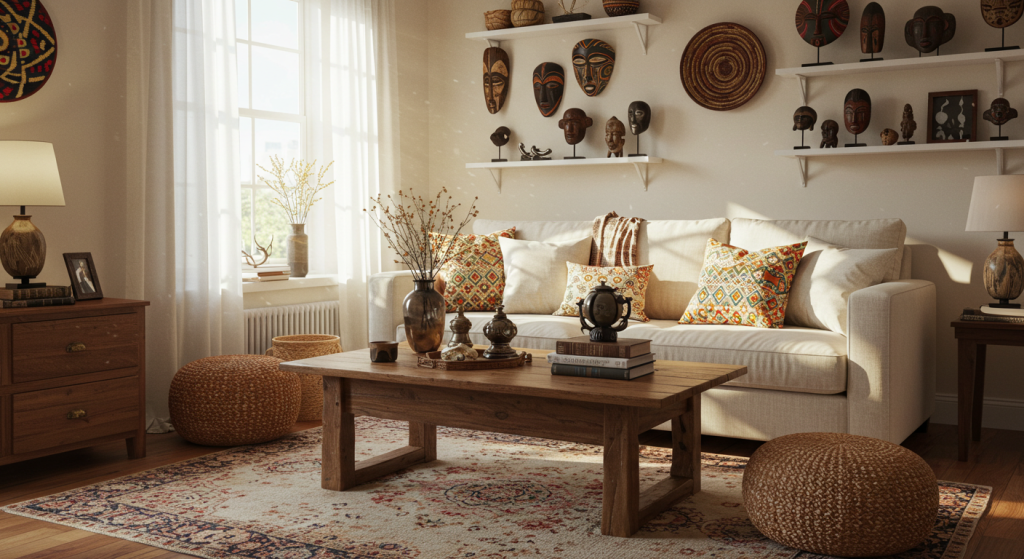
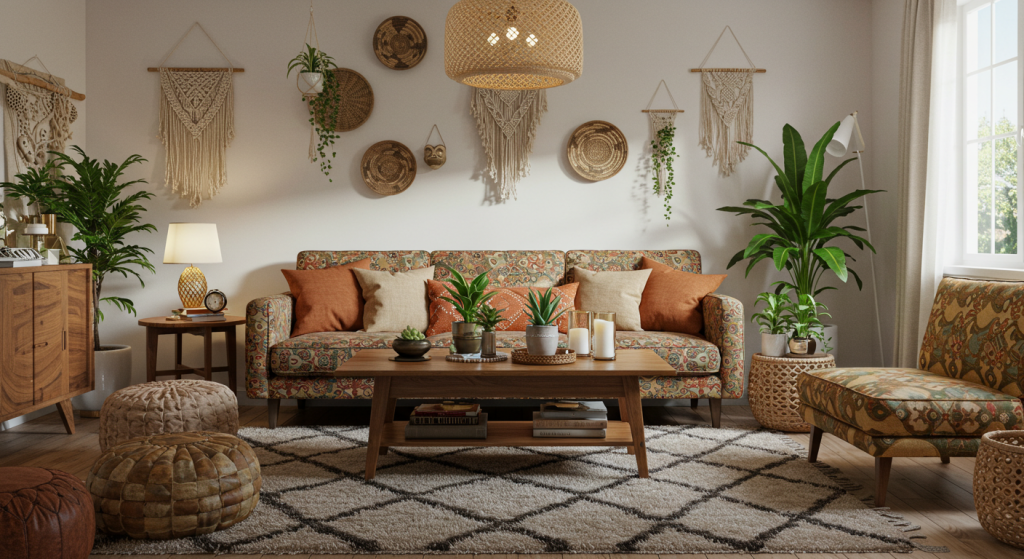
What makes boho truly special is its emphasis on collecting rather than decorating. Each item should feel like it has a story or memory attached. The beauty lies in the imperfection and the mix of elements that shouldn’t technically “go together” but somehow create a harmonious whole.
Tips for Bringing Boho Home
- Layer different textiles – Throw blankets draped over couches, embroidered pillows, and woven wall tapestries add immediate warmth and dimension.
- Mix vintage with modern – Balance flea market treasures with contemporary pieces to keep the space feeling fresh rather than dated.
- Embrace plant life – Nothing says bohemian quite like an abundance of greenery. Hanging plants, potted cacti, and sprawling vines create that lush, lived-in feel.
- Display global souvenirs – Show off items collected during travels or pieces that represent cultures you admire (just be mindful to respect their origins).
- Skip matching furniture sets – Instead, collect individual pieces that speak to you, regardless of whether they coordinate perfectly.
Japanese & Asian-Inspired Minimalism: Finding Beauty in Simplicity
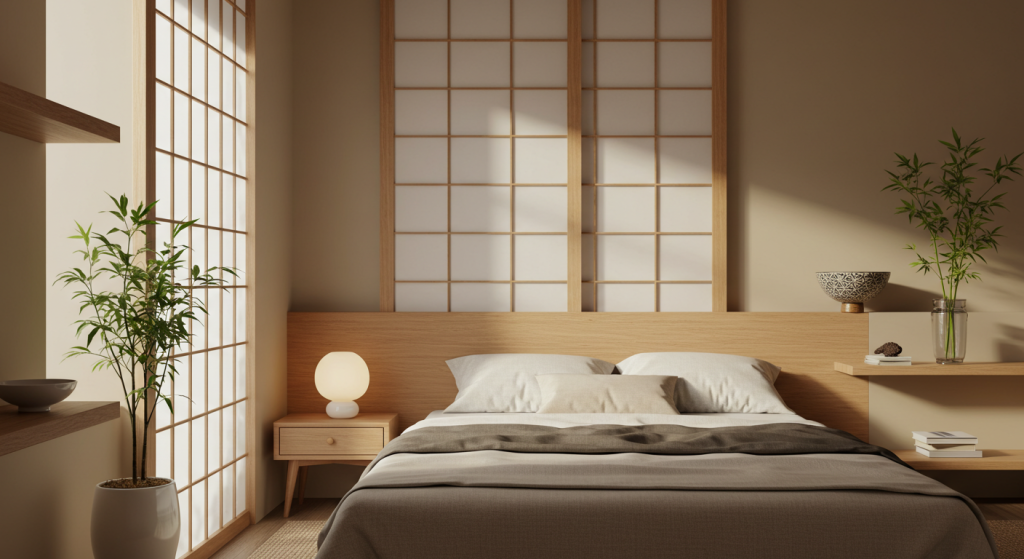
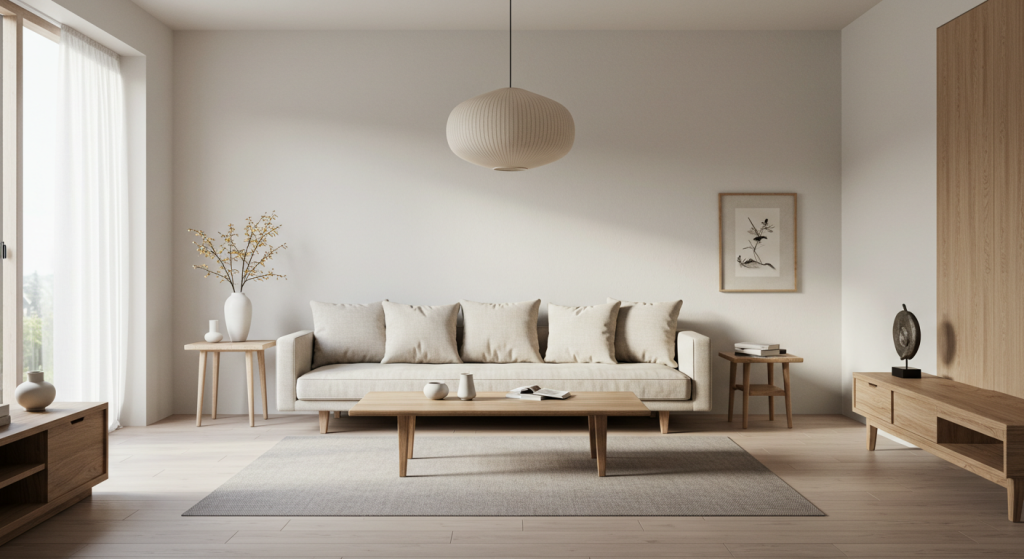
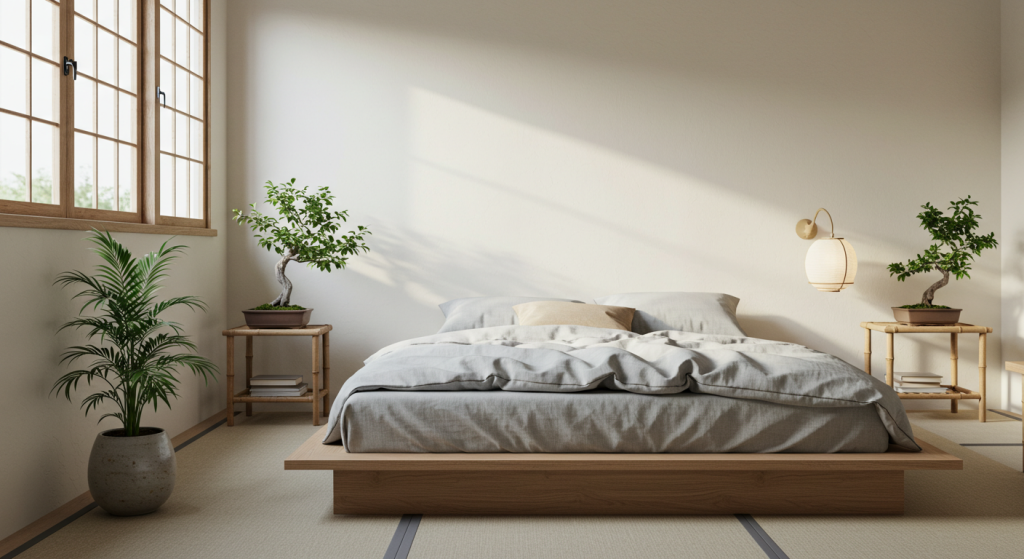
At the opposite end of the Global & Cultural Design Styles spectrum from bohemian exuberance sits Japanese minimalism – a design philosophy that celebrates empty space as much as objects. After years of living with my maximalist boho tendencies, I found myself drawn to the calm, intentional nature of Japanese-inspired spaces. There’s something profoundly peaceful about walking into a room where everything has purpose and nothing feels excessive.
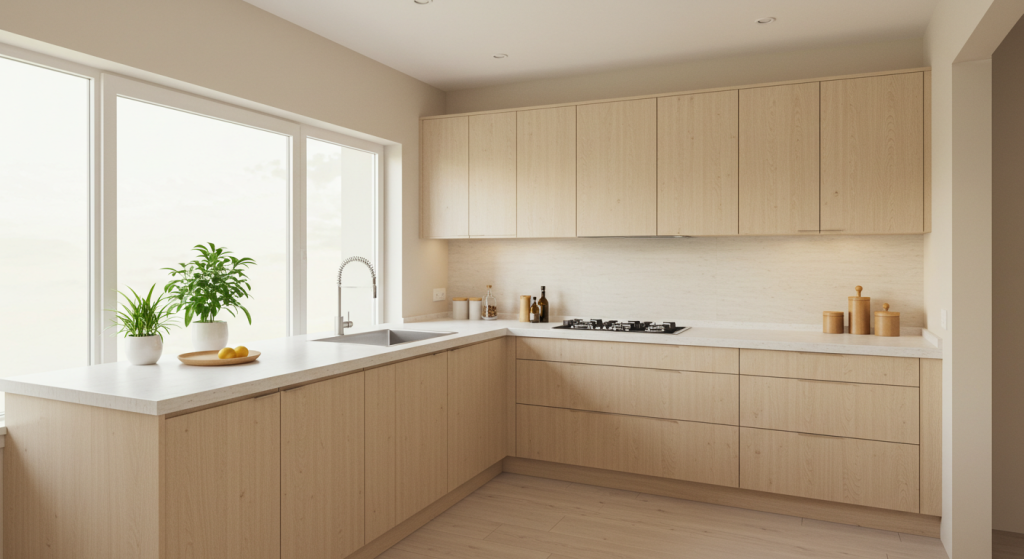
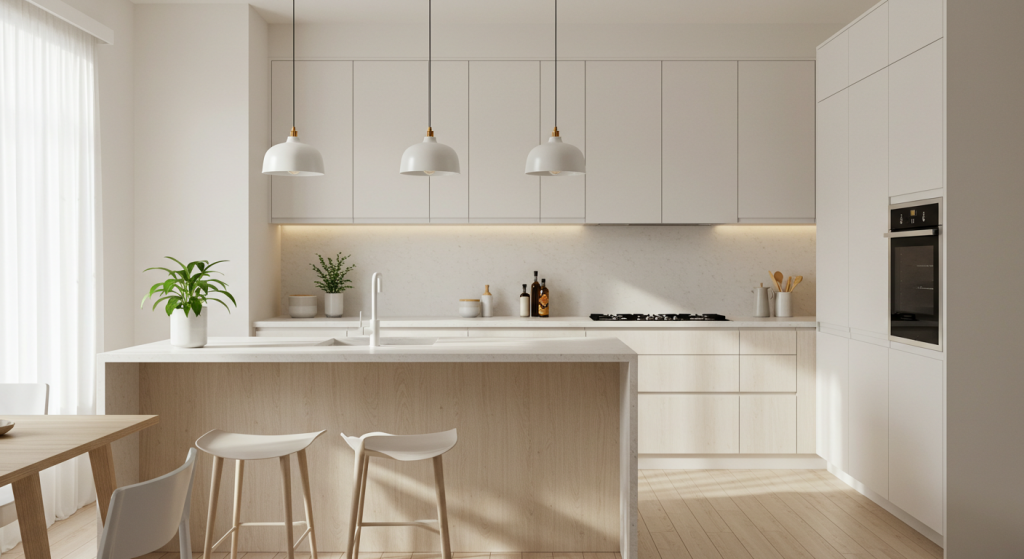
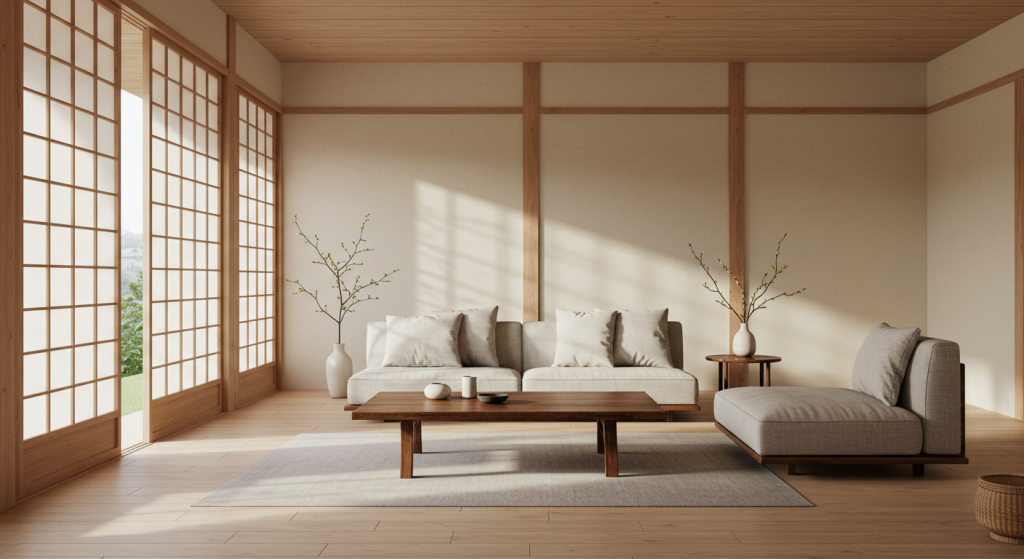
Japanese minimalism springs from Zen Buddhist principles and traditional Japanese architecture, emphasizing balance, harmony, and the concept of “Ma” – the meaningful space between things. The aesthetic favors clean lines and natural materials like unfinished wood, bamboo, rice paper, and stone. Colors stay within a restrained palette of soft neutrals with occasional black accents that create definition and boundaries.
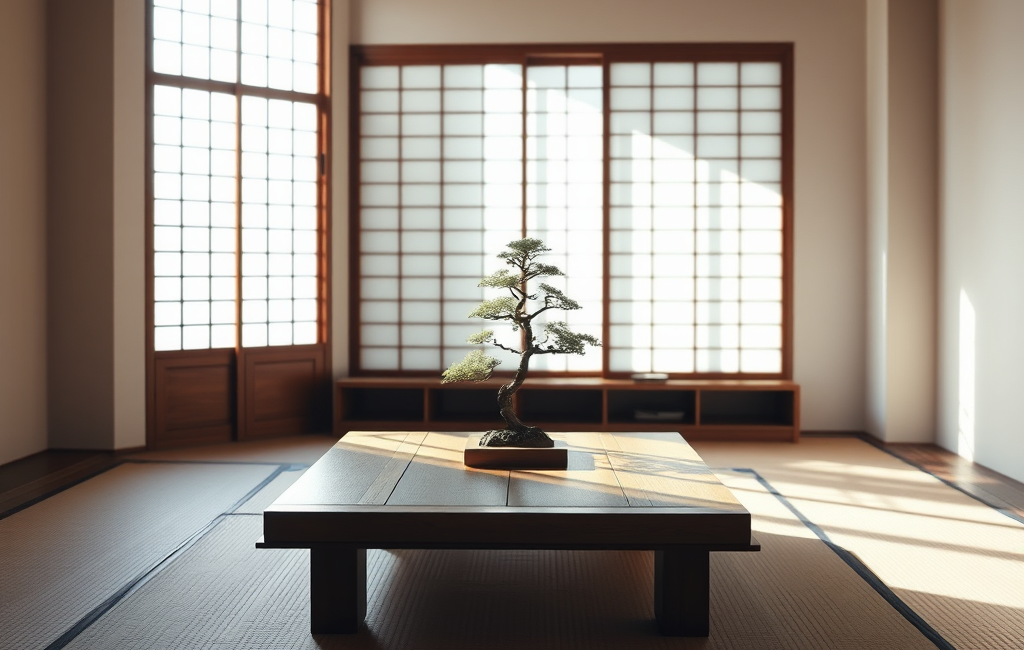
What distinguishes Japanese minimalism from western minimalism is its focus on natural elements and the wabi-sabi philosophy that values imperfection. Rather than the stark, sometimes clinical feel of modern minimalism, Japanese-inspired spaces embrace subtle texture, asymmetry, and patina that develops with age and use.
Tips for Creating Japanese-Inspired Spaces
- Focus on functional furniture – Choose low-profile pieces with clean lines and minimal ornamentation.
- Embrace negative space – Resist the urge to fill every corner; let rooms breathe with purposeful empty areas.
- Incorporate natural light – Use sheer window coverings that filter light rather than blocking it completely.
- Add natural elements – Small rock gardens, bonsai trees, or a single perfect branch in a ceramic vessel bring nature indoors.
- Practice intentional storage – Keep clutter hidden with thoughtful organization solutions that maintain clean lines.

Moroccan & Middle Eastern: Sensory Richness and Geometric Precision
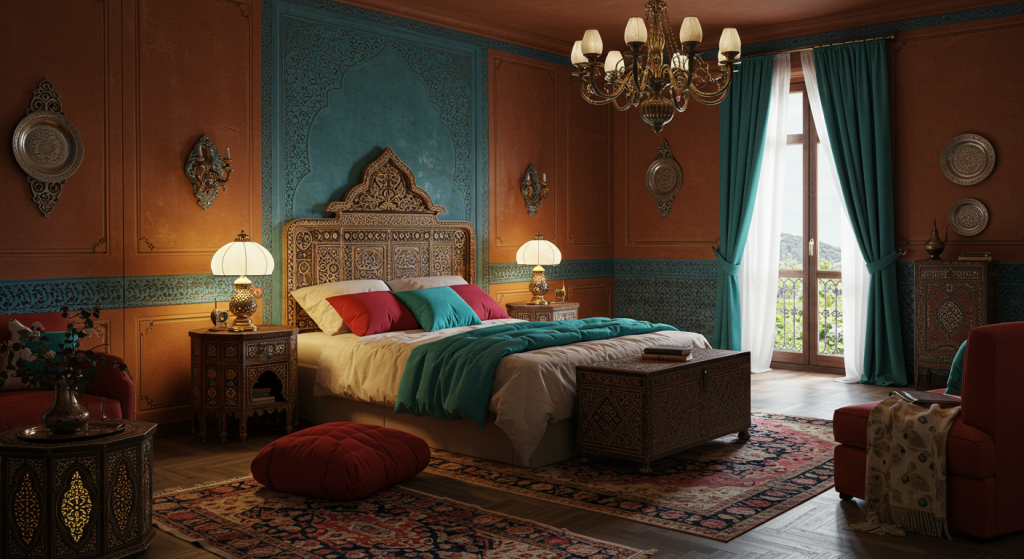
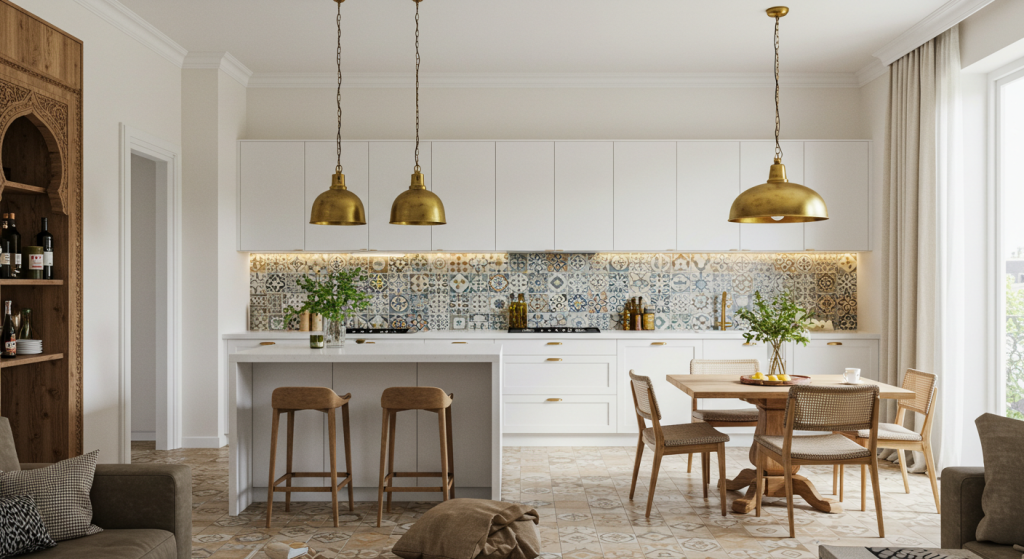
If bohemian design is the free spirit and Japanese minimalism is the zen master of Global & Cultural Design Styles, then Moroccan and Middle Eastern aesthetics are the master craftsmen and pattern makers. This rich design tradition balances mathematical precision with sensual luxury in a way that feels both ancient and timeless. The first time I walked into a friend’s Moroccan-inspired living room, I was struck by how the space seemed to envelop you in pattern, color, and texture.
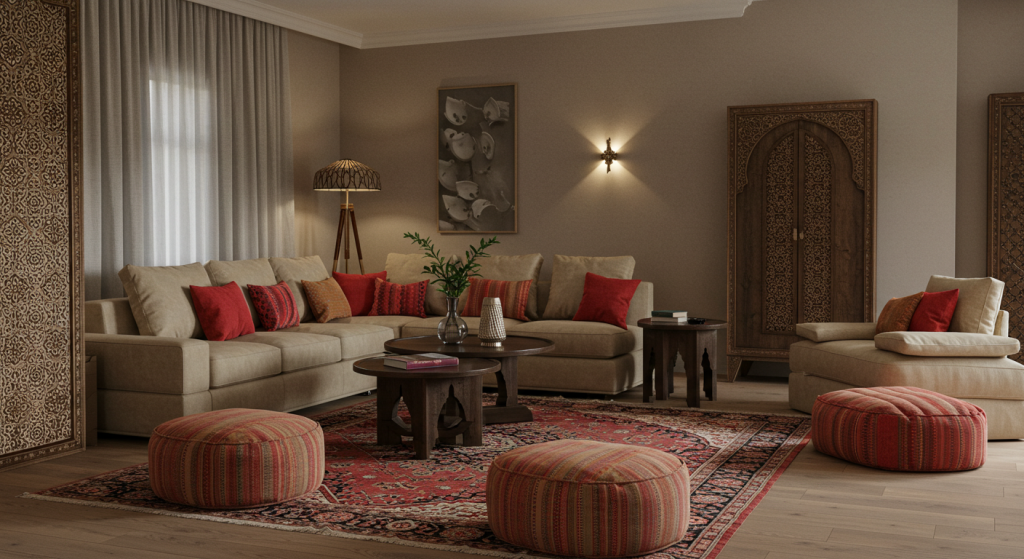
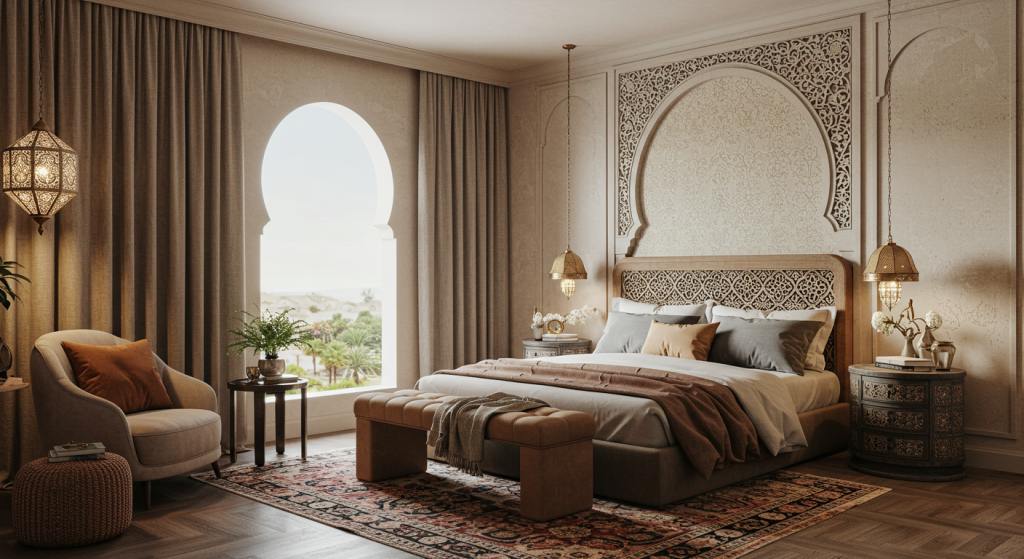
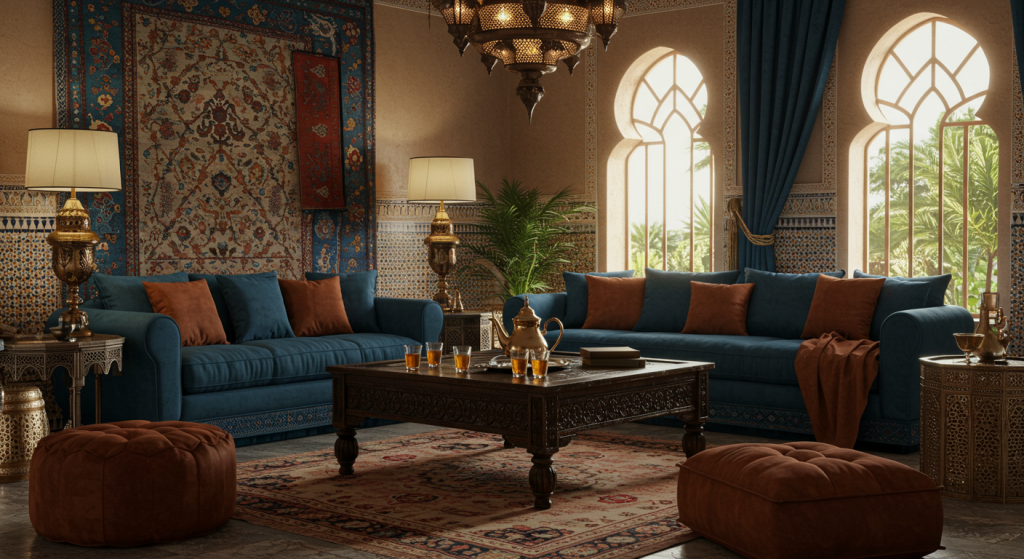
Moroccan and Middle Eastern design draws from Islamic artistic traditions where geometric patterns, calligraphy, and arabesque designs feature prominently. The style celebrates craftsmanship in every detail – from hand-carved wooden screens to intricate tile work (zellige) to metalwork lanterns that cast mesmerizing shadow patterns. The color palette often includes rich jewel tones of sapphire blue, emerald green, and ruby red, balanced with neutrals and metallic accents of brass, copper, and gold.
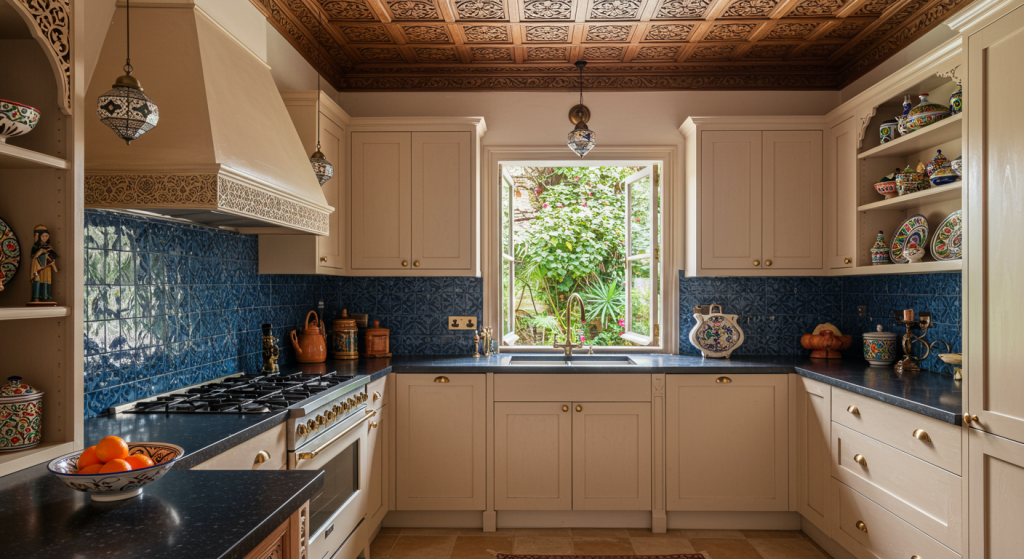
What makes this style particularly special is its attention to every sensory experience – not just the visual impact of a space. Moroccan design considers how textures feel underfoot, how spices and incense scent the air, how acoustics change with domed ceilings, and how flavors complement the overall experience. It’s an immersive approach to design that engages all the senses.
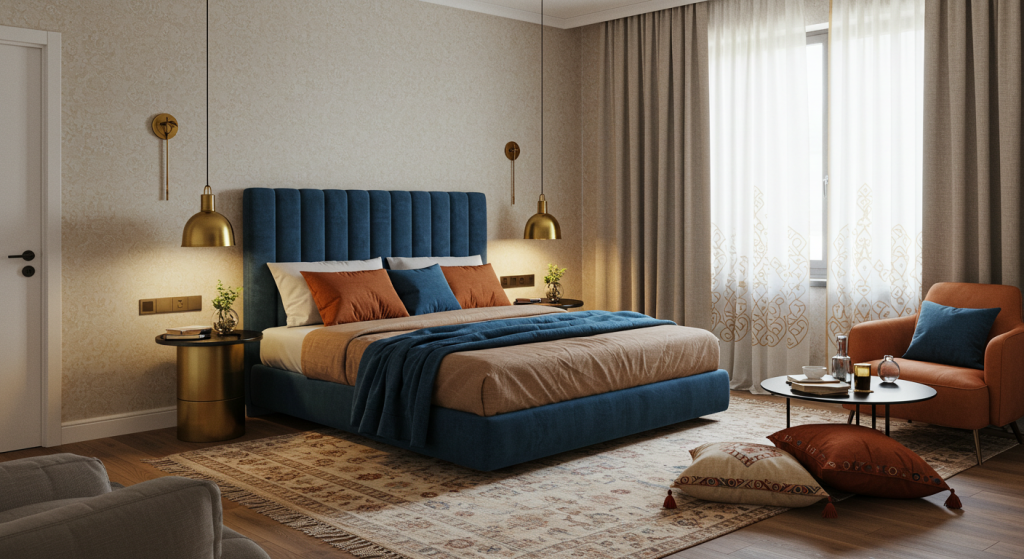
Tips for Incorporating Moroccan & Middle Eastern Elements
- Play with pattern mixing – Layer geometric patterns in different scales but related color palettes.
- Create intimate seating – Floor cushions, poufs, and low seating arrangements encourage conversation and relaxation.
- Add architectural details – Consider arched doorways, carved wood screens, or a tadelakt (polished plaster) accent wall.
- Incorporate metalwork – Pierced metal lanterns, hammered brass tables, or copper accents add warmth and visual interest.
- Don’t forget textiles – Layered rugs, silk pillows, and carefully chosen throw blankets add luxury and comfort.
Tropical & Coastal: Bringing Paradise Home
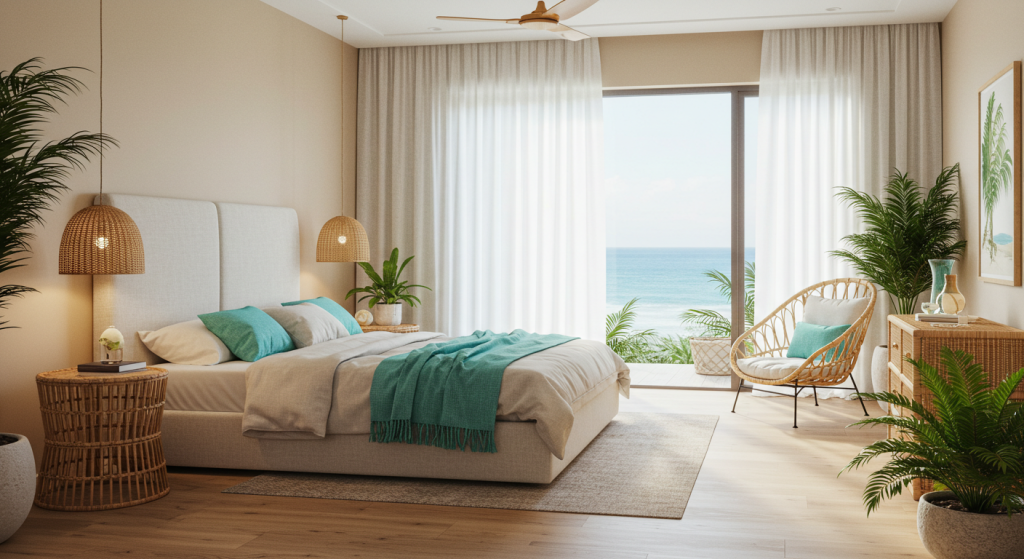
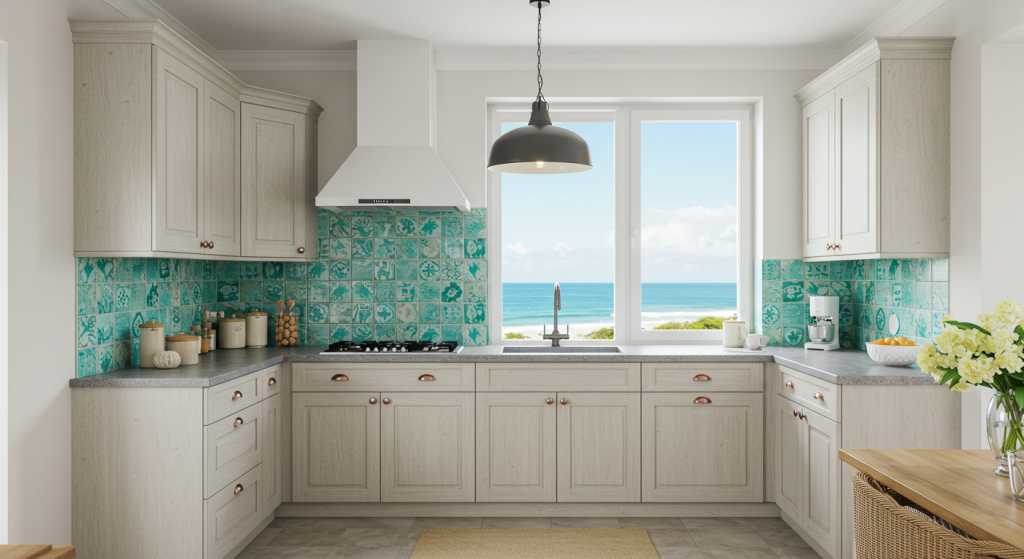
Rounding out our exploration of Global & Cultural Design Styles is tropical and coastal decor – styles that capture the essence of vacation destinations and seaside living. While these might seem like purely aesthetic choices, they actually draw deeply from the cultural traditions of tropical regions worldwide, from Caribbean islands to Southeast Asian beach communities to Mediterranean coastal towns.
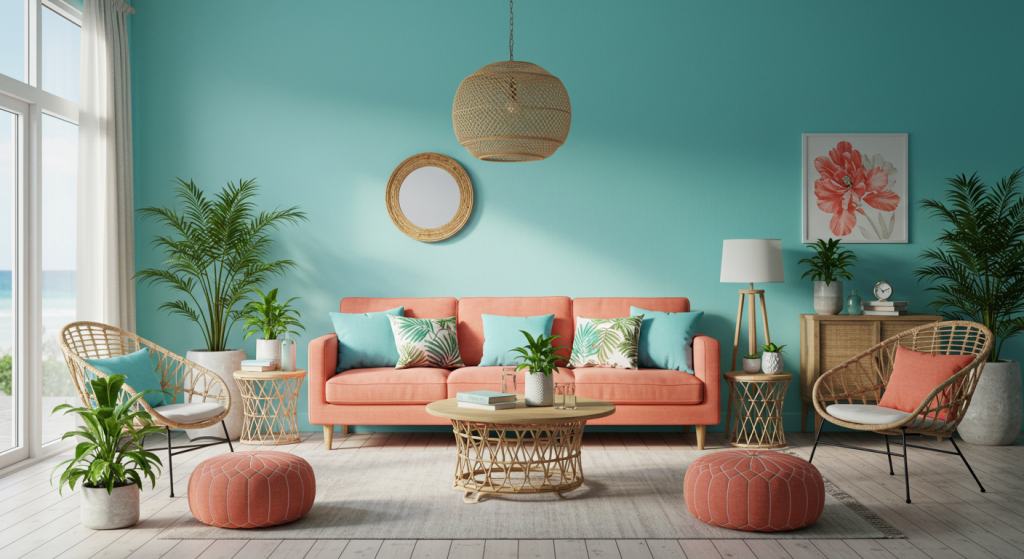
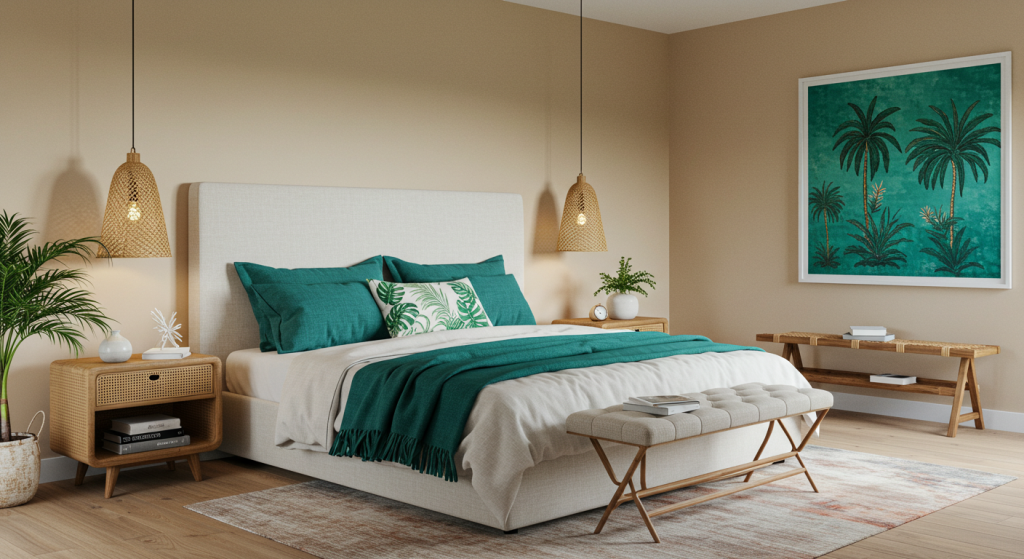
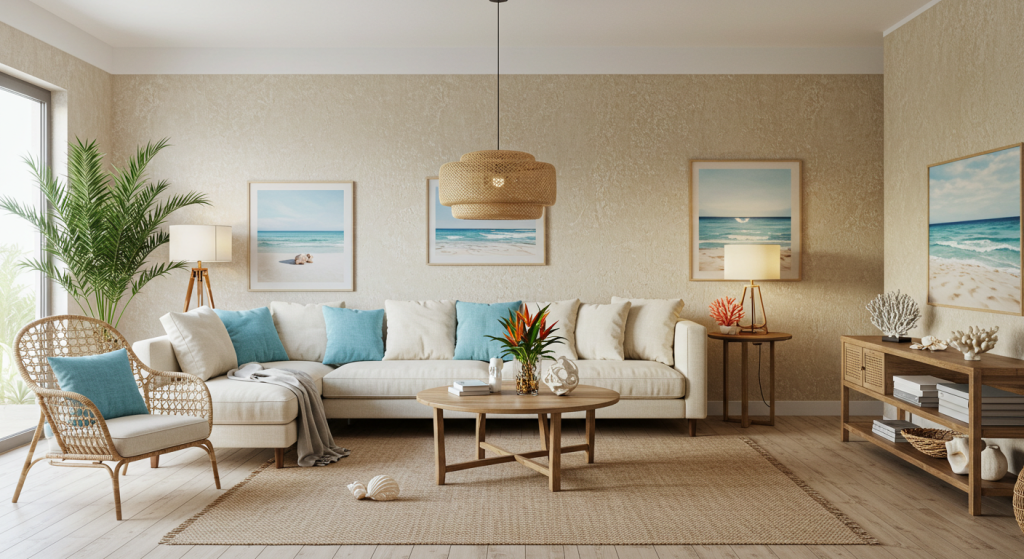
Tropical design embraces lush greenery, natural materials like rattan and bamboo, and bold botanical patterns, while coastal style typically features a lighter palette inspired by sand, sky, and sea. Both styles prioritize indoor-outdoor living, natural light, and a relaxed approach to furnishings. The color schemes differ slightly – tropical often features vibrant greens and bold florals, while coastal tends toward blues, whites, and neutrals with occasional pops of coral or aqua.
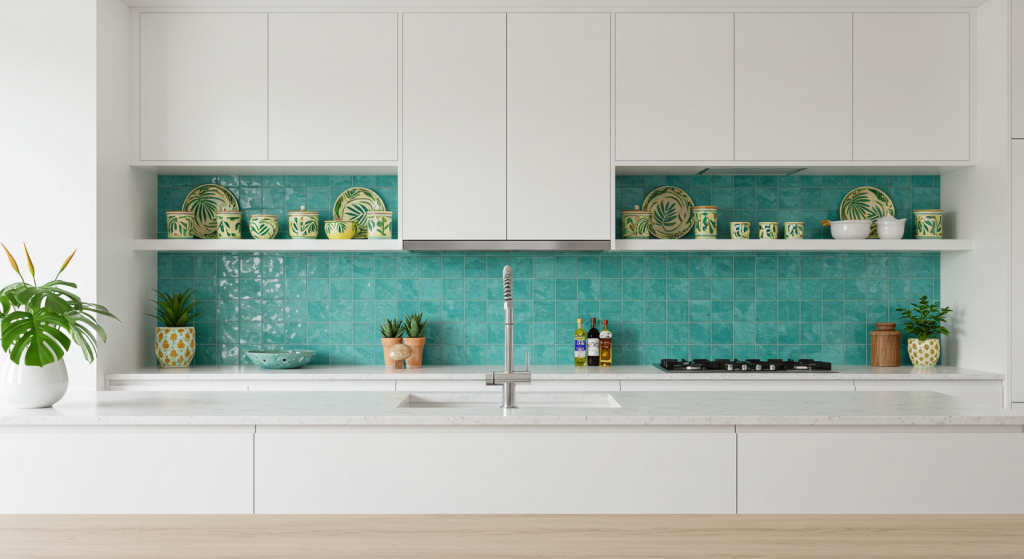
What makes these styles particularly appealing is their ability to create a perpetual vacation feeling at home. They remind us of places where we felt relaxed and rejuvenated, bringing that same sense of ease into everyday living. My current home office features elements of both styles, with rattan furniture, coastal blue accents, and plenty of tropical plants that make even the most stressful workdays feel a bit more bearable.
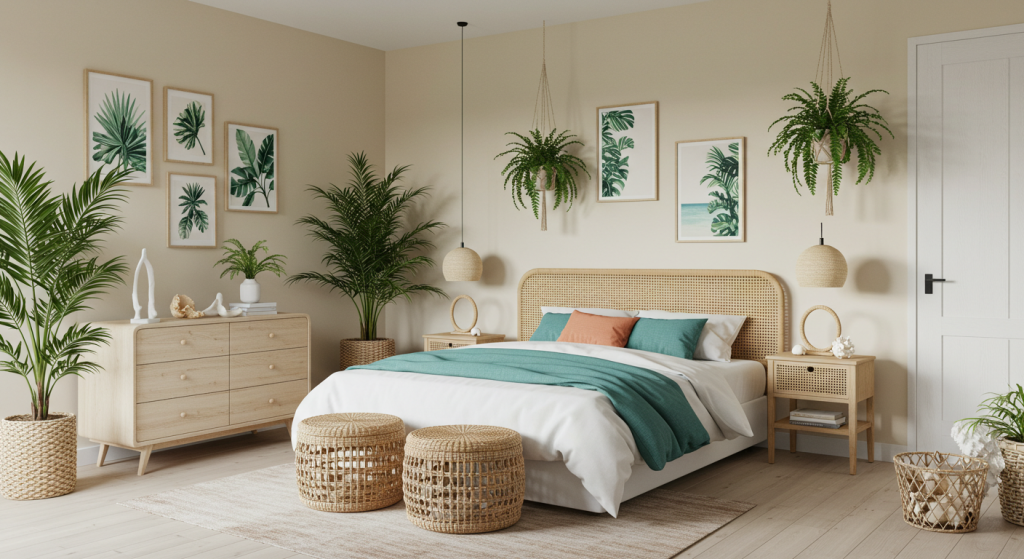
Tips for Creating Tropical & Coastal Spaces
- Prioritize natural materials – Jute rugs, wood furniture, rattan lighting fixtures, and woven baskets bring organic texture.
- Let light flow – Keep window treatments light and airy; avoid heavy drapery that blocks natural sunlight.
- Add tropical plants – Large-leafed plants like monstera, palm varieties, and bird of paradise bring authentic tropical energy.
- Incorporate natural motifs – Botanical prints, coral patterns, and seashell accents connect to nature.
- Keep it comfortable – These styles are all about relaxation, so furniture should be inviting and casual rather than formal.

Mixing Global & Cultural Design Styles With Intention
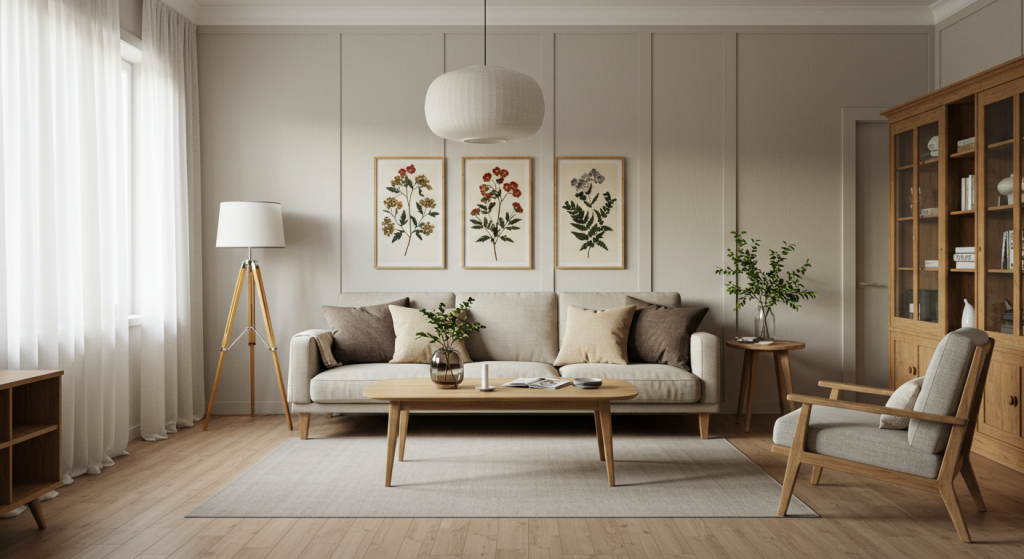
The real magic happens when you start blending different Global & Cultural Design Styles to create a space that’s uniquely yours. The key is finding common elements that bridge different aesthetic traditions. For instance, the natural materials in Japanese minimalism can complement the organic elements in tropical design, while the pattern play in Moroccan design can work beautifully with bohemian eclecticism.
When mixing styles, start with a neutral foundation and add layers that represent different influences. Keep proportions in mind – perhaps 60% of your primary style, 30% of a secondary influence, and 10% unexpected accents. This approach creates spaces that feel cohesive rather than chaotic. One of my favorite combinations is what I call “Japandi Tropical” – combining the clean lines of Japanese design with natural materials and lush greenery from tropical styles.
As we move through 2025, Global & Cultural Design Styles continue to evolve in exciting ways. More than ever, homeowners are seeking spaces that tell their personal stories while honoring diverse cultural traditions. By understanding the principles behind these design approaches, you can create rooms that not only look beautiful but also feel meaningful and connected to the wider world.
Remember that the most successful interiors reflect the people who live in them. Your home should showcase your travels, interests, and the cultures that resonate with you – not just recreate a picture from a design magazine. So go ahead, mix that vintage Moroccan wedding blanket with your grandmother’s antique chair and that minimalist Japanese-inspired coffee table. When chosen with intention and arranged with care, these varied elements create a home that’s uniquely, wonderfully yours.