This post may contains affiliate links. Read our full disclosure here.
Dopamine Decor has quickly become the mood-brightening design approach we’ve all been craving. This joy-focused trend uses vibrant colors, personal artifacts, and meaningful pieces to create spaces that don’t just look beautiful—they actually make you feel happier every day. Unlike passing fads that focus purely on aesthetics, Dopamine Decor taps into color psychology to trigger positive emotional responses in your brain.
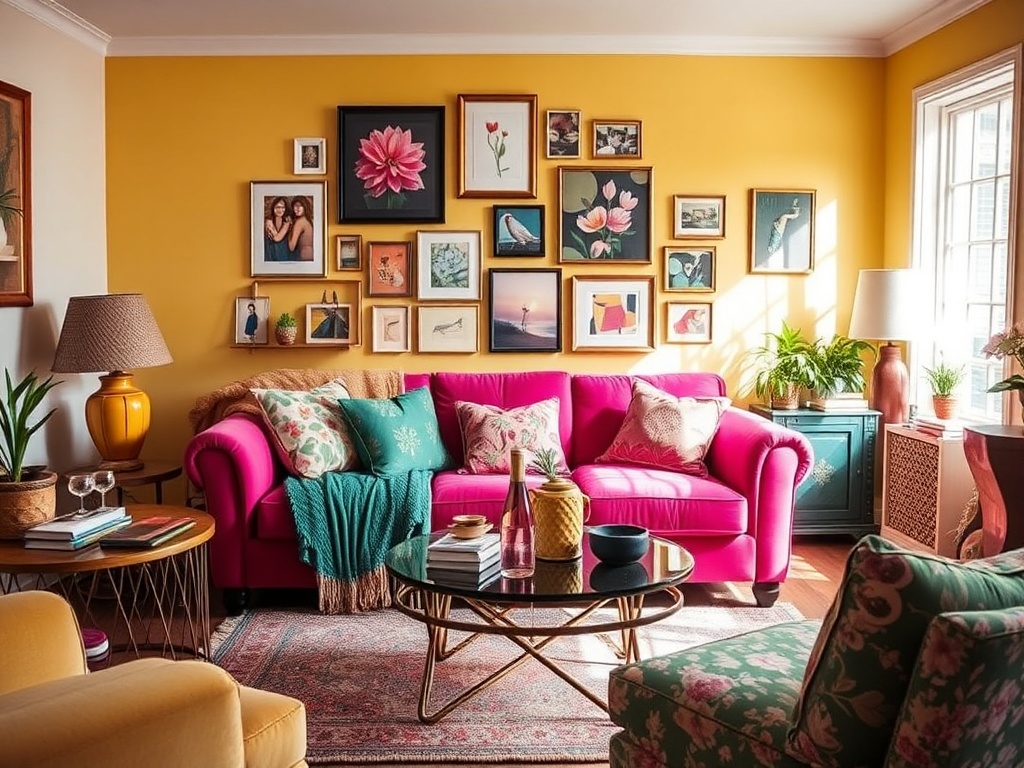
When I first discovered Dopamine Decor, it completely shifted how I approached my apartment renovation. No longer was I trying to recreate someone else’s Pinterest board—I was building a space that genuinely made me smile. The science behind it makes perfect sense: our surroundings directly impact our mood, and intentional color choices can stimulate dopamine release, that delightful feel-good chemical that boosts our happiness.
What Is Dopamine Decor?
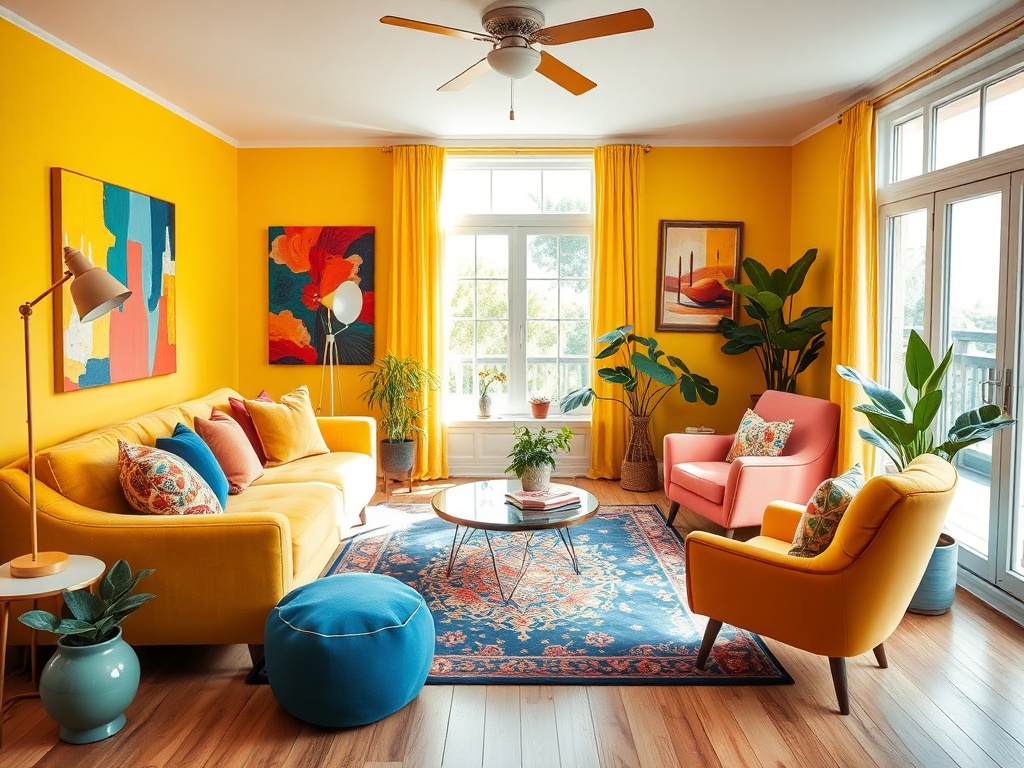
Dopamine Decor is a design approach that prioritizes emotional response over conventional style rules. It’s about surrounding yourself with colors, objects, and textures that trigger joy and satisfaction rather than adhering to what’s currently trending. This personalized style uses color psychology as its foundation, leveraging the emotional impact different hues have on our brains.
My friend Sarah recently embraced Dopamine Decor by painting an accent wall in her dining room bright marigold yellow—a color that reminds her of childhood summers at her grandmother’s house. The wall doesn’t “match” her furniture in the traditional sense, but it sparks joy every time she sits down for a meal. That’s precisely what Dopamine Decor aims to do—create moments of happiness throughout your daily routines.
“Dopamine Decor isn’t about matching palettes—it’s about matching your energy.”
The beauty of this approach is its flexibility. For some people, Dopamine Decor might mean a sunshine yellow sofa as a statement piece. For others, it could be as subtle as colorful throw pillows or a gallery wall featuring vibrant artwork. There are no rigid rules—only what makes your personal dopamine levels rise when you enter a room. Choosing a decor style becomes less about trends and more about emotional resonance.
How Color Psychology Powers Dopamine Decor
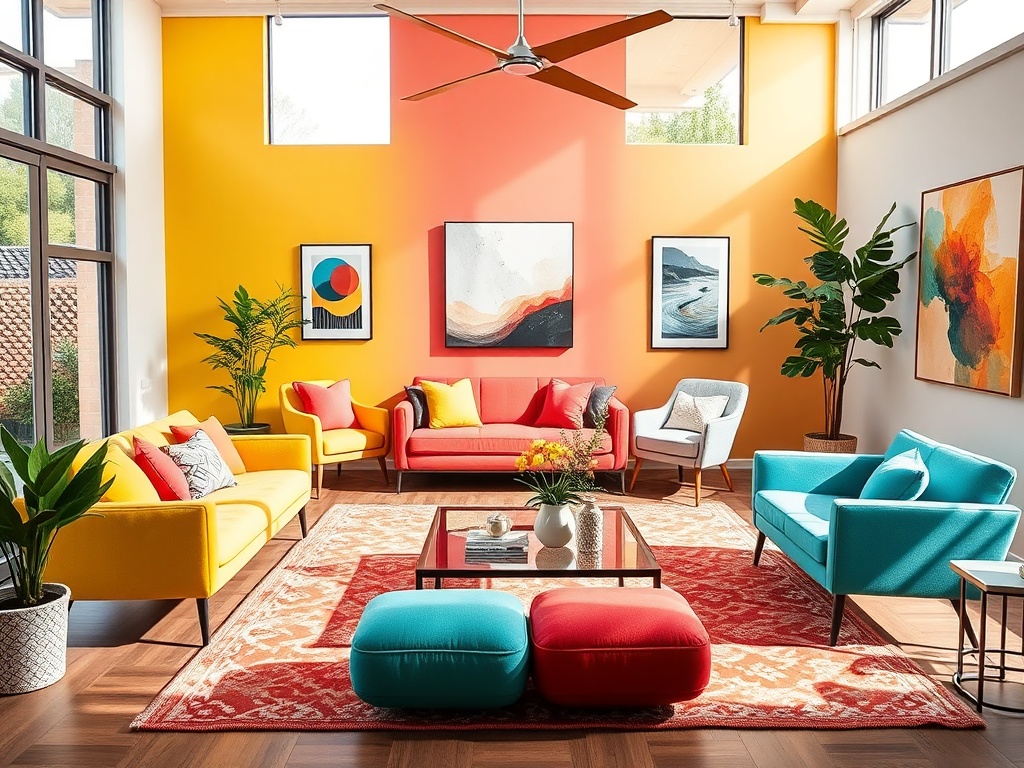
Color psychology sits at the heart of effective Dopamine Decor. Research consistently shows that colors don’t just affect us visually—they impact our emotions, productivity, and even physical responses. Each hue stimulates different psychological reactions that can transform your living space into a mood-management tool.
A fascinating 2014 study published in the Journal of Experimental Psychology found that color exposure significantly alters emotional processing and mental function. Blues and greens tend to create calm, while reds and oranges can energize a space. Understanding these effects allows you to strategically use colors to create desired emotional states throughout your home. Colors affect your mood in powerful ways that most of us underestimate.
Common emotional effects of colors include:
- Yellow: Promotes optimism, creativity, and mental clarity
- Blue: Creates calm, reduces anxiety, and improves focus
- Green: Fosters balance, restoration, and connection to nature
- Red: Stimulates energy, passion, and physical activity
- Pink: Encourages gentle joy, comfort, and nurturing feelings
- Orange: Sparks enthusiasm, playfulness, and social connection
The key to successful Dopamine Decor isn’t just understanding these universal effects—it’s also recognizing your personal associations with certain colors. My bedroom features a soft turquoise accent wall because that particular shade reminds me of family beach vacations and instantly calms my busy mind at bedtime. Your color associations may be entirely different based on your experiences.
Popular Dopamine Decor Colors and What They Spark
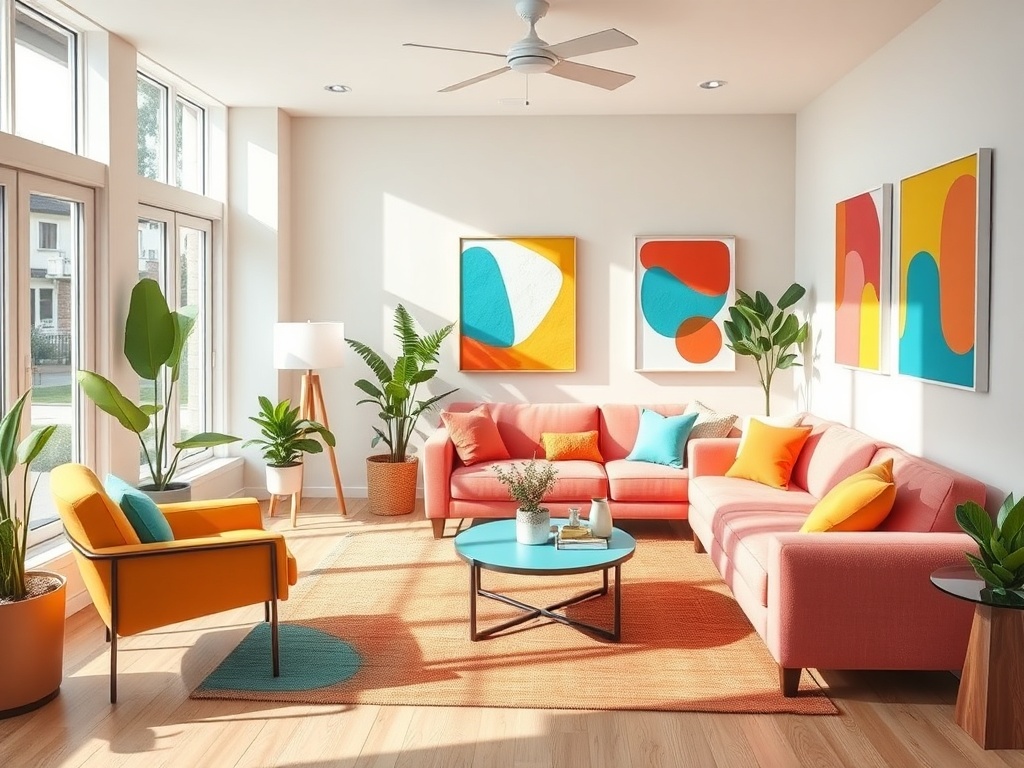
The most effective Dopamine Decor color choices balance universal psychological impacts with your unique preferences. Certain hues consistently appear in joy-focused interiors because they’re powerful mood elevators for most people. Understanding these common associations helps you make intentional choices for your own happy home.
| Color | Mood Effect | Fun Associations |
|---|---|---|
| Yellow | Happy, energizing | Sunshine, lemon zest, summer days |
| Pink | Playful, nurturing | Cotton candy, blossoms, nostalgia |
| Blue | Calming, focused | Ocean waves, clear skies, serenity |
| Green | Balancing, fresh | New growth, nature, possibility |
| Orange | Social, warm | Sunsets, citrus, lively gatherings |
| Red | Bold, passionate | Confidence, love, energy |
You don’t need to overwhelm your space with these colors to get the benefits. Sometimes a strategic pop of color works even better than a fully saturated room. My kitchen features mostly neutral cabinetry, but I’ve added a bold coral fruit bowl that catches my eye every morning and starts my day with a little burst of happiness.
Remember that Dopamine Decor is ultimately about your personal response. While my colleague loves her emerald green dining chairs because they remind her of her favorite vacation in Ireland, you might find that particular shade unsettling based on your own experiences. Trust your instincts about which interior design styles and colors truly delight you.
Easy Ways to Add Dopamine Decor in 2025
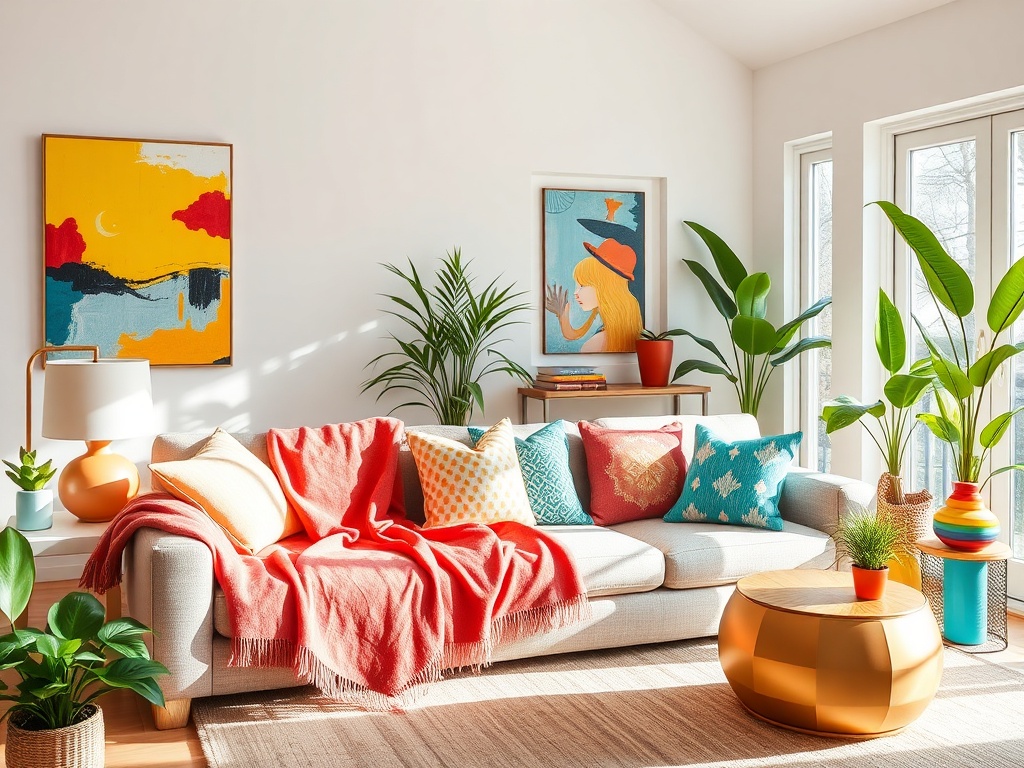
Transforming your space with Dopamine Decor doesn’t require a complete renovation or massive budget. Small, strategic additions can dramatically shift the energy of your home. The best part? You can start small and build gradually as you discover what truly brings you joy.
Try these approachable Dopamine Decor add-ins:
- Colorful throw pillows in unexpected color combinations
- Vibrant area rugs that add personality to neutral floors
- Peel-and-stick wallpaper for a commitment-free color explosion
- Statement artwork featuring colors that make you smile
- Vintage pieces in bold hues that tell a story
- Colorful vases, bookends, or decorative objects as accent pieces
- A gallery wall mixing personal photos with vibrant art prints


Last month, I transformed my work-from-home setup with just three simple additions: a mustard yellow desk lamp, a colorful geometric mouse pad, and a small potted plant in a bright ceramic planter. These tiny changes cost under $75 total but completely transformed my daily experience in the space. Now I actually look forward to sitting down at my desk each morning.
Don’t forget that texture impacts the feel of a room just as much as color does. Adding velvet pillows, fuzzy throws, or textured ceramics creates multi-sensory dopamine triggers that go beyond just visual stimulation. My living room features a plush blue ottoman that not only adds a beautiful color pop but also feels amazing when I prop up my feet after a long day.
Why Personal Style Matters in Dopamine Decor
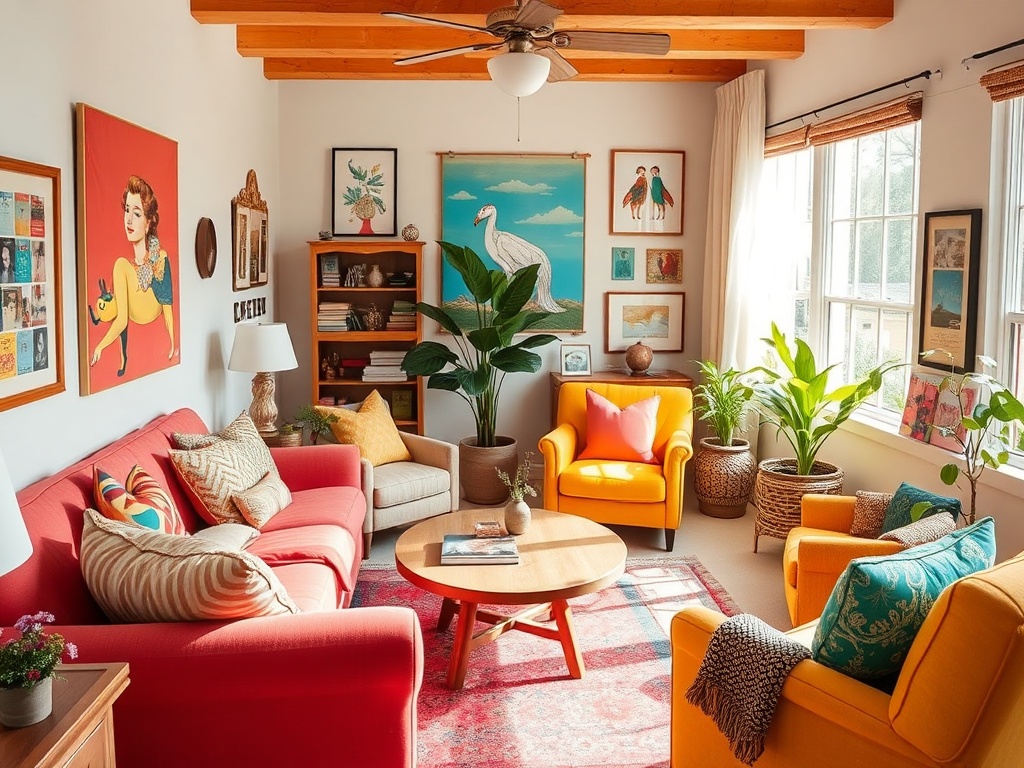
The most powerful aspect of Dopamine Decor is its emphasis on personal meaning over universal appeal. This approach rejects the idea that homes should look like catalog spreads and instead celebrates the unique elements that spark joy for you specifically. It’s about creating a space that feels authentically yours, even if—especially if—it breaks conventional design rules.
My sister kept a bright teal ceramic elephant figurine hidden in her drawer for years because it didn’t “match” her carefully curated neutral living room. When she embraced Dopamine Decor, that elephant became a centerpiece on her coffee table. Now it’s not only visible but celebrated as part of her story—a memento from her college travels that brings back happy memories every time she sees it.
“Your home should feel like a playlist of your personality. Loud, proud, and unapologetically YOU.”
The beauty of personalized Dopamine Decor is that it evolves with you. Unlike rigid design styles that require complete overhauls when trends change, this approach allows your space to grow and shift organically as you collect new joy-sparking pieces. The vintage concert poster that made you smile in your twenties can coexist with the handmade pottery you discovered in your thirties.
Consider incorporating items that tell your story: travel souvenirs, family heirlooms, quirky flea market finds, or even children’s artwork displayed in quality frames. These personal touches transform a house into a home that truly supports your wellbeing through thoughtful home styling and interior design.
Room-by-Room Color Psychology Cheat Sheet
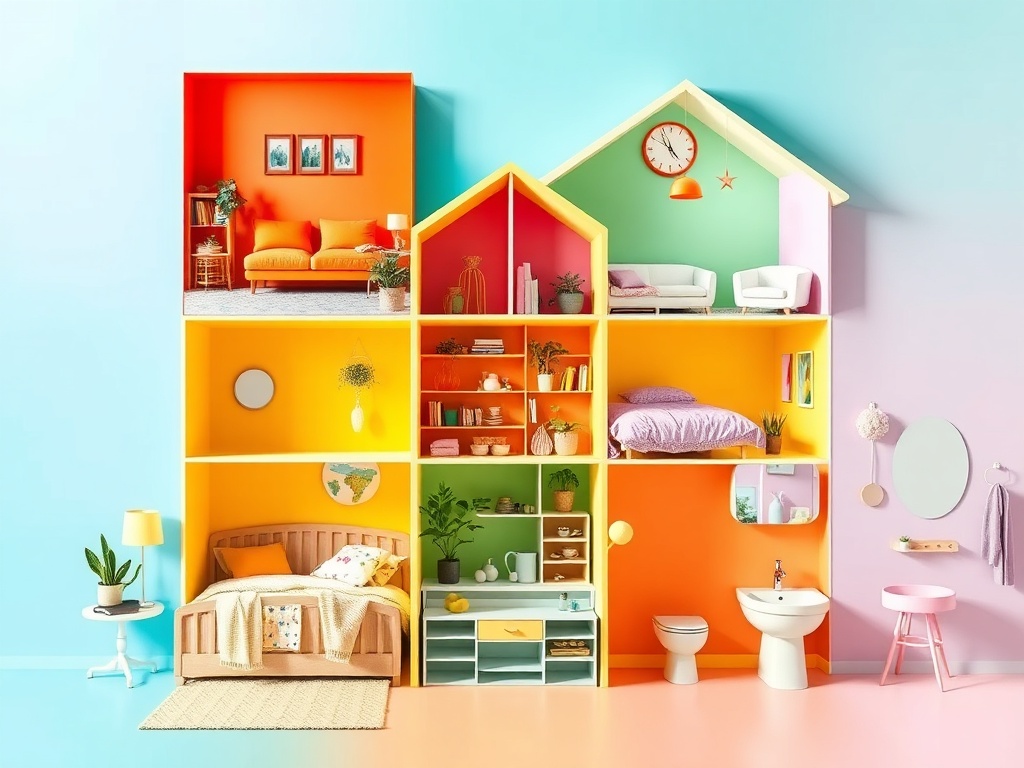
Each room in your home serves a different purpose, so the Dopamine Decor approach should vary accordingly. Being strategic about color placement throughout your home ensures you’re supporting the primary function of each space while maximizing happiness triggers. Here’s a room-by-room guide to help you make informed decisions:
| Room | Ideal Colors | Emotional Benefits |
|---|---|---|
| Living Room | Yellow, green, warm neutrals | Welcoming, conversation-friendly, relaxing |
| Bedroom | Blues, soft pinks, lavender | Restful, peaceful, intimate |
| Kitchen | Orange, red, yellow | Energizing, appetite-stimulating, sociable |
| Home Office | Green, navy blue, teal | Focused, productive, creative |
| Bathroom | Blues, greens, whites | Clean, refreshing, spa-like calm |
| Dining Room | Red, orange, gold | Stimulating conversation, enhancing flavors |
In my apartment, I’ve used this approach to create distinct emotional zones. My home office features energizing teal accents that keep me alert and focused, while my bedroom showcases calming periwinkle blue tones that help signal my brain it’s time to wind down. The contrast between spaces helps reinforce their different functions.
Remember that colors don’t have to cover entire walls to be effective. Strategic accents through furniture, artwork, or accessories can create the desired emotional effect without overwhelming the space. My dining area features neutral walls but incorporates rich burgundy dining chairs that create a warm, appetite-stimulating atmosphere perfect for entertaining.
For renters or those who can’t paint, temporary solutions like colorful curtains, removable wallpaper, or statement furniture pieces can achieve the same psychological benefits without permanent changes. When my friend couldn’t paint her rental kitchen, she added a bold yellow kitchen cart that completely transformed the space’s energy.
The Science Behind the Mood Boost
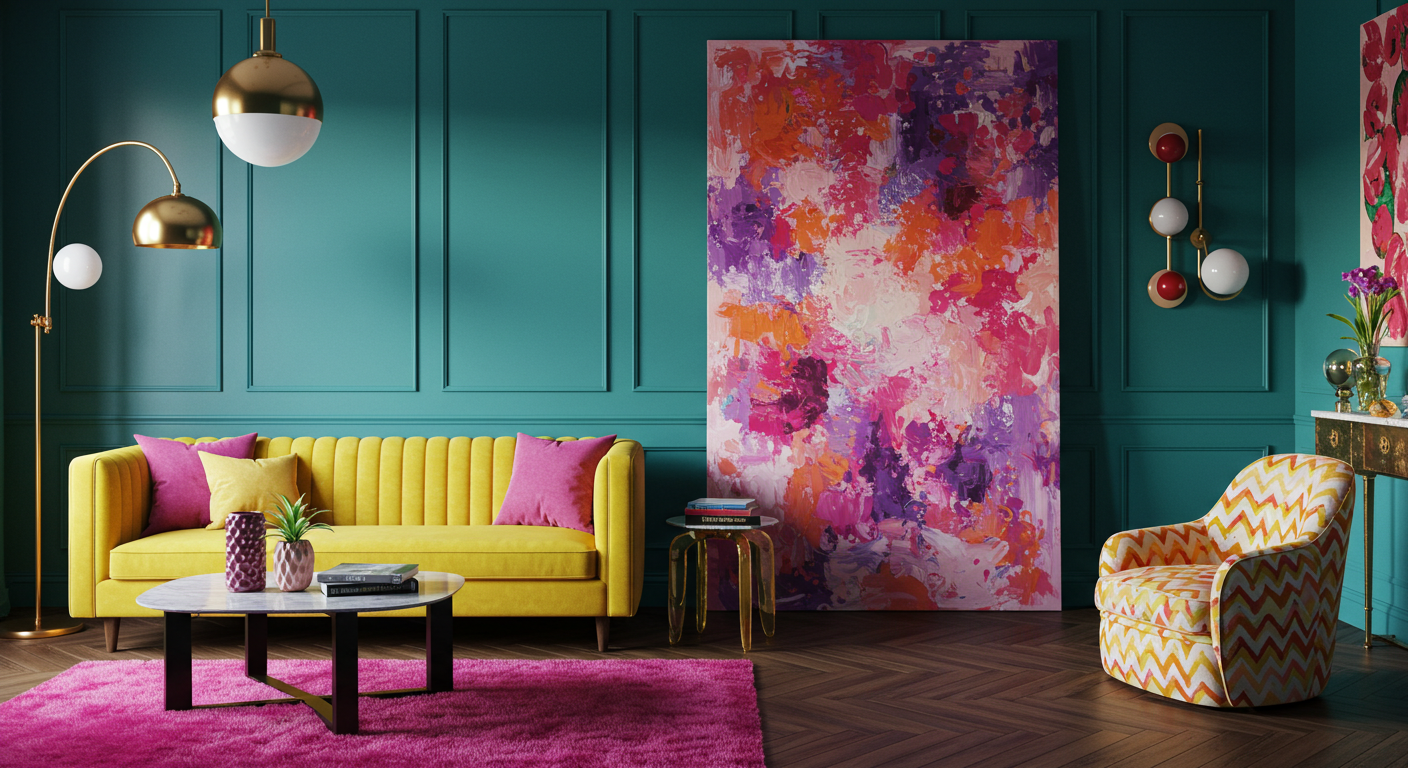
Dopamine Decor isn’t just a catchy name—it’s rooted in genuine neurological responses. Dopamine is a neurotransmitter that plays a major role in how we experience pleasure, motivation, and satisfaction. When we encounter visually stimulating and personally meaningful environments, our brains can actually release this feel-good chemical.
Research provides fascinating insights into these connections. A 2016 study in the Journal of Environmental Psychology found correlations between color preferences and psychological states. People experiencing depression or anxiety often gravitated toward beige, gray, and muted tones, while those with higher baseline dopamine levels preferred vibrant, saturated colors like bright yellow or rich red. This suggests a two-way relationship: our mood affects our color preferences, but colors can also influence our mood.
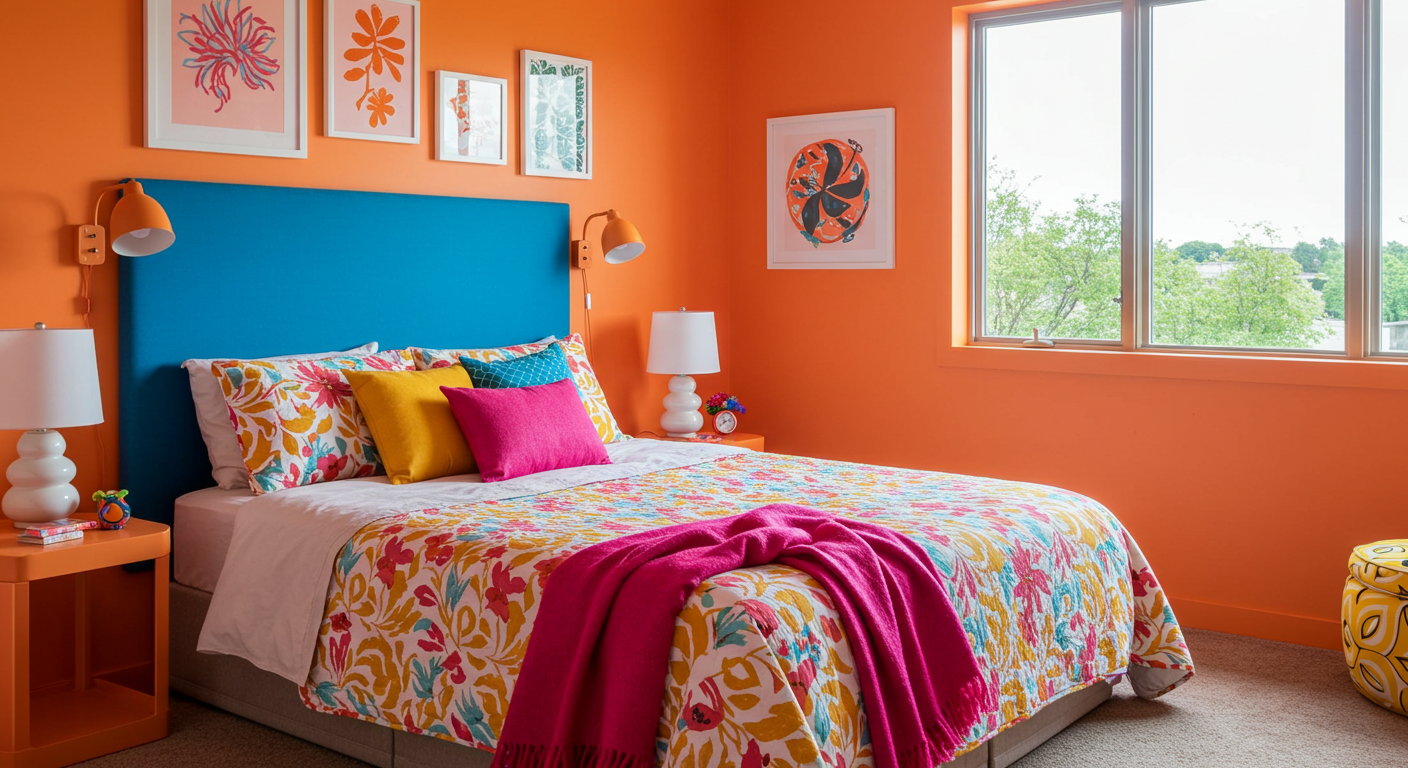
Another study from the University of Texas found that bland, neutral workspaces increased feelings of sadness and depression, while spaces with moderate color stimulation improved alertness and positive emotional states. These findings confirm what many of us intuitively feel—that colorful, personalized environments support better mental wellbeing.
The personal associations we form with specific colors also create neural pathways that trigger emotional responses. That’s why the exact shade of blue in your grandmother’s kitchen might evoke stronger positive feelings for you than an objectively “better” designer blue. Your brain has literally wired itself to associate that specific color with comfort and love.
For maximum dopamine response, aim for what psychologists call “multi-sensory integration”—combining color with complementary textures, scents, and sounds. My living room features a bright coral accent wall, but I’ve amplified its impact by adding a scented candle with tropical notes and a super-soft throw blanket in a similar hue. This creates a complete sensory experience that maximizes the dopamine effect.
Quick Tips to Implement Dopamine Decor Like a Pro
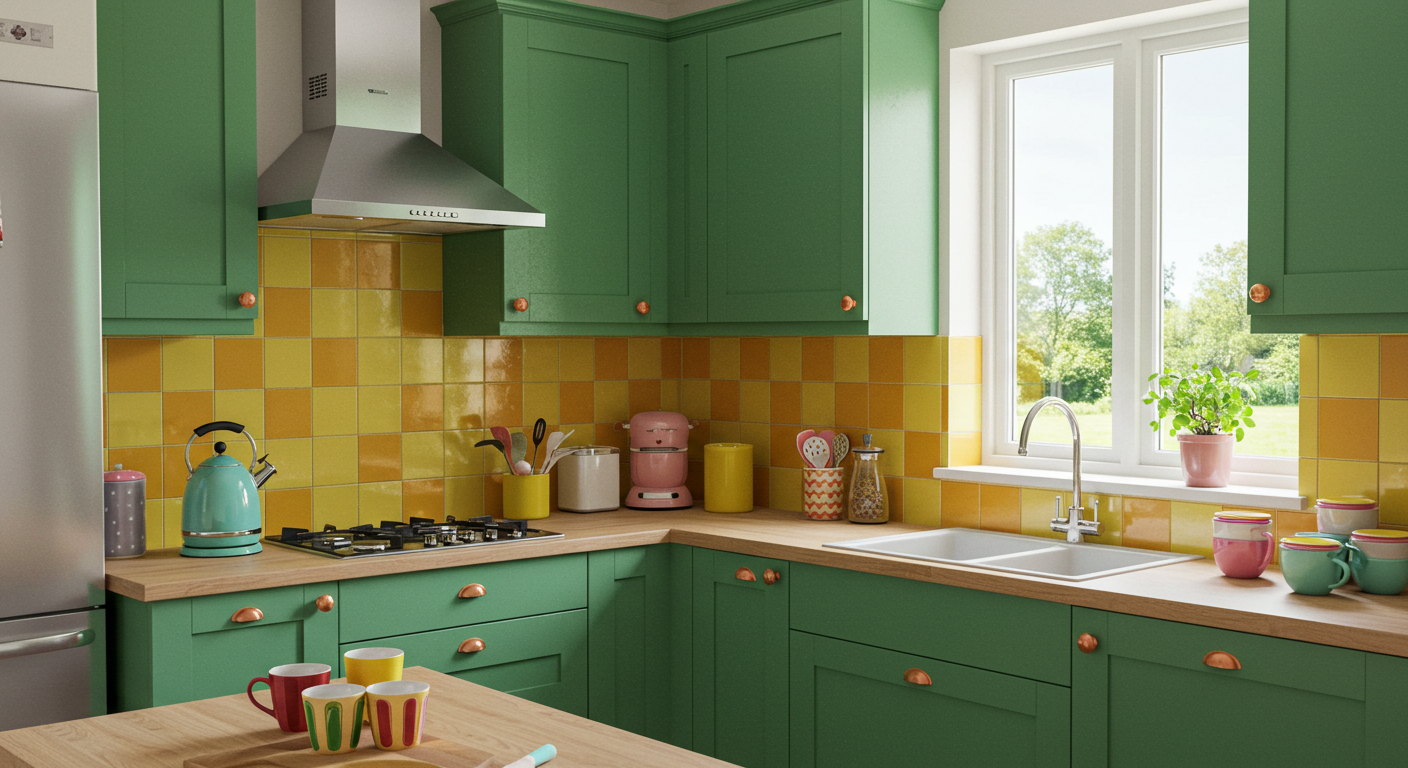
Ready to transform your space with mood-boosting Dopamine Decor? These practical tips will help you implement this approach successfully without overwhelming your space or your budget:
- Start with one room or even one corner before tackling your entire home
- Use the 60-30-10 color rule: 60% dominant color, 30% secondary color, 10% accent color
- Incorporate colors through easily changeable items if you’re hesitant about commitment
- Display meaningful objects at eye level where you’ll notice them daily
- Rotate seasonal decor to keep your dopamine response fresh
- Mix high and low pieces—thrift finds can coexist with investment pieces
- Trust your gut reaction to colors rather than following trends
When my bathroom was feeling particularly drab, I didn’t do a full renovation. Instead, I added a vibrant shower curtain, coordinating towels, and a small colorful plant. These simple changes transformed the space from functional to joy-inducing for less than $100. Small changes really can make significant emotional impacts.
Don’t be afraid to experiment. Dopamine Decor is highly personal, so what works for someone else might not work for you. I initially painted an accent wall bright yellow based on design advice but found it too stimulating. Repainting it a softer terracotta created the warm, grounding feeling I actually needed in that space.
Remember that lighting dramatically affects how colors look and feel. Test paint samples and fabric swatches in your actual space at different times of day before committing. The perfect mood-affecting color in morning light might feel completely different by evening.
Creating Your Personal Dopamine Palette
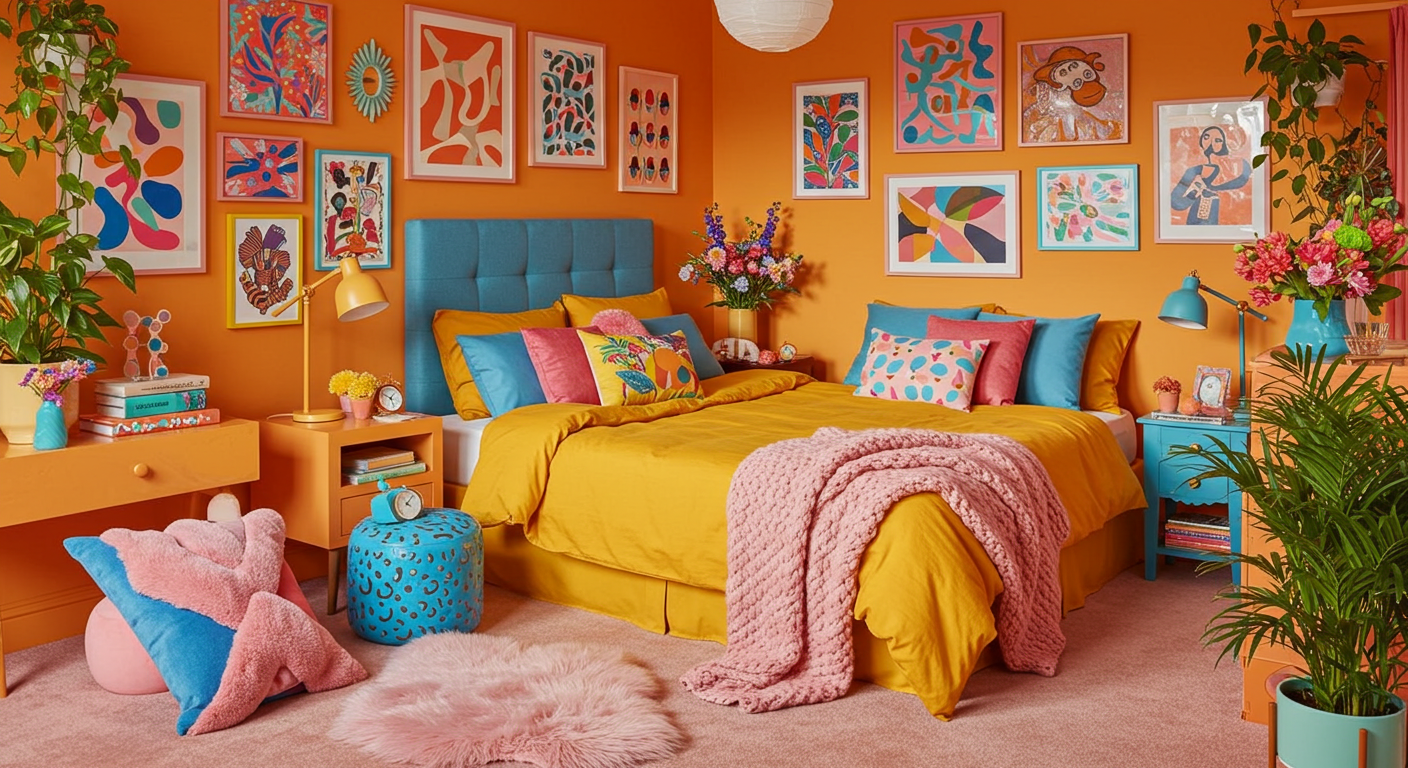
Dopamine Decor works best when it’s truly personalized, which means creating a color palette that resonates with your unique preferences and memories. Here’s how to develop your own personal dopamine palette:
- Reflect on colors that consistently make you smile or feel good
- Look through your wardrobe—the colors you wear often likely please you
- Consider places where you’ve felt happiest (beach, forest, childhood home)
- Identify colors associated with your most positive memories
- Create a physical or digital mood board combining these colors
When building my own dopamine palette, I realized that the turquoise blue of ocean water appears repeatedly in my happiest memories—from childhood beach trips to my favorite vacation in Greece. This insight helped me understand why I’m consistently drawn to this color family in my home decor choices.
Your dopamine palette might include colors that seem unconventional or clash by traditional standards—and that’s perfectly fine. My friend discovered her ideal palette includes both mustard yellow and raspberry pink inspired by a favorite childhood dress. While these colors wouldn’t typically be paired in design magazines, they create genuine joy in her space.

Once you’ve identified your core dopamine colors, consider how they might work in different intensities. A color that’s stimulating as a wall color might work better as a small accent in a relaxation space. The rich emerald green that energizes my home office appears in my bedroom too, but only as small decorative objects against calming neutral backdrops.
Your color choices might evolve over time, and Dopamine Decor’s flexibility embraces this growth. The bright primary colors that delighted you in your twenties might shift toward richer, more complex tones in later decades. Allow your palette to evolve naturally as you do. This approach to interior design celebrates personal evolution rather than rigid adherence to a single style.

The ultimate goal of Dopamine Decor isn’t creating Instagram-worthy spaces—it’s crafting environments that genuinely support your happiness and wellbeing. When you walk into a room and feel your shoulders relax, your mood lift, or energy rise—that’s successful Dopamine Decor. Your home becomes a psychological tool for managing your emotional state rather than just a place to store your belongings.
By tapping into the power of color psychology, personalizing your space with meaningful objects, and being intentional about creating different emotional zones throughout your home, you can transform everyday moments into opportunities for joy. The science is clear: our environments profoundly affect our mental state, and Dopamine Decor gives us the framework to make those effects positive ones. Now, let’s make some colorful magic happen in your space!