This post may contains affiliate links. Read our full disclosure here.
Have you ever walked into a room that just feels effortlessly current without trying too hard? That’s the magic of contemporary interior design – a style that manages to be both on-trend and timeless at once. Unlike its often-confused cousin, modern design, contemporary style isn’t frozen in time. Contemporary interior design reflects what’s happening right now in the design world, constantly evolving while maintaining clean lines and a fresh aesthetic that makes any space feel instantly updated.
Whether you’re redesigning your entire home or just looking to refresh your living space, understanding contemporary interior design gives you the perfect framework to create a space that feels both stylish and livable. In this guide, I’ll break down exactly what makes a space “contemporary,” the key differences from other popular styles, and how you can bring this versatile design approach into your own home – even on a budget!
What Is Contemporary Interior Design?
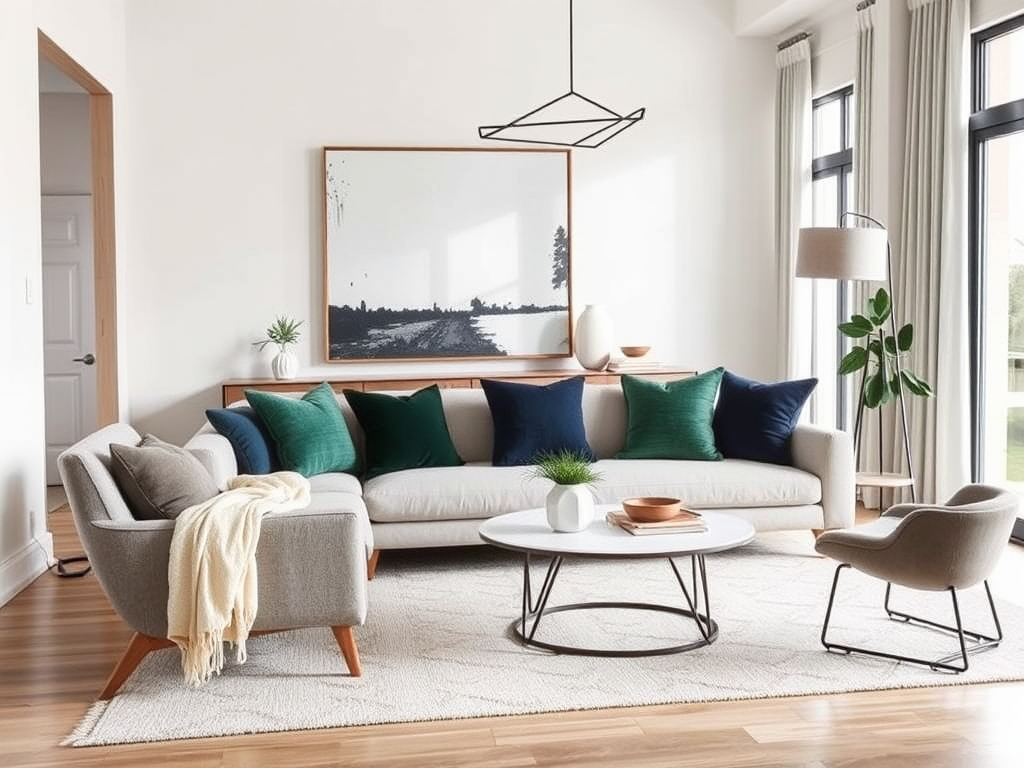
At its core, contemporary interior design embraces the philosophy that “less is more” – but with a warm twist. Unlike minimalism, which can sometimes feel cold, contemporary spaces feel inviting while maintaining clean lines and uncluttered spaces. This style is all about creating breathing room and letting each element shine on its own merit.
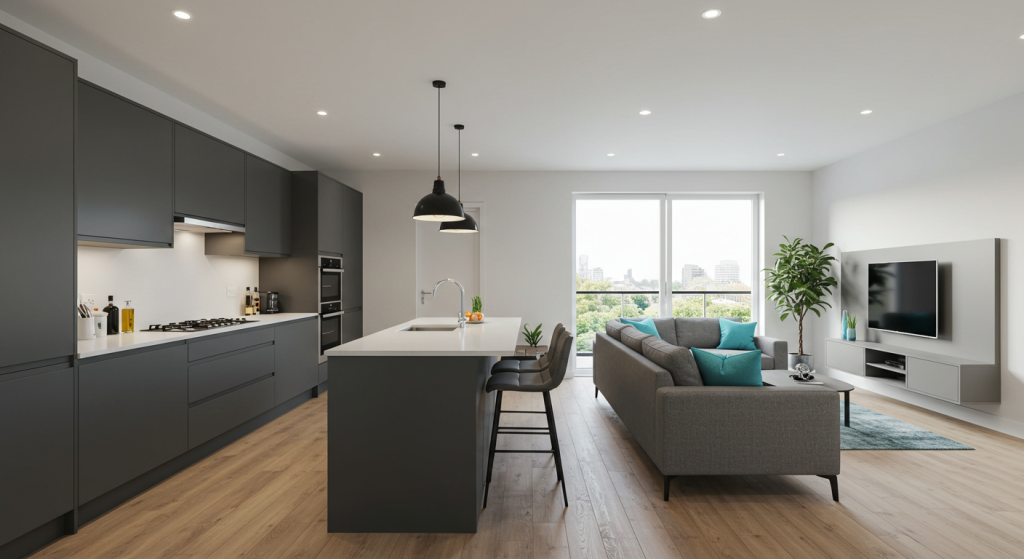
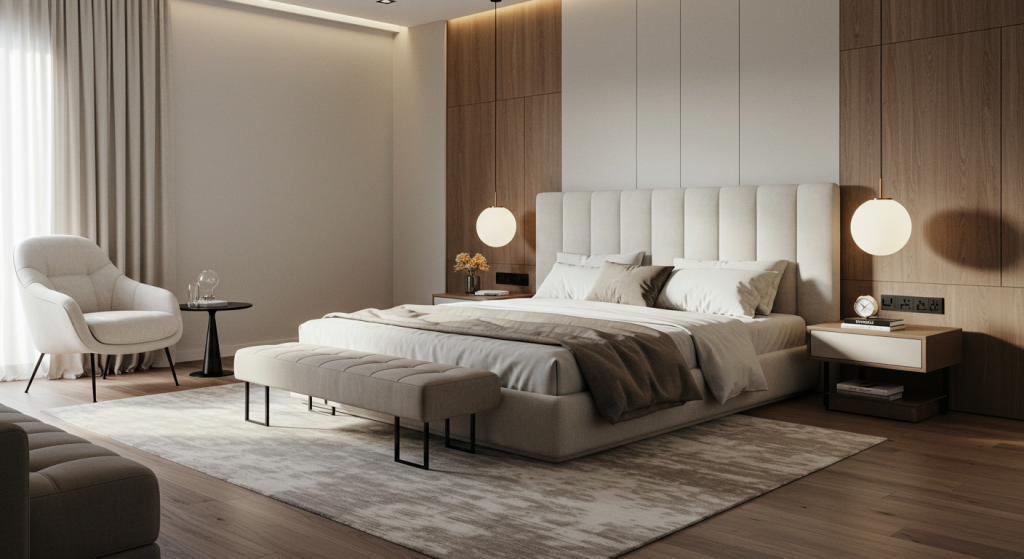
Contemporary interior design is characterized by a few key elements that give it that distinctive, current feel. First, you’ll notice clean lines and open spaces – furniture with streamlined silhouettes that avoid fussy details or ornate carvings. The focus is on creating a sense of airiness and flow throughout the room.
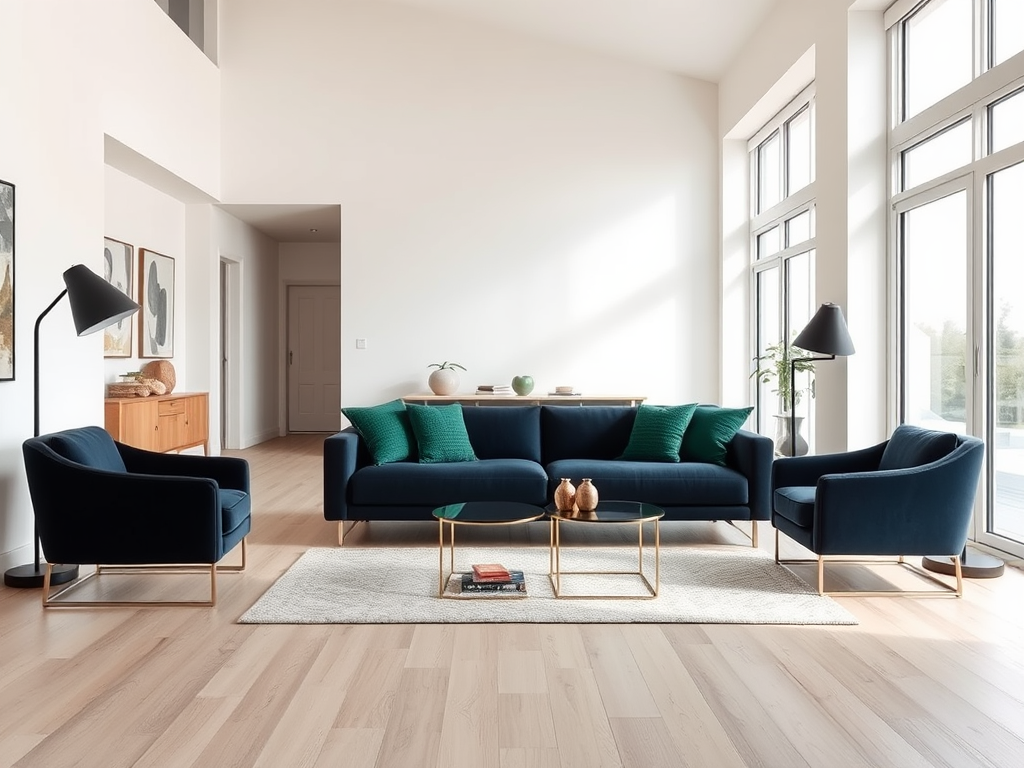
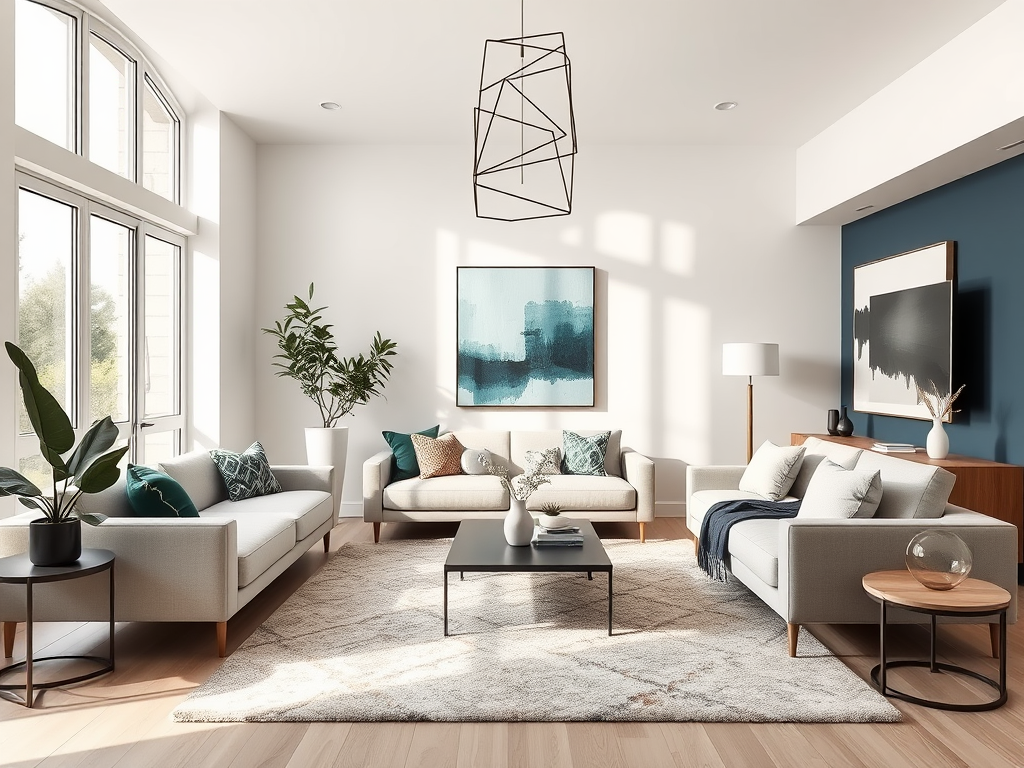
Another hallmark is the thoughtful combination of neutral bases with strategic pops of color. Think crisp white walls paired with a deep navy accent chair or emerald green throw pillows. The restraint in the color palette keeps the space feeling sophisticated rather than chaotic.
Natural light plays a huge role in contemporary design, with large windows often left uncovered or dressed with minimal window treatments. Smooth surfaces like glass tables, polished concrete, or sleek metals catch and reflect light beautifully throughout the space, contributing to that signature contemporary brightness.
How Contemporary Differs from Modern Design
The biggest confusion I hear from friends looking to update their homes is the difference between contemporary and modern design. The simplest way to think about it: modern design is static, while contemporary design is fluid. Modern design specifically refers to the mid-20th century aesthetic (think Mad Men-era furniture with those iconic tapered legs).
Contemporary interior design, however, is always changing. It reflects what’s happening right now in design, incorporating current trends while maintaining its core principles. While modern design styles have a specific historical reference point, contemporary design will look different in 2035 than it does in 2025.
Contemporary Color Palettes for 2025
The contemporary palette starts with a neutral foundation – whites, blacks, beiges, and grays that create a clean canvas. These base colors allow your architectural features to shine and provide the perfect backdrop for more interesting elements to take center stage. My living room features soft greige walls that completely transformed the space from dated to current without a major renovation.
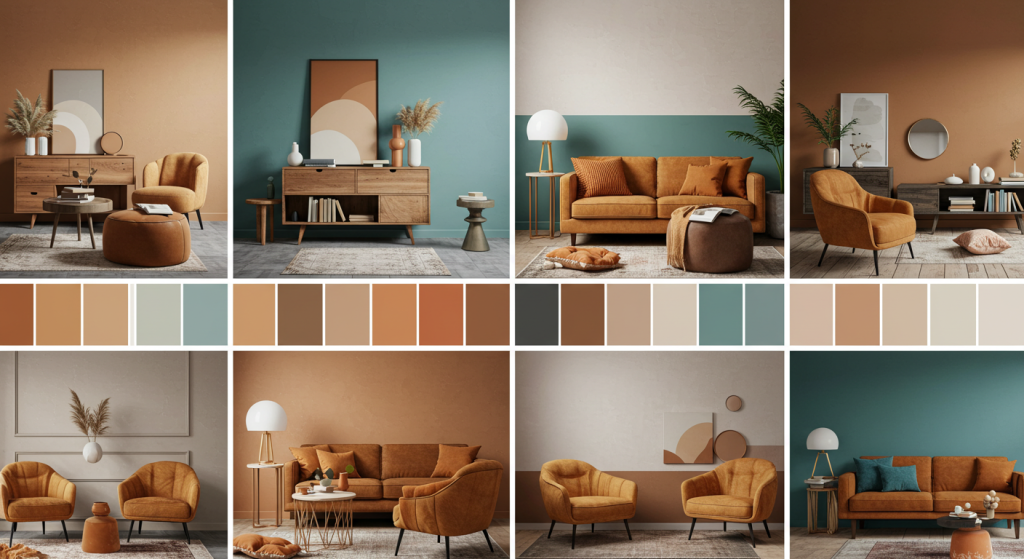
What makes contemporary interior design exciting, though, is how these neutrals are punctuated with deliberate color choices. For 2025, we’re seeing deep, saturated accent colors dominating the scene – navy blues, emerald greens, terracotta, and even strategic pops of mustard yellow. These colors might appear as accent furniture pieces, artwork, or textiles.
The key to nailing the contemporary color approach is restraint. Rather than painting all four walls a bold color (which feels more traditional), contemporary spaces might feature a single accent wall or let colored furniture do the talking against a neutral backdrop. My favorite tip is to keep walls and large furniture pieces neutral, then add color through easily changeable elements like throw pillows, art, or a statement rug.
Best Furniture and Decor for Contemporary Interiors
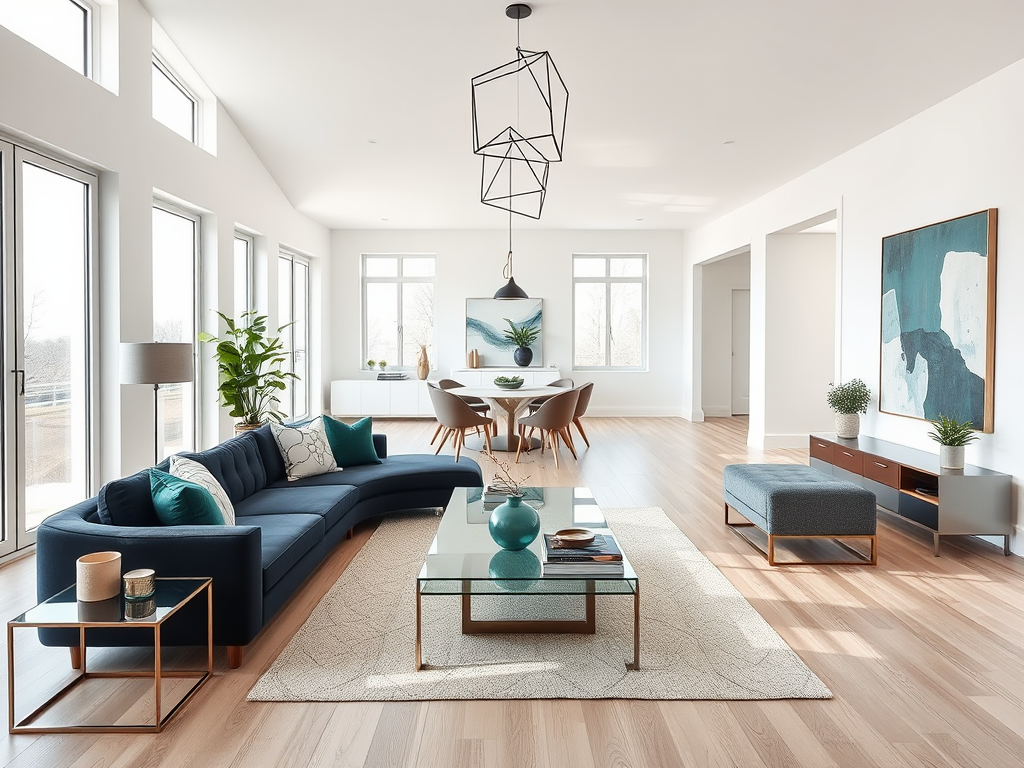
Furniture is where contemporary interior design really shines. Look for pieces with sleek, clean profiles – sofas with straight lines or gentle curves, seats that sit lower to the ground, and exposed legs in metal or wood. Skip the overstuffed, rounded arms of traditional sofas in favor of something more streamlined.

Lighting in contemporary spaces often becomes a sculptural element. Consider geometric pendant lights, angular floor lamps, or fixtures that double as art pieces. I recently replaced my dining room chandelier with a matte black geometric pendant, and it immediately modernized the entire space.
Contemporary spaces love abstract art and mirrors that serve both functional and aesthetic purposes. Large-scale abstract paintings or prints bring color and visual interest, while strategically placed mirrors reflect light and make spaces feel larger. My entryway features a large round mirror with a thin metal frame that adds depth while keeping the look clean.

One common misconception about contemporary design is that everything needs to match. Actually, the opposite is true! Contemporary spaces thrive on thoughtfully mixed materials – wood, metal, glass, stone, and textiles all playing together in harmony. The key is ensuring these different elements feel intentional rather than random.
Contemporary vs. Modern vs. Minimalist
Understanding how contemporary interior design relates to other popular styles helps clarify what makes it unique. While contemporary and modern designs are often confused, they have distinct differences. Modern design specifically references the mid-20th century aesthetic with its organic shapes, warm woods, and retro vibes. It’s a style frozen in time, whereas contemporary design continuously evolves.
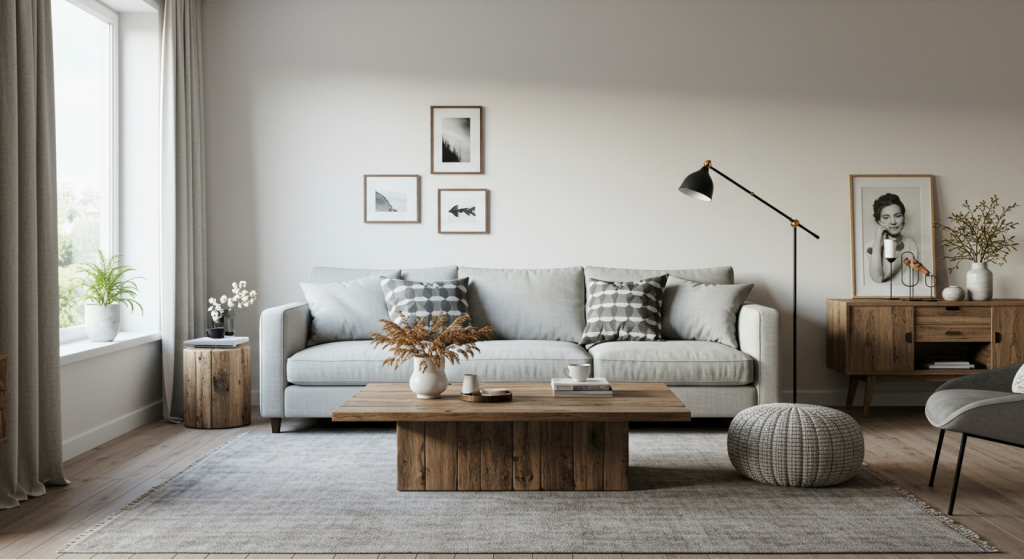
Minimalism shares contemporary’s love of clean lines and uncluttered spaces, but takes it much further. Minimalist spaces are usually more strict and sparse, featuring monochromatic color schemes and far fewer decorative elements. Contemporary allows for more personality, textures, and warmth than pure minimalism.
Contemporary interior design lands somewhere in the middle – it embraces the clean lines of minimalism but incorporates more textures, carefully selected colors, and decorative elements that pure minimalists would skip. It offers the perfect balance for those who appreciate different interior design styles but want something that feels current and fresh.
Easy Ways to Bring Contemporary Style Home (2025)
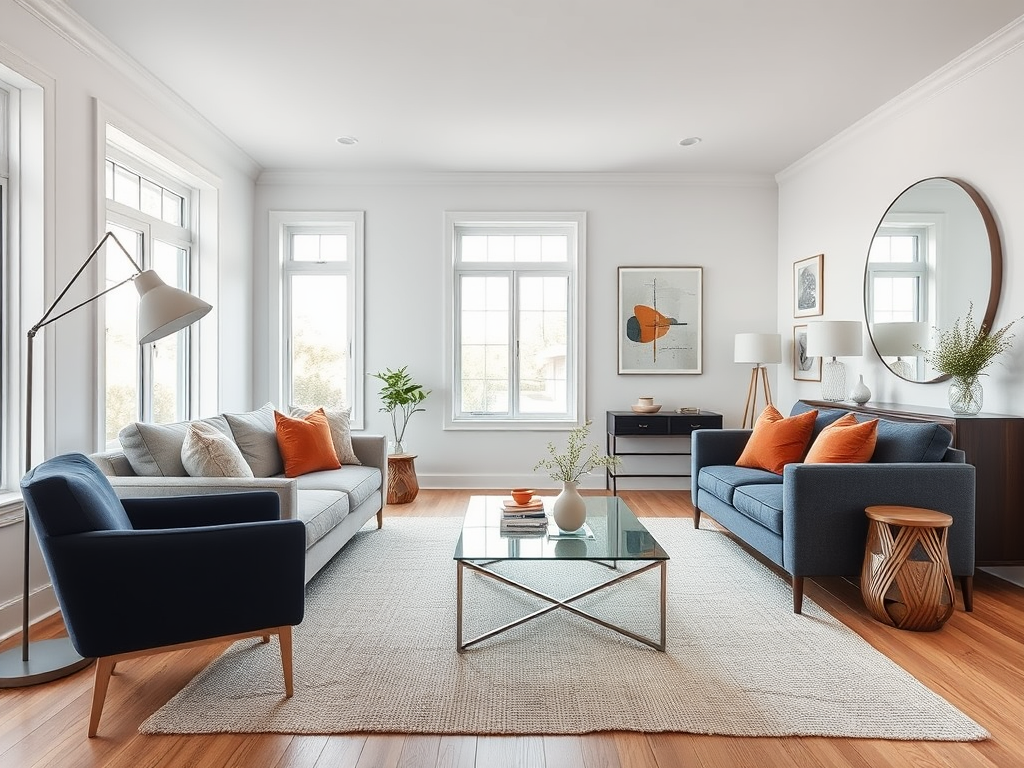
You don’t need a complete home makeover to embrace contemporary interior design. Start with a clean base by decluttering and creating breathing room in your space. Simply removing excess decorative items and creating more negative space can instantly make your home feel more contemporary.
One of my favorite budget-friendly updates is swapping out hardware. Replacing dated cabinet knobs and drawer pulls with matte black or brushed gold options gives kitchens and bathrooms an immediate contemporary refresh without major renovations. This small change made a huge difference in my kitchen’s overall feel.
Adding one or two statement pieces can transform an entire room. Consider a curved sofa, a bold piece of abstract art, or an oversized mirror with a simple frame. These focal points draw the eye and anchor your space in contemporary design principles without requiring you to replace everything.

Abstract Wine Art Canvas Print – Vibrant Home Decor
Using color strategically is another contemporary hallmark. Instead of painting walls bold colors, incorporate color through pillows, throws, or a single accent wall. This approach gives you flexibility to change things up as trends evolve without major repainting projects.
Keeping floors open contributes to that airy, contemporary feel. Skip the heavy, ornate rugs in favor of bare floors or low-pile options in neutral tones. The visual space this creates is instantly more current and allows your furniture and decor to stand out.
Fresh, Current, and Completely You
Contemporary interior design offers the perfect balance for those who want a home that feels current without being cold or clinical. The beauty of this style lies in its adaptability – you can embrace contemporary principles while still infusing your space with personal touches that make it uniquely yours.
Whether you’re working with a blank canvas or updating an existing space, starting with clean lines, thoughtful color choices, and strategic statement pieces will guide your contemporary transformation. Remember that this style is all about quality over quantity – fewer, better pieces will always create more impact than numerous smaller items.
If you’re not ready for a complete overhaul, begin with small updates – new lighting, hardware swaps, or a statement piece of art. These modest changes can shift your space toward a more contemporary feel without overwhelming your budget or your weekend. The most beautiful spaces evolve over time, just like contemporary design itself.
What’s your favorite aspect of contemporary interior design? Are you drawn to its clean lines, strategic pops of color, or the way it balances trend with timelessness? However you bring this style into your home, remember that the best designs always reflect the people who live there.