This post may contains affiliate links. Read our full disclosure here.
The dusty image of Bordeaux has been shoved into the cellar and replaced with something way more exciting in 2025. What used to be the playground of older gentlemen in tailored suits whispering about tannins is now buzzing with under-40 winemakers rocking natural farming methods and experimental blends. Bordeaux’s bold reinvention isn’t just a marketing ploy—it’s a full-blown identity shift.
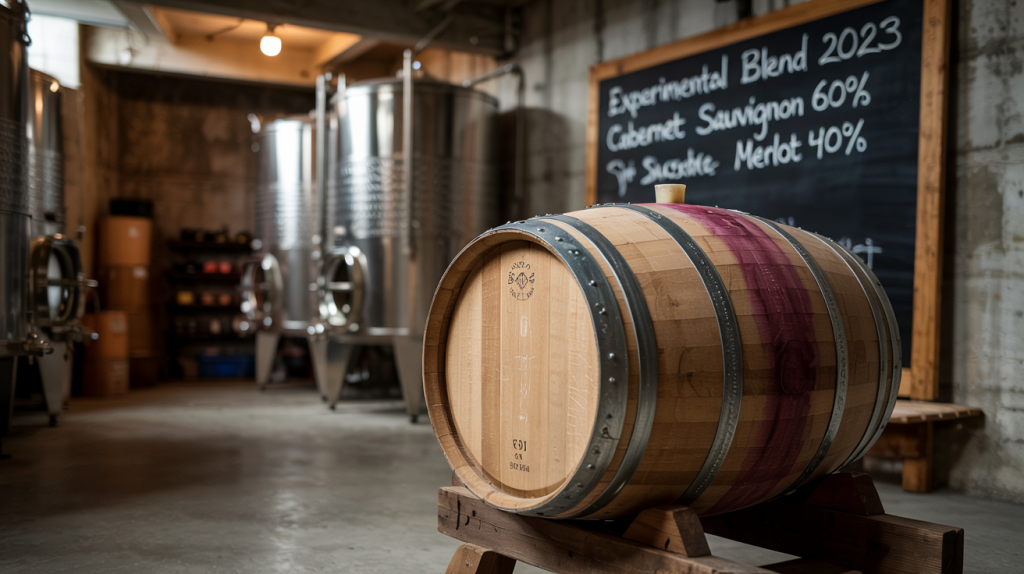
As I’ve watched this transformation unfold over the past few years, it’s clear Bordeaux isn’t playing around. Young winemakers are embracing climate change challenges, creating more accessible price points, and building a more inclusive wine culture that doesn’t require a PhD in viticulture to enjoy. This is the new Bordeaux—less stuffy, more soulful, and honestly, a lot more fun to drink!
Bordeaux’s Glow-Up: Less Suits, More Soul
When my friends hear “Bordeaux,” they still picture old French estates and bottles you need a second mortgage to afford. But that’s changing fast in 2025. A new generation of winemakers is shaking things up, trading rigid traditions for innovation while still respecting what makes this region special.
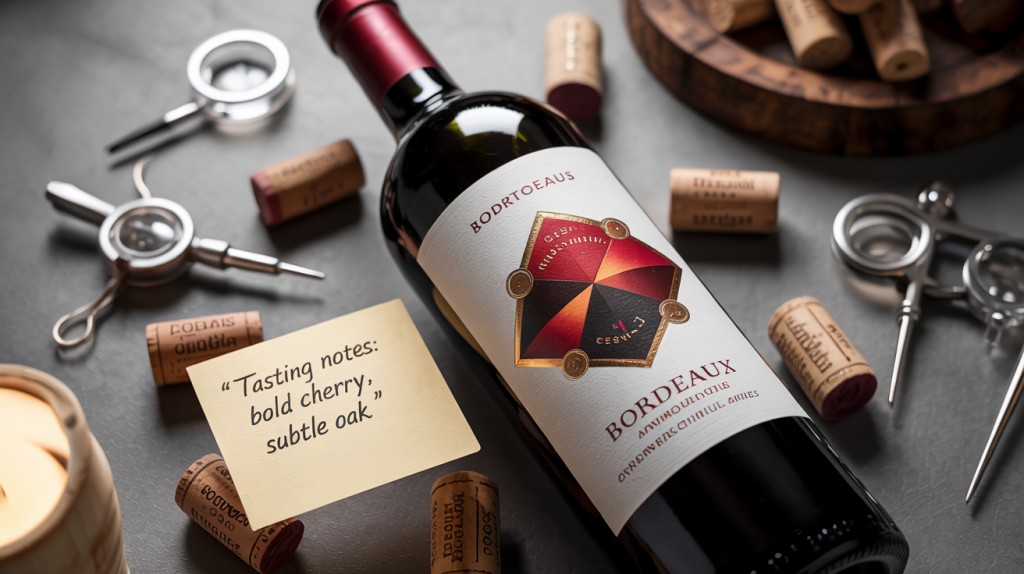
Take Château Le Puy, for example. Their biodynamic approach means wines with zero additives and all the personality. Their Emilien cuvée has become my go-to recommendation for friends curious about “natural” Bordeaux. You can check out their philosophy on their website – it’s a perfect example of this new wave thinking.
What makes this shift matter in 2025 is how it connects with younger drinkers like me. We’re not just looking for fancy labels to show off; we want authentic stories and transparency about how our wine is made. Many of these newer producers are even skipping the intimidating château photos on labels for modern, artistic designs that speak to our generation.
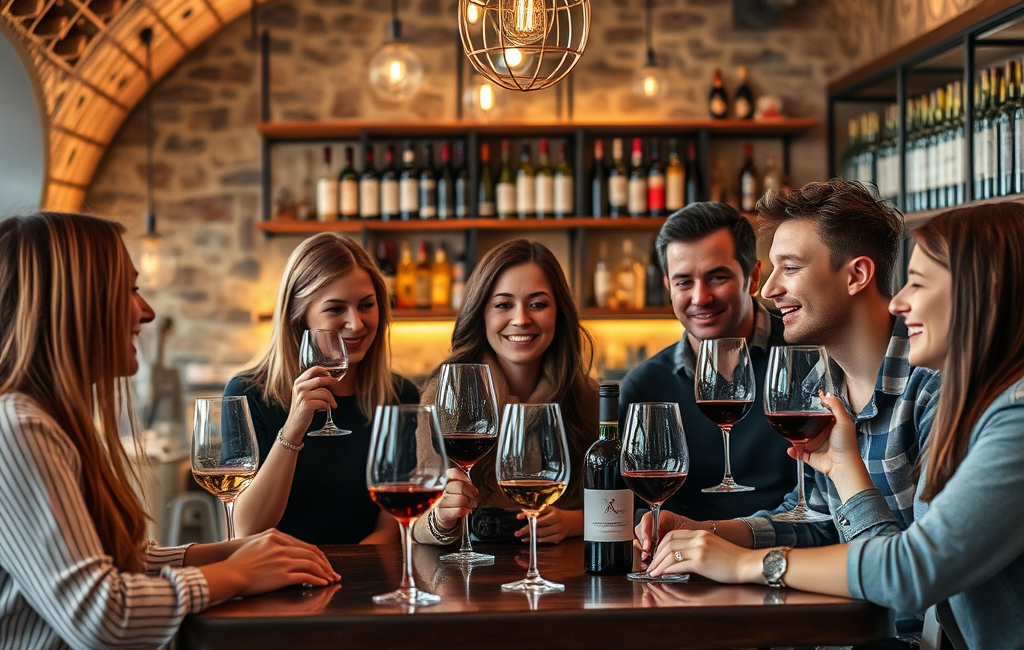
The tasting rooms are changing too. Instead of formal appointments where you feel judged for asking “dumb” questions, many places now offer relaxed experiences with comfy seating, music, and hosts who genuinely want you to enjoy yourself, not test your wine vocabulary.
Climate Change = Unexpected Perks
Let’s talk about the elephant in the vineyard: climate change. While it poses huge challenges globally, it’s actually creating some fascinating flavor developments in Bordeaux. Those once-tough, tannic wines that needed decades in your cellar are now showing riper, juicier profiles right out of the gate.
Merlot, which dominates the Right Bank, is particularly benefiting from the warmer conditions. The 2020-2022 vintages showcase this perfectly—they’ve got this amazing balance of ripeness without losing the classic Bordeaux structure. When I opened a Saint-Émilion from 2021 last month, I was shocked at how approachable it was already!
The science backs this up too. A 2024 study published in Nature showed that harvest dates in Bordeaux now happen 2-3 weeks earlier than they did in the 1980s. This longer ripening season is fundamentally changing how these wines taste. You can read the full study here if you’re into the technical details.
Producers are adapting quickly, experimenting with different canopy management techniques and even testing new grape varieties that might be better suited to warmer conditions. The temperature fluctuations that were once considered problematic are now being harnessed to create more complex wines.
Where to Find Bordeaux Bargains (Yes, Really!)
Let’s bust the biggest Bordeaux myth: that you need to spend hundreds per bottle for something good. While the famous First Growths still command astronomical prices, there’s a whole world of delicious, affordable Bordeaux hiding in plain sight.
My favorite hunting ground is the Côtes de Bordeaux, which includes appellations like Côtes de Castillon and Côtes de Blaye. These areas produce fantastic red blends under $30 that deliver way above their price point. Last weekend, I served a $23 Côtes de Castillon to friends who guessed it cost three times that amount!
Another smart move is exploring Cru Bourgeois estates. These are quality-certified properties that don’t have the prestige markup of the classified growths, but often the winemaking is just as serious. Brands like Château Sénéjac and Château Beaumont offer tremendous value around the $25-35 mark.
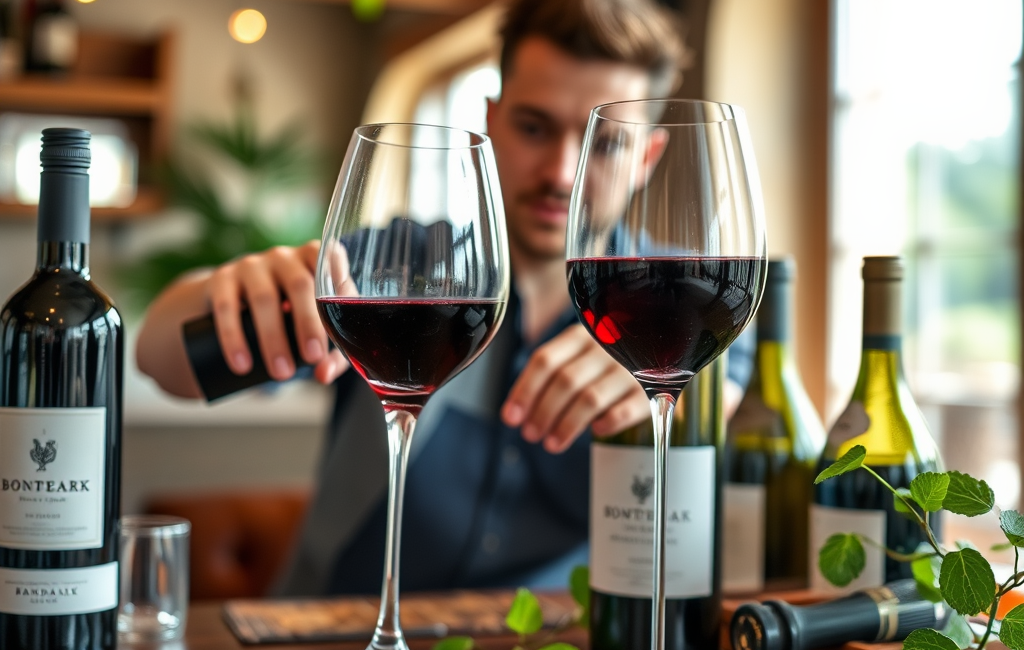
And don’t overlook white Bordeaux! Château Bauduc’s Sauvignon Blanc has become my summer staple – crisp, fresh, and perfect for casual get-togethers at a fraction of what you’d pay for other famous white wine regions. The fermentation process for these whites creates bright, citrusy notes that are perfect for warm weather.

The New Bordeaux Social Scene
Bordeaux isn’t just about vineyard visits anymore. The city itself has evolved into a vibrant wine tourism hub that rivals any European destination. When I visited last fall, I barely spent any time in the countryside because the urban wine scene was so captivating!
La Cité du Vin stands as the centerpiece of this transformation. This curved, shimmering building looks like a glass of wine being swirled and houses interactive exhibits that make wine education actually fun. The rooftop tasting room offers panoramic views of the city along with flights of global wines. It’s become a mandatory stop on any wine tourism itinerary.
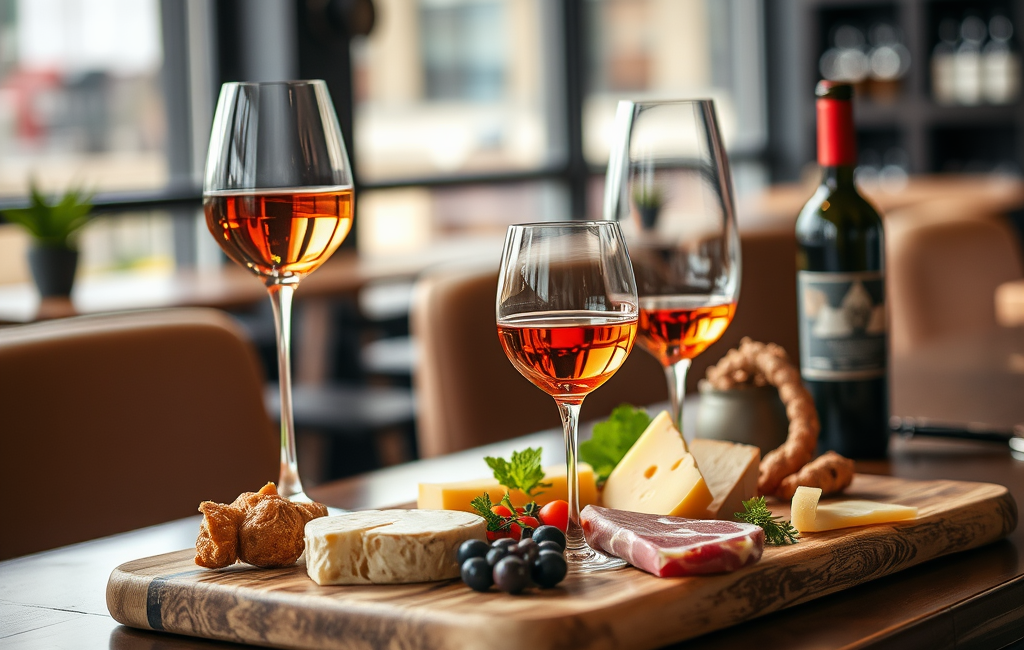
For a more intimate experience, Le Bar à Vin in the city center is my personal favorite. Run by the Bordeaux Wine Council, it offers over 50 different wines by the glass, many for just 4-6 euros. The cheese boards are incredible, and the staff excels at helping you discover new favorites without any pretension.
What’s really refreshing is seeing female winemakers finally getting the spotlight they deserve. Véronique Barthe of Château Thieuley has been leading the charge for sustainable winemaking, proving that innovation and tradition can coexist beautifully. The region’s rich viticultural history is being preserved while making room for fresh perspectives.
How to Drink Bordeaux Like a Pro in 2025
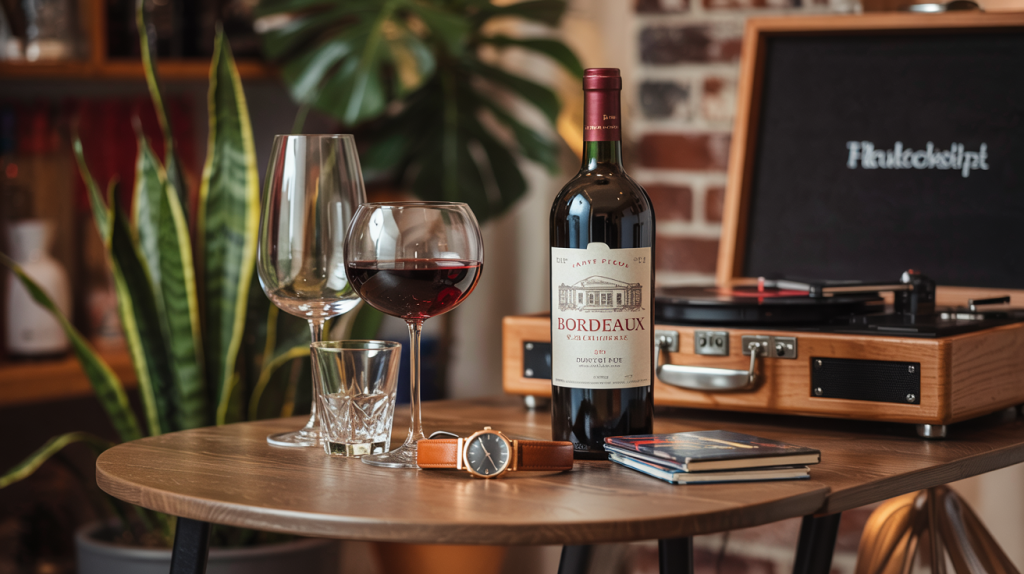
Now for some practical advice on getting the most from your Bordeaux experience this year! First, don’t be afraid to decant younger bottles – even the affordable ones. My $20 Médoc transformed after just 30 minutes of air, with the tannins softening beautifully and fruit notes becoming more pronounced.
When it comes to food pairings, forget the old rules. These new-style Bordeaux wines are versatile! I recently paired a Left Bank Cabernet blend with mushroom tacos, and the earthy flavors complemented each other perfectly. The changing climate means these wines have more fruit forward profiles that work with a wider range of cuisines.
If you’re looking for the most exciting wines, follow the rebels. Labels like Vignobles & Compagnie are blending tradition with modern sensibilities. They understand the classic techniques but aren’t afraid to shake things up with unexpected blends or aging methods. These boundary-pushers are creating some of the most memorable bottles in the region.
Don’t just stick to the famous years either. While 2019 and 2020 got all the press, the supposedly “lesser” vintages like 2021 can offer amazing value and earlier drinkability. My wine fridge has more of these “off-vintage” bargains than trophy bottles.
What I love most about Bordeaux in 2025 is how it’s shedding its intimidating image without losing its soul. The stuffy reputation is fading fast, replaced by a welcoming approach that invites everyone to the table. Whether you’re drawn to natural wines, hunting for bargains, or simply want to enjoy a good glass without feeling judged, today’s Bordeaux has something for you.
The next time someone tries to tell you Bordeaux is just for wine snobs or collectors, hand them a glass from one of these innovative producers. The transformation speaking volumes – louder than any wine critic ever could. The region has found its balance between honoring centuries of tradition while boldly stepping into the future. And that makes Bordeaux’s moment in 2025 not just a passing trend, but the beginning of an exciting new chapter.