This post may contains affiliate links. Read our full disclosure here.
Have you ever walked into a space and just felt something? Not just seen a beautiful room, but actually felt your whole body respond to it? That’s what drew me into sensory interior design last spring. After years of creating spaces that only looked good on Instagram, I wanted a home that actually felt good to live in. So I embarked on a total home makeover focused on engaging all five senses, not just sight. In 2025, sensory interior design has become more than just a trend—it’s a holistic approach to creating spaces that nurture our wellbeing.
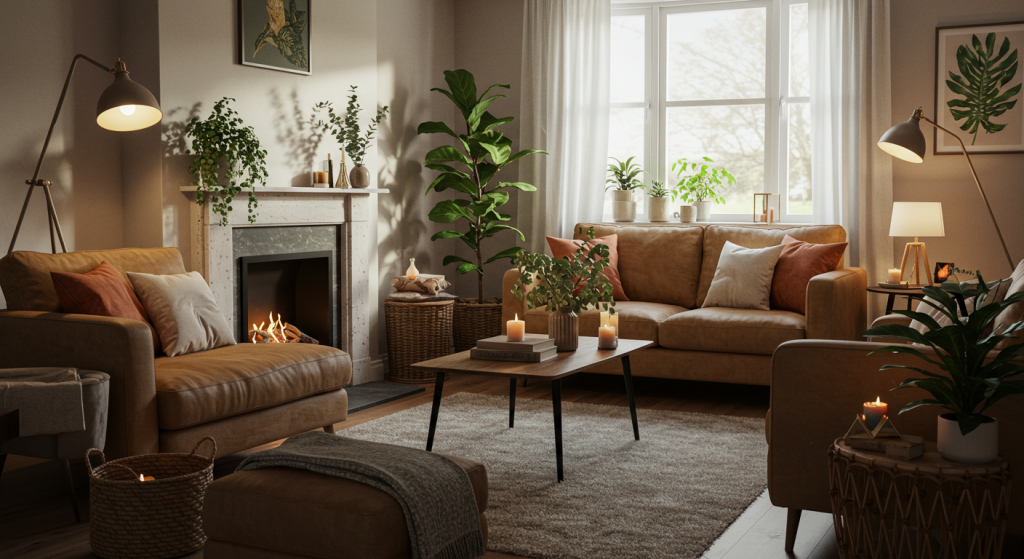
My boyfriend thought I was a bit crazy when I started talking about “designing for our ears and nose,” but now he’s the first to brag about our sensory-rich home to friends. The transformation wasn’t about expensive renovations or fancy furniture—it was about thoughtful choices that make everyday living more intentional. Let me walk you through how I approached each sense and the surprising difference it’s made in how we experience our home.

Sight: Creating Visual Harmony That Calms
I’ve always been drawn to pretty spaces, but sensory interior design taught me that visual elements should do more than just look good—they should make you feel good too. My first focus was creating a visual environment that felt naturally soothing rather than stimulating or stark.
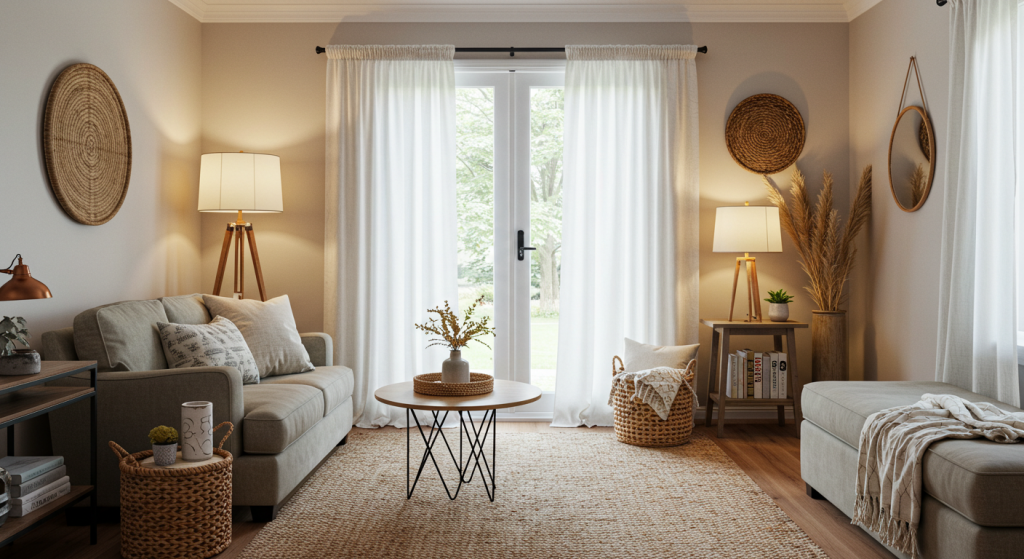
Here’s what made the biggest difference:
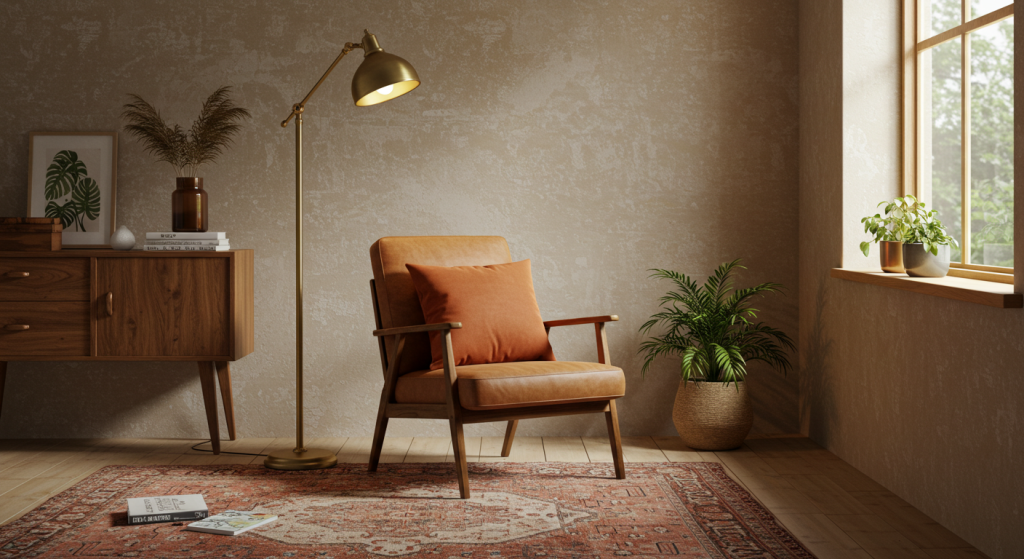
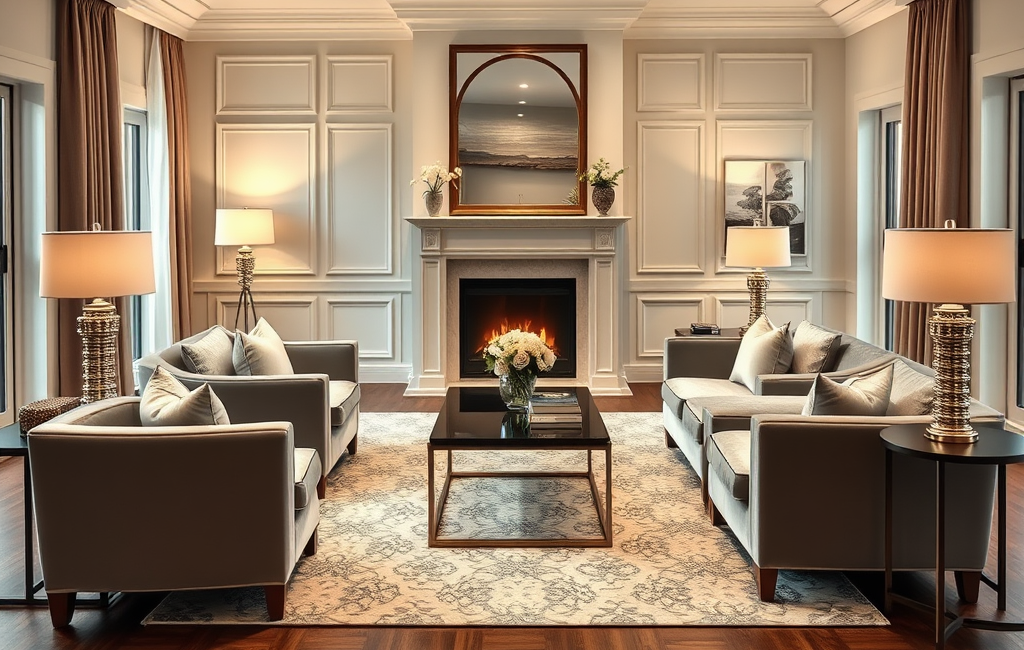
- Layered Lighting Sources – I ditched the harsh overhead lighting and installed a mix of floor lamps, table lamps, and accent lighting for spring. The warm Edison bulbs create this gorgeous amber glow that makes everyone look their best. Dimmers were worth every penny for adjusting the mood.
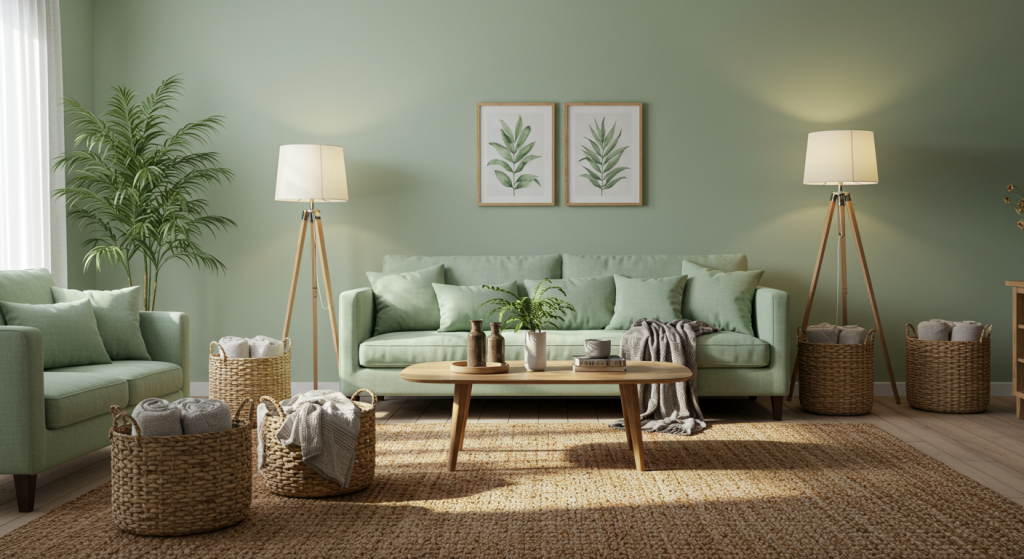
- Natural Texture Variety – Out went the smooth, cold surfaces and in came woven baskets, linen curtains that gently filter light, and a textured jute rug that feels amazing underfoot.
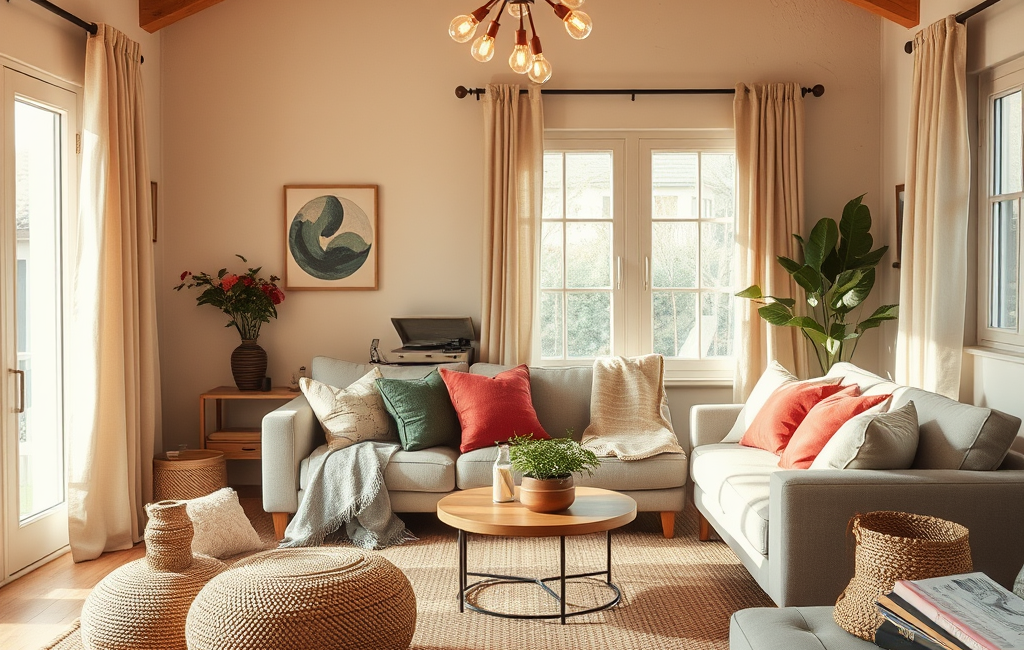
- Earthy Color Palette – I painted the living room in a soft sage green and added beige accents. For excitement, deep coral throw pillows and a few strategic accessories add just enough energy without overwhelming the senses.
The biggest surprise? Avoiding stark whites made our space feel instantly homier. Our eyes actually relax in the space now rather than being bombarded by high-contrast visuals that subconsciously keep us alert. Friends now comment that they feel like they can “breathe easier” in our living room—exactly the effect I wanted!

Sound: Creating an Acoustic Haven
Before my sensory makeover, I never realized how noisy our home was. The echo from our hardwood floors, the hum of electronics, even the ticking clock—it all created subtle tension we didn’t recognize until it was gone. Creating an acoustically pleasant environment became a top priority.
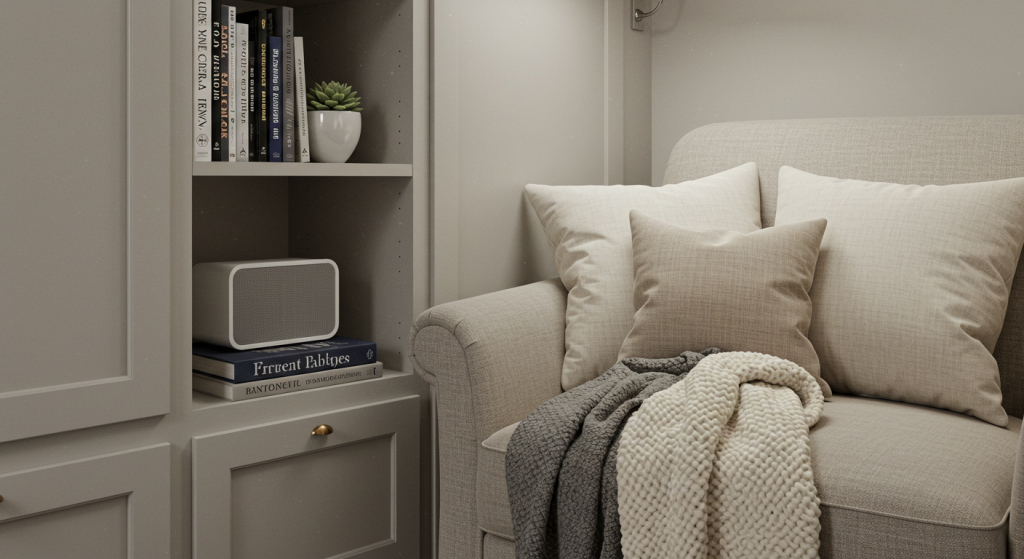
My sound-focused changes:
- Sound-Absorbing Elements – I invested in a thick wool area luxury rug that transformed our living room acoustics. Heavy linen curtains further dampened street noise and prevented echo.
- Dedicated Sound Corner – In the reading nook, I installed small built-in speakers for background soundscapes—morning bird sounds while I drink coffee, gentle rainfall during afternoon reading, and soft jazz during dinner parties.
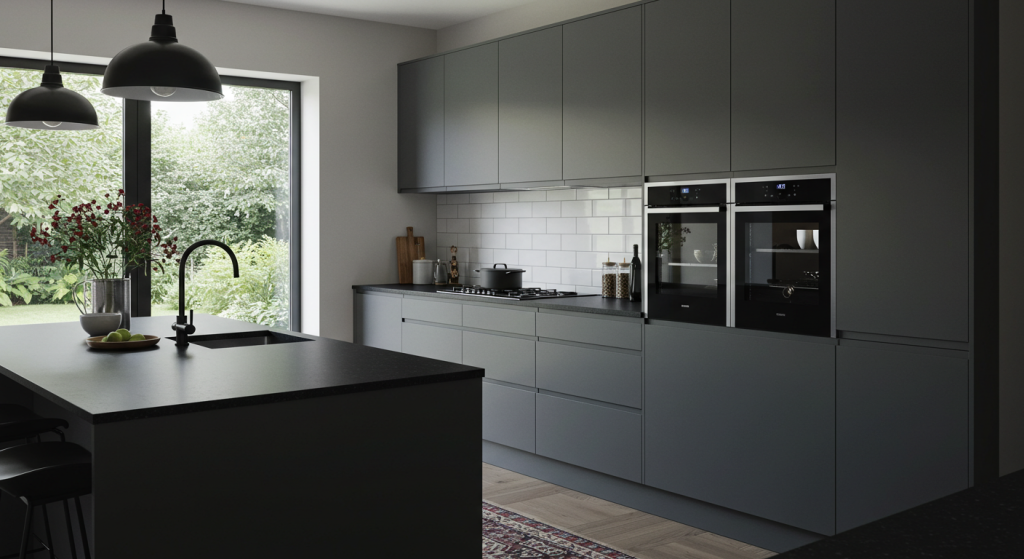
- Hidden Appliances – The kitchen blender, food processor, and coffee grinder now live in a cabinet with a sliding door, cutting down significantly on both visual and auditory clutter.
The most revealing discovery? Once the obvious noise was gone, subtle sounds became much more noticeable. The ticking wall clock had to go—replaced with a silent one. The gurgling pipes under the bathroom sink finally got fixed. Now our home has a pleasant acoustic quality that feels like a gentle exhale after leaving a noisy restaurant.
Smell: The Invisible Aspect of Sensory Interior Design
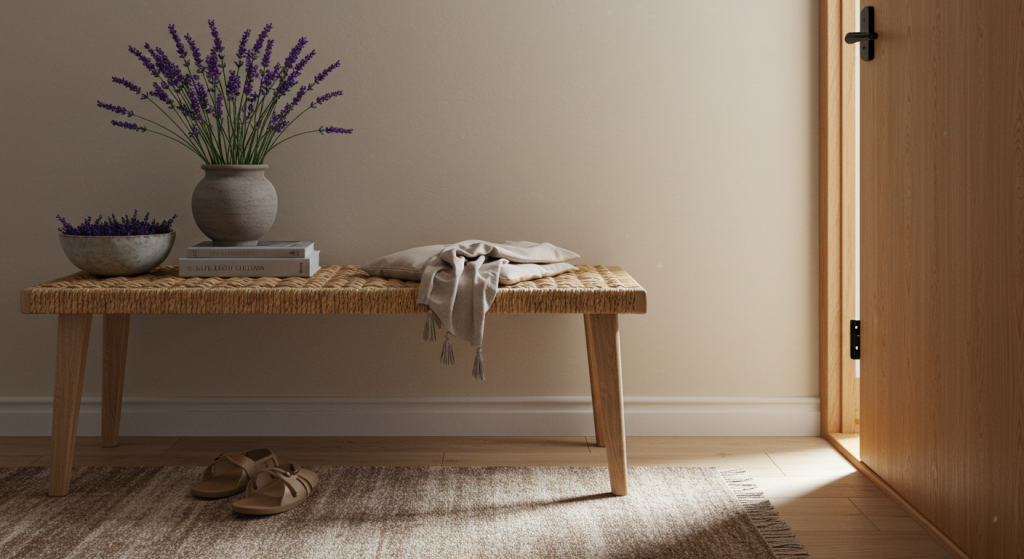
Scent might be the most powerful sensory element in a home, yet it’s often addressed only through artificial air fresheners. I wanted our home’s scent story to feel authentic and subtly shift throughout the day and seasons. Sensory interior design in 2025 has really emphasized natural scent profiles over synthetic ones.
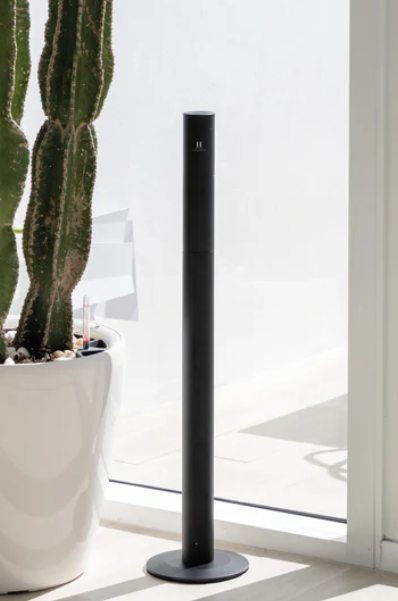
My approach to home fragrance:
- Zone-Specific Essential Oils – Different rooms now have purpose-driven scents: lavender in the bedroom for restfulness, peppermint in the home office for productivity, and citrus in the entryway for an energetic welcome.
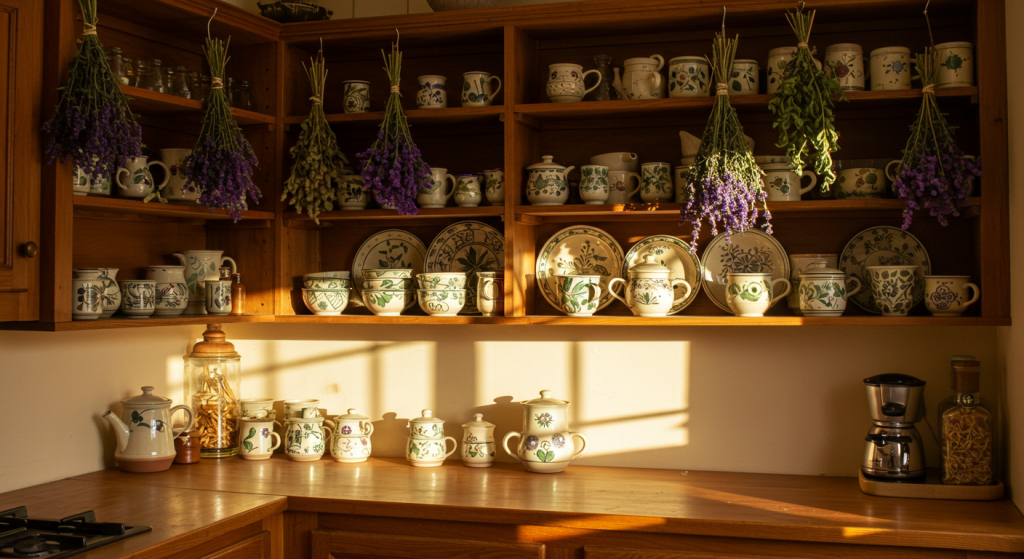
- Living Scent Elements – Potted rosemary, mint, and eucalyptus serve double-duty as both decoration and natural fragrance. The bathroom always has fresh eucalyptus hanging in the shower.
- Practical Aromatherapy – I started baking bread more often. Beyond the delicious results, the process fills our home with a scent that creates instant comfort. Nothing says “home” like the smell of something in the oven.


My favorite scent discovery? Vanilla isn’t just for kitchens. A vanilla-based diffuser in the living room creates a subtle warmth that guests always notice but can’t quite identify. It simply makes the space feel welcoming without screaming “I JUST SPRAYED AIR FRESHENER!”
Touch: The Tactile Experience of Home
If I had to pick a favorite sense in our sensory interior design journey, touch might win. There’s something fundamentally comforting about spaces that feel good against your skin. I wanted every surface to invite physical interaction rather than keeping people at a distance.
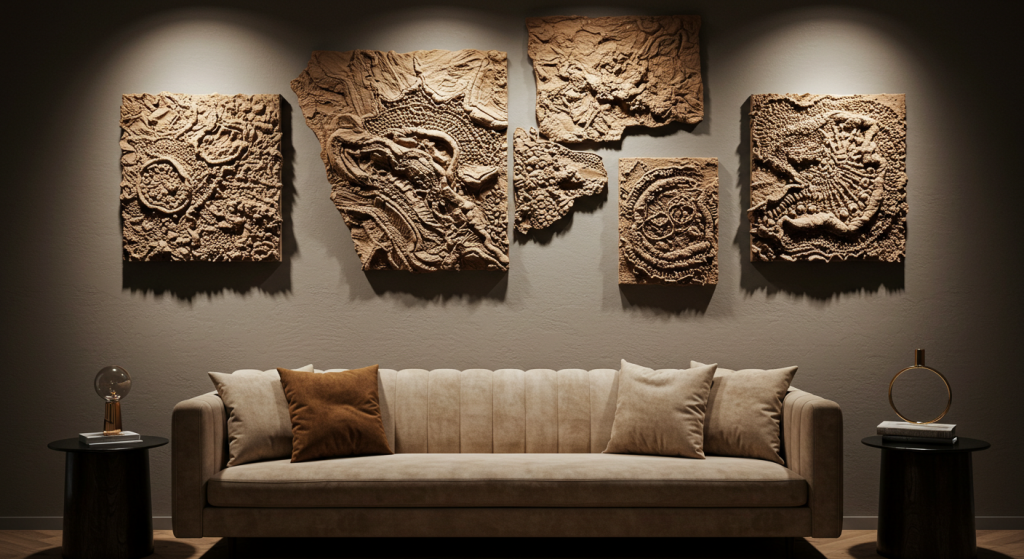
My tactile transformations:
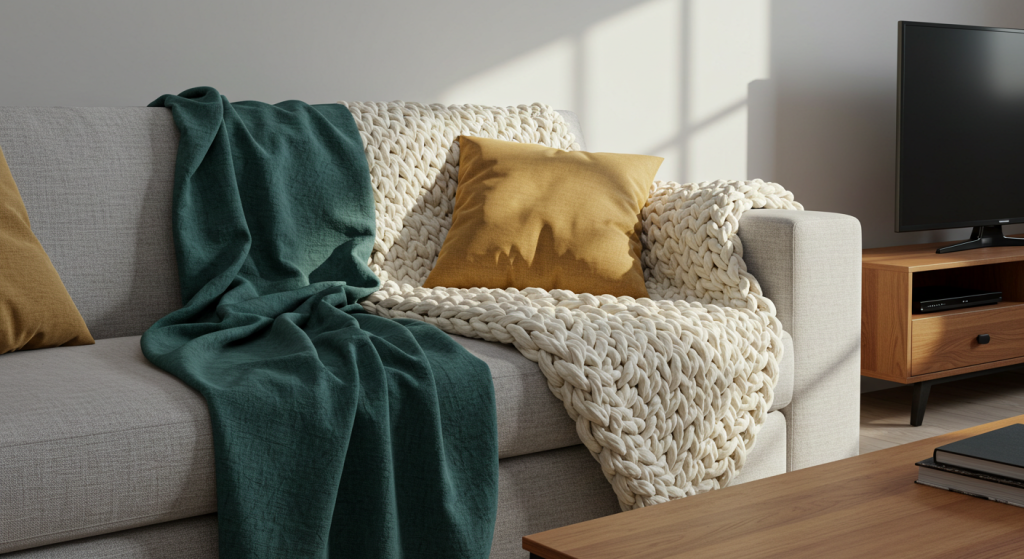
- Varied Textile Collection – I layered our sofa with throws of different textures—a chunky knit blanket, an ultra-soft microfiber throw, and a slightly rougher linen pillow. The contrasting textures create interest for busy hands.
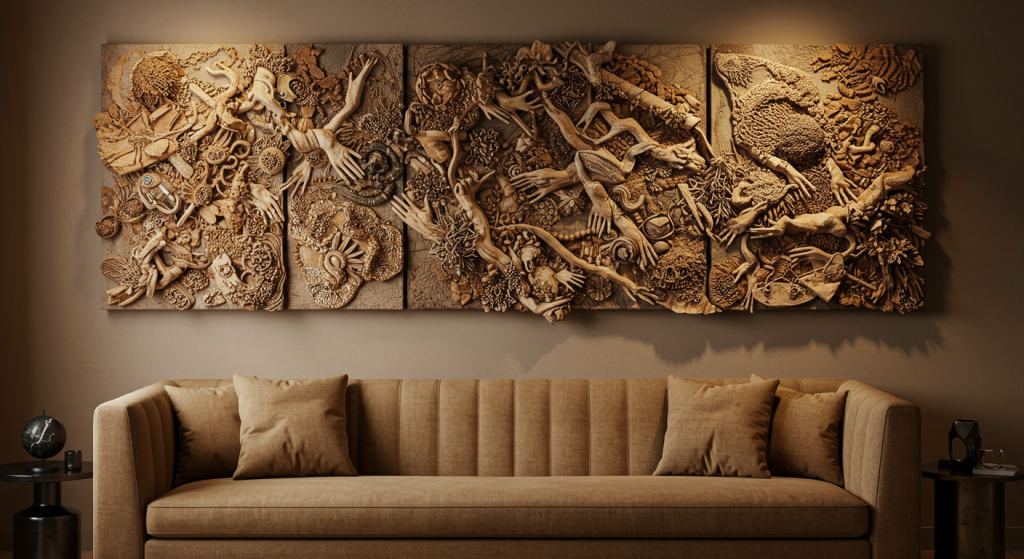
- Tactile Contrast Moments – Throughout the house, I placed items with contrasting textures near each other—rough ceramic vases next to smooth wooden bowls, silky curtains against textured walls. These juxtapositions make touching objects more satisfying.
- Floor Comfort Zones – Cold kitchen tile now has cork mats in key standing areas. Our bedroom’s new plush rug makes those first steps out of bed in the morning genuinely pleasant.
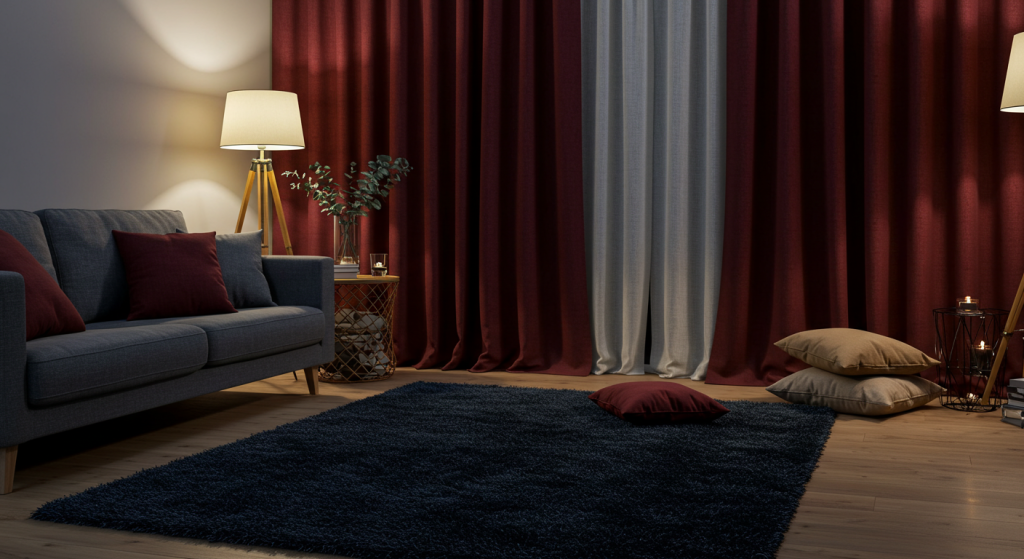
Best tactile decision? Adding velvet accent pillows to the living room. They’re surprisingly durable, and everyone who visits ends up absentmindedly stroking them while we chat. It’s like therapy for fidgety hands!
Taste: The Unexpected Element of Home Design
Incorporating taste into home design sounds strange at first, but it’s about creating spaces that celebrate food experiences rather than hiding them away. My kitchen went from a purely functional space to the heart of sensory experiences in our home.
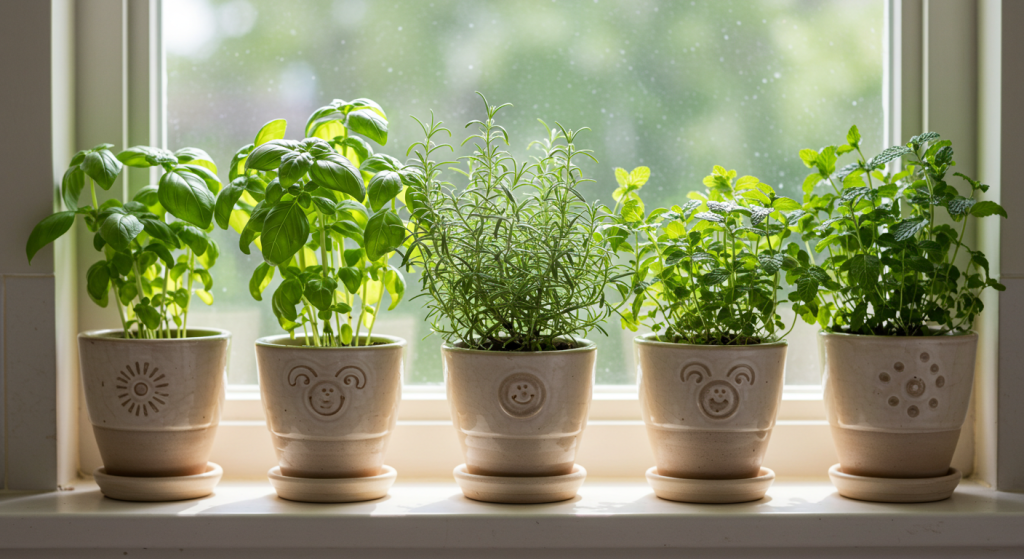
How I brought taste into our design:
- Visible Pantry Beauty – Clear glass containers now display colorful lentils, beans, and pasta on open shelving. Even my salt collection moved to small decorative dishes near the stove—functional and beautiful.
- Window Herb Garden – Fresh herbs now grow year-round on our kitchen windowsill, providing instant flavor for cooking and cocktails. The basil plant has become something of a pet!
- Ritual Coffee Station – A dedicated corner holds our coffee equipment, favorite mugs, and small treats. This station makes mornings feel special rather than rushed.
My secret taste success? A small candy dish with dark chocolates by the front door. It’s a tiny taste experience that welcomes us home and gives guests a little moment of joy. The affordable home decor addition creates a memory marker that people associate with visiting our home.
What I Learned Through My Sensory Design Journey
Looking back at my sensory interior design experiment, I’m amazed by how much our relationship with our home has changed. We don’t just live here—we experience it. Every room serves a purpose beyond function, creating moments of joy throughout our daily routines.
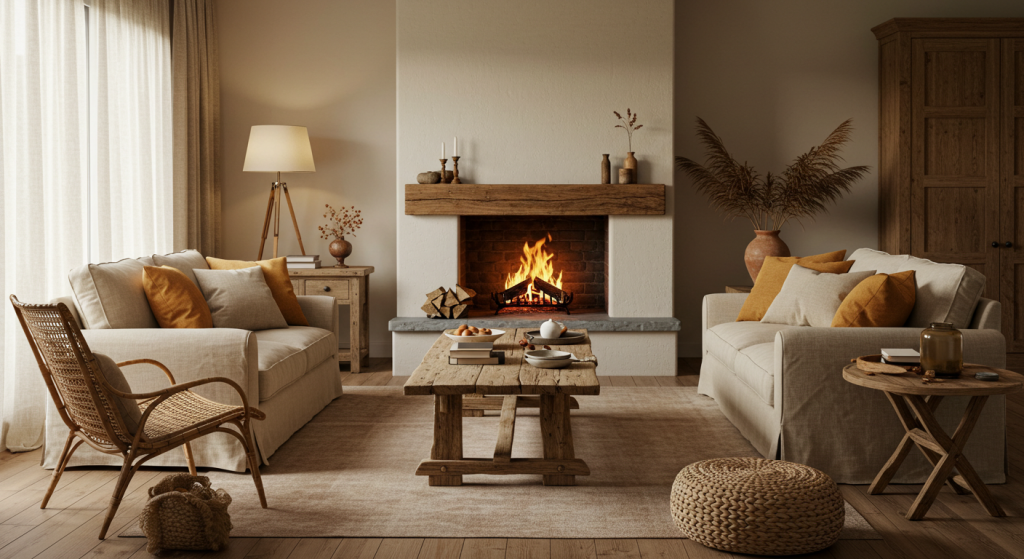
Not everything worked perfectly. The white noise machine was too artificial and got replaced by a small tabletop fountain. The scented candle collection became overwhelming when burned together. And yes, I still occasionally step on my boyfriend’s Lego pieces despite all my tactile floor planning!
If you’re curious about trying sensory interior design in your own space, start small. Pick one sense and one room—maybe focus on making your bedroom a touch-oriented haven, or creating a scent journey in your bathroom. Small changes can dramatically shift how you experience familiar spaces.
The real beauty of designing for all five senses is that it forces you to slow down and actually notice your surroundings. In our rushed world, creating a home that gently pulls you into the present moment might be the greatest luxury of all. Your space becomes not just somewhere you live, but somewhere you truly feel alive.