This post may contains affiliate links. Read our full disclosure here.
Exploring new cultures through food is one of travel’s greatest joys, but for those with dietary restrictions or food allergies, it can feel like navigating a minefield. Learning how to travel with dietary restrictions and food allergies doesn’t mean missing out on authentic culinary experiences—it simply requires strategic planning and preparation. Whether you’re dealing with celiac disease, severe nut allergies, or following a specific diet like vegan or keto, you can still enjoy delicious meals that are both safe and satisfying.
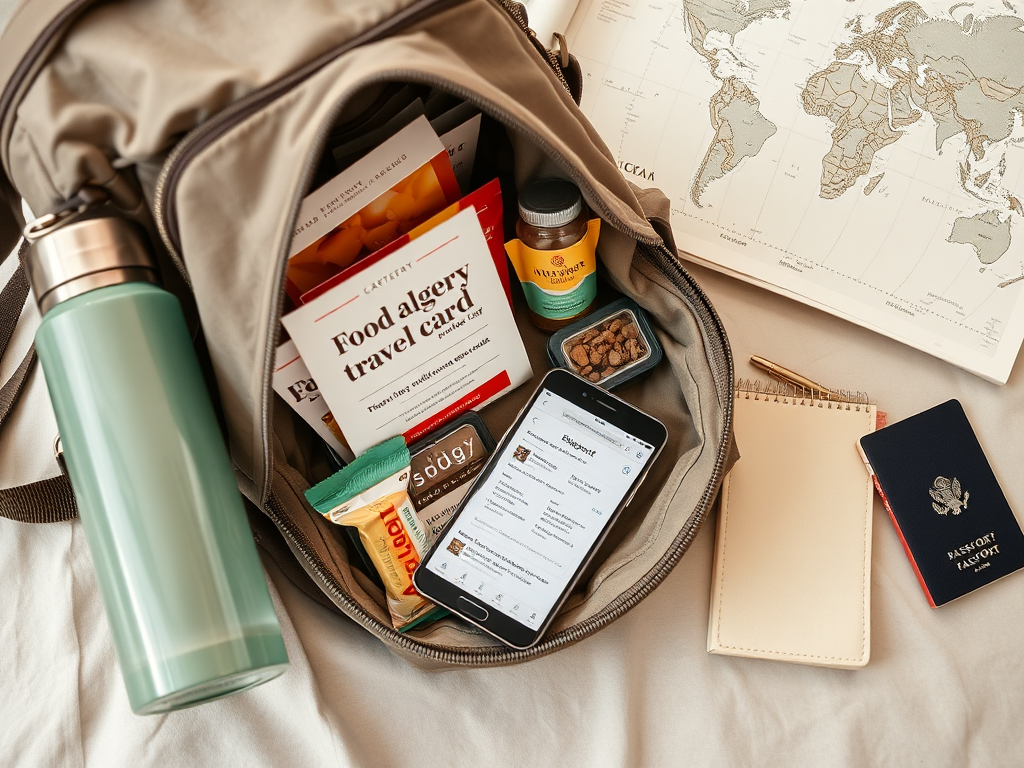
My friend Lisa recently traveled through Southeast Asia despite her severe shellfish allergy, and she came back with amazing food stories rather than hospital visits. Her success inspired me to compile this comprehensive guide to how to travel with dietary restrictions and food allergies. The strategies outlined below have been tested by real travelers with genuine dietary concerns, offering practical solutions that work across different countries, languages, and food cultures.
Plan Ahead — Don’t Wing It When Traveling with Food Allergies
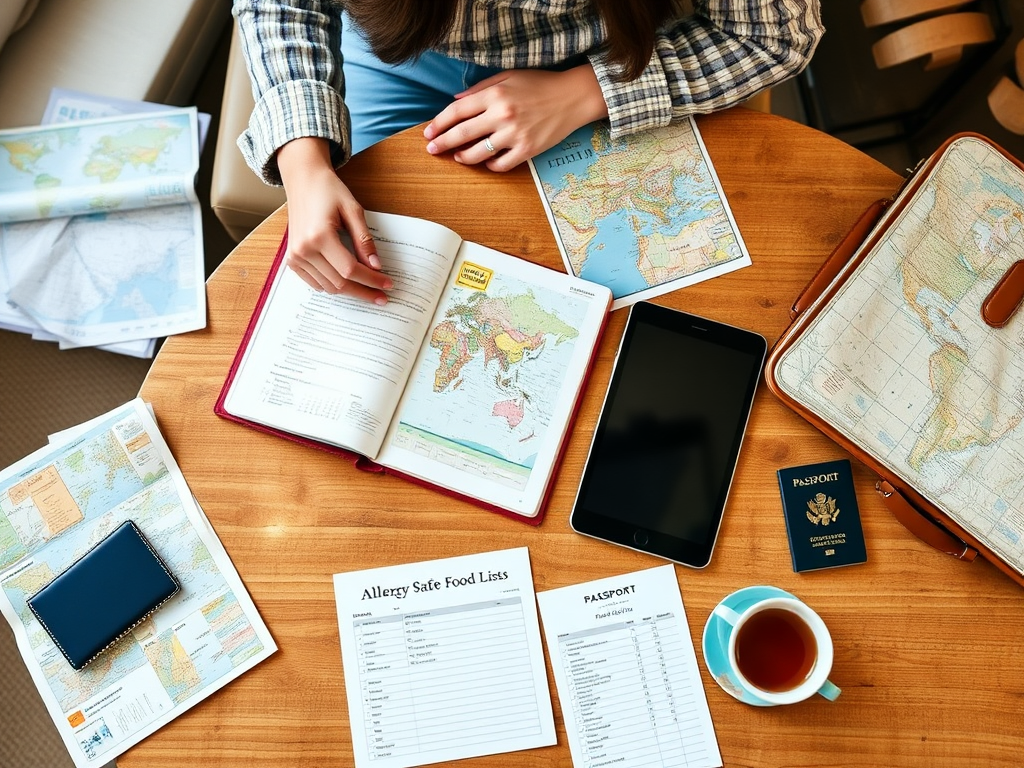
- Research allergy-friendly restaurants using keywords like “gluten-free,” “vegan,” or “allergy menu”
- Contact airlines, hotels, and tour operators at least two weeks before your trip
- Translate essential food terms or print allergy phrases in the local language
The difference between a stress-filled trip and a relaxing adventure often comes down to preparation. When flying with food allergies, I always call the airline at least 48 hours before departure to confirm my special meal request. Most airlines accommodate common restrictions, but they typically need advance notice to prepare alternatives.

Hotel communication is equally crucial. My celiac friend Jenna always emails her accommodations to request a mini-fridge and information about breakfast options. “I was amazed when a boutique hotel in Portugal prepared a special gluten-free breakfast basket for me each morning,” she said. “They even included a note with recommended local restaurants that could accommodate my needs—all because I reached out a week before arriving.”
Creating a digital folder with translated allergy statements is another game-changer for international travel with food allergies. Many travelers overlook this step, but having your restrictions written in the local language eliminates confusion and helps ensure your safety.
Pack Smart for Safe Snacking
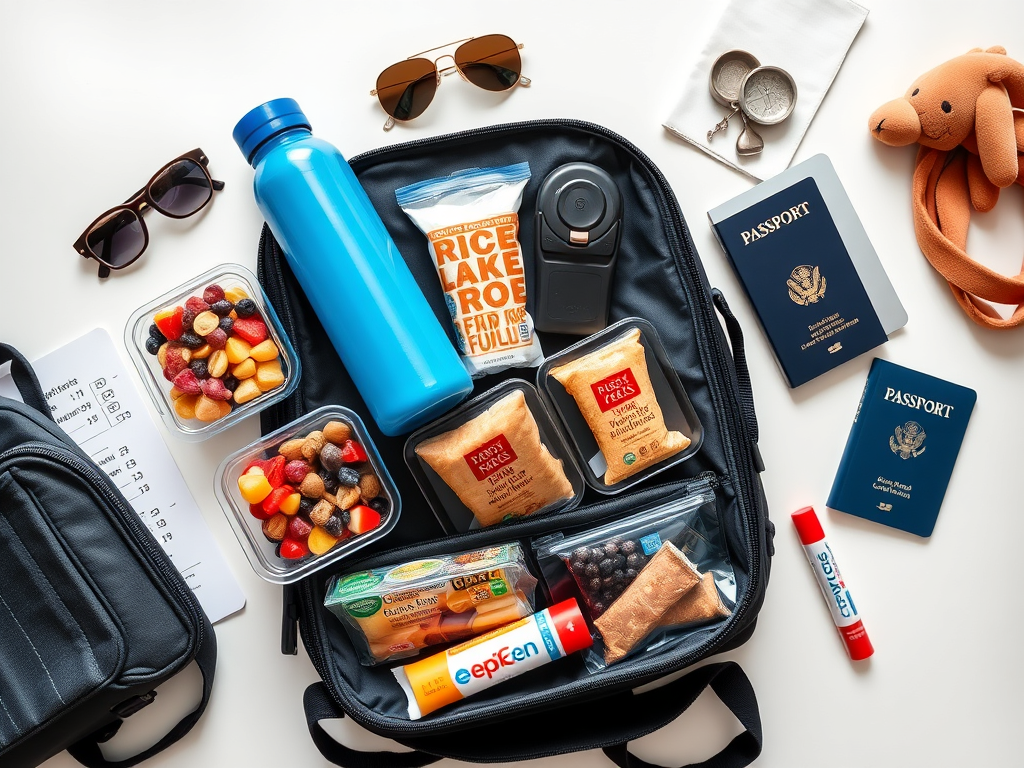
- Pack shelf-stable allergy-friendly protein bars, trail mix, or dried fruit
- Use TSA-compliant containers for travel-friendly meals like quinoa bowls or veggie wraps
- Always keep emergency snacks in your day bag for unexpected delays or limited food options
Nothing ruins a travel experience faster than hunger combined with limited safe food options. Creating a travel snacks for dietary needs kit has saved me countless times, especially during long flights and transit days. I pack a variety of options like protein bars, seed crackers, and individual nut butter packets that meet TSA requirements.
My vegan colleague Sarah recommends bringing lightweight, nutrient-dense foods that won’t spoil. “I always pack individually wrapped snacks that pair well with local drinks—like homemade energy balls and dried fruit. They’re perfect when I’m exploring and can’t find suitable vegan options,” she explains. These portable snacks provide peace of mind when you’re uncertain about food availability.
For longer trips, consider researching local grocery stores in advance. Many international cities now have health food stores or supermarkets with allergy-friendly sections where you can restock your supplies. This approach lets you mix emergency provisions with local exploration.
Learn the Local Food Landscape
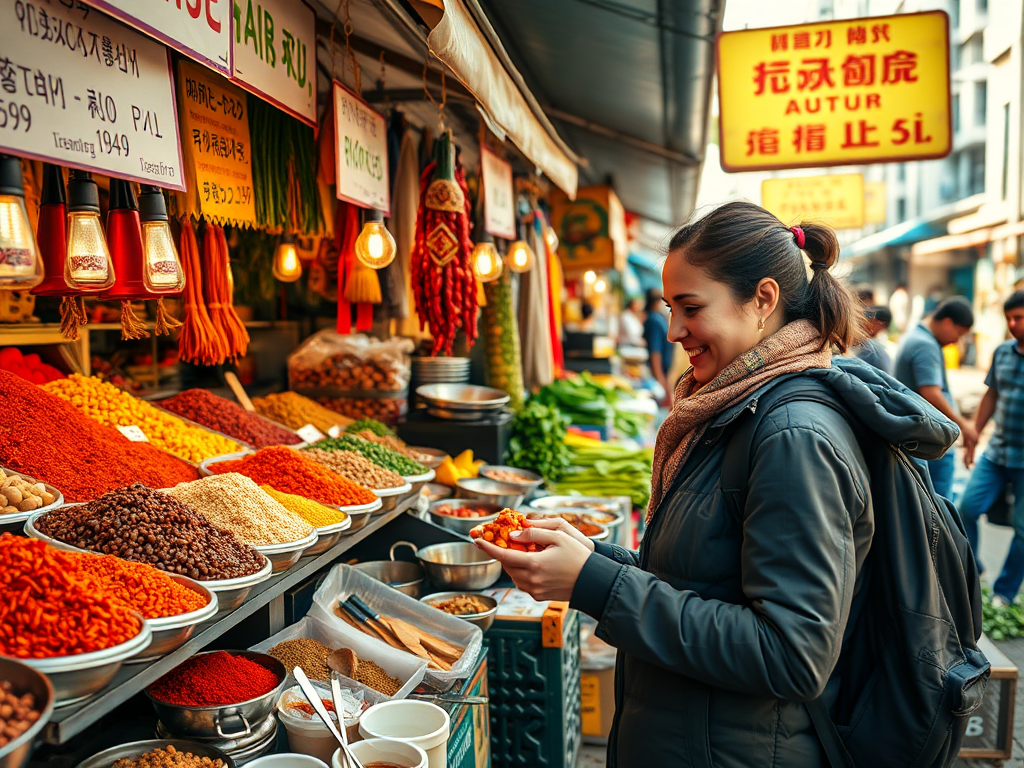
- Research popular dishes and their common ingredients before arrival
- Identify cuisines that naturally accommodate your dietary needs
- Be aware of cross-contamination risks in shared kitchens and cooking equipment
Understanding the local food culture is essential when figuring out how to travel with dietary restrictions and food allergies. Before my trip to Thailand, I researched which dishes commonly contained peanuts—a potential issue for my mild allergy. This preparation helped me confidently order pad thai without the crushed peanut garnish.
Some cuisines are naturally more accommodating of certain dietary restrictions. For example, South Indian food offers numerous vegetarian and vegan options, while Vietnamese cuisine is often gluten-free friendly. Mediterranean countries typically label allergens clearly, making them excellent choices for travelers with serious food allergies.
Cross-contamination awareness is particularly important for those with severe allergies or celiac disease. My friend with celiac disease avoids buffets entirely and seeks restaurants where chefs understand the importance of using separate cooking surfaces. “I learned to ask specific questions about food preparation, not just ingredients,” she advises. “It’s the hidden dangers like shared fryers or cutting boards that can cause the biggest problems.”
Use Apps and Cards to Communicate Clearly

- Download translation apps specifically designed for food allergies like Allergy Translate or Google Lens
- Carry printed food allergy travel cards in the local language
- Use photos or visual aids when language barriers become challenging
When eating abroad with food allergies, clear communication becomes your most valuable tool. Translation apps designed specifically for dietary restrictions have transformed how travelers with allergies navigate foreign menus. Apps like Allergy Translate allow you to select your specific allergies and generate accurate translations in dozens of languages.
Printed allergy cards offer a reliable backup when technology fails or in areas with limited connectivity. These wallet-sized cards explain your dietary restrictions in the local language, often including cultural context that generic translations might miss. Several companies offer customized food and dietary restriction cards with medically reviewed translations.
Visual communication can bridge gaps when words fail. My lactose-intolerant friend keeps photos of dairy products she needs to avoid on her phone. During a trip to rural Japan, she showed these images to restaurant staff who immediately understood her needs despite the language barrier. This simple approach helped her enjoy local cuisine safely throughout her journey.
Know Your Emergency Plan

- Keep allergy medications or epinephrine auto-injectors easily accessible at all times
- Learn essential medical phrases in the local language, including “hospital,” “ambulance,” and “allergy”
- Share your medical needs with a travel companion or hotel staff member
Even with perfect planning, emergencies can happen. Having a solid backup plan is a crucial part of how to travel with dietary restrictions and food allergies. Always keep medications in your carry-on luggage, never in checked bags that could get lost or delayed.

My friend who travels with a severe nut allergy wears a medical alert bracelet with international symbols and carries a doctor’s note explaining her condition. She also researches the locations of hospitals and 24-hour pharmacies at each destination. “Knowing where to go in an emergency gives me confidence to try new foods within my safety parameters,” she explains.
Don’t underestimate the value of having an ally during your travels. Whether it’s a travel companion, tour guide, or even the hotel concierge, having someone who understands your dietary needs can be invaluable during an emergency. I always make sure to teach a travel companion basic terminology related to my food sensitivities so they can help communicate if needed.
Embrace the Adventure While Staying Safe

Learning how to travel with dietary restrictions and food allergies is ultimately about finding balance between safety and culinary exploration. With thoughtful preparation and the right tools, dietary restrictions don’t have to limit your travel experiences—they might even deepen them by connecting you with helpful locals and fellow travelers.
My gluten-intolerant friend discovered an incredible hidden restaurant in Barcelona when she asked a pharmacist for celiac-friendly dining recommendations. The meal became one of her favorite travel memories, not despite her dietary restriction, but because of the connections it helped her make.

Food allergies and dietary restrictions can actually encourage deeper cultural engagement as you learn about ingredients, preparation methods, and culinary traditions. By mastering these strategies for safe eating while traveling, you’re equipping yourself not just to survive your journey, but to truly savor every moment and meal along the way.
The world of food is wonderfully diverse, and with these approaches to traveling with dietary restrictions and food allergies, you can experience that diversity confidently and joyfully. Whether you’re sampling street food in Thailand or dining at a fine restaurant in Paris, your dietary needs can be accommodated with the right preparation, communication, and attitude. So pack your bags—and your snacks—and set off on your next delicious adventure knowing you’re fully prepared to eat well and safely, wherever your travels take you.