This post may contains affiliate links. Read our full disclosure here.
When I first learned about how the Silk Road influenced wine trading and grape variety spread, I was amazed by the connections between my love for wine and these ancient trade routes. Working in the wine industry has given me such appreciation for the stories behind each bottle, but understanding how the Silk Road influenced wine trading and grape variety spread across continents truly blew my mind. These weren’t just merchants carrying silk and spices – they were cultural ambassadors who shaped the wine world we know today.
The impact of how the Silk Road influenced wine trading and grape variety spread extends far beyond simple commerce. Every glass of wine we enjoy today carries traces of these ancient journeys, from Georgian amber wines to Chinese grape varieties that traveled thousands of miles. The history of wine in America even connects back to these early trade networks, as techniques and grape varieties eventually made their way to the New World through European merchants who’d learned from Silk Road traditions.

*Source: This Day in Wine History*
Georgia: The Wine Cradle Along Ancient Routes
Georgia holds such a special place in how the Silk Road influenced wine trading and grape variety spread because it’s literally where wine began 8,000 years ago. When my boyfriend and I attended a Georgian wine tasting last year, the sommelier explained how Georgia’s position along these trade routes made it a crucial stop for merchants. What fascinates me is that the Silk Road influenced wine trading and grape variety spread by turning Georgia into both a source and destination for wine knowledge.
The Georgian qvevri winemaking method – fermenting wine in buried clay vessels – spread along trade routes, influencing winemaking techniques from the Caucasus to China. These ancient merchants didn’t just carry finished wines; they transported living grape vines, winemaking equipment, and most importantly, the knowledge of how to cultivate grapes in new climates.
The history of wine in France actually traces some influences back to these early trade exchanges, as techniques and grape varieties slowly made their way westward through various trade networks.
Georgian Contributions to Silk Road Wine Culture: • Development of qvevri fermentation techniques • Preservation of over 500 indigenous grape varieties
• Creation of wine trading protocols and quality standards • Establishment of wine as diplomatic currency
Chinese Discovery: When Grapes Met the Middle Kingdom
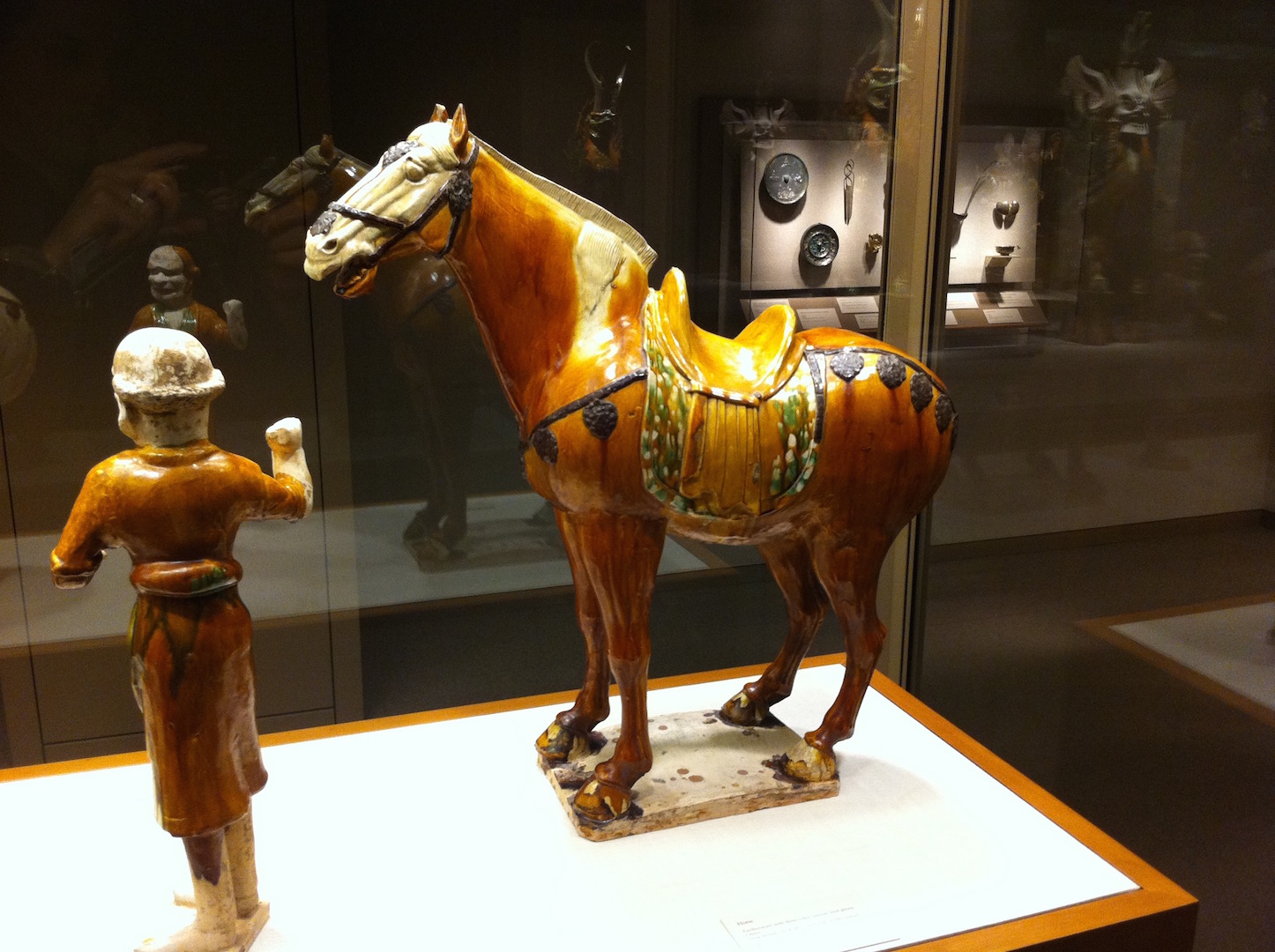
The story of how the Silk Road influenced wine trading and grape variety spread gets particularly interesting when we look at China’s relationship with grapes. Chinese civilization had been making alcoholic beverages from rice for millennia, but grapes were completely foreign until Silk Road merchants arrived. The Silk Road influenced wine trading and grape variety spread by introducing the Chinese to an entirely new way of thinking about fermented beverages.
*Source: Ancient Art Podcast*
What’s remarkable about how the Silk Road influenced wine trading and grape variety spread in China is that it wasn’t just about importing finished products. Chinese merchants became fascinated by the grape cultivation process itself. They brought back vine cuttings, hired foreign winemakers, and adapted Mediterranean techniques to work in Chinese climates.
The Turfan region became particularly famous for wine production, with records showing that grape wine became so prized that it was offered as tribute to imperial courts. Wine classification systems around the world still show Chinese influence from these early Silk Road connections, particularly in how different regions developed their own quality standards.
Chinese Wine Development Through Silk Road Trade: • Introduction of Vitis vinifera grape varieties • Adaptation of Western fermentation techniques • Development of unique Chinese-Western hybrid winemaking methods • Integration of wine into Chinese court culture and diplomacy
The Merchant Networks: More Than Just Commerce
““As the Silk Road unfolded, so did the journey of wine, weaving a rich tapestry of flavors and cultures across continents.””
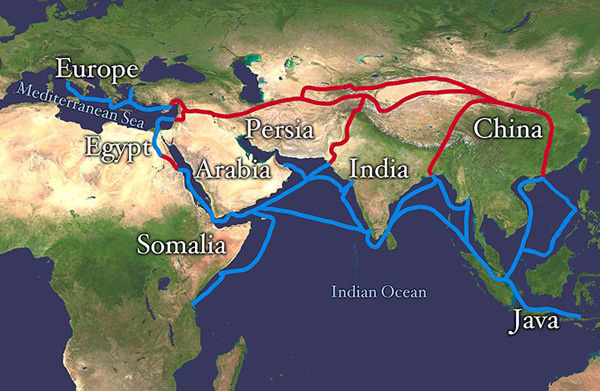
Understanding how the Silk Road influenced wine trading and grape variety spread requires looking at the actual people making these journeys. The Sogdians, based in modern-day Uzbekistan, were particularly skilled wine traders who understood that the Silk Road influenced wine trading and grape variety spread through relationship building, not just transactions.

These merchants didn’t just transport wine – they carried entire wine cultures. They’d spend months in different regions, learning local techniques, forming partnerships with vintners, and gradually spreading wine knowledge along their routes. The Silk Road influenced wine trading and grape variety spread because these traders became cultural ambassadors, sharing not just products but entire ways of life.
The history of wine in Italy shows similar patterns, where trade relationships eventually influenced local winemaking practices across the Mediterranean.
Sogdian Merchant Contributions: • Established wine trading posts across Central Asia • Created standardized wine storage and transport methods • Developed wine quality assessment protocols • Built lasting partnerships between wine regions
Technical Innovations: How Trade Improved Winemaking
What really shows how the Silk Road influenced wine trading and grape variety spread is the technical knowledge that traveled alongside the merchants. Working in the wine industry has taught me how crucial proper storage and transport are, and these ancient traders faced challenges we can barely imagine. The Silk Road influenced wine trading and grape variety spread by forcing innovations in preservation, packaging, and quality control.
*Source: Decanter China*
Merchants developed new methods for preserving wine during long journeys, including early forms of fortification and the use of various preservatives. They created standardized vessel sizes and shapes that would travel well, influencing pottery and glassmaking traditions across Eurasia. The Silk Road influenced wine trading and grape variety spread by creating the world’s first international wine standards.
Women in winemaking also played crucial roles in these developments, often managing the household wine production that supplied these trading ventures.
Technical Innovations from Silk Road Wine Trade: • Development of wine preservation techniques for long-distance transport • Creation of standardized wine vessels and storage containers
• Innovation in grape pressing and fermentation equipment • Establishment of quality control methods across different cultures
Cultural Exchange: Wine as Diplomatic Currency
Perhaps the most fascinating aspect of how the Silk Road influenced wine trading and grape variety spread lies in wine’s role as diplomatic currency. Wine wasn’t just another commodity – it became a symbol of sophistication, hospitality, and cultural refinement. The Silk Road influenced wine trading and grape variety spread by making wine central to diplomatic and social interactions across diverse cultures.
Imperial courts from China to Byzantium used fine wines to demonstrate wealth and cultural refinement. Gift exchanges of rare wines sealed diplomatic alliances, while shared wine tastings became opportunities for cultural learning and relationship building. This elevated status of wine drove demand and encouraged the spread of viticulture techniques.
Ancient wine secrets often reveal how these diplomatic wine exchanges influenced local winemaking practices across different civilizations.
Wine’s Diplomatic Role Along Trade Routes: • Used as gifts between rulers and diplomatic missions • Served at important negotiations and treaty signings • Became markers of cultural sophistication and refinement • Facilitated cross-cultural communication and understanding
Modern Legacy: Tracing Ancient Influences Today
The impact of how the Silk Road influenced wine trading and grape variety spread continues to shape today’s wine world in ways that constantly surprise me. When I taste Georgian orange wines or Chinese Cabernet Sauvignon, I’m experiencing the direct legacy of these ancient trade routes. The Silk Road influenced wine trading and grape variety spread in patterns we can still trace in modern viticulture.
Modern wine regions like Xinjiang in China, which produces excellent wines along the ancient Silk Road corridor, demonstrate how the Silk Road influenced wine trading and grape variety spread created lasting viticultural foundations. The grape varieties, growing techniques, and even some winemaking methods in these regions trace directly back to Silk Road innovations.
Contemporary wine trade – with its emphasis on terroir, quality standards, and cultural storytelling – mirrors many principles established by Silk Road merchants centuries ago. The way we talk about wine’s journey from vineyard to glass echoes the ancient understanding that wine carries culture, not just flavor.
Modern Connections to Silk Road Wine Heritage: • Continued viticulture in traditional Silk Road wine regions • Preservation of ancient grape varieties and winemaking techniques • Modern trade routes that follow historical wine trading patterns • Cultural wine tourism along former Silk Road paths

*Source: This Day in Wine History*
Understanding how the Silk Road influenced wine trading and grape variety spread has transformed how I appreciate every bottle of wine. These weren’t just ancient merchants moving products – they were cultural pioneers who connected civilizations through shared appreciation of fermented grapes. From my home office where I write about wine, to the vineyard visits my boyfriend and I take on weekends, the legacy of how the Silk Road influenced wine trading and grape variety spread continues to influence our modern wine experiences.
The next time you uncork a bottle, remember that you’re participating in a tradition that stretches back thousands of years, connecting you to merchants, emperors, and wine lovers who traveled impossible distances to share the magic of wine. The Silk Road influenced wine trading and grape variety spread in ways that still bring us together today, one glass at a time.
Learn more about UNESCO’s Silk Roads Programme at UNESCO Silk Roads